


Appalachians
One of TNC’s top priorities, this landscape spans 2,000 miles from Alabama to the Canadian Maritimes, a vast, nearly unbroken chain of forested mountains, valleys, wetlands and rivers.

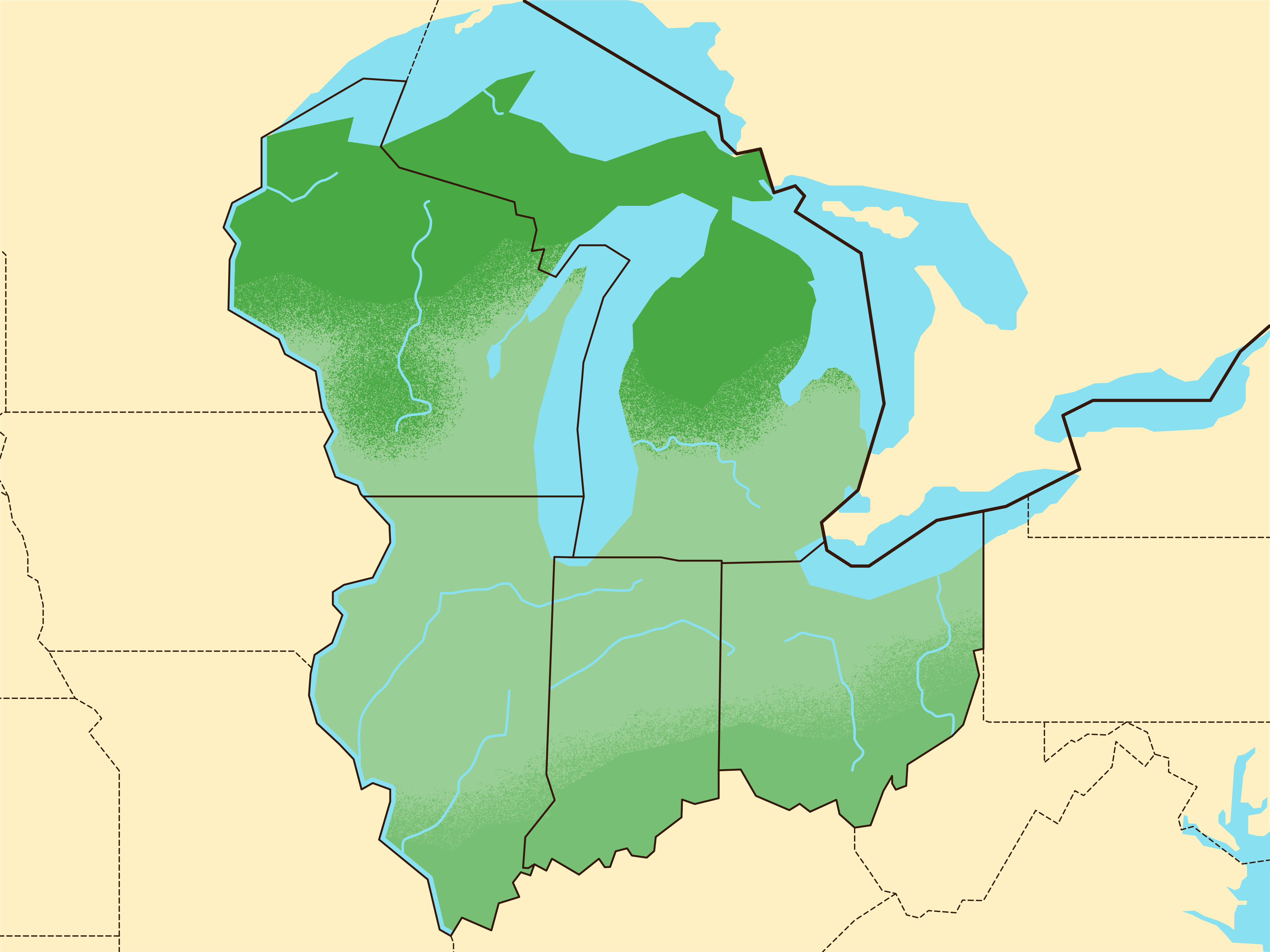
The Midwest is a strategic stronghold for freshwater, biodiversity and agriculture. More than 300 bird species migrate to and through our region; the Great Lakes contain 20% of the world’s freshwater; and Illinois, Indiana, Michigan, Ohio and Wisconsin rank among the top 20 U.S. agricultural states, providing food across the globe.
Thanks to the steadfast support of partners and people like you, TNC has worked for more than 60 years to protect and preserve the Midwest region’s rich natural heritage. Together, we are building on a legacy of conservation to shape a more resilient, thriving future for nature and people, here in the heartland and around the world.
Our long history of partnering with Midwest communities to tackle local conservation challenges gives us the tools, knowledge and partnerships we need to overcome barriers and advance our vision of a Midwest where people and nature thrive.

Midwest agriculture contributes $78 billion to the economy each year.

The Great Lakes contain 84% of surface freshwater in the U.S.—and about 21% of the world's surface freshwater.

Great Lakes fisheries are the foundation of a $7 billion fishing industry in the Midwest.

The Northwoods sequesters 12 million tons of CO2 each year in the Midwest.
Ecosystems from the Great Lakes and the Northwoods to rolling prairies and Appalachian foothills define Midwestern culture and play a crucial role in shaping our future climate.
For 60 years, The Nature Conservancy and our partners have safeguarded 245,000+ acres of Wisconsin’s wild beauty. Today, we unite to face climate change, protect wildlife, and ensure clean water for all.

For 60+ years, The Nature Conservancy has protected Illinois’ prairies, savannas and forests. With your support, we’re uniting to tackle climate change, habitat loss and water protection.

Indiana’s natural areas sustain diverse habitats and wildlife. TNC is protecting wild places, connecting ecosystems, and working with farmers to boost soil health.

From lakes to forests, Ohio’s lands and waters are rich in culture, recreation and biodiversity. TNC is working with partners to protect these natural treasures for future generations.

For decades, TNC has worked with Michiganders to protect the lakes, rivers and lands that define this Great Lakes state. Together, we’re securing a thriving future for nature and people.


 Return
Nature doesn’t stop at man-made borders—what happens here in the Midwest matters everywhere. That’s why TNC chapters in the region came together to create our own set of 2030 goals for the Midwest to protect and restore lands and waters, advance climate-smart agriculture and advocate for clean energy.
We’re working across the Midwest to hit these goals to help the world halt climate change and biodiversity loss. Together, we find a way.

Triple the amount of renewable energy in the Midwest, with at least 90% developed in a way that conserves nature and benefits communities.

Protect 175 million acres of land (71 million hectares), including prairies, forests and coastal areas.

Protect 41,000 miles (66,000 kilometers) of rivers—enough river length to wrap around the Earth nearly twice.

Restore and protect 60 million acres (24 million hectares) of lakes and wetlands.

Partner with Indigenous communities, farmers, foresters, city-based groups and other communities to ensure that local leaders inform conservation decisions.
Our Midwest Conservation Priorities help focus and empower our work to secure a thriving future for nature and people.
We’re accelerating renewable energy in the Midwest while protecting nature and communities. Our 3C approach—Climate, Conservation, Communities—guides smart, sustainable energy growth. Click above to explore more about this work.
Across the Midwest, The Nature Conservancy is working to protect and restore a mosaic of vital Midwest landscapes—from rare oak savannas and high-quality prairies to wetlands and forested watersheds. Click above to see our work in action, creating wildlife corridors throughout the region.
The Great Lakes contain 90% of North America’s available surface freshwater and are vital to life, nature, and the economy. TNC is restoring coasts, protecting fisheries, and fighting invasive species to keep these freshwater treasures thriving. Click above to discover our work in the Great Lakes.
We’re restoring rivers and floodplains across the Mississippi River Basin—from the Illinois to the Ohio—to reduce flooding, improve habitat, and protect clean water. Our science-driven work and partnerships are shaping a healthier future for this vital system. Click above to learn more.
We’re protecting and restoring the Northwoods—60 million acres of forests, wetlands, and wildlife habitat—to boost biodiversity, store carbon, and safeguard clean water. Click above to discover how we’re using landscape-scale conservation in the Northwoods to protect this forest far into the future.
We’re helping scale regenerative agriculture across the Midwest—improving soil health, reducing runoff, and supporting farmers through innovation, partnerships, and policy. Click above to learn more about our approach to farming with nature.
Together, We Find a Way

Small, place-based efforts through land protection, partnerships, or innovation grow over time into solutions that shape entire systems and influence work far beyond the Midwest.

Discover 10 of the spookiest species haunting the Midwest—from creepy creatures to freaky fungi—and learn how they keep Midwest habitats healthy.

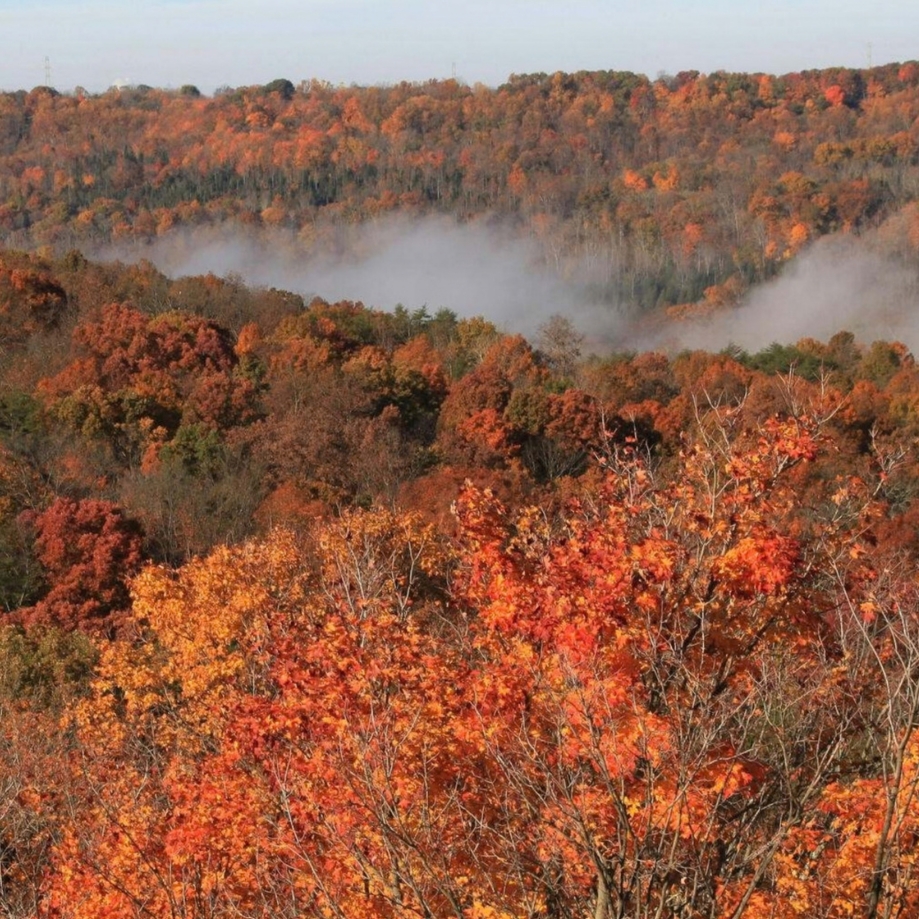
Plan your leaf peeping adventure at TNC preserves across the Midwest.

Bats aren't spooky; they're vital. Discover why The Nature Conservancy is protecting Michigan's bats and how we protect them.
.jpg?crop=333%2C0%2C3333%2C2667&wid=600&hei=480&scl=5.55625)
Discover how prescribed fire is restoring balance to Midwest landscapes, reviving habitats, supporting biodiversity and sparking ecological renewal.

Stay connected to nature near you with local and global conservation stories.
Nature needs you. We have years, not decades, to solve the climate and biodiversity crises. We can get there, but only if we work together. There are so many ways you can get involved and do your part to support a world where people and nature thrive together.
Find out how you can get involved below.
Whether you are interested in getting your boots dirty on trails or organizing data in an office, your local TNC chapter has a role for you!
With your support, we can put the best conservation science into action right now, helping to protect and restore the Midwest’s natural areas.
From guided walks at local preserves to virtual events, find out how you can connect with fellow nature lovers and learn from scientists and other experts.
Make your voice heard on the urgent conservation issues facing our world. Our Action Center helps you easily contact your elected officials.
From the shores of the Great Lakes to desert-like prairies, The Nature Conservancy protects diverse and beautiful natural areas throughout the region.

Nature doesn’t recognize boundaries, which means our work requires collaboration and cooperative management across state lines. Below are some of the regions we’re working closely with to ensure that no part of nature is left behind.

