

Eyes to the Skies
Michigan’s most magnificent birding opportunities rely on spectacular habitat

From short day hikes to epic treks, these trails wind through Michigan’s most unique natural phenomena.
The sun is shining, the lake is a deep blue and a light breeze rustles dune grass. A footstep falls on a forest trail. A warbler sings from a hemlock branch. A brook trout swims away into a cold stream after a gentle release. A child shines through an ice cream smile. We all have a vision of the perfect Michigan summer, and outdoor recreation is at the heart of much of what we envision, because it’s at the heart of the experiences we share.
Perhaps money does grow on trees! Discover how protecting nature boosts our economy.
Read moreOutdoor recreation contributes $13.9 billion annually to Michigan’s economy, supporting 118,000 jobs across more than 7,000 outdoor recreation industry companies. However, without conservation of the woods, waters, wetlands and wildlife that support recreational opportunities, that economy would not exist.
In Part 2 of our Field Guide to Michigan Summer, we share some of our favorite trails to hike, along with some of the ways that we work to conserve the natural systems that make hiking in Michigan so beautiful.
Get monthly stories that connect you to the wildlife, places and conservation wins shaping the Midwest and the world. Nature News keeps you inspired, informed and connected to the wild—no hiking boots required.
Sign Me Up for Nature News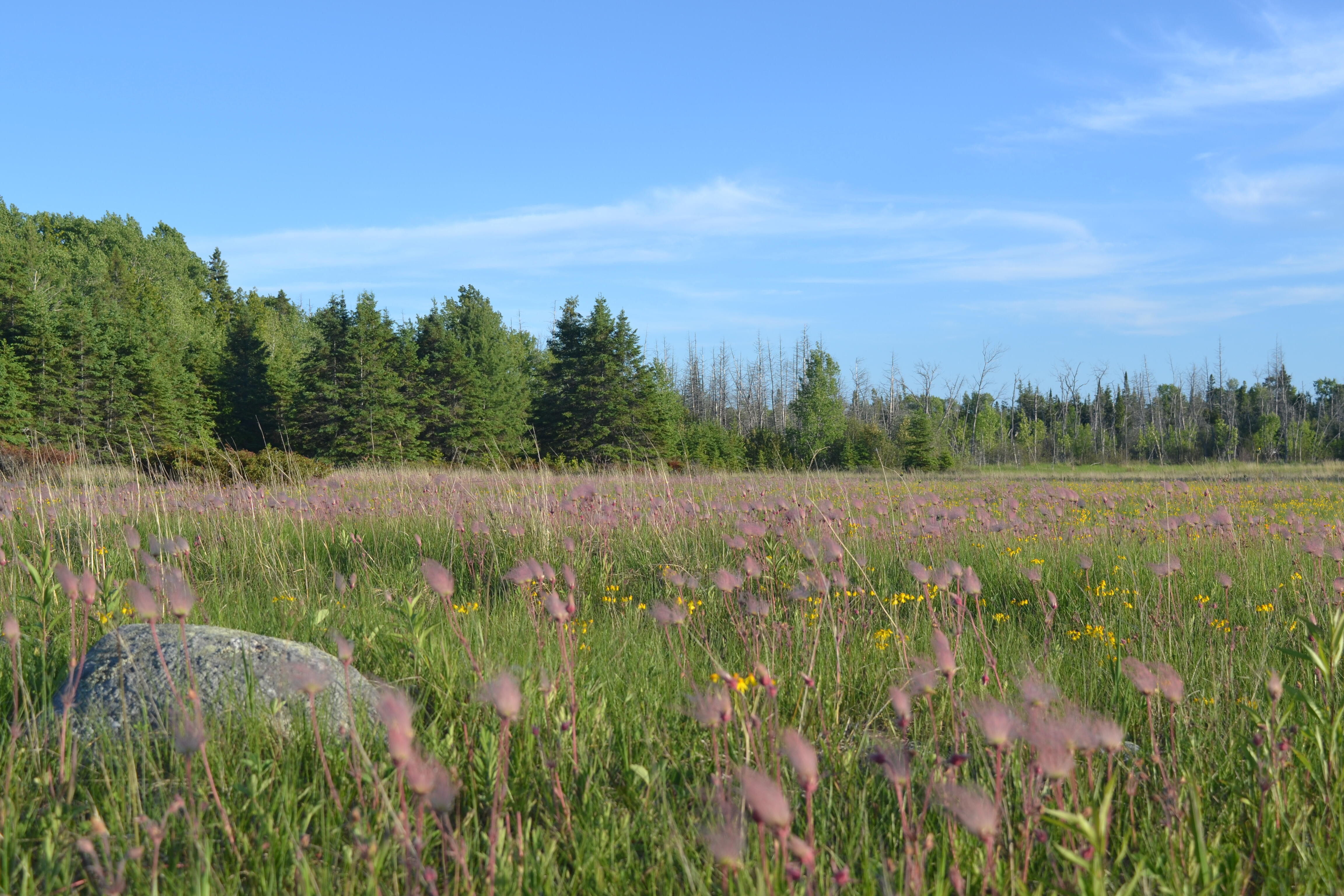

As a hiker, responsible recreation means things like leaving no trace, packing out your garbage, staying on the trail and not taking anything but pictures. But as a conservation organization, it means community collaboration and aligning the infrastructure at our preserves with our values.
Last year, we heard concerns from community members about a the Bush Bay trail (AKA "Narnia") at our J.A. Woollam preserve being “loved to death.” We allow and encourage public access at our preserves, but it's important to be good neighbors as well as good stewards of the land. We're working with local community groups to create a plan to alleviate the problem, including online awareness and infrastructure improvements like kiosks and walkways. Learn more about this project here.
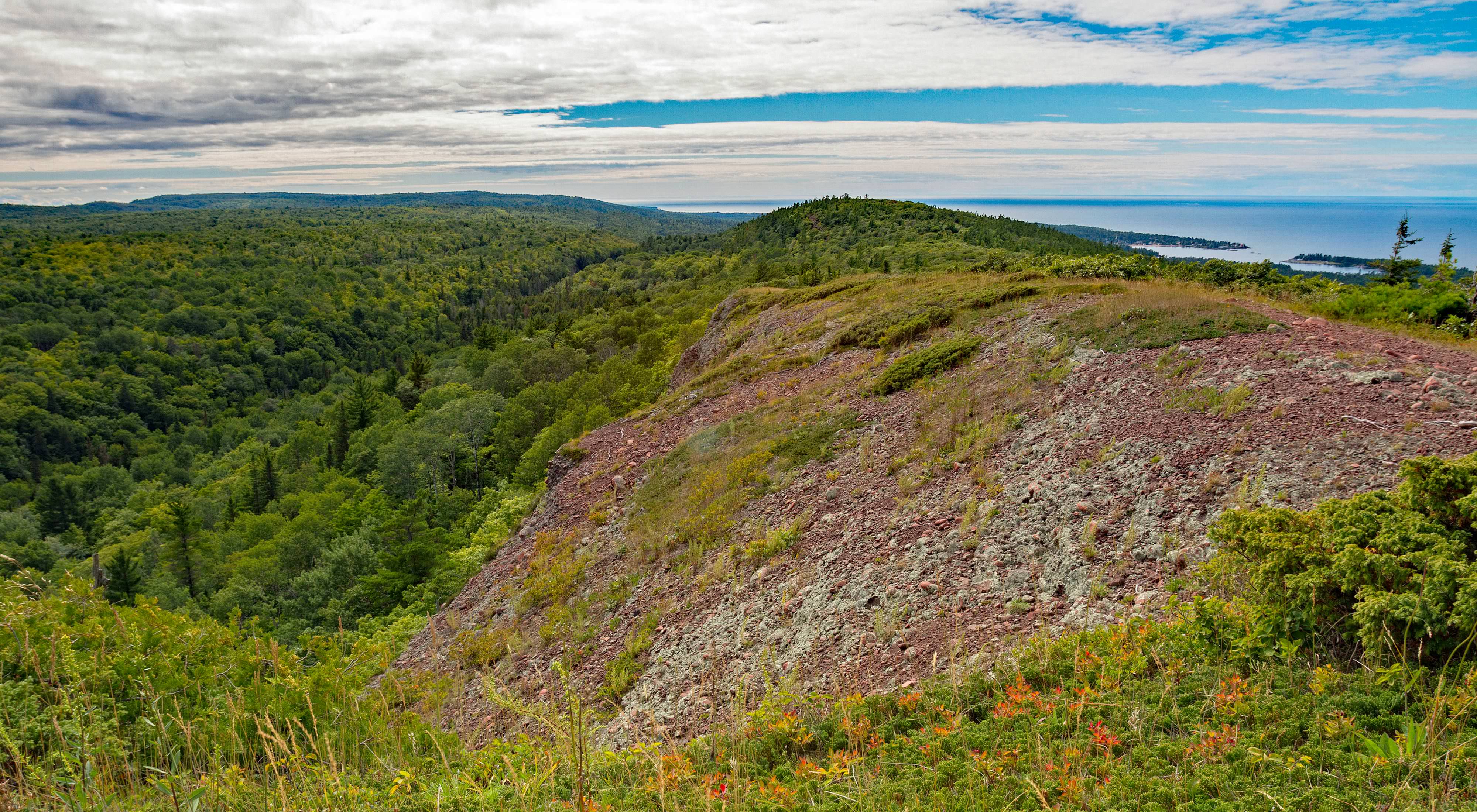

When over 32,000 acres of commercial forest on the Keweenaw Peninsula went up for sale in 2021, it became possible that land which had been enjoyed publicly for generations could be partitioned and developed without an intervention.
TNC acquired the land in 2022 to keep it from development, but its future is in the hands of the local community. Together, local residents, TNC and elected officials have worked to develop a local, public governing body to eventually manage the bulk of the land, and its official legislation. An endowment was also established for future land management costs, and TNC conducted a natural features inventory to guide future management. This work is a model for community ownership of public forests that can be implemented elsewhere. Learn more here.
No results are shown. To see results, turn on the toggle switches in the legend.

The 1,210-acre Maxton Plains Preserve protects the globally-significant alvar landscape and 10 Michigan state-rare plants, eight found in the alvars and two found in the forests. The alvars found on Drummond Island are the largest remaining high-quality alvars in North America. They provide nesting and feeding habitate for grassland, forest and shorebirds.
Image © Jason Whalen/Big Foot Media

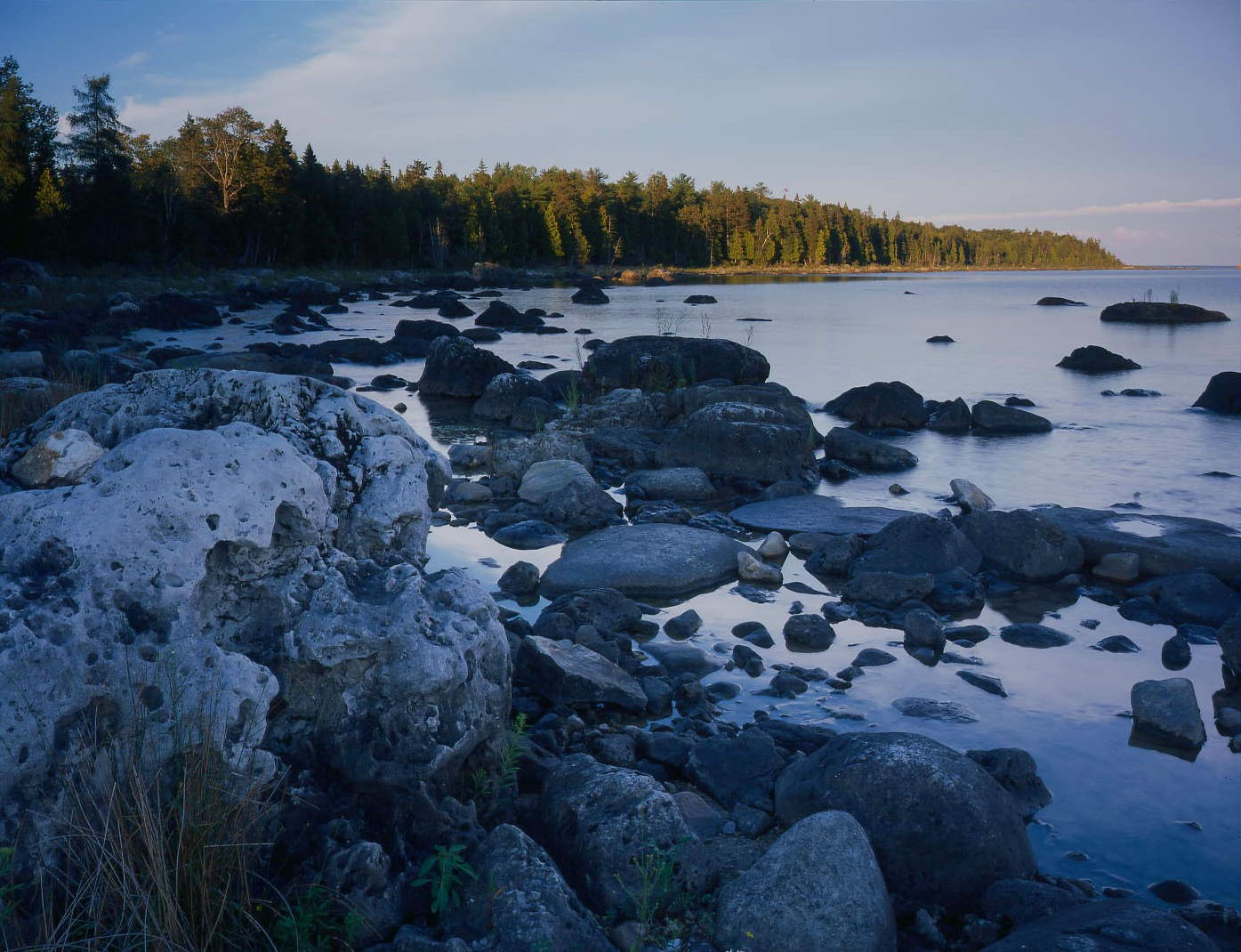
Enjoy five miles of beautiful shoreline across four bays on Lake Huron, two small islands, Big and Little Trout Lakes, and parts of two creeks. Visitors might also see a variety of animals including the loon, pileated woodpecker, osprey, wolf and several species of Neotropical migratory songbirds such as the American redstart and magnolia warbler.
Image © Ron Leonetti

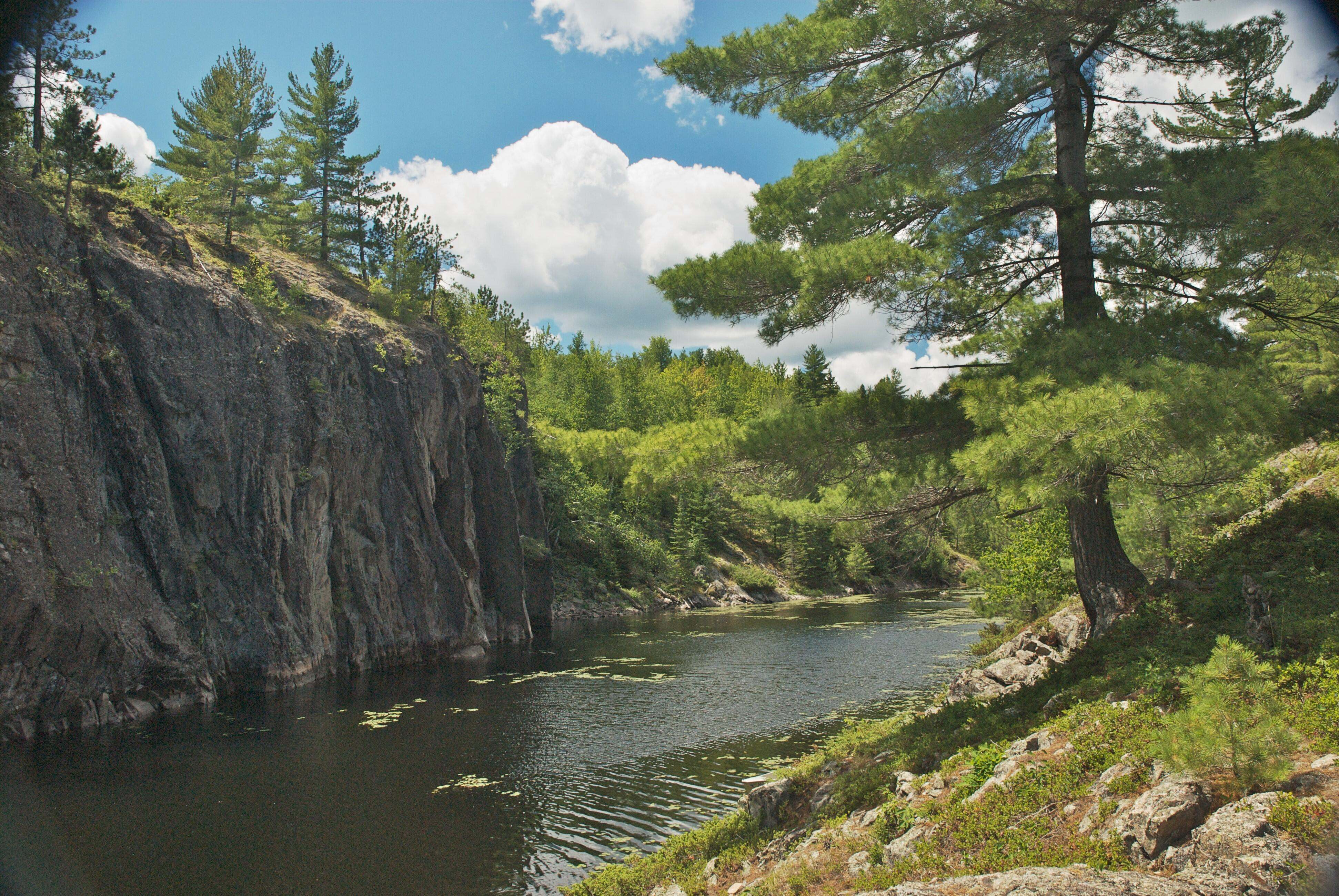
As you walk along the trails of Echo Lake Preserve, you could encounter dramatic granite cliff-top vistas, calm waters teeming with life beneath the surface and a variety of wildlife including moose, gray wolf, river otter, spotted and spotted blue salamanders, and Neotropical migratory birds.
Image © Dick Huey

Mt. Baldy is the largest and least disturbed of only a handful of balds remaining in the Keweenaw Peninsula. It harbors a variety of plant life at its peak, where treeless openings result in rare plant species scattered amongst wind-contorted white cedar and juniper. It also accommodates an amazing array of bird species that pass over the site during their annual migration.
Image © Mary Louks/TNC

Nan Weston Nature Preserve at Sharon Hollow is a dynamic area, featuring more than 260 species of wildflowers and other native plants. This preserve lies in the Upper River Raisin Watershed, an area highly altered by agriculture, logging and development. It serves to protect many remaining natural communities, including the River Raisin itself.
Image © Michael D-L Jordan/dlp
Explore more work to preserve Michigan's natural wonders.

