
 Nature & Our Economy
 Explore the Impact
 Real-World Stories
 Get Involved

Nature’s Dividends: The Economic, Health and Safety Benefits of Investing in Nature
The Nature’s Dividends report finds that conservation is a cost-effective way to grow the U.S. economy, protect public safety and reduce healthcare costs.

Everything from visiting your favorite greenspace to buying produce from your local farmer (and more!) is part of nature’s economy

Perhaps money does grow on trees.
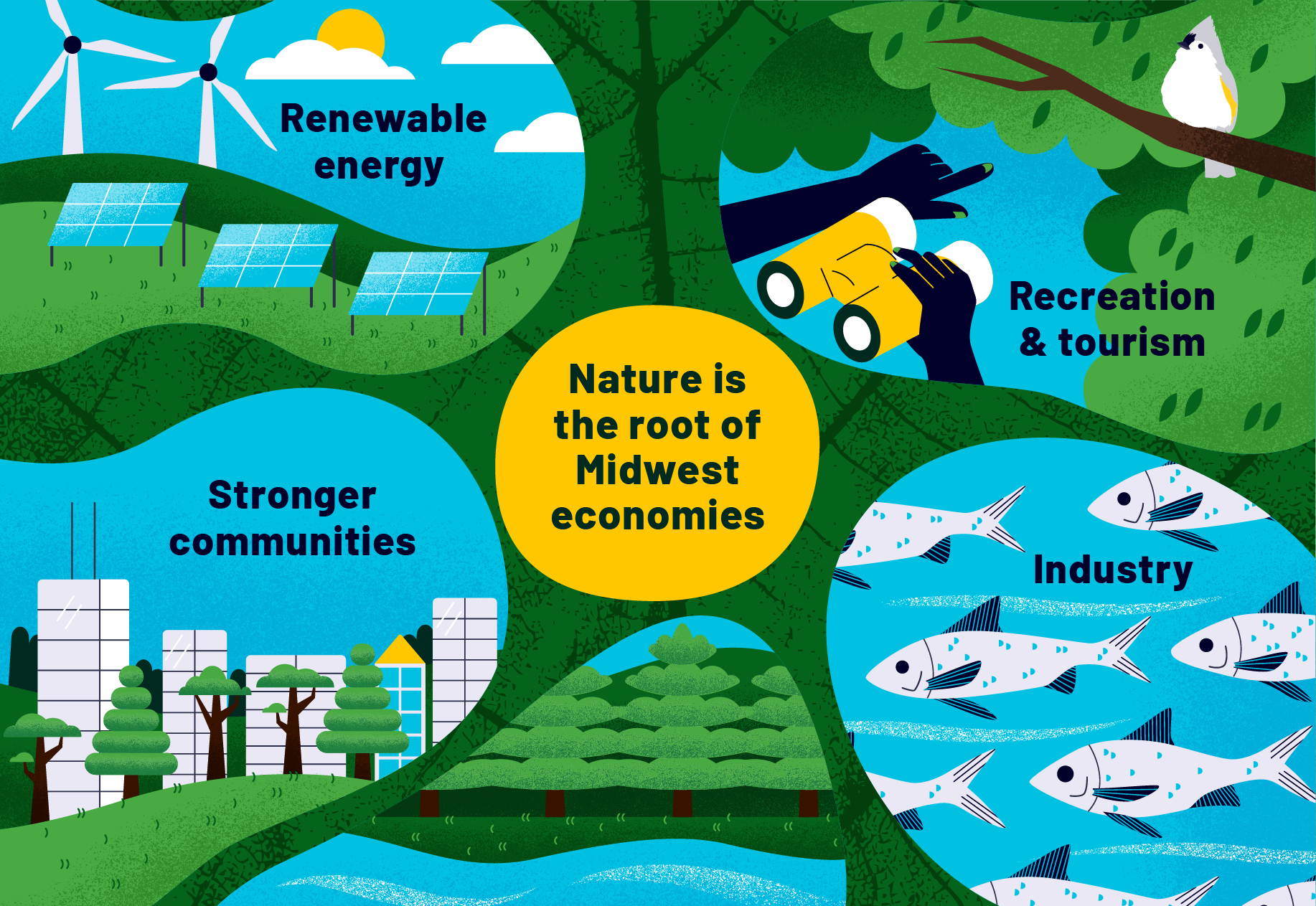
Healthy lands and waters support agriculture, transportation, tourism and outdoor recreation—generating billions in economic activity and supporting hundreds of thousands of jobs in the Midwest. Nature-friendly policies and infrastructure protect neighborhoods from severe weather damage and improve air and water quality, boosting individual and community health.
By improving the sustainability of farming and fishing, protecting habitats, restoring freshwater ecosystems, incorporating nature-based solutions into major cities and advancing the transition to clean energy, The Nature Conservancy and our partners are helping Midwest economies, communities and nature thrive.
From fishing to farms, nature's impact on our economies is probably bigger than you think.

created by Great Lakes fishing

produced by outdoor recreation & tourism

river & forestry jobs created

generated by Midwest agriculture
Nature strengthens communities and economies across the Midwest. Investments in conservation support jobs, lower infrastructure costs and protect the natural systems that industries and families rely on every day.
Tap around the hotspots on the infographic below to discover how protecting and restoring nature helps ecosystems, businesses and communities grow together.
Nature touches down in our economy in countless ways, regionally, locally and individually. Take a moment to discover how nature is uplifting both our economies and our well-being.
The Midwest industry crown jewels all rely on nature. In 2024, Midwest agriculture contributed more than $78 billion to the economy in combined crop, animal and other agricultural product sales. For centuries, the Mississippi River basin has been used to transport goods and products essential for supporting local economies. Thriving fisheries are essential to the health and resilience of freshwater systems, and they support a $7 billion fishing industry in the Great Lakes region alone. Nature-based industries are also major employers, providing more than 1 million jobs in the Mississippi River basin and almost half a million forestry jobs throughout the Midwest.
Outdoor recreation is an engine of Midwest commerce, contributing $82 billion to the U.S. economy every year. Public natural areas, including our TNC preserves, bring people into the area to hike, fish or view our buffalo herds, which then bolsters local economies as visitors patronize the shops, restaurants and hotels. Birding alone contributes billions to the U.S. economy every year and supports more than one million jobs.
Nature-based solutions, such as green infrastructure in cities, help protect our communities from storm and flood damage, reducing the cost of repairs and rebuilding. Incorporating nature into our communities can provide cleaner air and water, and experiencing nature in any form—whether you’re meandering through a city park, tending houseplants or simply listening to the sounds of nature—has additional positive benefits for people’s mental, emotional and physical health, all of which can help reduce expensive health care burdens over time.
Clean energy from nature, such as solar and wind, is helping lower energy costs for individual homes and the energy sector as a whole. Renewable energy sources can be up to 50% more cost-effective than fossil fuels, and switching to clean energy can save households between $1,050 to $2,585 on their average yearly energy bill.

 Return
Get monthly stories on the wildlife and landscapes that help us thrive.

While the above statistics show us how foundational nature is to our economies and communities, they don’t give us a full picture of what this all really means. So, let’s dive a little deeper into real-life examples of how nature underpins our prosperity in the Midwest.

As someone who grew up on Lake Erie and loves being on the water, I’ve seen firsthand how pollutants in our streams and lakes have negatively affected Ohioans’ lives and our local economy. H2Ohio has been transformational for addressing .... water quality [and] nature and human well-being.

To address the threats to Ohio’s waterways, which harm Ohio’s communities and economies, TNC helped launch H2Ohio—a collaborative, comprehensive clean water program. The program has invested more than $600M in water quality initiatives since its launch in 2019, and more than 80% of Ohioans support its projects. This cost-effective investment pays off for Ohio residents and businesses, as well as the Great Lakes as a whole.
For example, in 2024, H2Ohio wetland restoration projects generated more than $300 million in benefits from improved water quality, reduced flooding and increased recreational opportunities. Investments made in the 183 wetland restoration projects touched down on more than 11,000 acres across the state, supported 270 full- and part-time jobs and generated $17 million in wages for Ohio workers. These projects also helped filter water, protect wildlife habitat and provide natural spaces for families to enjoy recreational activities.
In addition, H2Ohio’s water and wastewater infrastructure projects have improved access to clean drinking water for more than 60,000 Ohioans in 300 communities across the state, and more than 3,200 farmers have enrolled nearly 2.2 million acres of cropland in programs for improved farmland management.
Wade deeper into the impacts and success of H2Ohio here:
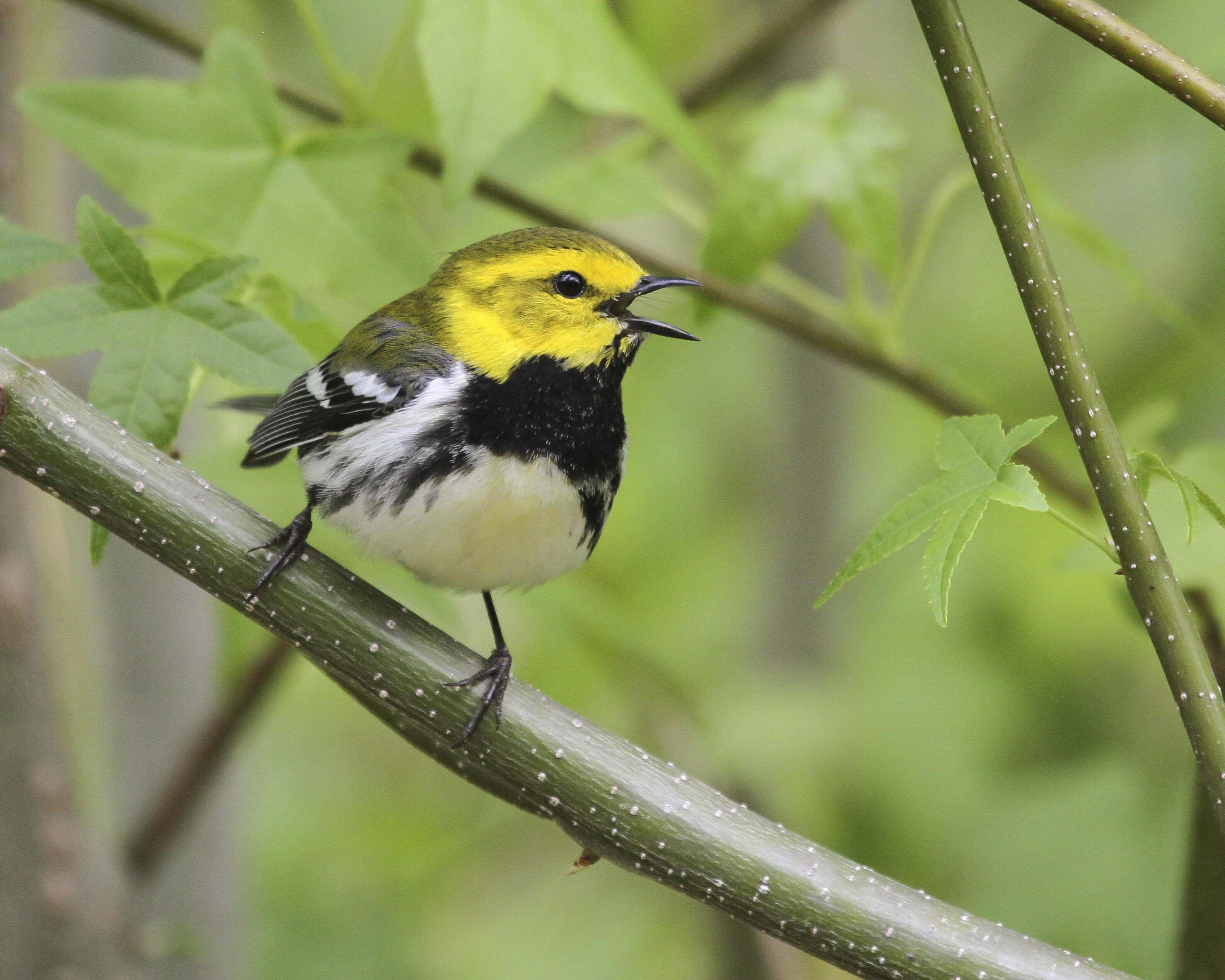
If birding was like the NCAA tournament, the Midwest would be in the Final Four. Nested within the great Mississippi Flyway, the largest of the four migratory bird routes in the Americas, the Midwest is a travel route for nearly half the bird species in the country, including 40% of shorebirds and waterfowl. For birders—who spent $107.6 billion across the U.S. in 2022, supporting 1.4 million jobs—the Great Lakes are courtside seats.
Every spring, hundreds of species like sparrows, plovers, hummingbirds and cranes will journey from their winter homes in South and Central America to their breeding grounds throughout the Great Lakes region and Canada. Ducks, geese, shorebirds and other waterbirds follow the trail of rivers and lakes, whereas many other species seek out the forests and riparian habitats along the route. May is a particularly exciting month for Great Lakes birders, as it heralds the arrival of warblers, thrushes and orioles. These woodland travelers arrive in great numbers and fill our forests and parks with song and color.
Fly into more information about birds and birding in the Midwest:
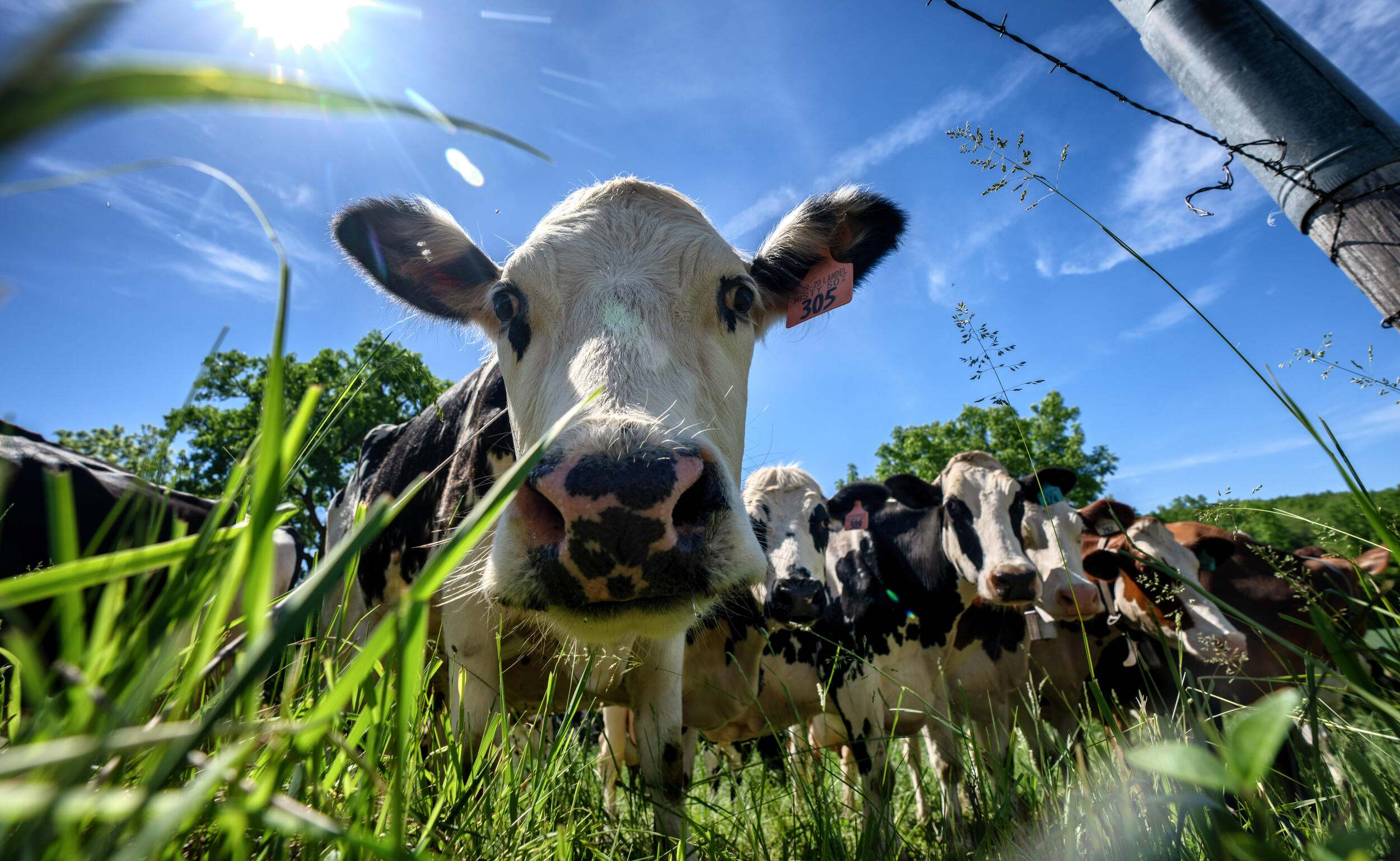
The Midwest is known for its bountiful and diverse agricultural production. Its fertile lands and waters provide ideal conditions for corn, soybeans and wheat, as well as 15% of the country’s dairy products.
Midwest agriculture contributed more than $78 billion to the economy in 2024 in combined crop, animal and other agricultural product sales. All of this is thanks to our farmers, who grow our food and produce fiber, building materials and even ingredients for medicines such as insulin.
That’s why TNC supports farmers through innovation, partnerships and policy. Together, we’re helping scale regenerative agriculture across the Midwest, improving soil health and protecting buffer zones that help to filter runoff from croplands, removing nutrients before they can enter waterways and impact freshwater ecosystems. Many of these practices, which promote an interconnected relationship between farming and nature, were developed by Indigenous farmers and have been practiced for generations.
Click here to harvest more information on agriculture in the Midwest.
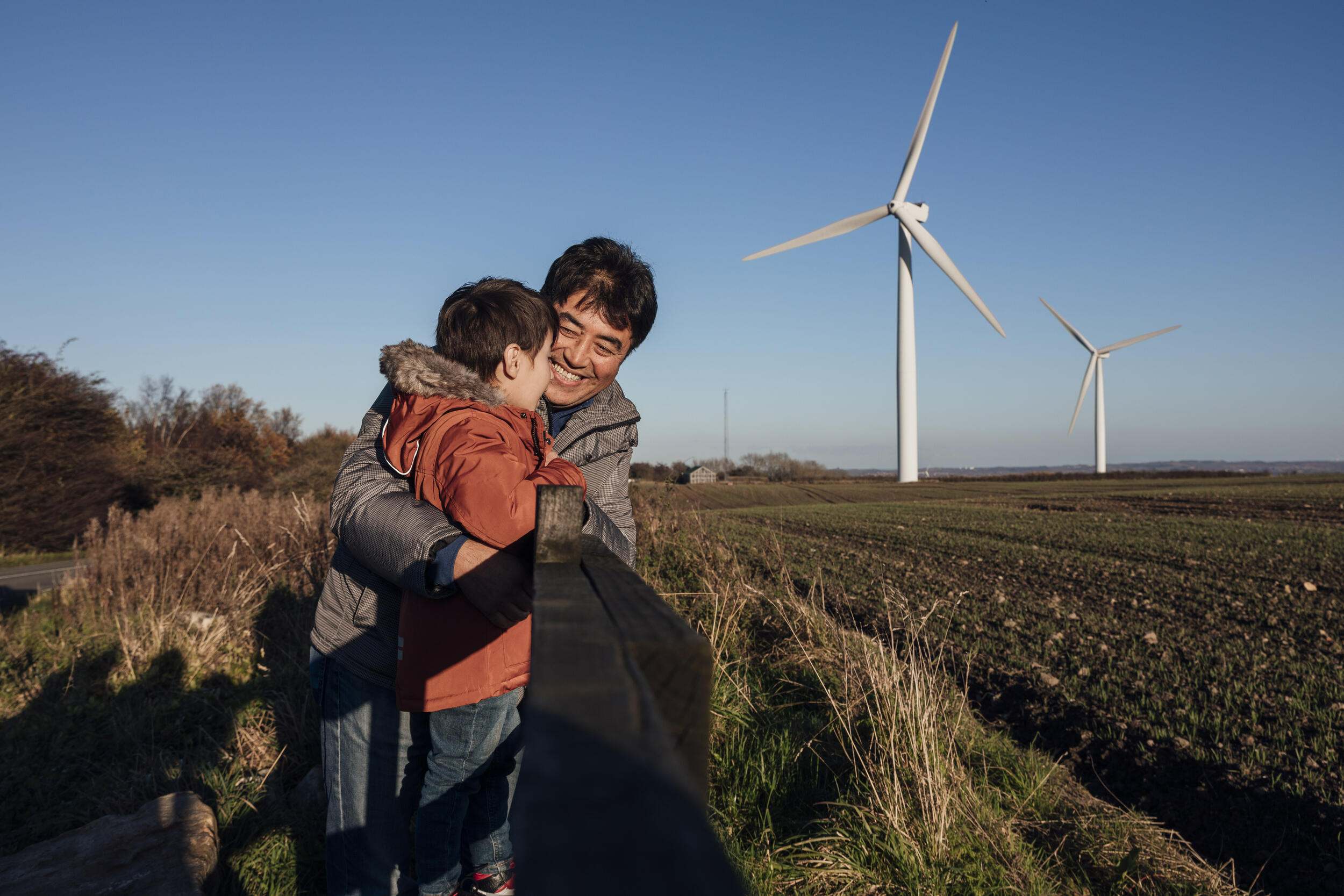
Clean energy projects are vital to our economy as they expand our energy resources, reinvigorate our manufacturing sector and lower electricity costs. Renewable energy sources can be up to 50% more cost-effective than fossil fuels, and switching to clean energy can save households between $1,050 to $2,585 on their average yearly energy bill. The clean energy sector is also a major source of jobs—by the start of 2024, almost 3.5 million Americans worked in clean energy jobs, and more than half of new energy jobs were in clean energy. Demand for energy is also not slowing and remains a central part of our overall economy, locally, regionally, nationally and globally.
While the landscape of clean energy policy has changed significantly in recent years, renewables remain a major economic driver. In 2025, the country’s investment in renewables and electrified transport, as well as the decarbonization of industrial processes and energy grids, grew 3.5%, resulting in a record $378 billion in support for energy transition sectors. In addition, renewable energy—including wind, solar, biomass, waste-to-energy, geothermal and hydropower—was the fastest rising source of all energy, accounting for 61% of new power-generating capacity. This makes renewable energy vital for growing Midwest industrial and commercial sectors, which account for the majority of total energy consumption.
To accelerate this transition in the Midwest and across the globe, TNC embraces the science-based “3C” approach, which considers Climate, Conservation and Communities in the planning and buildout of renewable energy. This nature-friendly, people-positive approach considers long-term climate impacts and how the installation will affect people, economies, wildlife and biodiversity.
Part of this work includes our Mining the Sun research, which shows that converting degraded lands like abandoned mining sites, landfills and brownfields into clean energy installations can provide new job opportunities, tax revenues and other economic benefits, all while supporting nature and a healthier climate. Across Illinois, Indiana and Ohio there are more than 1.1 million acres of degraded lands that could be converted to clean energy sites.
Nature boosts our economy through dollars generated, jobs created and supporting individuals' and communities' long-term health. Click each photo below to find out how nature is helping us and our neighborhoods flourish.

Local greenspaces help reduce costs to communities by providing protection from severe weather damage, and they serve as popular destinations that support outdoor recreation and vacation economies.
While this supports major industries, like fishing and birding, access to nature accrues many mental and emotional health benefits that can also help people and communities save money by reducing health care burdens over time. For example, spending time in nature helps lower stress and blood pressure, boosts memory and creativity, fosters pro-social feelings and behaviors that help alleviate loneliness and can even help manage symptoms of chronic conditions, like PTSD, anxiety and ADHD.
While TNC works extensively with partners to protect public lands that provide these benefits, we also steward our own network of preserves that help support local economies. For instance, TNC’s Kankakee Sands Preserve is where the buffalo roam—and attract tens of thousands of visitors as a result. In fact, TNC Midwest preserves host more than 300,000 visitors a year.
Take a hike through TNC's work with greenspaces and our preserves:

Lake whitefish are an important cultural and economic food source in the Great Lakes, from the restaurants that serve them in tourism-dependent coastal towns to the Indigenous and commercial fishers who supply them. They also support a major recreational fishing industry. Unfortunately, Great Lakes whitefish are struggling due to degrading freshwater habitats and competition from invasive quagga and zebra mussels. Through strong collaborations with partners throughout the Midwest, TNC is working to rebuild Great Lakes whitefish populations before it’s too late.
For example, in collaboration with the Little Traverse Bay Band of Odawa Indians, Sault Tribe of Chippewa Indians, Bay Mills Indian Community and Michigan Department of Natural Resources, we’re working to re-establish river-spawning whitefish in local rivers where they once flourished.
We’re also restoring and monitoring Great Lakes reefs (yes, we have reefs!) to learn more about the habitats where native fish spawn and thrive. Finally, we’re conducting a new eDNA (environmental DNA) initiative across the Great Lakes basin, which will survey tributaries that may either hold spawning whitefish or provide suitable spawning habitat in the future.
Hooked and want to know more? Click here to dive deeper into our fisheries work in the Great Lakes.

Wander through many neighborhoods in Chicago, and you’ll be surrounded by towering honey locusts, leafy swamp white oaks and dreamy Great Wall lilacs. But not in Marshall Square, where the tree canopy coverage only averages 15% to 18%, far below the region’s average of 23%.
The lack of trees isn’t merely an aesthetic issue—trees provide many important services to communities, such as improving air quality. Trees capture particulate matter, a pollution that arises from the burning of fossil fuels that can be densest in areas near highways and factories. This type of pollution is particularly harmful to people and can lead to respiratory illnesses and other health conditions that, among other consequences, are expensive for people and communities to address.
To address this issue, local non-profit Latinos Progresando partnered with TNC in 2018 on a variety of regreening and environmental projects, including air quality monitoring, tree planting and a schoolyard transformation project that provided a thriving greenspace for kids and neighbors. All of these efforts boost the local economy while benefiting the health and well-being of residents.
Click here to let your curiosity branch out to Latino Progresando's and TNC's urban tree planting efforts (and more) in Chicago.
Discover simple, meaningful ways to explore, advocate and take action that strengthen nature’s role in our shared prosperity.
Get outside and support your local parks, nature centers and preserves—there's a world of wonder waiting for you.
Whether you want to get your boots dirty on trails or organize data in an office, your local TNC chapter has a role for you that will help nature flourish.
Make your voice heard on urgent conservation issues, such as land protection or supporting clean energy policy, and ensure nature stays part of the Midwest's future.
Whether your expertise is in web design or forestry, TNC has a wide variety of career opportunities—all of which are part of nature's economy.
Dive into more stories about nature as our hidden economy.


