

Southern Road Trips for Bird and Wildlife Watchers
Where the call of the open road meets the call of the wild
By Daniel White, Senior Writer, The Nature Conservancy
This year marks the 100th anniversary of Route 66. Since the “Mother Road” first inspired our national fascination with the open road, travel styles have evolved dramatically.
Whether you load up the family car for classic summer vacations or embark on extended van life or overlanding adventures, your road trip is part of an American tradition. For millions of us, long scenic drives—especially routes that connect state and national parks—have been a multi-generational tradition.
You may be among the many who can connect your life-long love of nature and travel back to such trips. In my case, though, a trip I didn’t get to take might have been the first spark that ignited a yearning for back roads, wild landscapes and the animals that roam them.
And thanks to my role with The Nature Conservancy, I can share with you some of what I’ve learned about hitting the road in search of birds and other wildlife.

South Carolina: Rooted in Place, but Born to Roam
Why is this kind of travel important for connecting with our natural world? Well, my family roots run deep in the Pee Dee region of South Carolina. Roots can sometimes feel like anchors, though, and a safe harbor can feel like a cage. Such was the duality of growing up on a family farm.
“Summer vacations”? From school, sure, but my family was tethered to our land. Summer brought long, sweaty days picking vegetables for the farmers market and freezer. Weekend tobacco harvests lasted an eternity.
After my oldest sister married, she and my brother-in-law did something that seemed as extraordinary as space travel. They embarked on a summer cross-country RV trip.
They brought back snapshots of places with exotic names like Petrified Forest and Yellowstone. And the bison! Were such creatures even real? I knew then I’d have to see for myself, someday.
In the meantime, I seized every free hour to be a free-range farm kid, wandering our fields, ditch banks and pine woods in search of critters. Fishing and hunting trips with my father and uncle to places like the Black River and, especially, Woodbury put food on our table—and piqued my appetite for exploring natural lands and waters.
For my dad, fishing was about catching. He wanted us to boat as many fish as possible as fast as possible. But I loved drifting downstream in my own boat to find my own happy place. Many times, he’d catch up and—to his eternal frustration—find me entranced by canary-yellow prothonotary warblers feeding along the riverbanks.

Nowadays, I pursue birds and wildlife with a camera. My truck doubles as a camper, so I’m always ready to hit the road. And I’ve been fortunate to augment my personal travel with my work for TNC, photographing and writing about conservation projects across the U.S. and abroad.
The South is home, though, and the primary focus of my work. Luckily, the South boasts some of the nation’s most scenic drives, with extraordinary wildlife-viewing opportunities all along the way. Below, I’m recommending some favorite routes, stopovers and side trips, as well as some high on my to-do list.
When you’re ready to plan your next road trip to connect with nature, I hope you’ll consider a Southern journey. After all, millions of migratory birds can’t be wrong!

Skyline Drive and Blue Ridge Parkway
Connect Shenandoah National Park in Virginia to Great Smoky Mountains National Park in North Carolina and Tennessee.

I was middle-school-aged when I saw the Appalachian Mountains for the first time. That rare family trip took place at the peak of the mountains’ autumn glory, inspiring many repeat visits to the Great Smoky Mountains and the Blue Ridge Parkway, “America’s Favorite Drive.”
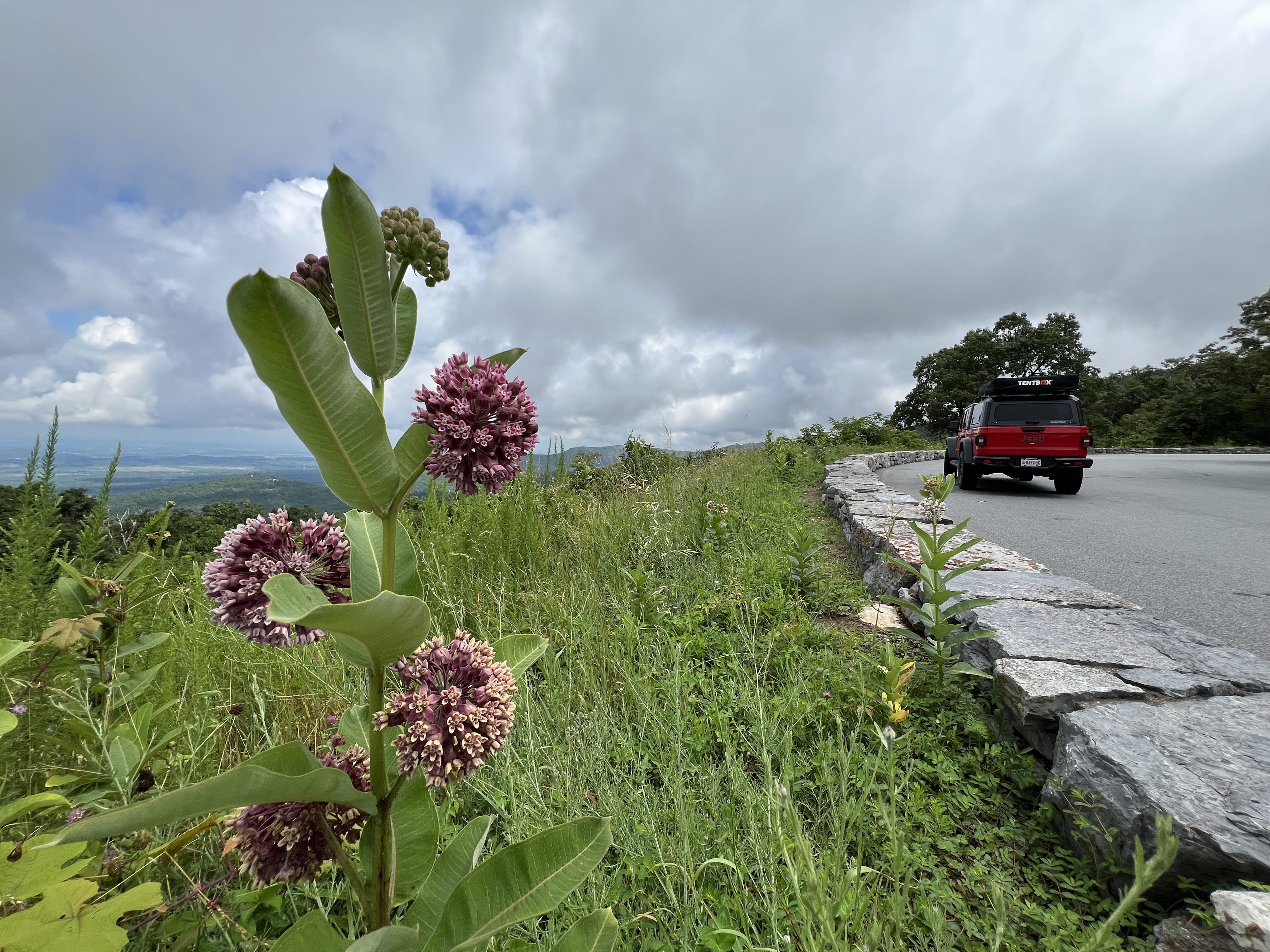
It’s no coincidence that I now call Charlottesville, Virginia, home. A 30-minute drive leads to Rockfish Gap, where the Parkway meets Shenandoah National Park’s Skyline Drive. Combined, these routes offer close to 600 miles of leisurely travel through the heart of the Southern Appalachians—a wildlife superhighway of global importance.

Wildlife to See
- Migratory songbirds and raptors
- Monarch butterflies
- Black bears
- Elk
Suggested Stopovers
- Loft Mountain Campground: Migratory birds depend on key stopover habitats to rest and refuel—and so do us road-trippers. My go-to Shenandoah campground offers outstanding birdwatching spring through fall. See and hear American redstarts, black-and-white warblers, and many other migratory songbirds from your wooded campsite and adjacent Appalachian Trail.
- Grandfather Mountain State Park: “Grandfather Mountain is home to more rare plant and animal species than any mountain east of the Rockies,” according to the National Park Service.
- Great Smoky Mountains National Park: Black bears may ramble over 100 miles in search of food. (I can relate.) With the nation’s densest population, America’s most-visited national park offers decent odds for a sighting. Elk are more predictable, venturing into open meadows around dawn and before sunset to graze. As dusk approaches, don’t forget to look up for bats!
Side Trips
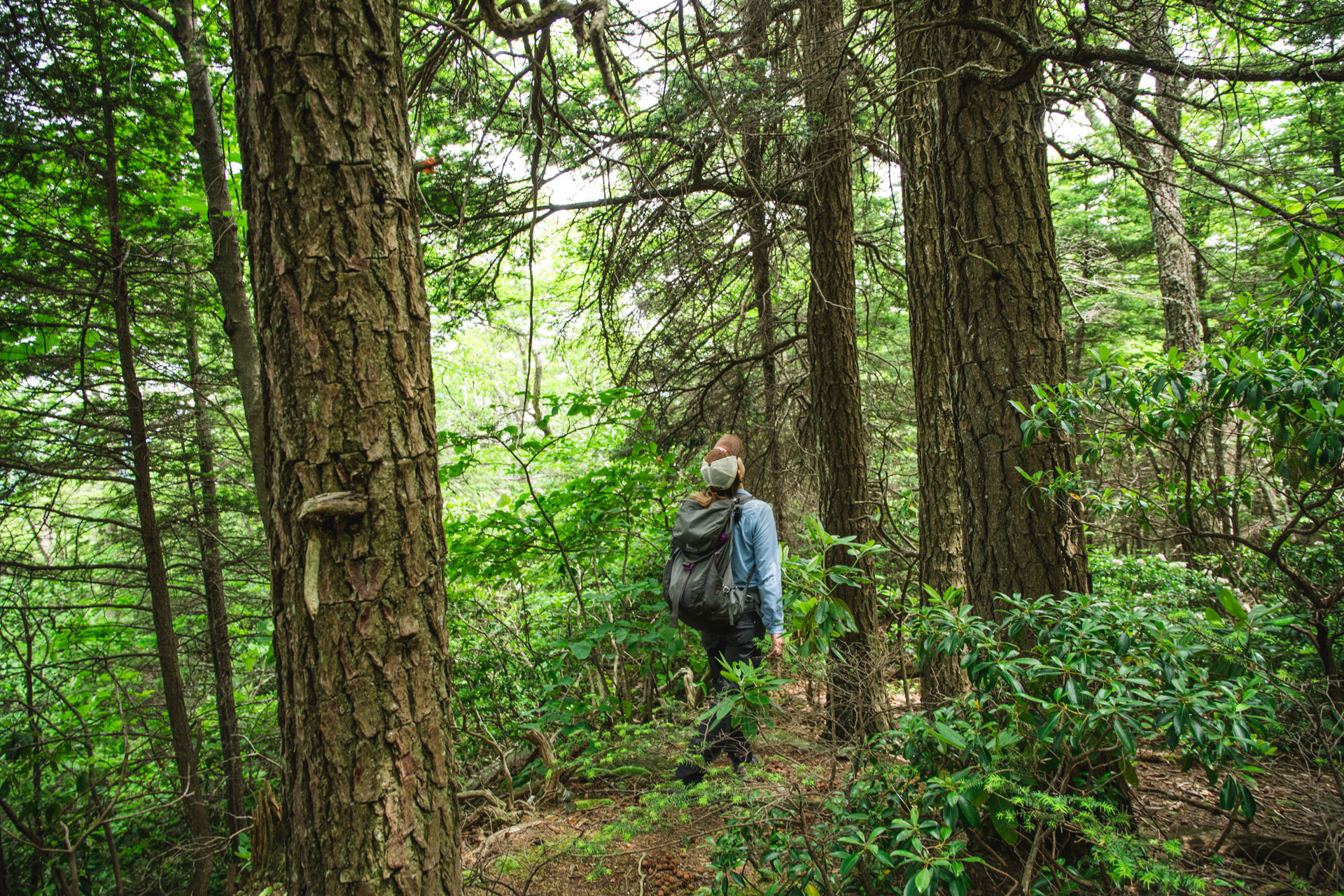
- Fortune’s Cove Preserve (Virginia): Cerulean warblers and many other songbirds migrate through this scenic TNC preserve.
- Bottom Creek Gorge Preserve (Virginia): Myriad songbirds in the forest and rare fishes in the cascading creek are star attractions at this popular hiking destination near Roanoke.
- Bluff Mountain Preserve (North Carolina): Periodic guided hikes offer chances to spot colorful songbirds such as the scarlet tanager, black-throated green warbler, rose-breasted grosbeak and blue-headed vireo.
- Cherokee Foothills (South Carolina): Add to your life list of migratory songbirds and raptors while taking in quintessential Upstate scenery at Blue Wall Preserve and Jones Gap and Caesars Head state parks.
Hungry for more?
Explore natural and cultural highlights along the entire Appalachians range on TNC’s Ultimate Appalachians Road Trip.
Eastern Shore & The Coastal Highway
Travel the East Coast from Chincoteague Island, Virginia, to Punta Gorda, Florida.

Driving almost any section of U.S. 13 or U.S. 17 makes for a rewarding weekend, at a minimum. Combine them—plus throw in a side trip or two—and you have an epic coastal journey in store.
Start or end your odyssey at Chincoteague National Wildlife Refuge. One of the world’s hotspots for migratory birds, including thousands of nesting waterbirds, the refuge is also home to rare Delmarva Peninsula fox squirrels and the famous Chincoteague ponies.

Wildlife to See
- Migratory waterbirds and songbirds
- Monarch butterflies
- Sea turtles
- Seals
- Whales
Suggested Stopovers
- Brownsville Preserve: Home to TNC’s Volgenau Virginia Coast Reserve and the Cummings Birding and Wildlife Trail, Brownsville offers diverse habitat for a variety of migratory songbirds, waterbirds and raptors. A meadow adjacent to the office attracts diverse pollinators, including migrating monarch butterflies.
- Virginia Beach: This resort town just might be the Southern Atlantic’s premier site for viewing humpback whales during their winter migration downcoast from the Bay of Fundy. Multiple outfitters offer whale-watching and other eco-tours. Whales, especially the endangered North American right whale, are a top marine-conservation priority for TNC.
- Great Dismal Swamp National Wildlife Refuge (VA/NC): From tiny warblers to muscle-bound black bears, a stunning variety of wildlife prowls Great Dismal’s 113,000 acres of woods and peatland swamps. TNC helped establish this critical refuge in 1973.
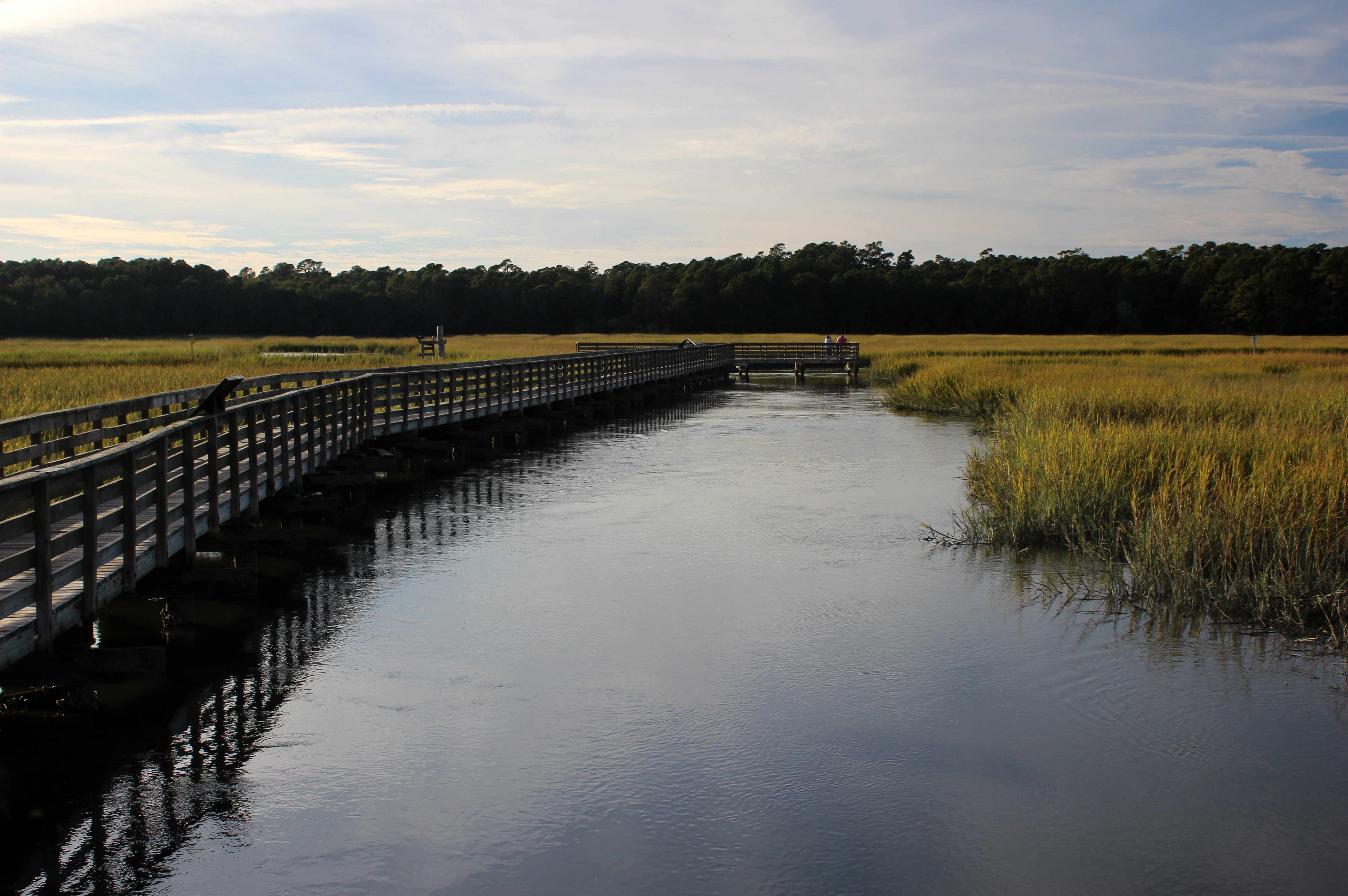
- Huntington Beach State Park (SC): As a teenager, I certainly felt the “call of the wild” from the Grand Strand. These days, it’s Huntington that calls loudest to me and keeps me coming back to the unspoiled beach, marshes and maritime forest of this birding destination. As you cross the entrance causeway, keep an eye out for basking alligators.
Side Trips
- Pocosin Lakes and Alligator River National Wildlife Refuges (North Carolina): Nestled between Highway 17 and the Outer Banks, this refuge complex is one of the best places in the East to see black bears. Plus, tens of thousands of waterfowl overwinter here, including majestic tundra swans. TNC is restoring rare peatlands habitat at these adjacent national wildlife refuges.
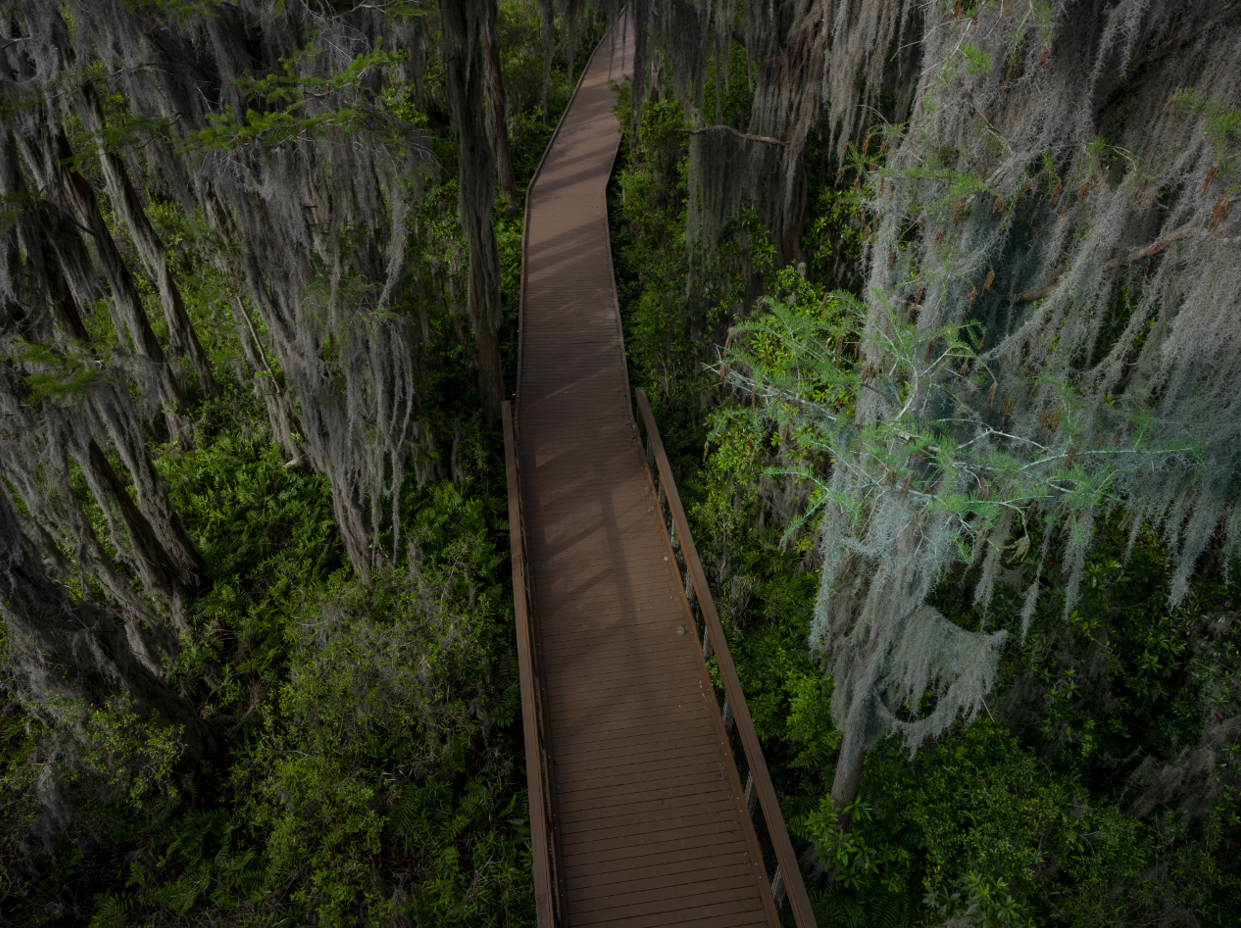
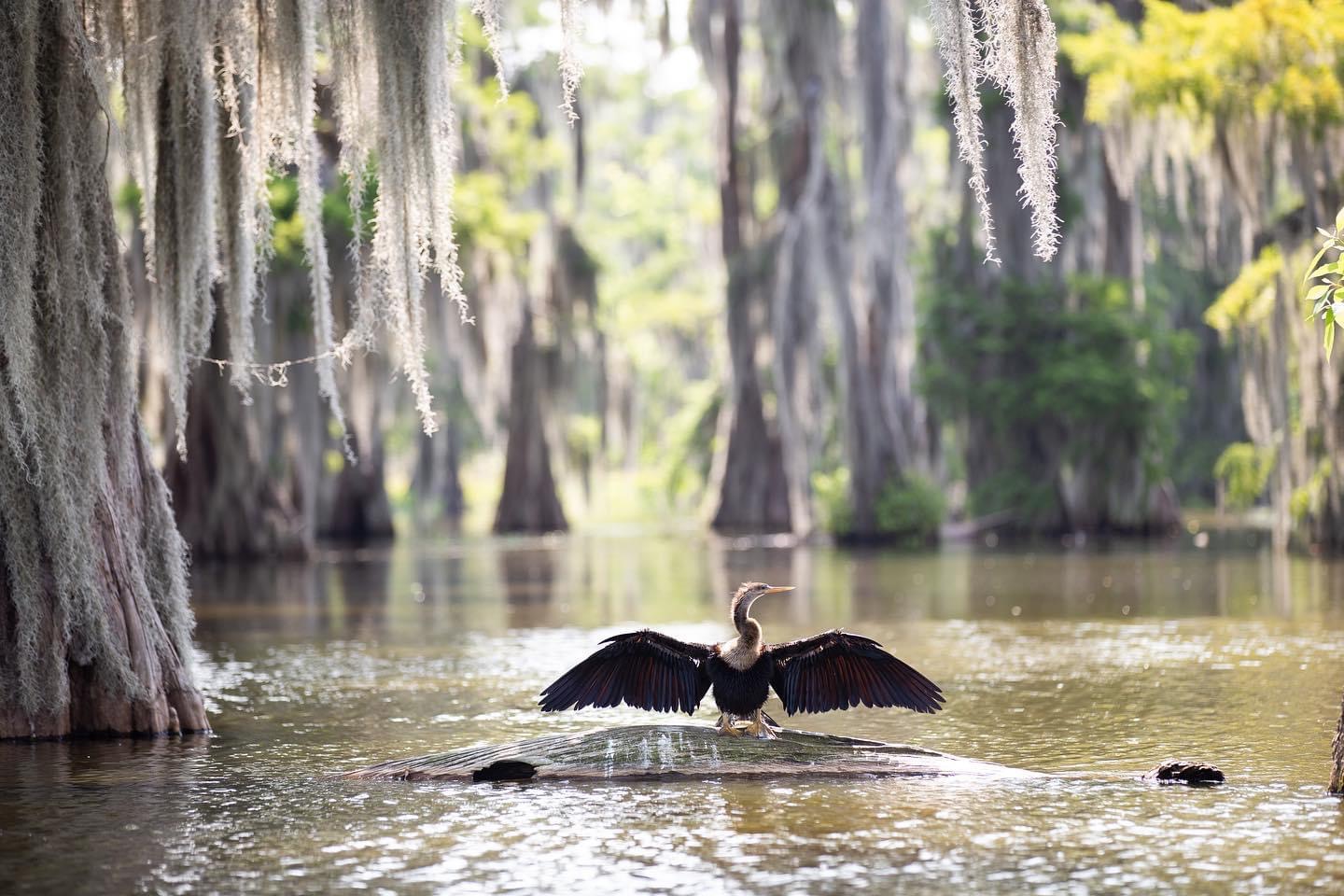
- Francis Beidler Forest (South Carolina): The world’s largest virgin cypress-tupelo swamp hosts prothonotary warblers, painted buntings and a rich variety of other migratory birds and wetlands wildlife. TNC protected the Beidler Forest in partnership with Audubon, which manages visitation.
- Okefenokee National Wildlife Refuge (Georgia): A Southern icon and North America’s largest swamp, the Okefenokee is a must-see destination. American alligators, Eastern indigo snakes and 60 other reptile species headline the swamp life here, along with abundant wading birds.
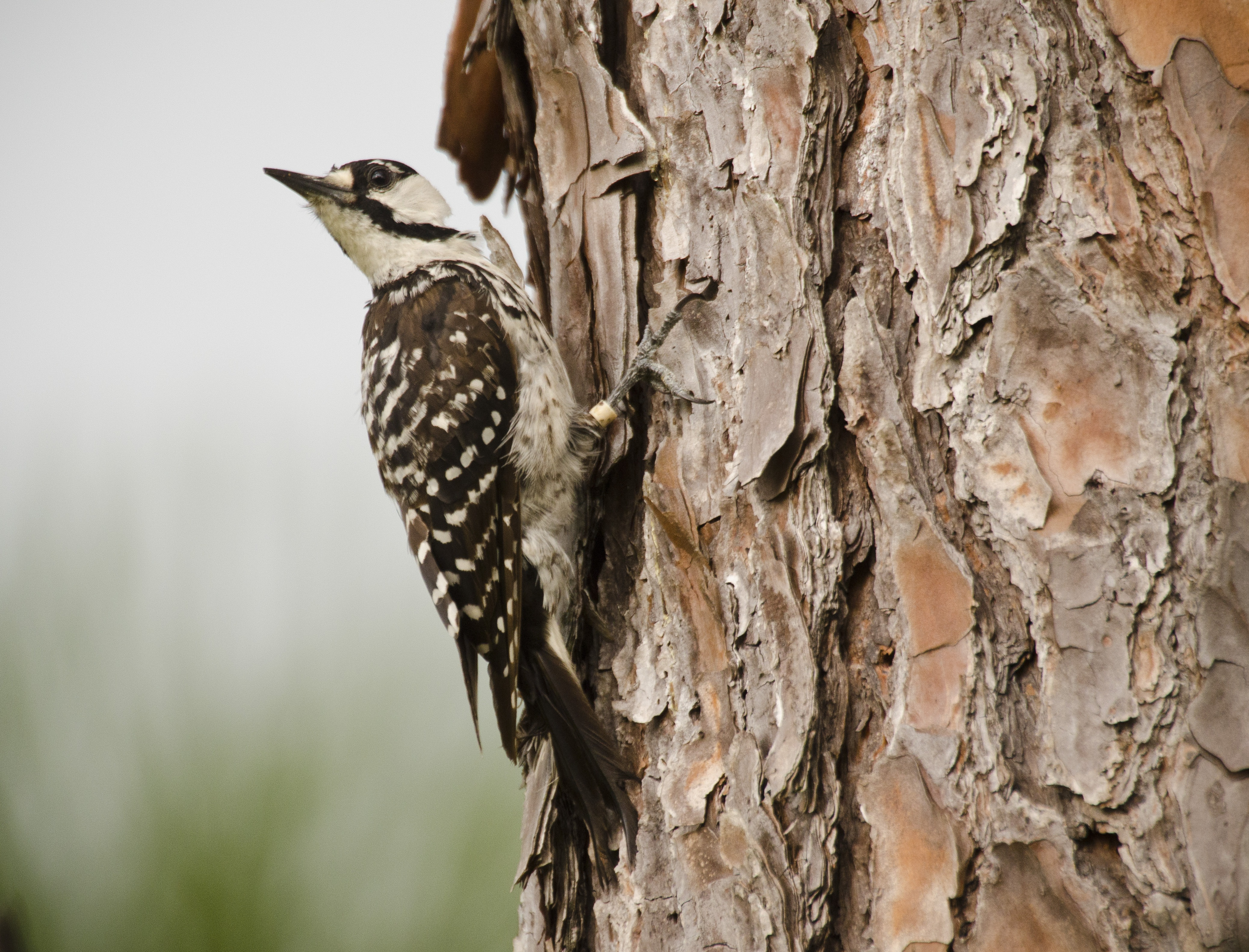
- Disney Wilderness and Tiger Creek Preserves (Florida): South of Orlando, veer off to visit two outstanding TNC preserves. Birds you may see at Disney Wilderness include the red-cockaded woodpecker, wood stork and sandhill crane. Animals residing or passing through here include the Southeastern big-eared bat, Sherman’s fox squirrel, Eastern indigo snake and even the elusive Florida panther—the holy grail of Florida wildlife. At Tiger Creek, scan the sky for acrobatic swallow-tailed kites, bald eagles, hawks and red kestrels. Look down, too, for gopher tortoises and their burrows.
Florida Coasts
Make your own adventure following the Sunshine State’s Gulf and Atlantic coasts.

I’ve been a frequent traveler to the Sunshine State over the years, including recent quests to see manatees in the wild and to camp under the star-filled skies of the Everglades. Even so, I’ve barely scratched the surface of this wildlife-rich peninsula. Exploring either or both of the state’s Atlantic and Gulf coastlines makes for an extraordinary stand-alone road trip.

Wildlife to See
- Manatees
- Sea turtles
- Waterbirds
- Alligators
- Crocodiles
Suggested Stopovers
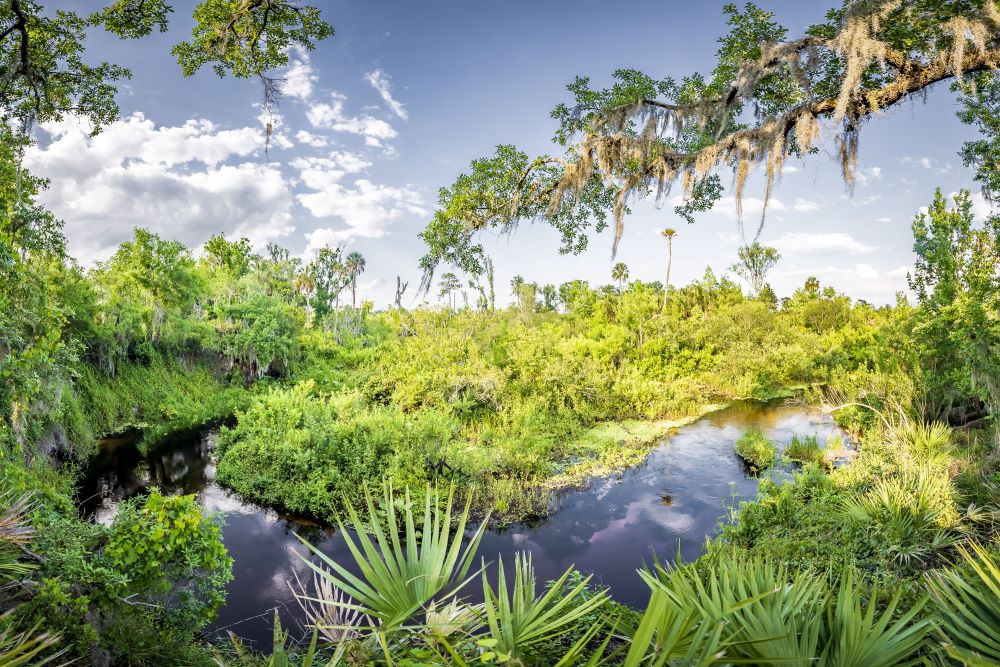
- Space Coast: Protecting water quality in the busy Indian River Lagoon is a high priority for TNC in Florida. That’s what took me to Merritt Island National Wildlife Refuge, where I spotted my first roseate spoonbills and manatees. Black Point Wildlife Drive is a must-do seven-mile loop.
- Blowing Rocks Preserve: Blowing Rocks features diverse habitats for myriad birds and wildlife, including rare green, loggerhead and leatherback sea turtles. Nearby, Jonathan Dickinson State Park offers camping, hiking and exceptional bird-watching.
- Everglades National Park: One of our planet’s unique ecosystems, the Florida Everglades belong on every wildlife watcher’s must-visit list. In addition to world-class bird watching, the Everglades offer a rare opportunity to see both American alligators and crocodiles.
- Crystal River: This area north of Tampa bills itself the “Manatee Capital of the World,” with good reason. Winter is prime time to visit, as manatees leave colder open waters to congregate in warm-water springs and spring-fed rivers—many of which are protected within state parks and the Crystal River National Wildlife Refuge.
Gulf Coast
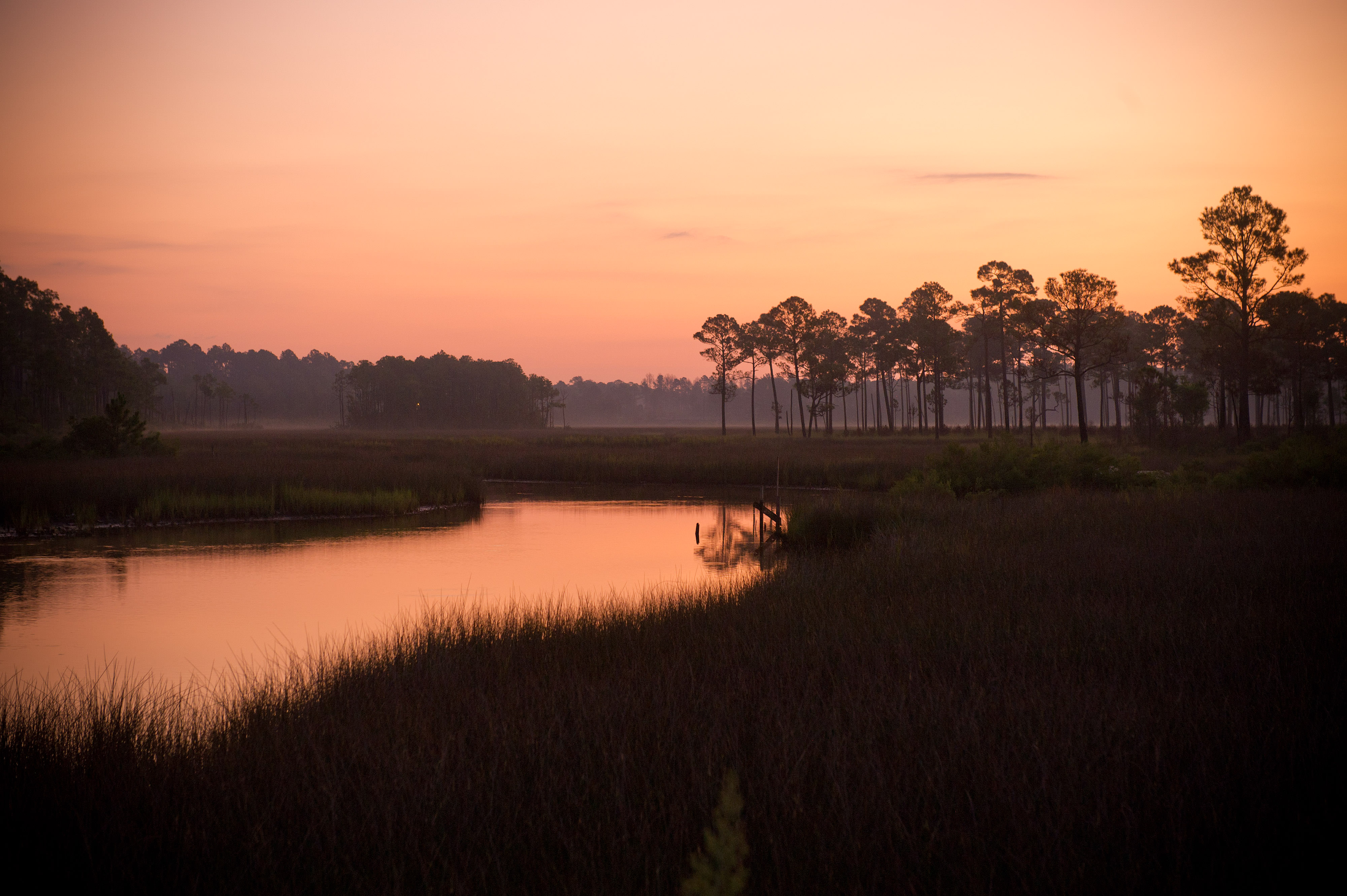
Chart your own course from the Florida panhandle to the Louisiana bayous.

My first explorations of the Gulf states came by way of their literary landscapes. My first actual road trip—from Clemson University to New Orleans via interstate—would have been forgettable if not for a side trip into bayou country inspired by the novels of Ernest J. Gaines.
Strolling around the University of Louisiana Lafayette, where Gaines taught, I was astonished to find a cypress swamp in the middle of campus, complete with fish, turtles and alligators. Alligators! On campus! My mind was already blown even before discovering that ULL’s two-acre Cypress Lake had evolved from its historic origin as a buffalo wallow.
Our extraordinary Gulf Coast spans from Key West to Cancun, but don’t repeat my initial mistake. Avoid the tourist traps and beaten paths. The real magic reveals itself along the region’s rural byways, beaches and bayous.

Wildlife to See
- Migratory birds
- Monarch butterflies
- Mississippi sandhill cranes
- American alligators
- Louisiana black bears and more
Suggested Stopovers
- St. Marks National Wildlife Refuge (Florida): TNC has helped add land to this coastal refuge due south of Tallahassee. Monarch butterflies mass here in the fall, usually around October, when they are tagged before their perilous flight across the Gulf.
- Gulf Islands (Alabama): The Lower Perdido Islands and Dauphin Island Bird Sanctuaries flank the east and west sides, respectively, of Mobile Bay. These are just two of the vital nearshore islands that serve as jumping-off points in spring and landing zones in fall for hundreds of migratory bird species crossing the Gulf.
- Mississippi Sandhill Crane National Wildlife Refuge: Migratory sandhill cranes draw wildlife watchers by the thousands to numerous stopover sites (and related festivals) across the country. But for a chance to see the Mississippi sandhill crane, a critically endangered subspecies, you must visit this Gulf Coast wildlife refuge. Roughly 200 of the four-foot-tall living dinosaurs stalk the refuge’s primeval wet pine savanna.
- Grand Isle (Louisiana): The state’s lone inhabited barrier island hosts beachgoing tourists and one of the world’s most spectacular natural phenomena. During autumn “fall outs,” hundreds or sometimes thousands of migratory songbirds, including 35 different warblers, appear to fall from the sky. Exhausted from crossing the Gulf, they depend on the rare maritime forests of Lafitte Woods Preserve to rest and refuel. In the spring, TNC sponsors the annual Grand Isle Migratory Bird Festival.
Natchez Trace Parkway
Trace cultural and natural history from the outskirts of Nashville, Tennessee to historic Natchez, Mississippi.

Some years ago, during a musical pilgrimage to Muscle Shoals, Alabama, I ventured into the state’s rugged northwest corner. I simply couldn’t resist seeking out the almost-world-famous Key Underwood Memorial Coondog Graveyard. While rambling the Freedom Hills, I realized how tantalizingly close I was to a Natchez Trace Parkway entrance.
I reluctantly turned back for lack of time, but the 444-mile Trace has maintained a spot on my bucket list. In part, that’s down to its origin as a path for Indigenous Peoples and its ensuing centuries of American history. Moreover, this lesser-known national parkway overlaps with North America’s largest migration corridor: the Mississippi Flyway.

Wildlife to See
- Birds, birds, birds!
- Black bears
- Aquatic wildlife and more.
Suggested Stopovers
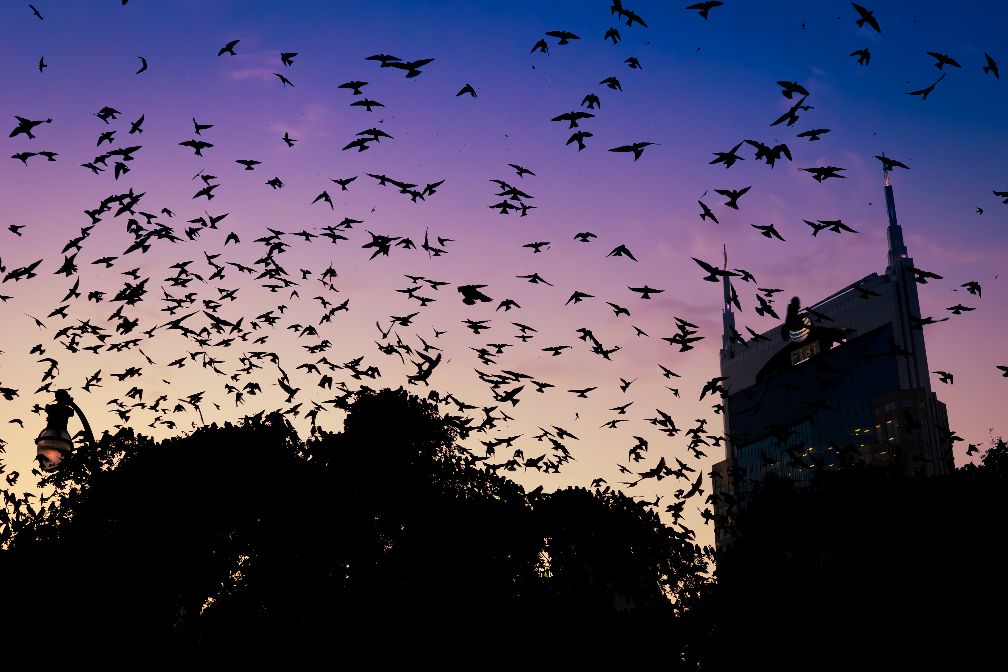
- Nashville: While Music City is best known for, well, you know, the area boasts a remarkable abundance of parks and natural areas. Visit during summer and you may witness a true natural spectacle: thousands of migratory purple martins gathering nightly to roost.
- Duck River (Tennessee): Among the numerous places along the Trace where you can stop to go fishing, canoeing or kayaking, the Duck stands out. As you float peacefully along, the waters beneath you teem with a greater diversity of fishes and freshwater mussels than almost anywhere else in North America. Only the Clinch River system a few hours to the east comes close.
Side Trips
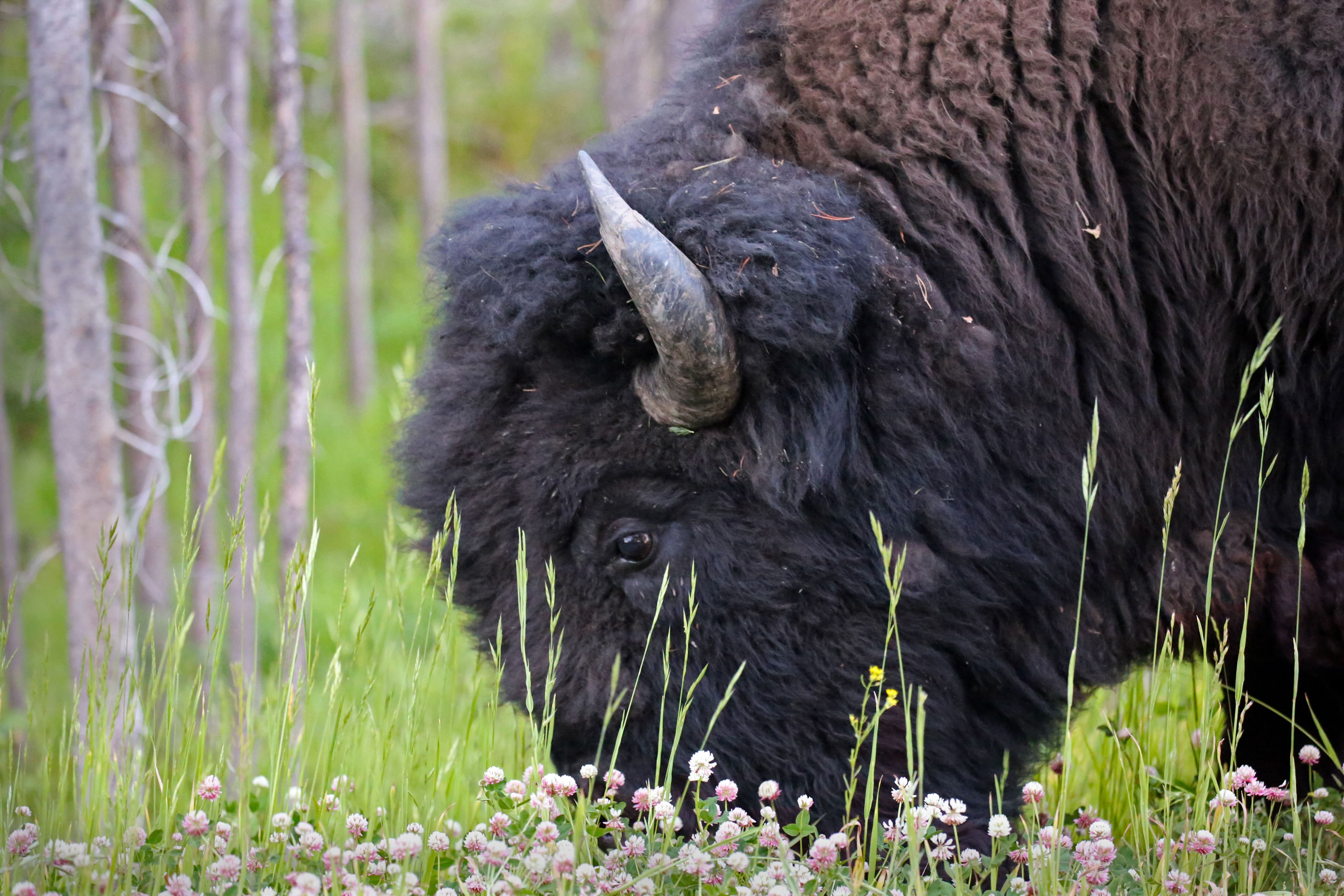
- Land Between the Lakes National Recreation Area (Kentucky and Tennessee): You don’t have to go to Yellowstone to see bison and elk. Less than two hours from the Trace’s northern terminus, both large herbivores inhabit Land Between the Lakes. This national forest recreation area also offers opportunities to see hundreds of bird species, from bald eagles to hummingbirds.
- Phil Bryant Wildlife Management Area (Mississippi): Home to large concentrations of waterfowl in winter, this conservation area hosts more than 200 species of migratory birds in all. The Louisiana black bear also prowls these Mississippi Delta wetlands, which were protected through a partnership between TNC and the state.
For More Adventurous Travelers:
Overlanding the South
Overlanding is all about venturing into the outdoors independently and appreciating the path you take, not just the destination.

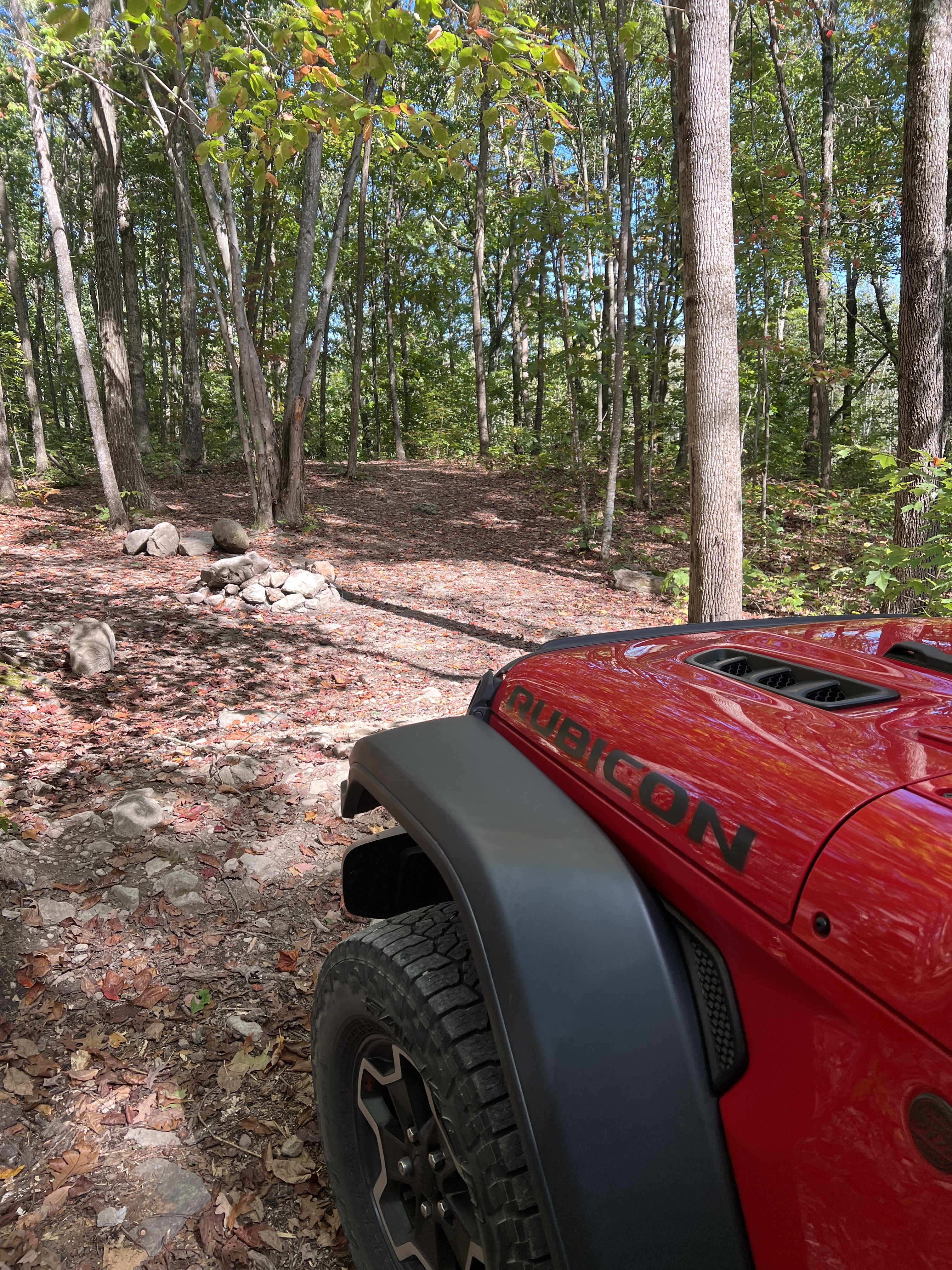
The routes below include unpaved sections that may require off-road-capable vehicles. Before embarking on overlanding adventures, it’s important to do your research to understand what skills and equipment will be required, how to reroute around obstacles, and where to find legal campsites.
National Forest Roads
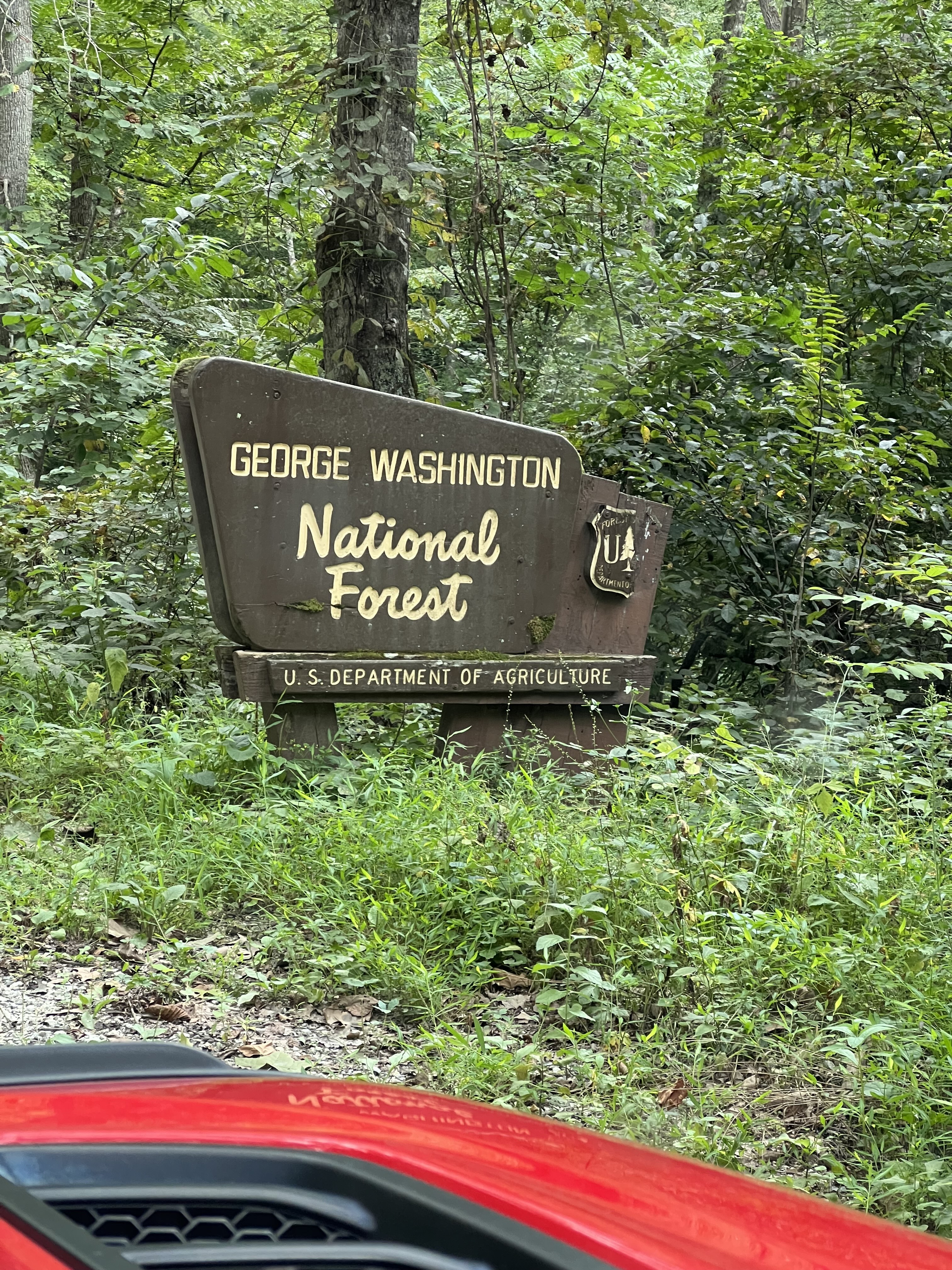
A natural place to start is your closest national forest. The Nature Conservancy works closely with the U.S. Forest Service across the South and the country, as healthy national forests are essential to maintaining habitat corridors for wide-ranging wildlife.
National forests are vital places for nomadic humans, too. Many forest roads are accessible to virtually any vehicle, while offering abundant opportunities along the way for hiking, cycling, camping and, of course, wildlife viewing.
My work as a conservationist began in South Carolina’s Sumter National Forest, which remains a favorite recreational destination. And from my home in Virginia, a 60- to 90-minute drive will take me to one of many entry points into the George Washington & Jefferson National Forests. Once there, a network of gravel roads and hiking-biking trails provides access to nearly 2 million acres of forested public lands and endless opportunities to observe wildlife.
The new Virginia Adventure Trail connects scenic backroads with many of the best and most accessible forest roads. This 675-mile overland route runs from Damascus, Virginia, north to the West Virginia line near Fulks Run.
Backcountry Discovery Routes
BDR is a nonprofit organization that maps routes for extended trips off the beaten path via off-road-capable motorcycles and other vehicles. Routes combine paved, gravel and dirt roads and can be traveled in either direction.
- Southeast Backcountry Discovery Route: This 1,300-mile route begins on Florida’s Gulf Coast and winds north through the Appalachians to Damascus, Virginia. (Or vice-versa.)
- Mid-Atlantic Backcountry Discovery Route: From Damascus, this 1,080-mile route along country lanes and forest roads traverses Virginia’s Allegheny Highlands on the way to Lawrenceville, Pennsylvania.
Georgia Traverse
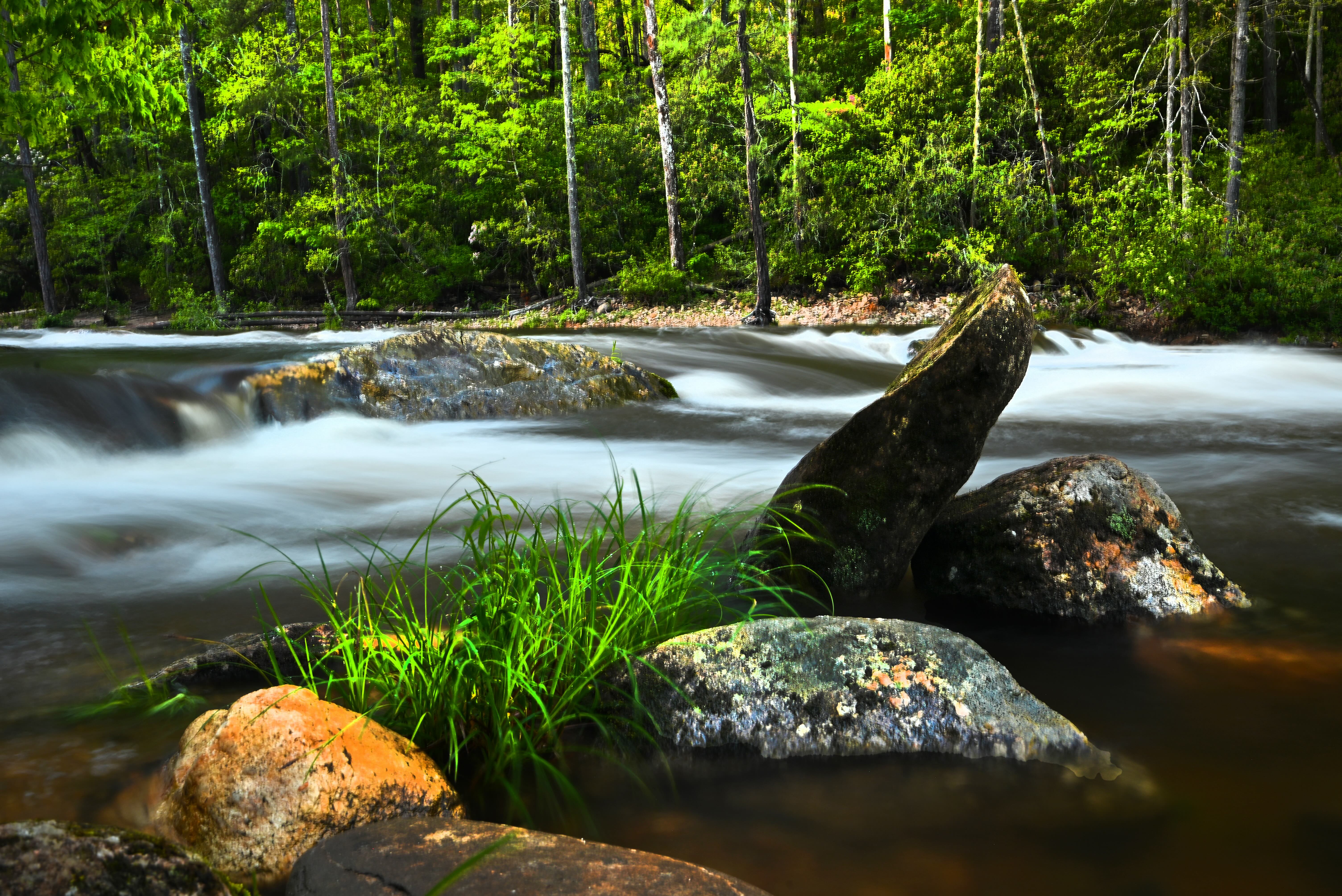
Stretching from Upstate South Carolina to the Alabama line, the 390-mile Georgia Traverse begins near one of my favorite places on Earth: Burrells Ford on the Wild and Scenic Chattooga River.
Which presents a problem: getting underway. You could while away hours or days here—as I have—watching and listening to migratory songbirds, hiking to waterfalls, and falling asleep to the sound of flowing water.
Sumter National Forest’s Cherry Hill and Burrells Ford campgrounds are excellent staging options before setting off on this scenic and challenging overland route to Alabama.
No Place Like Home
As I write, I’ve also been packing for a trip to southern Arizona, including a planned first visit to TNC’s remote Ramsey Canyon Preserve. Somehow, the boy raised on the black soil and blackwater rivers of South Carolina grew up to become an avid desert rat.
In a couple of weeks, though, I’ll be flying back to the South—as migratory birds have done for millennia. With luck, I’ll bring home “snapshots” of javelinas and some favorite desert birds. And then comes planning the next adventure.
It will likely be a Southern one. Traveling at home, in a sense—it’s the best of both worlds. See y’all down the road.
Green Up Your Inbox
Every month we'll send you our best stories and ways to get involved. Get a preview of a Nature News email.

Read more

Southern United States
From manatees to mountains, see how healthy oceans, rivers, forests, climate and fire shape conservation in the Southern United States.

The Ultimate Appalachians Road Trip
Join us on an unforgettable road trip through the breathtaking Appalachians and experience nature at its finest.

Protect Your Adventure
The natural places that inspire your next great adventure also provide fresh air, healthy food and millions of jobs. Loving these places means more than exploring them—it means caring for them.