
The Duck River
Biodiversity, recreation and conservation come together along one of the richest rivers in the United States.

Winding 269 miles through Middle Tennessee, the Duck River is one of the state’s most scenic and ecologically important waterways. Beneath its beautiful surface lies an astonishing abundance of life. The river supports North America’s richest variety of freshwater animals and is recognized by the U.S. Geological Survey as one of only three global hot spots for fish and mussel diversity. In addition to its unparalleled aquatic biodiversity, the Duck River is the backbone of the region’s outdoor recreation economy, drawing an estimated 150,000 anglers, kayakers, canoeists and boaters each year.

Did you know?
The Duck River is becoming a statewide model for sustainable water management. Rather than limiting water withdrawals, Tennessee created the Duck River Watershed Planning Partnership to manage future water demand based on the river’s biological limits. This collaborative approach ensures communities can meet future water needs without compromising the long‑term health of the river.
Despite being one of North America’s most diverse rivers, the Duck River is also among its most endangered. It has become the sole drinking water source for more than 250,000 people in Middle Tennessee. According to the 2020 Census, Tennessee gained over half a million new residents—many settling in and around Nashville. To keep pace with this rapid growth, several water utilities plan to increase the amount of water they withdraw from the Duck River by as much as 30 percent.
In response, The Nature Conservancy is working with partners to strengthen the health of the Duck River watershed as a whole. That work includes helping ensure future water withdrawals are managed responsibly and addressing the many factors that influence the river’s long‑term resilience. The goal is to protect the river’s extraordinary wildlife and support the communities that rely on it.

Biodiversity and Wildlife of the Duck River
The Duck River in Tennessee is one of the most biologically rich freshwater rivers in North America, containing more fish species than all the rivers of Europe combined. With more fish varieties per river mile than any other river in North America, the Duck River is a globally significant hotspot for aquatic biodiversity. It supports 151 fish species, more than 60 species of freshwater mussels and 22 aquatic snail species, many of which are endemic, threatened or federally endangered. Several species occur nowhere else on Earth, making it a cornerstone for national and statewide species recovery, propagation and reintroduction efforts.
The Duck River’s exceptional richness stems from its unique geology. As it runs through limestone, shale and sandstone, it forms a mosaic of habitats that support a wide variety of wildlife. In addition, the river’s stable climate history, clean water and location within the highly biodiverse Tennessee River Basin create ideal conditions for fish, mussels and other aquatic species—including many that are threatened, endangered or found nowhere else on Earth.

Mussel Species at the Duck River
The Duck River’s freshwater mussel community is among the most diverse on the planet, representing one of the last strongholds for many imperiled species. Mussels act as natural water filters, removing sediment and pollutants—each individual can filter up to 15 gallons of water per day. They also stabilize streambeds and reduce erosion, helping maintain the river’s structure and clarity.
Because mussels are extremely sensitive to pollution, habitat disturbance and changes in water flow, declines in their populations often signal broader water quality issues. For this reason, mussels are widely considered the river’s “canaries in the coal mine.”
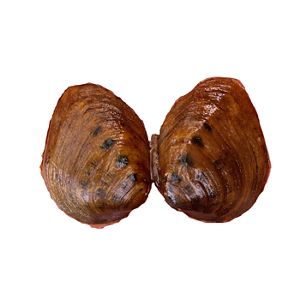
Slabside Pearlymussel (Pleuronaia dolabelloides)
One of the rarest mussels in North America, this species has experienced severe range‑wide declines. The Duck River supports some of the most viable remaining populations, making it essential to the species’ survival.
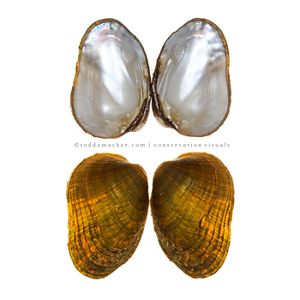
Birdwing Pearlymussel (Lemiox rimosus)
Federally listed and highly sensitive to changes in flow and water quality. The Duck River is one of its last strongholds, and continued droughts and low flows pose major risks.
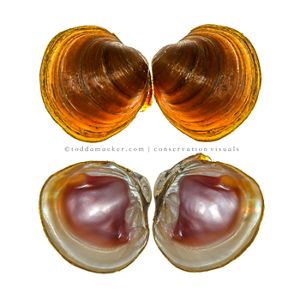
Round Hickorynut (Obovaria subrotunda)
Listed as a threatened species, this mussel relies on fish hosts like darters to carry its microscopic larvae upstream—a built‑in dispersal strategy that helps keep its populations connected and resilient.

Get Montly Updates
Stay up to date on all our conservation wins across Tennessee and beyond.
Conserving the Duck River
TNC has worked on the Duck River since 1999 in partnership with local communities, businesses and government agencies, providing science and conservation expertise. Over the years, this work has evolved into a holistic approach—one that considers the overall health of the river, not just pollution or water withdrawals. Our goal is to ensure long‑term protection of the Duck River’s water quality, ecological integrity and the wellbeing of the communities that depend on it.
Our Work

Water Pollution
Working alongside partners and agencies, TNC is helping to guide farmers on implementing conservation practices on agricultural lands to prevent farmland runoff that can contaminate the Duck River’s water.

Land Protection & Recreation
Through land acquisition and conservation easements, TNC works with private land-owners to protect riparian areas along the Duck River. TNC also transfers land to the state for the creation and development of greenways and platforms to increase river access.

Water Management
As part of Governor Lee's Duck River Watershed Planning Partnership, TNC provides critical data to identify where healthy river flows are most essential and ensure water‑supply planning reflects the river’s extraordinary biodiversity. We also conduct research that informs utility planning and drought management to meet today’s water needs while reducing long‑term risks to water supply.

Land Stewardship
TNC is spearheading restoration efforts across the watershed, including reducing sedimentation, restoring wetlands and establishing riparian buffers.


Recreation and Access
The Duck River is one of Tennessee’s most beloved places for kayaking, canoeing and fishing, offering miles of peaceful paddling and some of the best smallmouth bass fishing in the region. With numerous access points managed by state and local partners, visitors can explore everything from calm, family‑friendly stretches to more challenging shoals. Before heading out, paddlers should always check water levels, wear a life jacket and avoid high‑flow conditions—safety is essential on a free‑flowing river.
Explore
To check out recreation access points on the Duck River, visit TWRA’s website.
More Conservation

Rethinking Tennessee Dams
Many of Tennessee's dams don't fulfill their original purpose, and even cause harm. Find out what we're doing about it.

Preserving Tennessee's Agricultural Heritage
Implementing regenerative agriculture practices: From your backyard to Tennessee’s fields.

Tennessee Forests and Woodlands
Conserving forests supports wildlife, benefits water quality and combats the effects of climate change in Tennessee.