

Virginia is for lovers, and there’s a wealth of nature to love across the state, from the Appalachian forests to the Eastern Shore. As The Nature Conservancy celebrates 75 years of protecting the lands and waters on which we all depend, we're also celebrating 75 reasons we love to call Virginia home.

Animals

1
Red-Cockaded Woodpecker
Once widespread across the Southeast, the red-cockaded woodpecker (Dryobates borealis) nearly disappeared after centuries of unsustainable removal of old-growth pine forests. Through habitat restoration and monitoring efforts in TNC’s Piney Grove Preserve, we have expanded the woodpecker’s breeding groups in Big Woods Wildlife Management Area and beyond to ensure a future for this charismatic bird in Virginia. If you can’t spot them from the ground, listen for their tap or look for flakes of bark falling from towering longleaf pines.

2
Elk
Watch these majestic animals roam freely through Virginia’s open fields and mountain forests to feel transported to another time. Elk (Cervus canadensis) were reintroduced in the state by the Department of Wildlife Resources from 2012 to 2014 in Buchanan County, and our land protection work in Clinch Valley supports the herd—now numbering more than 250 elk.

3
Black Bear
The Commonwealth’s largest native land mammal, the black bear (Ursus americanus) wanders through the mountain forests of western Virginia. But don’t be surprised if you see them elsewhere. Our work to protect and connect large, resilient forest landscapes in the Allegheny Highlands and Appalachians helps ensure bears have the habitat they need to roam, forage and raise their young.

4
Red Salamander
The red salamander’s (Pseudotriton ruber) bright scarlet color, dotted back and golden eyes are easy to spot if you’re already paying close attention in Virginia’s streams and woods. During spring and summer in the Piedmont and Appalachians, you can probably find them in one of their favorite spots, under damp rotting logs. They also have the honor of being the official state salamander of Virginia.

5
Mabee’s Salamander
Although these dark, silver-flecked salamanders (Ambystoma mabeei) are threatened in Virginia, they can still be found in the hardwood forests and wetlands of the southeastern Coastal Plain. They enjoy living in the cover of leaves and pine needles on dried mud, making TNC’s Piney Grove Preserve a sanctuary for Mabee's salamanders.

6
Wood Turtle
Nicknamed “bottom walkers” for their foraging habits at the bottoms of streams, wood turtles (Glyptemys insculpta) once lived as far north as the northern Piedmont, but habitat loss from urban development spelled trouble for the population. Spotting the state-threatened turtle in a stream is a good sign of water quality and overall landscape health. TNC is working to protect wood turtles in northern Virginia’s Fraser Preserve.

7
Southern Fox Squirrel
Look high in the pine-oak savannas of Virginia’s Pinelands and you may spot the southern fox squirrel (Sciurus niger niger), the largest squirrel in the Commonwealth at 20-26 inches long. This distinctive species likes to use tree cavities for homes but also builds nests in the canopy by weaving together twigs, needles and leaves. TNC’s prescribed fire and longleaf pine planting benefit the fox squirrel and hundreds of other animal species by improving the health and connectivity of their rare habitats.

8
Northern Cardinal
The northern cardinal (Cardinalis cardinalis) can be easily spotted in winter landscapes and summer forests. Breeding in forest edges and urban backyards, these birds have adapted to thrive in human-altered environments. With an estimated population of more than three million, they are the most abundant bird species, and the official state bird, of the Commonwealth.

9
Freshwater Mussels
Hidden underwater in the Clinch, Powell and Holston Rivers are the highest concentrations of imperiled freshwater mussels (naiads and unionids) in the U.S. While these mussels aren’t good for eating, they act as industrious filters that clean the water for the region’s diverse aquatic ecosystems. TNC’s Clinch Valley Program works with farmers and other landowners to manage the water quality for mussels, other globally rare species and the people who live here.

10
Oysters
This keystone species helps filter water on Virginia’s coast and maintain a healthy habitat for fish, crabs and other marine life. They’re also a vital driver of Virginia’s economy. Through oyster reef restoration across the Chesapeake Bay and Eastern Shore, TNC has been helping to recover the oyster (Crassostrea virginica) population so we can continue to enjoy these delicious shellfish while strengthening coastal resilience against storms and erosion due to climate change.

11
Bay Scallops
Gliding through restored eelgrass meadows, bay scallops (Argopecten irradians) are making a comeback on Virginia’s coast. Once a favorite food for the region, the scallops completely disappeared from the Eastern Shore in the 1930s following the loss of their eelgrass habitat. Thanks to decades of land protection and marine habitat restoration by TNC’s Volgenau Virginia Coast Reserve and Virginia Institute of Marine Science’s species recovery work, scallops are returning to the region.

12
Striped Bass
One of Virginia’s most popular food and gamefish, the striped bass (Morone saxatilis) is a powerful predator that keeps the Chesapeake Bay ecosystem in balance. Feeding on menhaden, blue crabs and other prey, this iconic fish is deeply connected to the bay’s wildlife—and to the people who fish its waters. TNC’s efforts in the Mid-Atlantic seascape aim to conserve the habitats and food sources that striped bass depend on for survival.

13
Lined Seahorse
Peek into Virginia’s restored eelgrass meadows and you might spot a lined seahorse (Hippocampus erectus), the only seahorse species native to the Chesapeake Bay. These masters of camouflage depend on healthy seagrass beds for shelter, making them an important indicator of good water quality. Through coastal habitat and seagrass restoration, TNC is helping create the conditions this very cute species needs to thrive.

14
Horseshoe Crab
Older than the dinosaurs, horseshoe crabs (Limulus polyphemus) have roamed Earth’s coastal waters for more than 300 million years, earning them the nickname “living fossils.” The eggs they lay on sandy beaches each spring produce a critical food source for thousands of migrating shorebirds. Despite their impressive survival, their population is declining, and TNC is working to identify and protect their most important habitats.

15
Blue Crab
Blue crab (Callinectes sapidus) is a symbol of Virginia’s coastal culture and one of the state’s most commercially important fisheries. They play an important role in the Atlantic ecosystem as both predator and prey. TNC’s restoration of seagrass and oyster reefs is essential to protecting this iconic species for generations to come.

16
Atlantic Ghost Crab
Named for both their pale coloring and nocturnal habits, ghost crabs (Ocypode quadrata) emerge after sunset from their burrows to hunt and scavenge along Virginia’s beaches. These land-dwelling crustaceans live between the sand and waves and move at a surprising speed—up to nine miles per hour. Their presence is often a sign of healthy, undisturbed coastal habitats and of TNC’s successful conservation work.

17
Piping Plover
The piping plover (Charadrius melodus) is a small, adorable shorebird that blends in almost perfectly with the sand until it scurries across Virginia’s barrier island beaches. Federally threatened on the Atlantic Coast, this beach-nesting bird depends on undisturbed coastal habitat to raise its young. Our Volgenau Virginia Coast Reserve migratory bird program works with federal and state partners to monitor populations and protect critical barrier island habitat, an essential refuge for piping plovers and other shorebirds along the Atlantic Flyway.

18
American Oystercatcher
With its long, bright orange bill, orange eye ring, black head and striking plumage, the silly-looking American oystercatcher (Haematopus palliatus) is one of Virginia's most recognizable shorebirds. Nesting on barrier islands and coastal marshes, it relies on protected beaches and tidal flats to feed on mussels and other shellfish. Our Volgenau Virginia Coast Reserve provides critical habitat for breeding and wintering oystercatchers, which has been helping increase their numbers across the Atlantic.

19
Whimbrel
Each spring, thousands of whimbrels (Numenius phaeopus) stop along Virginia’s Eastern Shore during one of the longest migrations in the bird world, traveling more than 4,000 miles between South America and Arctic breeding grounds. The protected marshes of TNC’s Volgenau Virginia Coast Reserve provide a critical place for these shorebirds to rest and refuel, making the area one of the most important whimbrel habitats in the Western Hemisphere.

20
Peregrine Falcon
A species almost lost from the effects of DDT, the peregrine falcon (Falco peregrinus) has made an impressive comeback through decades of recovery and reintroduction efforts. Famous for its breathtaking dives of up to 200 miles per hour, this powerful raptor is one of the fastest animals on Earth. Peregrines have been spotted in Virginia’s national parks, including Shenandoah, as well as in urban areas like Richmond.

21
Atlantic Menhaden
As a key food source for whales, striped bass and other marine life, these small forage fish (Brevoortia tyrannus) power the Atlantic Ocean food web, giving them the title of “most important fish in the sea.” TNC’s work in the Mid-Atlantic seascape advances menhaden fishery reform and ensures their populations remain healthy for the entire ecosystem.

22
Bald Eagle
One of the most identifiable raptors in the country, the bald eagle (Haliaeetus leucocephalus) was formerly a rare sight in Virginia’s skies, as another species harmed by DDT. Today they can be seen soaring above the James River in search of fish. These iconic birds benefit from efforts to protect and restore healthy river and wetland habitats, including our Stream and Wetland Mitigation Program’s work throughout the watershed.

23
Golden-Winged Warbler
With its striking golden wing patches and cheerful song, this rare warbler (Vermivora chrysoptera) is a birder’s dream. The Allegheny Highlands is a stronghold for the declining species, where young forests and shrubby habitats provide important breeding grounds.

24
Ruby-Throated Hummingbird
The only hummingbird species (Archilochus colubris) that breeds in eastern North America. Hovering among wildflowers in search of nectar, these tiny birds play a large role as pollinators, including for the brilliant fire-pink wildflowers found at TNC’s Fortune’s Cove Preserve. Their rapid wingbeats and dazzling colors make them one of Virginia’s most beloved backyard visitors.

25
North American Beaver
Almost extirpated from Virginia by fur trapping in the 19th century, the North American beaver (Castor canadensis) has made an impressive recovery. Since beavers were reintroduced to the state in the 1930s by what’s now called the Virginia Department of Wildlife Resources, they are now found in almost every county, including New Kent County, home of TNC’s Vandell Preserve at Cumberland Marsh. By building dams, these hardworking engineers create wetland habitat for countless plants and animals while improving water quality and slowing flooding for communities.

26
Atlantic Sturgeon
The Atlantic sturgeon (Acipenser oxyrinchus) has been swimming in Virginia’s rivers since the age of the dinosaurs. But after decades of overfishing and pollution, they were thought to have disappeared from Virginia’s waters. Since the 1970s, this massive, prehistoric-looking fish has made a comeback due to habitat restoration, water quality improvements and government protections. TNC’s migration monitoring tells us which sturgeon habitat is important to protect. Now every spring, sturgeon can once again be seen breaching in the James River.

27
Red Fox
With its bushy, white-tipped tail and reddish coat, the red fox (Vulpes vulpes) is one of Virginia’s most recognizable mammals. Highly adaptable, it thrives in forests, farmland and even suburban neighborhoods, where it hunts small mammals and helps control rodent populations. Despite its secretive nature, this clever predator is often spotted at dawn and dusk throughout the Commonwealth.
_Dave_Riggs-CC_2504x1565.jpg?crop=208%2C0%2C2086%2C1565&wid=1600&hei=1200&scl=1.3041666666666667)
28
Virginia Big-Eared Bat
The Virginia big-eared bat (Corynorhinus townsendii virginianus) is an endangered species known, unsurprisingly, for its oversized ears, which can exceed an inch in length. These bats roost in caves throughout the Appalachian Mountains. Because they are highly sensitive to human disturbances, they rely on protected habitats to survive. Their conservation helps to protect not only this rare Virginia species but also the cave ecosystems they call home.

29
River Otter
In one of Virginia’s greatest conservation success stories, the river otter (Lontra canadensis) rebounded from near extinction in western Virginia thanks to habitat restoration and reintroduction efforts beginning in the 1980s. Today, these playful mammals live in streams, wetlands and ponds across the Commonwealth. Also known for their habit of sliding down muddy or snowy banks, river otters are a delightful wildlife sighting in any season.

30
Native Brook Trout
Winding through western Virginia are 2,000 miles of brook trout habitat across 600 streams. You can recognize the only trout native to the state (Salvelinus fontinalis) by its striking yellow-dotted and blue-and-red bullseye pattern. Stream health is critical to maintaining this population, as it is often the first species to vanish if pollution degrades the habitat. TNC also protects brook trout and other rare fish species at Bottom Creek Gorge.
Trees

31
Longleaf Pine
Longleaf pine (Pinus palustris) once dominated an astonishing 90 million acres throughout the Southeastern U.S., but centuries of unsustainable forest removals decimated the population. TNC has been replanting and using controlled burning to restore Virginia’s pine savannas, notably at TNC’s Piney Grove Preserve, which are among the most biologically diverse habitats in the world. Standing more than 120 feet tall and with a lifespan of up to 500 years, longleaf pine trees are also remarkably resilient to climate-driven disturbances such as wildfires and droughts.
-
32. White Oak
White oaks (Quercus alba) provide insects and their larvae with food, shelter and habitat. Found across the state, they populate the Allegheny Highlands and Cumberland Forest, where we work to expand public access to these trees.
-

33. Red Spruce
On Clinch Mountain, an array of plants and animals depend on cool, moist red spruce (Picea rubens) forests for survival, especially in the hot summer months. TNC and our partners have been replanting this essential species.
-
34. Bald Cypress
Bald cypresses (Taxodium distichum) tower over Virginia’s coastal plains and swamps. In the Great Dismal Swamp National Wildlife Refuge and TNC’s Blackwater River Preserve, some of these ancient trees are estimated to be more than 800 years old now.
-
35. Wild Black Cherry
The largest native cherry tree in Virginia, black cherry (Prunus serotina) produces fruit that feeds birds, wildlife and people across VA. Its cherries are used in jellies and wines, while its leaves host more than 450 moth and butterfly species.
-
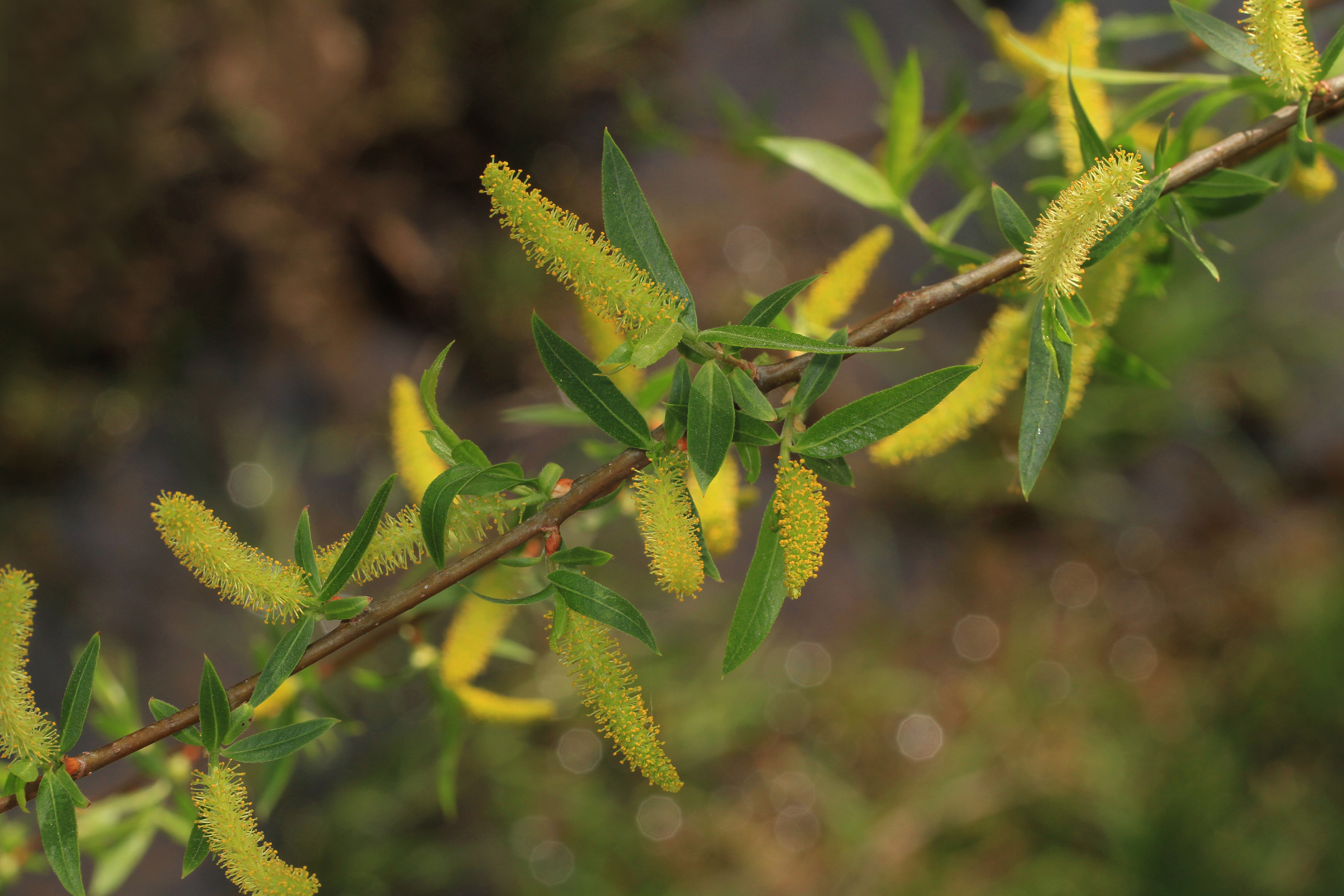
36. Black or Swamp Willow
At home in wetlands, swamps and riverbanks, this willow (Salix nigra) lives on the edge. By binding soil banks and preventing erosion and flood damage, the species helps our stream and wetland restoration work.
-
37. Virginia Live Oak
Live oaks (Quercus virginiana) are iconic trees of Southeastern Virginia’s coastal plains. Their limbs can grow twice as long as the tree is tall. Resistant to hurricane-force winds, they help reduce erosion, while their acorns feed wildlife.
-
38. Yellow Poplar
Sometimes called a tuliptree because of its bright, cup-shaped flowers, the yellow poplar (Liriodendron tulipifera) draws animals and insects. These blooms produce nectar for honey production.
-
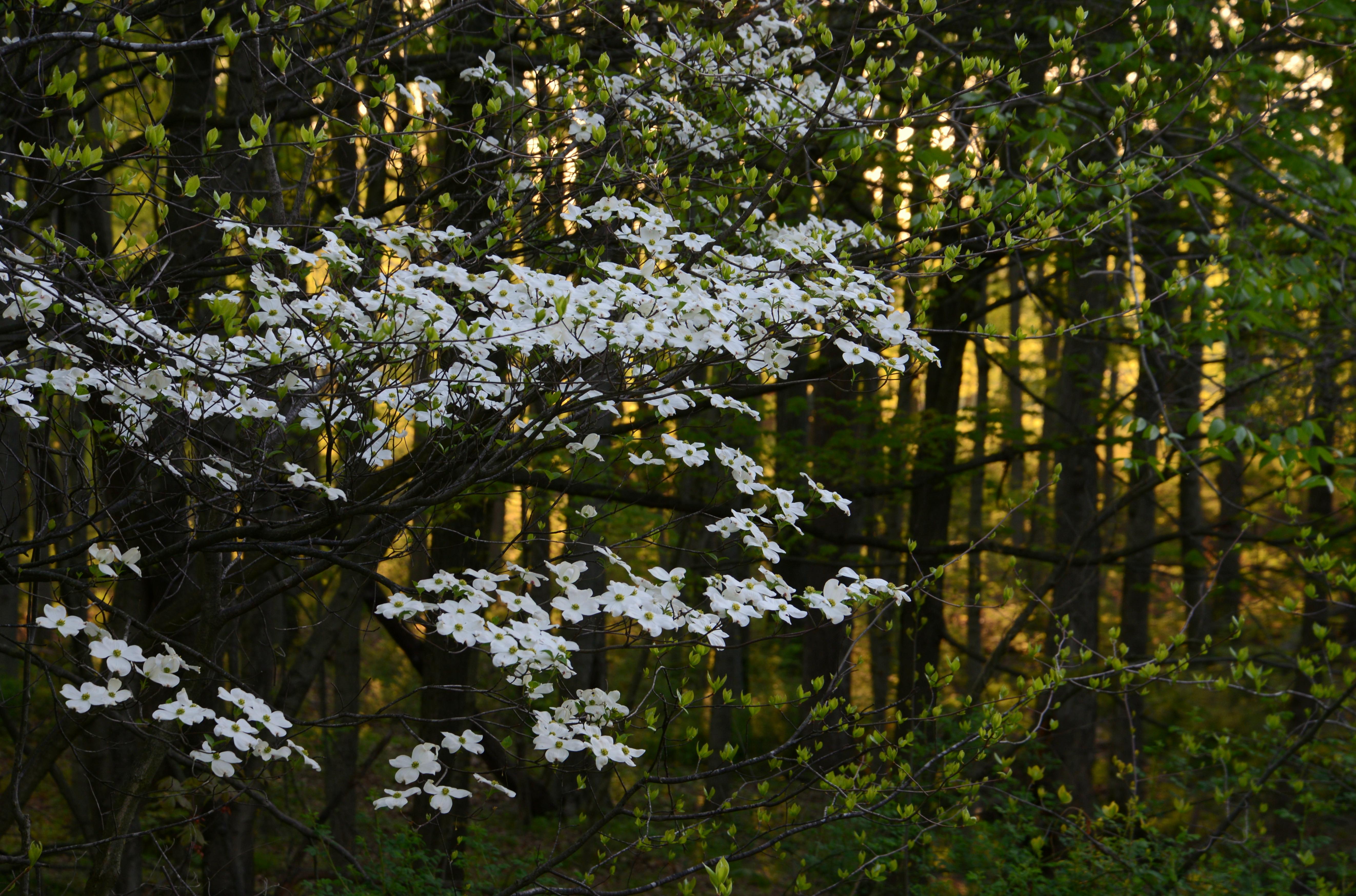
39. Flowering Dogwood
The dogwood (Cornus florida) is beloved in Virginia for its beautiful spring blooms, so much so that it’s recognized as both the state tree and flower. The tree’s showy white petals are actually its leaves, with the true flowers at their center.
-
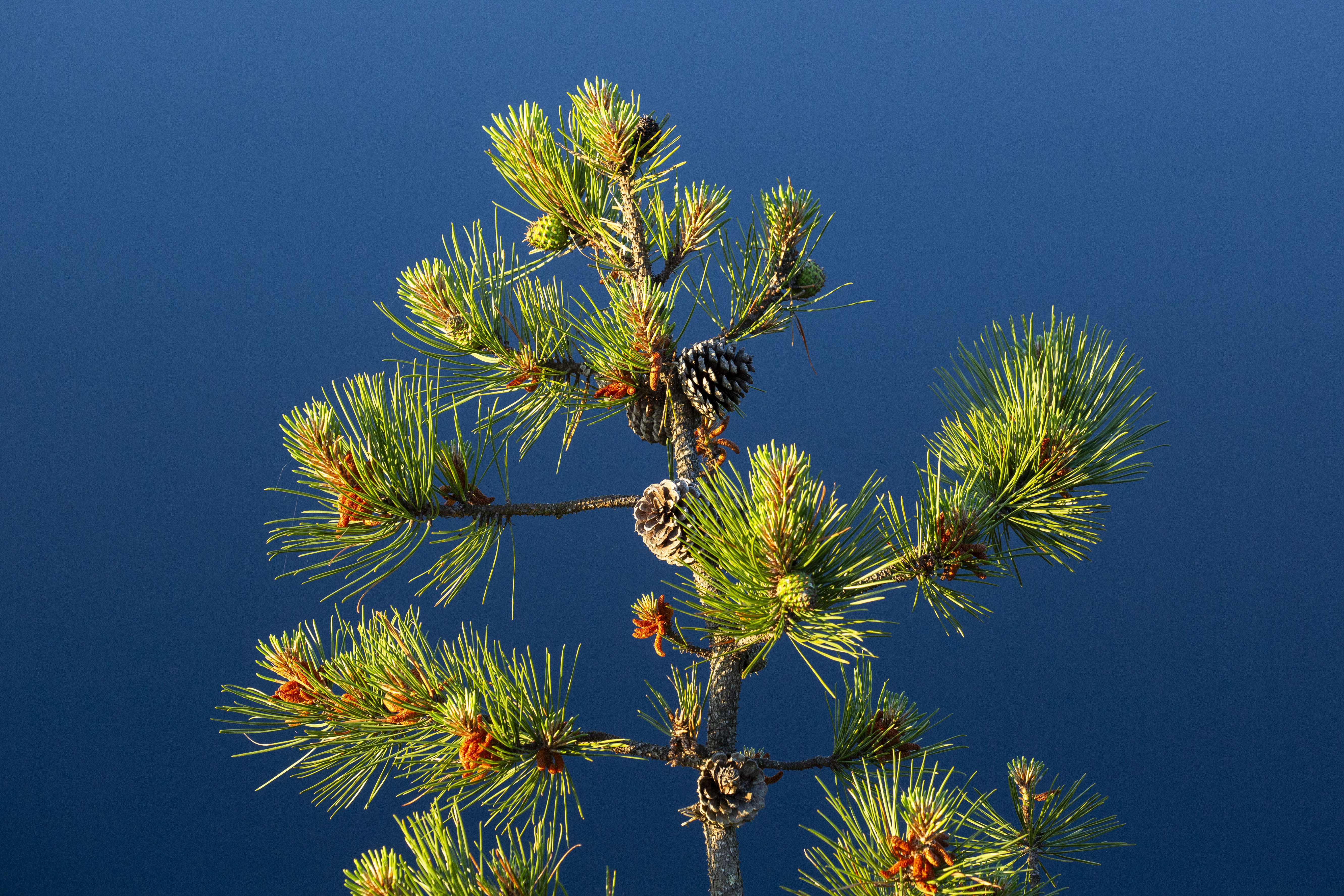
40. Pitch Pine
Pitch pine (Pinus rigida) may look unassuming, but it is the backbone of Virginia’s globally rare montane pine barrens. Found at TNC’s Warm Springs Mountain Preserve, this keystone species supports diverse birds, mammals and plants.
-
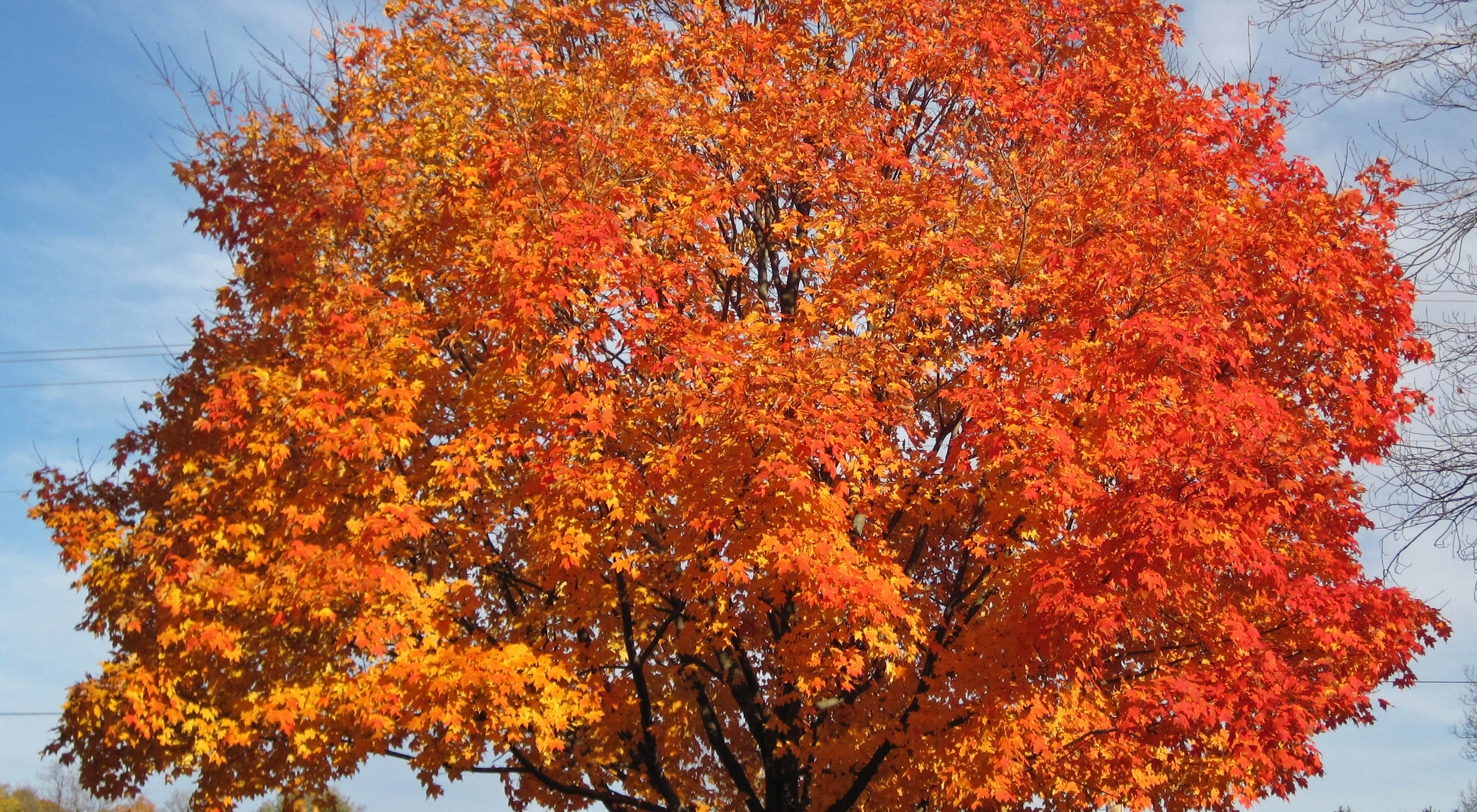
41. Sugar Maple
Sugar maple (Acer saccharum) is best known for its sweet syrup, which contains twice the sugar of other maples. Important to pollinators and communities in Virginia’s Allegheny Highlands, maple syrup production remains an economic driver.
-
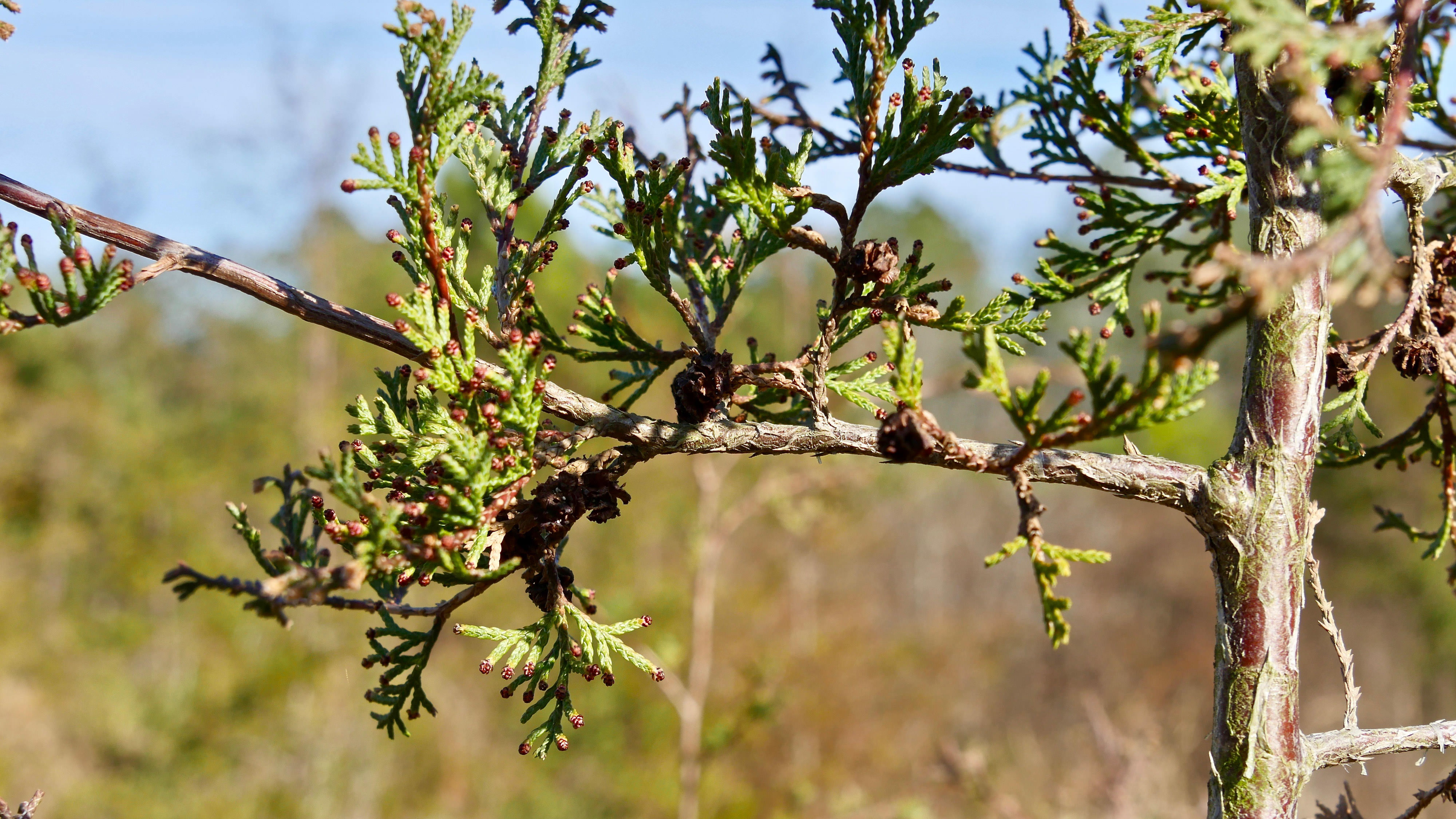
42. Atlantic White Cedar
Atlantic white cedar (Chamaecyparis thyoides) grows in Mid-Atlantic swamps, marshes and wetlands. A favorite food of white-tailed deer, its wood is prized for smoking meat and fish. When undisturbed, these rare trees can live up to 1,000 years.
Get Our Volunteer Email
Stay up to date with all our volunteer opportunities in your area and throughout Virginia. Subscribe to our monthly e-newsletter.

Plants & Fungi

43
Eelgrass
Considered a weedy nuisance for boaters and fishermen in the past, eelgrass (Zostera marina) wasn’t fully appreciated on Virginia’s coast until it was lost entirely. In the early 1930s, a disease wiped out the local eelgrass, which provided shelter for popular seafood species. Today, eelgrass covers nearly 12,000 acres throughout our coastal bays, thanks to marine habitat restoration efforts by TNC and the Virginia Institute of Marine Science, and lost species like the bay scallop are returning to the shore. Seagrass also absorbs more carbon than forests.

44
Peter’s Mountain Mallow
A rare beauty, Peter’s Mountain Mallow (Iliamna corei) is found at only one site in the world, The Narrows, which is protected by TNC. Peter’s Mountain Mallow can produce as many as 15-20 two-inch pink blooms during its summer flowering season. Because the mallow needs fire to germinate, our prescribed burning in this area has helped bring back the species from the brink of extinction.
45
Dwarf Iris
The eye-catching dwarf iris (Iris verna) can be found in the Coastal Plain and Piedmont between Maryland and Florida, acting as ground cover at a maximum height of about six inches. The irises spread easily through underground rhizomatous stems and enjoy partial shade to full sun, making the open canopies of TNC’s restored pinelands an ideal habitat. And if you find yourself farther west, look for its sibling, the upland dwarf iris!

46
Chanterelle
The chanterelle (Cantharellus cibarius) is a forager’s delight for its fruity aroma and mild, earthy taste and, when available, has been a signature ingredient in our OktoberForest Allegheny Highlands Farmhouse Ale. These golden, trumpet-like mushrooms festoon the forest floor on TNC’s Warm Springs Mountain Preserve after summer rainfall. Whether it’s chanterelles sprouting from spores or prescribed fire encouraging forest regrowth, the Central Appalachians tell a story of regeneration that we are working to continue telling for generations.
47
Dwarf Azalea
Growing up to three feet tall and blooming in many colors, the dwarf azalea (Rhododendron atlanticum) thrives on the coastal plains around TNC’s Piney Grove Preserve. The flower’s potent fragrance attracts pollinators and humans alike.

48
Little Bluestem
Little bluestem (Schizachyrium scoparium) is a native grass that thrives under the open canopy of longleaf pine. It hosts skipper and wood nymph butterfly larvae and provides winter seeds for songbirds. TNC annually hosts volunteer events at Piney Grove Preserve in late fall to help collect little bluestem seeds and continue habitat restoration efforts.

49
Native River Cane
Thickets of river cane (Arundinaria gigantea), known as canebrakes, currently occupy less than 2% of their native range. This unique habitat provides shelter for migratory songbirds, stabilizes streambanks and serves as a host plant for rare insects, such as cane-feeding moths. River cane is also culturally significant to many Indigenous peoples, especially for basket weaving. TNC and volunteers are assisting our partner Virginia Department of Conservation and Recreation in planting river cane along the Clinch River.

50
Crested Fringed Orchid
This rare, wand-like plant (Platanthera cristata) grows 12-24 inches tall and can be found in the Pinelands’ wetter areas, largely around tangly stream heads. The spiky bloom can produce as many as 80 small orange flowers.

51
Virginia Bluebell
Few blues compare to the color of Virginia bluebell (Mertensia virginica). A popular plant for Virginia gardeners, these wildflowers also make for a gorgeous, light spring hike on the Bluebell Trail at Bull Run-Occoquan Regional Park and TNC’s Fraser Preserve.
52
Morel
The morel (Morchella esculenta) may be Virginia’s favorite mushroom. A deliciously nutty treasure for foragers, the spongy, honeycomb caps appear for a short few weeks in spring. If you’re searching for morels, which grow across the Commonwealth, you’ll likely have the best luck near dead or dying elm, tulip poplar, ash and oak trees.

53
Saltmarsh Mallow
A relative of hibiscus, the pink saltmarsh mallow (Kosteletzkya pentacarpos) stands out against the sea of grass—and the sea—in Virginia’s tidal marshlands. As climate change increases flooding and causes greater coastal erosion, the need to restore these tidal marshes has become more urgent. The saltmarsh mallow represents this new focus for our Chesapeake Bay Wetlands Program.This wetlands wildflower is a relative of hibiscus.

54
Bayberry
As its name suggests, bayberry (Morella cerifera) leaves share a similar aroma to bay leaves; the plant has a long medical and culinary history beginning with early Native Americans. The large shrub produces gray-white berries that ripen by the fall, but all parts of the plant are edible. Climate-resilient bayberry plants can also help with soil erosion along disturbed slopes and land. When our Stream and Wetland Mitigation team spots a wild bayberry plant, they see a functioning wetland.
55
Smooth Coneflower
You can recognize the smooth coneflower (Echinacea laevigata), a member of the aster family, by its drooping, pink petals. Once abundant in the Piedmont and Appalachian Mountains, this native plant has been threatened by development, habitat alteration and fire suppression. Land protection and forest management efforts, like those led by TNC, help to remove the plant’s competing species and open the forest floor to sunlight—hopefully clearing the way for the coneflower to flourish again.

56
Sensitive Joint-Vetch
The sensitive joint-vetch (Aeschynomene virginica) has suffered from habitat destruction due to land development and pollution. A member of the pea family featuring pods and yellow flowers, joint-vetch supports and represents biodiversity in our tidal marshlands. The world's largest population of this rare native plant is protected at TNC’s Cumberland Marsh Preserve.
Our Lands
TNC Preserves
-
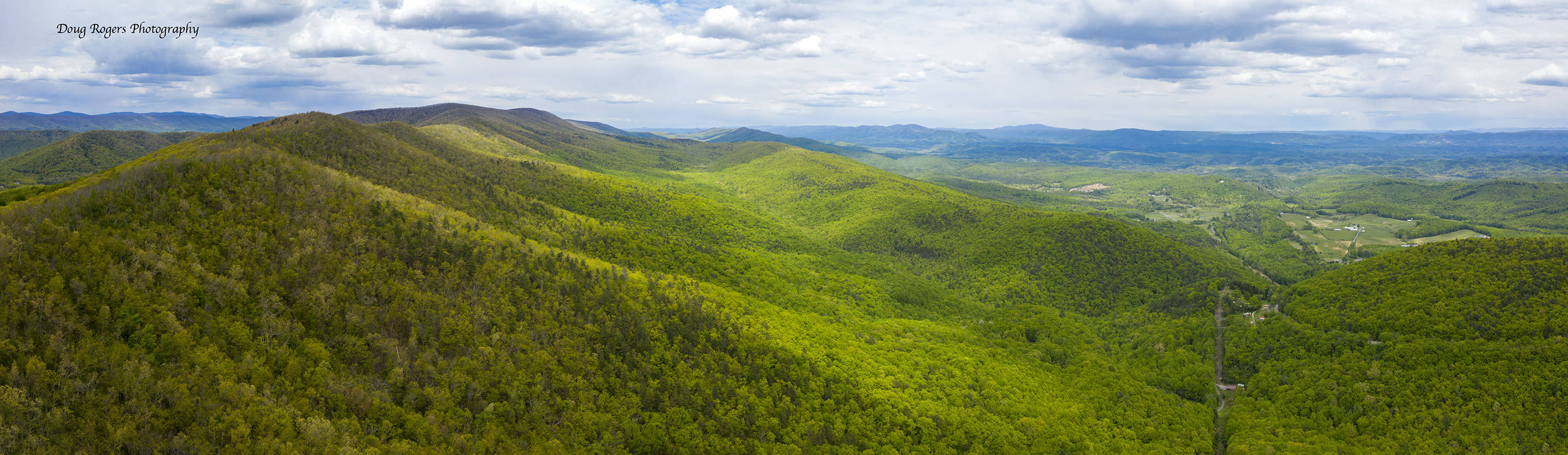
57. Warm Springs Mountain Preserve
Three public trails offer an introduction to one of the most ecologically significant forests in the Central Appalachians.
-
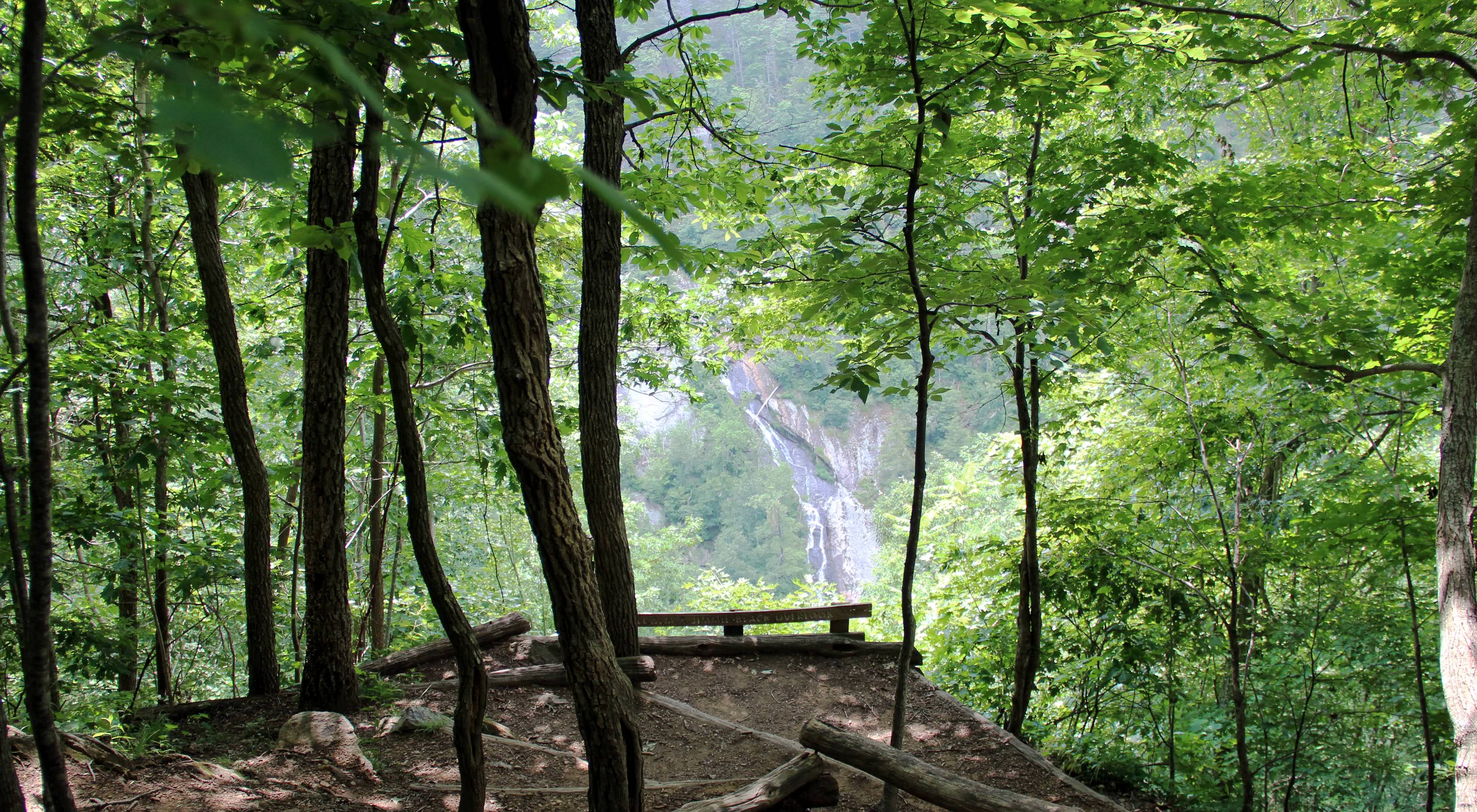
58. Bottom Creek Gorge Preserve
This preserve boasts spectacular scenery and views of the second highest waterfall in Virginia.
-
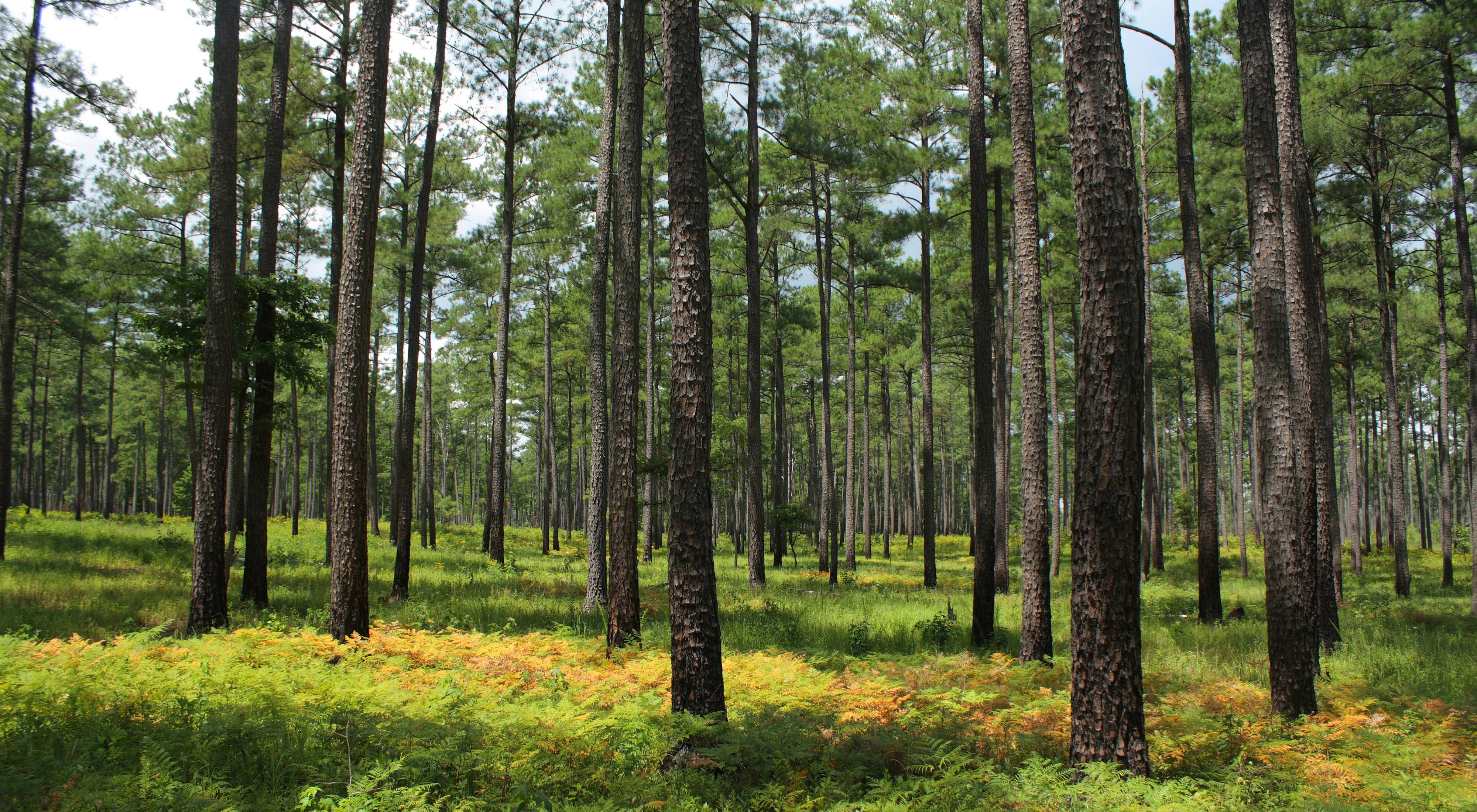
59. Piney Grove Preserve
Piney Grove is home to our restoration of longleaf pine savannas and recovery of Virginia's rarest bird, the red-cockaded woodpecker, as well as other rare wildlife species.
-
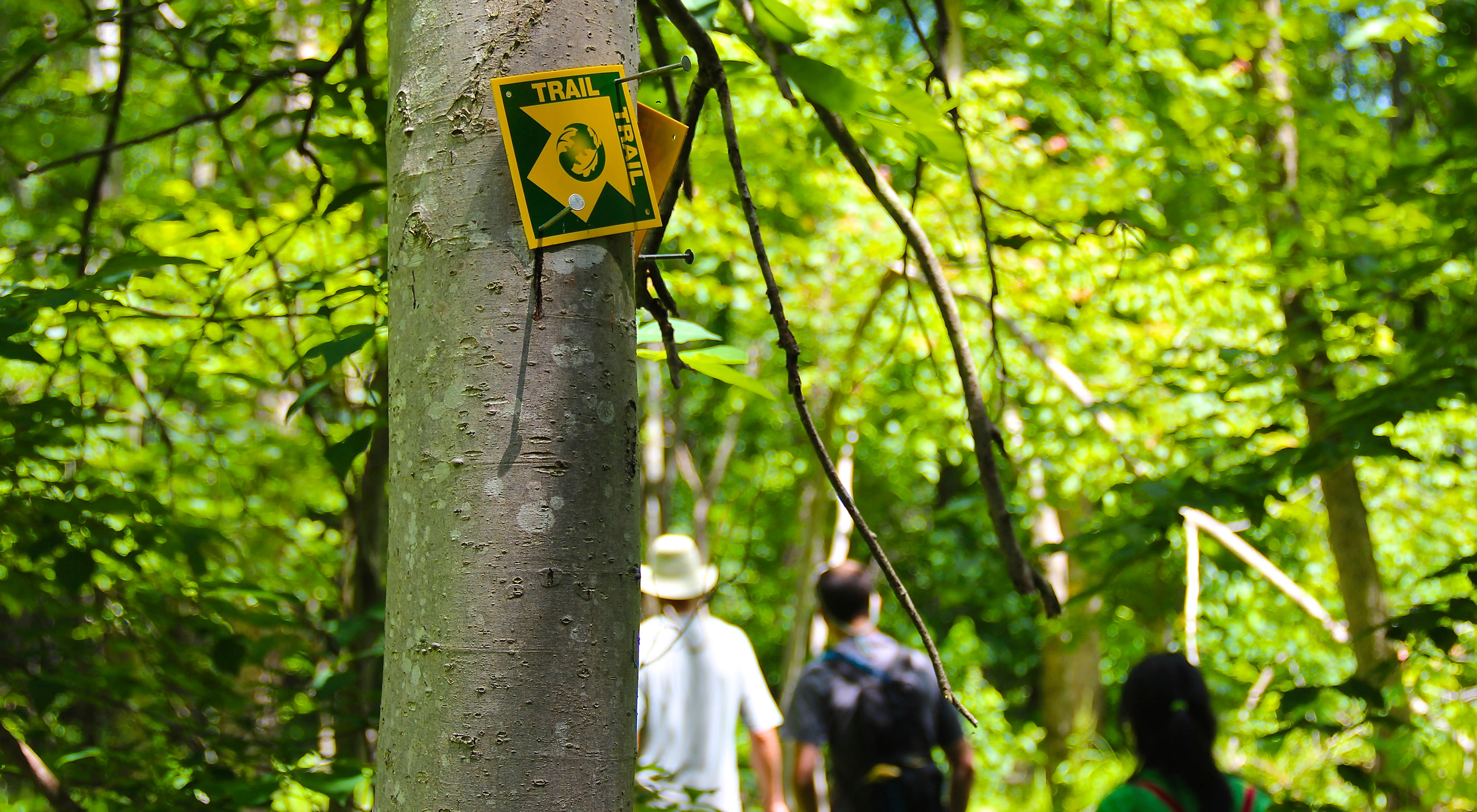
60. Fraser Preserve
A short hike through Fraser Preserve offers glimpses of the many natural habitats found in the Piedmont region, including fast, clear streams, lush cold-spring swamp, marsh, mature hardwood forests, open meadow, river and stream floodplain forests.
-
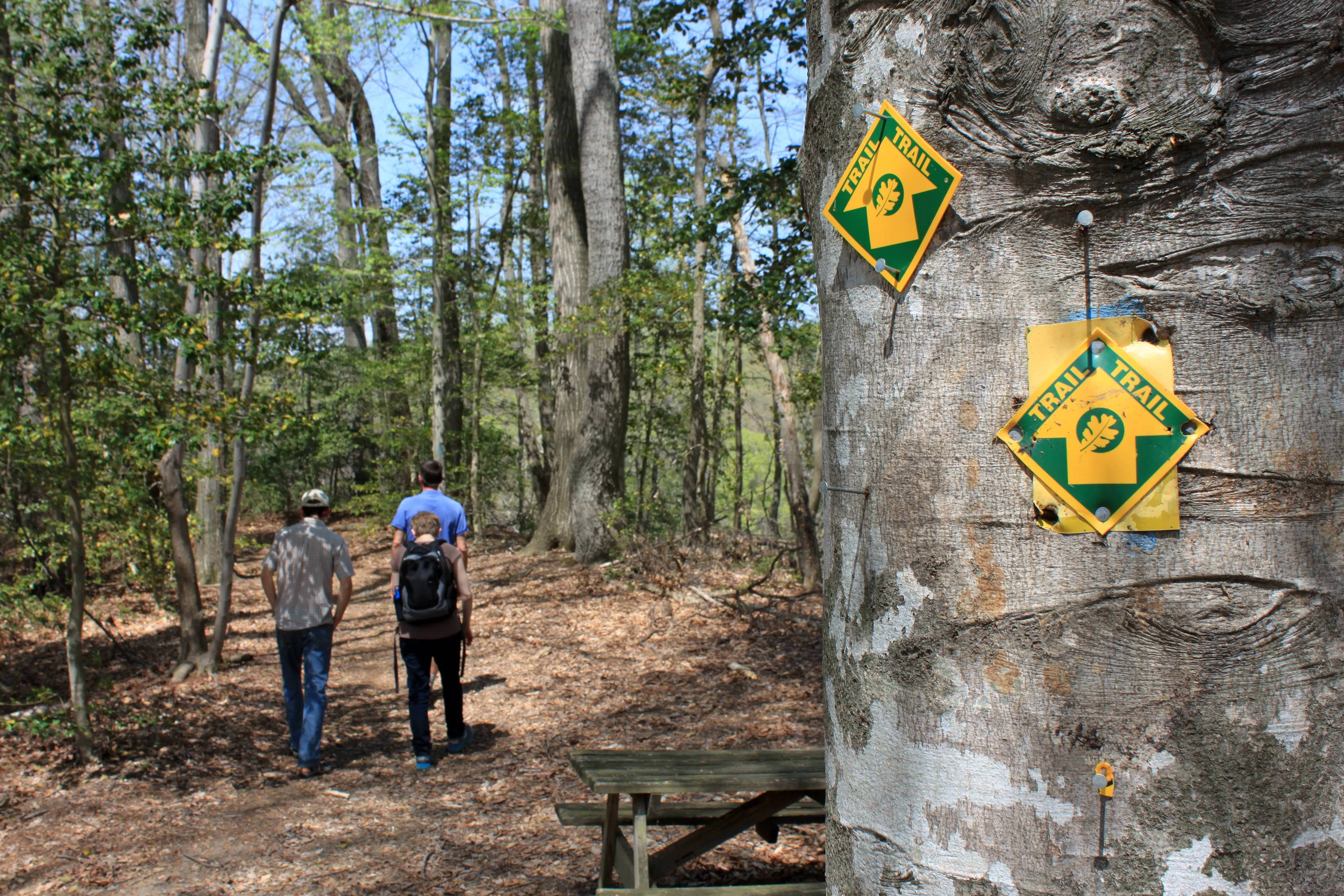
61. Voorhees Preserve
Part of a network of conservation lands along the Rappahannock River—a major tributary of the Chesapeake Bay—the preserve provides excellent habitat for bald eagles and other wildlife. Hike the four miles of wooded trails with scenic views.
-
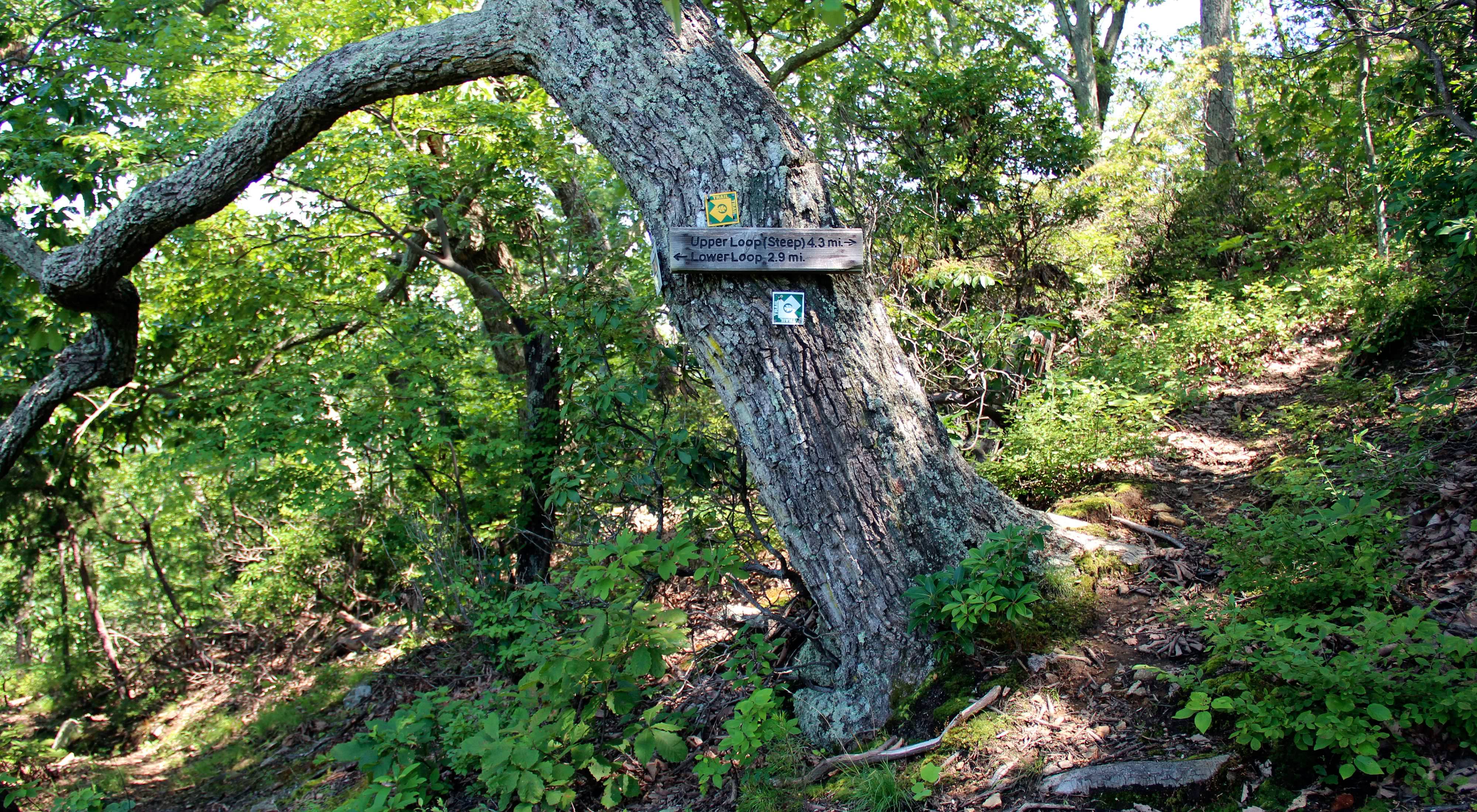
62. Fortune’s Cove Preserve
Easily accessible from the Charlottesville and Lynchburg areas, Fortune's Cove Preserve challenges hikers and rewards those who go slowly and observe closely.
-
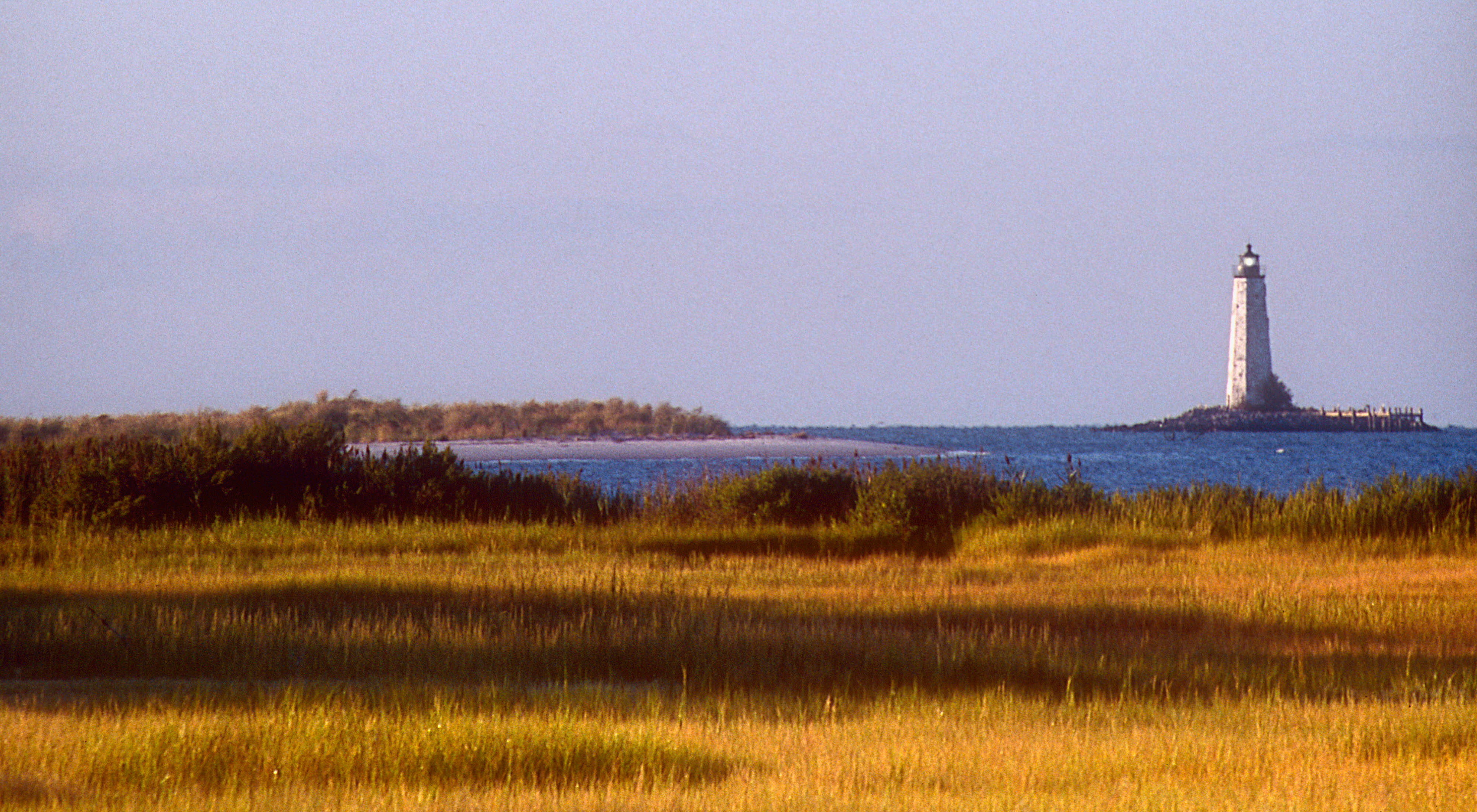
63. New Point Comfort Preserve
Located on a peninsula extending into the Chesapeake Bay, New Point Comfort is a key stopover point on the Atlantic Flyway for neo-tropical songbirds and other migratory birds. Observe these species and take in views of Mobjack Bay.
-
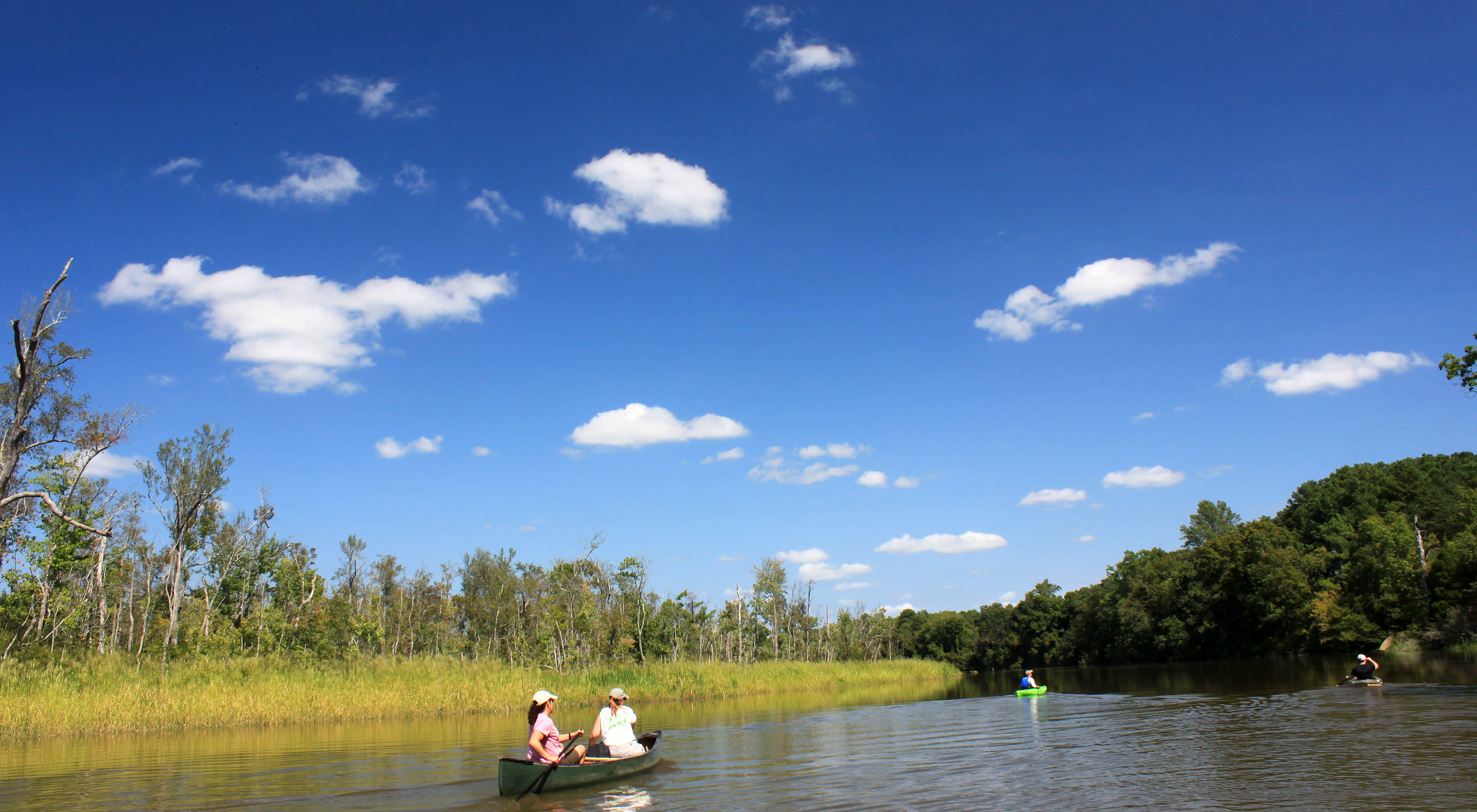
64. Vandell Preserve at Cumberland Marsh
Located on the southern bank of the Pamunkey River and situated along the Atlantic Flyway, the preserve provides important migratory and wintering habitat for waterfowl. Paddlers can launch their craft four miles downstream from the boardwalk.
-
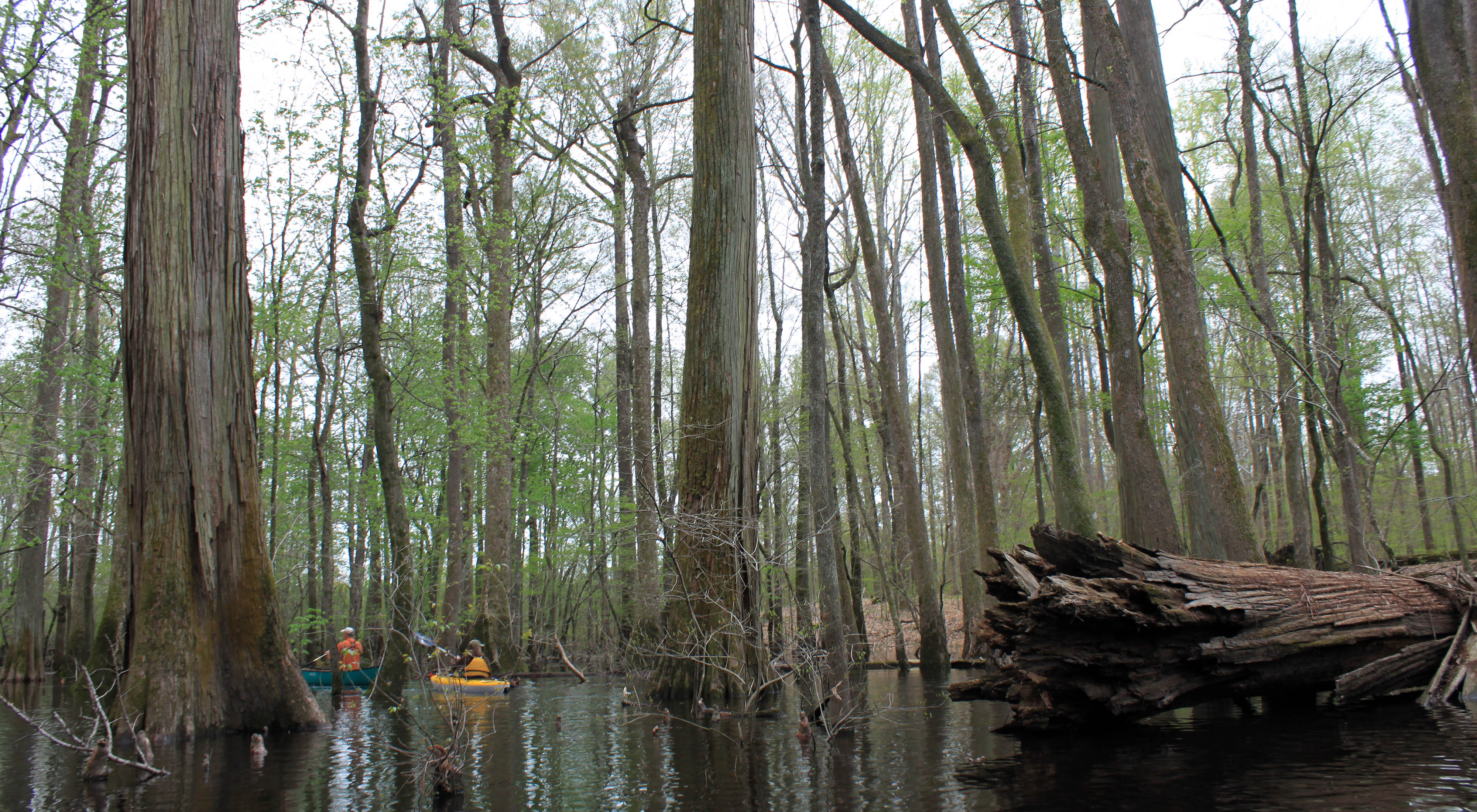
65. Blackwater River Preserve
Explore one of the best and last examples of an ancient bald cypress forest in the Southeast. Biologists estimate that some trees at this preserve exceed 800 years old.
-
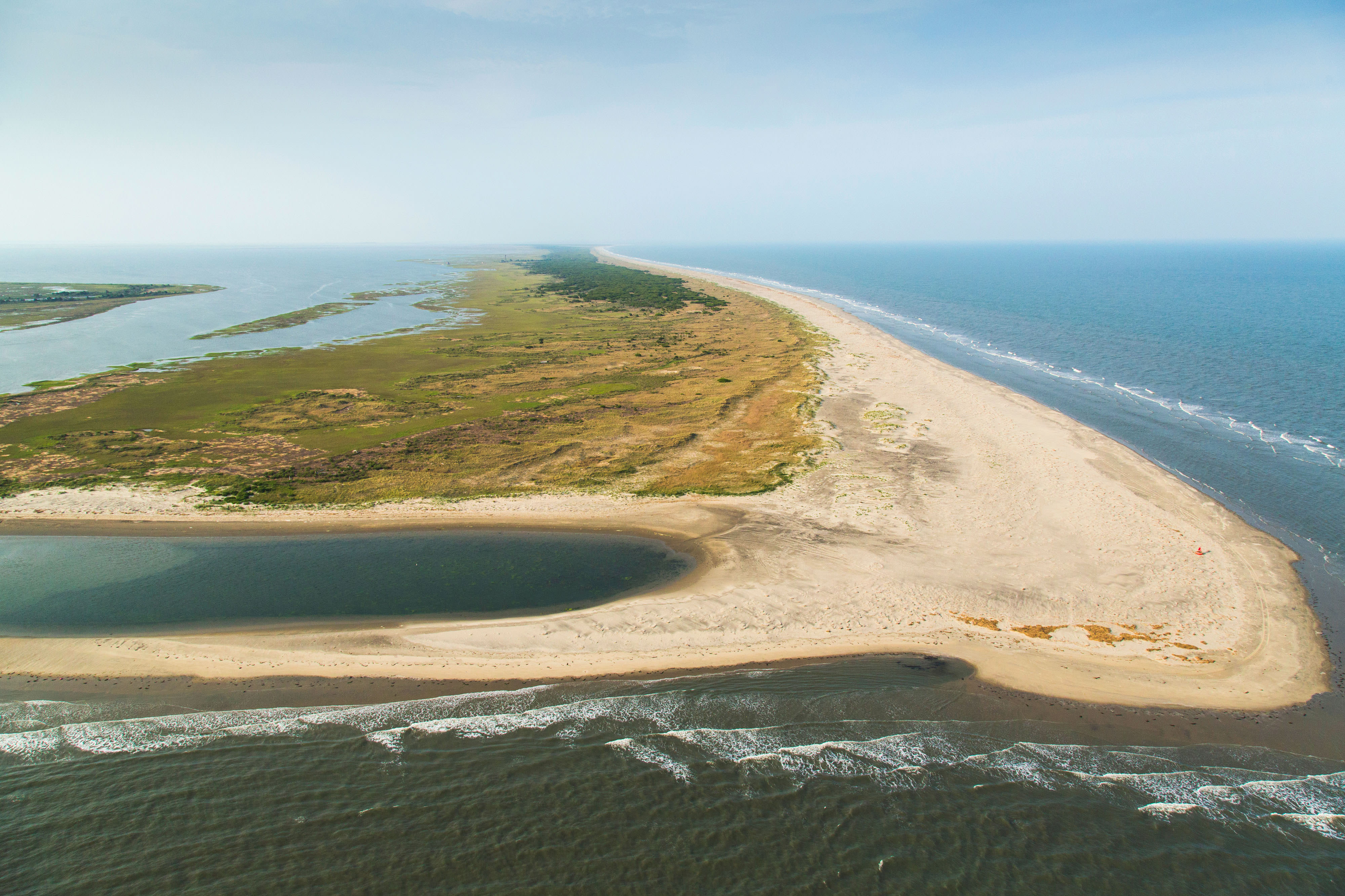
66. Volgenau Virginia Coast Reserve Barrier Islands
The barrier islands make up the longest expanse of coastal wilderness remaining on the East Coast. Experience this wilderness by hiking, bird watching, surf fishing and photographing the unmatched scenery and wildlife.
-
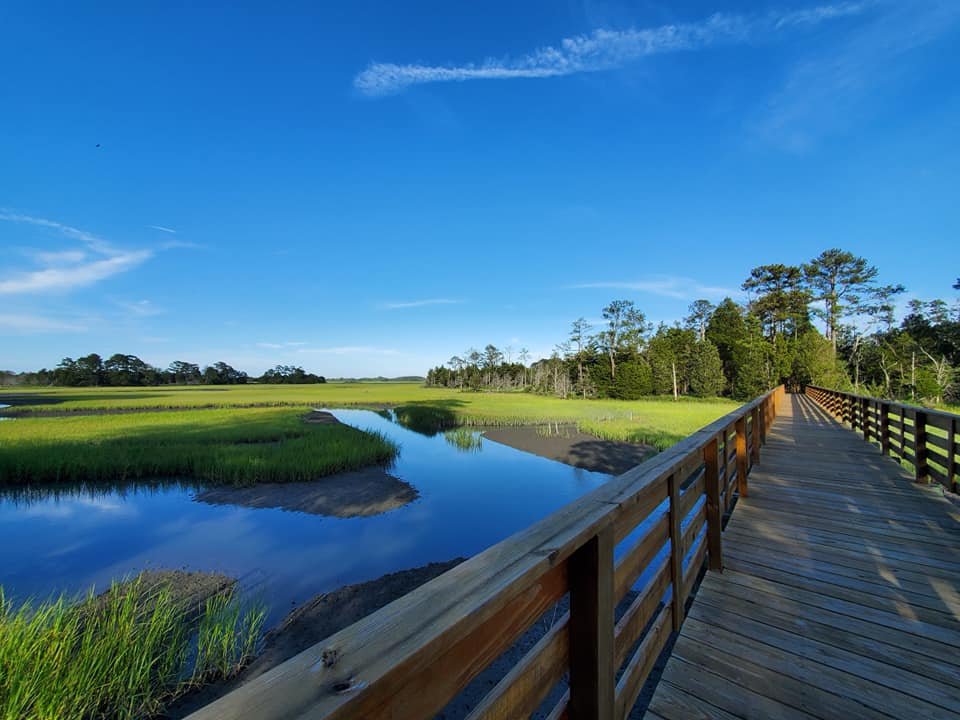
67. Brownsville Preserve
Birds and other wildlife abound at Brownsville Preserve. From the boardwalk and trails traversing this historic farm, you may see deer, fox, raccoons, blue herons, bald eagles, wild turkeys and many other species of birds.
-
68. Fernbrook Natural Area
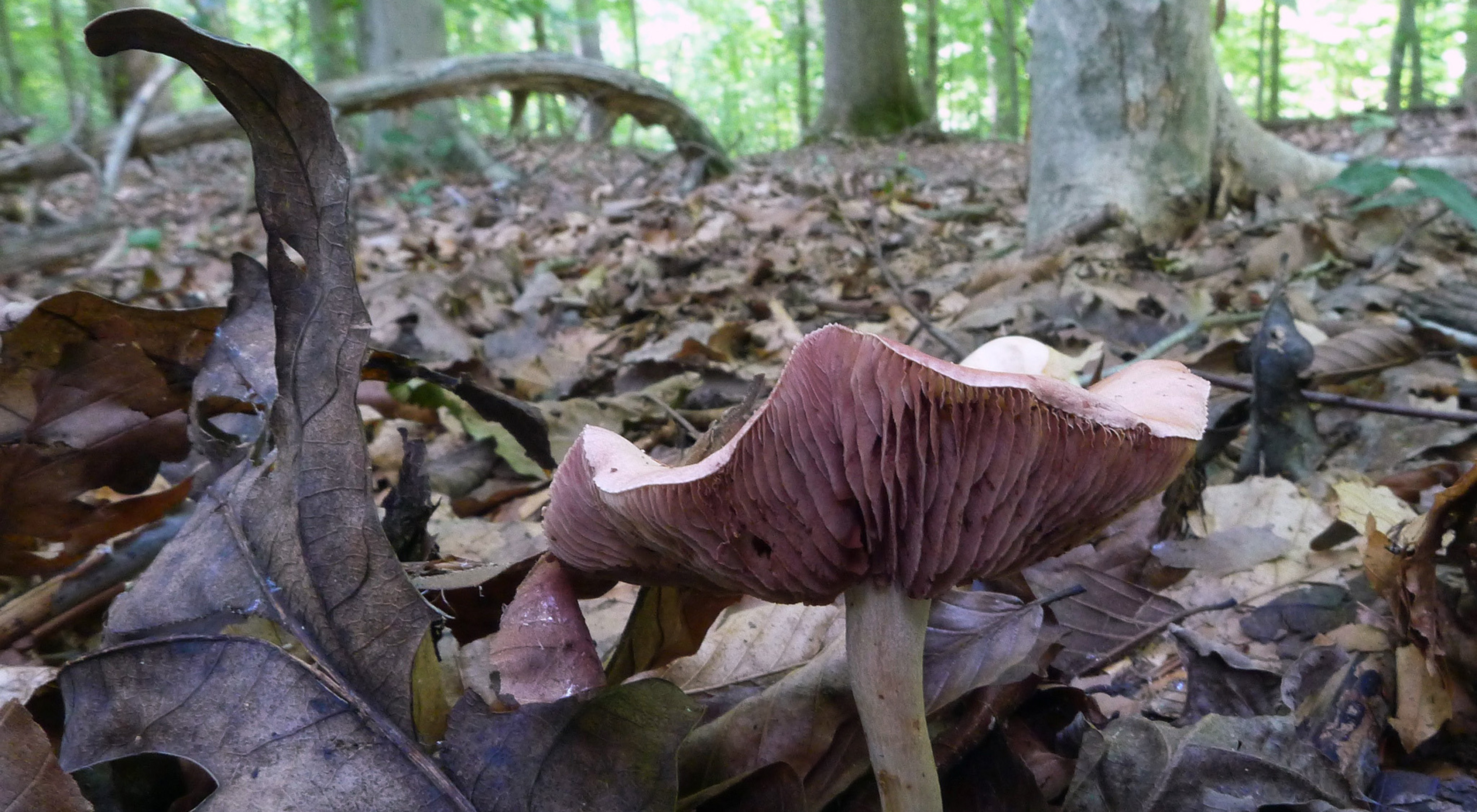
For the first time since the original timber in this area was cut, the forest is being allowed to "complete" succession into a mature stand, paralleling the Shenandoah National Park, where the woodland is evolving to resemble pre-Colonial forest.
TNC Assists

69
Great Dismal Swamp National Wildlife Refuge
In the first-ever big corporate land gift to a nonprofit, Union Camp donated 59,000 acres to TNC in 1973. We then transferred the land to the U.S. Fish and Wildlife Service to establish this public refuge—the largest intact remnant of a vast swamp that once covered more than one million acres.

70
Channels State Forest
Led by our Clinch Valley Program, the purchase and transfer of 4,800 acres to the Virginia Department of Forestry in 2008 created what is now one of the most popular state forests. At the heart of this forest is an extraordinary natural area known as the Channels, a 400-million-year-old sandstone labyrinth, which is co-managed by the Virginia Department of Conservation and Recreation.

71
Dragon Run
The history of Dragon Run includes what was at the time the largest conservation easement in Virginia. In addition to other land transfers to the state, TNC purchased 13,000 acres, placed a conservation easement on the land and then transferred it to the Friends of Dragon Run in 2025. Dragon Run’s stream and surrounding swamps are one of the most pristine bodies of water in Virginia, and this effort will help it remain so for generations to come.

72
Berger-Patawomeck Preservation
This historic assist marks the first time TNC in Virginia transferred land to a tribe. The Berger Preserve was originally donated to TNC in the 1970s as a public park. In early 2025, with support from Virginia Outdoors Foundation and The Public Trust, we restored the land to the Patawomeck Indian Tribe of Virginia, providing the tribe with their first opportunity to own and steward more than 865 acres in their ancestral homelands.
73
Easement on the Rappahannock River
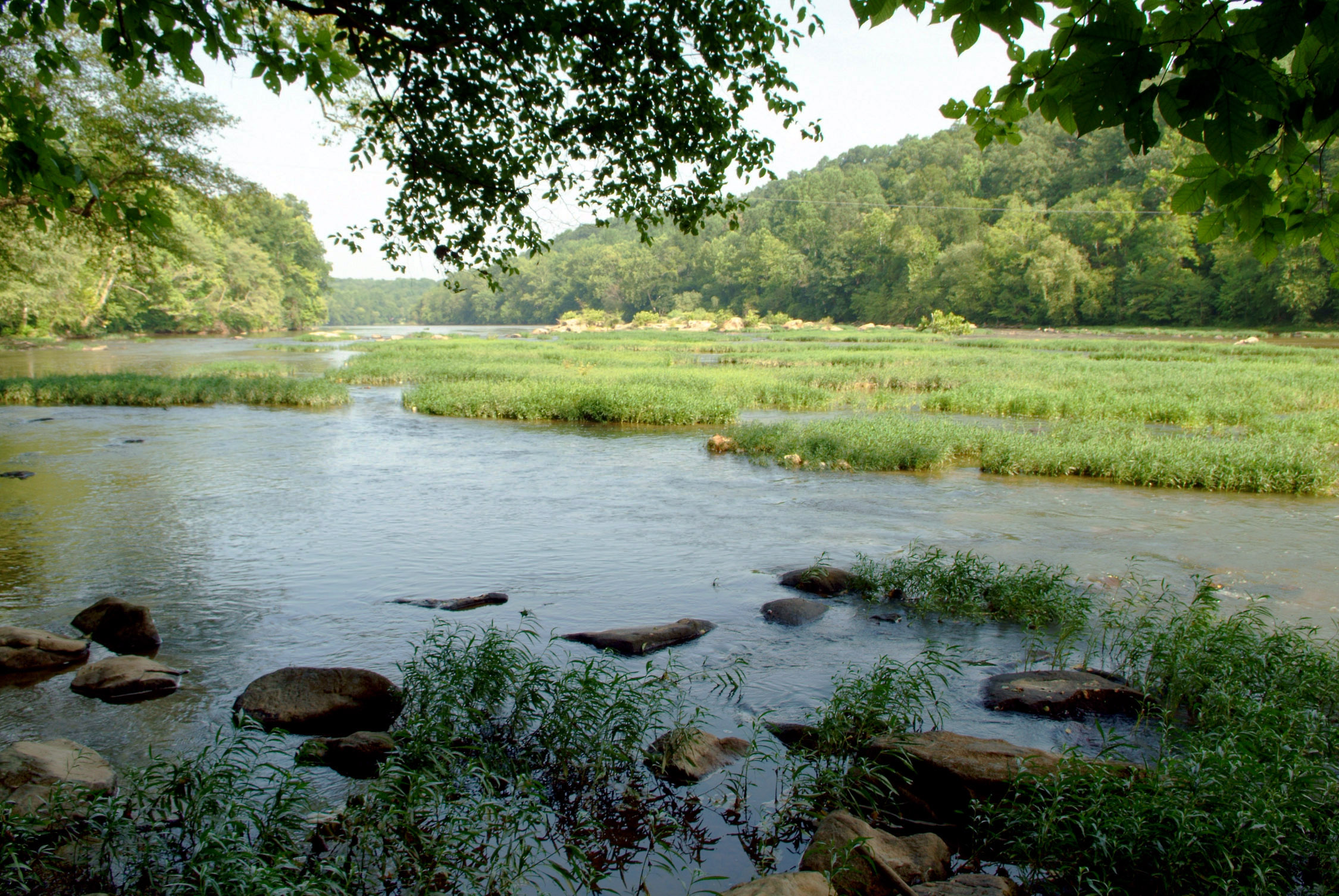
Through this groundbreaking easement, we transferred about 32 miles along the Rapp River, in addition to 4,200 acres, to the Virginia Outdoors Foundation and Department of Wildlife Resources. This easement was originally purchased through our Stream and Wetland Mitigation Program funding from the city of Fredericksburg in 2006.

74
Clinch River State Park
Clinch River State Park was protected through a series of TNC acquisitions and transfers along the Clinch River. This effort represents a newer approach to assists in which we are helping to strengthen the recreation economy in rural Southwest Virginia by connecting people, nature and the economy.

75
Big Woods State Forest and Wildlife Management Area
Building on our original acquisition of Piney Grove Preserve, we expanded the area’s total protected footprint to about 7,000 acres. To accomplish this, we bought and transferred 4,500 acres to the Virginia Department of Forestry and Department of Wildlife Resources. Importantly, this partnership also got them involved with our longleaf pine restoration and fire management work.
Related Stories

Volunteer in Virginia
Welcome to our community of people making a positive impact across Virginia. Connect with nature and help make a difference in Virginia.

Learning in Virginia
Through university partnerships and Virginia's Short Term Experience Program (STEP), we're creating educational and career opportunities for the next generation of conservationists.

Restoring what was lost: How science and community are bringing back bay scallops
After nearly a century of extinction, seagrass restoration and other conservation work could lead to a scallop resurgence in Virginia’s coastal bays.