

Building Safer Roads in a Region on the Move
New approaches across the Appalachians aim to reduce wildlife crashes and rebuild the pathways nature needs.

Habitat connectivity keeps wildlife healthy and drivers safe by linking natural areas with crossings for animals.
The classic 1980s video game Frogger tasked players with moving a hapless amphibian across a multi-lane highway teeming with cars, trucks and construction vehicles. Success required agility, smarts and split-second reflexes, otherwise: game over.


Real, flesh-and-blood animals face this challenge every day as they try to navigate increasingly developed and fractured landscapes without becoming roadkill. Wildlife-motorist collisions rarely end well for wildlife, and drivers and their vehicles frequently also come to harm from the encounters.

Habitat connectivity is a critical consideration for species vitality and motorist safety alike. Large, protected natural tracts of field and forest combined with green overpasses, below-road tunnels, dry culverts and wildlife-friendly neighborhoods create a permeable landscape for animals to move through, avoiding highway hazards.


The image on the left shows a disconnected landscape containing heavily trafficked roadways with impassable concrete barriers, tree-deficient neighborhoods with high fences, a high-water culvert that animals avoid, a dammed river, paved riverbanks, unnecessary light pollution and a farm using excessive pesticides.
The image on the right shows a connected, wildlife-friendly landscape with large, protected land tracts, vegetated roadway overpass, amphibian tunnel, a free-flowing river, ledged culvert, tree-lined neighborhood without high fences, appropriately focused outdoor lighting and environmentally-responsible agricultural production.
The Nature Conservancy developed a Habitat and Highways training program in partnership with transportation and fish and wildlife agencies from Connecticut, Maine, New Hampshire, New Jersey, New York, Massachusetts, Pennsylvania and Vermont. The video series explores how roads, traffic and transportation infrastructure impact natural ecosystems and processes, and provides tangible solutions to enhance terrestrial connectivity.
With these northeastern U.S. states placing greater emphasis on habitat connectivity and the movement patterns of animals, species will be better positioned to thrive, and drivers will enjoy safer streets.

Sign up to receive monthly conservation news about your state chapter.
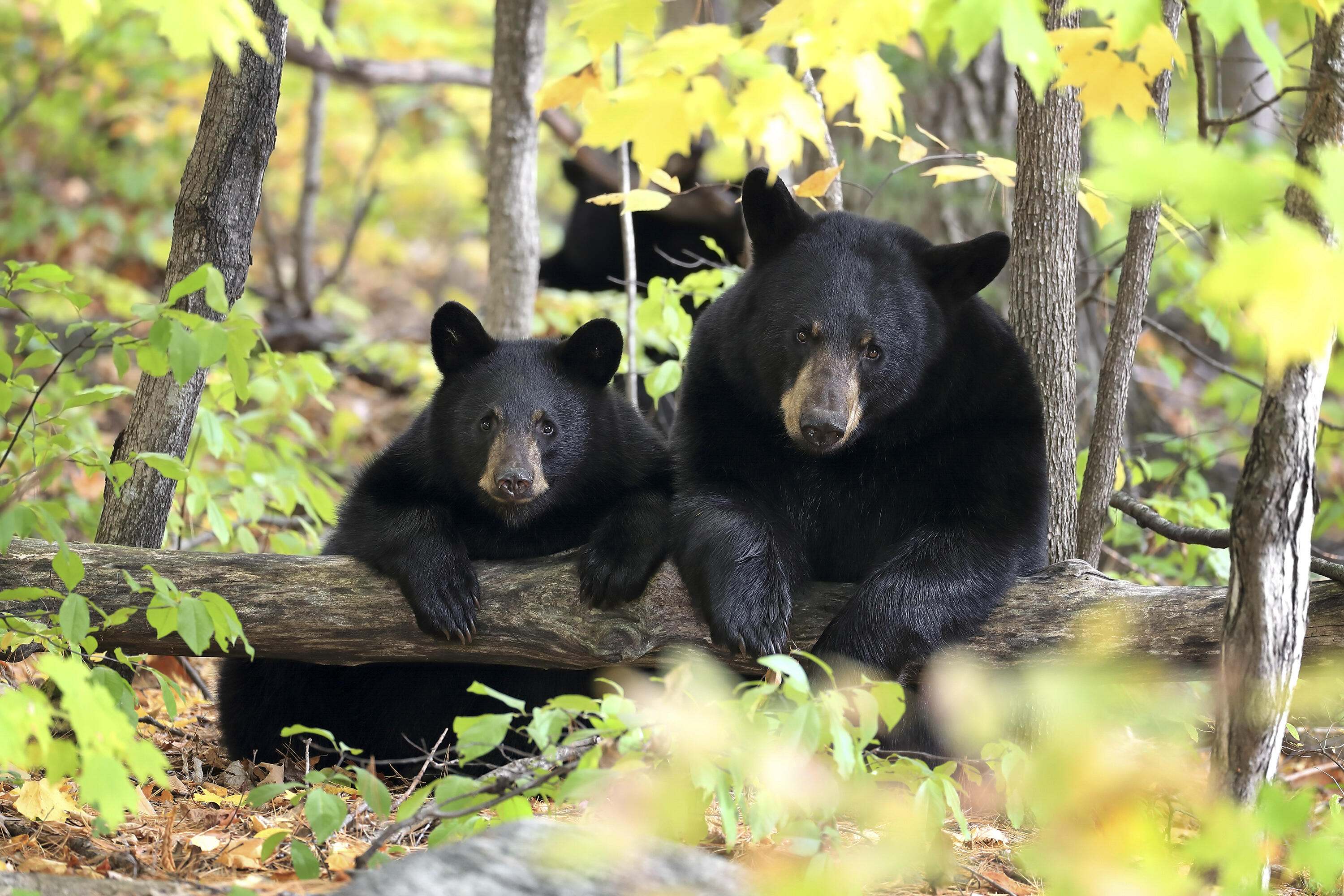
With their varied diets and foraging activities, black bears are vital ecosystem engineers. They disperse seeds to aid in forest regeneration, help regulate deer and insect populations, and contribute to soil health by digging. The home range of black bears can exceed 100 square miles, and they may travel up to 40 miles per day in search of food—at times through regions cross-cut with dangerous roadways.
In Vermont, we are collaborating with the Vermont Agency of Transportation and the Staying Connected Initiative to improve connectivity for wildlife like black bears. Strategies include conserving critical land next to existing wildlife crossings, assessing “pinch point” areas and identifying infrastructure enhancements that foster safer movement.

 Return
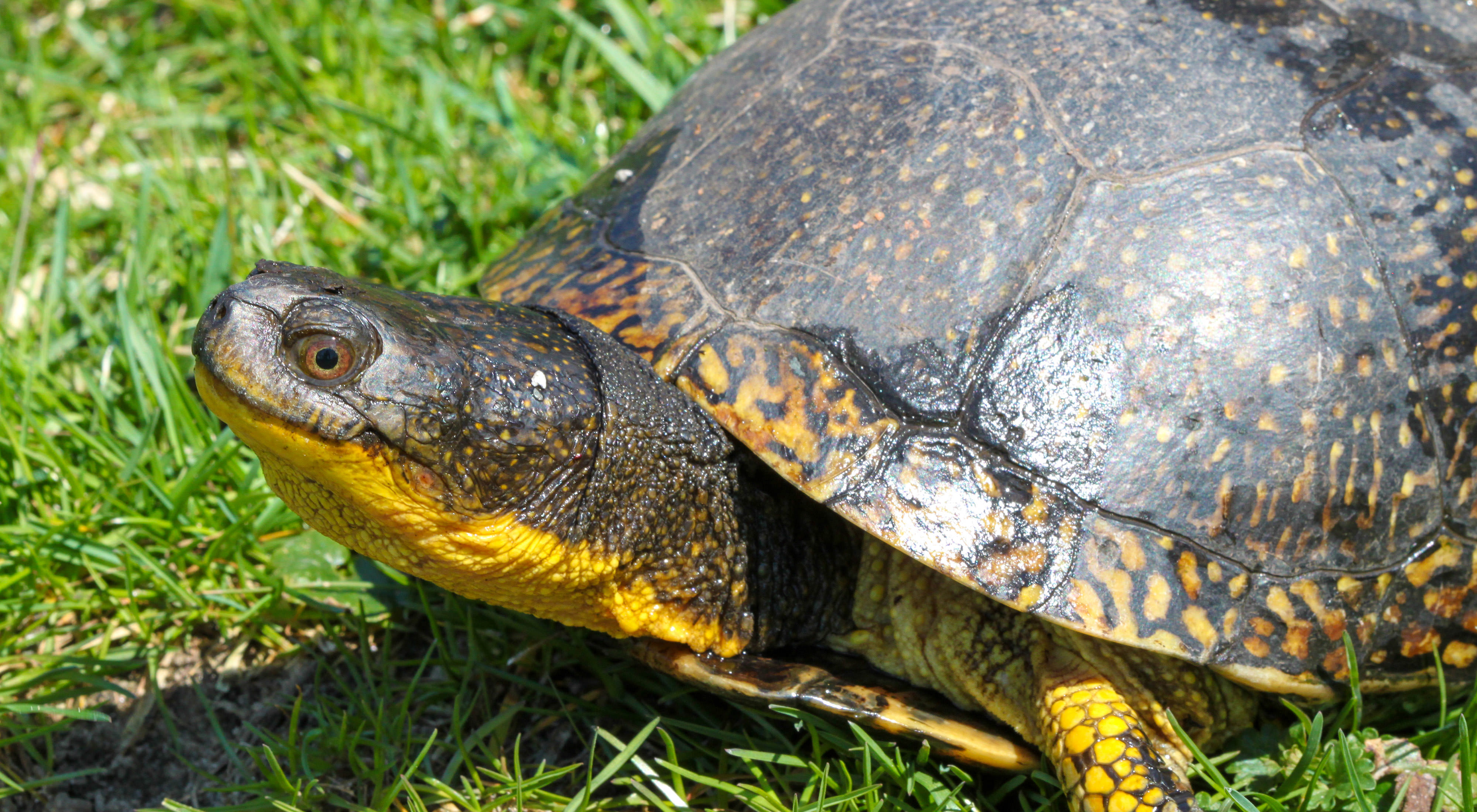
Blanding’s turtles are vital to freshwater systems across the upper Midwest, New England, and southern Canada, and their presence signals healthy wetlands. These medium-sized, long‑lived (80+ years) omnivores eat snails, crayfish, insects, fish, and plants, helping cycle nutrients through their environment. They can travel up to 1.2 miles between wetlands, making them especially vulnerable to roads and habitat fragmentation.
In Maine, Blanding’s turtles are rare and endangered, limited to the state’s south. TNC runs a local program to restore degraded wetland habitat, including a small‑critter crossing built with the Department of Transportation. Photo and video monitoring continue.
Return
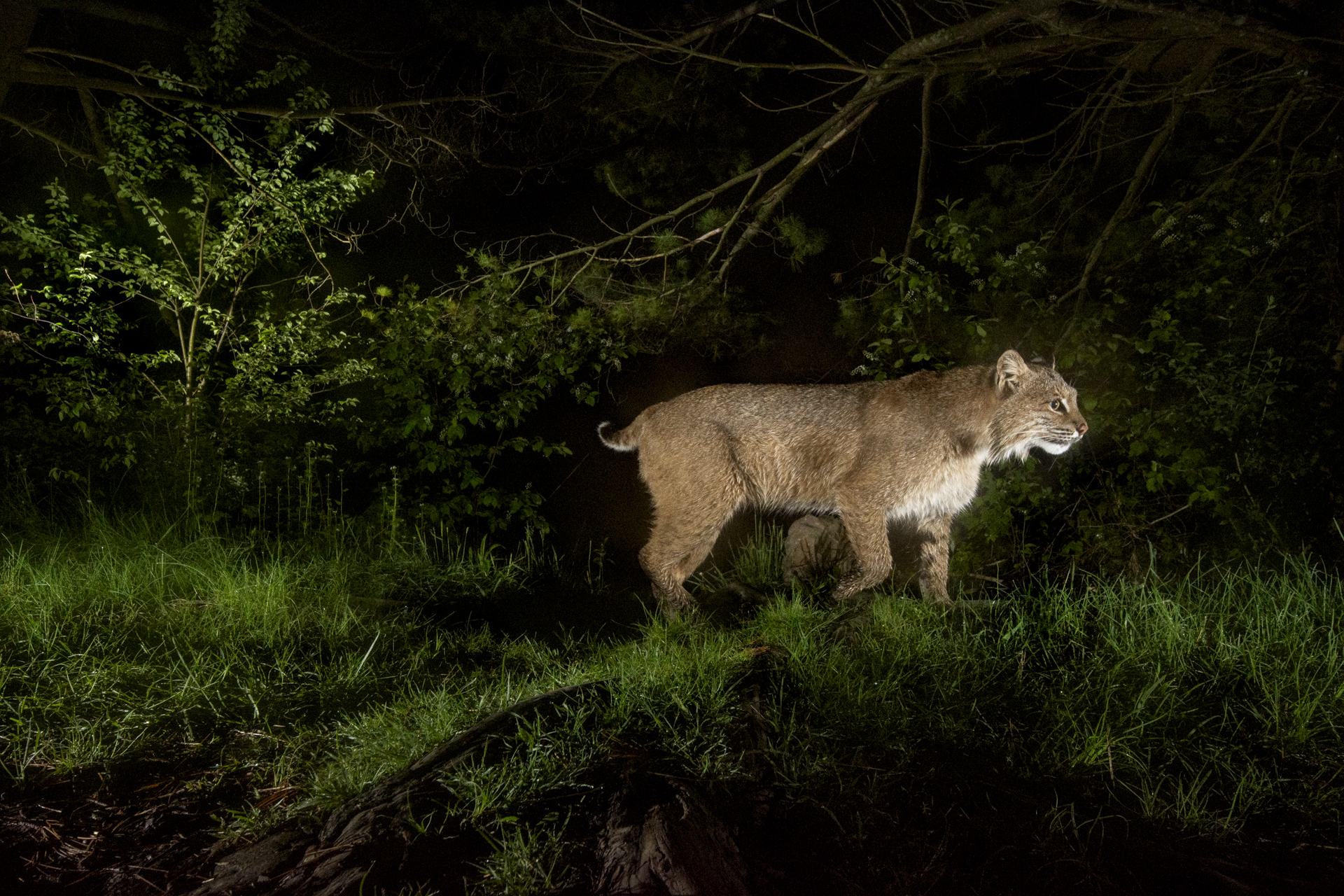
Shy and elusive, bobcats are a symbol of a truly wild landscape. As top predators, they help control rabbits and rodents—reducing ticks and disease—and support scavengers with remnants of their kills. Bobcats roam up to seven miles a day, and their habitat supports many other species.
In New Jersey, they are listed as threatened, with a small, slowly recovering population that can decline by up to 20% each year due to vehicle strikes. TNC is protecting critical habitat and mapping high‑mortality road crossings between two Appalachian ridges in northwestern New Jersey. We also helped pass the state’s first Wildlife Corridor Action Plan and are leading efforts for a 2050 protected‑acreage goal to benefit bobcats and other wildlife.
Return
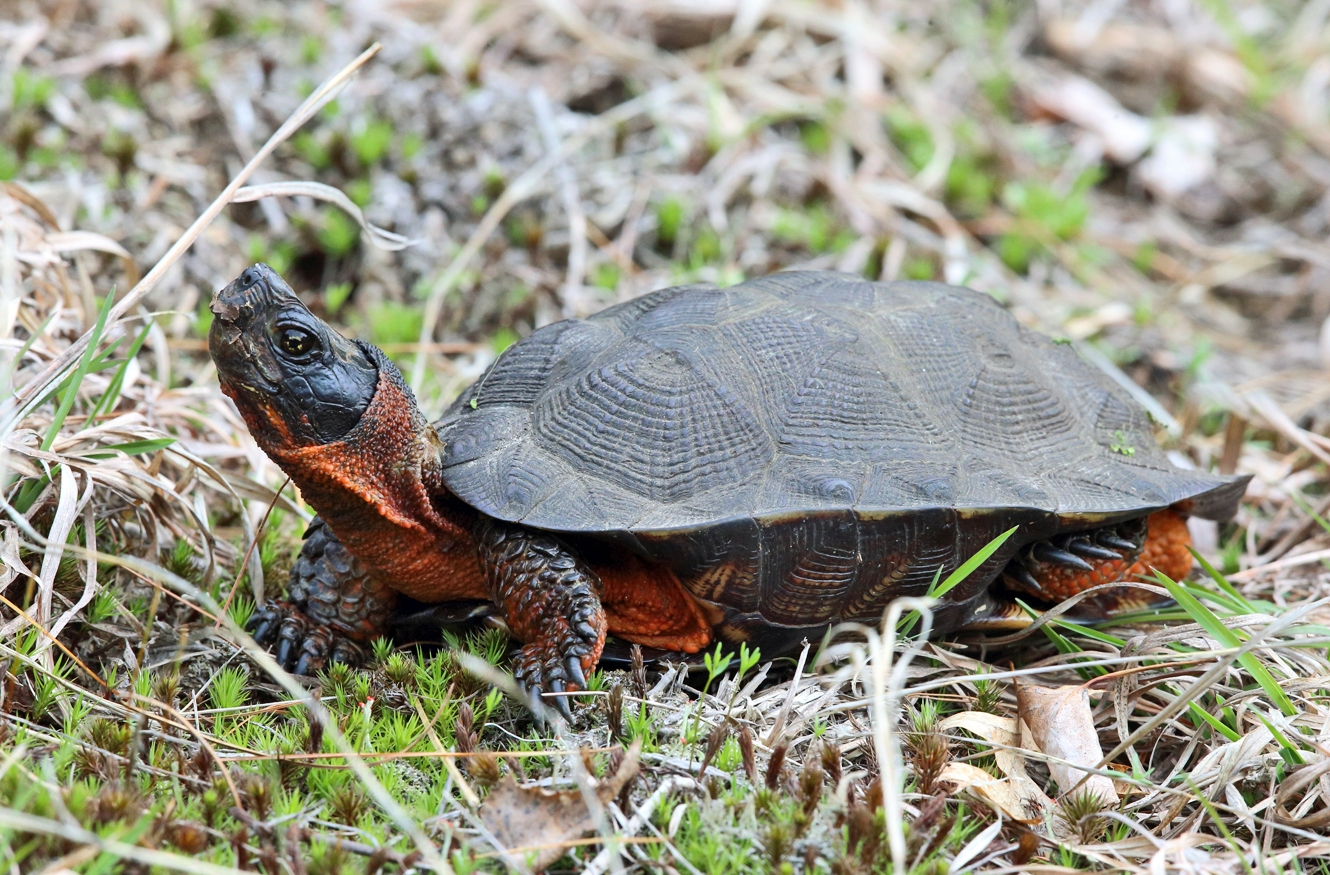
Predator species are often misunderstood despite their important ecological roles. Coyotes, for example, help disperse seeds, clean up carrion and control rodents—reducing ticks and disease risk.
In Massachusetts, TNC is conserving land to fill gaps in forested areas adjacent to the Mass Pike, specifically along a segment that features culverts below the roadway. We also installed trail cameras near the tunnels to monitor usage by wildlife, and in less than two months captured footage of a coyote crossing safely under four lanes of traffic. TNC and Massachusetts Department of Transportation will continue to work together to assess the effectiveness of the culvert and explore wildlife connectivity opportunities at the site.
Return
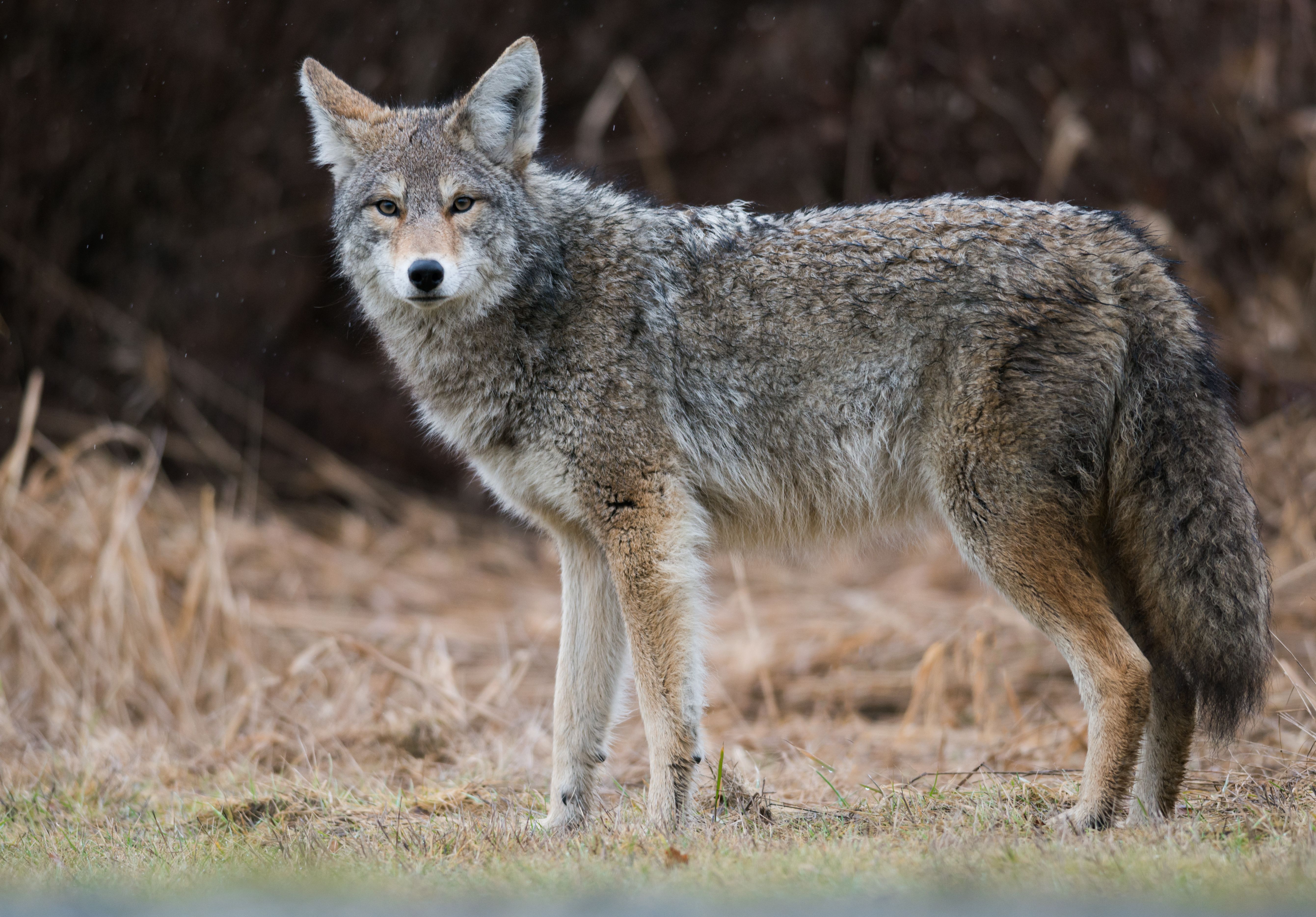
River otters play a key role in nature’s food web, helping maintain balanced populations of fish, amphibians, birds and even invasive species. Their feeding and denning activities shape habitat for other wildlife and support healthy river systems. As an indicator species, their presence reflects waterway health.
In New Hampshire, together with the NH Department of Transportation and NH Fish & Game, recently replaced an aging culvert on US Route 3 in Stratford with a structure that supports both aquatic and terrestrial passage. Because otters depend on connected streams and safe land crossings, they’re a fitting symbol for culvert upgrades that restore connectivity and add dry shelves for wildlife.
Return
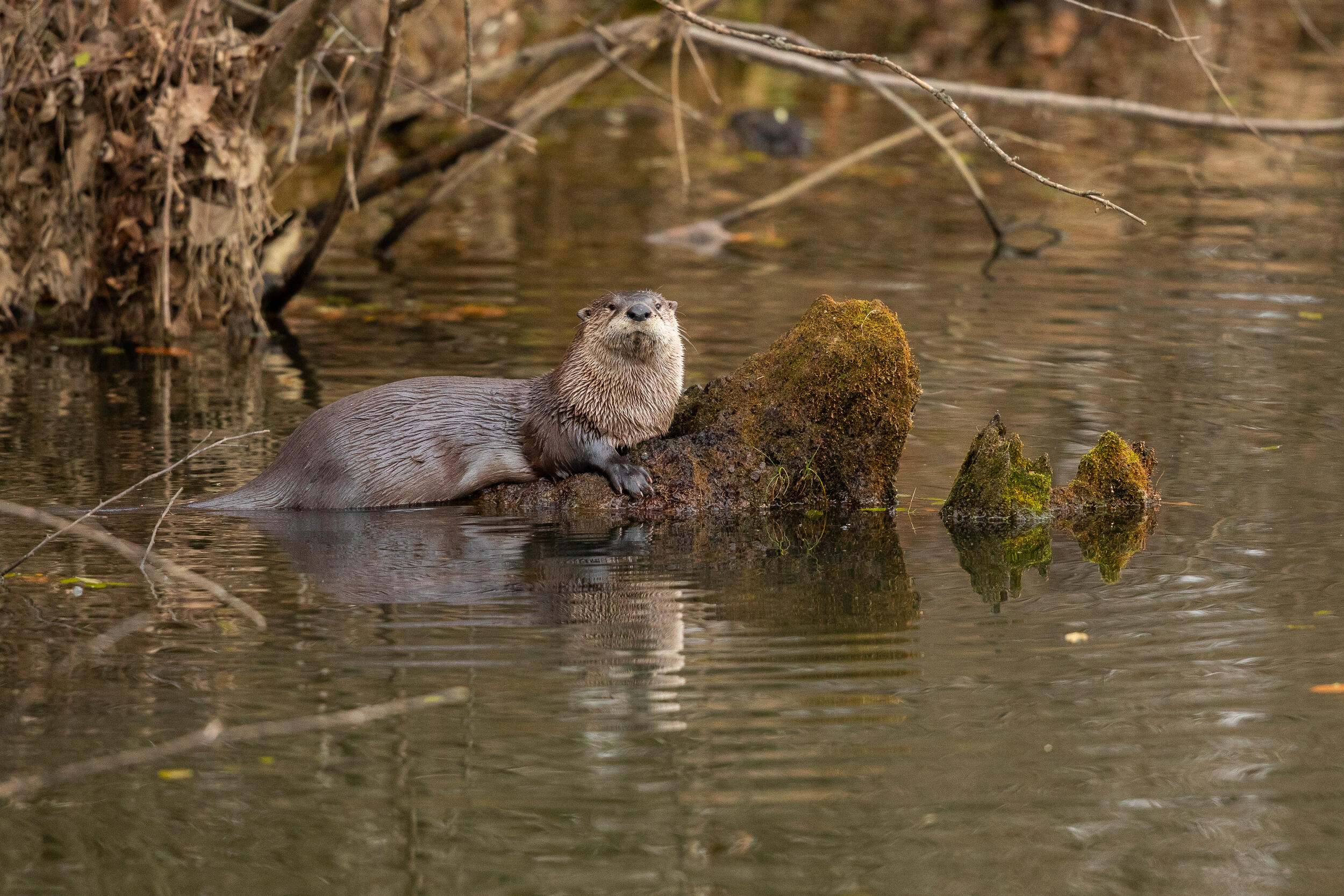
Spotted salamanders live both on land and in water, making them important indicators of habitat health in vernal pools and forest floors. Their diet helps regulate insect populations, including mosquitoes, and they themselves provide a high‑protein food source for predators. Each spring they migrate to ephemeral vernal pools to breed, and without safe road crossings, many can be killed by vehicles.
In Pennsylvania, TNC manages several preserves—Florence Shelly, Long Pond, Goeringer, Eales, and Tannersville—where salamanders migrate safely each year. Through tree planting and prescribed burns, our stewardship team helps species like the spotted salamander thrive in a changing climate while offering visitors a chance to witness this remarkable seasonal event.
Return
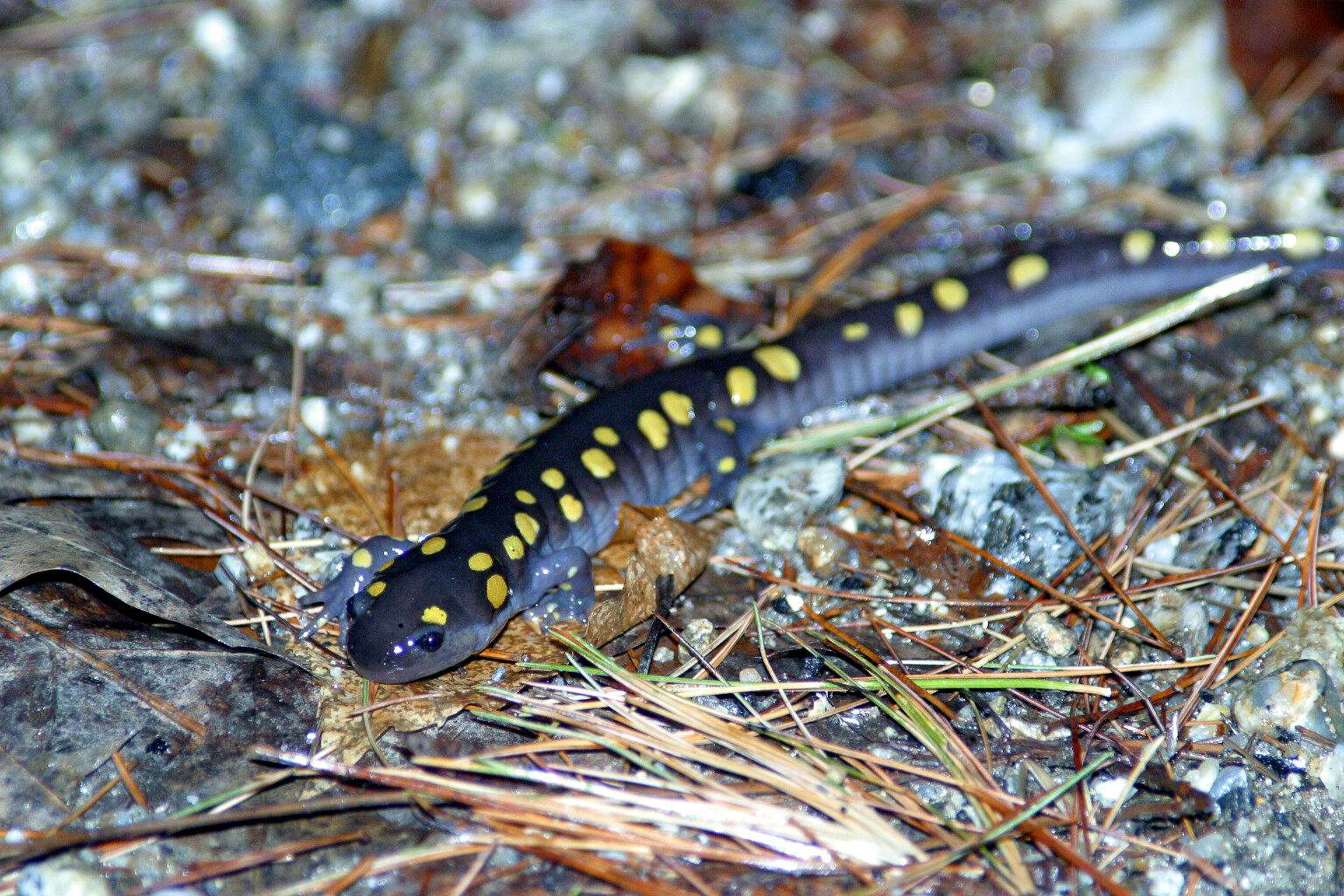
Wood turtle populations have declined so markedly that they are under consideration for the endangered species list and are deemed a Species of Greatest Conservation Need across their range in northeastern North America. The greatest challenges they face include habitat loss and—because they move slowly and their hard shells are no match for speeding traffic—roadway mortality.
In Connecticut, in partnership with the state, we are assessing areas where wildlife passages and roadways intersect, convening scientists to identify species most in need of intervention, creating informational resources for the public, and sketching out future projects and improvements that will enhance safety for terrestrial species.
Return
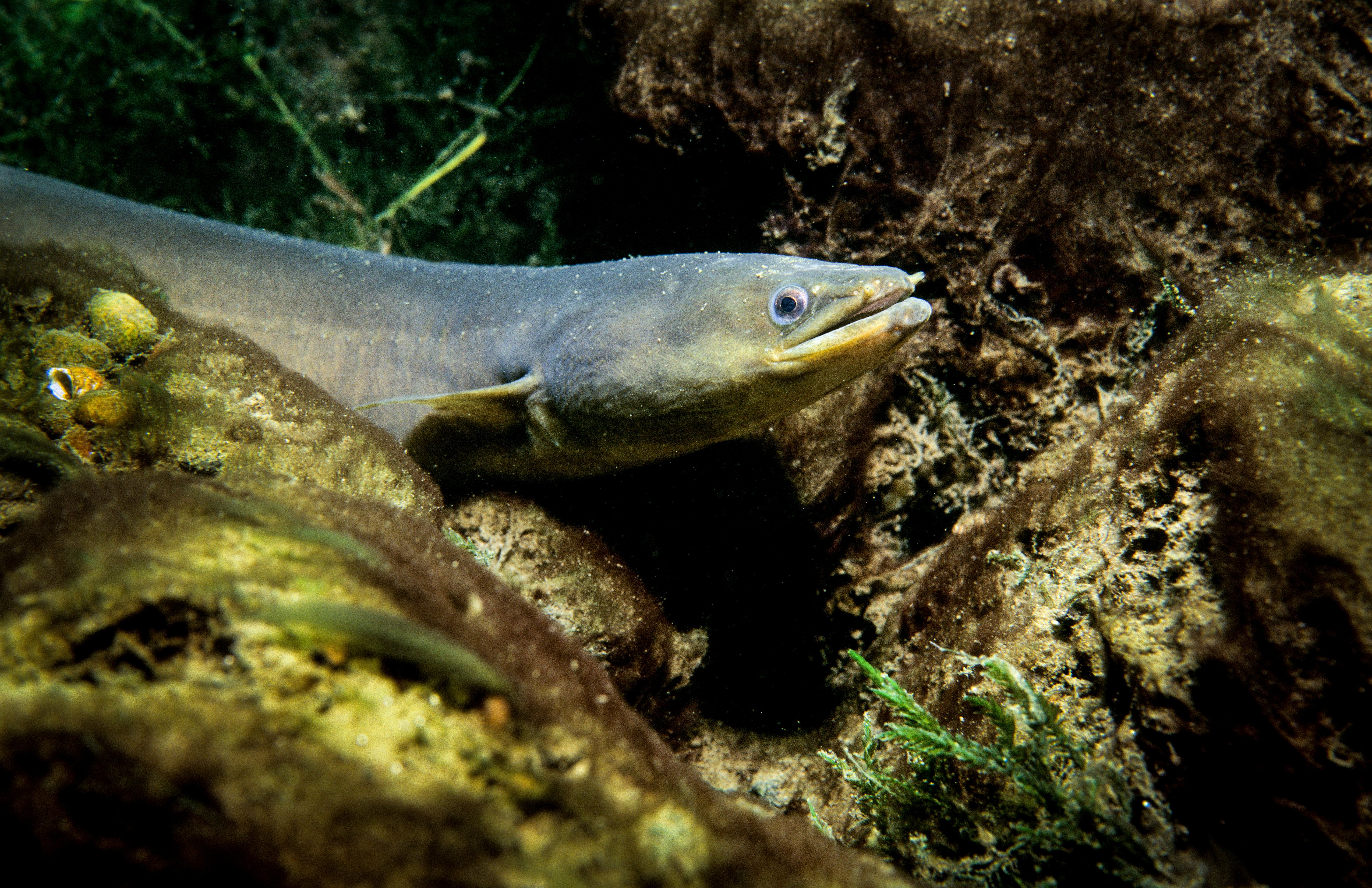
The American eel is vital to New York’s freshwater and estuarine ecosystems, acting as both predator and prey and linking ocean and river habitats through its unique lifecycle. Born in the Sargasso Sea, young “glass eels” migrate each spring into New York’s tidal rivers, where dams and fragmented waterways often block access to the upstream habitat they require.
Research shows these barriers greatly reduce migration success and limit the eel’s long freshwater growth phase. Scientists now use environmental DNA (eDNA) to detect eels across complex watersheds to locate remaining populations and identify where habitat connections are most needed. By restoring passage and expanding monitoring, New York can help ensure this remarkable fish completes its full ocean‑to‑river journey.
Return
Learn more about our work in the northeast and beyond.


