


Fall in Ohio Fall is a great time to hit the trails and experience nature in Ohio. © Dana-Ohman/TNC
As summer gives way to fall, nature invites us to slow down and notice the changing season. Across North America, forests, wetlands and open landscapes come alive with brilliant shades of gold, orange and crimson, offering opportunities to reconnect with the outdoors and discover something new.
Whether you're planning a scenic road trip, a quiet walk beneath colorful trees or a weekend adventure with family and friends, there are many Nature Conservancy preserves that offer breathtaking opportunities to make the most of this season.

Use this interactive map to check out TNC preserves where autumn leaves put on an especially spectacular show!
Explore
No results are shown. To see results, turn on the toggle switches in the legend.
- Baxter's Hollow Preserve
-

Baxter's Hollow Preserve
Quick Look
For leaf peepers, this area's combination of high elevations, deep valleys and open woods creates a formula for fiery reds, oranges and yellows characterizing fall in Wisconsin.
- Burnham Brook Preserve
-

Burnham Brook Preserve
Quick Look
A large, healthy and diverse forest of oak, hickory, beech, birch, maple and conifers shows off impressive foliage each year when fall rolls around.
- Dick and Nancy Eales Preserve at Moosic Mountain
-

Dick and Nancy Eales Preserve at Moosic Mountain
Quick Look
While there are 2,250 acres to explore, hiking the Blueberry Trail, preferably at sunset, is recommended for enjoying non-stop views and fall colors of the surrounding valley in all directions.
- Green Hills Preserve
-

Green Hills Preserve
Quick Look
The preserve protects more than 5,500 acres of forested ridgeline featuring a string of summits and outstanding views of the Presidential Range and Mount Washington, the highest peak in the northeast.
- Lennox Woods Preserve
-

Lennox Woods Preserve
Quick Look
Just a few hours northeast of Dallas, TNC’s Lennox Woods Preserve boasts one of the state’s few remaining examples of pristine, old-growth forests spared from logging unlike most of the surrounding landscape.
- Nine Times Preserve
-

Nine Times Preserve
Quick Look
Considered one of the most biologically significant conservation areas in the southeast, this landscape comes alive during fall when foliage emerges in full view of one of the preserve’s 1.7 miles of hiking trails.
- Shady Valley Preserve: Orchard Bog and Quarry Bog
-

Shady Valley Preserve: Orchard Bog and Quarry Bog
Quick Look
This mosaic of unique habitats is worth exploring no matter the season. In mid- to late October, you will see the fall foliage reach its peak!
- Equinox Highlands Natural Area
-

Equinox Highlands Natural Area
Quick Look
Fall is the perfect time to take in the beauty of nature at Vermont's Mount Equinox and the surrounding area.
- Bear Rocks Preserve
-

Bear Rocks Preserve
Quick Look
A diverse and complex ecosystem of windswept heath barrens shows off vibrant colors during fall.
- Holly Creek Preserve
-

Holly Creek Preserve
Quick Look
Located in North Georgia, TNC's Holly Creek Preserve is adjacent to the Chattahoochee National Forest, which results in spectacular foliage each fall.
- Echo Lake Preserve
-

Echo Lake Preserve
Quick Look
Autumn is an ideal time to visit TNC's Echo Lake Preserve in Michigan.
- Independence Lake
-

Independence Lake
Quick Look
Independence Lake is one of the most pristine alpine lakes west of the Rockies. is one of the most pristine alpine lakes west of the Rockies.
- Santa Clara River Preserve
-

Santa Clara River Preserve
Quick Look
The preserve spans nearly two miles of the river and encompasses roughly 1,000 acres of upland habitat and riverbed, providing a beautiful space for outdoor education, community gatherings, wildlife viewing and hiking.
- Ramsey Canyon Preserve
-

Ramsey Canyon Preserve
Quick Look
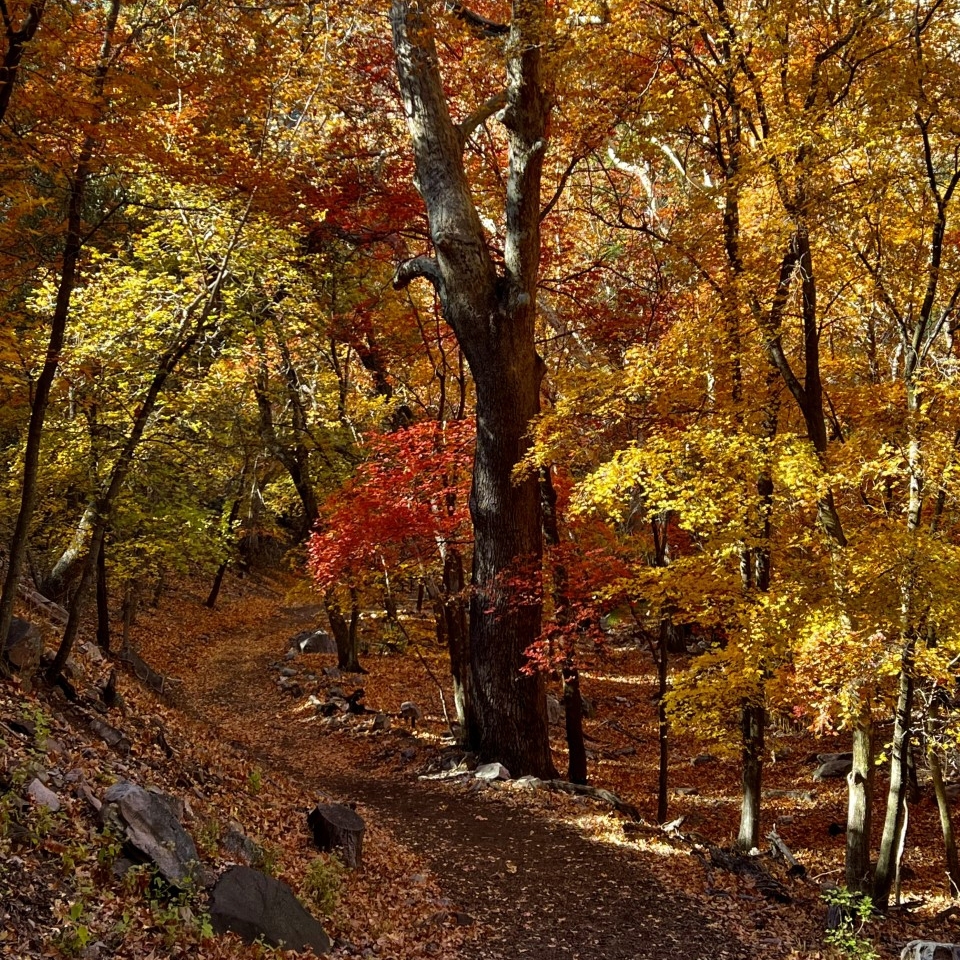
Each fall, Ramsey Canyon Preserve's towering Arizona sycamores and oak woodlands turn shades of gold and amber, bringing vibrant color to this mountain canyon. The preserve's scenic trails offer a beautiful way to experience autumn in Arizona's Sky Islands.
- River Fork Ranch
-

River Fork Ranch
Quick Look
At River Fork Ranch, visitors can explore scenic trails through wetlands, meadows and river corridors where conservation, wildlife and sustainable ranching come together.
- Hitz-Rhodehamel Woods
-

Hitz-Rhodehamel Woods
Quick Look
Experience the beauty of fall in Indiana's Brown County Hills. Hitz-Rhodehamel Woods is known for its rugged forested ridges, quiet trails and vibrant autumn colors. As oak, hickory and maple trees transform the landscape, visitors can enjoy one of southern Indiana's most scenic woodland escapes.
- Big Walnut Preserve
-

Big Walnut Preserve
Quick Look
Rolling hills, towering hardwoods and deep ravines make Big Walnut Preserve a spectacular fall destination. Follow wooded trails through one of Indiana's most scenic forest landscapes, where brilliant shades of gold, orange and red reflect the changing season along Big Walnut Creek.
- Nachusa Grasslands
-

Nachusa Grasslands
Quick Look
Fall paints Nachusa's restored oak savannas and prairies in warm hues of gold, amber and rust. Wander through sweeping grasslands dotted with ancient oaks and discover a landscape where seasonal color, wildlife and conservation come together in one of Illinois' most remarkable natural areas.
- Edge of Appalachia Preserve System
-

Edge of Appalachia Preserve System
Quick Look
Discover breathtaking fall color across the rolling hills of southern Ohio. The Edge of Appalachia Preserve System features sweeping overlooks, forested ridges and peaceful trails where vibrant autumn foliage highlights one of the most biologically diverse landscapes in the Midwest.
- Catherine Wolter Wilderness Area
-

Catherine Wolter Wilderness Area
Quick Look
Explore Wisconsin's Northwoods as autumn colors reflect across wild lakes and quiet forests. Catherine Wolter Wilderness Area offers peaceful trails through a landscape of undeveloped shorelines, wetlands and woodlands, creating a spectacular setting for fall hiking and wildlife watching.
- Lulu Lake Preserve
-

Lulu Lake Preserve
Quick Look
Glacial landscapes, oak openings and vibrant wetlands make Lulu Lake Preserve a beautiful place to experience fall. Hike through the southern Kettle Moraine as colorful woodlands and prairies showcase the season while supporting an extraordinary diversity of plants and wildlife.
- Nags Head Woods
-

Nags Head Woods
Quick Look
Escape the beach crowds and discover one of the largest remaining maritime forests on the East Coast. At Nags Head Woods Preserve, winding trails lead through forested dunes, freshwater ponds, marshes and wetlands. In fall, maples, beeches and other hardwoods add vibrant color to this unique Outer Banks landscape.
- Grand River Fen Preserve
-

Grand River Fen Preserve
Quick Look
Explore the headwaters of Michigan's longest river at Grand River Fen Preserve. This unique fen, fed by calcium-rich groundwater, supports diverse plant and animal life, including rare and threatened species. In fall, woodlands, prairies and wetlands create a colorful landscape that showcases the preserve's remarkable natural diversity.
- Manchester Cedar Swamp Preserve
-

Manchester Cedar Swamp Preserve
Quick Look
Explore one of New Hampshire’s largest and most ecologically significant Atlantic white cedar swamps, where accessible trails and boardwalks wind through rare wetlands, towering rhododendrons and centuries-old trees.
- Joanne Bass Bross Preserve
-

Joanne Bass Bross Preserve
Quick Look
Follow historic trails to sweeping vistas where visitors can see the White Mountains, Mount Monadnock and even the Boston skyline while watching thousands of migrating hawks each fall.
- Surry Mountain Preserve
-

Surry Mountain Preserve
Quick Look
Find classic New England fall hiking among forests, streams and wetlands, including a scenic trek to remote Lily Pond deep within the Monadnock Region.
- Ossipee Pine Barrens
-

Ossipee Pine Barrens
Quick Look
Experience one of New Hampshire’s rarest landscapes on a universally accessible trail through globally rare pitch pine and scrub oak habitat.
- J.T. Nickel Family Nature & Wildlife Preserve
-

J.T. Nickel Family Nature & Wildlife Preserve
Quick Look
Nestled in Oklahoma’s Cookson Hills, J.T. Nickel Family Nature and Wildlife Preserve showcases the rich autumn colors of the Ozarks. Oak-hickory forests, pine woodlands and rugged hillsides transform into a tapestry of gold, orange and crimson, creating a spectacular backdrop for hiking, wildlife viewing and exploring one of the largest protected landscapes in the region.
Ideas for Your Visit
Fall colors may be what first draw you to a preserve, but they're only part of the story. Across the country, autumn is a season of movement and preparation. Songbirds, hawks and waterfowl are making long migrations, while animals like squirrels gather and store acorns for the months ahead. As you explore, take a moment to look beyond the leaves and discover more of what makes these places special.
Click the tiles below for some activity ideas!

Fall Color Scavenger Hunt
Can you find...
🟨 Something yellow
🟧 Something orange
🟥 Something red
🟫 Something brown
🟩 A plant that's still green?

Spot Wildlife
Fall is a season of movement and preparation. Keep an eye out for migrating birds and other wildlife getting ready for winter.

Look for Seeds, Cones and Acorns
Look for an acorn, pine cone, seed pod or berry. These seeds feed wildlife and may someday grow into the next generation of trees.
Can you find one and imagine where it might end up?

Take a Photo
Take a photo of a landscape, plant or habitat that helps tell the story of this preserve.

Explore the Story of This Place
Read an interpretive sign, check out a visitor center or explore online to learn how this preserve protects lands, waters and wildlife.
Preserve Profiles
Ready to explore? From mountain overlooks and forest trails to prairies and wetlands, these preserves offer some of the best opportunities to experience fall’s colors and discover more about the plants, wildlife and landscapes they protect.
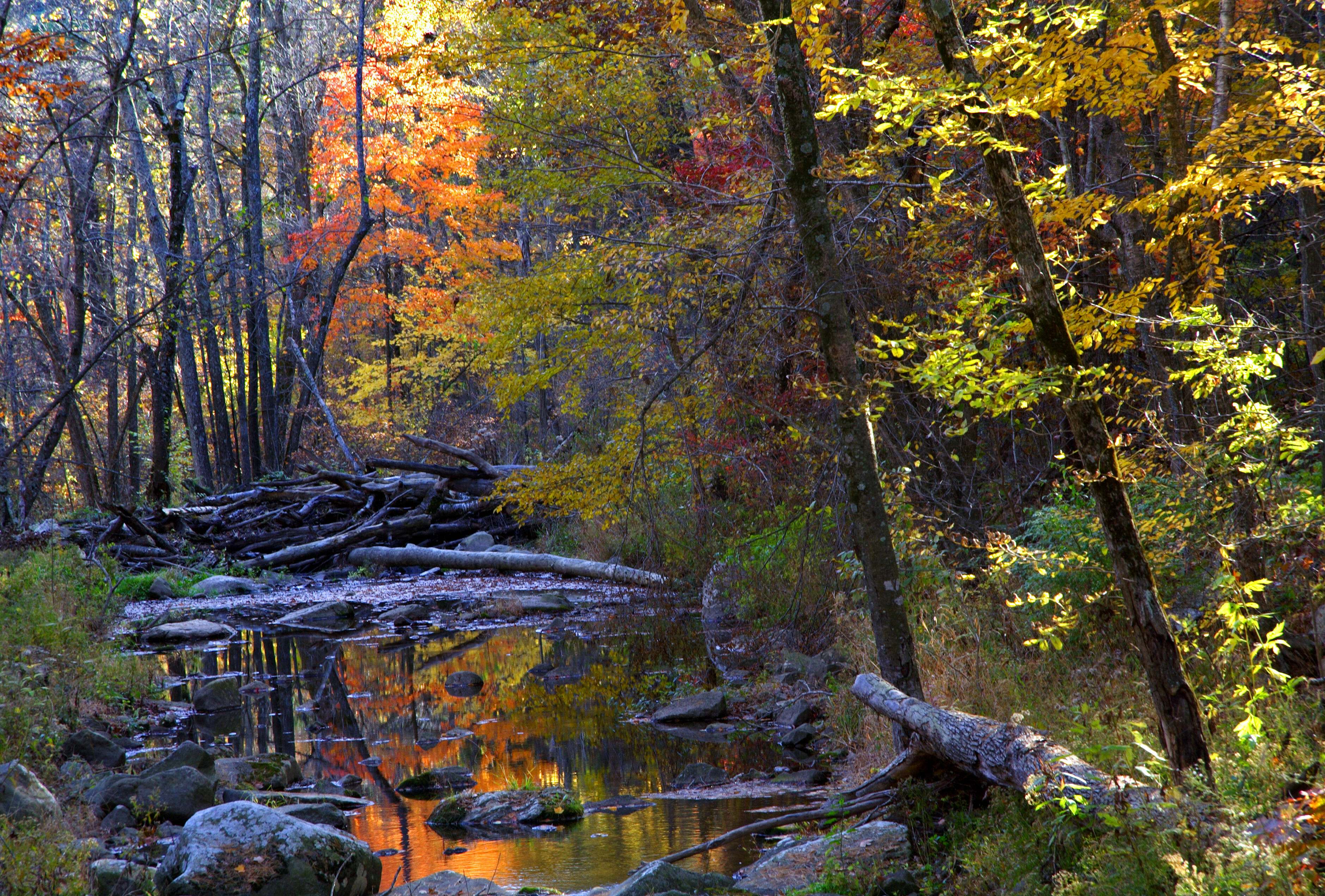
Baxter’s Hollow, Wisconsin
This time of year is a great time find your fall groove at a forest sanctuary located in the heart of one of the most ancient rock outcrops in North America. The forest located at TNC’s approximately 6,000-acre Baxter’s Hollow Preserve is part of the state’s largest intact southern deciduous forest, a mosaic of oak, hickory, maple, basswood, yellow birch and ash that grows on Baraboo quartzite bluffs dominating this landscape and unique to the Midwest. For leaf peepers, this area's combination of high elevations, deep valleys and open woods creates a formula for fiery reds, oranges and yellows characterizing fall in Wisconsin. Even better, this part of the state also lends itself to scenic drives, apple picking, pumpkin patches and other seasonal activities. Stay up to date on fall color at Travel Wisconsin’s Fall Color Report.

Burnham Brook Preserve, Connecticut
TNC’s 1,122-acre Burnham Brook Preserve is home to a large, intact forest of oak, hickory, beech, birch, maple and conifers which, together, play a key role in protecting the Eightmile River watershed and supporting abundant wildlife. This healthy and diverse forest also shows off impressive foliage each year when fall rolls around. Visitors can access a good portion of the preserve, including a stunning overlook, via a system of trails that meet a variety of skill and experience levels. In Spring 2025, TNC announced a way that even more nature lovers can visit Burnham Brook with the addition of a new, all-terrain wheelchair, or “track chair.” It’s an exciting development that promises even more opportunities to enjoy fall colors, and all of the seasons, in Connecticut. The preserve also hosts the home (and now preserve office) of Dr. Richard Goodwin, one of TNC’s original founders in 1951.
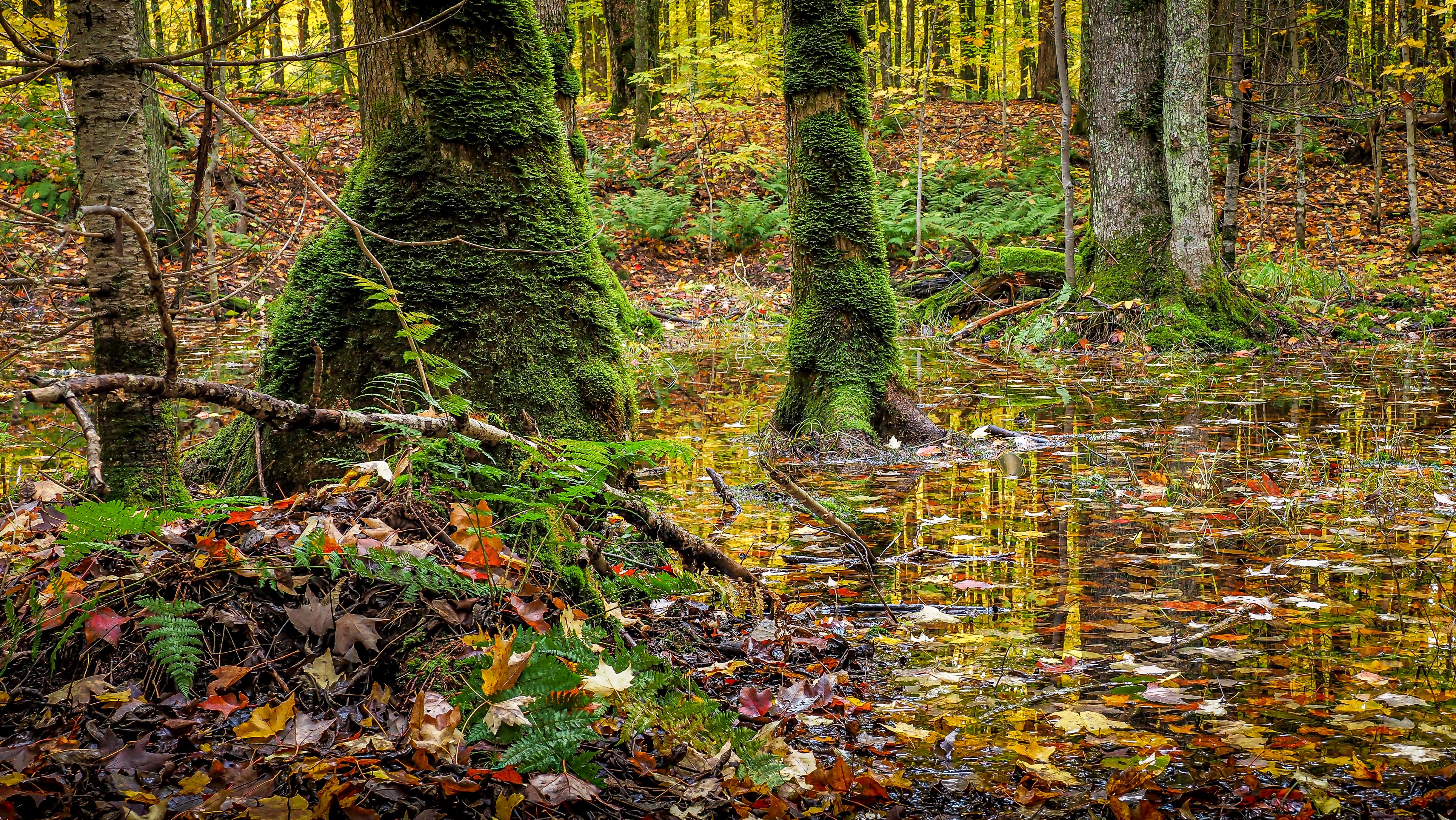
Catherine Wolter Wilderness Area, Wisconsin
Located between Presque Isle and Boulder Junction in Wisconsin’s Northwoods, Catherine Wolter Wilderness Area protects nearly 10 miles of undeveloped shoreline surrounding 15 wild lakes and ponds. In autumn, colorful forests reflect across the preserve’s waters, creating a beautiful setting for hiking, birding and enjoying fall color.
The preserve provides habitat for diverse fish, wildlife and native plants while helping connect larger protected forest landscapes in Wisconsin and Michigan. From spectacular birding to peaceful lakeside views, visitors can experience the beauty and solitude of the Northwoods throughout the changing seasons.

Dick and Nancy Eales Preserve at Moosic Mountain, Pennsylvania
TNC’s Dick & Nancy Eales Preserve at Moosic Mountain is so popular during the fall, that it has become a destination for engagement shoots, family portraits and local media influencers. Don’t let that deter you. People are discovering the Eales Preserve because it is unique. Easily accessible from nearby population hubs such as Philadelphia, the state capital of Harrisburg and (for lovers of The Office) Scranton, Pennsylvania, this preserve features a broad ridgetop of bedrock slabs and boulders interspersed with vast meadows and unique, fire-dependent heath barrens of stunted pine and oak forest dominated by huckleberry, blueberry, rhodora and other low-lying shrubs. While there are 2,250 acres to explore, hiking the Blueberry Trail, preferably at sunset, is recommended for enjoying non-stop views and fall colors of the surrounding valley in all directions.
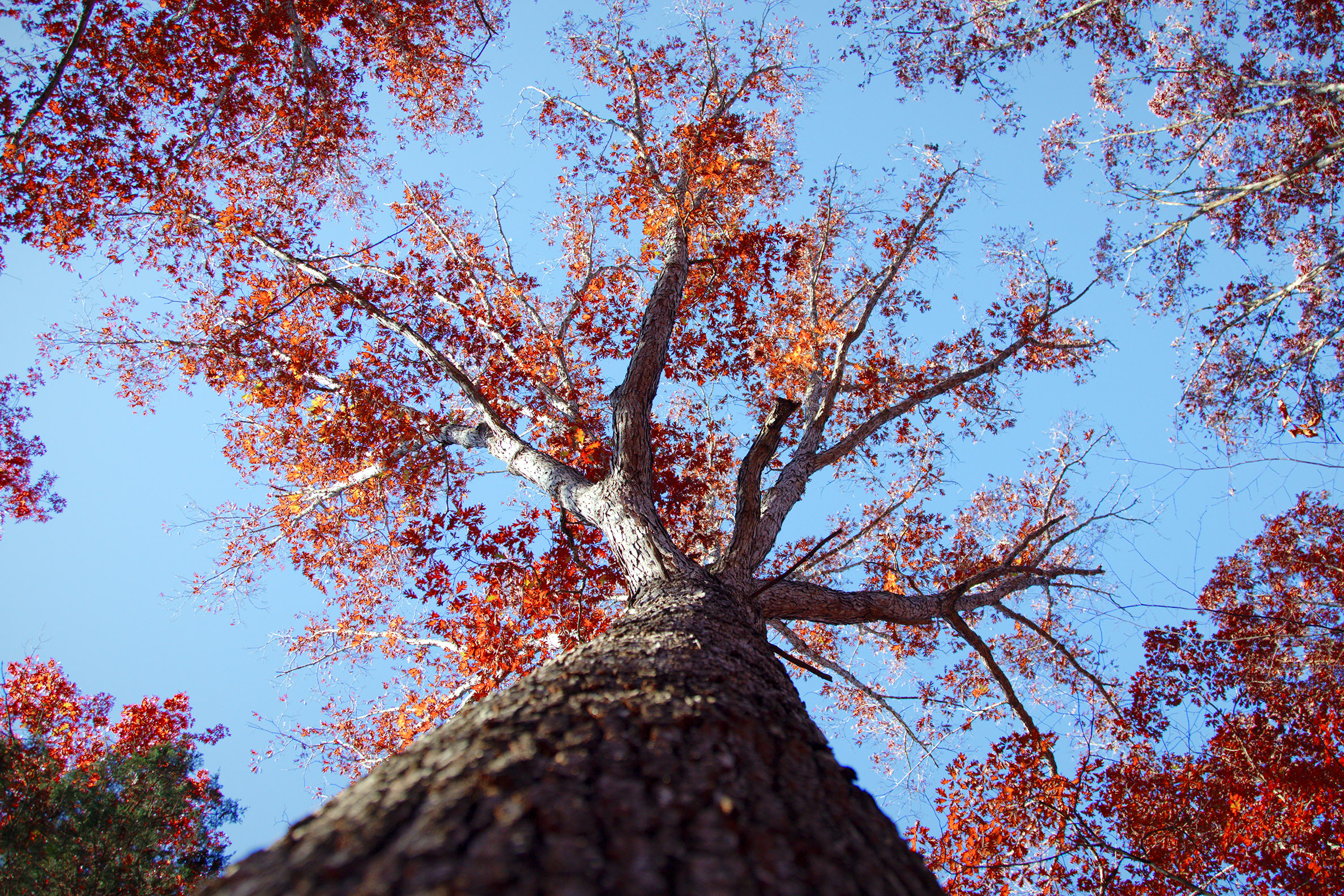
Edge of Appalachia Preserve System, Ohio
TNC’s Richard and Lucile Durrell Edge of Appalachia Preserve System, better known by Ohioans as “The Edge,” encompasses over 21,000 acres in the foothills of the Appalachian Mountains. During the fall season in Ohio, this collection of nature preserves shows off spectacular colors as forests become ablaze with hues of deep russet, burgundy and amber while goldenrod, ironweed, field thistle and aster cover the prairies. The best place to take in the full palette is atop the Buzzardroost Rock, considered by many the most amazing view in the state. Another option for great leaf peeping is the Charles A. Eulett Wilderness Preserve, which offers a 2.4-mile loop trail that leads deep into the woods as green leaves transform into bright autumnal colors.
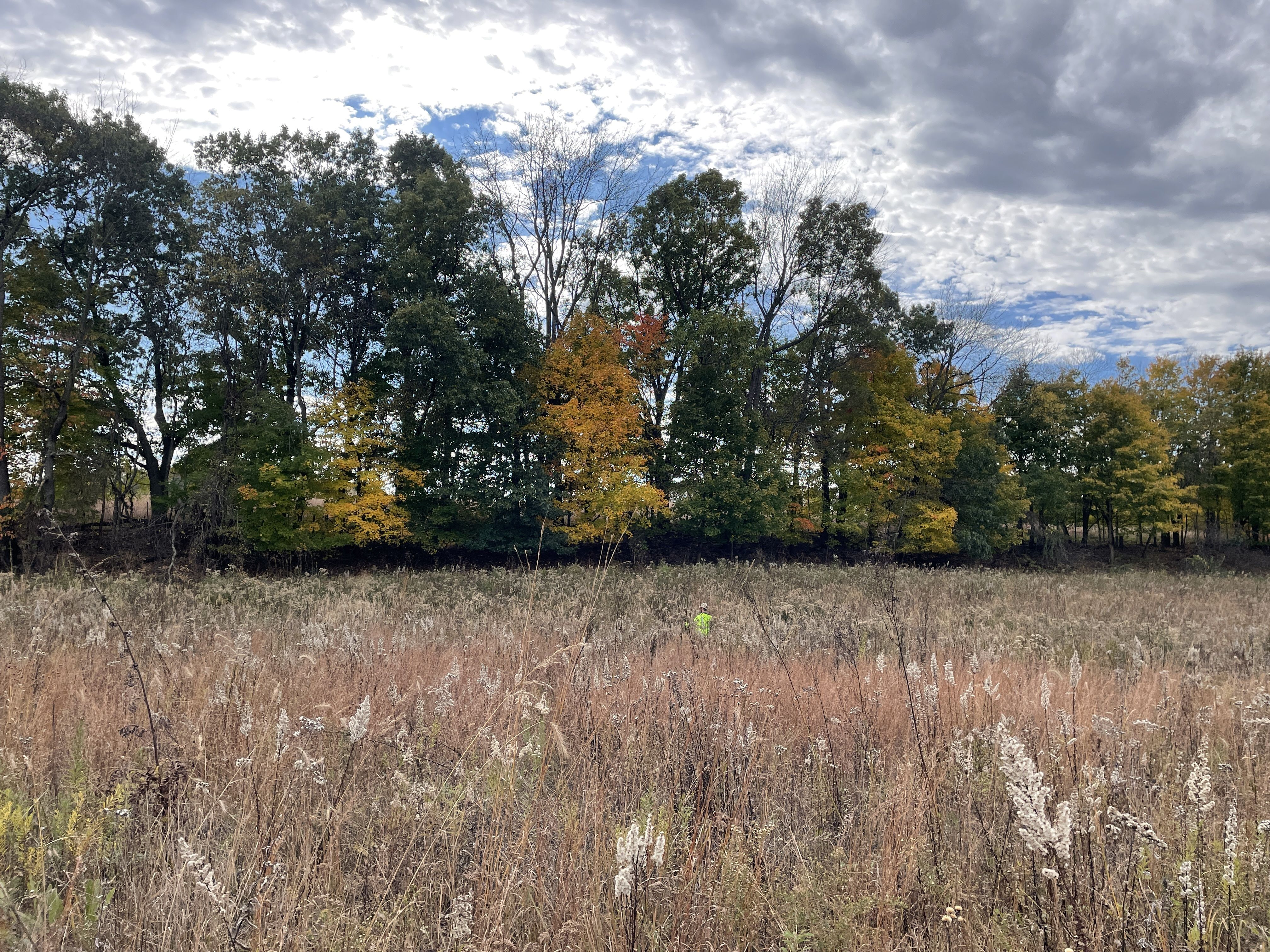
Grand River Fen Preserve, Michigan
Located in southern Michigan, Grand River Fen Preserve protects the headwaters of the Grand River, the state's longest river. Established by The Nature Conservancy in 1996, the 627-acre preserve features a rare fen ecosystem, along with woodlands and prairies that create a diverse and beautiful landscape. During autumn, colorful forests and open habitats highlight the preserve's unique blend of wetlands and uplands.
The preserve's fen is fed by calcium-rich groundwater, making it less acidic and more nutrient-rich than a bog and allowing it to support an exceptional variety of plants and wildlife. Grand River Fen is home to many rare and threatened species, including one of the last remaining populations of the endangered Mitchell's satyr butterfly. Visitors can explore the preserve's trails while discovering how its wetlands help filter and protect the headwaters of the Grand River for both people and nature.
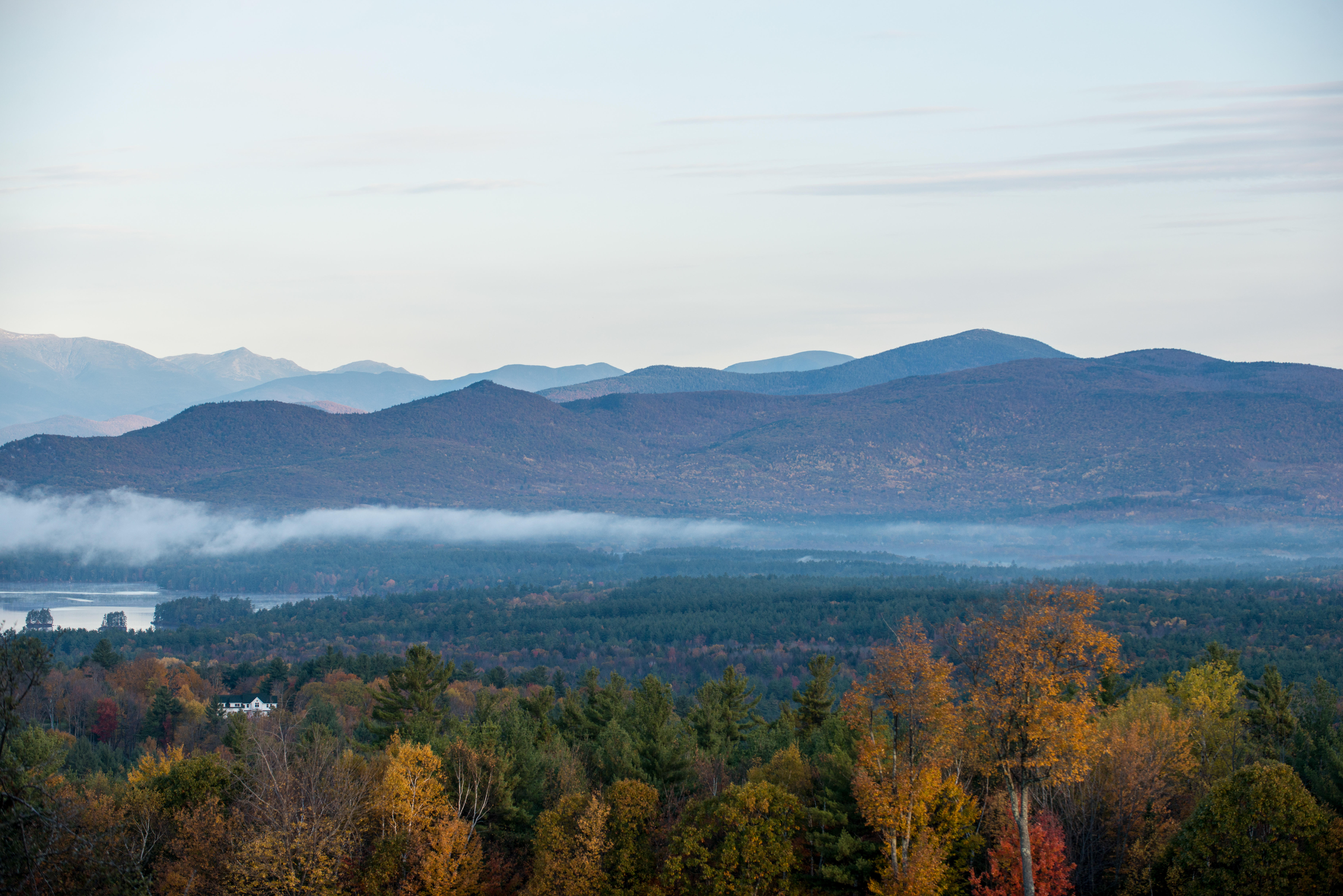
Green Hills Preserve, New Hampshire
Visitors looking for fall foliage will not be disappointed upon visiting TNC’s Green Hills Preserve. The preserve protects more than 5,500 acres of forested ridgeline featuring a string of summits and outstanding views of the Presidential Range and Mount Washington, the highest peak in the northeast. TNC, the Town of Conway and the State of New Hampshire have partnered to protect much of this land (combined, nearly 9,000 acres) for public benefit. But that’s not all. The Green Hills are part of an even more ambitious initiative to conserve and connect the 80-million-acre Northern Appalachians region, which represents the largest intact example of temperate forest in the Western Hemisphere.
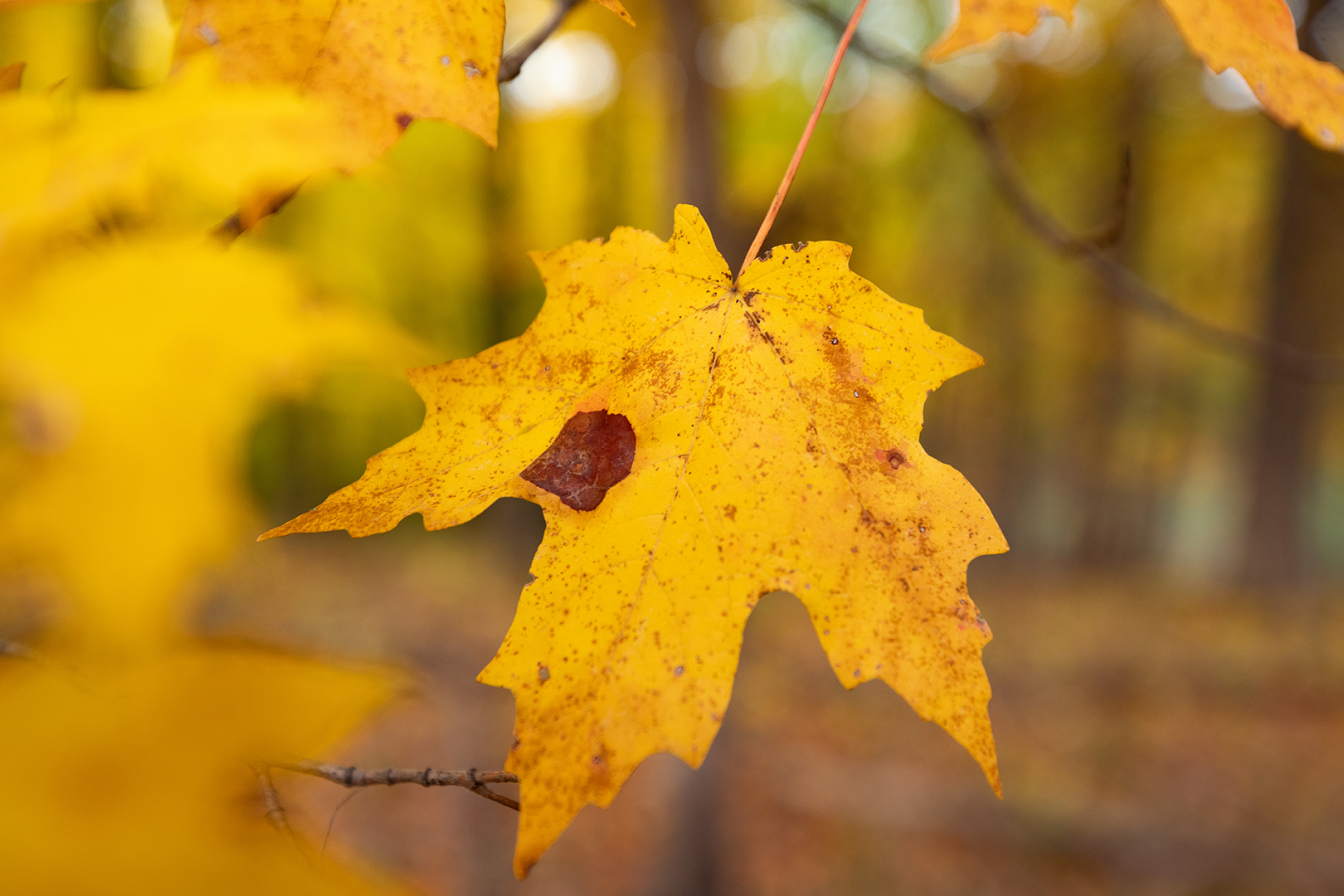
Hitz-Rhodehamel Woods, Indiana
Located in Indiana's Brown County Hills, Hitz-Rhodehamel Woods spans ridge tops, ravines and upland forests in one of the state's largest connected forest landscapes. The preserve is known for its scenic hiking opportunities, spring wildflowers and stunning fall colors, when chestnut oak and white oak forests transform the hillsides with vibrant autumn foliage.
Part of a region that resembles pre-European Indiana more than almost anywhere else in the state, the preserve supports a rich diversity of plants and wildlife. Visitors can experience the beauty of this forested landscape while learning about TNC's work to protect and steward the Brown County Hills for future generations.
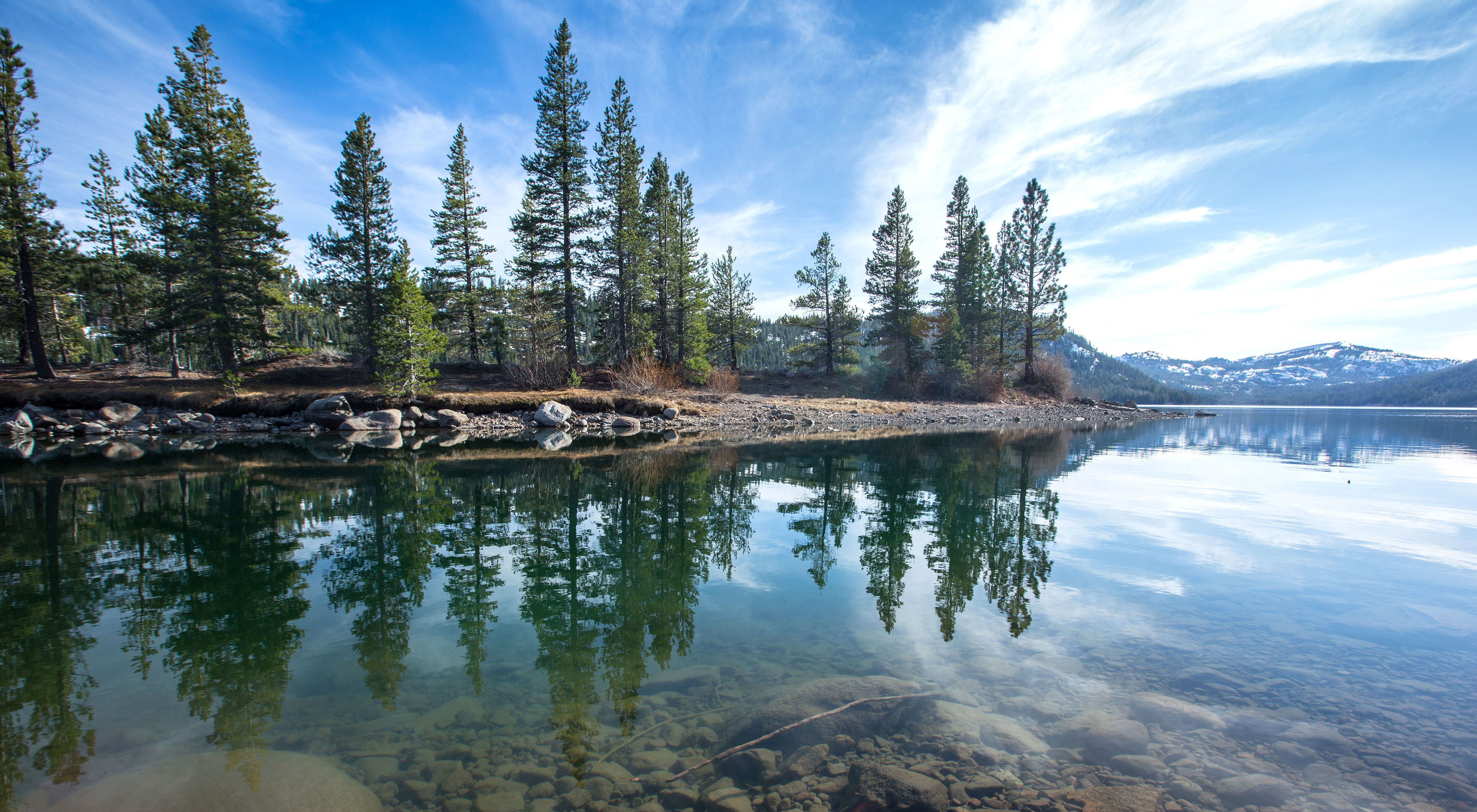
Independence Lake, California
Independence Lake is one of the most pristine alpine lakes west of the Rockies. About 1,000 feet higher than Lake Tahoe and one hour north from Truckee, but feels like a world away since it is so private and remote. Since protecting the lake in 2010, TNC has been committed to stewarding this cherished destination for nature lovers. The lake and surrounding alpine forests offer exceptional recreation, including hiking, fishing, kayaking and bird watching in the beautiful Sierra Nevada.
From beneath the lake’s surface to the surrounding pine forest, this spectacular mountain sanctuary supports an array of rare, native wildlife including the Lahontan cutthroat trout, the willow flycatcher, the mountain yellow-legged frog and the Sierra Nevada mountain beaver. Black bears, mountain lions, eagles and ospreys roam the forests and shorelines of Independence Lake, an important source of drinking water for the people of Reno, Nevada—a thriving community of 250,000 people.
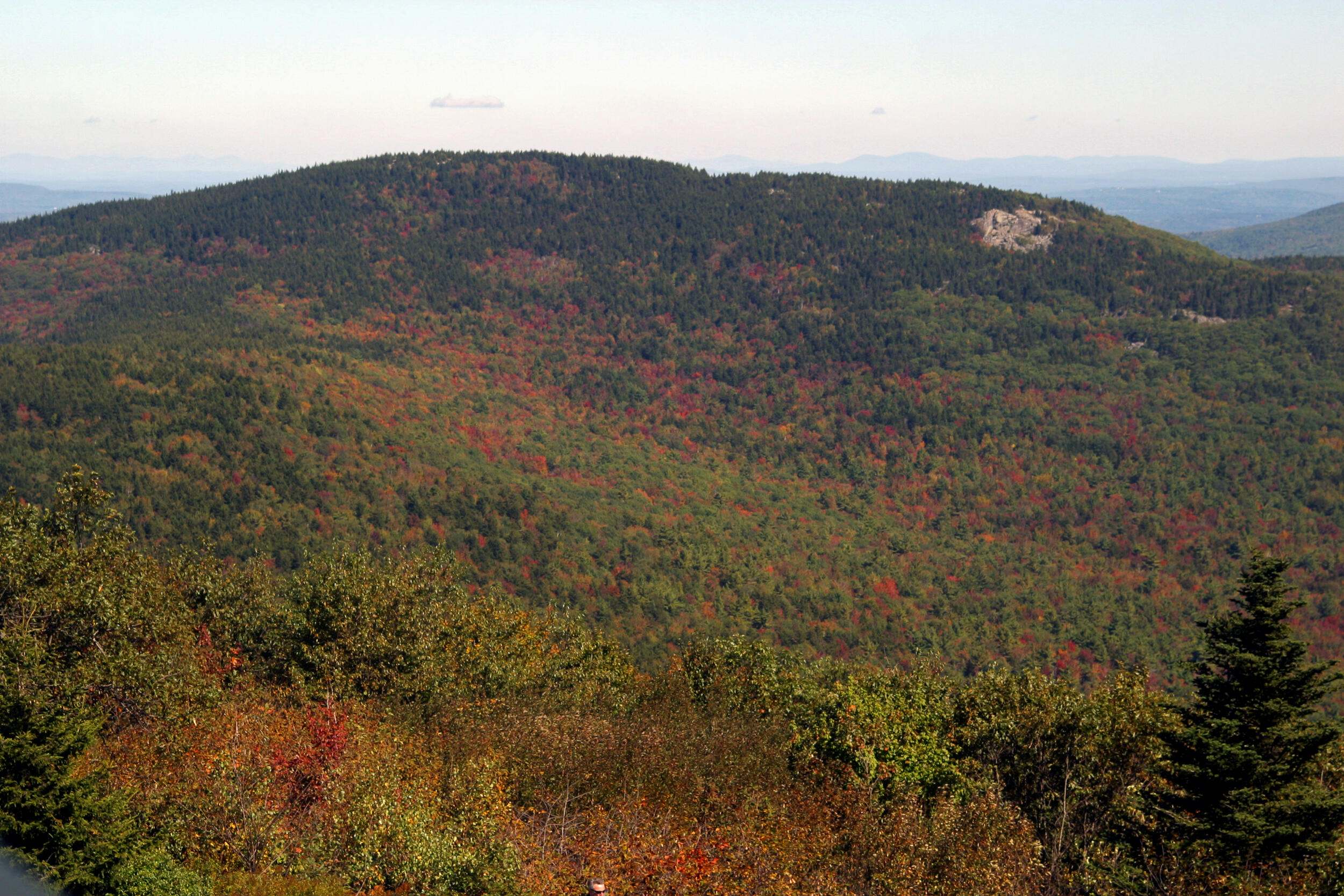
Joanne Bass Bross Preserve, New Hampshire
Tucked along Pack Monadnock, TNC’s Joanne Bass Bross Preserve is a hidden gem known for its rugged beauty, vibrant forests and incredible views. The preserve helps connect more than 2,700 acres of conserved land and is traversed by the historic Wapack Trail. From rocky ledges, hikers can look out across Mount Monadnock, the White Mountains and, on clear days, all the way to Boston. Autumn is especially rewarding, as thousands of broad-winged hawks and other raptors pass through the region, making nearby Pack Monadnock one of New Hampshire’s premier hawk-watching destinations.
J.T. Nickel Family Nature and Wildlife Preserve, Oklahoma
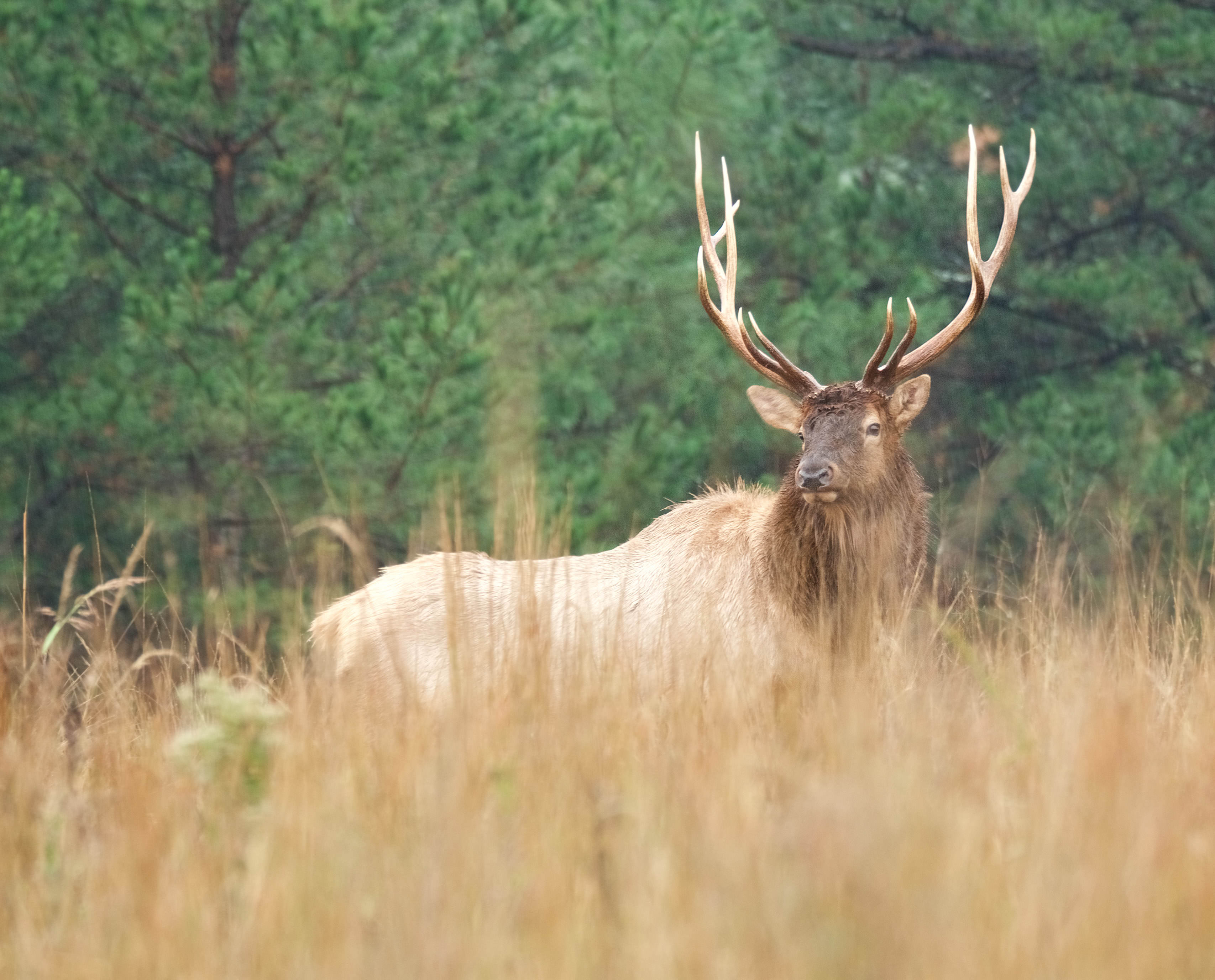
Perched in the rolling Cookson Hills of eastern Oklahoma, J.T. Nickel Family Nature & Wildlife Preserve is the largest privately protected conservation area in the Ozarks, spanning forests, pine woodlands, prairies and spring-fed valleys above the Illinois River. In autumn, the preserve’s oak-hickory forests come alive with shades of gold, orange and red, creating a striking landscape for hikers, birdwatchers and wildlife enthusiasts. Visitors may spot elk, black bears and migratory birds while exploring trails through one of Oklahoma’s most ecologically diverse and scenic protected areas.
Lennox Woods Preserve, Texas
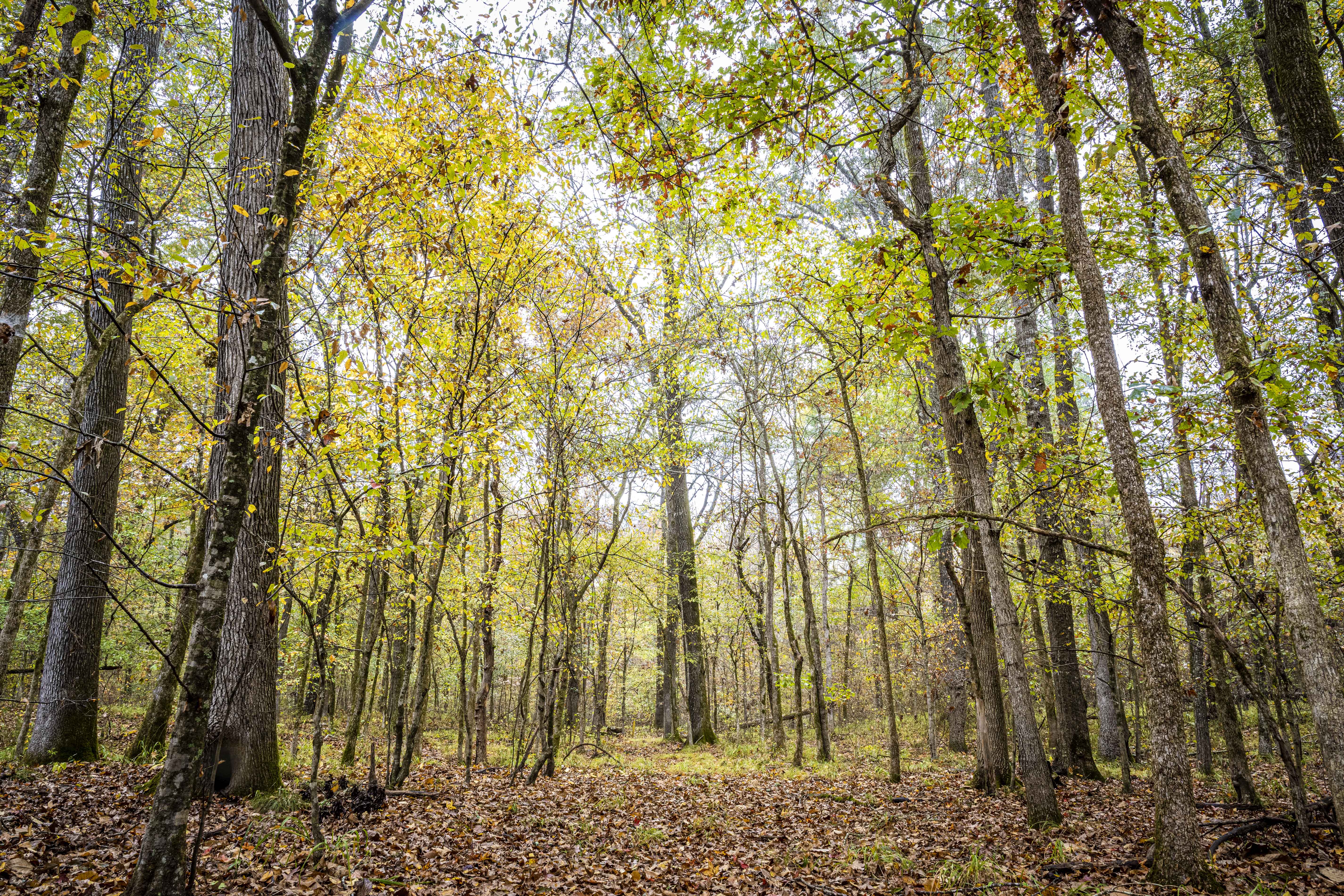
You don’t need to travel far from Texas’ second largest city to find fall foliage. Just a few hours northeast of Dallas, TNC’s Lennox Woods Preserve boasts one of the state’s few remaining examples of pristine, old-growth forests spared from logging unlike most of the surrounding landscape. Owned and maintained by the Lennox Family for four generations since 1863, this 1,335-acre TNC property supports towering mature oaks, maples, sweetgum and hickories that make it a perfect destination for leaf peepers when autumn rolls around. And lucky for them, the preserve is open to the public and includes the 1.5-mile Martha Lennox Memorial Nature Trail, which loops through the forest to provide visitors with spectacular views of vibrant fall colors.
Lulu Lake Preserve, Wisconsin
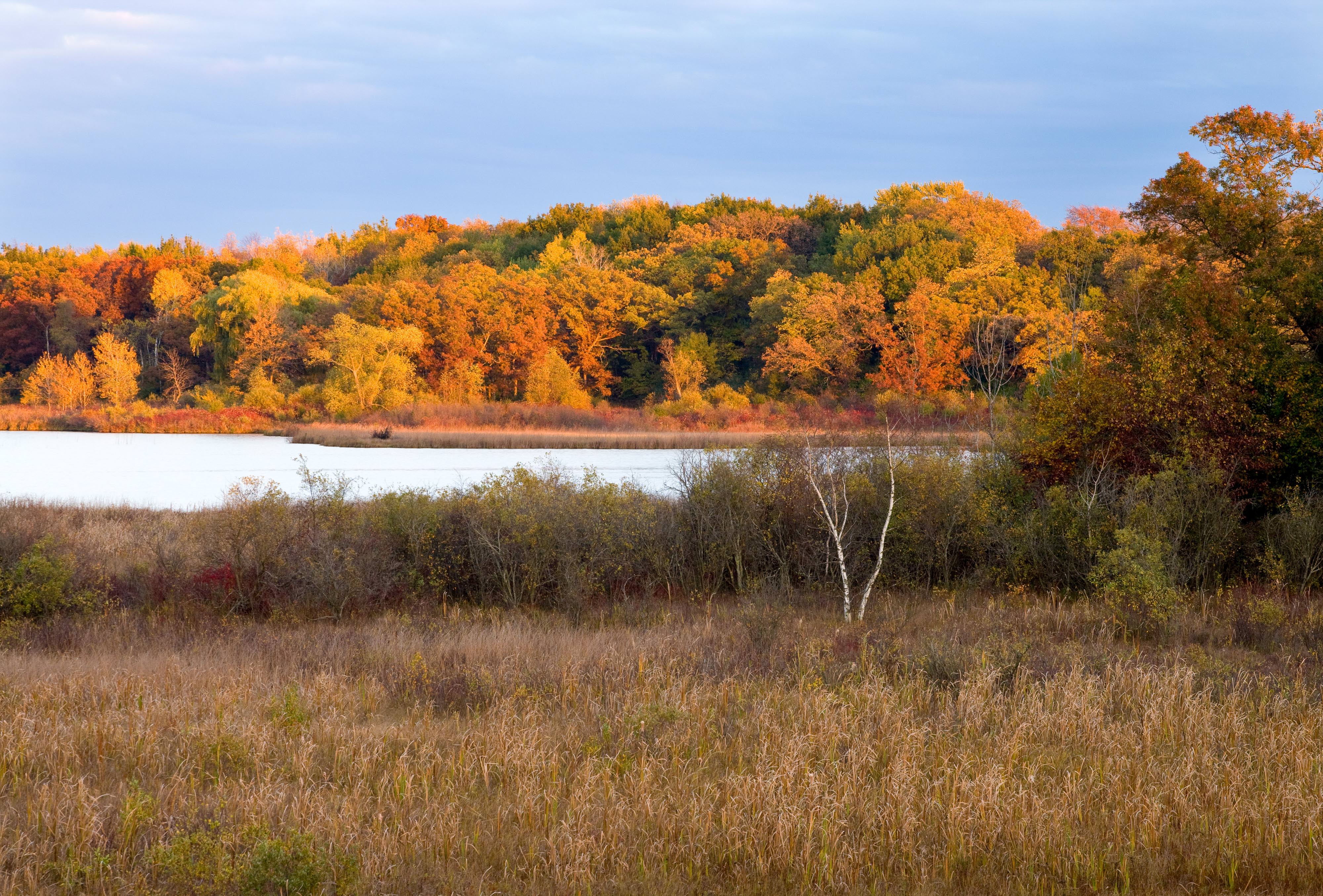
Located in Wisconsin’s Southern Kettle Moraine, Lulu Lake Preserve is home to wetlands, oak openings and a glacial kettle lake surrounded by diverse natural communities. In fall, colorful woodlands and restored habitats create a vibrant backdrop for exploring one of the state’s highest-quality natural areas.
The preserve’s streams, wetlands and oak openings provide habitat for rare fish, mussels and many native plants and animals. Ongoing restoration efforts help maintain these rare habitats while supporting scientific research and conservation. Visitors can enjoy scenic views, seasonal color and a remarkable diversity of life throughout the preserve.
Manchester Cedar Swamp Preserve, New Hampshire
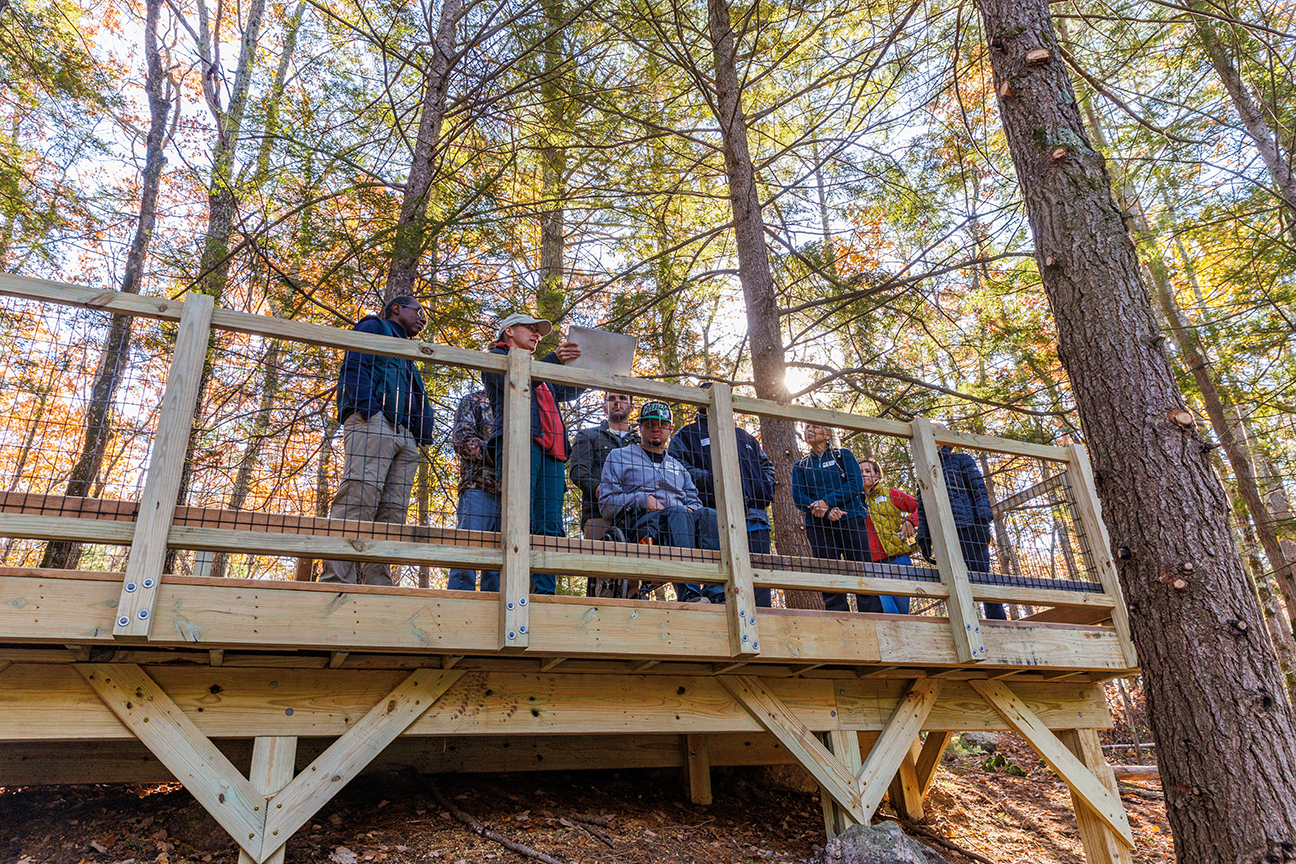
This fall, discover an unexpected natural escape in the middle of New Hampshire’s largest city. TNC’s 640-acre Manchester Cedar Swamp Preserve protects one of the state’s largest Atlantic white cedar swamps, a globally rare ecosystem filled with giant rhododendrons, quiet wetlands and some of New England’s oldest black gum trees. Stroll along the universally accessible All Persons Trail or explore the preserve’s network of woodland and boardwalk trails while taking in autumn color reflected in still waters. It’s a peaceful place to experience the season, watch wildlife and enjoy nature close to home.
Nachusa Grasslands, Illinois
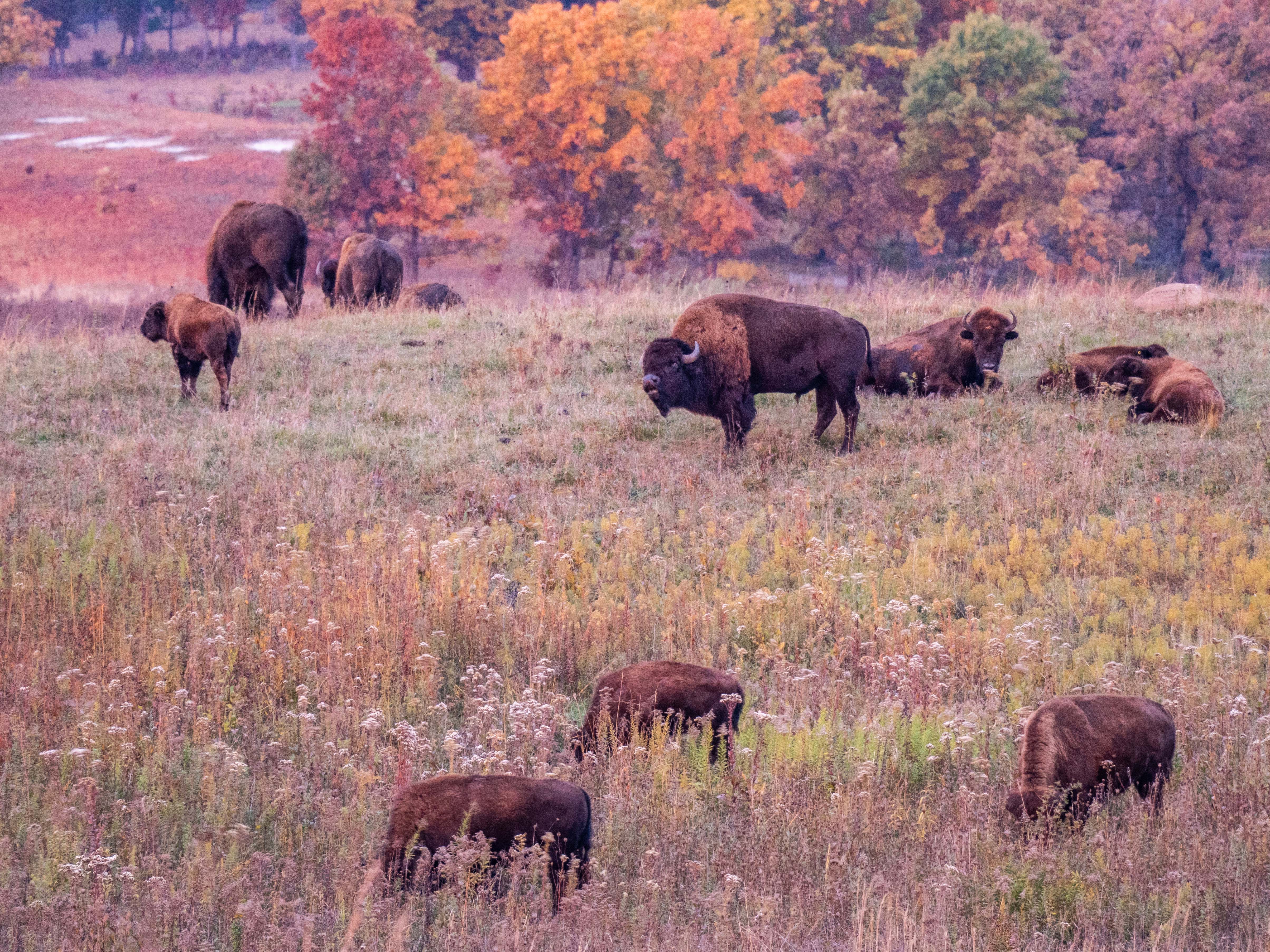
Located in north-central Illinois near Franklin Grove, Nachusa Grasslands protects more than 4,000 acres of prairie, savanna, wetlands, streams and working lands. In autumn, the preserve's oak savannas glow with shades of orange and red while native grasses add warm color across the rolling landscape.
Nachusa is home to high-quality remnant communities, re-created prairies of exceptional diversity and a herd of bison. Decades of restoration work have helped reconnect a landscape that provides habitat for hundreds of native plant and bird species. Visitors can enjoy hiking, birdwatching and expansive views across one of Illinois' most celebrated conservation landscapes.
Nags Head Woods Preserve, North Carolina
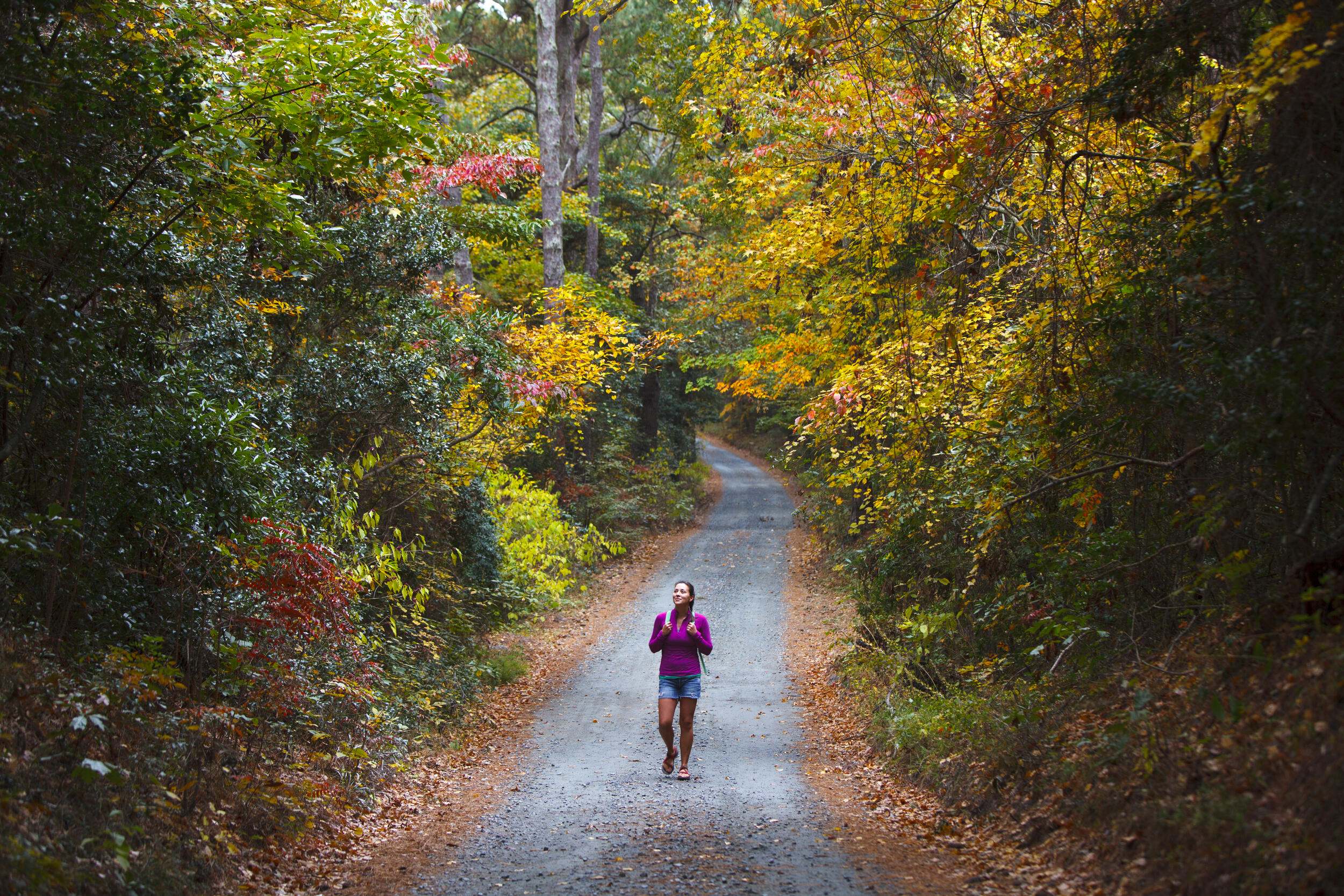
Located on North Carolina’s Outer Banks, Nags Head Woods Preserve protects one of the largest remaining maritime forests on the East Coast. Shaded trails wind through wooded dunes, ponds and marshes, offering a peaceful contrast to the nearby beaches. In fall, the preserve’s maples, beeches and other hardwoods bring vibrant color to this coastal landscape.
The preserve supports a remarkable variety of habitats and wildlife, including more than 150 bird species. Visitors can explore eight trails, enjoy scenic overlooks and discover how this unique maritime forest provides refuge for plants and animals in a landscape shaped by both land and sea.
Nine Times Preserve, South Carolina
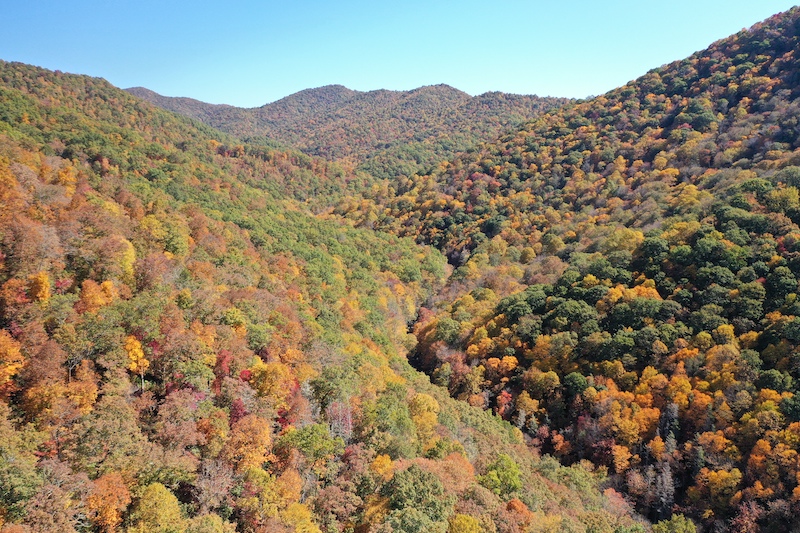
In South Carolina’s Piedmont region, at the intersection of the Blue Ridge Mountains, TNC’s Nine Times Preserve packs five mountains and seven distinct forest types into a small-but-mighty 560-acre property. Considered one of the most biologically significant conservation areas in the southeast, this landscape comes alive during fall when foliage emerges in full view of one of the preserve’s 1.7 miles of hiking trails. Local lore has it that travelers between nearby Cherokee towns had to cross a two-mile-long tributary of the Little Eastatoee River nine different times in order to stay on the path. This tributary is now known as Nine Times Creek. The preserve is also well known for its wildflowers, with 134 species documented there to date. While visitors might see a few autumn flowers, a spring visit is also highly recommended!
Ossipee Pine Barrens, New Hampshire
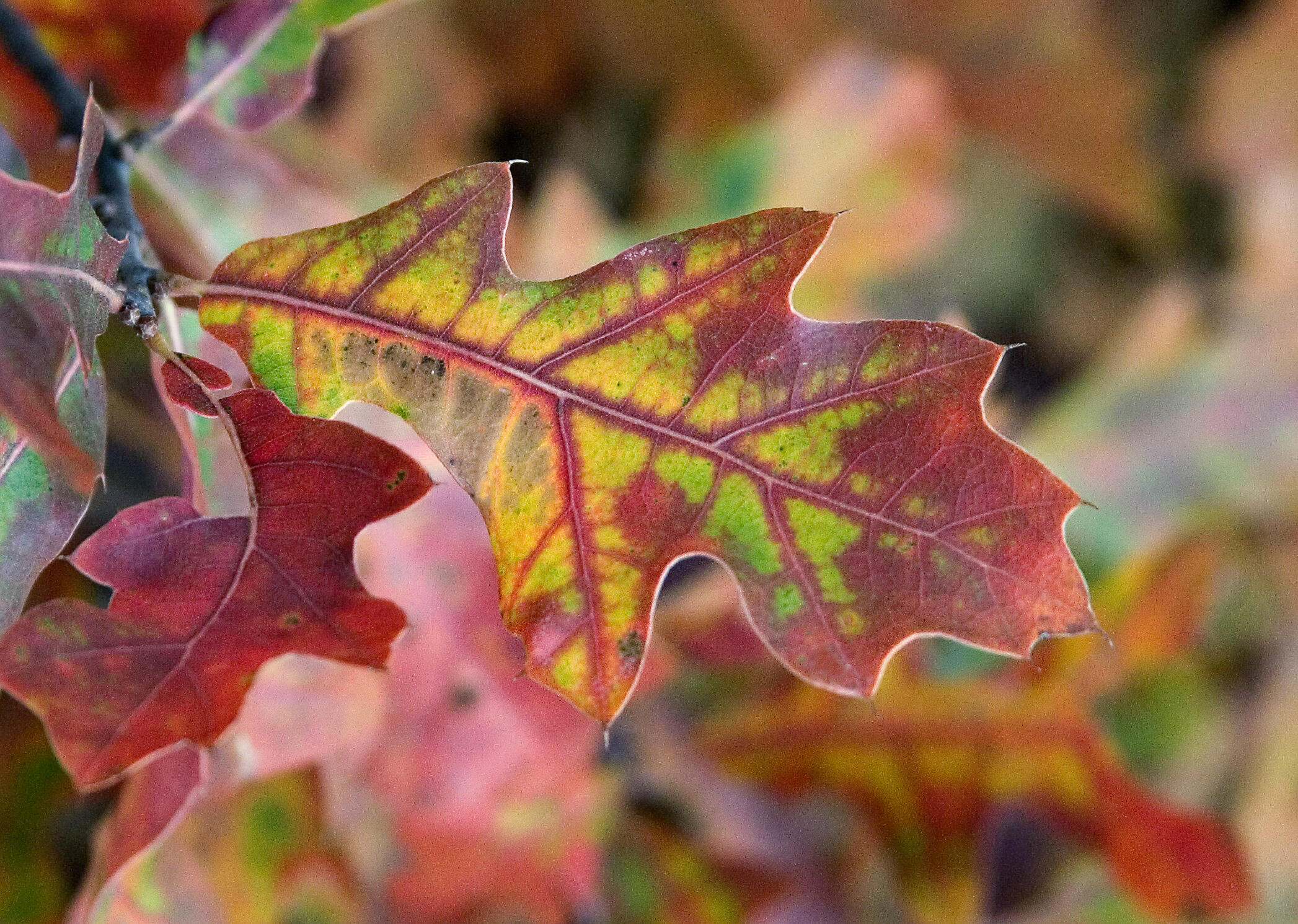
For a fall outing unlike any other, visit TNC’s Ossipee Pine Barrens, home to New Hampshire’s last intact pitch pine-scrub oak woodland. Shaped by glaciers thousands of years ago, this globally rare ecosystem supports an extraordinary diversity of wildlife and plants found nowhere else in the state. The preserve’s All Persons Trail makes this unique landscape accessible to visitors using wheelchairs, strollers and other mobility devices. As you explore, you’ll discover open pine forests, colorful blueberry and huckleberry understories and a landscape whose beauty is every bit as remarkable as its ecological significance.
Ramsey Canyon Preserve, Arizona
Each fall, Ramsey Canyon Preserve's towering Arizona sycamores and oak woodlands turn shades of gold and amber, bringing vibrant color to this mountain canyon. The preserve's scenic trails offer a beautiful way to experience autumn.
Ramsey Canyon Preserve sits within Arizona's Sky Islands, an extraordinary landscape where the Rocky Mountains, the Sierra Madre of Mexico and the Sonoran and Chihuahuan deserts converge. This ecological crossroads supports an exceptional diversity of plants and wildlife, from pine forests and grasslands to shaded canyon habitats found nowhere else in the region.
Fed by a perennial stream, Ramsey Canyon offers a cool, lush retreat where towering sycamores, maples and wildflowers thrive alongside iconic desert plants like agave and yucca. Visitors can explore scenic trails, experience vibrant fall color and discover one of the Southwest's most remarkable natural landscapes.
River Fork Ranch, Nevada
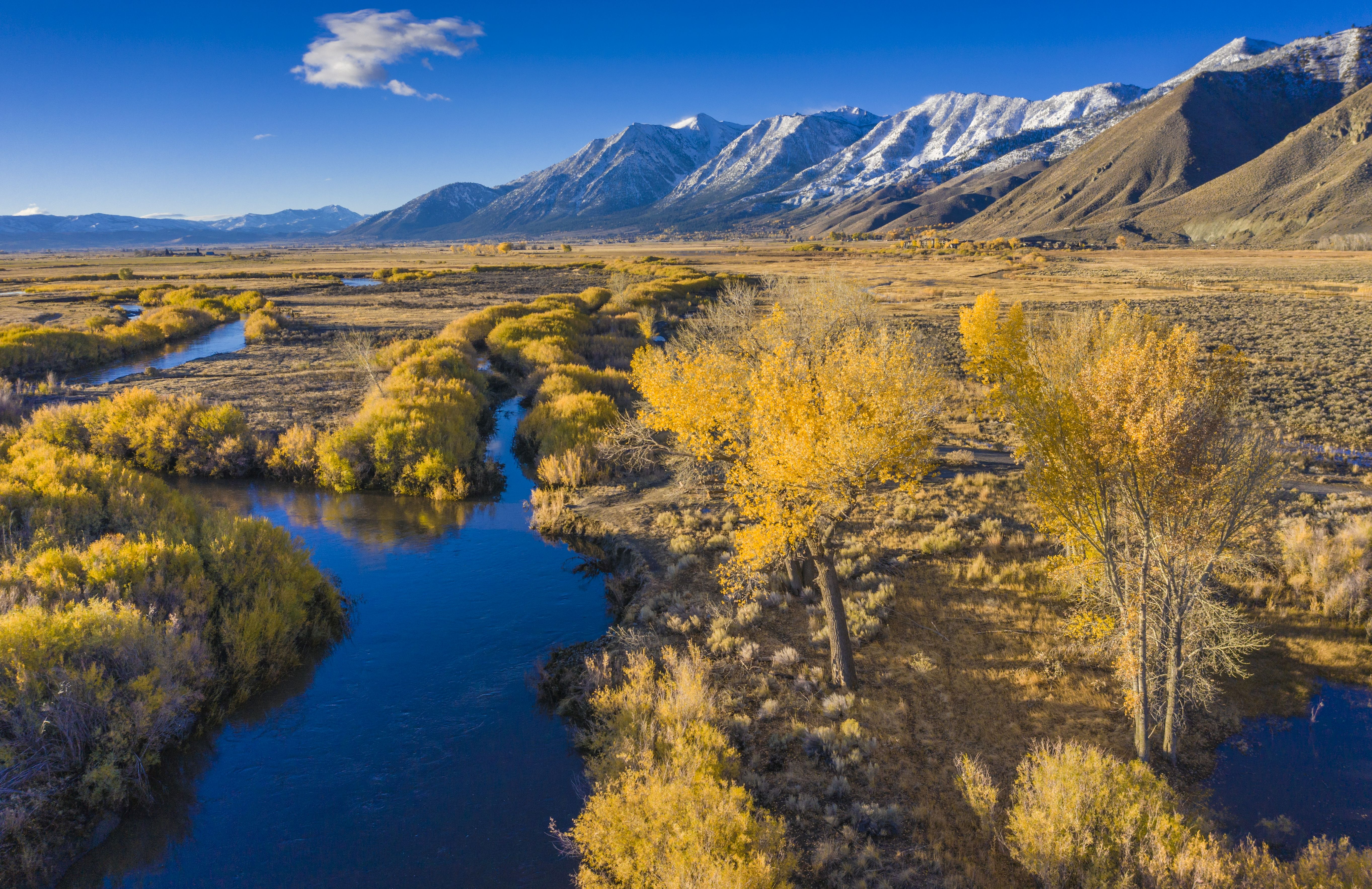
River Fork Ranch sits at the confluence of the East and West Forks of the Carson River near Genoa, Nevada, where more than 800 acres of protected floodplain, wetlands, meadows and riparian habitat support a remarkable diversity of wildlife, including bald eagles, sandhill cranes, monarch butterflies and mule deer. The preserve is also a working cattle ranch, demonstrating how conservation and agriculture can thrive together.
Over the past two decades, The Nature Conservancy has restored wetlands, meadows and river corridors across the ranch, helping reconnect the Carson River to its floodplain and improve habitat for wildlife. Visitors can explore trails through this scenic landscape to experience the preserve's ongoing restoration work and the seasonal beauty of the Carson Valley.
In autumn, cottonwoods lining the Carson River add vibrant color to the preserve's patchwork of wetlands and meadows, creating a striking backdrop for wildlife viewing, photography and exploring one of Nevada's most ecologically important river landscapes.
Santa Clara River Preserve, California
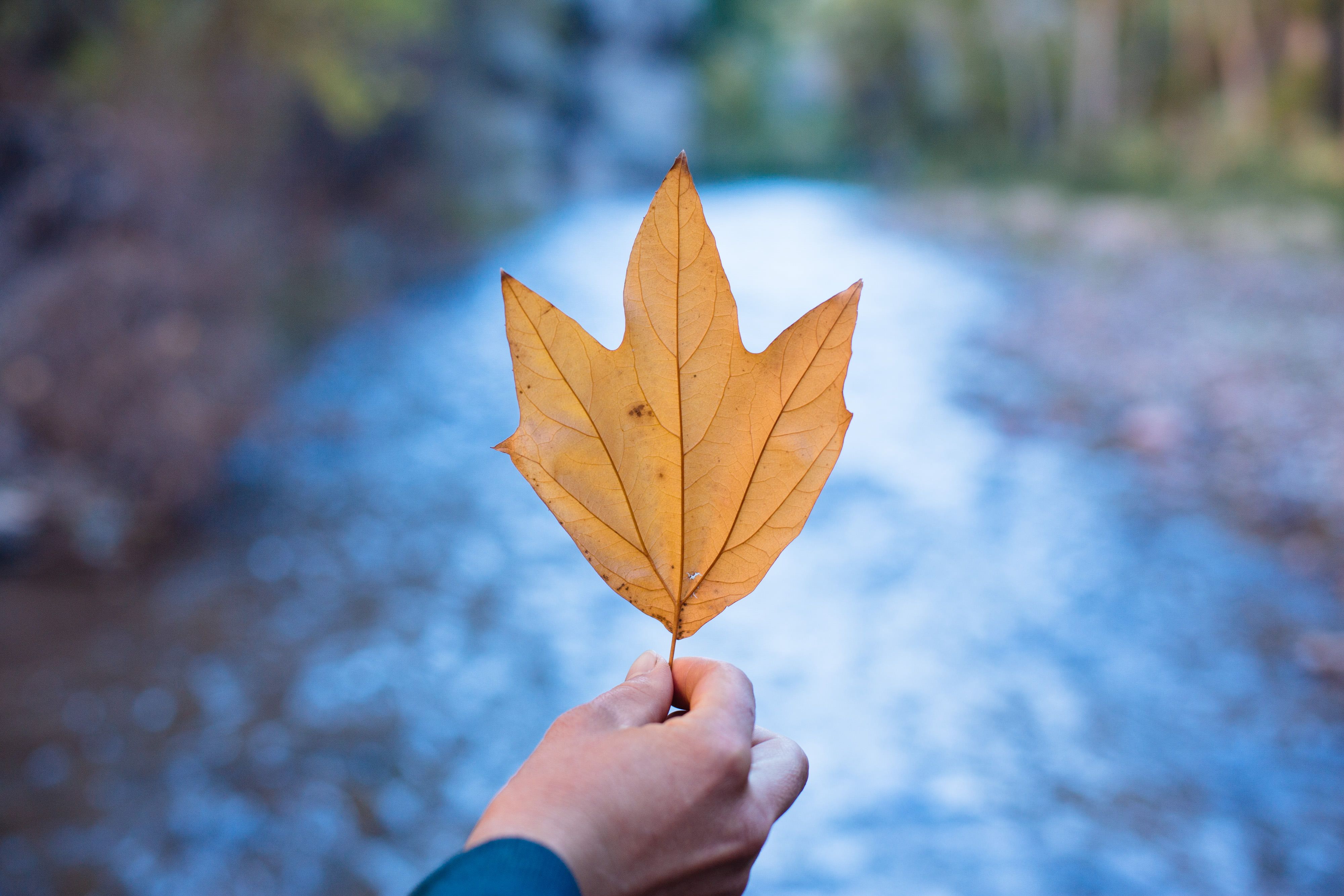
At Santa Clara River Preserve, the golden leaves of Fremont cottonwoods and California sycamores bring vibrant color to the river corridor each fall. These native trees transform the landscape, creating a striking contrast against the preserve's rugged mountains and open floodplain.
Up until recently, there have been few locations accessible to the public along this dynamic waterway just an hour north of Los Angeles. But that has all changed with the opening of the Santa Clara River Preserve in January 2024. The preserve spans nearly two miles of the river and encompasses roughly 1,000 acres of upland habitat and riverbed, providing a beautiful space for outdoor education, community gatherings, wildlife viewing and hiking.
Join one of our monthly guided nature hikes along the Santa Clara River. These hikes are led by a professional naturalist and educator, who will teach you about the local flora and fauna of the Santa Clara River. This is a great opportunity to connect with other nature enthusiasts and with nature!
Shady Valley: Orchard Bog and Quarry Bog
Located in East Tennessee near the Great Smoky Mountains, Orchard Bog and Quarry Bog offer a glimpse into one of the region's most unusual landscapes, where rare mountain wetlands sit among forests that glow with brilliant shades of gold, orange and red each fall. Part of the Shady Valley landscape, these preserves protect remnants of an ancient ecosystem shaped by cool temperatures and unique geological conditions that have persisted since the last Ice Age.
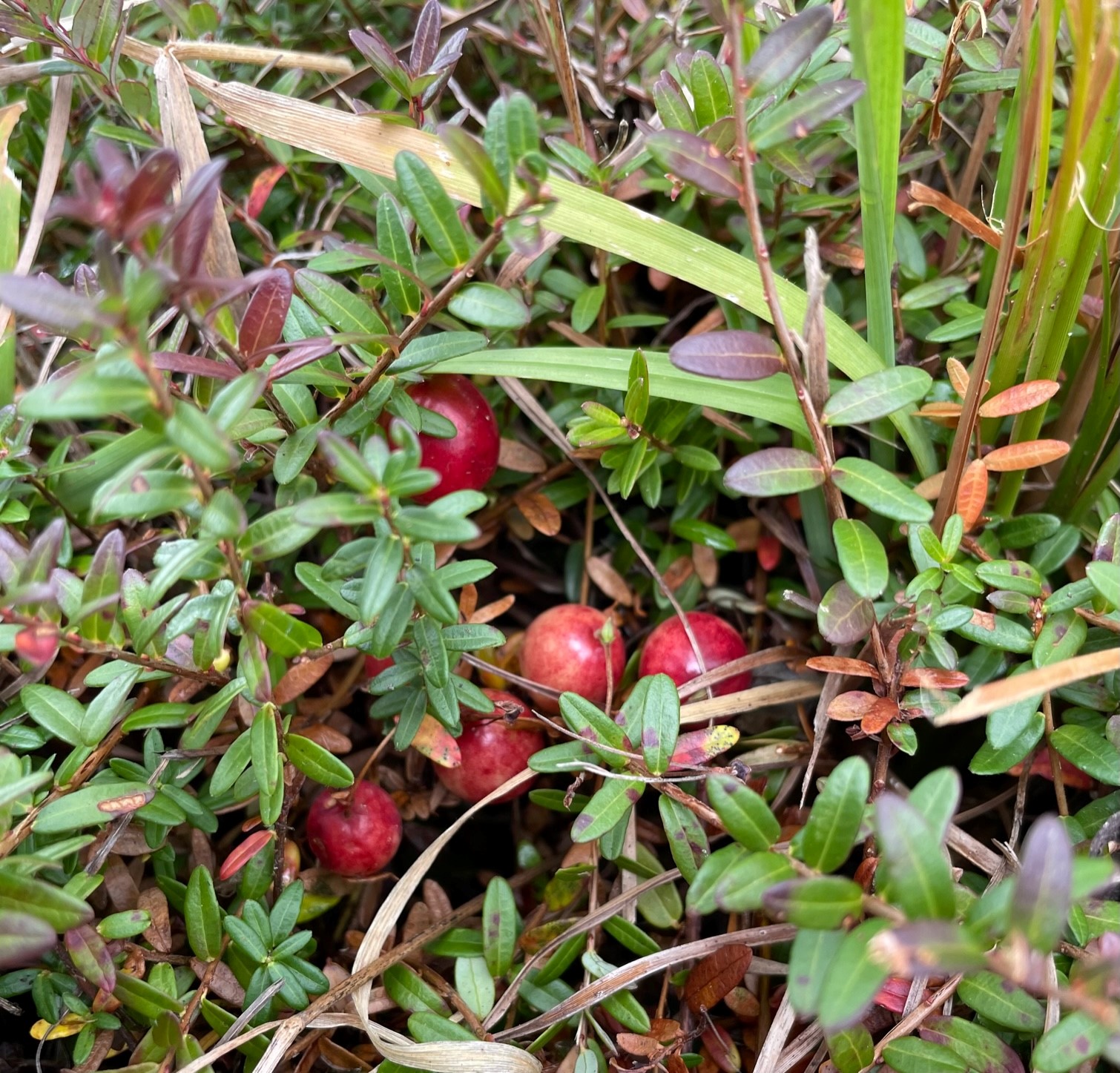
The bogs support rare sphagnum wetlands and are home to an impressive variety of plants and wildlife, including naturally occurring American cranberry, which grows in only a handful of locations in Tennessee. These distinctive habitats also provide refuge for species such as the federally threatened southern bog turtle and many other wetland-dependent plants and animals.
During autumn, the preserves' colorful forests and unique bog communities create a memorable backdrop for exploring one of Tennessee's hidden ecological treasures. Visitors can learn more about the area's natural history during Shady Valley's annual Cranberry Festival, when TNC offers guided tours that highlight the remarkable conservation value of these rare mountain wetlands.
Surry Mountain Preserve, New Hampshire
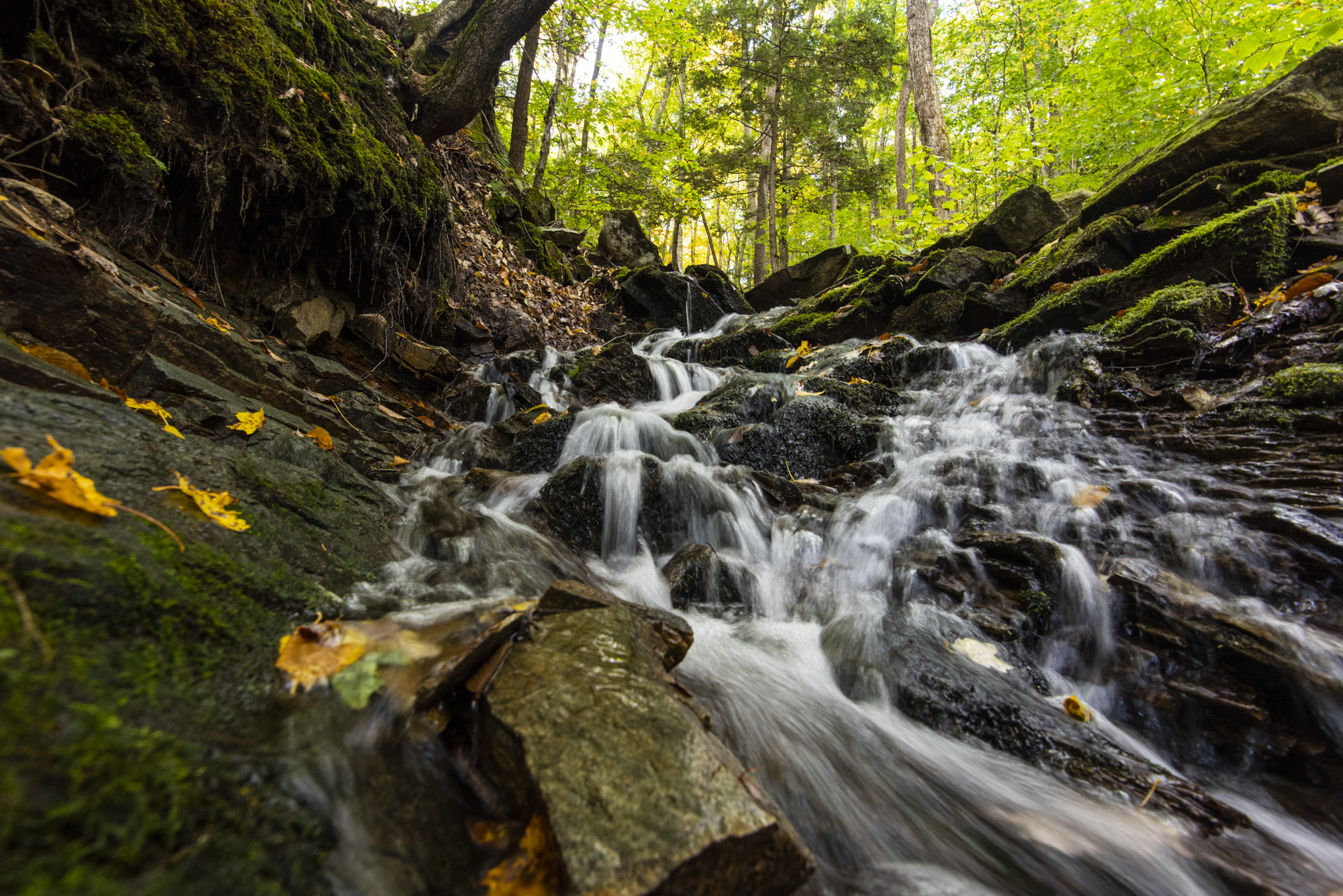
If you’re looking for a classic autumn adventure, head to TNC’s Surry Mountain Preserve just north of Keene. This 1,324-acre preserve protects forests, ponds and nearly nine miles of pristine headwater streams within a larger network of conserved lands in the Monadnock Region. A hike to the undeveloped Lily Pond offers a quintessential fall experience, with colorful hardwood forests reflected in quiet waters and opportunities to spot wildlife along the way. The preserve’s peaceful atmosphere and expansive natural beauty make it an ideal place to slow down and enjoy the season.
More Resources

Why do leaves change?
Did you ever wonder about the science behind changing leaves? We have chlorophyll to thank for the primary color that we associate with trees: green. This dominant pigment results from the process of photosynthesis, where trees convert sunlight into sugar for energy. The diminishing sunlight that comes with shorter days as summer transitions into fall slows down that process. The green chlorophyll begins to break down, leaving room for less dominant pigments to emerge – reds, golds, oranges, purples – while trees conserve and consolidate energy in preparation for winter. Eventually the trees release their leaves and enter dormancy until more light returns in spring.
Cool Green Science
The Nature Conservancy's Cool Green Science team has additional resources for fall adventures!
- Want even more fall foliage facts? Check out their blog post: Fall Foliage: When, Why & How Vibrant Will Maple Leaves Be?
- Concerned about the leaves in your yard? Learn why native insects would love if you would leave the leaves.
- Looking for even more outdoor adventures this fall? It's a great time of year to be outside and see these eight natural spectacles to enjoy.
Nature Needs You
Together, we can find a way to create a more sustainable future for both people and nature.

More to Explore This Fall

Fall Activity Guide
Discover some fun and simple activities to help the children in your life explore outdoors.

Where Conservation Takes Flight
Discover The Nature Conservancy's best nature preserves for fall bird migration.

Winter Wildlife Watching
From Owls to Otters: Bare trees and quiet landscapes make winter the perfect season to visit The Nature Conservancy’s preserves.