

WOPA090731_D004 Large flocks of Snow geese and Sandhill cranes take flight over fields at the Nature Conservancy's Southmost Preserve in Texas. Southmost Preserve is located on a meandering bend of the Rio Grande at the southernmost part of Texas. As part of the Boscaje de la Palma region of the Lower Rio Grande Valley Wildlife Corridor, the 1,034-acre preserve encompasses one of the last stands of native sabal palm trees in the country. The Southmost Preserve is part of major migratory flyways. Birds that may be observed here include the Altamira oriole, chachalaca, green jay, tropical parula, buff-bellied hummingbird, black-bellied and fulvous whistling duck, groove-billed ani, Couch's kingbird, and olive sparrow. © Wendy Shattil/Bob Rozinski
Each fall, millions of birds take to the skies in one of nature’s most awe-inspiring journeys—migration. As they travel south to their wintering grounds, many of them, including rare and endangered species, pass through The Nature Conservancy’s (TNC's) network of protected preserves, offering birdwatchers a front-row seat to this seasonal spectacle. From coastal wetlands to forested ridgelines, these preserves are vital stopover habitats that provide food, respite and safety for birds on the move.
In this guide, we’re highlighting some of the best TNC preserves across the country where you can witness the wonder of fall migration and connect with nature through the joy of birding.

Preserve Quick View
Explore
No results are shown. To see results, turn on the toggle switches in the legend.
- Aiken Canyon Preserve
-

Aiken Canyon Preserve
Quick Look
Depending on the season, a birding visit can be different every time!
- Arthur Butler Memorial Sanctuary
-

Arthur Butler Memorial Sanctuary
Quick Look
During peak fall migration, observers can spot hundreds of raptors in a single day.
- Blue Wall Preserve
-

Blue Wall Preserve
Quick Look
An escarpment, or steep slope, attracts migrating birds due to thermal updrafts—rising columns of air, heated at ground level by the sun—that help eagles, hawks, vultures and other birds soar to great heights without expending too much energy.
- Disney Wilderness Preserve
-

Disney Wilderness Preserve
Quick Look
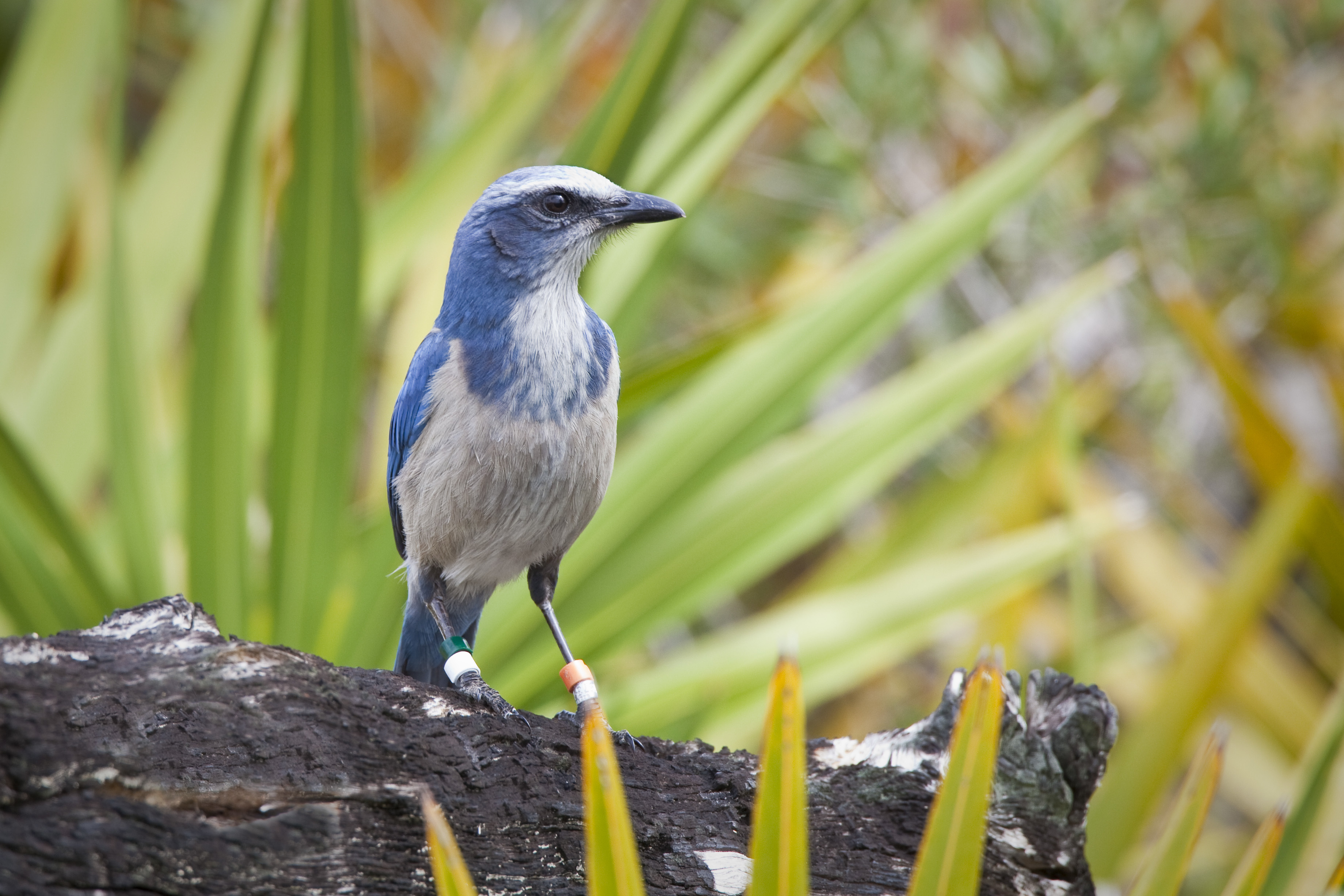
The notoriously inquisitive and friendly Florida scrub jay known to inhabit The Nature Conservancy’s Disney Wilderness Preserve.
- Emiquon Preserve
-

Emiquon Preserve
Quick Look
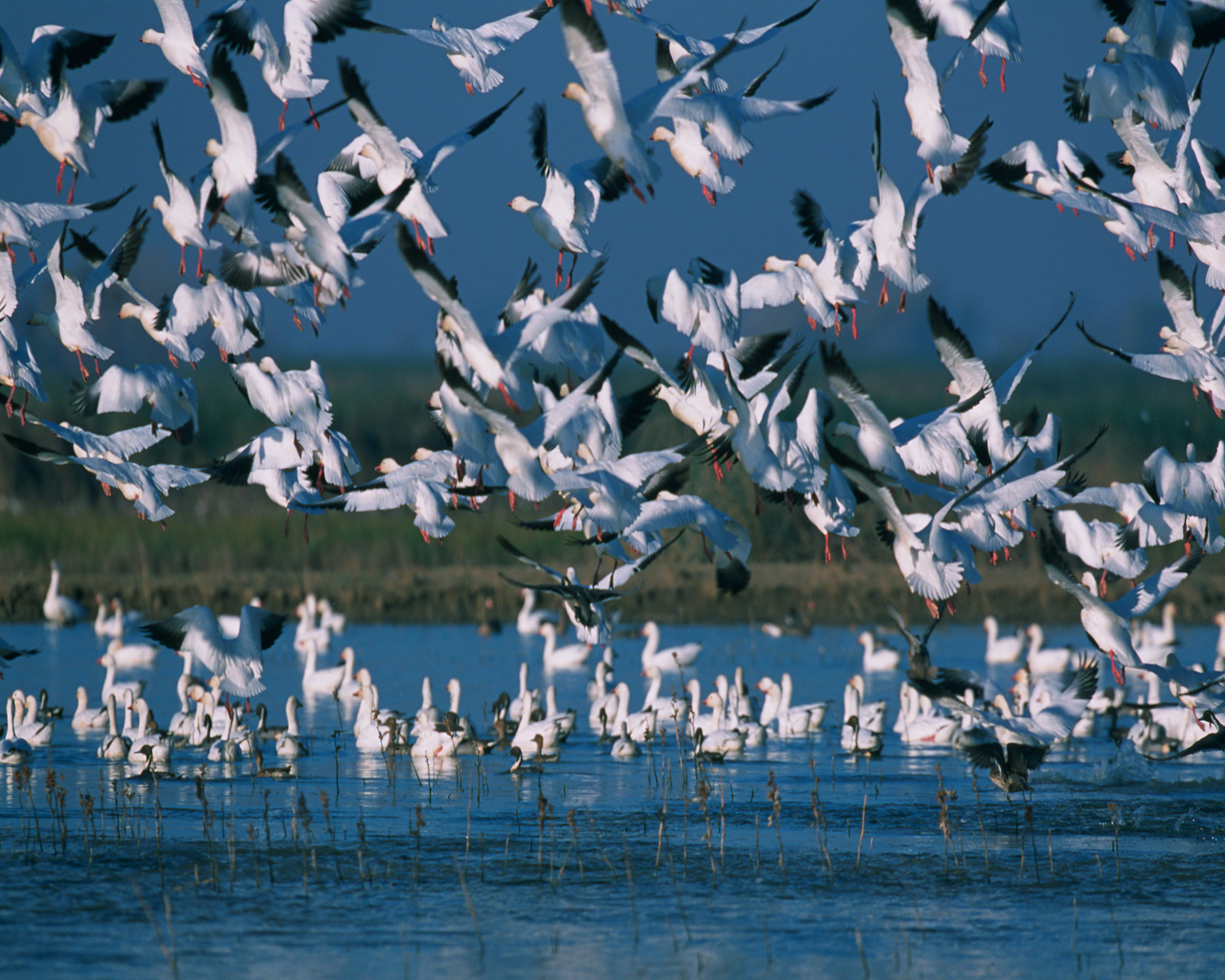
During spring and fall migration, tens of thousands of birds traveling along the Mississippi Flyway pass through the preserve.
Image © Gary Kramer
- Heart Mountain Ranch Preserve
-

Heart Mountain Ranch Preserve
Quick Look
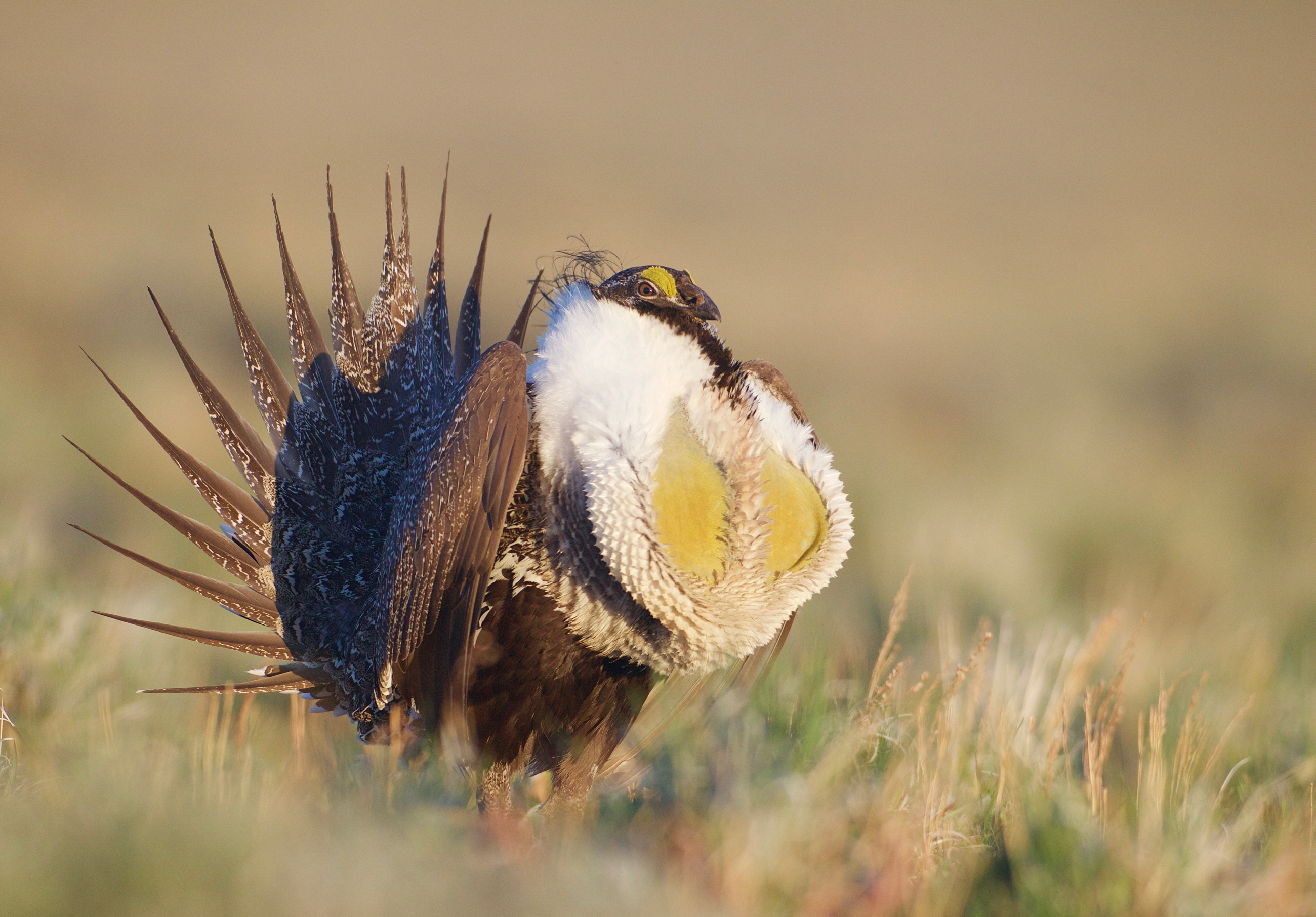
Some Shoshone Peoples called this land “Home of the Birds.” Front-and-center are the iconic greater sage-grouse, which have dwindled from as many as 16 million to less than 200,000 today.
Image © Tom Reichner/Shutterstock
- Kitty Todd Nature Preserve
-

Kitty Todd Nature Preserve
Quick Look
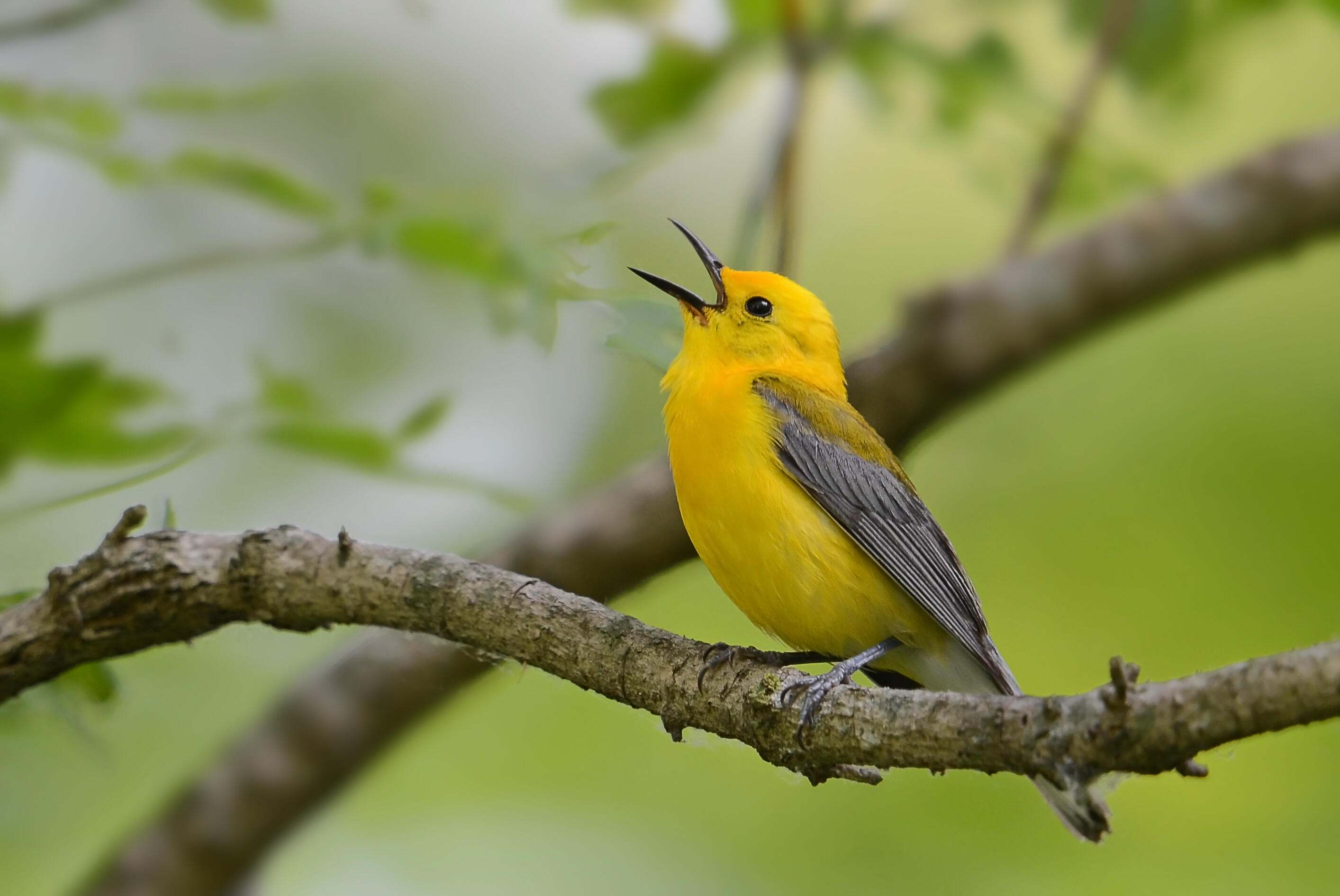
A globally unique landscape of oak savanna and wet prairie provides critical stopover habitat for a variety of migratory birds, including rare and endangered species.
- Platte River Prairies
-

Platte River Prairies
Quick Look
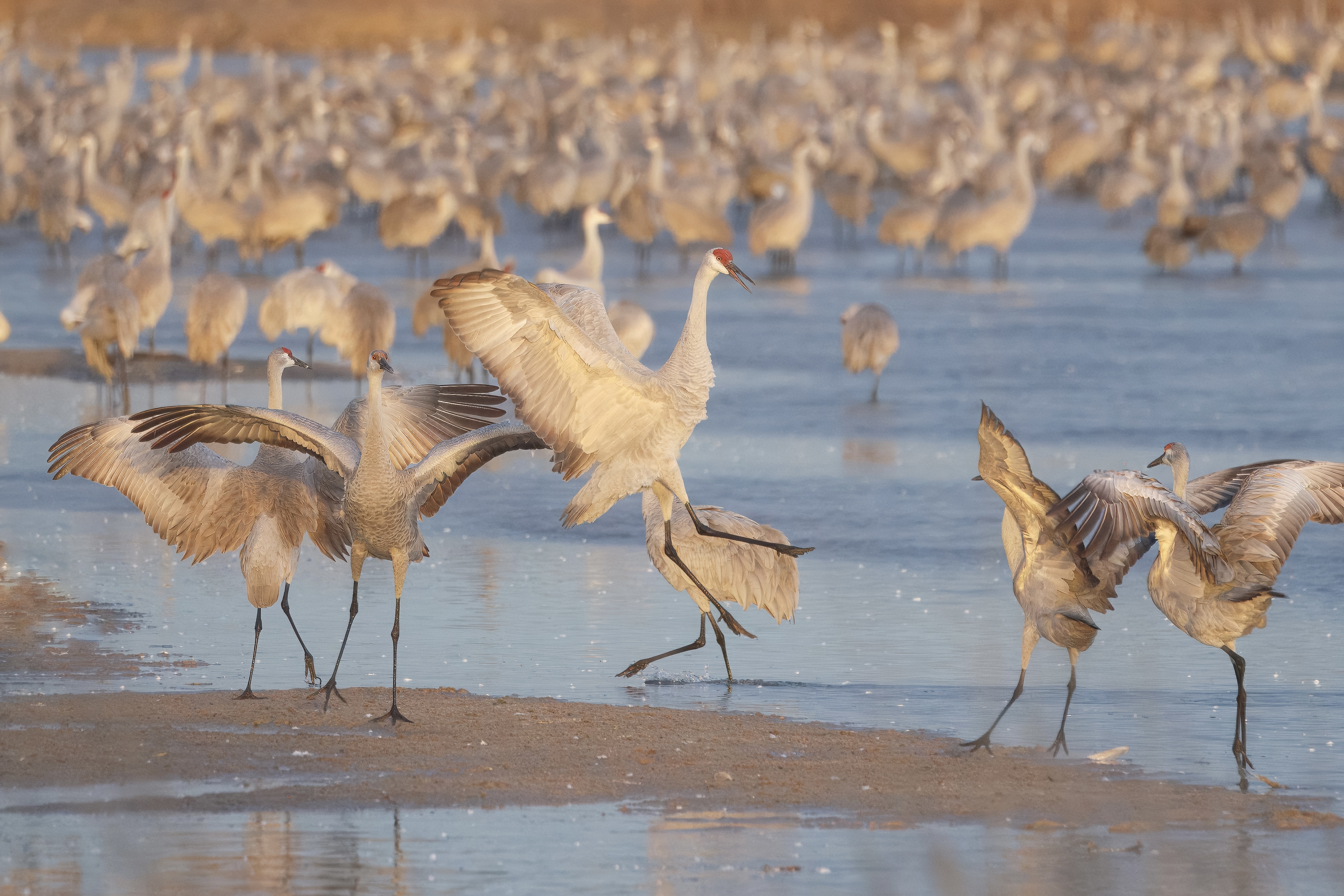
Each spring, more than a million sandhill cranes and a much smaller number of federally endangered whooping cranes stop over to rest and fuel for their long journey.
- Ramsay Canyon Preserve
-

Ramsay Canyon Preserve
Quick Look
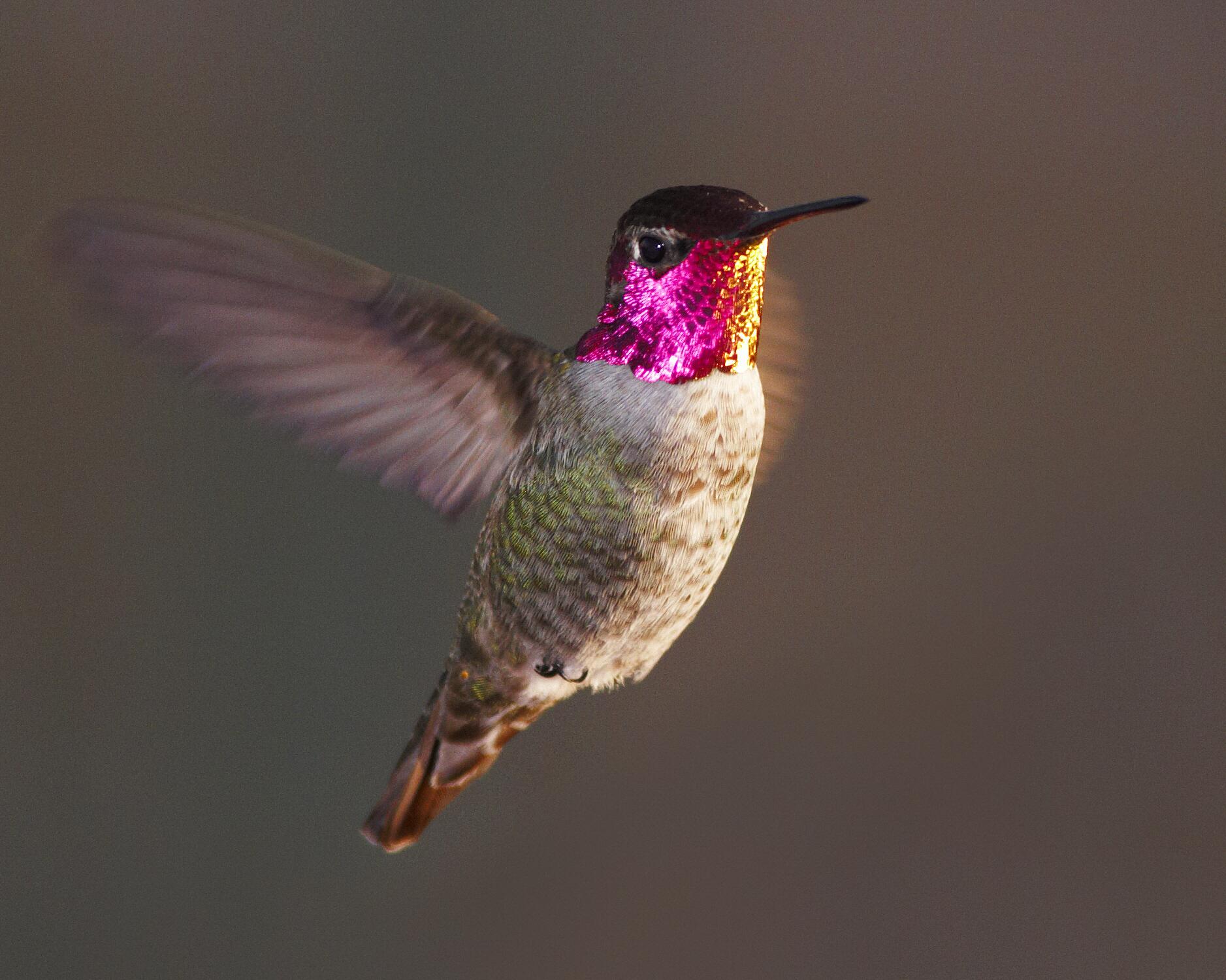
Ramsey Canyon is globally recognized for hummingbird viewing, often called the "hummingbird capital of the USA.”
- South Cape May Meadows Preserve
-

South Cape May Meadows Preserve
Quick Look
People enjoy the preserve's birder-friendly amenities, including a digital kiosk with audiovisual species guide, an 80-foot floating bird blind with identification posters and elevated observation platforms with viewing scopes.
Did you know? Prior to crossing the Gulf during annual migration—a 24-hour, non-stop flight—upwards of 2 billion (with a B) birds spend time inland, fattening up on insects before undertaking the journey. These gatherings provide a clear indicator of natural areas that are key to their survival. The places vary depending on the time of year to meet feeding, nesting, breeding and stopover needs, and they aren’t always so obvious. To meet these needs, TNC scientists work beyond program borders to benefit these globally important (and beautiful) species.
For example, in Virginia, TNC’s Volgenau Virginia Coast Reserve Migratory Bird Program works with state, federal and international partners to understand how bird populations use and depend on the Reserve’s barrier islands for survival. Our scientists use that information to guide local actions, which include managing and restoring healthy habitat to support resilient migratory bird populations. TNC also exchanges information with partners in the Western Hemisphere Shorebird Reserve Network.

Preserve Profiles
Aiken Canyon Preserve, Colorado
Named after an ornithologist, TNC’s Aiken Canyon Preserve’s location along Colorado’s front range makes it a favorite destination among birders. Ever since Charles Aiken began surveying the area in the 1870s, scientists and bird enthusiasts have documented over 170 bird species at the property. Located near Colorado Springs, the preserve offers 3.7 miles of hiking trails that lead visitors through a variety of habitats from native tallgrasses to juniper and pinyon woodlands and into forests filled with impressive Ponderosa pines. As hikers make the gradual ascent to the trail’s overlook, they have an opportunity to encounter a variety of birds from ground level to soaring high in the sky. Depending on the season, a visit can be different every time!
Arthur W. Butler Memorial Sanctuary, NY
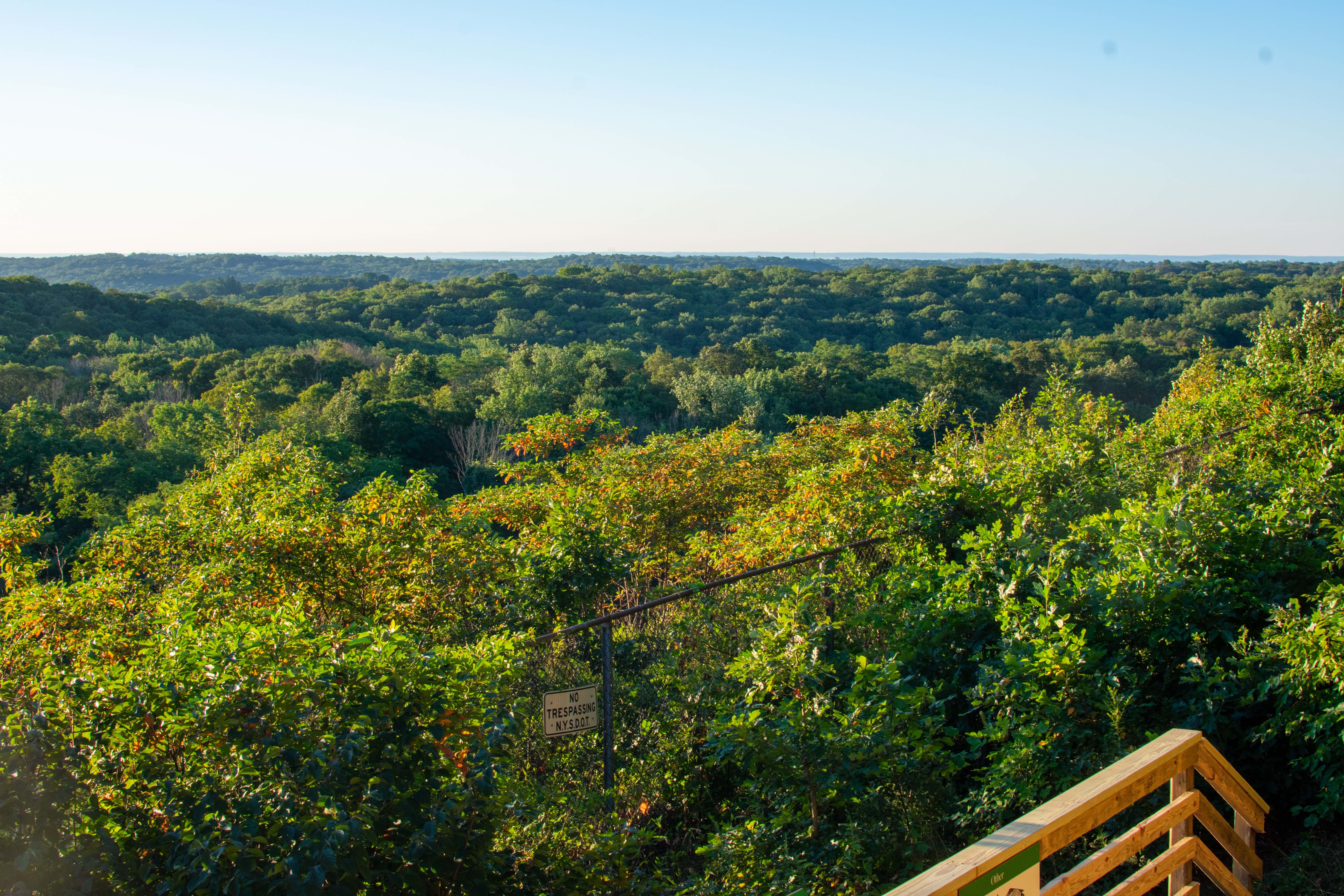
While summer brings vibrant songbirds like wood thrushes, warblers and scarlet tanagers to the forest canopy, autumn is all about raptors at the Arthur W. Butler Memorial Santuary located in Bedford, NY. Each fall, thousands of hawks, falcons and other birds of prey pass overhead. At the preserve, a .5-mile loop trail leads visitors to the Robert J. Hammershlag Hawkwatch, part of a network of such sites located across the United States. In fact, during peak fall migration, observers can spot hundreds of raptors in a single day. As an added bonus, the preserve’s interpretive materials help visitors identify species and understand the science behind migration, making it both a recreational and educational hotspot.
Blue Wall Preserve, South Carolina
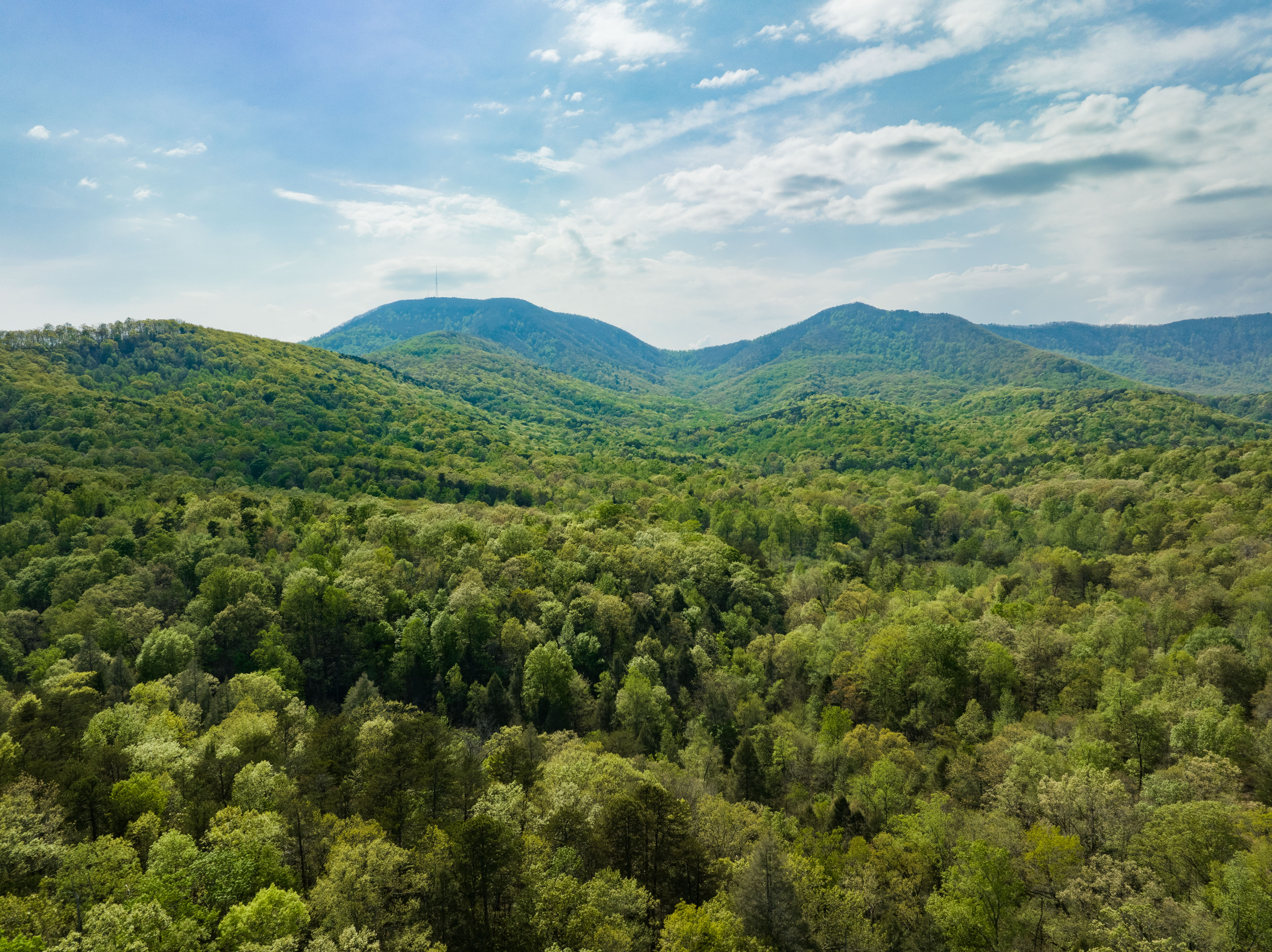
TNC’s Blue Wall Preserve is part of a larger, 20,000-acre mosaic of protected lands located between the Blue Ridge Mountains and South Carolina’s Piedmont. The escarpment, or steep slope, attracts migrating birds due to thermal updrafts—rising columns of air, heated at ground level by the sun—that help eagles, hawks, vultures and other birds soar to great heights without expending too much energy. These thermals, together with the connected network of protected lands, attracts enough birds—114 species recorded as of 2025—to have earned the preserve the designation as an Important Bird Area by the Audubon Society.
Disney Wilderness Preserve, FL
Has a bird ever landed on you while out exploring nature? This isn’t out of the question for the notoriously inquisitive and friendly Florida scrub jay known to inhabit The Nature Conservancy’s Disney Wilderness Preserve. But don’t be deterred. Endemic to Florida, they are probably just welcoming you to the only place they have ever lived. And jays residing at Disney Wilderness Preserve are especially lucky. Our conservation staff and volunteers regularly monitor their populations and collaborate with other regional Florida scrub-jay monitoring programs to stay up to date on the most effective ways to protect them. Depending on the time of year, bird enthusiasts might also catch a glimpse of a swallow-tailed kite (during spring and summer) or a bald eagle (year-round) soaring up above.
Emiquon Preserve, IL
The Emiquon Preserve’s birds, in addition to the preserve’s standing as one of the most formidable floodplain restoration projects in the Midwest, are certainly a reason to celebrate. During spring and fall migration, tens of thousands of birds traveling along the Mississippi Flyway pass through the preserve. Most notable are the snow geese, which arrive in flocks of hundreds of thousands of birds at a time. Depending on what part of the 6,000 acres a visitor explores, bird enthusiasts might also spot raptors, waterfowl, shorebirds, songbirds and grassland birds. Can’t make it in person? Keep an eye on Emiquon’s livestream and do some virtual bird watching anytime.
Heart Mountain Ranch, WY
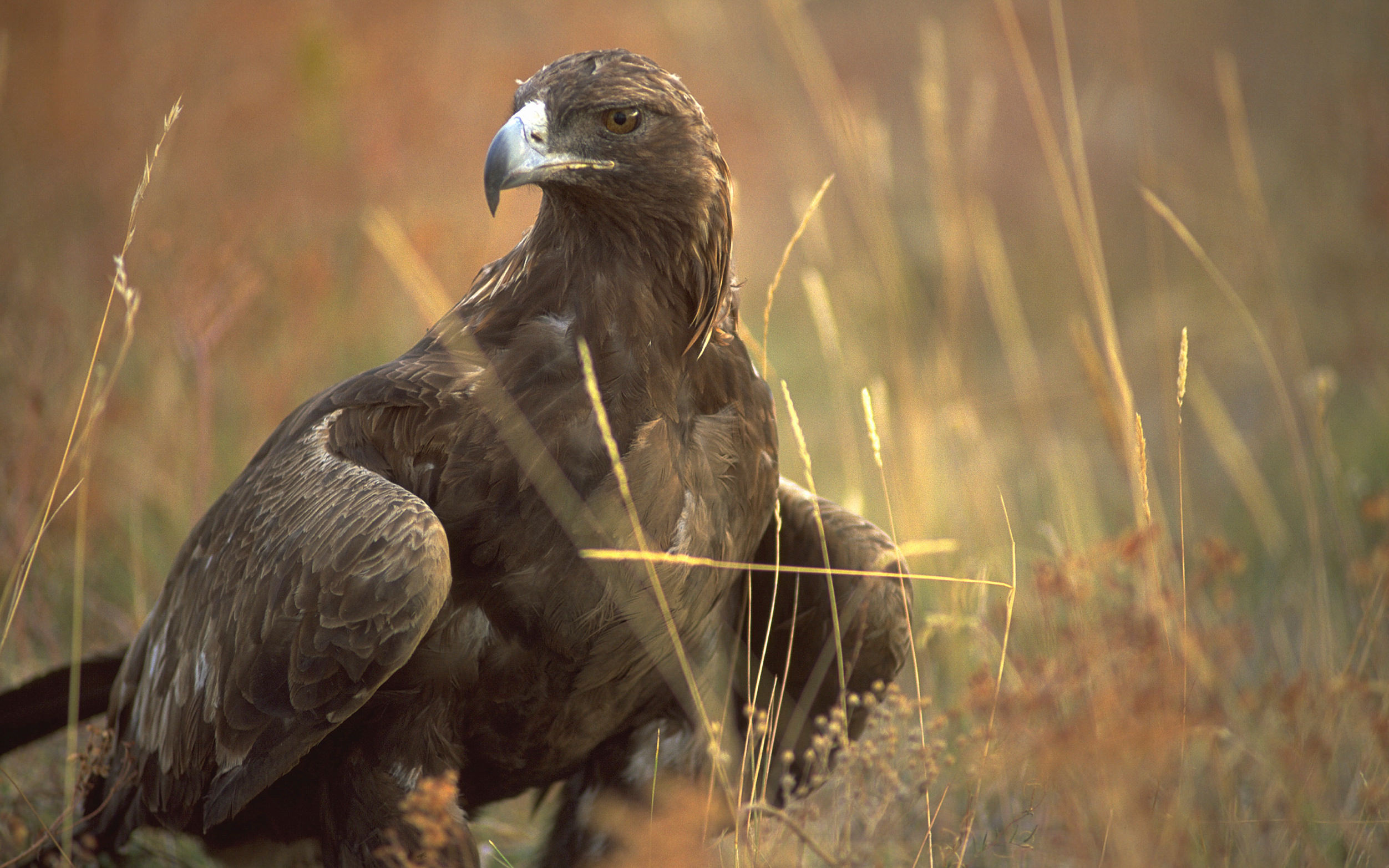
At first glance, the landscape comprising TNC’s 13,000-acre Heart Mountain Ranch Preserve might look arid and unforgiving. But this “sagebrush sea”—which in many ways characterizes the American West—is actually a diverse mix of sagebrush, bunchgrasses, wildflowers and other native plants that sustain hundreds of animal species. And there is a reason why some Shoshone Peoples called this land “Home of the Birds.” Front-and-center are the iconic greater sage-grouse, which have dwindled from as many as 16 million to less than 200,000 today. Best known for their flashy and loud spring mating dance, these ground-dwelling birds depend completely on sagebrush for year-round food and shelter. The preserve also attracts golden eagles, one of the biggest birds in North America with wingspans reaching up to seven feet, and recently peregrine falcons that build their nests on summit cliffs.
Kitty Todd Nature Preserve, OH
Located in the heart of northwest Ohio’s Oak Openings region, TNC’s 1,400-acre Kitty Todd Nature Preserve is a must-visit destination for birders — especially during fall and spring migration. This is due to a globally unique landscape of oak savanna and wet prairie that provides critical stopover habitat for a variety of migratory birds, including rare and endangered species. Situated in a region considered the “Warbler Capital of the World,” this preserve has earned its place as a stop on the Lake Erie Birding Trail and, each spring, a destination for bird enthusiasts from around the globe who flock to the area for the Biggest Week in American Birding. Throughout the year, state-threatened sandhill cranes can be found at the preserve, while others stopover during their annual journeys between the northern U.S. and Canada and southern U.S. and Mexico. Regardless of the time of year, Kitty Todd offers a quieter, but equally rewarding, birding experience for people who want to explore beyond the crowds.
Platte River Prairies Preserve, NE
TNC's Platte River Prairies Preserve is located in the Big Bend Reach—a stretch of river that is considered to be the most important migratory bird area along the United States portion of North America’s Central Flyway. Together with partners, TNC works to maintain habitat and river flows for millions of birds that visit each spring and fall. Each spring, more than a million sandhill cranes and a much smaller number of federally endangered whooping cranes stop over to rest and fuel for their long journey. In the fall, the same birds pass through again, though not in the same concentrated numbers.
Ramsey Canyon Preserve, AZ
Located in southeastern Arizona TNC's 380-acre Ramsey Canyon Preserve is located in a unique pocket where Rocky Mountain and Sierra Madre forests converge with the Sonoran and Chihuahuan deserts. The resulting gorge, carved by Ramsey Creek, creates an ecosystem that supports abundant and diverse wildlife, including a variety of resident and migratory birds that makes it a "must see" destination for birdwatchers of all ages and all levels of interest. Ramsey Canyon is also globally recognized for hummingbird viewing, often called the "hummingbird capital of the USA.” To date, 15 hummingbird species have been recorded at the preserve, including Rivoli's and Anna's hummingbirds. Of this total, about twelve species occur in an average year. The peak season for hummingbird viewing is from March through August, although there is something for every bird enthusiast to see year-round.
South Cape May Meadows Preserve, NJ
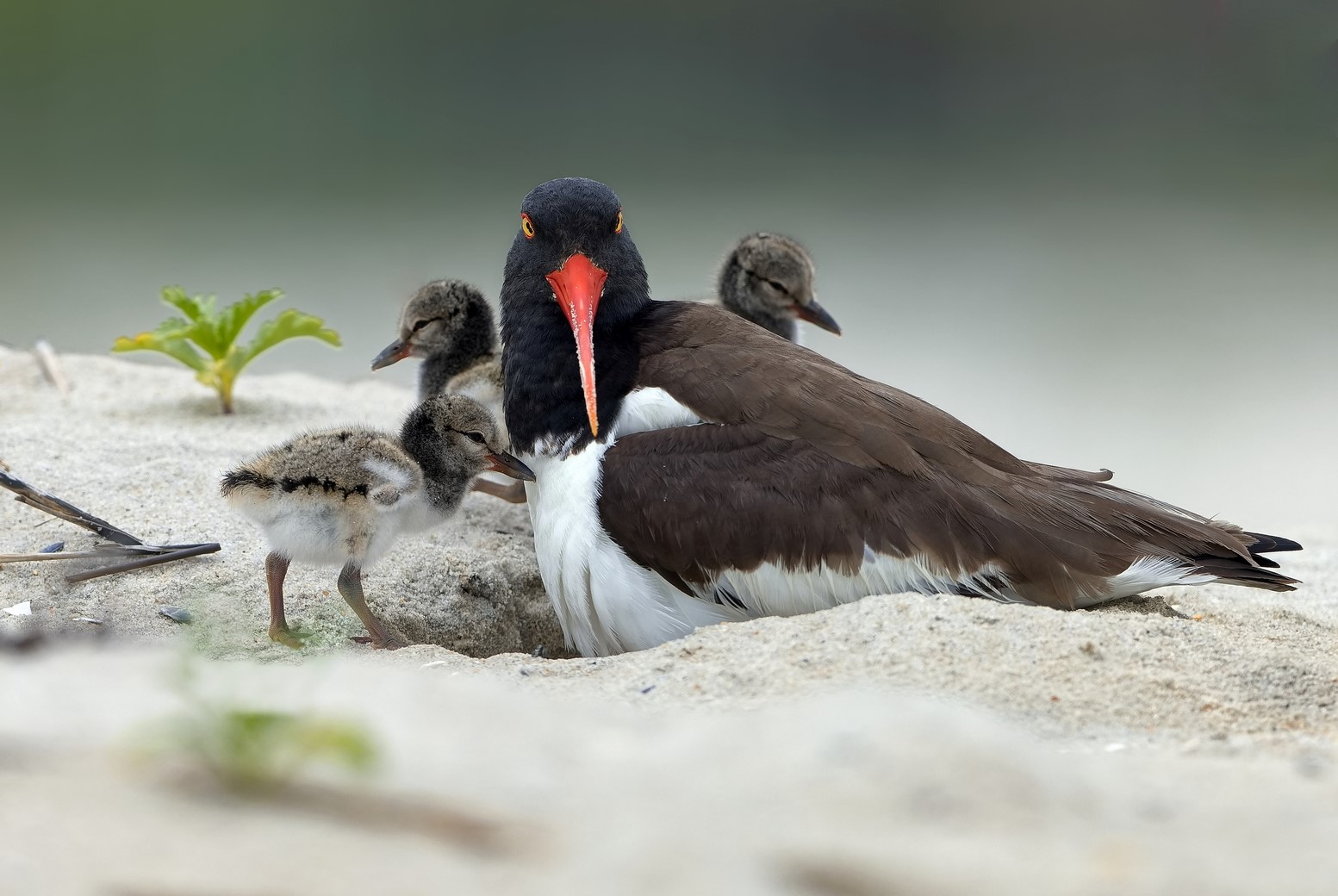
With 355 avian species spotted to date within its varied habitats, TNC’s South Cape May Meadows Preserve is a year-round bird-lover’s paradise. Warblers, raptors, waterfowl and other birds migrating along the Atlantic Flyway funnel through the narrow Cape May peninsula, stopping here to rest and feed. Fragile shorebirds like piping plovers, state-endangered least terns and American oystercatchers nest on the preserve’s mile of protected sandy beach, while purple martins nurture young in the raised birdhouses. People enjoy the site’s many birder-friendly amenities, including a digital kiosk with audiovisual species guide, an 80-foot floating bird blind with identification posters, elevated observation platforms with viewing scopes, interpretive signage, a beautiful bird mural and larger-than-life bird footprints near the preserve’s welcome shed. A special shorebird project area where TNC is using fencing, wooden decoys and recorded bird calls to confuse predators is a must-see—the preserve-within-the-preserve is New Jersey’s top producer of fledgling least terns.
Birding Resources
COOL GREEN SCIENCE . . . FOR BIRDS
The Nature Conservancy's Cool Green Science team provides additional resources for birding at one of our preserves.
- Why should you even go birding? There are many reasons why bird watching is growing as a hobby around the world.
- Learn about The Only Birding Apps You'll Ever Need, which includes the Cornell Lab of Ornithology's free Merlin Bird ID and eBird apps.
- Maybe road tripping or travel isn't your cup of tea. The good news is, you don't need to leave your backyard to enjoy bird watching.
Nature Needs You
Together, we can find a way to create a more sustainable future for both people and nature.

More about Migrations

On the Move
A podcast mini-series about wild animals, their amazing migrations and how people are finding ways to free them up from all the things standing in their way.

Wildlife In Motion
Discover how The Nature Conservancy's network of nature preserves protects hidden highways (and flyways) for wildlife.

Nature Lab
Nature Lab is our hub for youth curriculum that gives teachers, students and families customizable, interactive lesson plans to explore and understand nature.