
interstitialRedirectModalTitle

interstitialRedirectModalMessage

United States

New Jersey

Protecting the Lands and Waters of the Garden State

A sandbar shark.
Sandbar Shark True to its name, sandbar sharks prefer coastal and offshore sandy areas. © Vladimir Wrangel
Osprey chick on nest looks directly at the camera.
Uno the osprey At The Nature's Conservancy's South Cape May Meadows preserve in 2026, osprey breeding season resulted in just one chick, nicknamed “Uno,” on its nesting platform. © Damon Noe

South Cape May Meadows

Important Osprey Cam Update

July 29 Update on Osprey Chick “Uno”

Yesterday, our staff consulted with the New Jersey Department of Environmental Protection including representatives from the endangered species program regarding the osprey chick at South Cape May Meadows.

Following the discussion and having not seen either adult osprey nearby for more than 48 hours, our staff made the decision to provide fish in Uno’s nest. As of this afternoon, Uno ate a sizeable meal of fish placed on the platform and continues to be bright, active and alert.

This juvenile osprey is large and healthy and right on the verge of fledging. We hope he/she will fly and hunt independently in the coming days but for now will continue to provide daily fish with fingers crossed for a positive outcome.

It is important to recognize that nature has a delicate balance and that human intervention, however well intended, can be disruptive and cause negative results. Some would argue it is better to let nature take its course, and that often is the right option. We do not know how providing fish might affect Uno’s life journey.

At this time, we do not plan to turn the streaming osprey camera on again this season but will share Uno updates as appropriate.

Thank you again for caring so much about Uno, and please know we care just as much and are doing all we can to help.

Statement Regarding the Osprey Chick at South Cape May Meadows

At The Nature's Conservancy's South Cape May Meadows preserve in 2026, osprey breeding season resulted in just one chick, nicknamed “Uno,” on its nesting platform. TNC and the public followed along for months via streaming camera as Uno hatched, thrived and grew.

In late July, it was noted that the adult female osprey was no longer coming to the nest, and on July 28, that the adult male osprey had not visited in more than 24 hours. Concern and distress began to grow among viewers that Uno could be facing starvation.

It is not unusual for osprey parents to slow down fish deliveries when their offspring is near to fledging, and Uno was of a healthy size, condition and maturity to fledge at any moment. However, because of poor outcomes of many osprey nests this year and out of respect to Uno and viewers, we decided to cut the live feed to the nest while we address the developments.

The TNC team is deeply invested in the welfare of this young bird and will provide an update at an appropriate time. We appreciate the cooperation, support and continued concern from all of Uno’s fans.

Make a Difference in New Jersey

The Economic Benefits of New Jersey's Nature

  • Workers.

    143,000

    Jobs supported across the state

  • $17.2 B

    Lands

    Public parks and lands in New Jersey are worth $17.2 billion

  • Bird.

    $18.9 B

    Outdoor recreation spending brings in $18.9 billion annually

  • Money.

    $1.2 B

    Tax Revenue from outdoor recreation is $1.2 billion annually

Our Priorities

The Nature Conservancy’s mission is to protect the lands and waters on which all life depends, and for more than 60 years, we’ve been working in New Jersey to do just that.

Our Preserves in New Jersey

In addition to providing much-needed habitat for a wide variety of wildlife, our nature preserves in New Jersey are top-rated visitor destinations. Whether you're looking to explore pristine forests, go birding alongside freshwater marshes or conquer a mountain, our preserves have you covered.
Explore Our Preserves
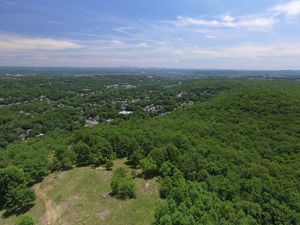
Views of New York City from a mountain summit.
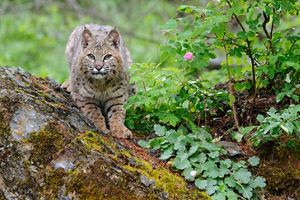
Adult bobcat on a rock.
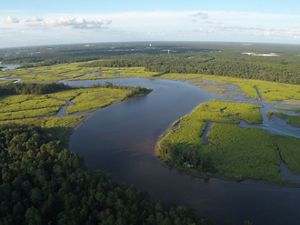
Aerial view of the Maurice River and its surrounding wetlands.
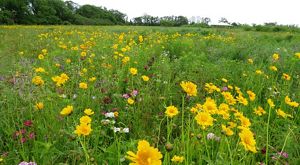
Wildflowers growing in a field.