
Smart Siting
Balancing renewable energy siting with community and conservation priorities.

To meet global energy demand while also achieving our climate goals, the world needs to triple renewable energy capacity by 2030. We need to go smart to go fast, and by integrating environmental and community information into renewable energy siting decisions, we can support rapid and responsible energy deployment.
We call this Smart Siting—ensuring renewable energy is sited in places that reduce risks and deliver benefits for people and nature.
Why Smart Siting Matters
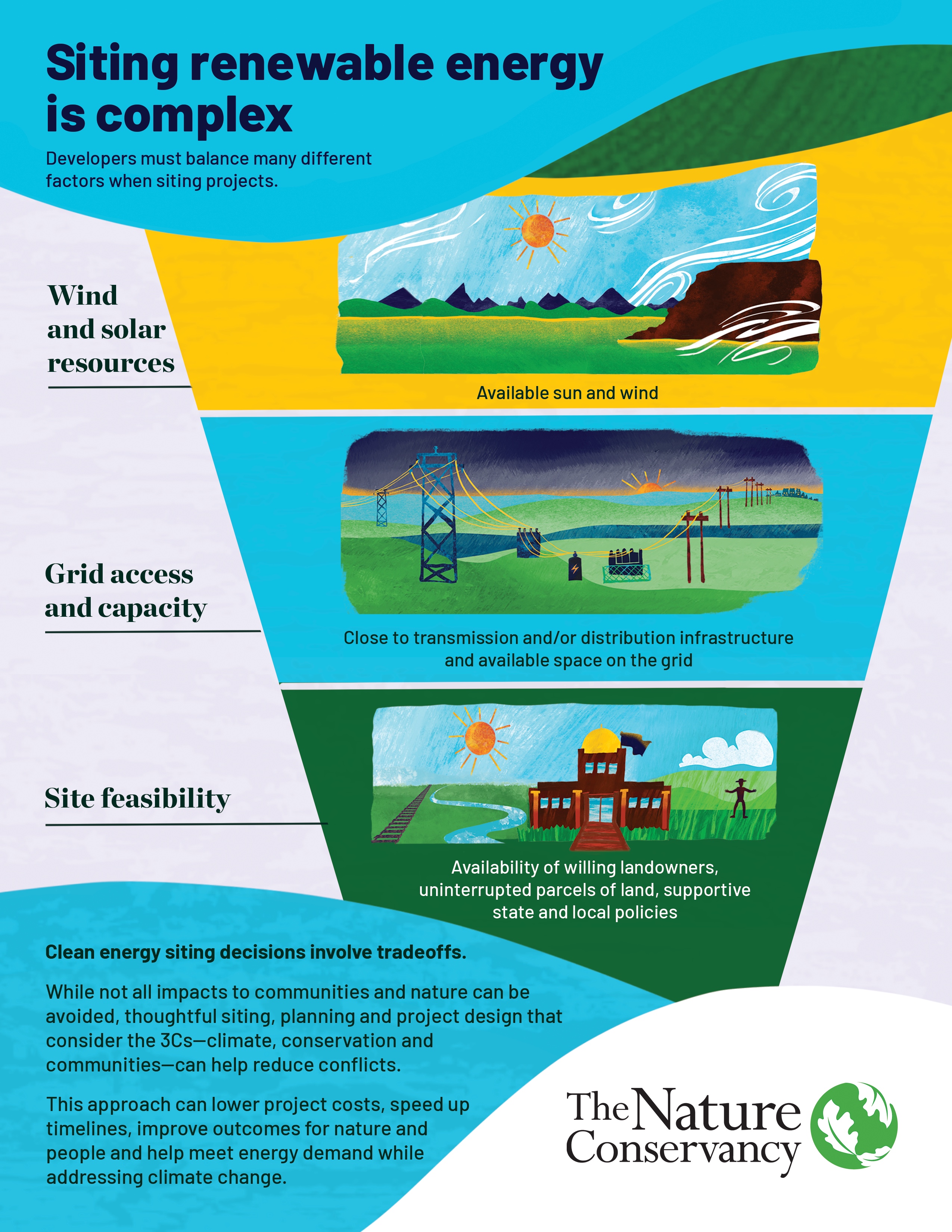
Siting renewable energy is complex


Clean Energy Transition
See all the ways we are working to advance a clean, green and equitable energy future.
Learn MoreSmart siting is the foundation for renewable energy that supports climate, conservation and communities.
Our Initiatives
TNC develops science-based maps, planning tools, resources, and partnerships that help governments, industry and communities identify the right places for renewable energy.


Smart Siting in Europe
Across Europe, TNC collaborates with policymakers, local communities, scientific institutions and industry actors to guide decisions and provide best practices.
-

Biodiversity Maps in Croatia
TNC worked with Hrvoje Požar Energy Institute to develop national biodiversity sensitivity maps to inform decision-making on solar and wind energy development.
-
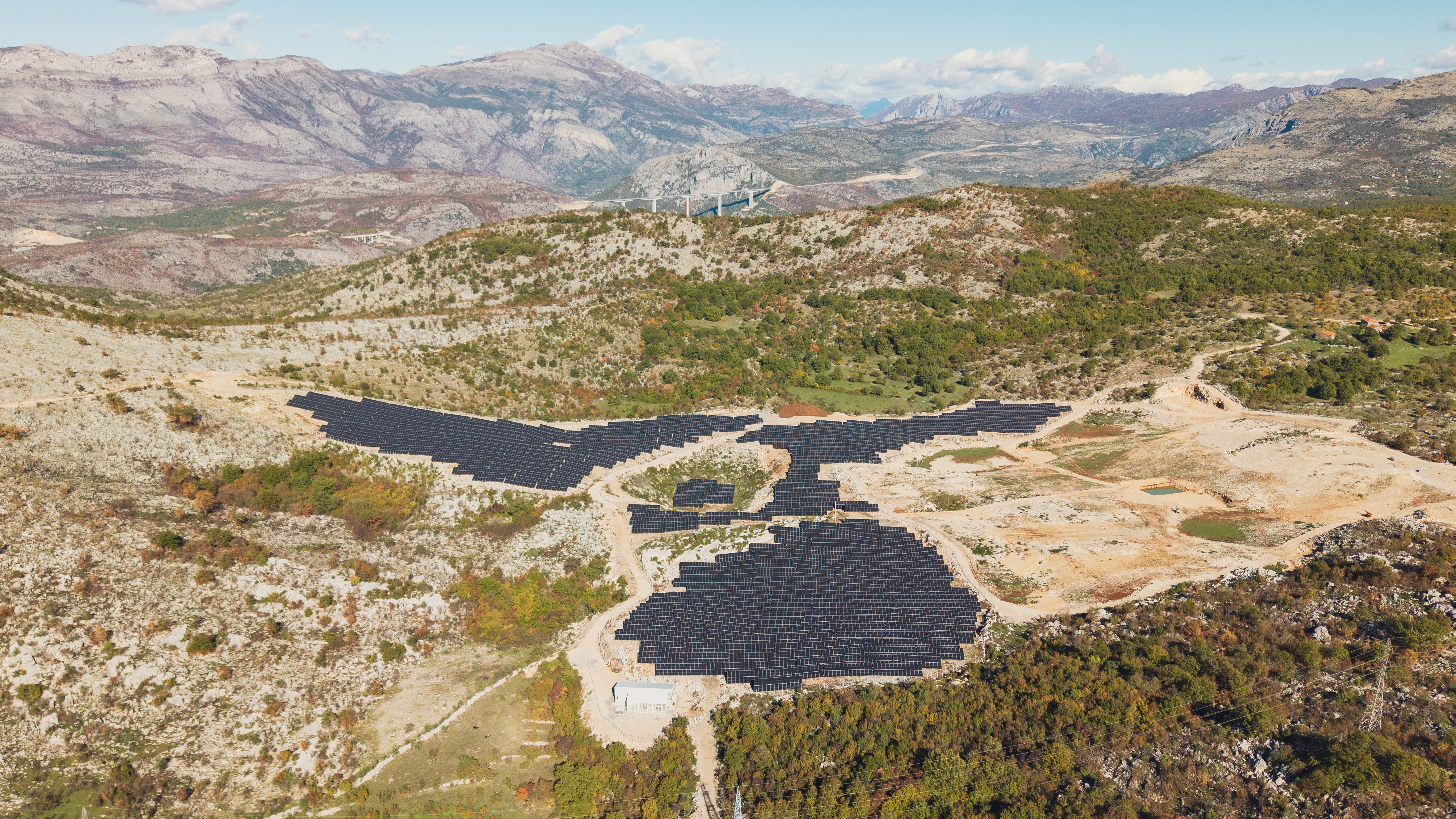
Smart Siting Guide: Montenegro
A practical roadmap to identify the optimal locations for renewable energy development while avoiding conflict with areas of high biodiversity or social value.
-

North Macedonia: A Blueprint
A blueprint for accelerating the renewable energy transition in North Macedonia, which provides a template that can be scaled and replicated across the region.
-

Smart Siting Guide: Portugal
Smart Siting Guide: Portugal is a practical roadmap for policymakers, developers and NGOs to scale and accelerate renewable energy deployment in Portugal.
-

An Interactive Map in Serbia
TNC has developed an interactive tool that pinpoints 100 locations where solar energy could be developed while minimizing impact to nature and communities.


A Smarter Path to a Clean Energy Transition Worldwide
The dual crises of climate change and biodiversity loss demand both urgency and balance. By deploying renewable energy strategically and sustainably, we can protect ecosystems, power communities and accelerate global decarbonization. TNC’s smart siting and planning tools and resources make this possible—ensuring renewable energy is built where it makes the most sense.
Related Pages

Clean Energy Transition
We no longer need to choose between abundant energy and a cleaner environment. A renewable energy revolution is happening across the globe.

Clean Energy Compass
Navigating climate, conservation and community considerations for clean energy planning.

Building Europe’s Renewable Energy Future
With smart planning, Europe can become the world's first climate-neutral continent—ensuring that both people and nature thrive.