
Great Lakes

- Phone: 517-316-0300
-
Follow



TNC & Partners
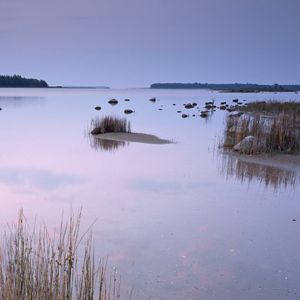
Working Together to Restore Sandusky Bay

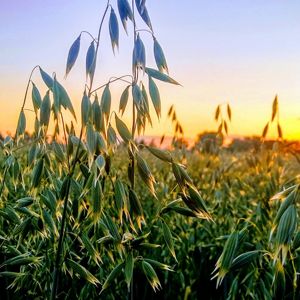
Seed to Scale in the Midwest
Small, place-based efforts through land protection, partnerships, or innovation grow over time into solutions that shape entire systems and influence work far beyond the Midwest.
Explore the Great Lakes

The Top 10 Spookiest Species in the Midwest
Discover 10 of the spookiest species haunting the Midwest—from creepy creatures to freaky fungi—and learn how they keep Midwest habitats healthy.

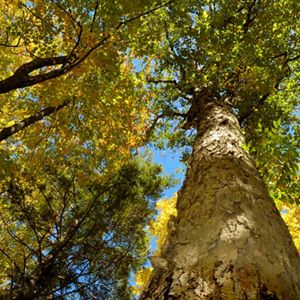
Top Places to See Fall Colors
Plan your leaf peeping adventure at TNC preserves around the Great Lakes and the Midwest.

Indiana Bats
Information on the endangered Indiana bat and what The Nature Conservancy is doing to save it.

Wisconsin’s Top 5 Must-See Fall Migrations
It’s fall in Wisconsin, and monarchs, green darner dragonflies and other wildlife are heading south for the winter. We highlight our top five must-see fall migrations.
Need to Contact Us?
We're glad you found The Nature Conservancy's Great Lakes priority page. If you need to get in contact with one of our experts or chapters, follow the link below.




See the Places We Protect in the Great Lakes
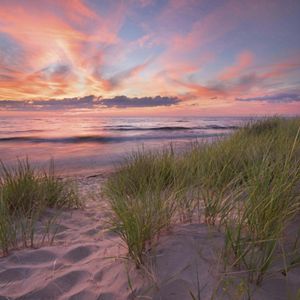
The Nature Conservancy has helped protect more than 100 sites throughout the Great Lakes, including prairies, savannas, forests, wetlands and rivers.