


45 Years of Enduring Conservation
Explore the strategies that have shaped our conservation work.

Lasting protection
-
The long-term protection of the 133,000-hectare Fundo Puchegüín, in Chilean Patagonia, represents a historic conservation milestone—one made possible through the joint efforts of a coalition comprising Puelo Patagonia, The Nature Conservancy, the Freyja Foundation, Patagonia Inc., and the Wyss Foundation.
-
The Valdivian Coastal Reserve (Chile) was acquired in a public auction in late 2003, following the bankruptcy of a forestry company. Since then, The Nature Conservancy has managed the reserve, working closely with nearby fishing villages and Indigenous communities to maintain traditional land uses and foster economic development that is compatible with conservation.
-
Amidst growing threats from agricultural conversion and climate change, 68,000 hectares of savanna are now protected following the establishment of Manacacías National Natural Park in Colombia, which connects the Orinoquia region with the Amazon. The Nature Conservancy supported the creation of this national park, with a generous $5 million contribution from American donors, including the Wyss Foundation and Art into Acres (via Re:wild).
-
In 2021, The Nature Conservancy and its partners finalized a $76.5 million agreement to protect 95,505 hectares of tropical rainforest, known as the Maya Forest of Belize. Together with the adjacent Rio Bravo Conservation and Management Area—which TNC helped establish in 1989—this forest will serve as the foundation for a 4,451,542-hectare network of protected lands, equivalent to nearly one-third of the entire Maya Forest.
Innovating for the world
-
The municipal water utility, EPMAPS, joined forces with The Nature Conservancy in 2000 to launch the world’s first Water Fund—also known as a watershed investment program—an initiative through which water users pay for conservation activities that protect water sources.
-
The FishPath program—launched by TNC and developed in collaboration with the U.S. National Oceanic and Atmospheric Administration (NOAA) and Australia’s Commonwealth Scientific and Industrial Research Organisation (CSIRO)—serves as both a guiding approach and a decision-support tool, helping fisheries with limited data and capacity to move toward sustainability.
-
Ecuador’s first debt conversion took place in 2024, with the support of TNC’s Nature Bonds program. The transaction is expected to secure approximately $460 million to support the Amazonian Biocorridor Program (BCA) in the conservation of terrestrial and freshwater ecosystems in the Ecuadorian Amazon—the largest amount ever raised for conservation through a debt conversion. This marks the first initiative under TNC’s Nature Bonds program focused on terrestrial ecosystems, and it is the largest such initiative to date.
-
In November 2021, the Conservancy, along with global investment bank Credit Suisse and the U.S. International Development Finance Corporation, helped restructure $553 million of the country’s debt—ultimately reducing the principal by $250 million in the process. Over the next 20 years, as Belize pays down its new, more favorably termed loan, the savings are expected to generate $180 million to support in-country marine conservation. An endowment established through the transaction is designed to finance marine protection after the loan is repaid.
-
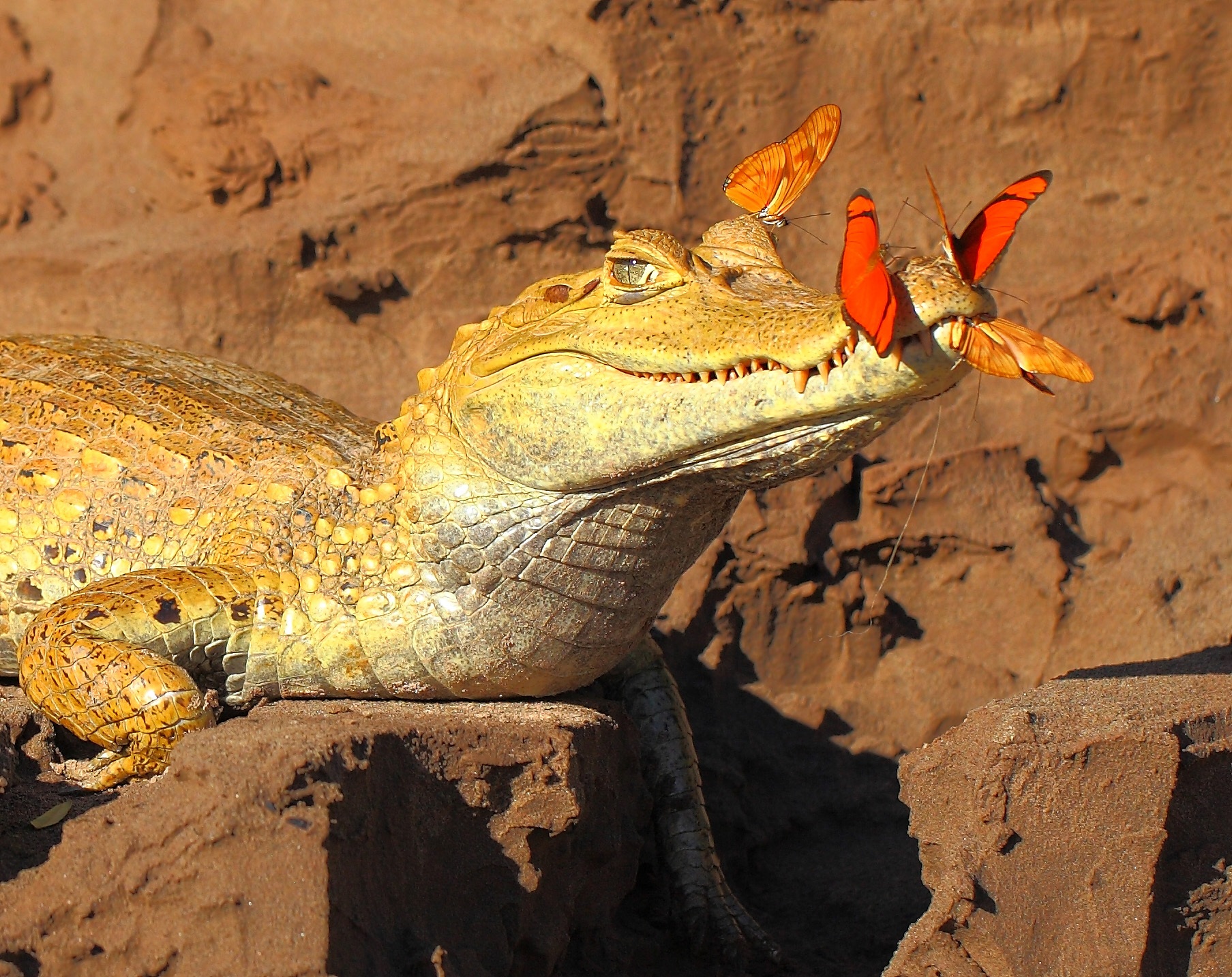
In Quintana Roo, TNC brought together fishers, hotel owners, tour operators, government representatives, developers, coral specialists, and university researchers to restore coral reefs. As an initial boost to this initiative, TNC led the training of the first brigade of reef-repair divers.
Produce and preserve
-
Regenerative agricultural systems seek to improve natural conditions while meeting human demand for water and food; they generate benefits such as greater climate resilience for ecosystems, an increase in and better conservation of biodiversity and natural resources, and higher productivity.
-
In 2016, Fortín Chacabuco was partially donated to TNC to become an open-access conservation ranch dedicated to the development, implementation, and dissemination of science-based sustainable grazing practices. Applied research has been conducted there to protect ecosystems and their biodiversity.
-
VISEC is an Argentine socio-environmental traceability platform that brings together all stakeholders in the soy and beef value chains; it is an initiative of TNC Argentina, the Argentine Chamber of the Oil Industry (CIARA), the Cereal Exporters Center (CEC), and Peterson.
-
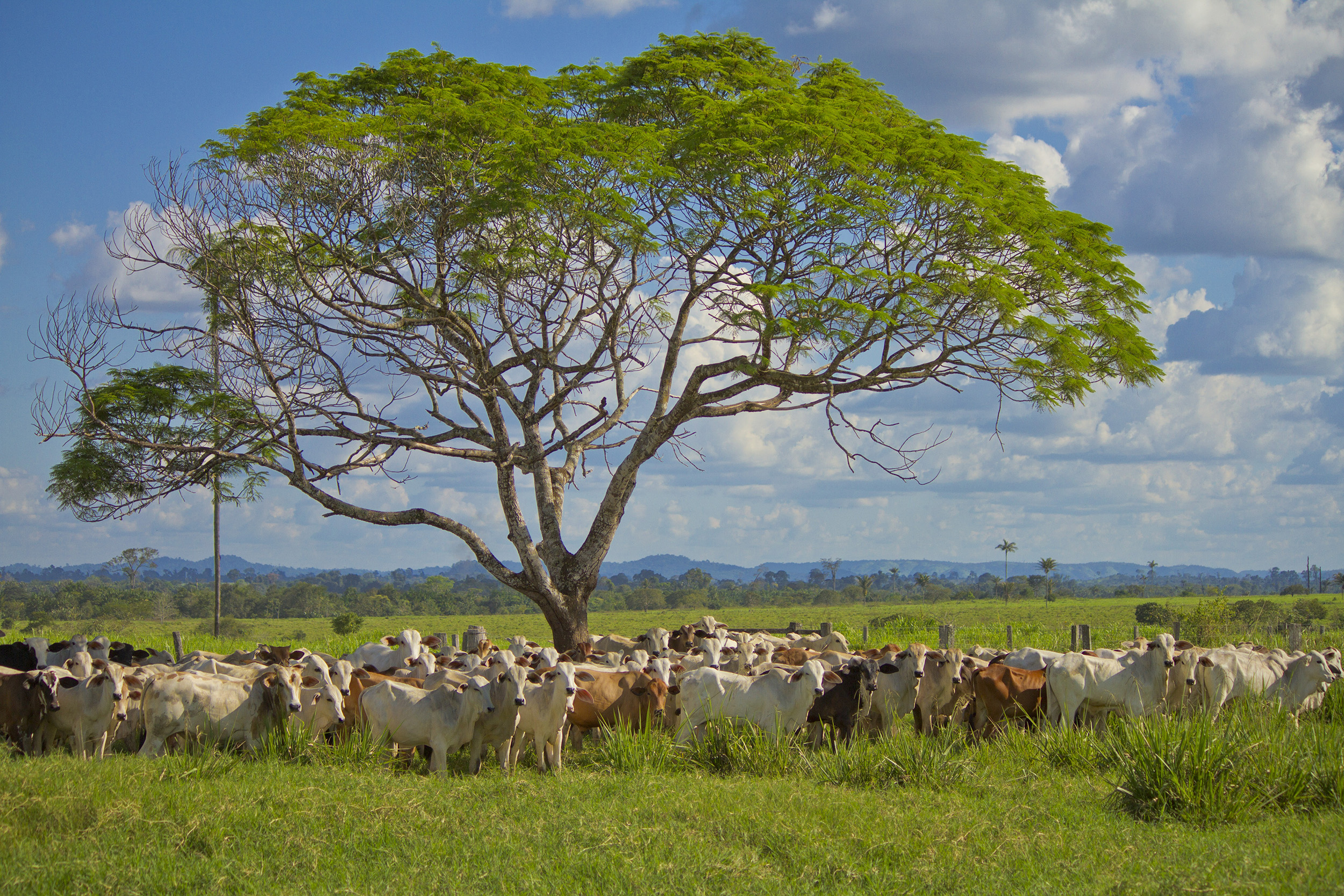
The Sustainable Livestock Program of Pará, which allows each animal to be identified and monitored individually, during all stages of its life. Even small producers with fewer than 100 animals can receive the individual identification service for free, thanks to a partnership between TNC and the state government.
Conservation policies
-
In the early 2000s, the Payment for Environmental Services (PES) model began to be designed and implemented in Brazil—a strategy that seeks to provide financial rewards to those who supply nature-based services, such as water provision, carbon sequestration, and the maintenance of biodiversity. In Brazil, this mechanism became known for compensating farmers and rural landowners who preserve remaining forest patches and water sources, thereby contributing to water production. TNC Brazil, working in coordination with various partners, spearheaded this process in the country, collaborating on the design of the first PES pilot projects focused on forest conservation and restoration.
-
The Rural Environmental Registry (CAR) was tested through projects led by TNC and its partners, implemented as public policy—initially by the states of Mato Grosso and Pará—and subsequently adopted at the national level through the new Forest Code. Today, the CAR serves as a key driver not only for the formalization of rural properties but also for fostering an environment for the effective management and conservation of natural resources within a productive and prosperous agricultural landscape.
-
The National Policy for the Environmental and Territorial Management of Indigenous Lands (PNGATI, by its Portuguese acronym)—Brazil’s primary policy for Indigenous peoples—is designed to ensure their well-being and territorial protection. Established in 2012 following an extensive consultation process that involved 150 Indigenous groups, it now stands as one of the country’s most advanced public policy instruments. The foundation of the PNGATI is the premise that Indigenous territories can only fulfill their conservation and livelihood functions if they are physically protected against incursions, ensure food and health security for their inhabitants, and function as economically viable entities.
-
In Guatemala, TNC was involved in efforts that led to the passage of legislation establishing the Guatemalan System of Protected Areas (SIGAP). It also promoted the creation of the Maya Biosphere Reserve and supported the development of its first management plan.

45 years of history in the region
Explore accounts from those directly involved, along with a detailed timeline of TNC’s work in Latin America.

Global Insights.
Check out our latest thinking and real-world solutions to some of the most complex challenges facing people and the planet today.
Our Impact in the Region

Living soils that feed the world
Producing food while regenerating Latin America’s strategic landscapes.

Inspiration from the heart of Climate Action
Latin America is key to achieving global climate goals. We work alongside the actors at the heart of the transformation, advancing a future where nature and people thrive together.

A Radical Collaboration in Chilean Patagonia
Conserva Puchegüín, a coalition of diverse members, joins forces with the community of Cochamó, behind the single goal of keeping this landscape strong and productive for both people and nature.