

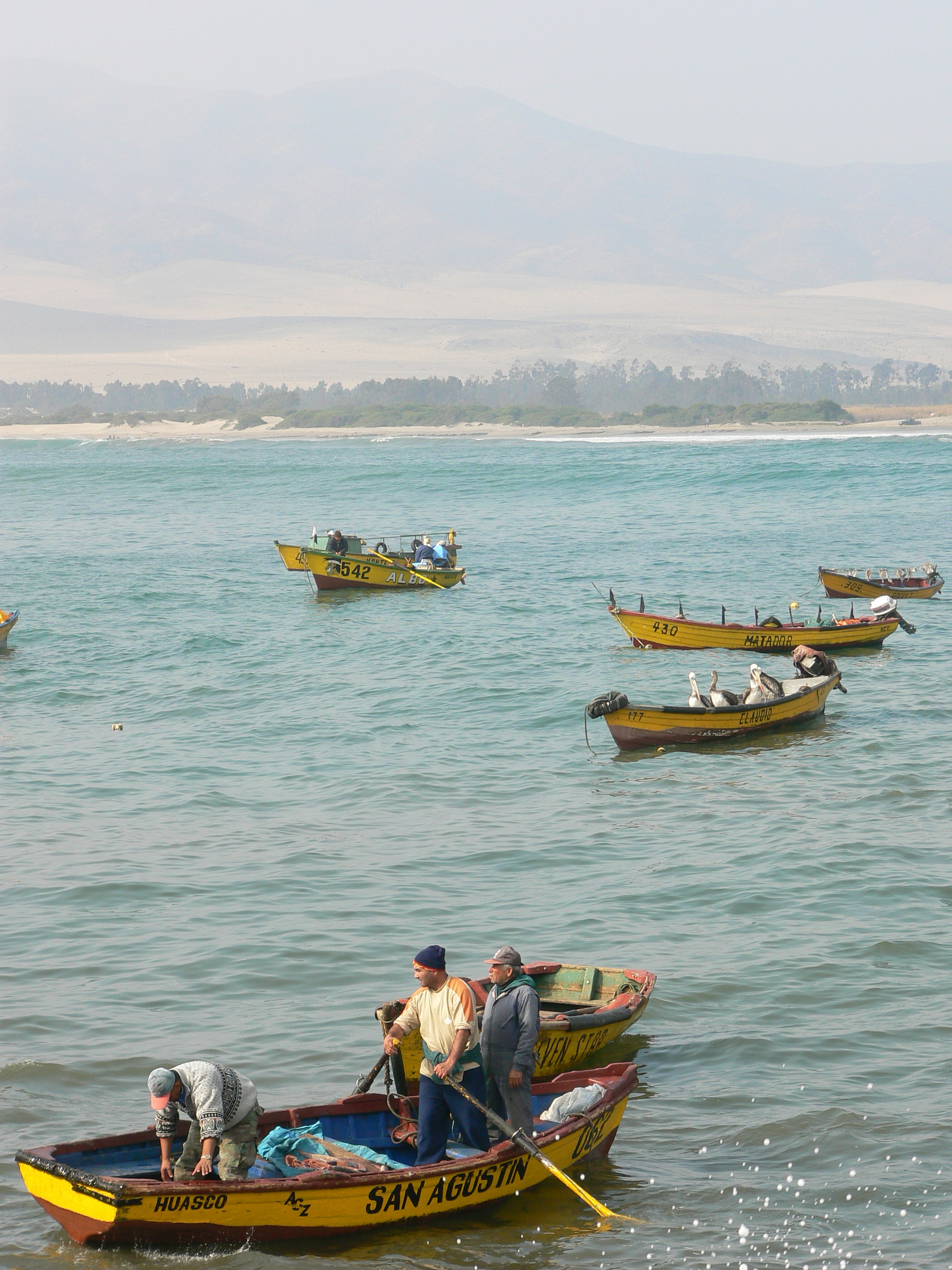
Ancón, Peru Drone photograph showing the colorful fishing boats that fill the harbor in Ancón, Peru. © Jason Houston
Where Oceans and People Meet
Marine fisheries are the beating heart of coastal ecosystems and economies. From nearshore species like octopus and lobsters to large and small fisheries like flounders, cod, snappers, sardines, and halibut, coastal fisheries employ more than 90% of the world’s fishers and deliver 40% of the global fish catch—often in developing nations where seafood is essential for food security, livelihoods, and daily life.
Setting Fisheries on the Path to Sustainability
Learn more about how FishPath works and read additional case studies.
Visit the FishPath WebsiteDespite their importance, many of these fisheries are largely unmanaged. Limited data, funding, and technical capacity make it difficult to track coastal fish populations or maintain sustainable limits. This has contributed to overfishing, habitat damage, species loss, and declining stocks, which collectively cost the global economy an estimated $80 billion each year.
A decade ago, residents of the small coastal town of Ancón, Peru, were experiencing these challenges firsthand. Local fishers were returning each day with smaller hauls of their target catch—octopus, sea snails, and crabs—meaning less income for their families. Determined to turn things around, these fishers chose a different path, coming together to try new, voluntary measures to restore their fisheries. That commitment connected them with TNC and to an innovative approach called FishPath, which would transform their future and the future of fisheries around the world.
Our Impact
-

20+
countries applying FishPath
-

150+
species with management solutions introduced
-

200,000
fishers and fishing-dependent people supported
-

180M
hectares of ocean better safeguarded
Turning Complex Science into Practical Choices
Launched by TNC and developed in partnership with the U.S. National Oceanic and Atmospheric Administration (NOAA) and Australia’s Commonwealth Scientific and Industrial Research Organisation (CSIRO), FishPath is both a guiding approach and a decision-support tool that helps move data- and capacity-limited fisheries onto a path of sustainability.
Rather than offering a one-size-fits-all solution, FishPath works with individual fisheries to design dynamic, customized solutions that fisheries managers and fishers can understand, trust, and implement. By including all stakeholders—fishers, scientists, and government agencies—it takes into account all available information (including scientific data, local knowledge, and community priorities) to answer key questions about a fishery and what's needed to manage it sustainably and equitably.

This collaborative engagement process informs the development of a comprehensive management plan tailored to a specific fishery. Each plan incorporates harvesting practices, training and capacity building, new tools and technologies, relationship building, and recommended policies and regulations—all of which are designed to evolve over time in response to changing conditions.
Since 2016, FishPath has been applied in more than 20 geographies, improving the management of 180 million hectares of ocean, bolstering outcomes for more than 150 species, and supporting 200,000 fishers and fishing-dependent people. But the impact extends far beyond these metrics; healthier coastal fisheries mean healthier marine ecosystems, stronger livelihoods and incomes, more reliable access to food, and improved resilience to climate change.
The FishPath approach has proven time and time again that the historical stalemate between fishers and fisheries managers can be bridged, and that together we can move fisheries towards sustainability.
Scaling Success: FishPath Case Studies
Chile Leads the Way in Protecting High-Biodiversity Value Fish Species Through National Regulations
Chile's coastline—which forms part of the Humboldt Current—is home to one of the most productive fishing areas and richest marine ecosystems in the world. Though the country is known as a pioneer in fisheries co-management, overfishing and illegal fishing continue to threaten coastal livelihoods and biodiversity.
In February 2025, Chile adopted its first official regulations for 17 previously unmanaged marine fish species in the recreational sector. By guiding the decision-making and collaborative planning process, FishPath helped align stakeholders and address existing data limitations via new assessments of targeted species, improved data collection protocols, and stronger coordination across agencies. This in turn enabled the development of clear, science-based rules around the minimum catch sizes and limits on the allowable harvest for each species. To support the implementation and durability of Chile's management plan, TNC also built technical capacity among agency staff through trainings and workshops.
These regulations, relationships, and skills help protect vulnerable species, sustain critical fish populations, and enhance the experience for thousands of recreational and commercial fishers—all while strengthening long-term stewardship of Chile’s marine life.
FishPath’s collaborative process—uniting government, science, and civil society—transformed limited data into actionable regulation, setting a historical milestone in the regulation of recreational marine fisheries in Chile.
Local Stewardship Takes Center Stage in Peru’s Fisheries Reform
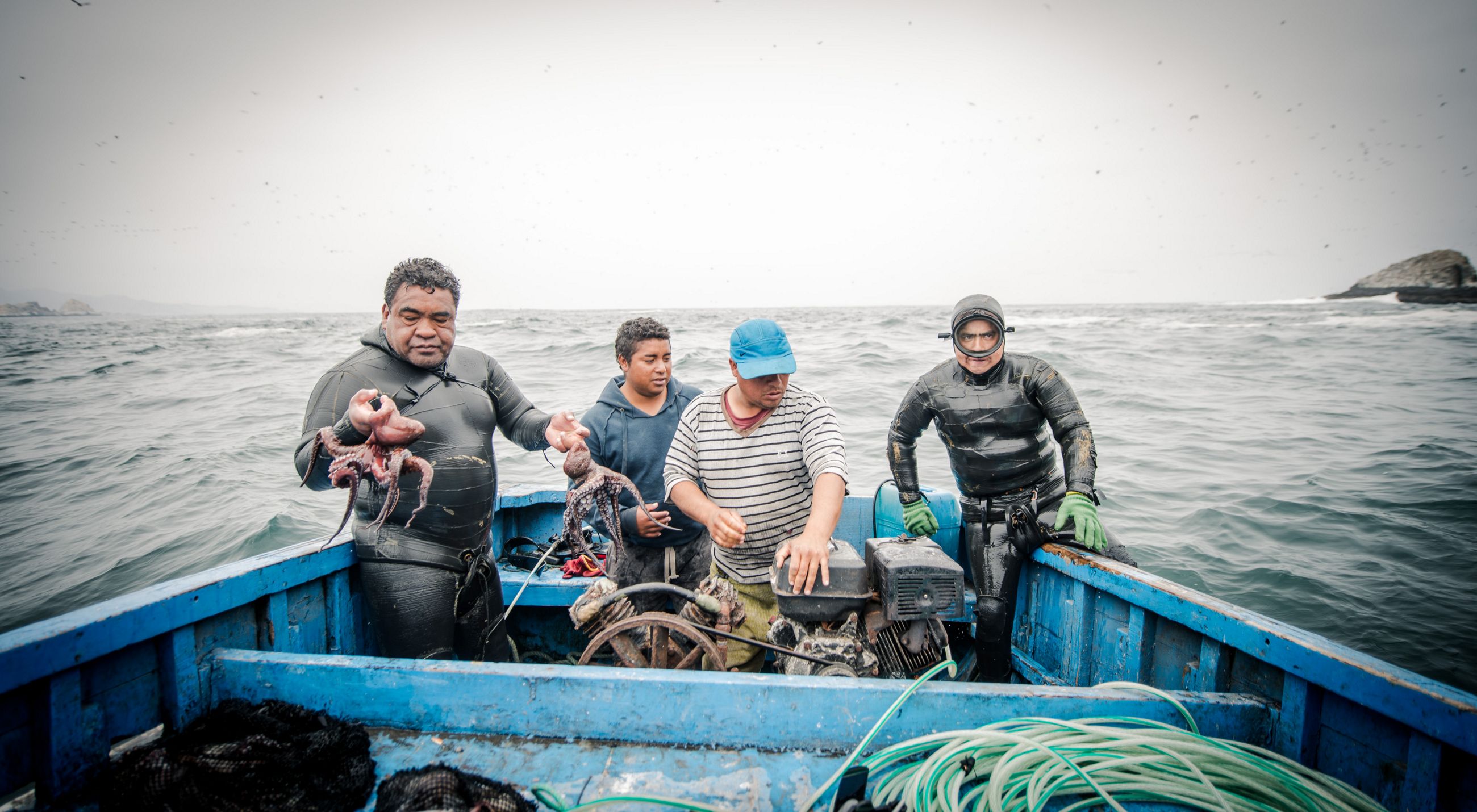
Peru’s 2021 approval of its first national regulation for benthic fisheries—species living on or near the seafloor, such as shellfish and octopus—marked a major step forward in sustainable management. Joining rigorous science and community perspective, the regulation is grounded in local realities.
Extensive consultations were conducted to help ensure the needs and interests of fishers across the Peruvian coast were incorporated into the final regulation, strengthening both its relevance and legitimacy. FishPath also bolstered the technical foundation for decision-making by improving existing stock assessments, introducing new data-limited assessment approaches, and supporting the formation of a dedicated technical working group for benthic fisheries. At the same time, targeted capacity building equipped approximately 50 agency staff and 25 benthic divers/fishers with the skills needed to collect data, apply management tools, and advance implementation on the water.
At its core, the policy establishes a co-management system, granting exclusive access rights to local fishing associations and splitting management responsibilities among those associations, regional authorities, and the national government. In cooperation with one another, these groups are implementing locally developed and agreed upon rules around access to the fishery, sustainable harvesting measures (including catch limits, size limits and spawning period closures for key fisheries) and monitoring and evaluation. The success of Peru's approach shows that when those closest to the water lead stewardship, commitment grows stronger—and results last.
FishPath’s application to critical fishery resources in Peru has made it possible for us to advance the assessment of data-limited fisheries, reduce uncertainty, and put in place management recommendations.
Securing the Future of Conch: The Bahamas Charts a Sustainable Path
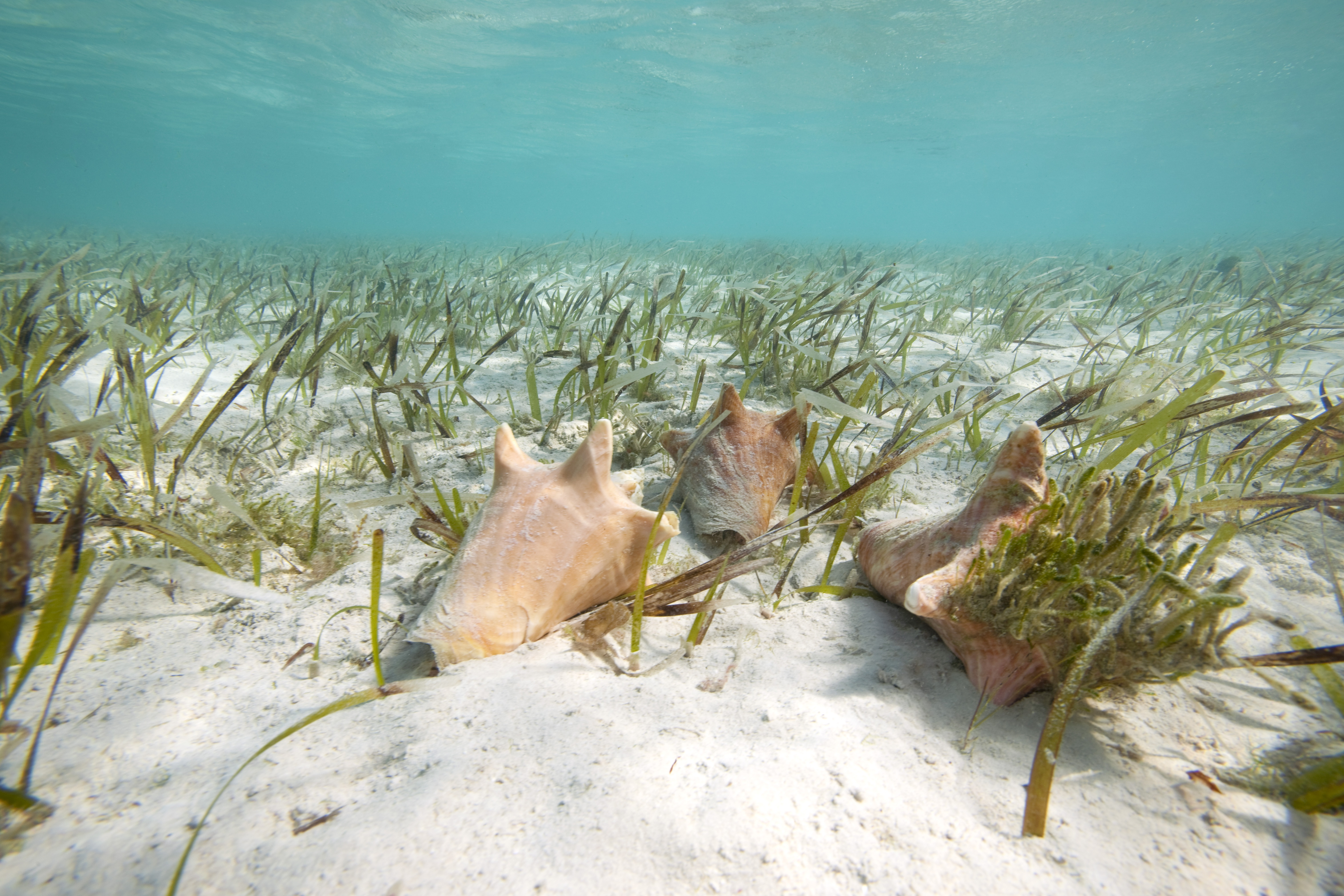
Queen conch is central to Bahamian identity, cuisine, and economy, employing more than 9,000 Bahamian fishers and contributing an estimated $3-4 million annually to the country’s GDP. But decades of heavy fishing and habitat degradation have put significant pressure on this iconic species.
Using the FishPath approach, fisheries, scientists, and government agencies combined science and on-the-water-knowledge to change this trajectory. During outreach and capacity building programs across multiple islands, stakeholders built a shared understanding of conch biology and sustainable harvesting practices. These exchanges helped close critical knowledge gaps while fostering trust and community buy-in.
With these tools and relationships in place, The Bahamas developed and adopted its first conch management plan in 2024 and, for the first time, implemented an export ban to safeguard the resource for local communities. Together, these steps establish a path toward sustainable management for queen conch across the country, rebuilding populations while sustaining a vital part of Bahamian culture.
FishPath has helped to organize our available information from many studies, expert consultations, and data collection efforts, as well as point us in the direction we need to go.
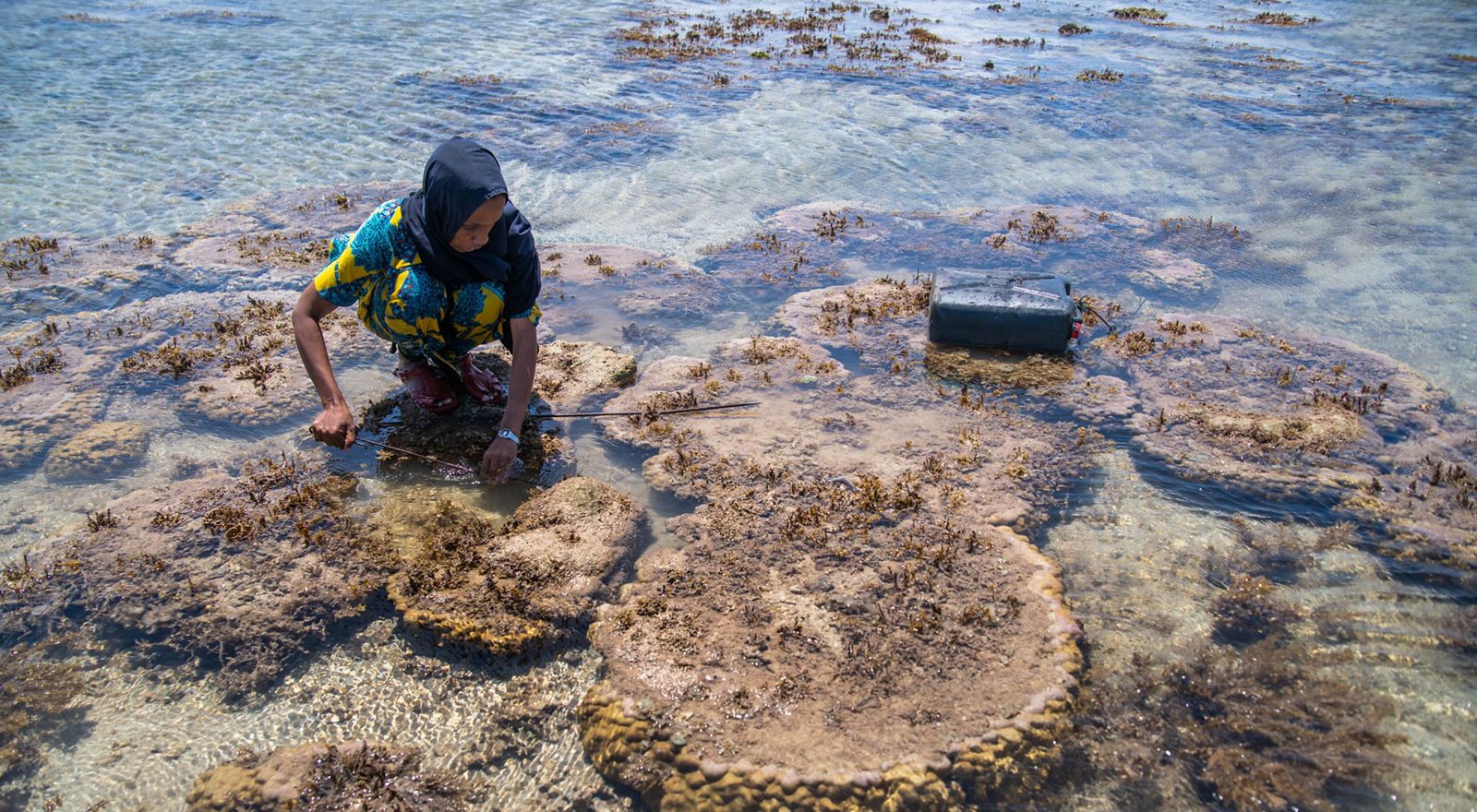
Balancing Demand and Sustainability: Octopus Harvest Strategies in Kenya and Tanzania
Global demand for octopus has surged in recent years, increasing pressure on coastal ecosystems, local food security, and livelihoods—especially for the many women involved in harvesting, processing, and selling octopus. These small-scale, reef-based fisheries are among the most valuable export fisheries in the Western Indian Ocean. However, limited data and the unique characteristics of octopus have made sustainable management difficult. Octopus are short-lived and fast-growing, and their populations are highly variable depending on environmental conditions. Because these characteristics make traditional fishery models and management difficult to apply, octopus fisheries call for a more targeted, specialized approach.
FishPath guided the creation of the first-ever harvest strategies for octopus in Kenya and Tanzania, which are now undergoing government review and stakeholder consultation. These strategies aim to strengthen monitoring, ban coral-damaging fishing gear like iron rods, establish science-based closures, and adjust catches so octopus can spawn and replenish, helping ensure the fishery remains both sustainable and equitable.
FishPath has transformed stock assessment from complex scientific language into practical, user-friendly knowledge. This has enabled communities to better understand their resources, make informed decisions, and take the lead in managing their fisheries sustainably.
The Next Wave: FishPath Driving Durable Fisheries Management Worldwide
As FishPath enters its second decade, our focus is on scale and staying power.
We’re charting a course to embed the FishPath approach into ocean conservation policies and pursuing new, sustainable finance mechanisms to drive more resources towards fishery management. This means area-based conservation and sustainable use will work hand-in-hand, transforming conservation from paper into practice.
We’re also deepening efforts in current geographies and expanding into regions with high potential, such as the Mediterranean, Latin America, and North America. Through partnerships, digital tools, and new training programs, FishPath continues to empower communities and governments to manage fisheries sustainably—supporting oceans that can nourish both people and nature for generations to come.
For more than a decade, FishPath has been transforming how fisheries are managed—providing practical, science-based approaches that support communities and governments to make informed decisions.
More Fisheries Stories

FishPath
FishPath is an engagement process and online decision-making application that the Conservancy and partners have developed to help select the best options for assessing and managing for any fishery in the world.

A Healthy Ocean Depends on Sustainably Managed Fisheries
The Nature Conservancy brings innovative solutions and science to global fisheries challenges, ensuring healthy marine and freshwater ecosystems and thriving communities.

Climate-Ready Fisheries Can Restore Ocean Health
Explore how fisheries staff at The Nature Conservancy are using science and collaborative projects to ensure healthy oceans and climate-ready fisheries in North America and around the world.