

North America Regenerative Crop Systems

The Nature Conservancy is committed to building a resilient food system that benefits both people and the planet.
Guided by science, we are collaborating throughout the food and agriculture industries—from working lands to boardrooms and Capitol Hill—to advance solutions that benefit climate and nature while supporting farmers and communities.

Modern agriculture has made remarkable strides, but it’s come at a cost to people and nature. Farming contributes nearly one-third of global greenhouse gas emissions and drives habitat loss, water pollution and biodiversity decline. At the same time, farmers face mounting pressures—from extreme weather events and rising costs to labor shortages and market instability.
Science shows that regenerative practices like cover crops, reduced tillage, vegetated buffers and agroforestry can restore ecosystems, strengthen farm resilience, and deliver long-term benefits for communities and the planet. The urgency is clear—and the opportunity is now.
Quote: Ryan Stockwell, PH.D.

Now more than ever, it’s vital that we support farmers in building resilience to financial, political and climate shocks through regenerative practices that benefit people and the planet.
Our Goals
By 2030, TNC’s North America Regenerative Crop Systems strategy aims to improve environmental outcomes from 50% of U.S. row crop acres through widespread adoption of in-field and edge of field practices.
We estimate that pursuing our goal will achieve the following outcomes.
-

50M
Avoid or sequester 50M metric tons of CO2e per year.
-

1.67M
Boost water quality in 1.67M hectares of the Chesapeake Bay, Gulf, and other lakes and coastal zones.
-

261K
Improve the health of 261K kilometers of rivers and streams.
We have years, not decades, to achieve our conservation targets. Advancing regenerative agriculture is essential to reversing the dual climate change and biodiversity loss crises. Together we can secure healthy food and clean water for people and wildlife.
Regen Ag Practices
Regenerative agriculture is a powerful tool to address climate change, biodiversity loss and water quality issues, while supporting farmers and communities. Practices like cover crops, reduced tillage and agroforestry can improve soil health, reduce emissions, protect habitats and build resilience.
However, no single practice can achieve all these outcomes. Effectiveness depends on local conditions, and tradeoffs must be thoughtfully managed. Regenerative agriculture systems work best when tailored to place and guided by science.
Here are several practices that TNC is helping to implement across the United States:
-
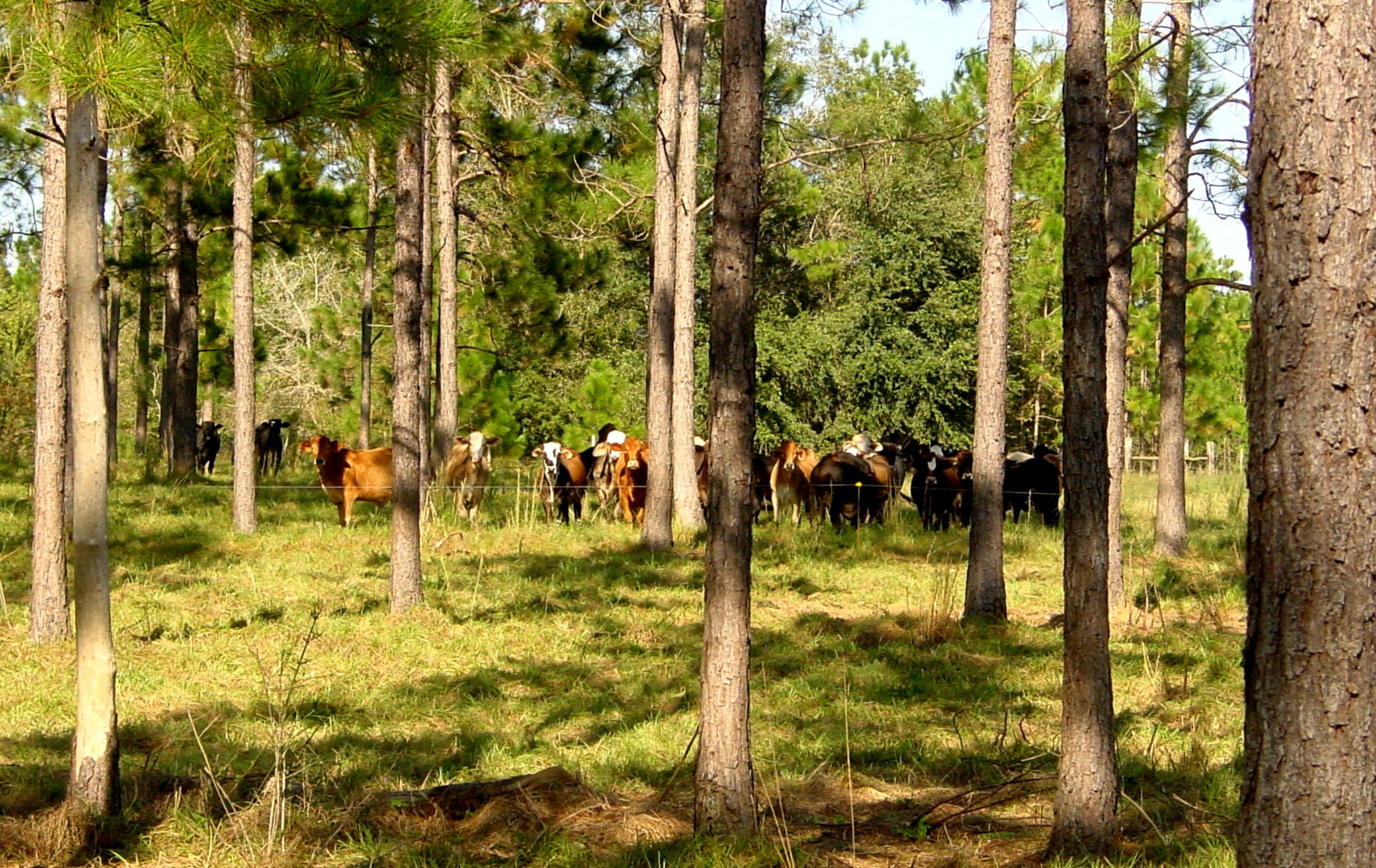
Agroforestry
The intentional integration of trees and shrubs into crop and animal farming systems to create environmental, economic, and social benefits. Dive into the benefits of agroforestry.
-
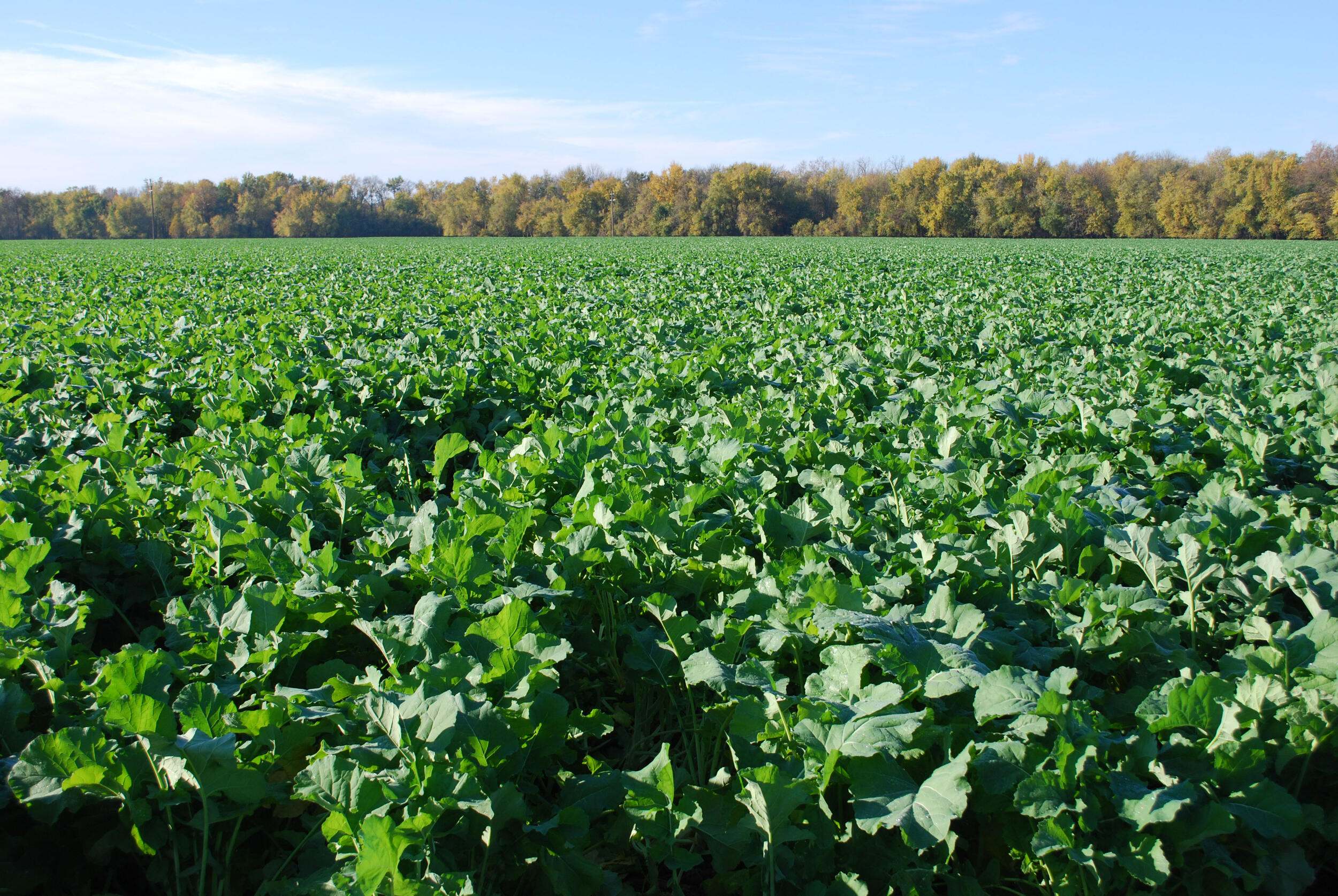
Cover Crops
Plants grown primarily to improve soil health, reduce erosion, enhance water retention and suppress weeds between periods of regular crop production. Learn how one Ohio farmer is embracing cover crops.
-

Crop Diversification
Growing a variety of crops in a given area to enhance biodiversity, improve soil health and reduce dependency on a single crop. Read about crop diversification in the Upper Mississippi Foodscape.
-
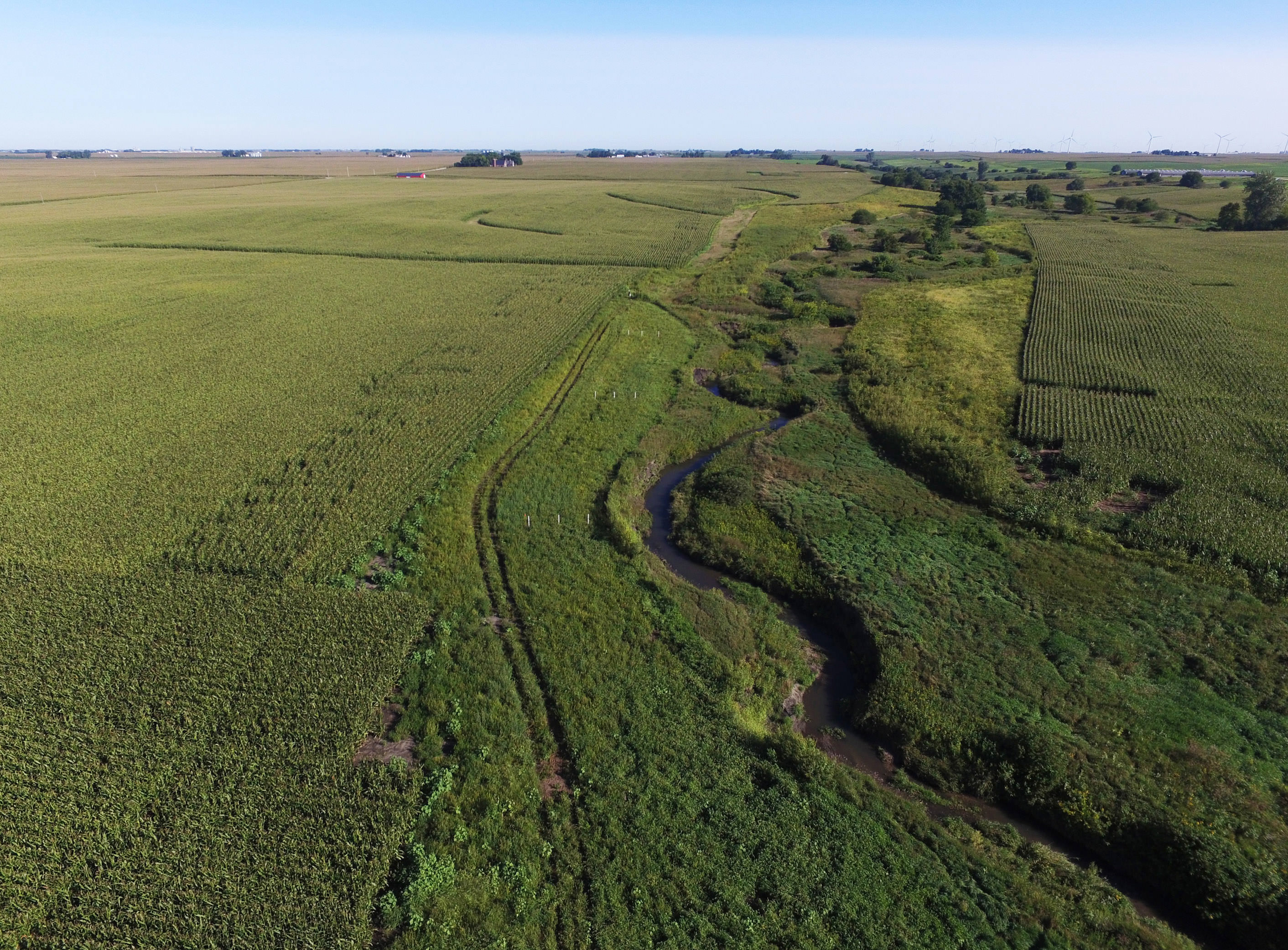
Edge of Field
Implementing conservation techniques at the boundaries of farmland to slow, filter and process runoff, capturing excess nutrients and sediment and providing vital wildlife habitat and enhancing biodiversity. Learn more about edge of field techniques.
-
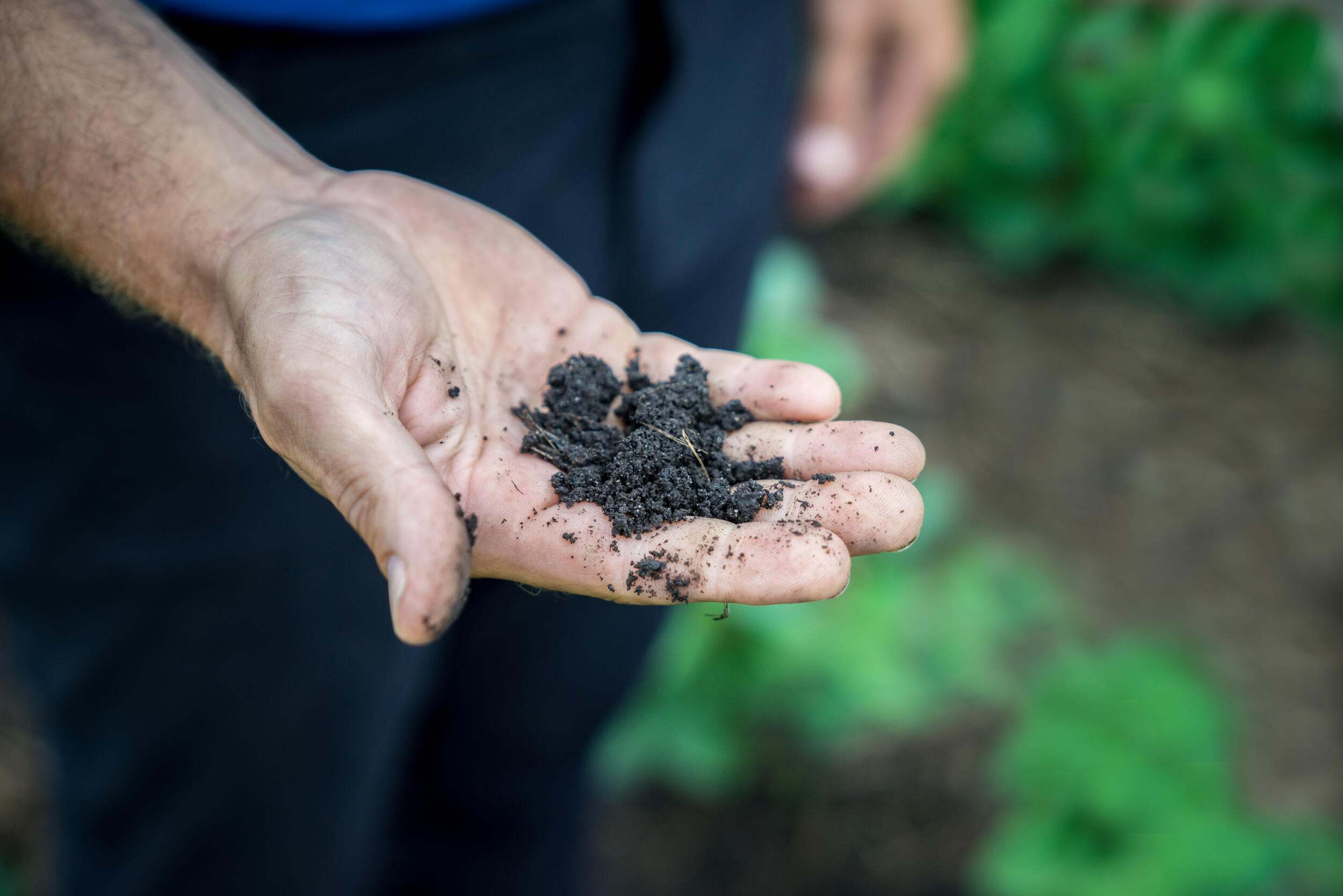
Nutrient Stewardship
The responsible management of fertilizer and soil nutrients to optimize crop production while minimizing environmental impact. Read how nutrient management is used on dairy farms.
-
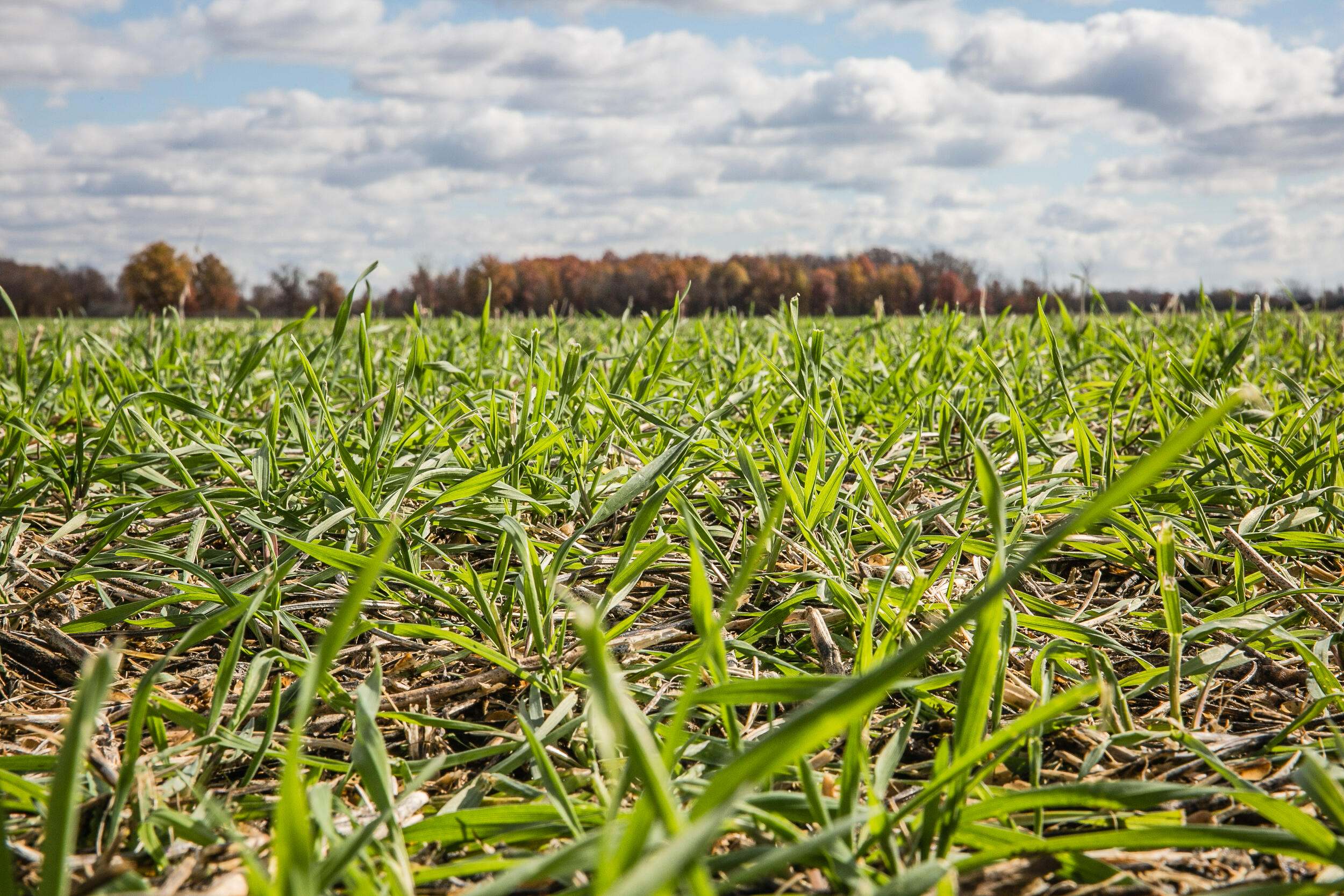
Reduced Till
Farming practice that minimizes soil disturbance during planting and cultivation, which often involves leaving crop residues on the field and using specialized equipment. See how a Minnesota farming family finds the benefits of reduced and no-tillage.

A Lost Legacy, A New Opportunity
In the heart of America’s Corn Belt, a quiet revolution is taking root. Farmers are rediscovering the value of crop diversification, and oats—once a staple of regional agriculture—are positioned to make a strong comeback. Learn how TNC is helping.
How We Take Action
TNC is collaborating throughout the food and agriculture sectors to champion the shift to regenerative practices. However, practice adoption isn’t happening fast enough nor reaching far enough to achieve environmental and agricultural resilience. In response, TNC’s North America Agriculture team is increasing the pace and impact of our work through a multi-pronged strategic approach.
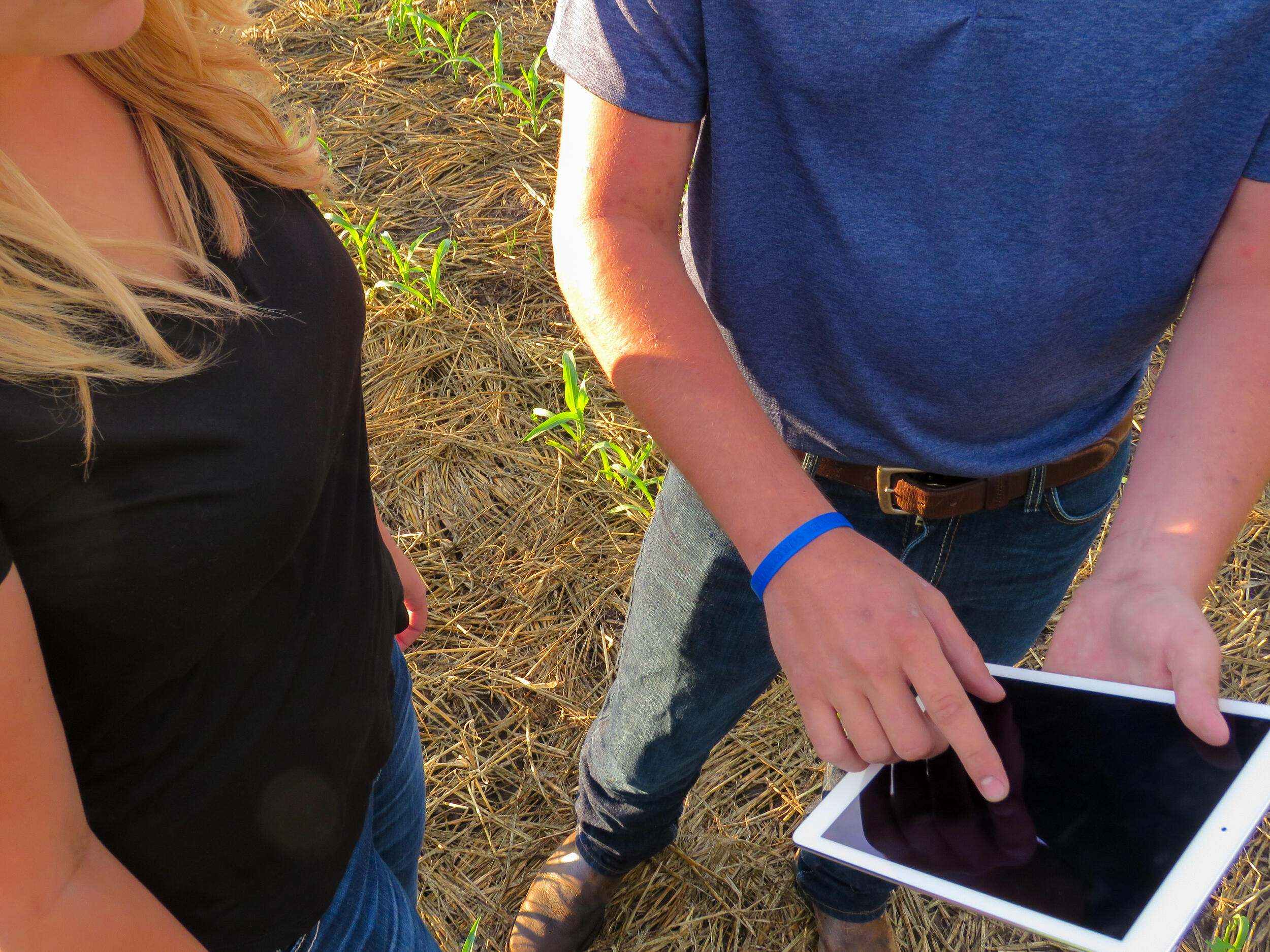
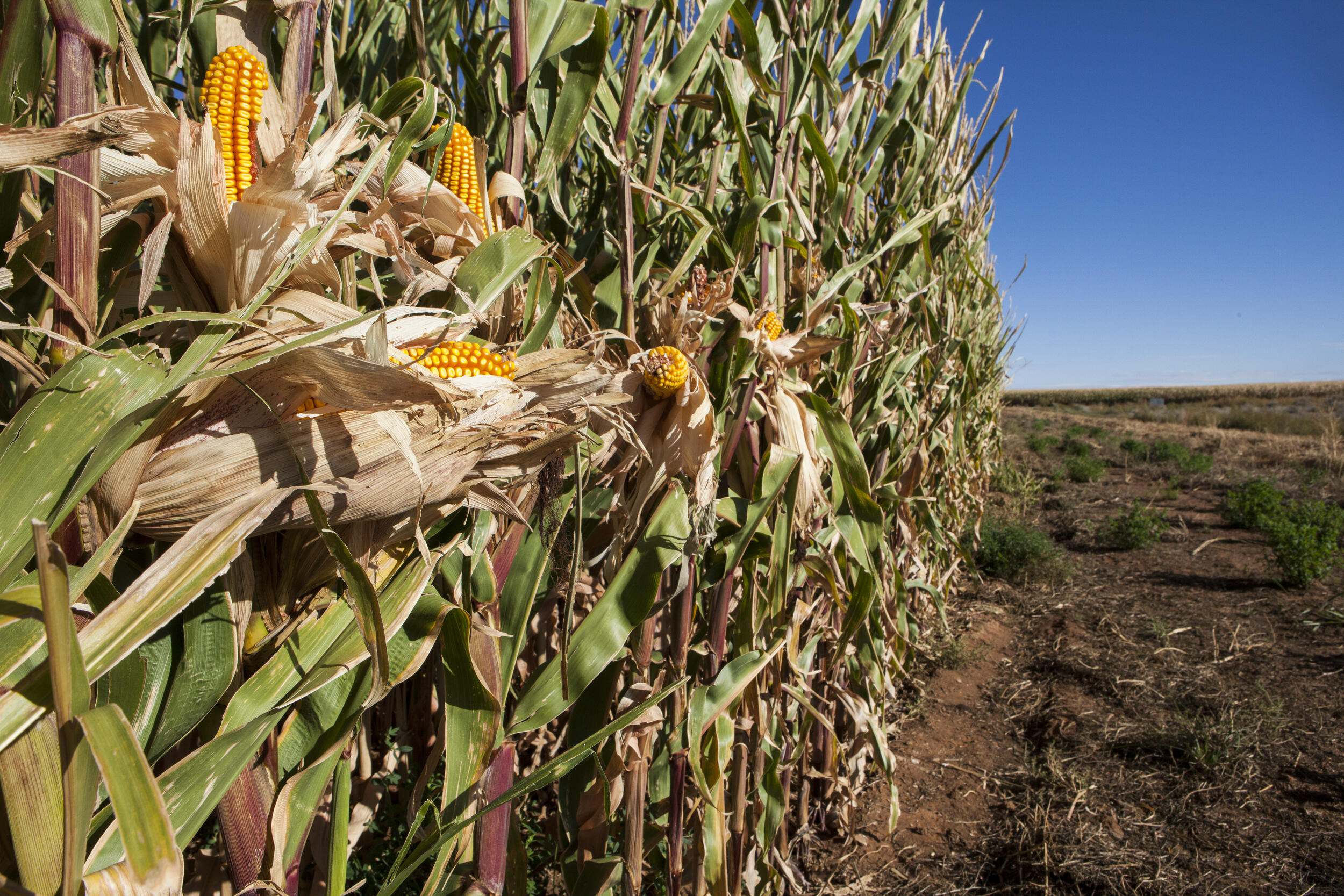
Leverage Corporate Investments
Leaders throughout the agriculture and food industries are setting ambitious climate and sustainability goals and are seeking TNC’s expertise to achieve these targets, thus positioning staff to help guide national and local initiatives for lasting impact.
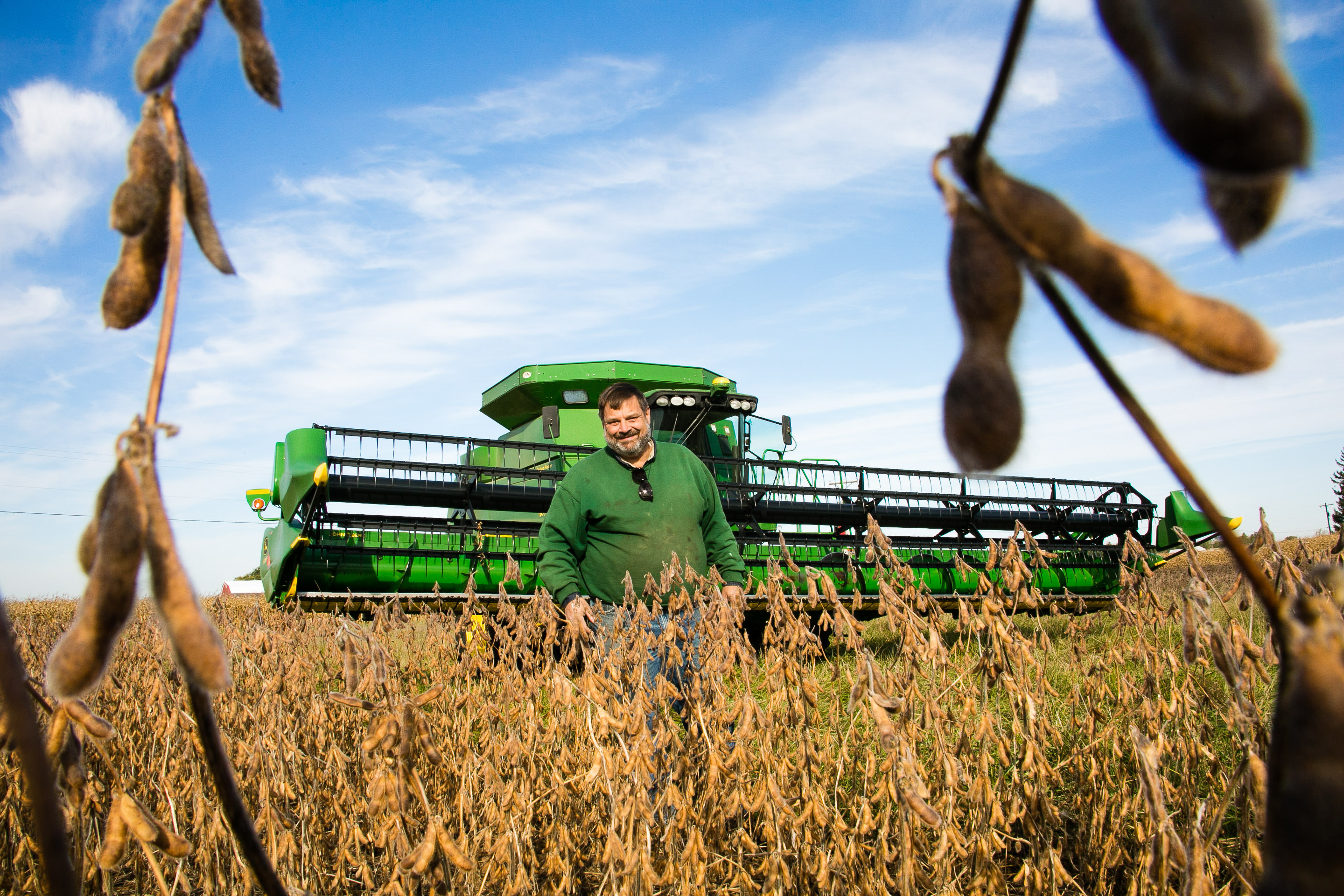
Champion Farmers
TNC aims to ensure farmers have the resources, knowledge and assistance needed, including peer-to-peer learning opportunities, to help successfully implement regenerative agriculture practices.

Mobilize Public Support
TNC is developing and working to improve and advance local and federal public policies and programs that reward farmers for implementing conservation and regenerative agriculture solutions. The Farm Bill is one of our biggest opportunities to make meaningful, substantial gains for U.S. producers and nature. Learn more about the Farm Bill and how TNC is working to ensure it supports healthy food and soils, clean water, strong communities and a robust economy. Watch a Video
With the support of generous funders and collaborations with producers, businesses, academic institutions, agencies and other NGOs, we are working to implement these key strategies across U.S. working lands. Together, we are creating new pathways for adoption of regenerative farming practices that benefit people, climate and nature.

Explore
Our Work
Meet Our Team
The North America Agriculture team is comprised of about 25 staff members and an extensive regional network of science, policy and agriculture experts across the United States, including state-based staff focused on local strategy implementation.
Our team members are highly regarded in their fields, ranging from scientists who regularly publish in peer-reviewed journals, experts who hold leadership positions on the boards of other NGOs and industry initiatives, and professionals who are frequently sought after as keynote speakers and collaborators. Our team also works closely with TNC colleagues across the globe to share strategies and lessons learned.
Meet some of our team leads:
Our Experts


More Experts
Stay in the Loop.
Get conservation stories, news and local opportunities from where you live.
Related Articles

Soil Health in Saginaw Valley
With nearly half of Michigan's largest watershed in agricultural production, keeping soil and nutrients on the land and out of area waterways is vital to the people and species of the Saginaw Valley.

Wisconsin Farmers Leading on Conservation
Meet five Wisconsin farmers who are leading the way on changing management practices to protect soil and water & help their farms remain resilient and profitable in the face of ever-changing demands.

How We’re Working in Regenerative Agriculture
Agricultural practices can focus on conservation and benefit farmers’ bottom line.