


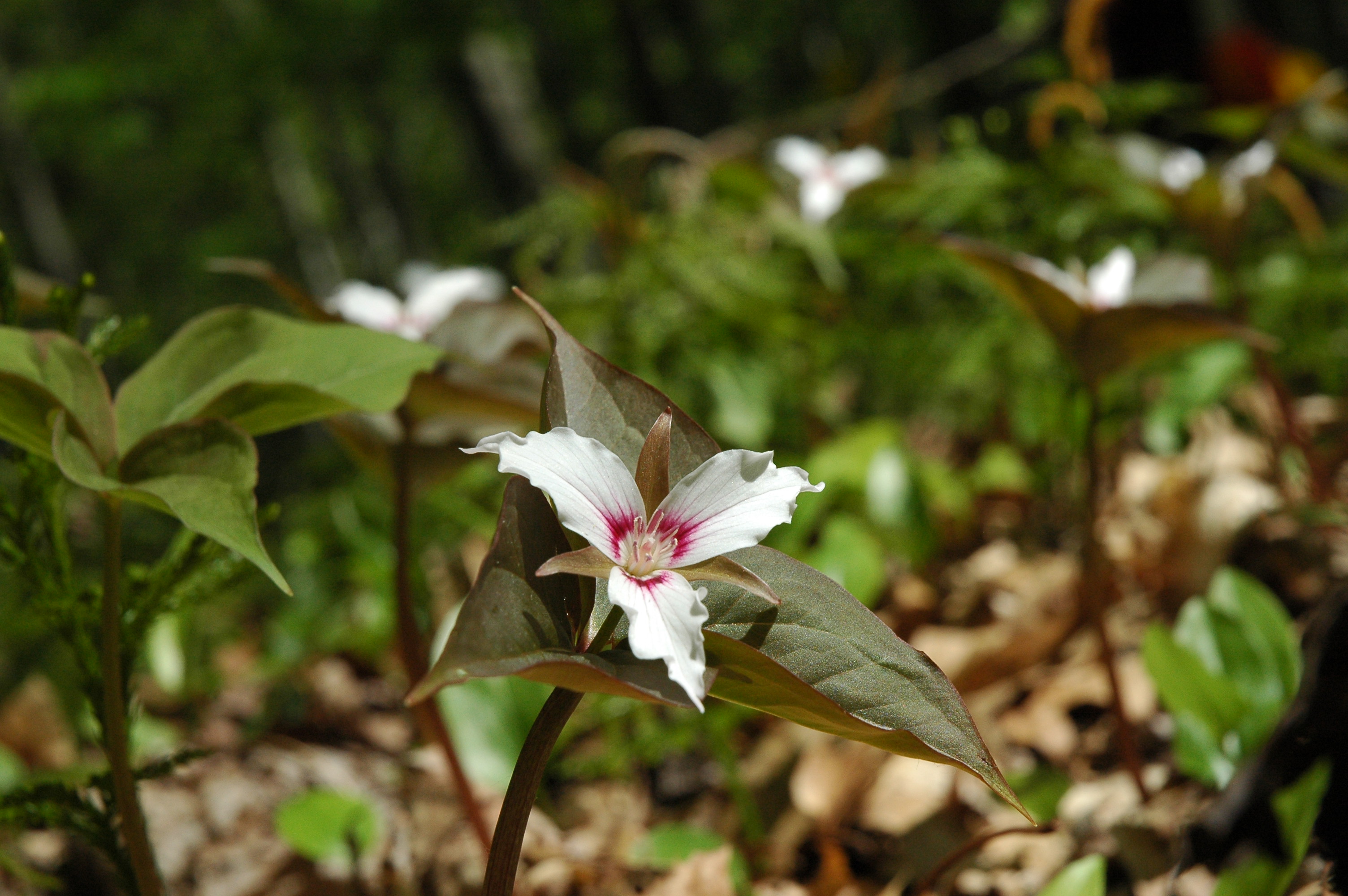
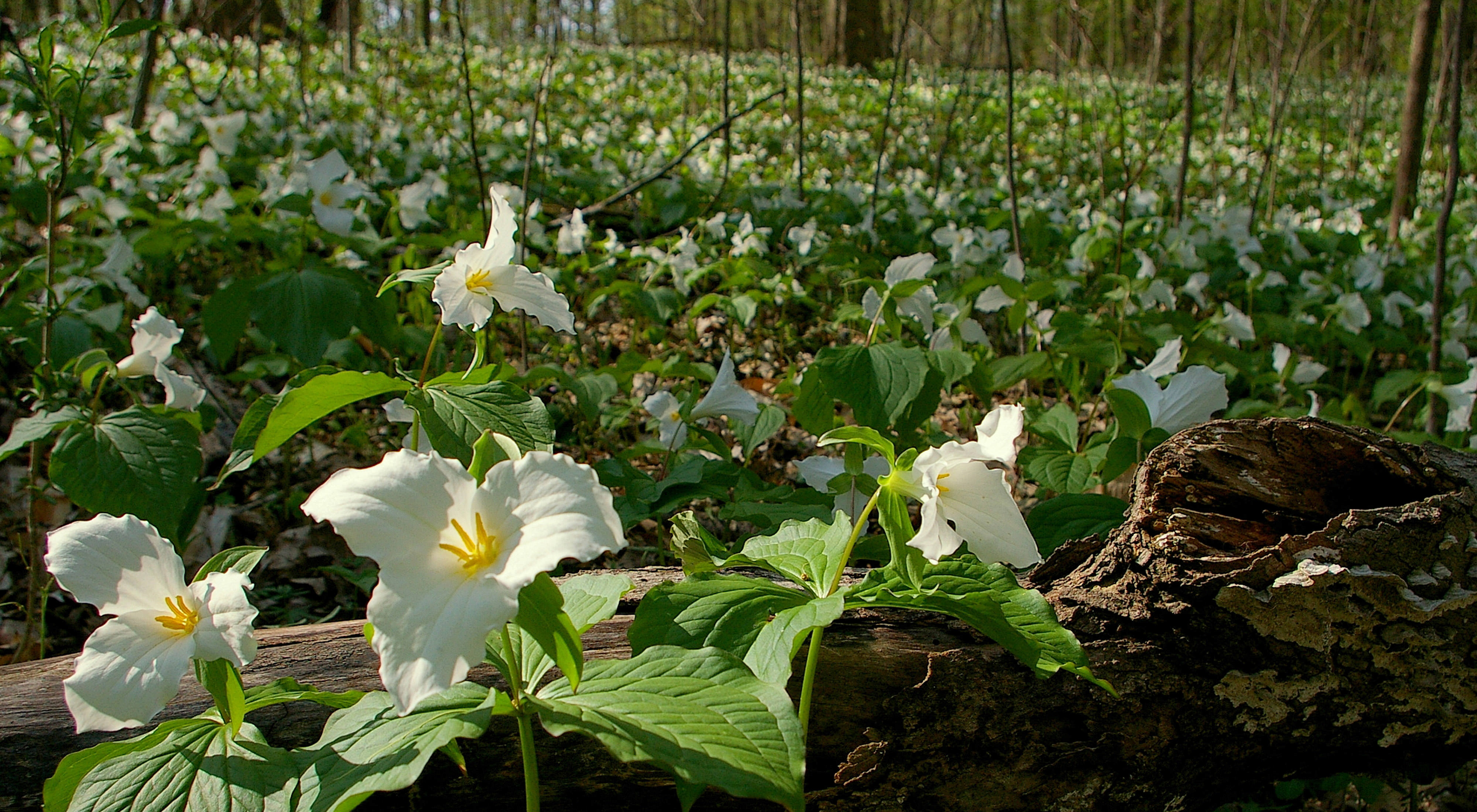
Spring Wildflowers Among the showiest of the trilliums, the large white trillium is most often found in rich, moist woodlands. © Randall Schieber
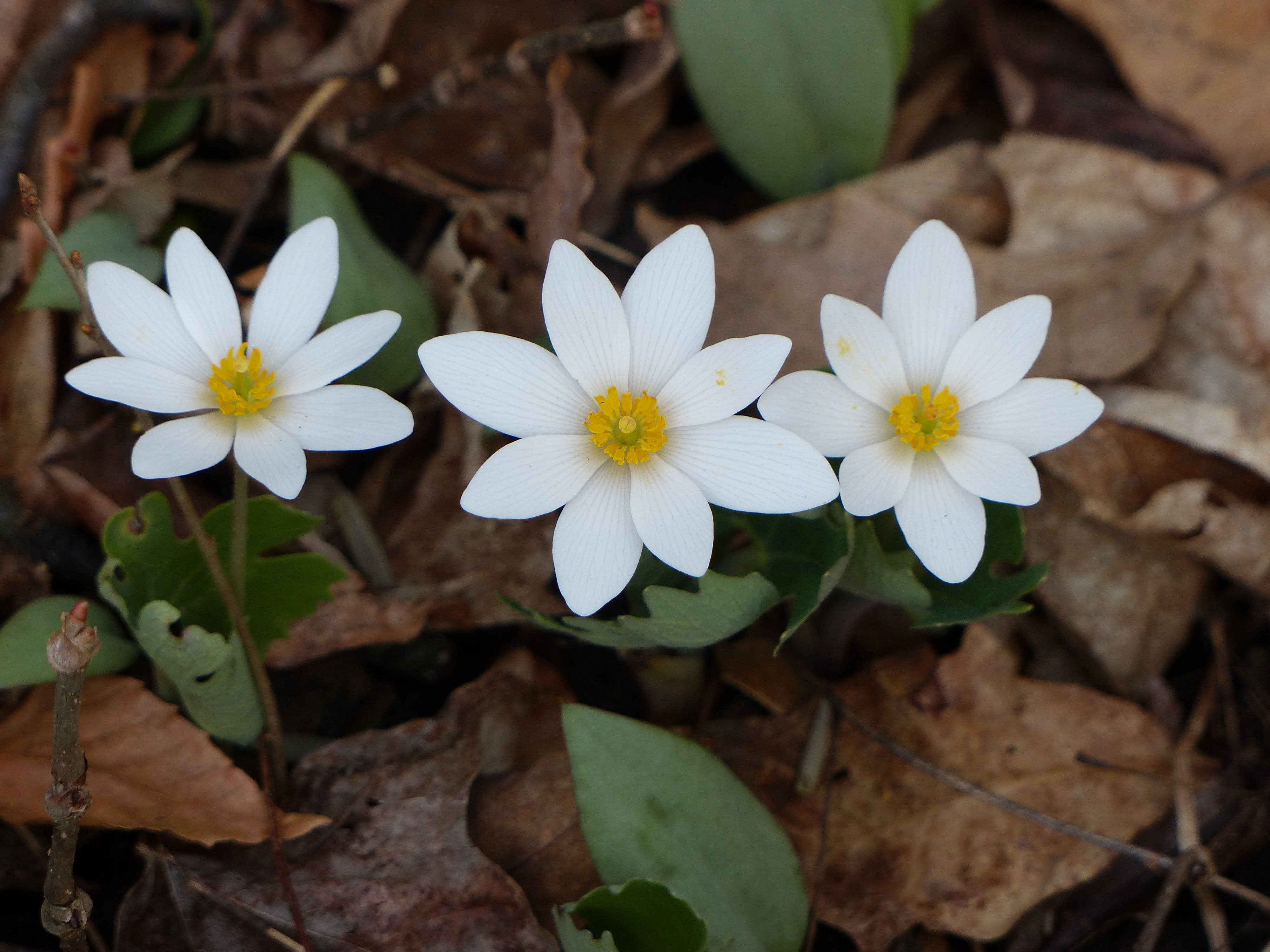
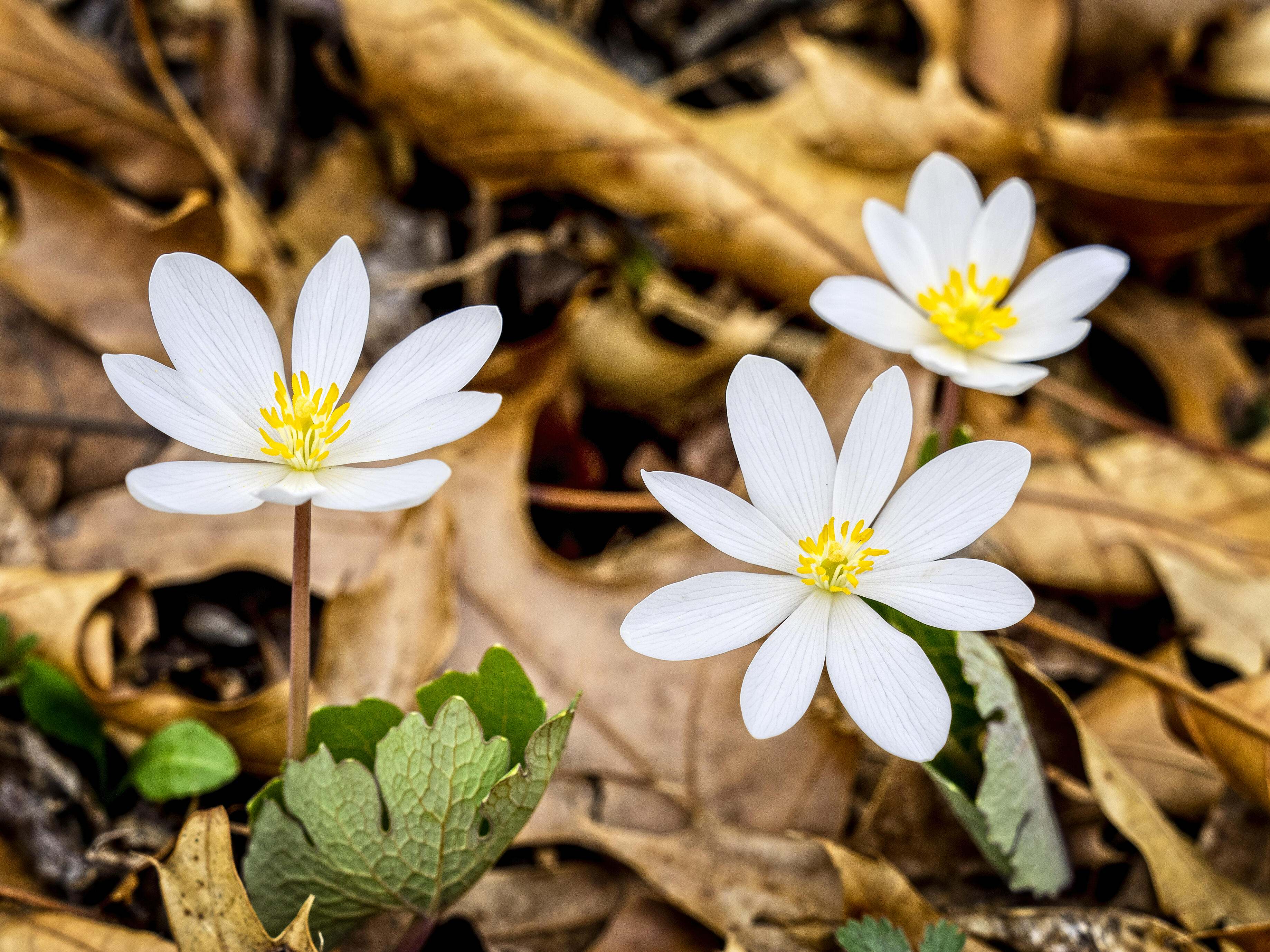
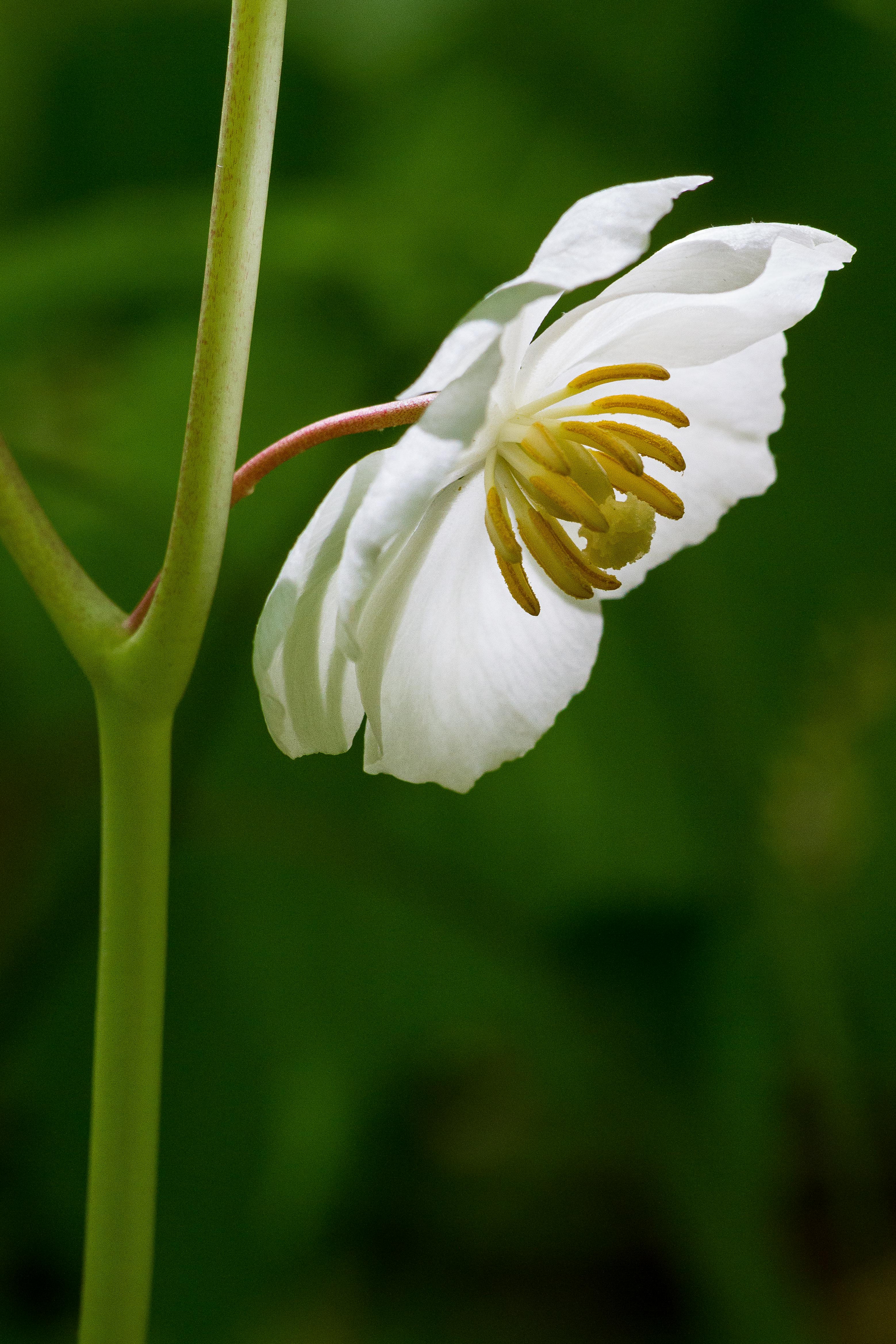
On a cool April morning, before the trees unfurl their leaves and long before the forest warms, the first signs of color appear not overhead but underfoot. White trillium brightens a shady ravine. Mayapple leaves push through last year’s leaf litter like miniature umbrellas. A bloodroot flower opens wide for a single day, glowing in the dim light, before its petals vanish again.
Blink—and you might miss the whole season.
These are spring ephemerals, the wildflowers that live life in fast‑forward. They bloom during the narrow window after snowmelt and before the forest canopy closes, racing to gather sunlight before they’re cast into shade again. To hikers, they signal the beginning of spring. To The Nature Conservancy (TNC), they signal something deeper: the health of an entire forest ecosystem.
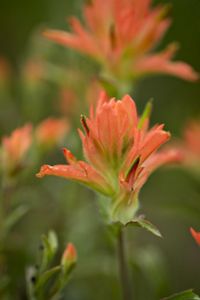



Indian Paintbrush: Indian Paintbrush (Castilleja miniata), like this one growing at TNC's Hart Prairie Preserve in Arizona, is common in the western U.S. © Mark Skalny
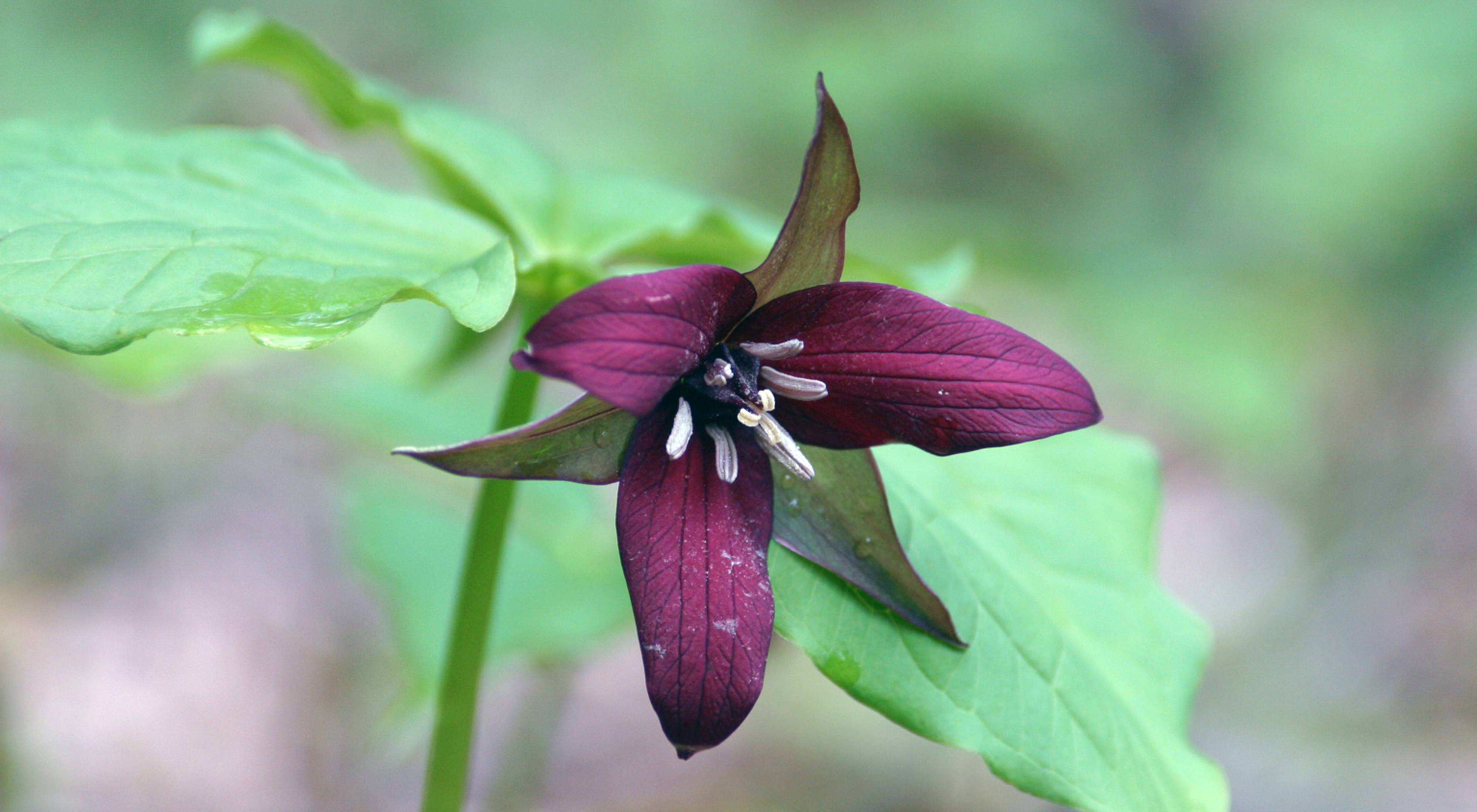
Red Trillium: One of spring’s early bloomers, red trillium (Trillium erecta) blooms emit the scent of decay to trick pollinating green flesh-flies into thinking they’ve found a carcass. © Chris Zimmerman/The Nature Conservancy
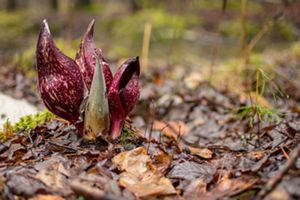
Skunk Cabbage: Skunk cabbage (Symplocarpus foetidus) is capable of generating heat to create a cozy hang-out for early-season pollinators.. © Paul Gallery/The Nature Conservancy
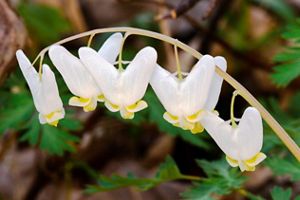
Dutchman's Breeches: A true spring woodland ephemeral species, Dutchman's breeches (Dicentra cucullaria) blooms when sunlight hits the woodland floor before the tree canopy fills in with leaves. © Michael Huft
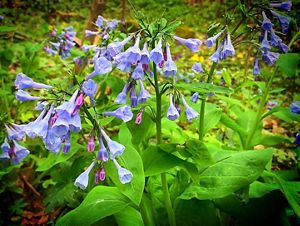
Virginia Bluebell: Native to eastern North American woodlands and floodplains, a colony of Virginia bluebells (Mertensia virginica) can expand by 1-2 feet per year, once established. © Terry Cook
Wood Anemone: Shade-loving wood anemones (Anemone quinquefolia) are also known as "windflowers" because they close at night or during rain to protect pollen. © Oliver Starks
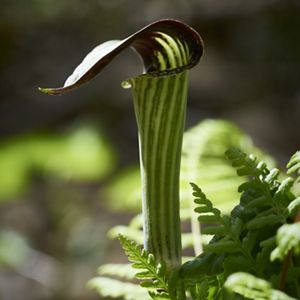
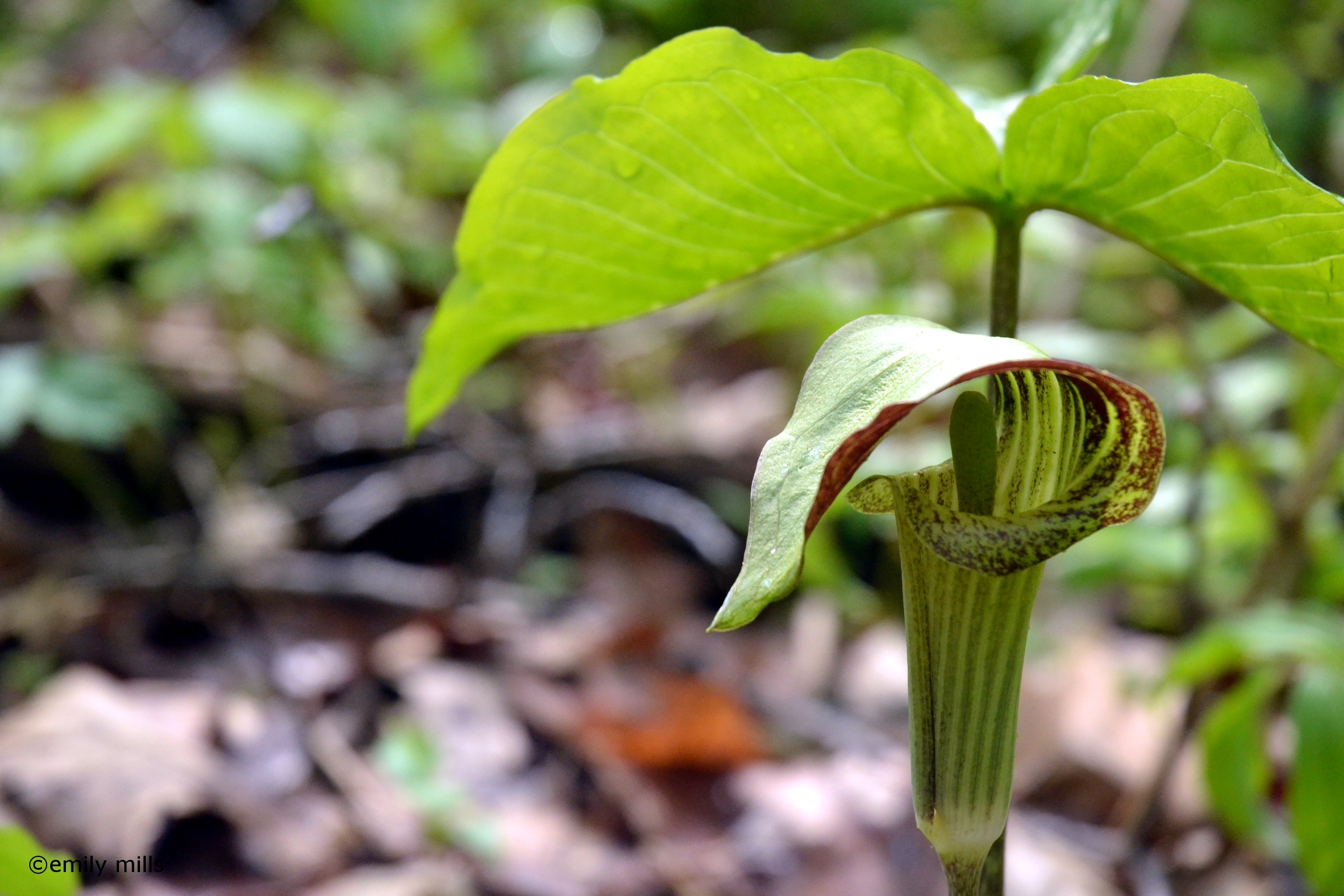
Jack-in-the-Pulpit: Carnivorous Jack-in-the-Pulpit (Arisaema triphyllum) can change gender based on age and energy; younger plants are often male, while larger, healthier plants are female. © T.J. Vissing
Wild Geranium: Wild geranium (Geranium maculatum) flowers attract many pollinators, including bees (honeybees, bumblebees, native bees), butterflies and syrphid flies. © Kent Mason
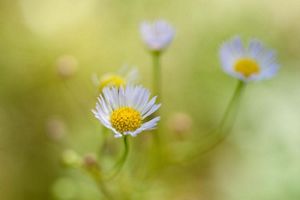
Fleabane: The name fleabane (Erigeron spp.) stems from the historical belief that when dried or burned, the plant repels fleas, gnats and flies. © Haley Pope/The Nature Conservancy
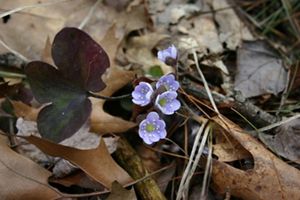
Round-lobed Hepatica : One of the first wildflowers to bloom, Round-lobed Hepatica (Hepatica americana) bloom from leathery, evergreen leaves that turn deep wine-red or brown during winter. © Kent Montgomery/The Nature Conservancy.
Help ensure these blooms are possible.
Your membership protects places where wildflowers grow.
Learn MoreProtecting Nature's Springtime Palette
Spring ephemerals are specialists in timing. Species like skunk cabbage (Symplocarpus foetidus), bloodroot (Sanguinaria canadensis), trillium (Trillium) and Dutchman’s breeches (Dicentra cucullaria) emerge from winter dormancy with astonishing precision. They bloom fast and disappear quickly. In just a few weeks, they must push through soil, flower, attract pollinators, set seed and store enough energy to wait another year underground.
Though delicate in appearance, they anchor the forest in essential ways. Their early nectar feeds native bees, flies and beetles emerging from winter hunger. Beyond their fleeting blooms, these fragile plants also feed soils as they decompose, sending seeds and nutrients into surrounding forest. Below ground, their root systems bind soil to prevent erosion and filter and store water.
The abundance and diversity of spring blooms reflect the health of the forest itself. Unfortunately, wildflowers’ fragile and fleeting nature makes them vulnerable to numerous threats, from encroachment of invasive species and deer overbrowsing to poaching and a changing climate that alters the synchronization between pollinators and early blooms.


Bolster the Bloom
Stay on trails. Avoid stepping off-path into sensitive forest floor habitat, especially in early spring.
Resist the urge to pick. Photograph wildflowers instead of picking them or digging them up. Many ephemerals take years to reach blooming size.
Tackle invasives at home. Remove invasive plants on your property and plant native wildflowers where conditions allow.
Support forest conservation. Your support helps TNC protect and restore the forests, floodplains and woodlands where spring ephemerals thrive.
Share the story. Introduce friends and family to spring ephemerals through a walk, a photo or a shared article—connection is the first step toward care.
A Season Under Pressure
Forest fragmentation divides habitats into smaller, isolated pockets. Invasive plants like garlic mustard, stiltgrass and bush honeysuckle blanket the ground and midstory, stealing nutrients and light.
Overbrowsing by deer prevents wildflowers like trillium from even reaching blooming age. Climate change disrupts the delicate synchrony between blooms, pollinators and canopy leaf‑out. And increased off‑trail recreation, often unintentionally, crushes the very plants visitors hope to enjoy.
Here is where TNC’s work becomes essential—much of it quiet, behind the scenes, but vital to what blooms in front of us each spring.
Public Nature Preserves
Here are just a few TNC preserves worthy of a wildflower walk. Also make sure to check out other options near you at nature.org/preserves.
Plan Your Visit!
No results are shown. To see results, turn on the toggle switches in the legend.
- Nan Weston Preserve at Sharon Hollow, Michigan
-
Nan Weston Preserve at Sharon Hollow, Michigan
For a few short weeks during spring, a torrent of dazzling wildflowers blanket the forest at TNC’s Nan Weston Nature Preserve. Thanks to boardwalks and trails, visitors can meander through wooded wetlands and floodplain forest to catch a glimpse of more than 260 species of wildflowers and other native plants, including bright blue hepatica, Dutchman’s breeches and squirrel corn, to name a few!
Image © Michael D-L Jordan/dlp
- Nine Times Preserve, South Carolina
-
Nine Times Preserve, South Carolina
More than 134 species of native wildflowers have been recorded at TNC’s Nine Times Preserve, located at the intersection of South Carolina’s Southern Blue Ridge Mountains and its piedmont region. This time of year, visitors might want to prioritize the preserve’s Trillium Trail, an easy 0.25-mile hike that features the best views of ephemeral wildflowers in the spring.
Image © Alan Cressler
- Ruth C. Warwick Preserve, New Hampshire
-
Ruth C. Warwick Preserve, New Hampshire
Spring wildflowers steal the show at Ruth C. Warwick Preserve, the first property ever donated to TNC in New Hampshire. Rare limestone-rich soils create a botanical surprise, where broad beech fern, showy orchis and long-spurred violet flourish in a landscape usually too acidic for them. As the forest floor bursts into bloom, neo-tropical migrant birds fill the canopy with color and song.
Image © Eric Aldrich/The Nature Conservancy
- Sally Brown & Crutcher Nature Preserves
-
Sally Brown & Crutcher Nature Preserves
Located in "The Palisades," where 450-million-year-old limestone cliffs tower over the Kentucky River, TNC's Sally Brown & Crutcher Nature Preserves protect a wildlife corridor stretching for more than six miles miles to safeguard this unique biological and geological environment. During springtime, this stretch of river bursts with color for visitors to enjoy from one of the loop hiking trails.
Image © Oliver Starks
- Splinter Hill Bog, Alabama
-
Splinter Hill Bog, Alabama
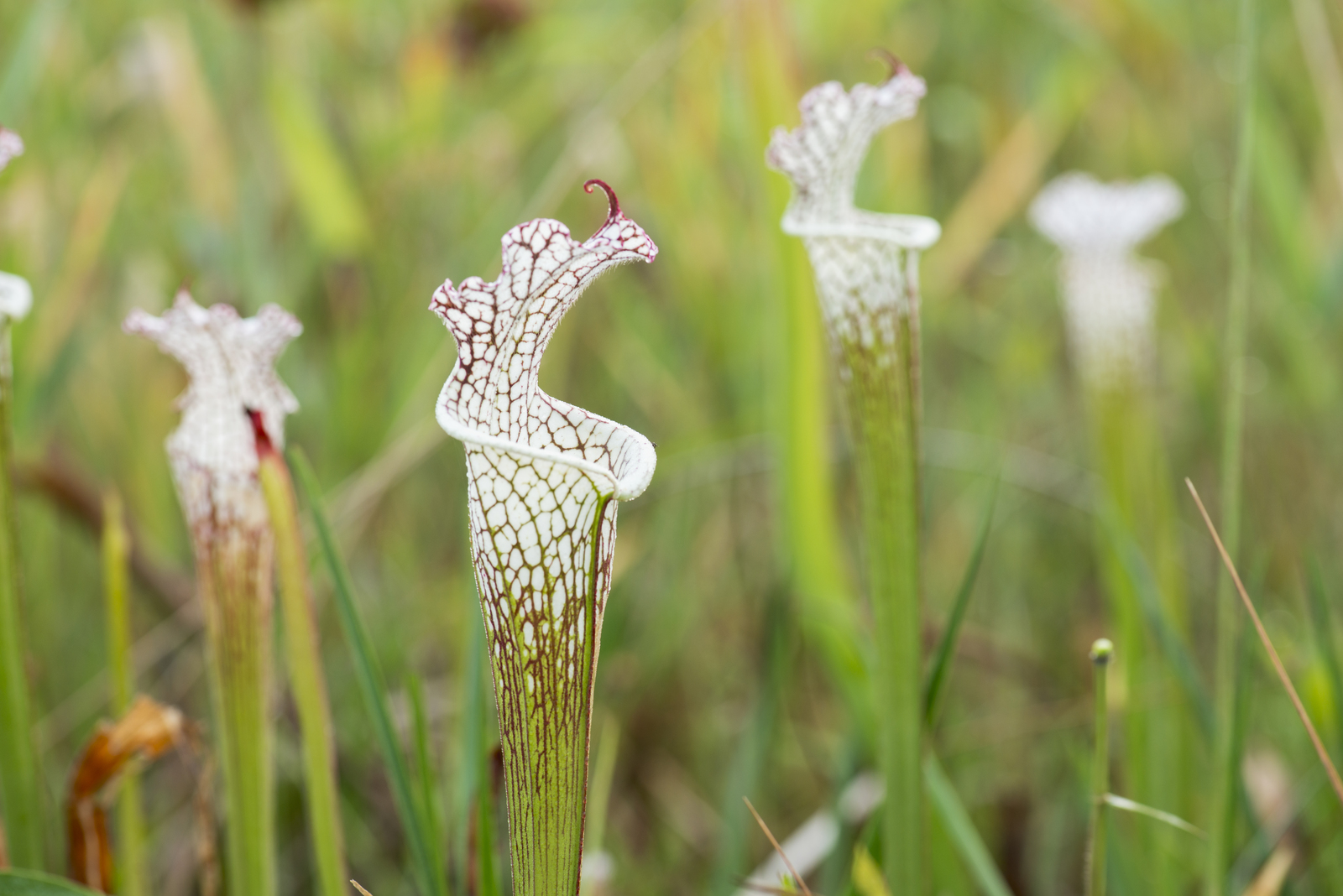
There are wildflowers and there are wild . . .flowers! During April and May, TNC’s Splinter Hill Bog Preserve features carnivorous plants in peak bloom, including varieties of pitcher plants, butterworts and sundews. As one of the remaining pitcher plant seepage bogs in the world, the preserve also harbors Wherryi’s Sweet Red pitcher plant, found in only a small portion of the Gulf Coastal Plain.
Image © Carlton Ward, Jr.
- Tom McCall Preserve at Rowena, Oregon
-
Tom McCall Preserve at Rowena, Oregon
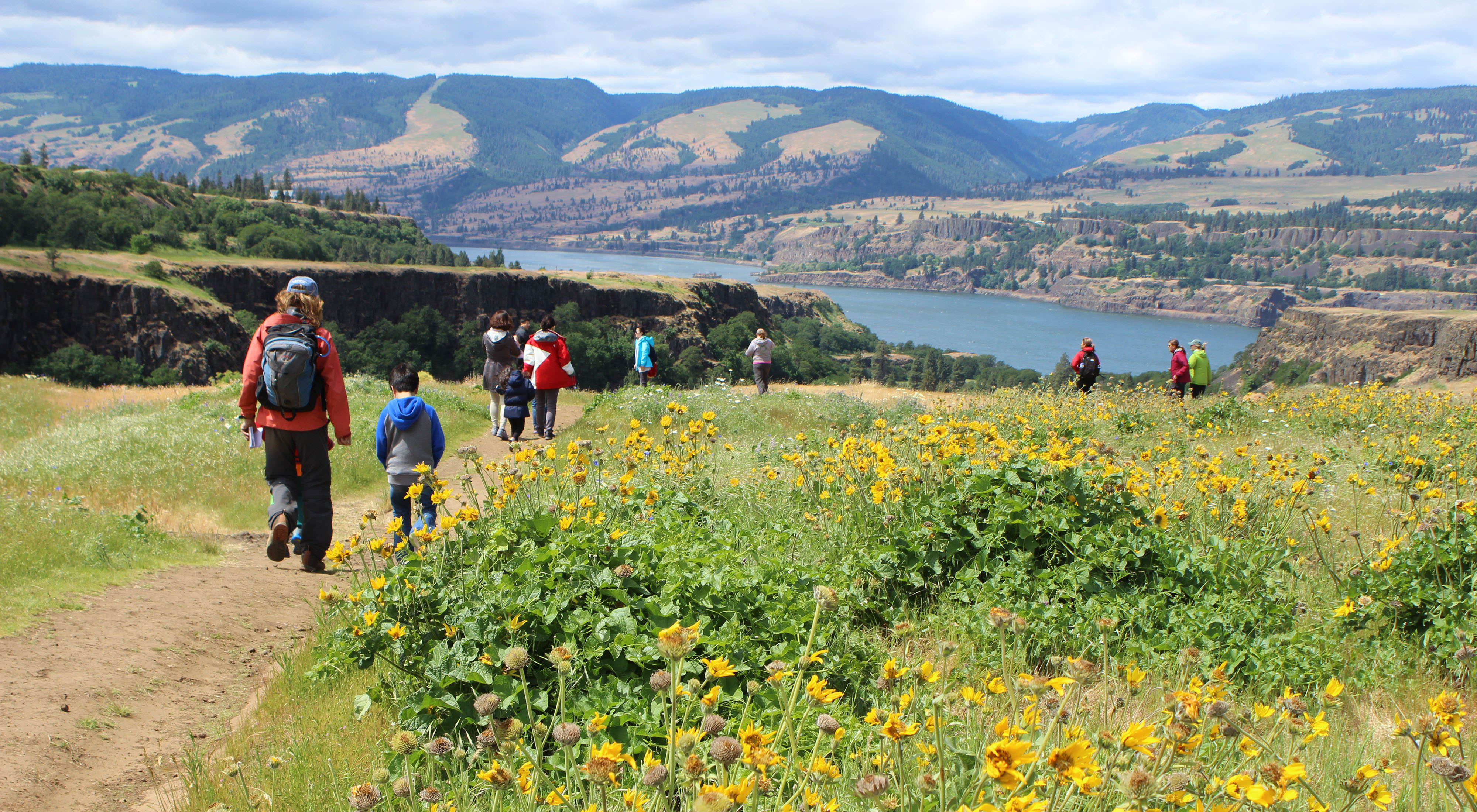
Springtime is special at TNC's Tom McCall Preserve located in Columbia River Gorge where the landscape transitions from moist, forests of the western Cascades to dry bunch grass prairies of the east. From March through June, it boasts impressive displays of spring wildflowers bursting amidst the mounds, swales and vernal pools making up the unique topography of this grassland preserve.
Image © Morgan Parks
- Yellow Island Preserve
-
Yellow Island Preserve
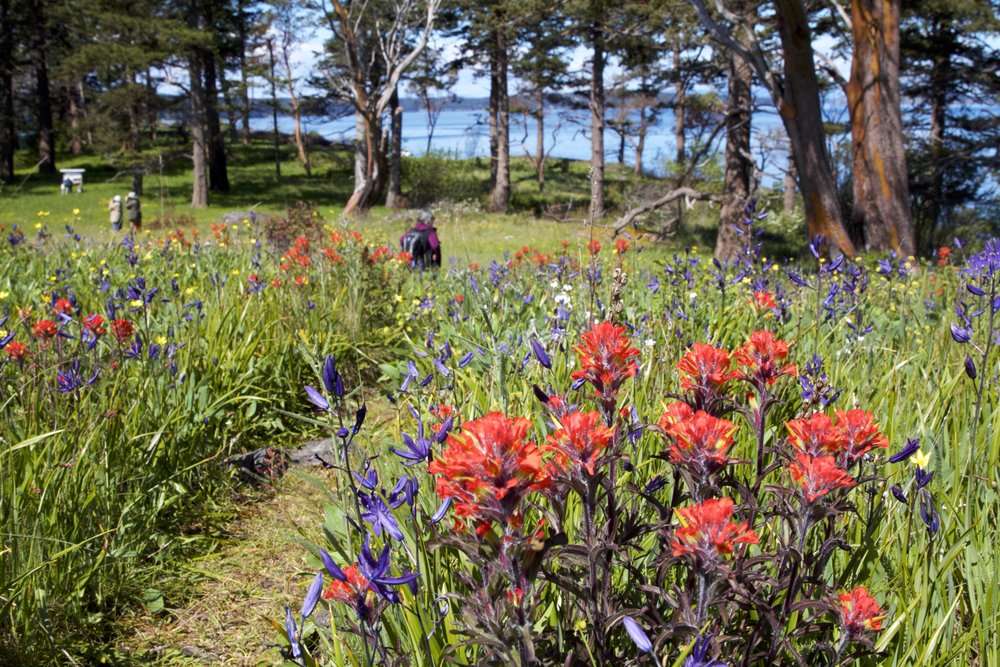
Well-known to ferry passengers for its dramatic springtime wildflower displays, Yellow Island stands out among the 170-island San Juan archipelago. This 11-acre island has been shaped by many human hands since time immemorial, creating a unique prairie ecosystem that supports more than 50 species of wildflowers. TNC has been honored to carry on the legacy of stewarding the island since 1980.
Image © Sean Galvin
- Carrizo Plain National Monument
-
Carrizo Plain National Monument
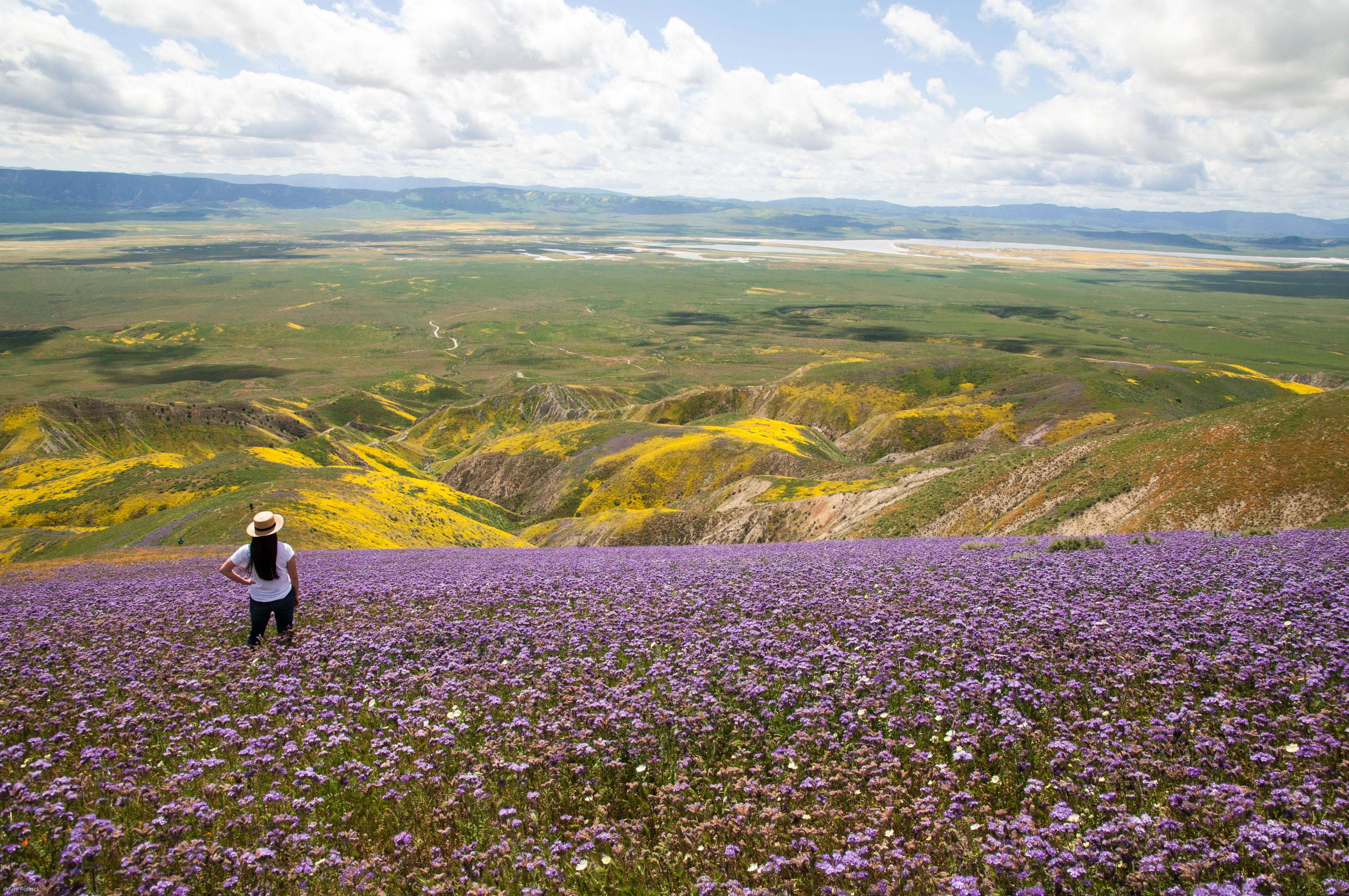
In good rain years, Carrizo Plain National Monument erupts in vibrant wildflower blooms from mid‑March through April. These displays spread across the valleys, over the hillsides and down the canyons. One of California’s most dramatic wildflower blooms colors the landscape in the spring, and rare, dark night skies escape the light pollution of sprawling development.
Image © Sue Pollock
- Flat Ranch Preserve
-
Flat Ranch Preserve
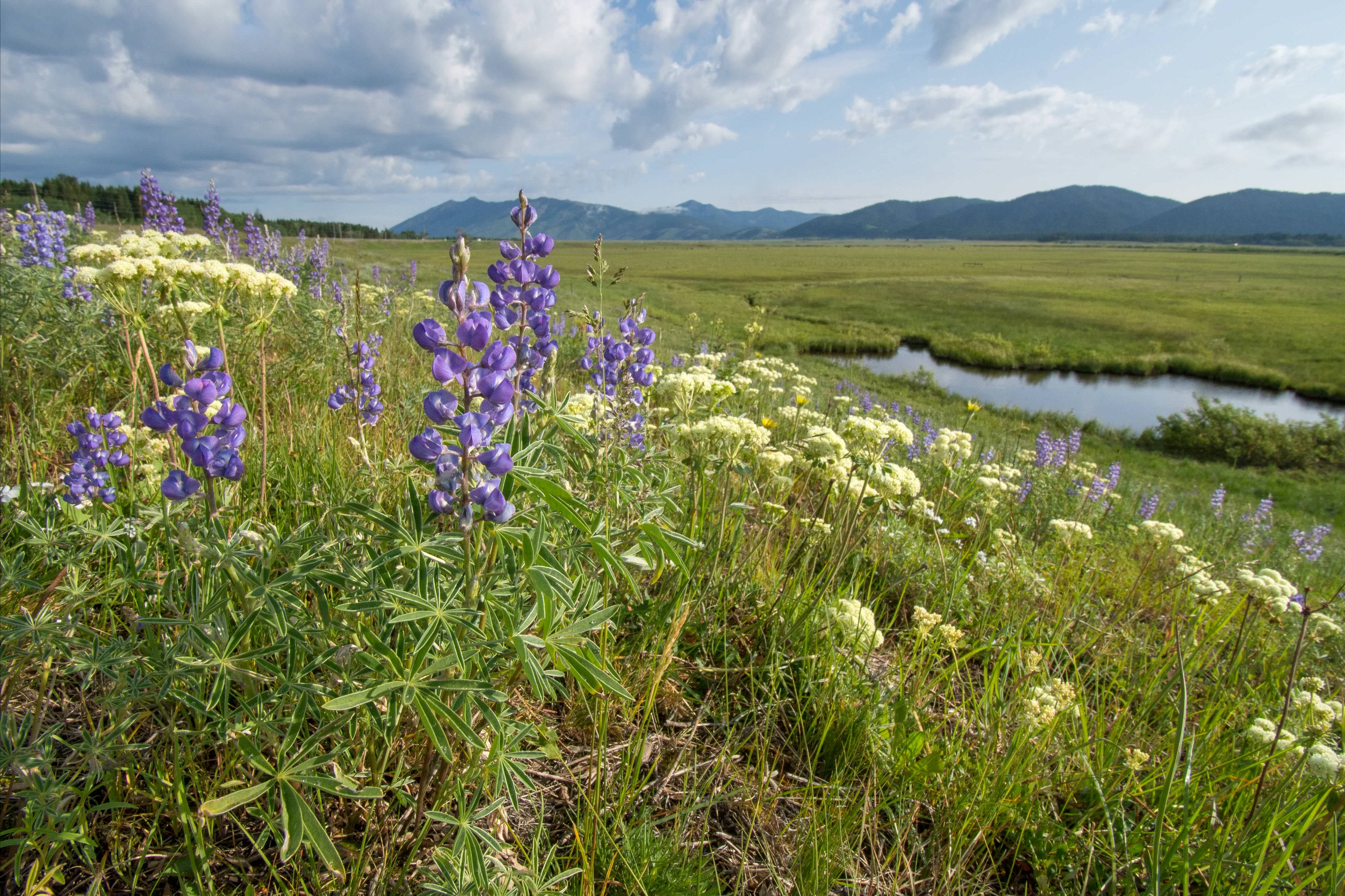
In late spring and early summer, Flat Ranch Preserve’s high‑elevation meadows come alive with vibrant wildflowers. Lupine, paintbrush and camas brighten the landscape against sweeping mountain views. Peak blooms vary by snowmelt, so check seasonal conditions before visiting this peaceful Idaho preserve.
Image © Chris Helzer/TNC
- Niobrara Valley Preserve
-
Niobrara Valley Preserve
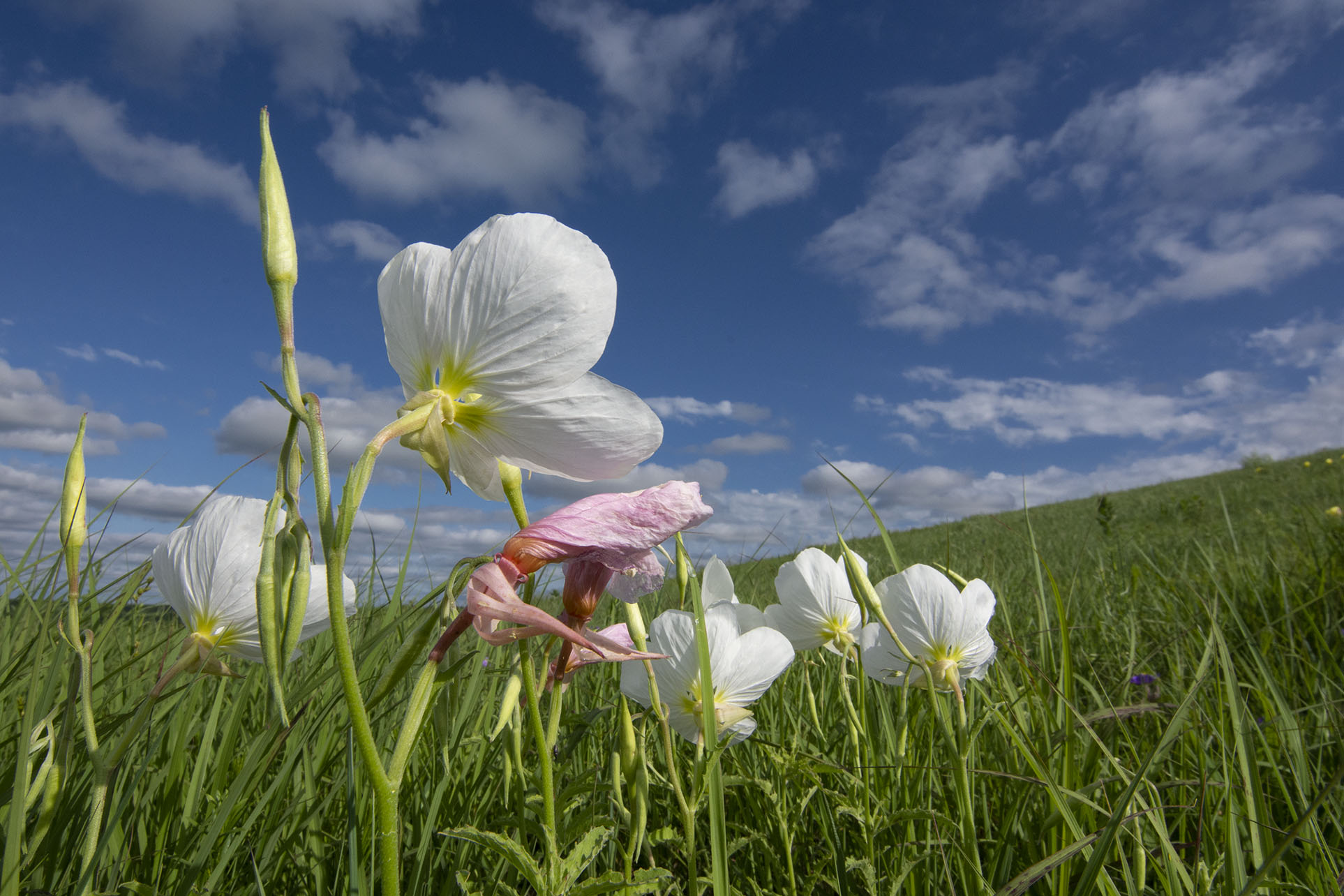
Spanning 56,000 acres, The Nature Conservancy’s Niobrara Valley Preserve offers a rich mosaic of prairies, forests, canyons and a 25‑mile stretch of the Niobrara River. In spring, visitors can spot a wide variety of native wildflowers blooming across the preserve’s vast grasslands. Those looking to experience it up close may want to explore the preserve’s short or long loop hiking trails.
Image © Chris Helzer/TNC
- Joseph H. Williams Tallgrass Prairie Preserve
-
Joseph H. Williams Tallgrass Prairie Preserve
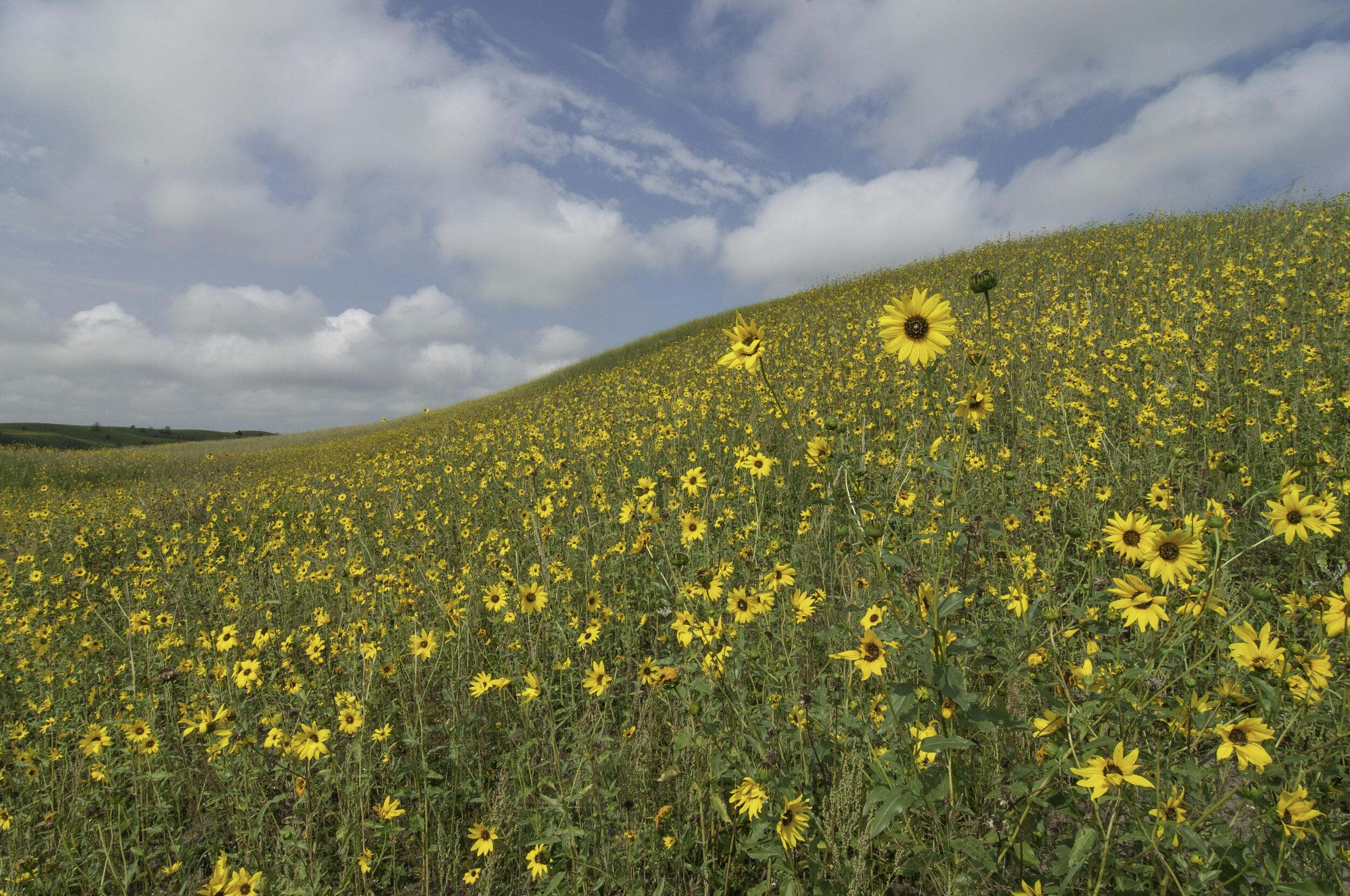
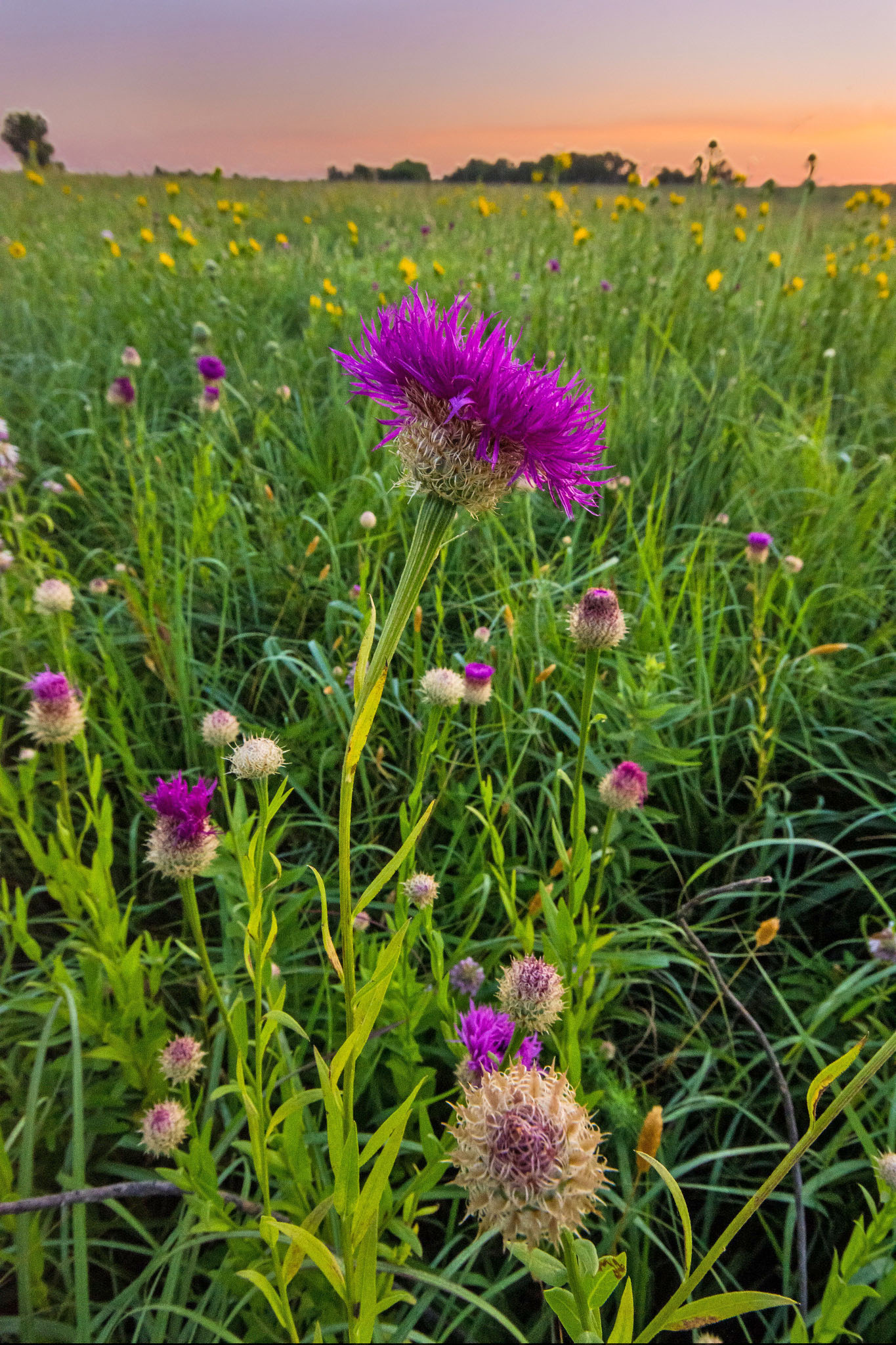
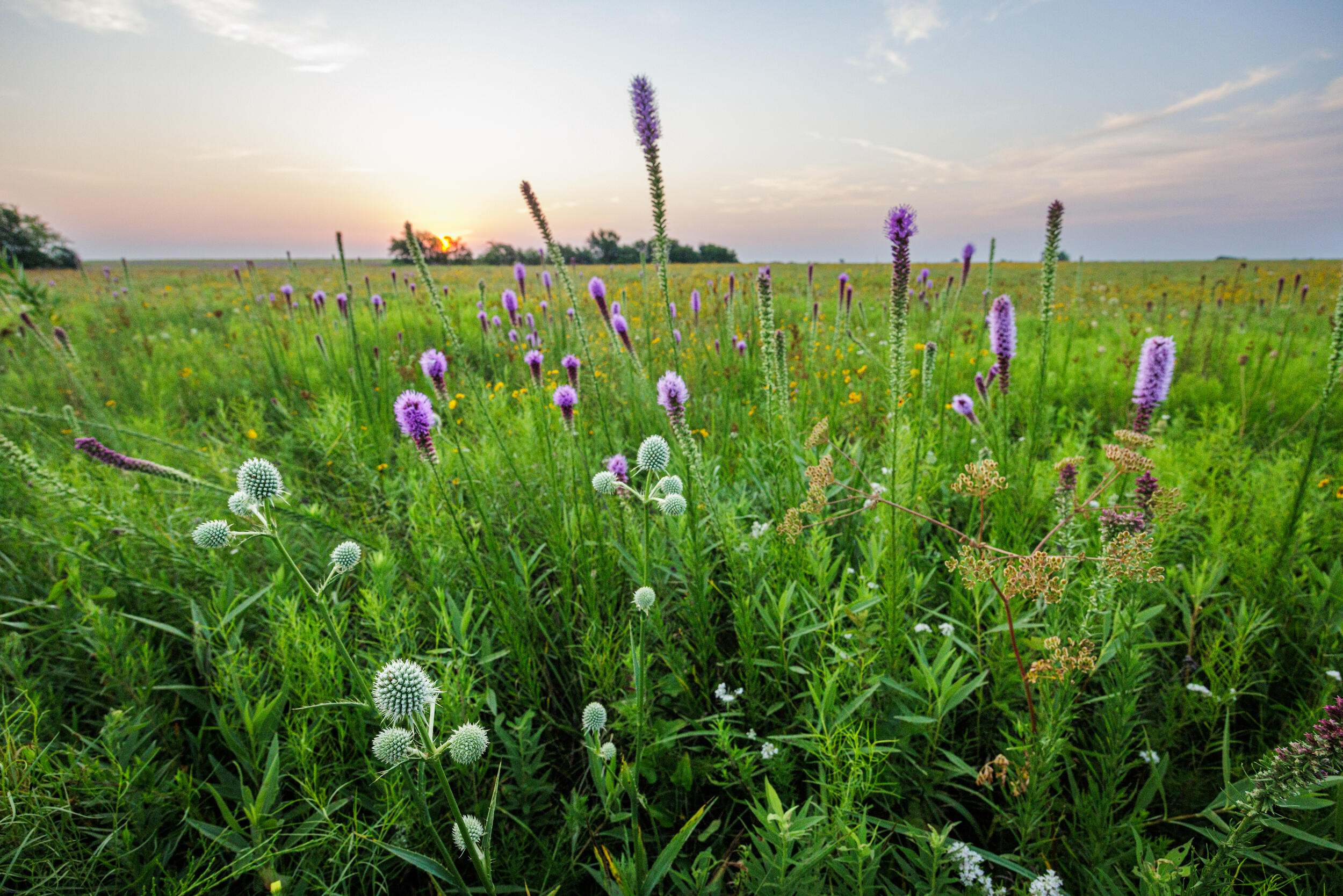
TNC’s Joseph H. Williams Tallgrass Prairie Preserve is one of the last intact tallgrass prairies on earth. From mid‑May to mid‑June, wildflowers blanket the fields, with blooms continuing through summer. The preserve is open daily from dawn to dusk with free admission, easy road access, scenic turnouts, trails, a visitor center and restrooms.
- Tallgrass Prairie National Preserve
-
Tallgrass Prairie National Preserve
Located in the Flint Hills, Tallgrass Prairie National Preserve is the nation’s only national park unit dedicated to the tallgrass prairie. Home to 350+ species of wildflowers and other plants, it bursts with color from spring through autumn. Whether you love birds, blooms, hiking or history, this landscape offers plenty to explore.
Image © Chris Helzer
- Clymer Meadow Preserve
-
Clymer Meadow Preserve
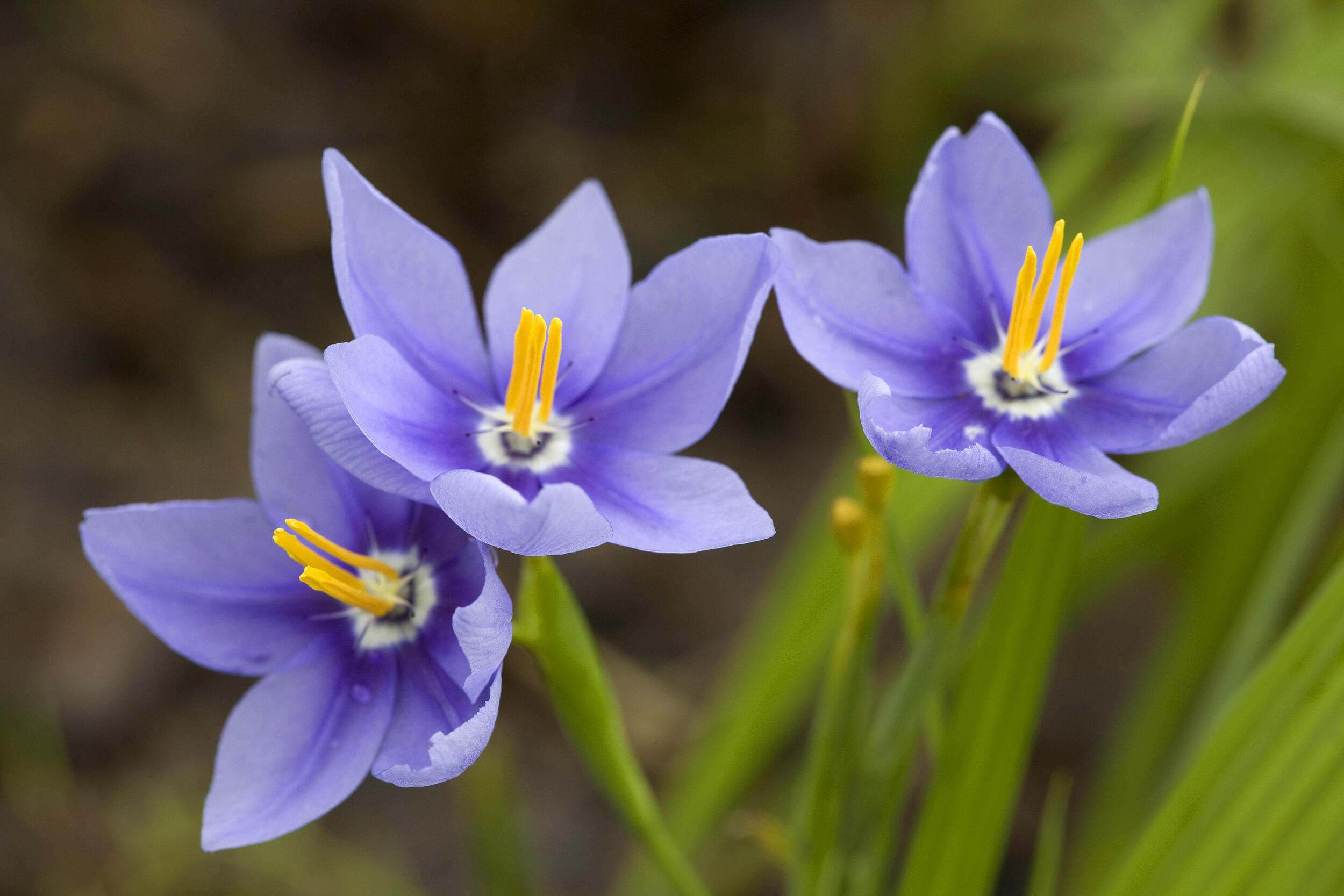
Located northeast of Dallas, Clymer Meadow contains some of the largest and most diverse remnants of the Blackland Prairie—the Texas version of the tallgrass prairie that once stretched from near the Texas coast to southern Manitoba. In the spring, the 1,475‑acre preserve features rich, colorful wildflowers, including phlox, prairie celestial, paintbrush, coneflowers and many others.
- Smiley Meadow Preserve
-
Smiley Meadow Preserve
Smiley Meadow Preserve, near Paris, Texas, protects a rare stretch of native tallgrass prairie, where more than 300 species of grasses and wildflowers create a vibrant, colorful landscape each spring. Once threatened by development, the 1,050‑acre preserve now safeguards rare Silveus’ dropseed prairie habitat, found only in Texas. Join the local team this summer for guided wildflower walks.
Image © Sean Fitzgerald
- Everton Falls Preserve
-
Everton Falls Preserve
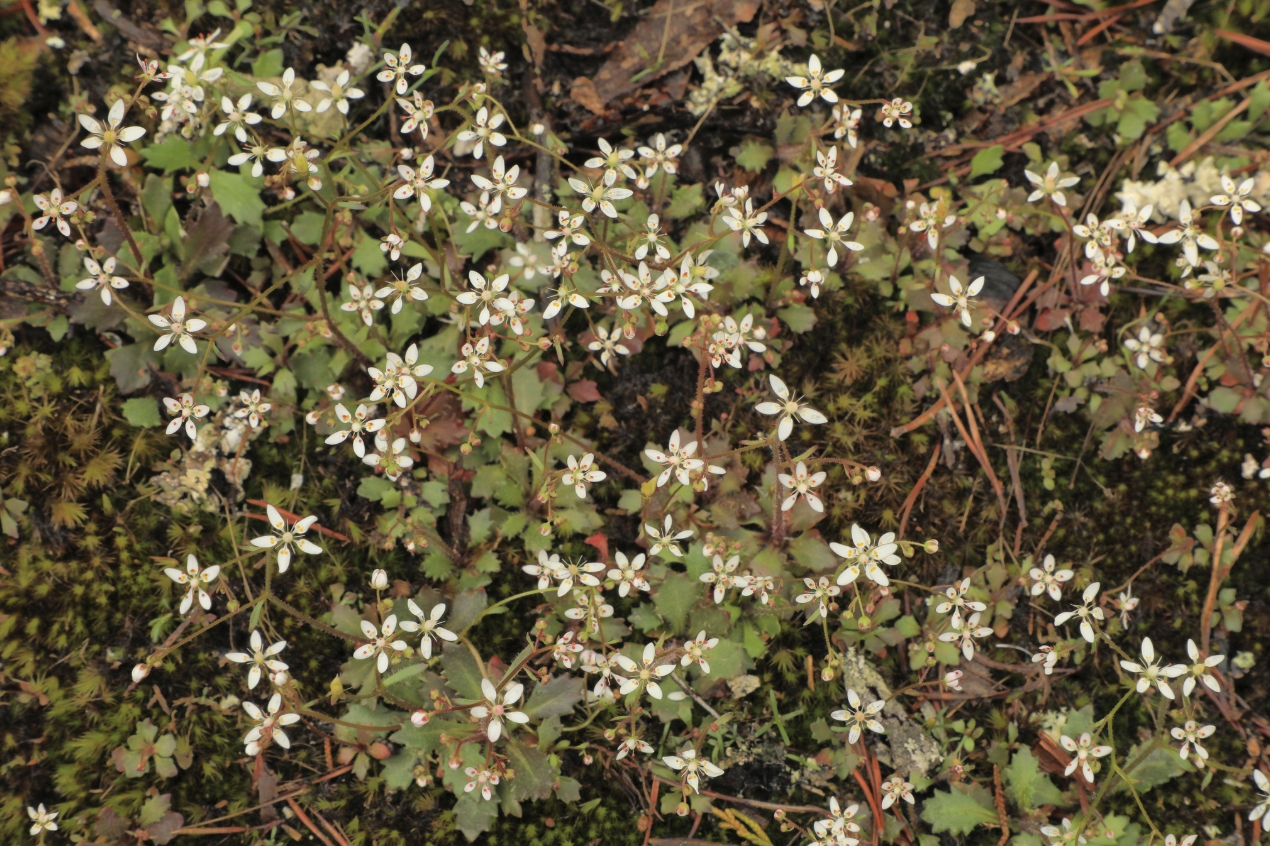
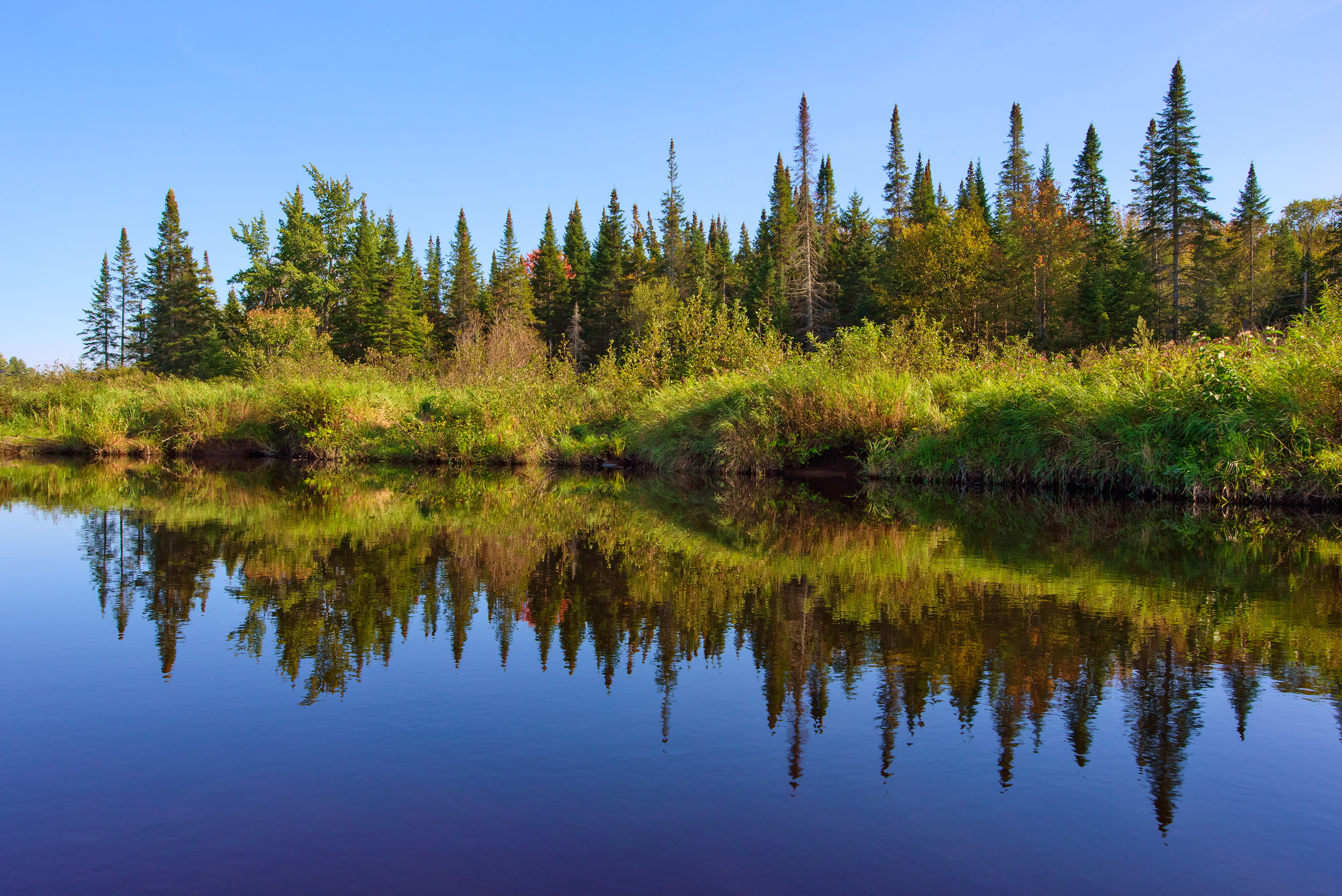
Everton Falls Preserve bursts with seasonal color as native wildflowers bloom along forested trails and rocky streams. Set in the heart of the Adirondacks, this quiet refuge offers vibrant spring and summer displays that highlight the region’s rich plant diversity.
Image © Carl Heilman II
- The Eugene and Agnes Meyer Preserve
-
The Eugene and Agnes Meyer Preserve
The Eugene and Agnes Meyer Nature Preserve offers a serene escape into oak woodlands and rolling meadows where native wildflowers thrive. Spring and summer bring vibrant bursts of color along quiet trails, showcasing the rich plant diversity protected in this corner of eastern New York.
Image © Angie Cole
- Edge of Appalachia Preserve System
-
Edge of Appalachia Preserve System
The Edge of Appalachia Preserve System showcases one of Ohio’s richest botanical regions, where spring and summer wildflowers flourish in forests, prairies and shaded ravines. Bursting with rare species and vibrant color, this diverse landscape offers an unforgettable glimpse into the state’s natural heritage.
Image © Rich McCarty/TNC
- Morgan Swamp Preserve
-
Morgan Swamp Preserve
Morgan Swamp Preserve bursts with seasonal color as native wildflowers brighten its wetlands, forests and meadows. In this rare northern swamp ecosystem, spring and summer blooms thrive among rich plant communities protected within Ohio’s Grand River watershed.
Image © Derrick Cooper/TNC
- Hemlock Draw
-
Hemlock Draw
Hemlock Draw Preserve offers a vibrant display of spring and summer wildflowers that brighten its sandstone gorges and shaded forests. Rare plants thrive in this cool, moist microclimate, creating one of Wisconsin’s most unique botanical landscapes.
Image © Emily Mills/TNC
- Nachusa Grasslands
-
Nachusa Grasslands
Nachusa Grasslands erupts with color each spring and summer as native wildflowers brighten its restored prairies. From rare blooms to sweeping fields of prairie grasses, this Illinois preserve offers one of the Midwest’s most vibrant and diverse displays of native plant life.
Image © Charles Larry
- Big Walnut Preserve
-
Big Walnut Preserve
Big Walnut Preserve features rich forests and stream corridors where native wildflowers thrive in spring and summer. From woodland blooms to shaded ravine species, this serene Indiana landscape offers vibrant seasonal color and showcases the region’s diverse plant life.
Image © Christopher Jordan
- Oppenheim Woods
-
Oppenheim Woods
Oppenheim Woods Preserve comes alive each spring and summer as native wildflowers brighten its floodplain forests and shaded wetlands. This quiet Indiana refuge showcases diverse plant communities that thrive along the Tippecanoe River’s rich, natural corridors.
Image © Matt Williams/TNC
- Hitz-Rhodehamel Woods
-
Hitz-Rhodehamel Woods
At Hitz‑Rhodehamel Woods, spring wildflowers scatter color across steep hillsides and hidden hollows. Trillium, violets and other woodland blooms thrive beneath towering trees, creating a quiet, early‑season display unique to this rugged Indiana forest.
Image © Cristina Rutter
Doing Our Part
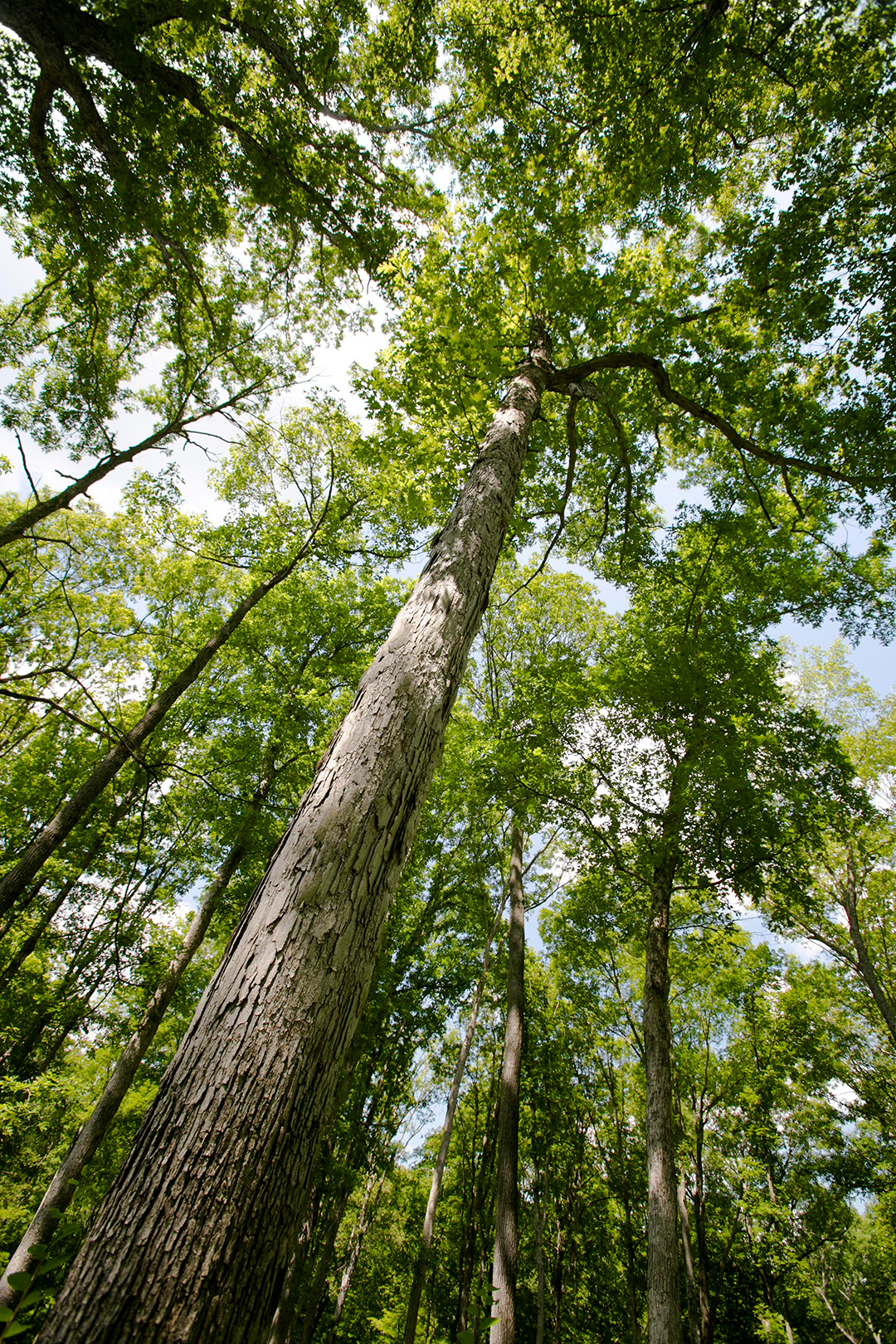
Across the country, TNC's efforts to protect spring ephemeral wildflowers begins with a deep respect for the forest systems they depend on. These flowers thrive only in places where the land remains intact—where mature trees cast cool shade, where snowmelt seeps into rich soils and where leaf litter is left undisturbed for decades. To ensure these fleeting species return each spring, TNC focuses first on protecting the landscapes that sustain them. From hardwood coves in Appalachia to floodplain forests in the Midwest and the broadleaf woodlands of the Pacific Northwest, TNC works with partners, landowners and local communities to conserve forests that still shelter vibrant spring bloom cycles.
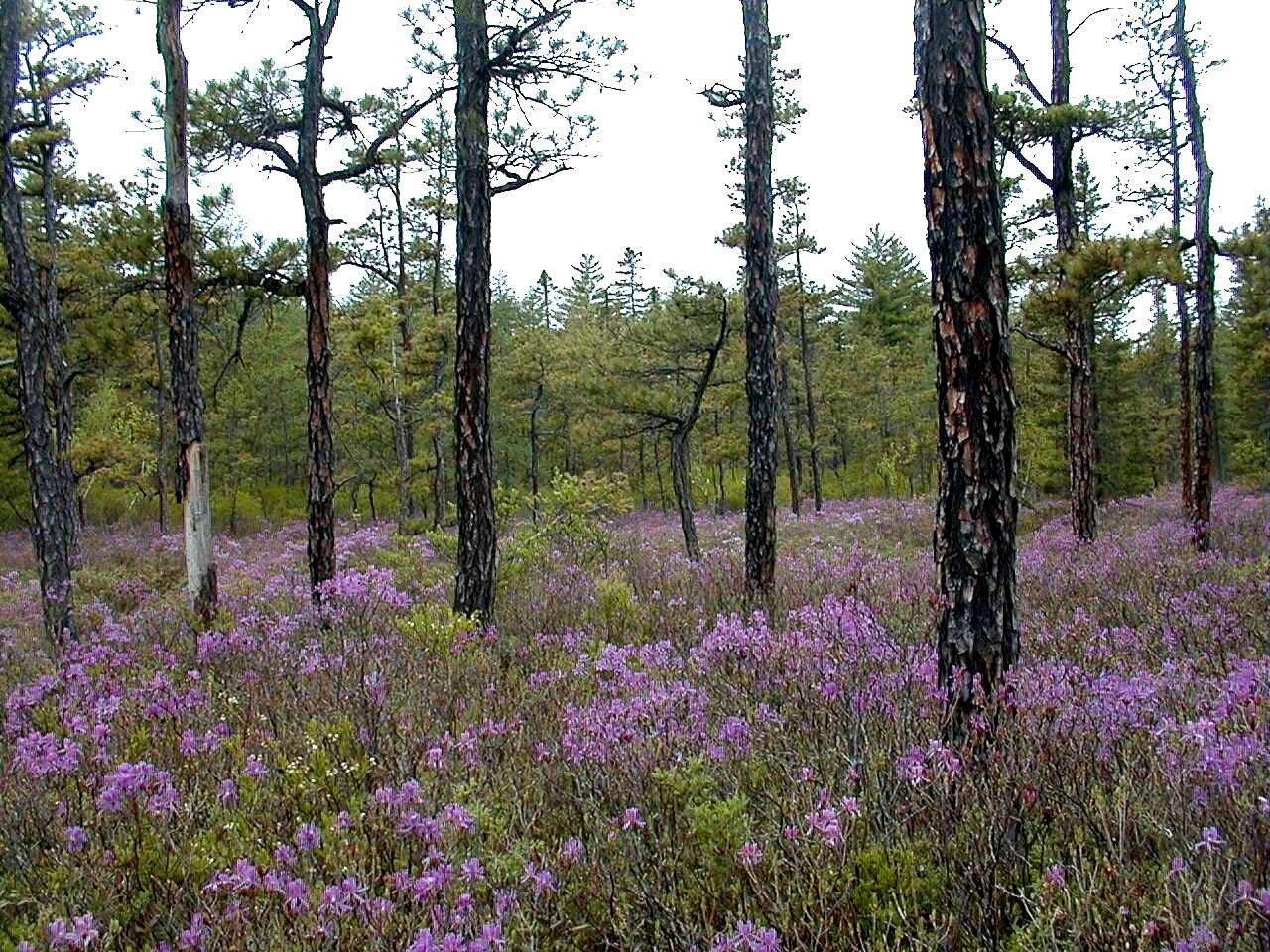
But keeping land safe is only the beginning. Many forests today face pressures that can overwhelm the delicate understory where ephemerals grow. In places where invasive plants have taken hold—garlic mustard in the East, stiltgrass in the South or aggressive shrubs across the Midwest—TNC teams lead multi-year restoration efforts to clear space for native plants to recover. Volunteers often join these efforts, removing invasive plants by hand and restoring light to the forest floor. Slowly, as the pressure eases, wildflowers return to places they have been absent for years.
In other areas, the challenge is restoring balance. Decades of fire suppression have changed how forests grow, leading to dense understories and limited sunlight reaching the ground in early spring. TNC’s forest ecologists use carefully planned prescribed burns to mimic natural fire cycles, opening the canopy just enough to allow ephemerals the early-season light they need. Where deer populations have grown beyond what these habitats can support, TNC collaborates with wildlife agencies and communities to encourage science-based management practices. Temporary exclosures in key areas allow wildflower colonies to recover, often revealing just how resilient these species can be when given the chance.
Science is woven into every step. Across the country, TNC teams monitor bloom timing, track species abundance and study how climate change is shifting the delicate synchrony between wildflowers, trees and pollinators. What they learn helps guide restoration strategies and informs how future forests will be managed in a warming world.

Stay in the Loop
Sign up for the Nature News email and receive conservation stories each month.
More To Explore

Ohio Wildflowers
From the small, inconspicuous blooms of mayapples to the showier displays of blue lupine, discover the amazing diversity of Ohio wildflowers and learn where you might find them at our open preserves.

Wyoming Wildflower Watch
To get a handle on the seasonal timing of ecological events, known as phenology, TNC in Wyoming has begun a two-pronged project to study these effects in parts of Grand Teton National Park.

A Walk Through Michigan’s Wildflowers
Explore this guide for the best places to view Michigan’s diverse plant life and learn about the role each plays in their respective habitats.