


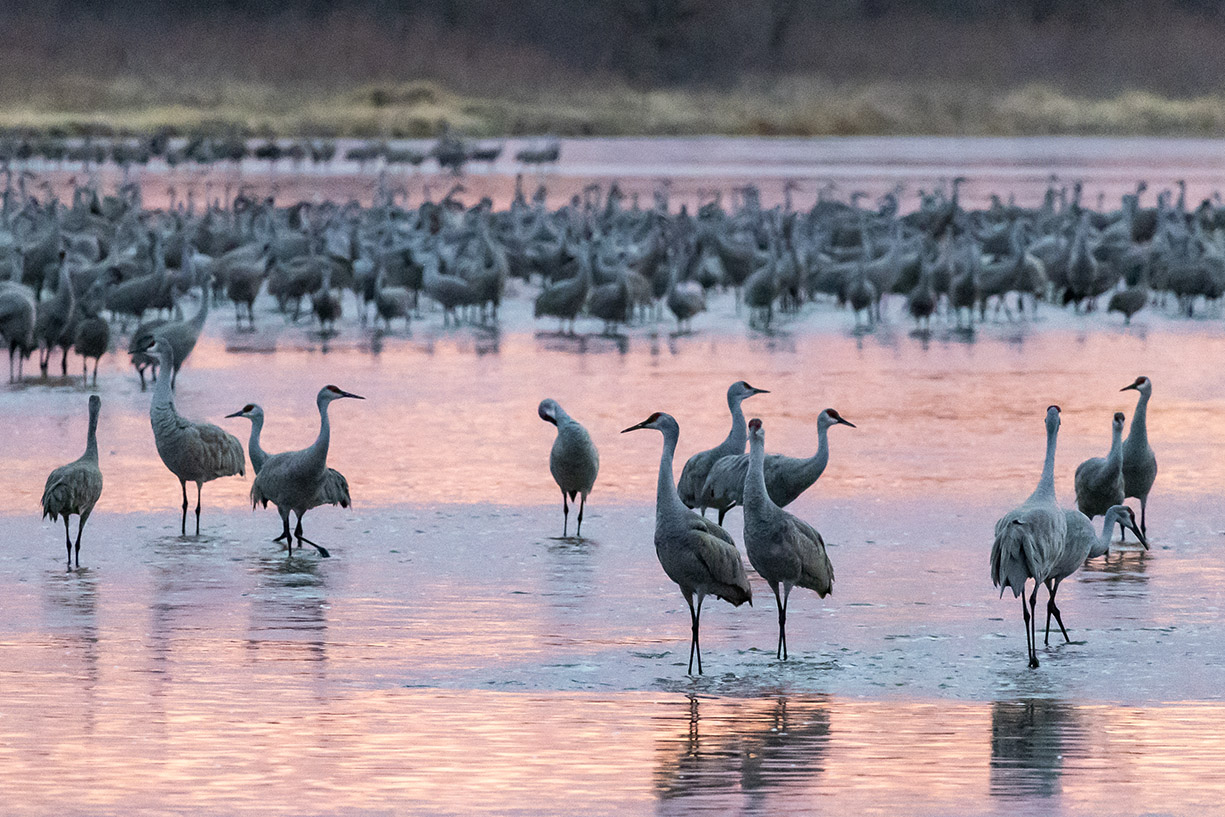
Sandhill Cranes Silhouettes of a group of sandhill cranes stand out in an orange sky at sunset. © Chris Helzer/TNC
There is something timeless about the migration of our planet’s wildlife. Each call of a crane, each flutter of a butterfly, each whistle of a humpback whale is a reminder that our world moves to rhythms much greater, and far older, than us.
Queued by changes in temperature, light and even the moon, millions of species travel incredible distances around the earth each spring in response to evolutionary triggers that scientists are still working to understand. Learn more about these forces of nature that jump-start springtime animal migrations, and where The Nature Conservancy is working to ensure that birds, butterflies and many more animals have the space and habitat they need to pursue every stage of their wide-ranging life cycles.
Science Calls for Safe Havens
Spring is a busy time in nature, with birds and butterflies, fish and whales, elk and ladybugs, and many more creatures on the move. Some move across entire continents while others relocate to new areas within in a state or region.
Why does this happen? The act of migrating is encoded in the DNA of many species. Some simply can’t help it!
Sea turtles lay eggs at the same beaches where they hatched. Salmon almost always spawn at the same stream where they were born. And monarch butterflies know exactly how to return to their summer homes in the north, despite being several generations removed from those butterflies that migrated south the previous fall. It's all evolutionary!

Migration Pathways Across the United States
Each year, millions of migratory wildlife move through the United States along a network of pathways shaped by geography, climate and available habitat. These routes—often following coastlines, river corridors, mountain ranges and forested landscapes—connect breeding grounds in the north with wintering areas farther south. Along the way, wildlife rely on stopover sites to rest and refuel, sometimes traveling hundreds of miles between suitable habitats. Protecting these pathways and the landscapes that support them is essential to ensuring migration remains possible, linking ecosystems and communities across the country.

Why Wildlife Migrate
While wildlife migration is often innate, it is also pursued for survival for a variety of reasons:
Finding Food: Warmer seasons offer a greater abundance of nourishment: insects for bats and warblers, milkweed for monarchs, krill for whales and horseshoe crab eggs for shorebirds.
Breeding and Nesting: Several species make a move in search of safe places like forests, grasslands and coastal wetlands to breed and raise their young.
Staying Warm and Dry: Shifts in temperature, day length and weather patterns represent signals for many species that it is time to move. Spring migrations follow warming, while fall migrations respond to colder, shorter days.
Securing Clean and Abundant Water: Every living thing on earth needs water to survive. Every migrating species needs to stop and take a drink, especially during the longest journeys.
Conserving Nature is Key
Here are five ways that conservation supports wildlife migration.
Check it Out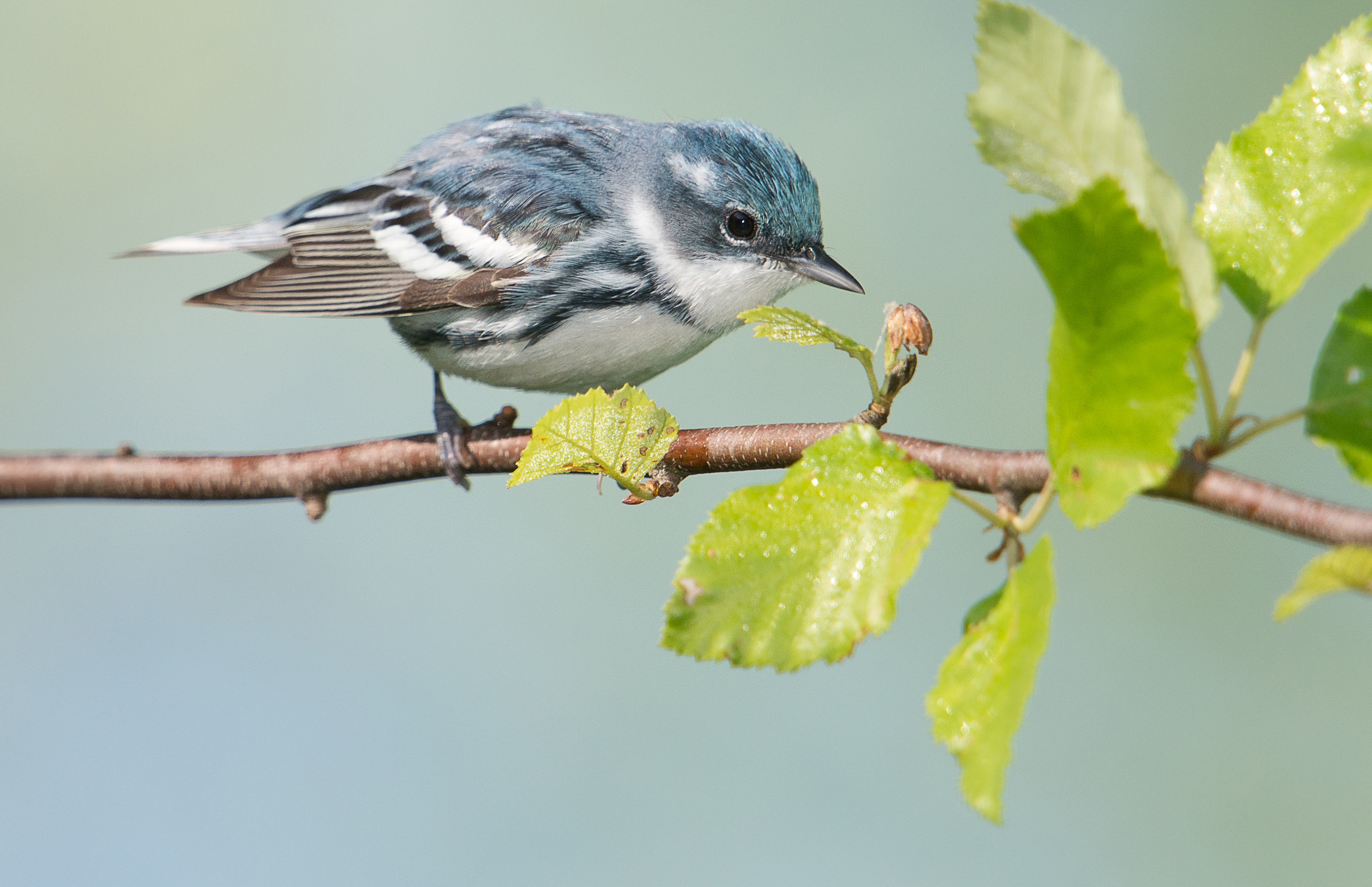
Our Favorite Wildlife Migrations
Our world is a living and breathing organism that awakens each spring after period of dormancy. Driven by internal circannual rhythms triggered by the light and warmth that accompanies the season, many animals make their move. Here are some of the most fascinating migrations you might witness this time of year.
Bats
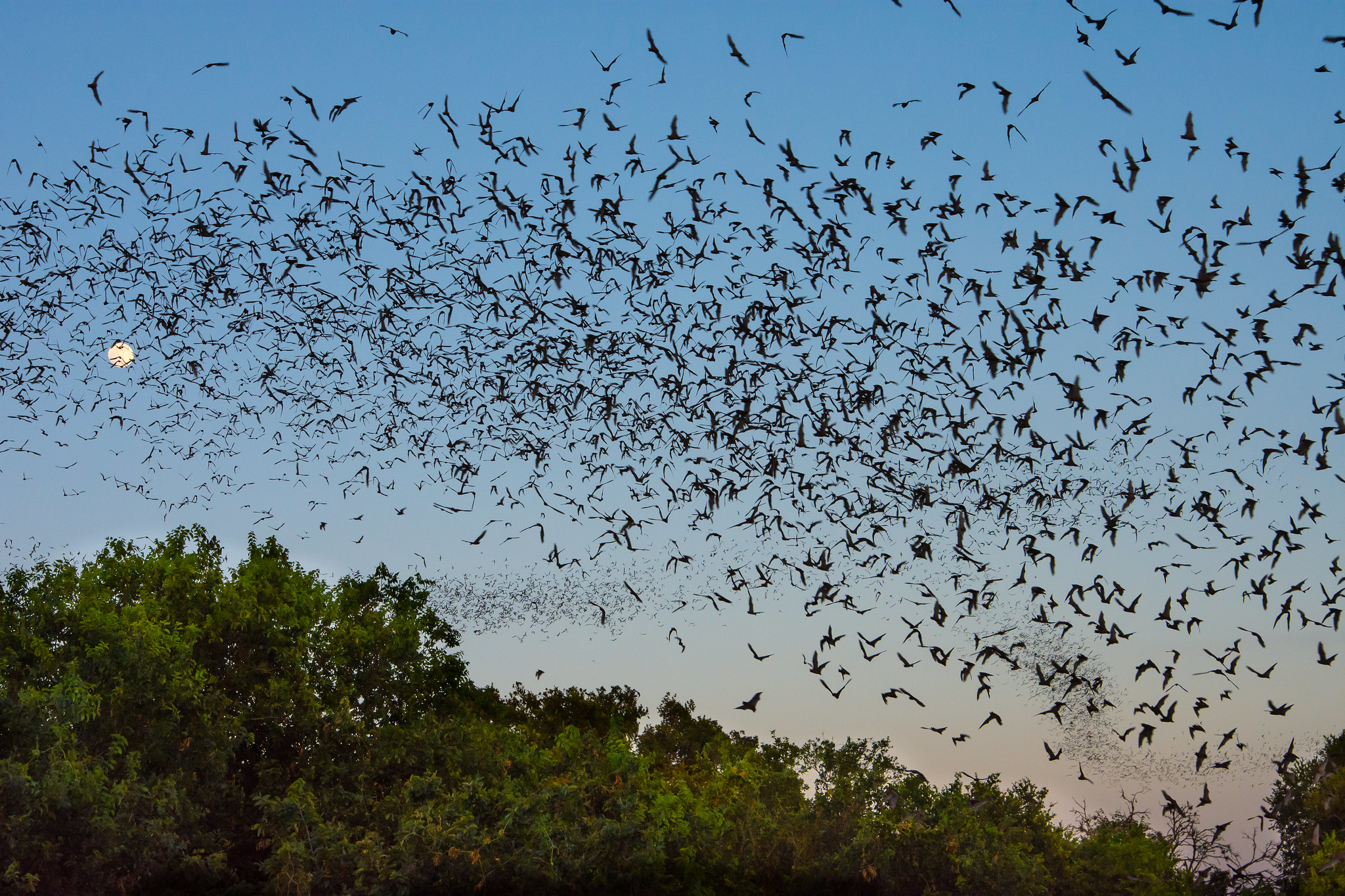
Bats follow migration pathways between the southern U.S. and Central America to align with seasonal patterns in food, water and shelter. At the Ramsey Canyon Preserve in Arizona and the Marathon Grasslands Preserve in Texas, TNC protects agave plants and other important sources of nectar located along the migration corridor for Mexican long-nosed bats. On a smaller scale, TNC works in Tennessee, which harbors 20 percent of known caves in the U.S., to protect federally endangered gray and Indiana bats migrating between winter cave hibernacula within the state and summer roosts around the region. Here, TNC is working at places like the Bridgestone Nature Reserve at Chestnut Mountain to apply a new generation of radio transmitters that are small and light enough to adhere to bats but large enough to be detected by Tennessee's growing Motus Wildlife Tracking System, an international network of stationary towers that use radio telemetry to track and share data about migrating species.

Stay Connected to Nature Near You
Sign up to learn more about TNC projects and preserves close to home.
Horseshoe Crabs
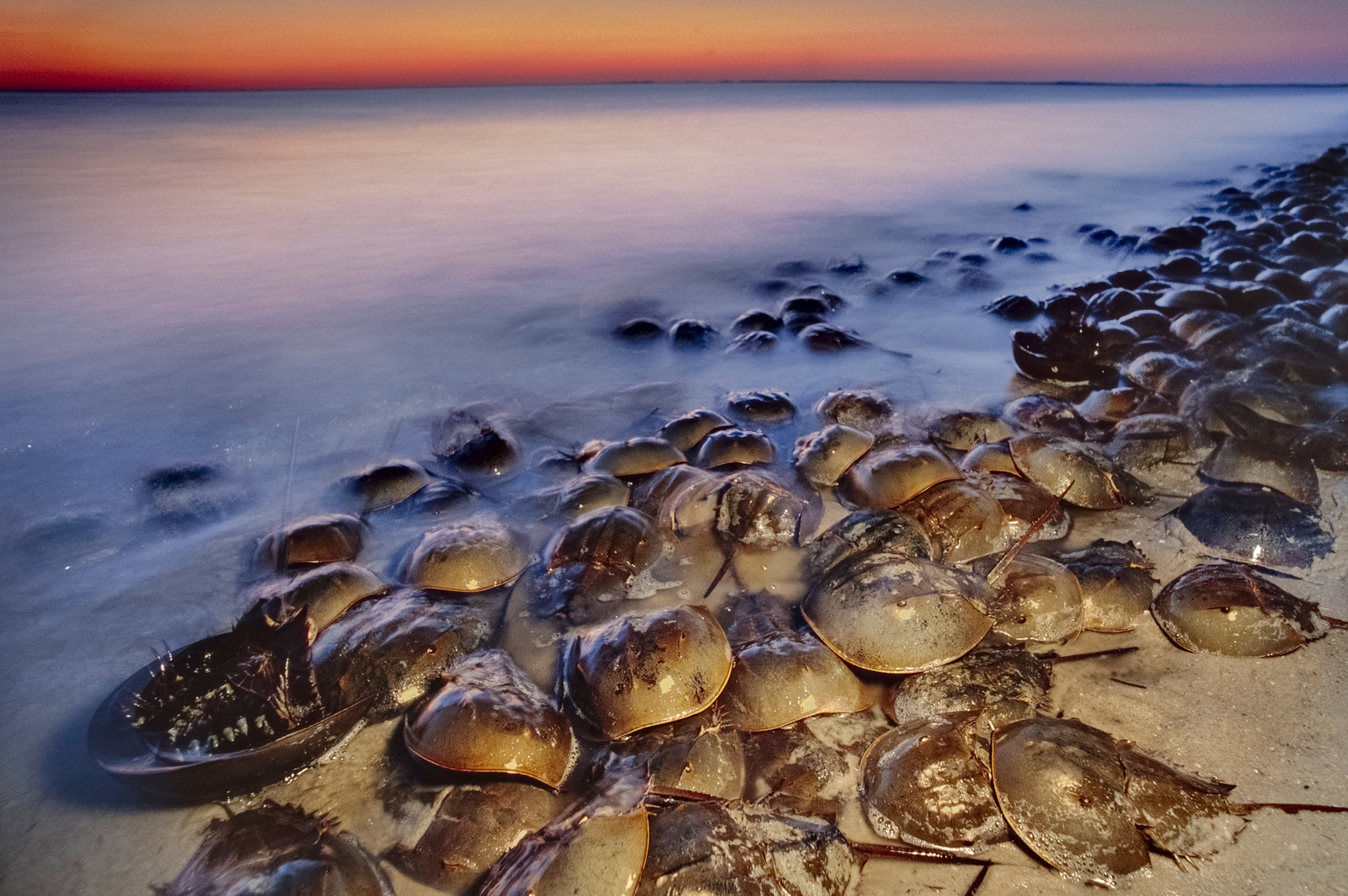
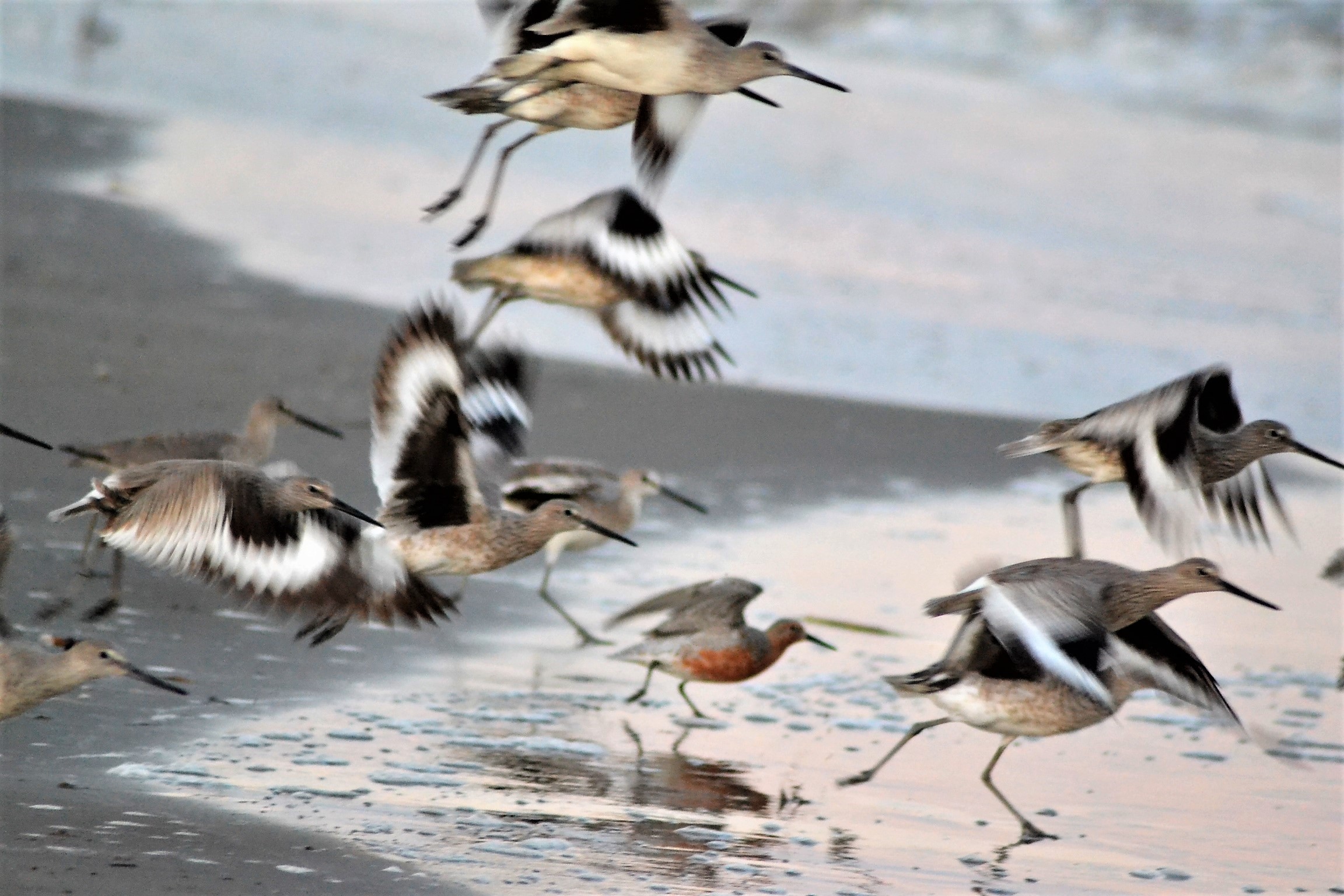
Each spring – at high tide during the full and new moons – thousands of horseshoe crabs emerge from deeper Atlantic waters to spawn in the surf and lay eggs on beaches, as they have done for more than 450 million years. This prehistoric event is perfectly synchronized with the journey of millions of shorebirds seeking sustenance as they move from southern locations to Arctic breeding grounds. The eggs of these living fossils attract millions of the birds, including ruddy turnstones, sanderlings and federally endangered red knots, and other migrating birds that pause at TNC nature preserves in Delaware and New Jersey to feast on horseshoe crab eggs and insects as they navigate long north–south journeys along the Delaware Bayshores and surrounding areas, a ground zero for spring shorebird migration and high priority for TNC’s work in the mid-Atlantic region.
Monarch Butterflies
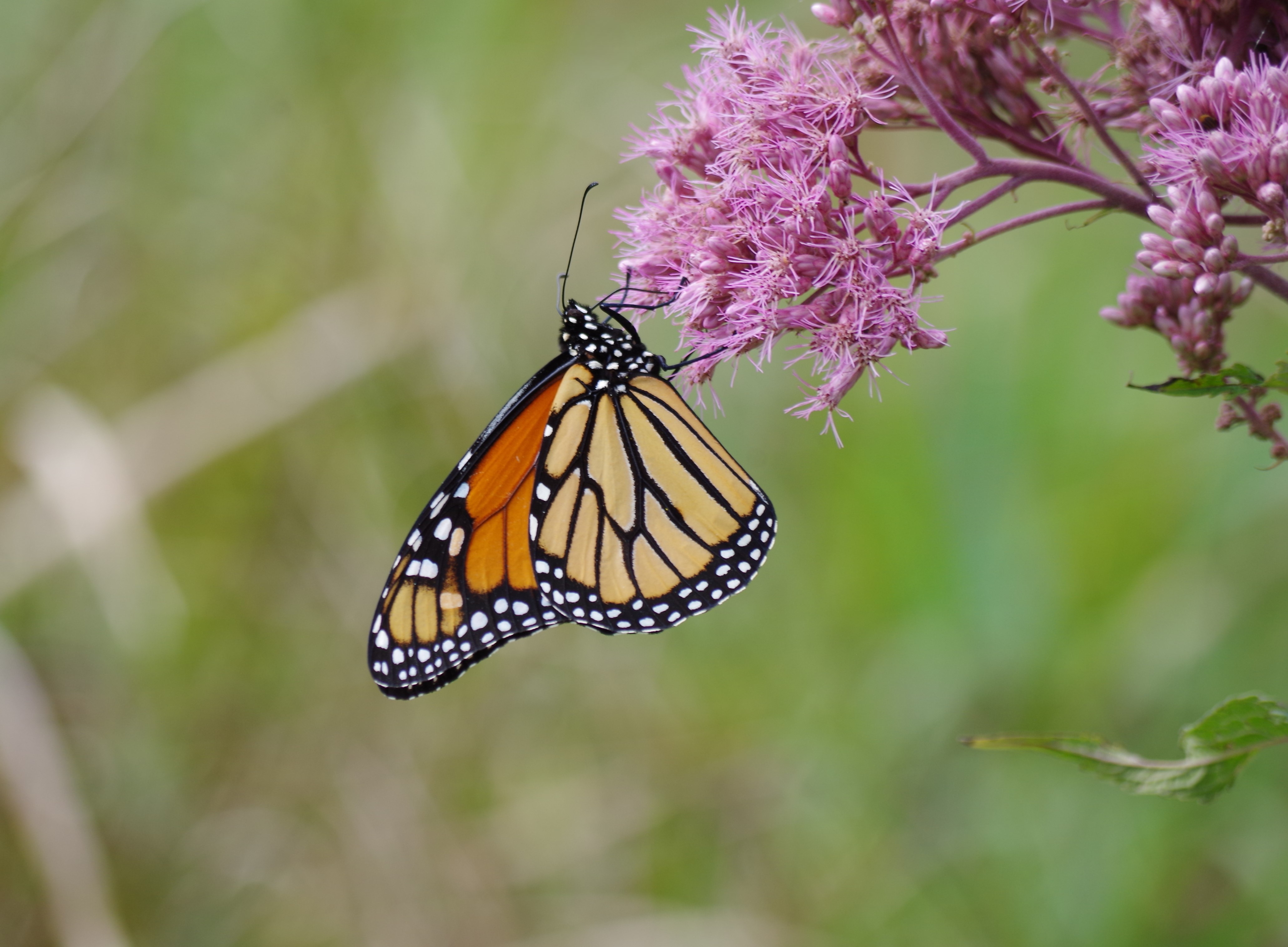
During winter, monarch butterflies reside in one of two areas – among several mountaintops in Mexico and a handful of forests along the southern California coast. When the time comes to head north, both populations embark on a relay of sorts. With each stop along the way, the monarchs breed and lay eggs before handing off the baton to a new generation at the end of their short two-to-five-week lifespan. In all, three to four generations participate in spring migration. Then, after summer with the breeding cycle complete, a single, longer-lived "super generation" hauls it home, making the 3,000-mile journey back south for the winter. In response to this monumental annual event, TNC works with partners, communities and citizen scientists in the U.S. and Mexico to identify, protect and restore habitat that is key to this pollinator species.
Neotropical Songbirds
Each spring, an estimated 2.1 billion birds cross the Gulf from wintering grounds in Central and South America on their way to breeding grounds in the U.S. and Canada. Depending on wind and weather, exhausted birds are known to seemingly fall out of the sky into key natural areas along the Louisiana and Texas coasts at the end of this massive, non-stop, more than 500-mile leg of the journey. These areas, like TNC’s Lafitte Woods Preserve on Grand Isle and at hotspots in Texas, allow thousands of birds representing upwards of 100 species – rose-breasted grosbeaks, orioles, painted buntings, a variety of warblers and many others – to rest and refuel before going the rest of the way.
Sandhill Cranes
Aldo Leopold wrote, “When we hear his call we hear no mere bird. We hear the trumpet in the orchestra of evolution.” For at least 2 million years, these ancient birds, one of the oldest species in existence, have been following nature’s queues in a quest for survival. From mid-February to mid-April, more than 88% of all sandhill cranes in North America use this 80-mile stretch of Nebraska’s Platte River – the center of their migration route. During their visit, they prepare for the rest of their journey to their breeding grounds in Canada and Alaska. TNC works in Nebraska and at other place in the region, like the Kitty Todd Nature Preserve in Ohio, to ensure key habitat remains healthy, productive and safe for these birds.
Sea Turtles
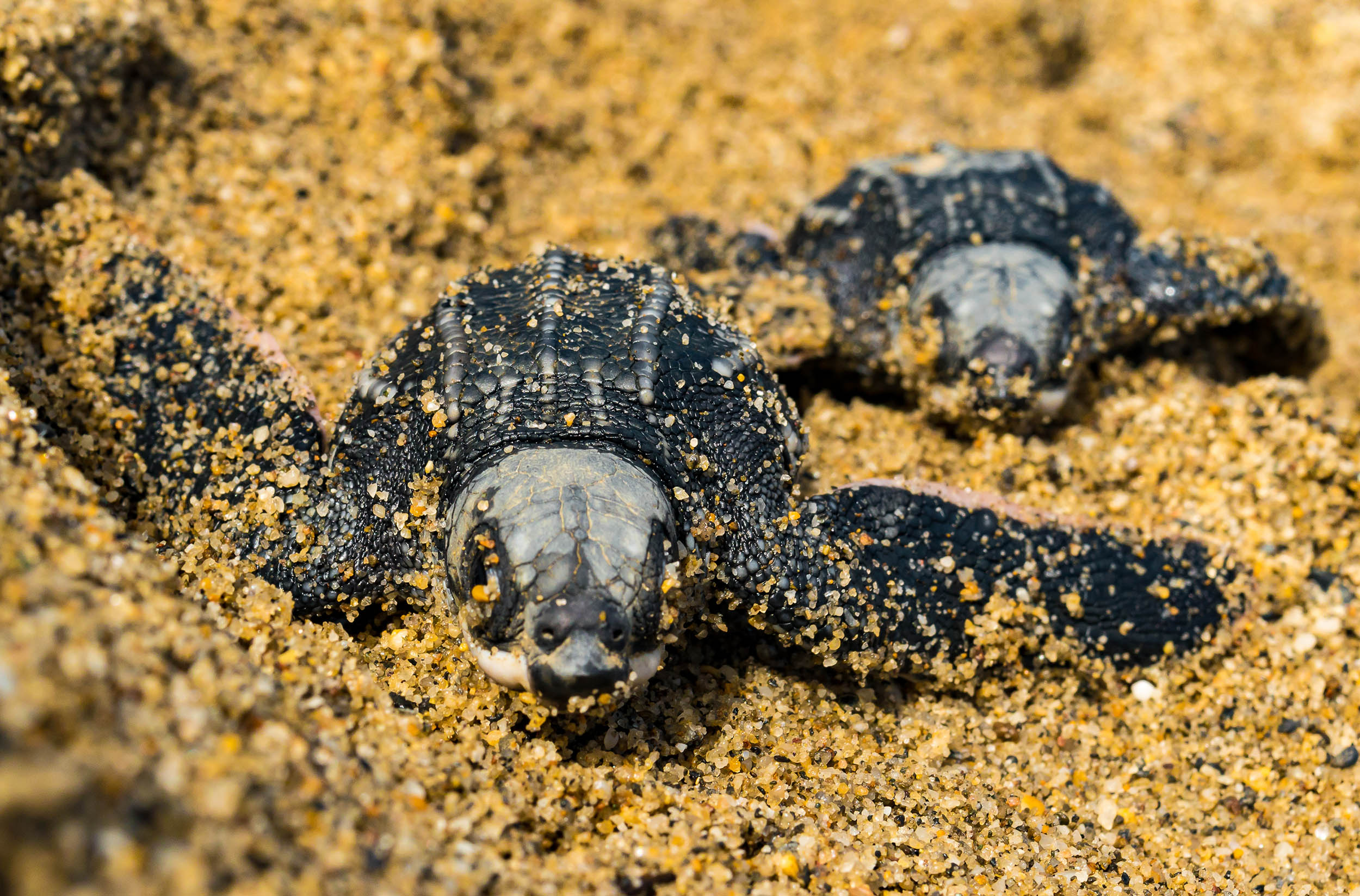
This time of year, most female sea turtles exhibit a behavior known as "natal homing," where they return to the same general area — often the exact beach — where they hatched to lay their own eggs during the spring and summer nesting seasons. Sometimes, this requires migrating hundreds or thousands of miles. In Florida, the rare Anastasia limestone shoreline at TNC’s Blowing Rocks Preserve represents such a destination for loggerhead, leatherback and green turtles. In the U.S. Virgin Islands, green sea turtles return to TNC's Jack & Isaac Bay Preserve's protected beaches for nesting. Farther away, in Hawaii, TNC works along the black sands of the remote Kamehame Beach, considered the most important nesting site in the U.S. for critically endangered hawksbill turtles and a refuge for green turtles.
Discover Wildlife Migration at a Preserve Near You
Whether you love wildlife, nature photography, birding or simply a peaceful escape into nature, there is something for everyone to discover at one of The Nature Conservancy's hundreds of nature preserves across North America.
Plan Your Visit!
No results are shown. To see results, turn on the toggle switches in the legend.
- Baxter's Hollow
-

Baxter's Hollow
TNC’s Baxter’s Hollow Preserve protects a portion of Wisconsin’s largest intact southern deciduous forest and some of North America’s remaining ancient rock outcrops of Baraboo quartzite giving the region its name. Each spring, more than 92 species of birds breed here, making it an important nesting areas for forest-dwelling birds, including birds that are rare in the state.
Image © Cameron Davidson
- Blowing Rocks Preserve
-

Blowing Rocks Preserve
The rare Anastasia limestone shoreline at TNC’s Blowing Rocks Preserve is a critical nesting beach for threatened and endangered sea turtles, including loggerhead, leatherback and green turtles. From March through October, TNC teams monitor nests and help hatchlings reach the sea, while migrating shorebirds feed along this protected Atlantic coast.
Image © Martha Lent/TNC Photo Contest 2019
- Cheyenne Bottoms Preserve
-

Cheyenne Bottoms Preserve
Part of a 41,000-acre wetland complex of international importance, TNC’s Cheyenne Bottoms Preserve is one of the top resting areas for shorebirds and waterfowl in the U.S. Birds traveling from the Arctic to South America rely on this marsh as an essential link in their migration routes.
Image © Tom Blandford
- Erie Marsh Preserve
-

Erie Marsh Preserve
Tucked along Lake Erie’s North Maumee Bay, TNC’s Erie Marsh Preserve is one of the region’s best spots for witnessing spring migration. This sprawling wetland serves as a critical nesting and stopover site for thousands of shorebirds, waterfowl, land birds and, in fall, raptors. Ongoing restoration reconnects marsh and lake, boosting habitat resilience as birds face a changing climate.
Image © Deb Allen
- Four Canyon Preserve
-

Four Canyon Preserve
Along the Canadian River, TNC’s Four Canyon Preserve’s red rock canyons and river channel provide habitat for prairie and woodland bird species, like LeConte’s sparrow and Myrtle warbler, in addition to migratory shorebirds like sandhill cranes. As birds move along inland flyways, this protected stretch of river offers safe sandbars and feeding grounds.
Image © USFWS
- Garrett Family Preserve
-

Garrett Family Preserve
Garrett Family Preserve’s wildflower meadows, tidal marsh and tree-lined edges are an ideal stopover for spring migrants. From mid-May through mid-June, songbirds and raptors fill fields and hedgerows as they rest and refuel, while shorebirds and waterfowl utilize the tidal marshes. With flat trails, bird blinds and quiet corners, the preserve offers an inviting place to witness spring migration.
Image © Lily Mullock/The Nature Conservancy
- Goosewing Beach Preserve
-

Goosewing Beach Preserve
On one of Rhode Island’s most beautiful beaches, dunes and tidal flats at Goosewing Beach are key nesting and feeding habitat for protected wading birds and shorebirds like piping plovers. As migratory flocks move along the Atlantic coast, these undisturbed sands offer a rare safe haven.
Image © Geoff Dennis
- Great Egret Marsh Preserve
-

Great Egret Marsh Preserve
On Ohio’s Lake Erie shore, TNC’s Great Egret Marsh and the surrounding West Harbor Basin are havens for migrating waterfowl, wading birds, and songbirds. An easy loop trail, open year-round, guides visitors through marsh and upland habitats, offering intimate views of spring migrants that include nesting trumpeter swans and bald eagles, blue-winged teal, spotted sandpiper and great egret.
Image © Ken Salzman
- Great Salt Lake Shorelands Preserve
-

Great Salt Lake Shorelands Preserve
Along the eastern edge of Great Salt Lake, this 4,500-acre preserve protects wetlands and uplands that support 4–10 million migratory birds each year. Boardwalks and a viewing tower let visitors experience one of the Western Hemisphere’s most important stopovers for shorebirds and waterfowl traveling the Pacific Flyway.
Image © Courtney Celley/USFWS
- Jack and Isaac Bay Preserve
-

Jack and Isaac Bay Preserve
This pristine preserve protects coral reefs, seagrass beds and beaches that endangered green sea turtles use for nesting. Thanks to long running patrol and monitoring efforts, the number of nesting females has risen dramatically, with turtles returning each year to lay eggs on these safer shores as part of their ocean spanning migrations.
Image © Shane Gross
- Kankakee Sands Preserve
-

Kankakee Sands Preserve
The planted prairies at TNC’s Kankakee Sands Preserve provide a mosaic of grassland and wetland habitat once common in the Midwest. During the spring, wet conditions and blooming wildflowers attract migratory birds and pollinators, turning this preserve into a staging ground for wildlife moving across the landscape.
Image © Trevor Edmonson/The Nature Conservancy
- Kitty Todd Preserve
-

Kitty Todd Preserve
In the Oak Openings region, TNC’s Kitty Todd Preserve’s restored wet prairies, oak savannas and oak woodlands support everything from rare plants to state-threatened sandhill cranes. The preserve has three public trails. Highlights include sandhill cranes, pileated and red-headed woodpecker, lark sparrow, vesper sparrow, bobolink and blue-winged warbler.
Image © Ian Adams
- Lafitte Woods Preserve at Grand Isle
-

Lafitte Woods Preserve at Grand Isle
Certain times of year, weather fronts along the Gulf Coast trigger “fallouts,” when exhausted migratory birds land en masse after crossing the Gulf. TNC’s Lafitte Woods Preserve at Grand Isle is an excellent place to witness this phenomenon. One moment the trees are quiet. Next, they’re alive with dozens of species, including warblers, vireos, buntings, orioles, resting and feeding all around you.
Image © David A. Cangolatti
- Marathon Grasslands Preserve
-

Marathon Grasslands Preserve
This preserve is a vital stopover for the endangered Mexican long-nosed bat (Leptonycteris nivalis), which migrates annually between Mexico and the U.S. in search of native agave, its only nectar source. It also safeguards Chihuahuan Desert grasslands that sustain raptors, grassland birds and other migratory wildlife. Visitors can explore the preserve during TNC guided tours.
Image © Justin Bailie/The Nature Conservancy
- Nassawango Creek Preserve
-

Nassawango Creek Preserve
Cypress swamps and mixed forests along Nassawango Creek host more than 60 migratory bird species, including prothonotary warblers and scarlet tanagers. This protected tributary of the Pocomoke River provides quiet backwaters where birds can rest and refuel during demanding migrations.
Image © Gayla Loewen/TNC Photo Contest
- Ramsey Canyon Preserve
-

Ramsey Canyon Preserve
TNC’s Ramsey Canyon Preserve hosts migrating lesser long-nosed bats (Leptonycteris yerbabuenae) during late spring and early summer. Once endangered, the bats migrate from Mexico, arriving in the Huachuca Mountains to feed on nectar, including at the preserve’s hummingbird feeders. Lesser long-nosed bats act as crucial pollinators for agave plants.
Image © Jacob Bopp
- Sierra Valley Preserve
-

Sierra Valley Preserve
TNC’s Sierra Valley Preserve’s wetlands and meadows form a high elevation basin that is a critical migratory stop for 230 species of birds traveling along the Pacific Flyway, including sandhill cranes, white-faced ibis and raptors. Upland habitat provides refuge for pronghorn, black bear, American badger, coyote, sage thrasher and mule deer as they move through the Sierra Nevada.
Image © Feather River Land Trust
- South Cape May Meadows
-

South Cape May Meadows
At the tip of the Cape May peninsula, this 200-acre preserve lies along the Atlantic Flyway, earning its reputation as a world class birding hotspot. Its freshwater wetlands, meadows and protected beach support thousands of migratory shorebirds, waterfowl and songbirds. The oceanfront preserve also provides a chance to spot another migration in motion—dolphins traveling along the Atlantic Coast!
Image © Mark S. Garland
- Volgenau Virginia Coast Reserve
-

Volgenau Virginia Coast Reserve
These protected barrier islands shelter more than 250 species of raptors, songbirds and shorebirds. For decades, the Virginia Coast Reserve’s migratory bird program has managed and protected coastal habitats that birds depend on for nesting and stopover along the Atlantic Flyway.
Image © Daniel White/The Nature Conservancy
- Weaver Dunes Scientific & Natural Area
-

Weaver Dunes Scientific & Natural Area
Weaver Dunes’ sand prairie and backwater wetlands along the Mississippi River support reptiles, migrating waterfowl and raptors. By protecting this unique dune landscape, TNC helps maintain critical habitat for ground nesting birds and the migratory species that depend on intact river corridors.
Image © Derek Montgomery
- Zumwalt Prairie Preserve
-

Zumwalt Prairie Preserve
North America’s largest remaining bunchgrass prairie, TNC's Zumwalt Prairie Preserve is renowned for its nesting and migratory raptors and grassland birds. Conservation work here helps maintain healthy prairie habitat for hawks, eagles and songbirds moving across the interior Northwest, alongside the economic viability of this working landscape.
- Emiquon Preserve
-

Emiquon Preserve
Emiquon Preserve is a restored Illinois River floodplain where more than 6,000 acres of wetlands, lakes, prairies and forests have come back to life. Once farmland, it now supports spectacular migrations of birds, thriving native fish and a dynamic web of wildlife moving through the river corridor each season.
- Hitz-Rhodehamel Woods
-

Hitz-Rhodehamel Woods
Hitz‑Rhodehamel Woods protects more than 500 acres of rugged forest in Indiana’s Brown County Hills. This region is a spring hotspot for migratory songbirds, and the preserve’s oak‑covered ridges and deep ravines offer a quiet place for warblers and other migrants to rest and refuel.

Beyond Our Borders
TNC's Wisconsin and Colombia programs work together to protect migrating species.
Get the Big PictureWildife Migration is Bigger than One Place
Wherever you go to witness the fleeting phenomenon that is spring wildlife migration, you are only seeing part of the picture. For TNC and our partners, it is imperative to protect all of these places where these species on the move spend parts of their life cycles throughout the year. Spring is the perfect time for reminding us that conserving nature requires casting a large net.
More To Explore

On the Move
A podcast mini-series about wild animals, their amazing migrations and how people are finding ways to free them up from all the things standing in their way.

Five Ways Conservation Keeps Wildlife Moving
By protecting animal migrations and movement, we can build a healthier, more resilient planet.

How Do We Track Wildlife Migrations—and Why?
To protect animals and ecosystems—and the communities that depend on them—we need to understand how wildlife migrate, and how these journeys are changing.