


Bog Restoration For one week each year, land stewards and volunteers gather at Tannersville Cranberry Bog to prepare the preserve for the season through restoration projects. © The Nature Conservancy
Since 1956, The Nature Conservancy (TNC) has protected more than 100,000 acres in Pennsylvania. With every property we acquire, we make a legal and ethical commitment to steward that land in perpetuity. From planting trees and reintroducing prescribed fire to removing invasive plants and building sustainable trails with volunteers, our choices are guided by science, community needs and the resilience of the lands we manage.
Our stewardship actions enhance the visitor experience and ensure our preserves stay resilient in a changing climate.

Our Stewardship and Management Goals
We work with businesses, government agencies, nonprofits and community partners to ensure a healthy future for Pennsylvania’s lands.
-
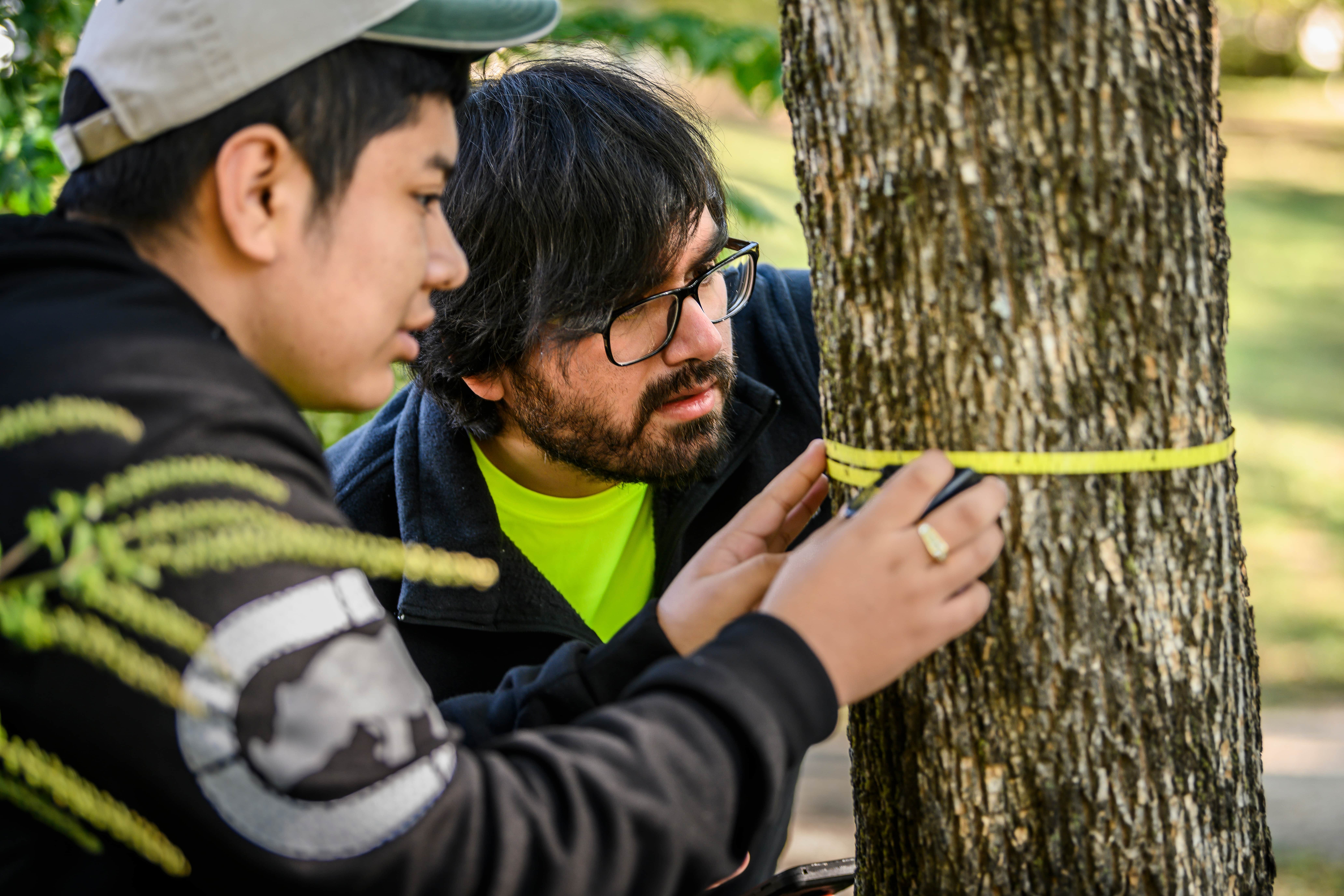
Protect and Restore Lands and Waters
Science guides our decisions so we prioritize high‑value habitats, resilient forests and connected wildlife corridors.
-
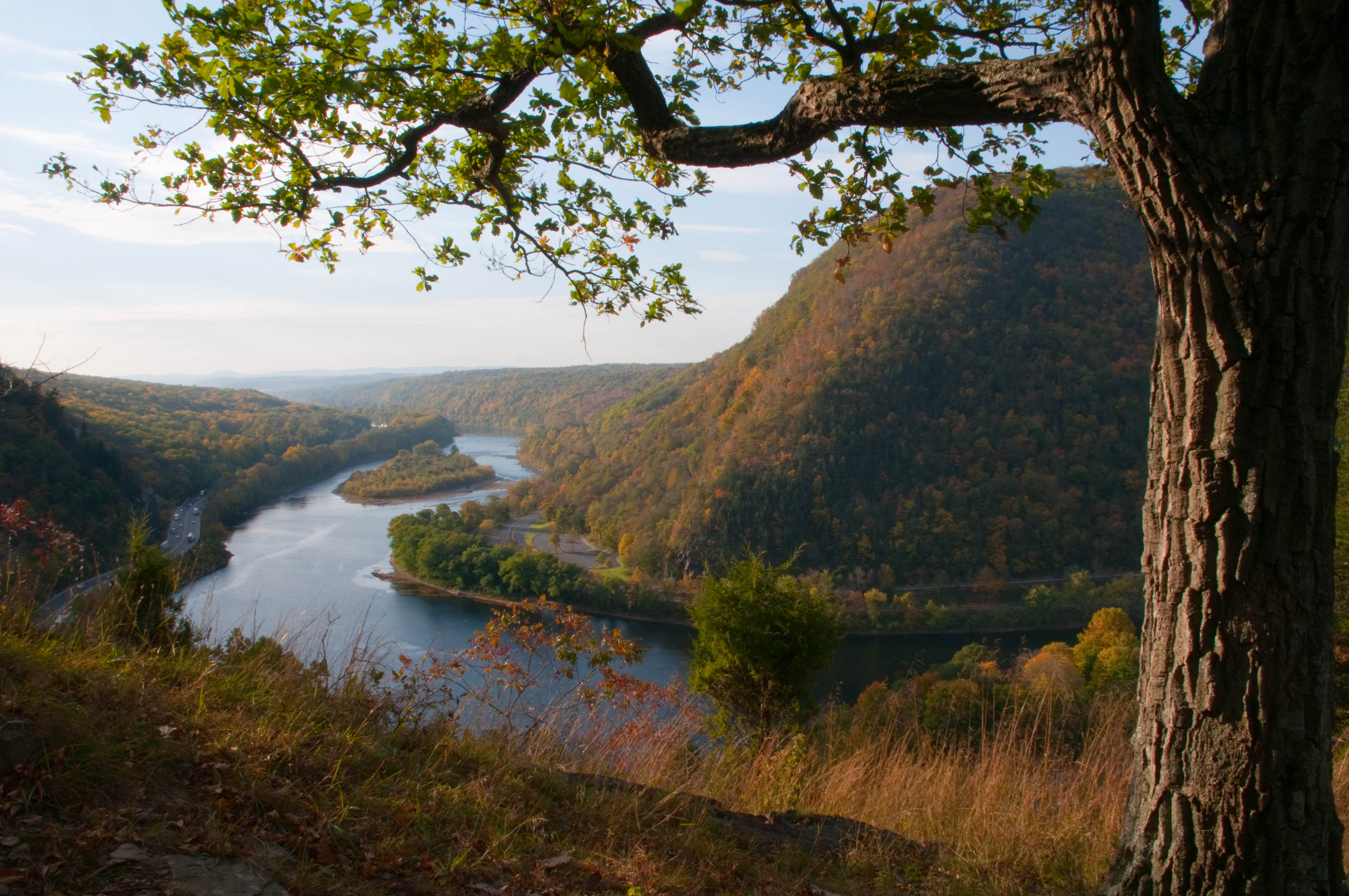
Safeguard Biodiversity
We conserve Pennsylvania’s unique species and ecosystems for today and the future.
-
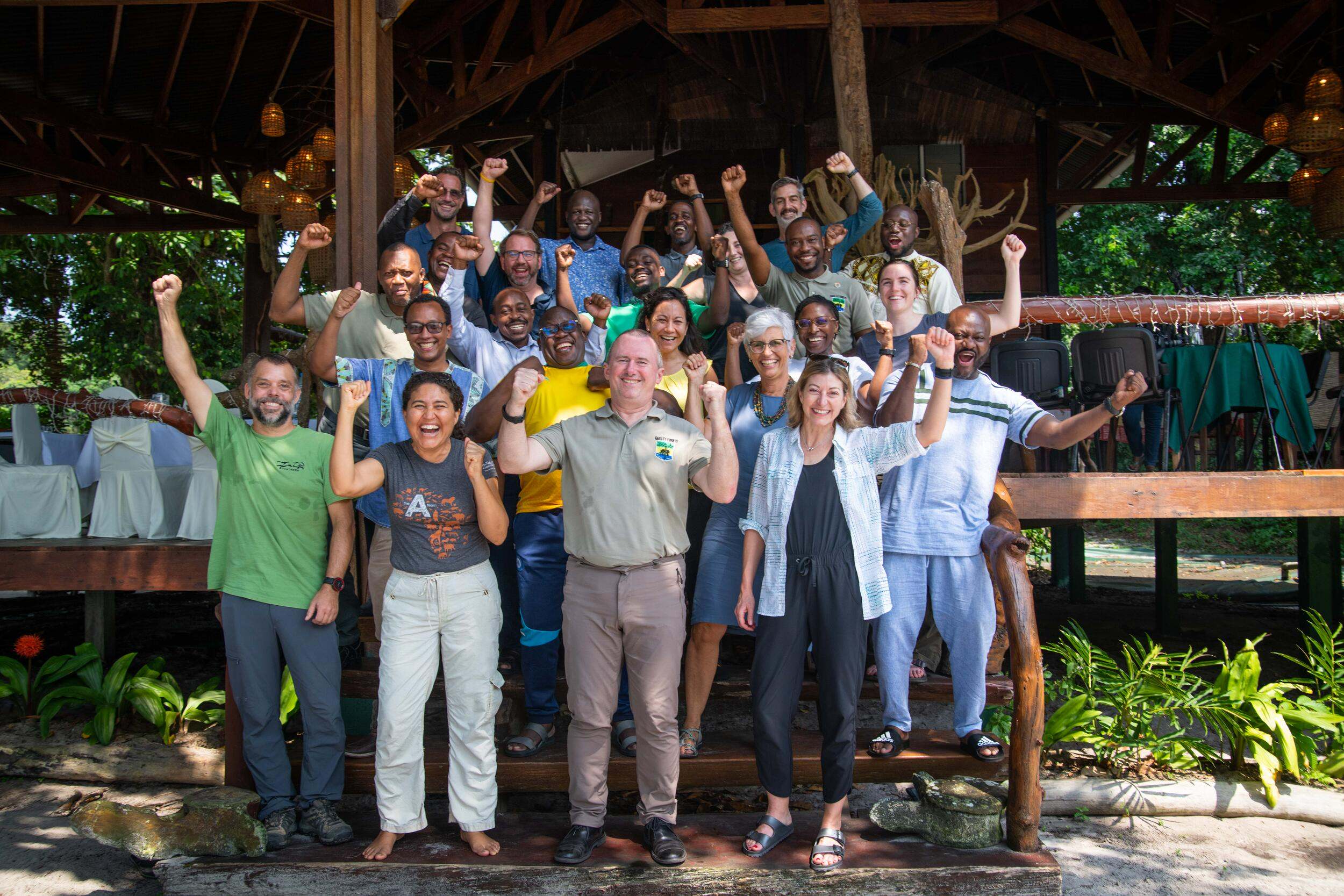
Accelerate Impact Through Partnership
We collaborate across jurisdictions to create durable, landscape‑scale conservation solutions.
Our Work
To achieve our goals, we focus on three pillars: Protection, Restoration and Collaboration.
Don't miss any nature news!
Subscribe for the latest conservation updates and ways to get involved in PA.
Protection
Land Protection in Pennsylvania
We strategically conserve lands and secure easements that expand and connect existing public lands in priority landscapes. Connected, intact and well‑managed forests are more resilient, supporting clean water, wildlife migration, outdoor recreation and community well‑being.


By the Numbers
-

103,096
Protected Acres
-

28
Nature Preserves
-

40
Conservation Easements
Spotlight: The Appalachian Forest

The Appalachian Forest
We are working to protect one of the most resilient, diverse and carbon-rich landscapes.
Explore How We Do This in PennsylvaniaMaintaining healthy, connected Appalachian forests is essential to building a climate‑resilient corridor across the region. Shifting land use and fragmented ownership threaten these connections, while poor management undermines biodiversity and forest function. We work with local land trusts, public agencies and supporters to increase resiliency and connectivity, protecting headwaters that feed the Delaware River and Chesapeake Bay, and conserving habitats at a continental scale. This is a critical component in meeting global climate and biodiversity goals.
Protection alone isn’t always enough. Many sites require active management to recover from past mismanagement, invasive species or new climate stresses. Our preserves serve as living laboratories demonstrating practices others can replicate.
Restoration
Caring for Pennsylvania’s Landscapes
Restoration is a critical part of our stewardship work. Across our preserves, TNC land stewards are restoring forests, improving stream habitats, removing invasive plants, reintroducing fire and monitoring ecological health over time.

1) Invasive Species Removal
At places like the Hamer Woodlands at Cove Mountain along the Kittatinny Ridge, our stewards and volunteers remove invaders such as Tree of Heaven, Japanese stiltgrass and mile‑a‑minute to protect this critical migratory corridor for birds and other wildlife.
See Cove Mt. Restoration Work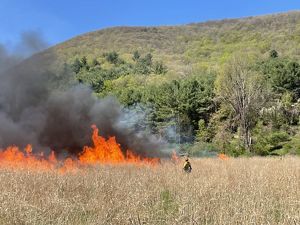
2) Prescribed Fire
Prescribed fire is a proven tool for restoring healthy forests. By safely reintroducing fire at sites like Long Pond Barrens, we promote native plant regeneration, improve wildlife habitat and reduce fuel buildup that can lead to severe wildfires.
Learn About Prescribed Fire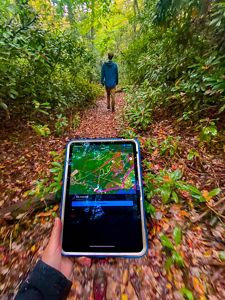
3) Preserve Monitoring
As an accredited land trust, we conduct annual monitoring across our preserves. Land stewards document wildlife, track changes and identify threats such as erosion, invasives or misuse, ensuring we adapt management to keep protected lands thriving.
Dive Deeper into Restoration
Discover the restoration projects making Pennsylvania’s lands healthier and more resilient.
Explore Pennsylvania ProjectsCollaboration
Stronger Together: Conservation Beyond Our Borders
Our conservation impact grows when we work with state and federal agencies, local land trusts and regional partners.
In Pennsylvania, we often help acquire lands that become public forests and game lands, share planning tools like our Resilient & Connected Network map and support ongoing management for biodiversity and resilience.

Recent Land Collaborations

1,158 Acres on the Allegheny Front
This parcel protects habitat for endangered bats and secures a migration corridor from the PA Wilds to West Virginia. Now part of State Game Lands 82, it expands outdoor access and climate‑resilient wildlife pathways.
Explore Allegheny Impact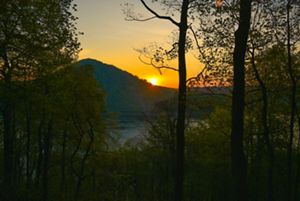
509 Acres Along the Susquehanna
Now part of State Game Lands 211, this addition opens access to 342 landlocked acres and strengthens a 30‑mile wildlife corridor along Kittatinny Ridge and Second Mountain.
See Susquehanna Win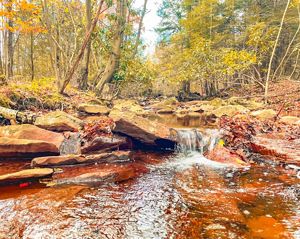
279 Acres in Gallitzin State Forest
Linking three sides of Gallitzin State Forest, this land secures a missing piece of an important bird area. Its rare grasslands support threatened species, and its accessible roads lead visitors to sweeping hilltop views.
Read About Gallitzin ForestWhere We Work
Public Preserves with Active Restoration Projects
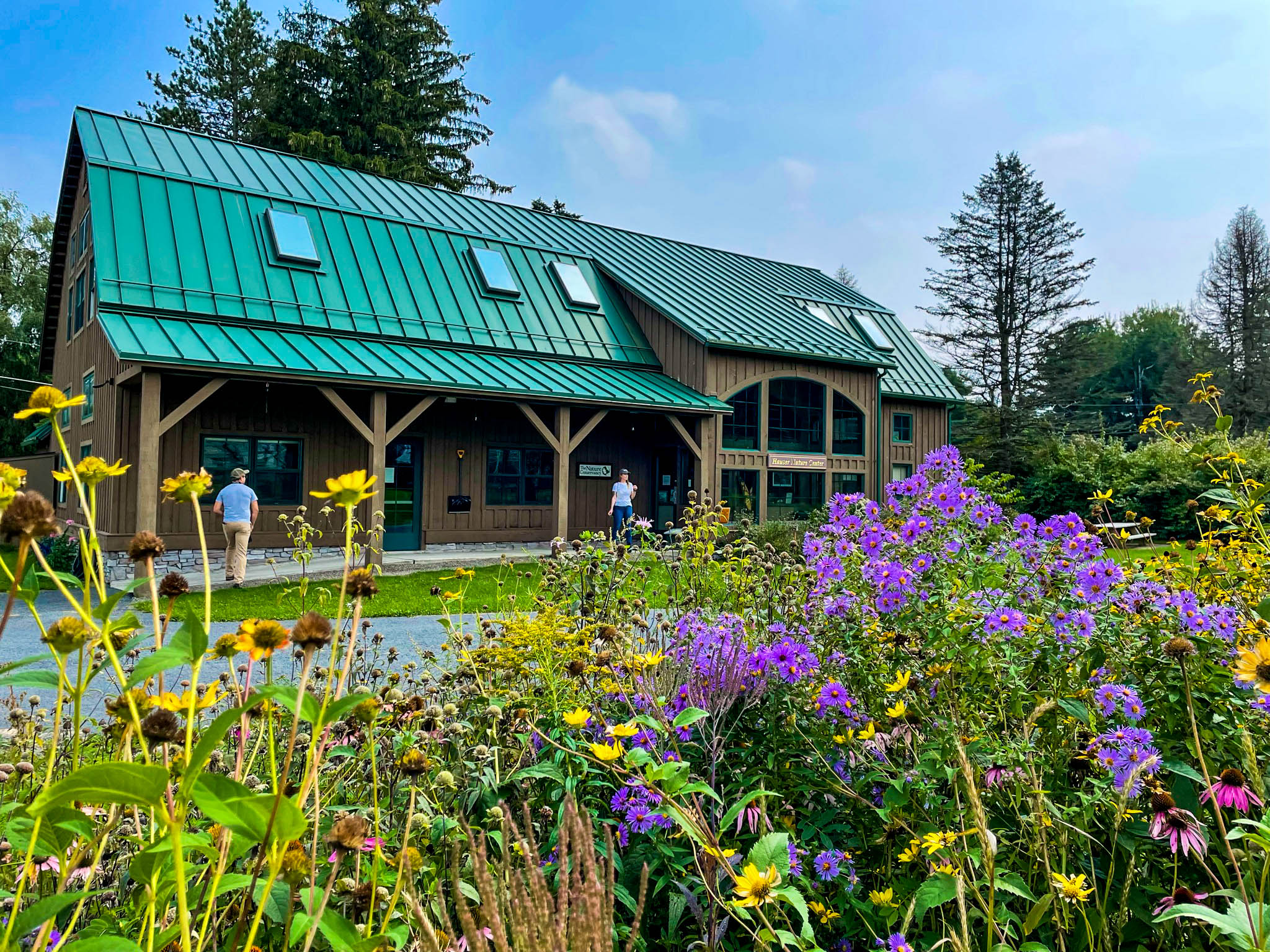
Long Pond Preserve & Nature Center
The Nature Conservancy’s Long Pond Preserve includes the Hauser Nature Center and Cathy's Trail, located near the Tunkhannock Township Office. Stop into the nature center to learn more about our stewardship work or explore the pollinator garden along the universal access trail.
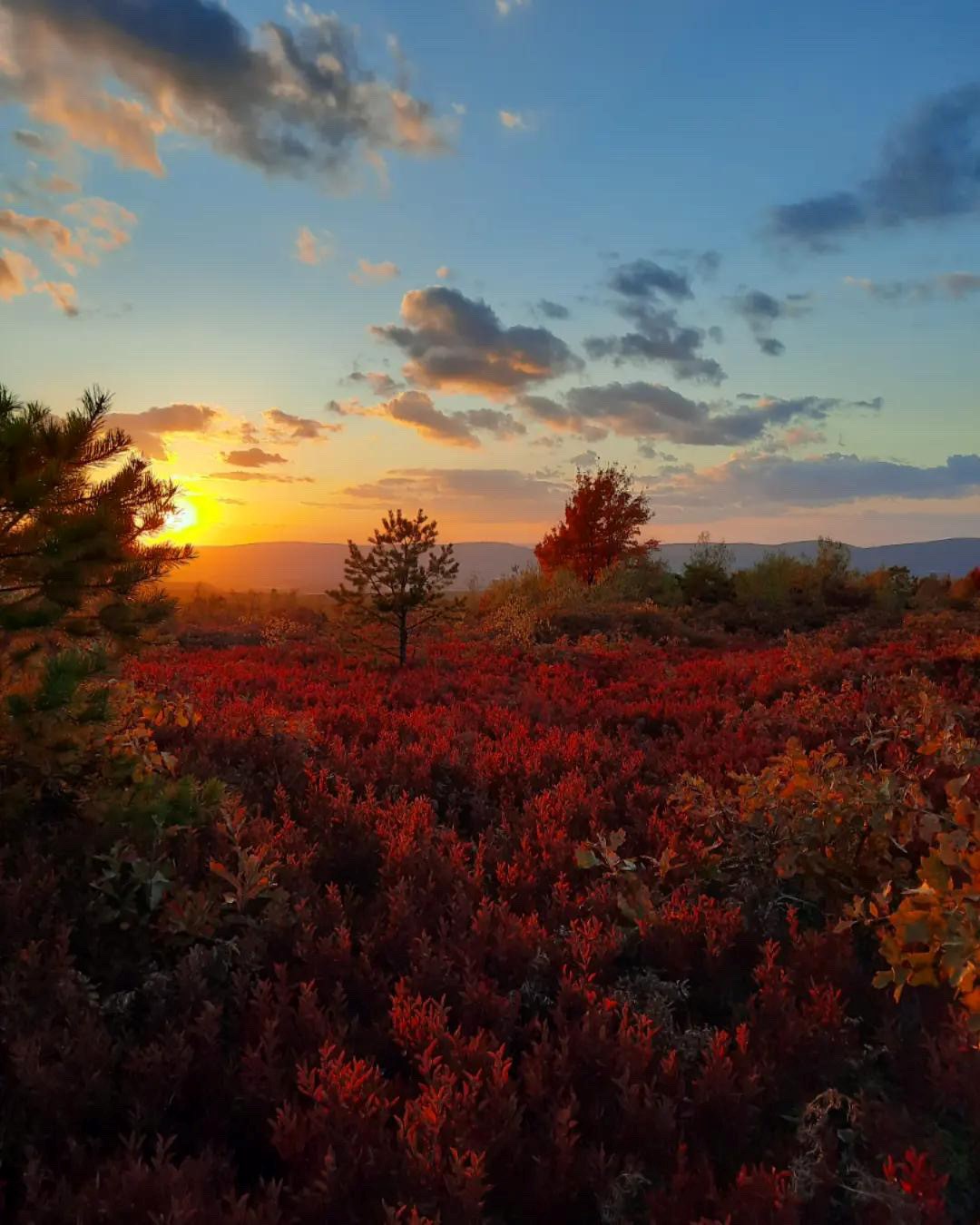
Eales Preserve at Moosic Mountain
Hike ridge‑top heath barrens with sweeping views near Scranton. Discover seasonal blooms, birding opportunities and how stewardship keeps this globally rare habitat thriving.
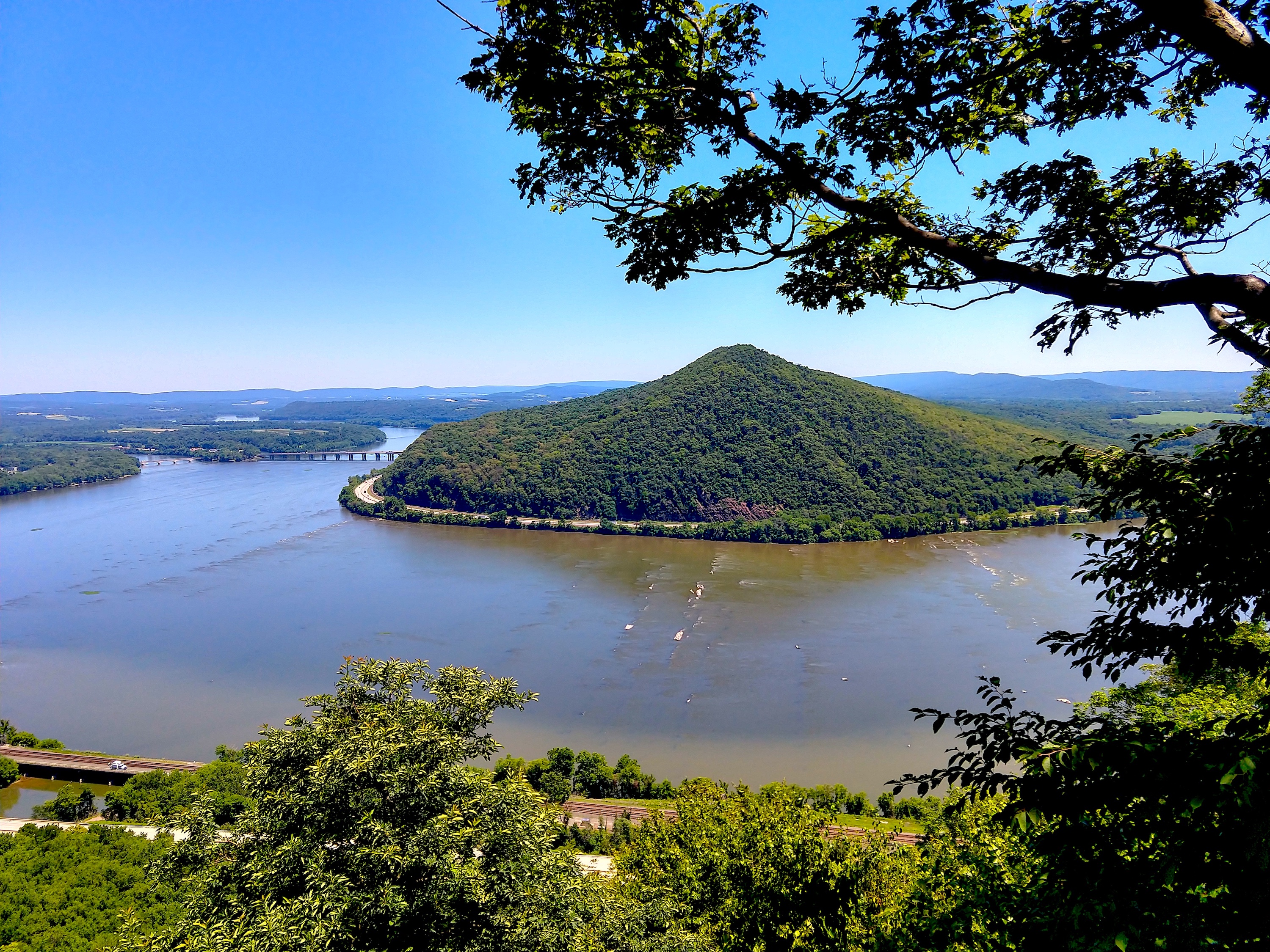
Hamer Woodlands at Cove Mountain
Part of a growing 14‑mile stretch of protected land on the Kittatinny Ridge, this is critical for wildlife migration and climate adaptation. Explore new trails, raptor migration and ongoing restoration to remove invasives and reconnect forests.
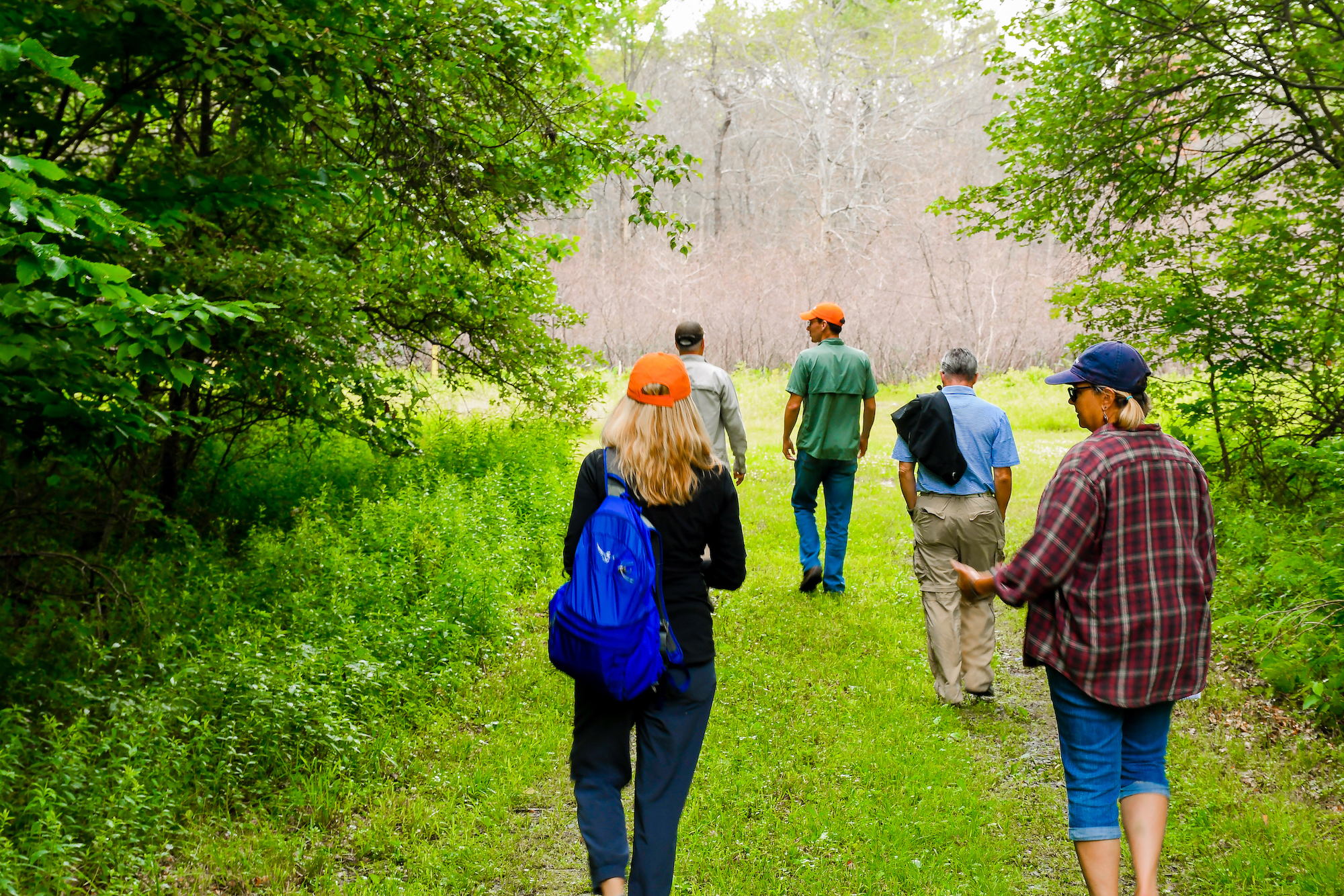
Long Pond Barrens
Experience rare heath barrens, bogs and mixed forests along the southeastern Pocono plateau. Learn how prescribed fire restores habitat, and visit the Hauser Nature Center for trails, programs and seasonal highlights.
Get Involved
Volunteer with Land Stewards
Join us for invasive species removal, tree plantings, trail cleanups and more.
Support Stewardship & Restoration
Your gift funds on‑the‑ground work that keeps forests healthy and habitats connected.
Nature in Your Inbox
Sign Up for Monthly PA Updates. From Philly’s green spaces to wild places across the state, get the latest on conservation and ways to help.
Plan Your Visit
Find trails, seasonal highlights and guidelines for a safe, low‑impact experience.
FAQs
-
Land stewardship is the long‑term, science‑based care of protected lands through restoration, monitoring and management so ecosystems remain healthy and resilient.
-
Many native plants and habitats depend on periodic fire. Carefully planned burns reduce fuel buildup, support biodiversity and restore ecological processes.
-
We prioritize sites that expand and connect protected areas, safeguard biodiversity, protect headwaters and contribute to climate‑resilient wildlife movement.
-
Yes! Volunteers help with invasives removal, tree planting, trail work and monitoring. See opportunities near you.


