

 What Is a Wetland?
 Who's in a Wetland?
 Types of Wetlands
 Why Wetlands Matter
 TNC's Wetland Work
 Test Your ID Skills

Reconnecting the Wild Midwest: Wildlife Corridors in Action
Let the Midwest roam again. See how TNC reconnects forests, prairies, rivers and more, so wildlife from bobcats to butterflies can move and thrive in a changing climate.

Let’s wade into Midwest wetlands to discover why these vibrant and dynamic habitats are vital to keep both wildlife and human communities thriving.

Wetlands are among the most dynamic and important habitats in the Midwest, for people and wildlife. This page explores what wetlands are, why they matter and how TNC is working to protect and restore them in the Midwest.
Scroll down to discover cool facts about these amazing habitats. You can also use the anchor links below this box to get right to what you want to know.

Midwest wetlands are wonderfully wild—and deeply important. They support rare and unusual plants, birds, insects, amphibians, mammals and countless other species.
They also support us. From rural communities to urban neighborhoods, wetlands help filter fresh water, reduce flooding and store carbon, making the Midwest more resilient to climate change.
But these powerhouse habitats are disappearing from the Midwest. Most have already been lost, and those that remain face growing threats from development, pollution and changing environmental conditions. Protecting and restoring wetlands now means ensuring a thriving future for us and the weird and wickedly cool wildlife that depends on them.
Get monthly stories that connect you to the wildlife, places and conservation wins shaping the Midwest and the world. Nature News keeps you inspired, informed and connected to the wild—no wading boots required.
Sign upWetlands are places where water and land meet—and where life flourishes. While there are several different types of wetlands, all wetlands have land that is covered by or saturated with water for at least part of the year, if not year-round. They are spaces of transition and change, not fully underwater or fully dry, but somewhere in between.
In the Midwest, wetland habitats include marshes, swamps, fens, bogs, floodplains, oxbow lakes and seasonal wetlands, like vernal pools. All of these wetlands create habitat in slightly different ways, but together they form a vital network for wildlife and people alike.
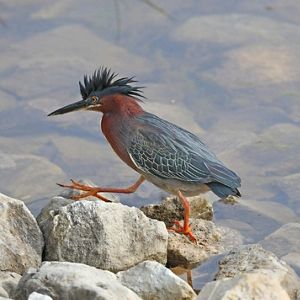
Green Heron: A summertime Midwest wetland visitor, the green heron is a documented tool user. They will drop feathers, insects or other small objects to lure fish close enough to catch. © David Venable
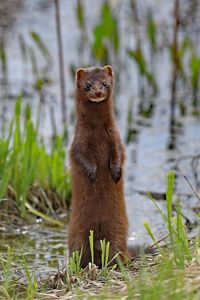
American Mink: Found along wetlands and shores, American mink depend on healthy habitats to find food and shelter and to reproduce. © David Venable
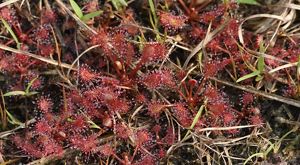
Round-leaved sundew: Found in bogs and other wetlands that have nutrient-poor soils, round-leaved sundew trap unwary insects on their sticky leaves, enveloping and digesting them for food. © Angie Cole
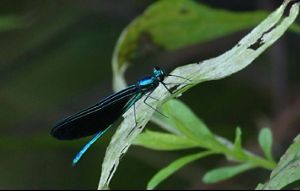
Ebony Jewelwing Damselfly: A common sight in wetlands across the Midwest, it's the male ebony jewelwing that sports the bright blue-green metallic sheen. The females are a duller smoky brown. © Kathy Mansfield
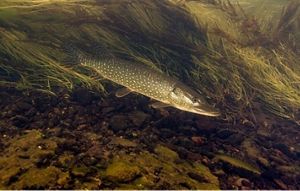
Northern Pike: This large carnivorous fish starts its life in coastal wetlands, where the warm, shallow waters and abundant plants provide a protective nursery for juvenile fish. © Ryan Hagerty/USFWS
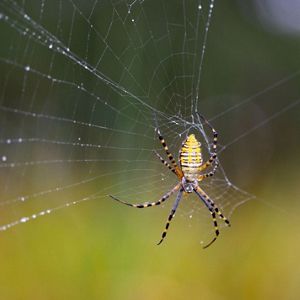
Banded Garden Spider: These large, colorful spiders often build their webs in open areas around wetlands during late summer and fall. © Fauna Creative
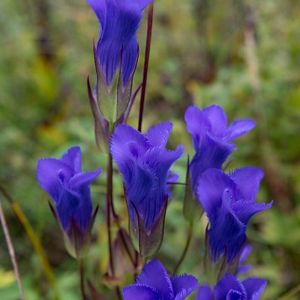
Fringed Gentian: Found along moist, open wetlands and streambanks, fringed gentian flowers only open during sunny days. On cloudy days, their blooms remain closed. © Fauna Creative
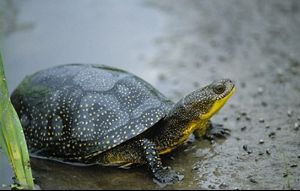
Blanding's Turtle: Endangered due to habitat loss across the Midwest, Blanding's turtles are mostly aquatic, dwelling in the quiet waters of bogs, marshes, small streams and similar habitats. © USFWS
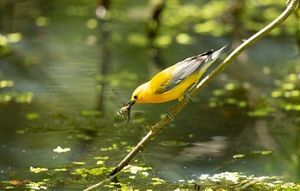
Prothonotary Warbler: These bright yellow summer migrants often make their homes around forested wetlands, giving them the nickname "swamp warblers." © David Venable
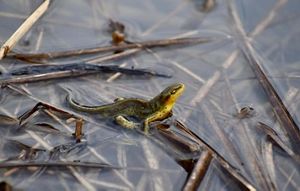
Eastern Red-Spotted Newt: While the juvenile stage of this common amphibian lives on land, as adults, red-spotted newts move back to the water, becoming fully aquatic in ponds and wetlands. © Matt Kane
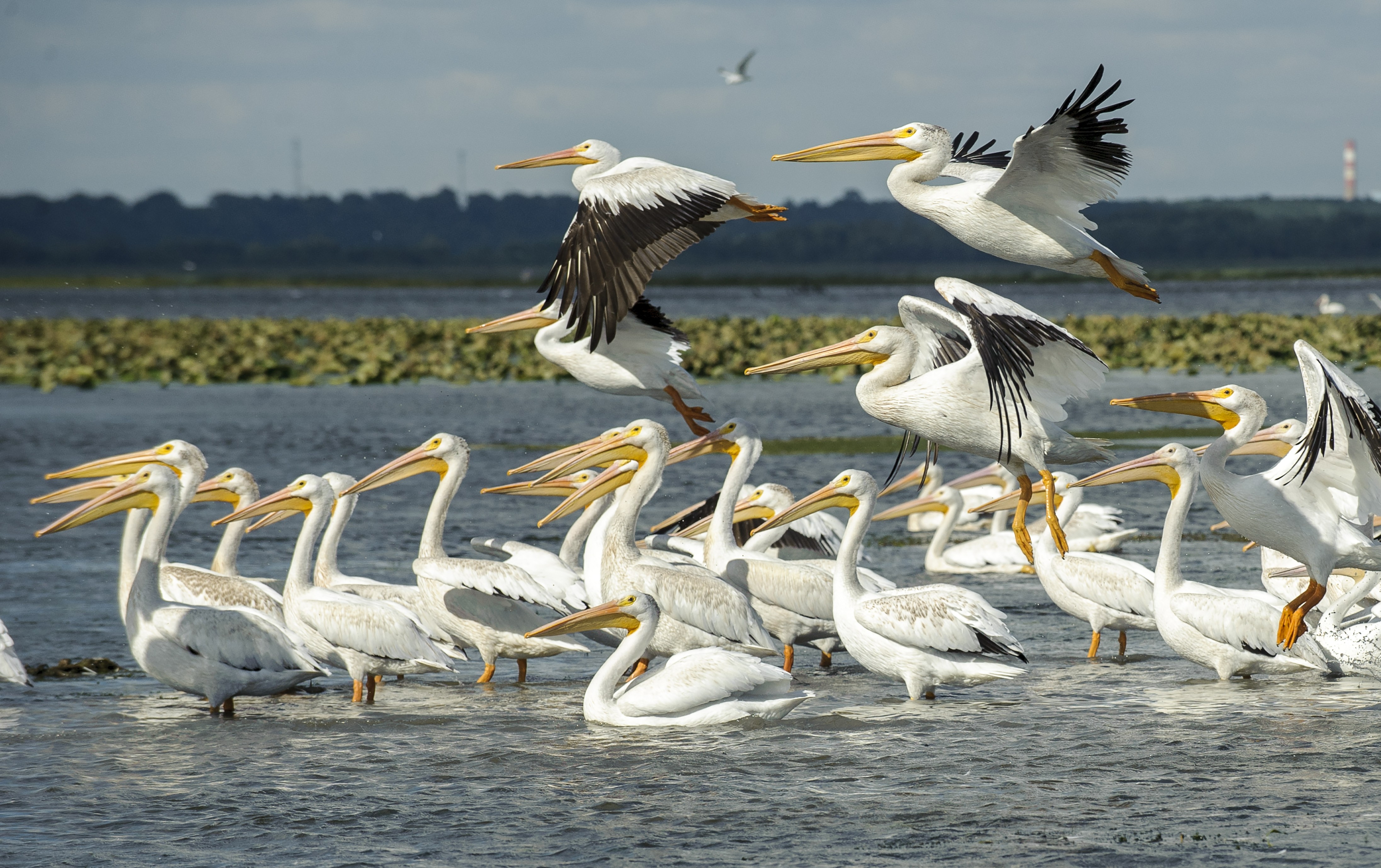
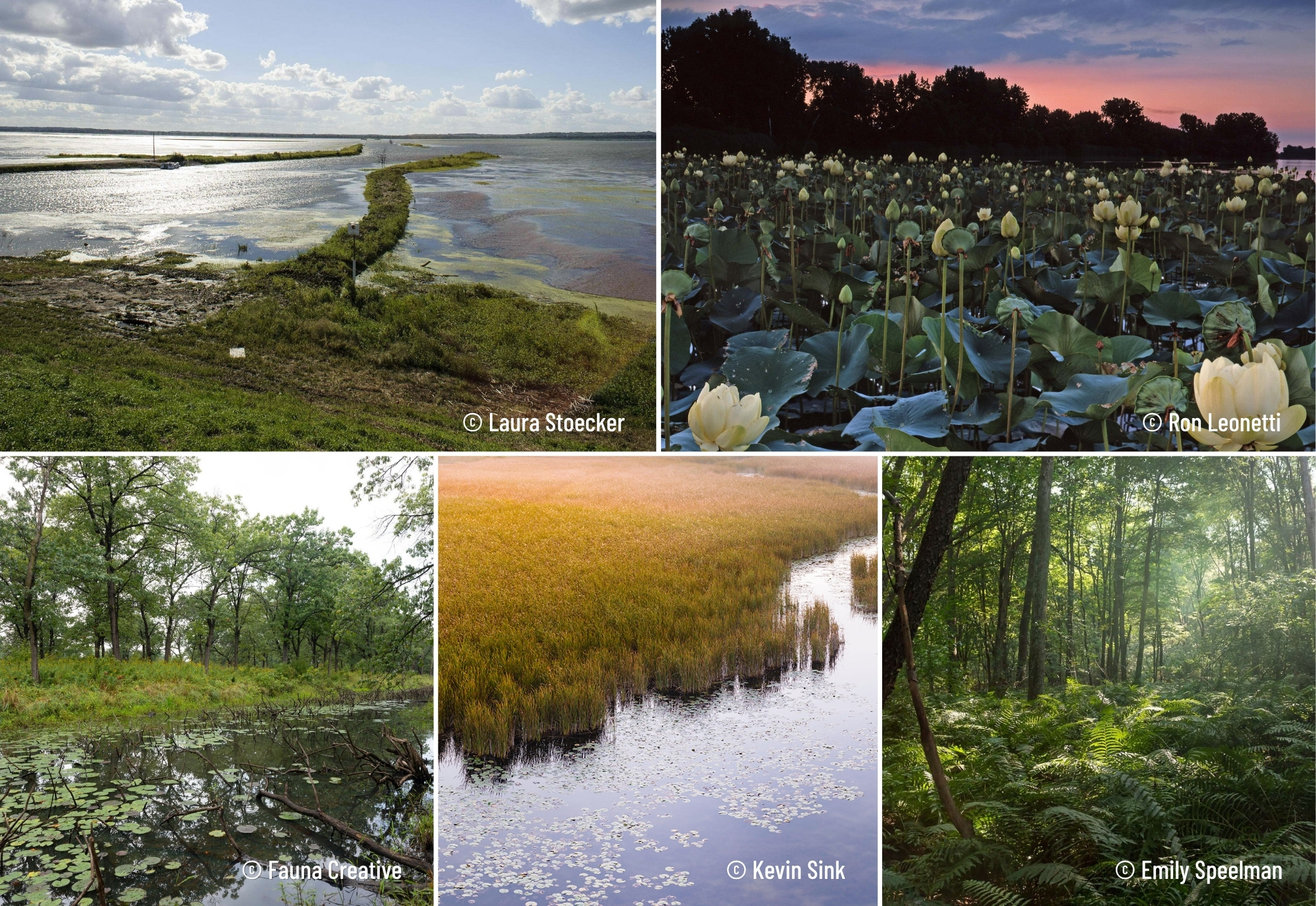
Wetlands come in all shapes and sizes in the Midwest, from small seasonal wallows to sweeping floodplains. Click each label to the right to get a quick view of one of the wetlands being protected and restored by TNC in the Midwest.
At more than 6,000 acres, Emiquon is one of the largest floodplain restoration projects in the Midwest and is the premier demonstration site for TNC’s work within the Upper Mississippi River system.
A river floodplain is the flat area of land that is adjacent to a river that floods regularly when the river overflows. Because of this, floodplains have both seasonal and permanent wetlands and are biodiversity hotspots. Emiquon hosts hundreds of thousands of migratory birds each year, along with a rich diversity of other life.
At more than 2,000 acres, Erie Marsh Preserve in Michigan is one of the largest coastal wetlands on Lake Erie and contains 11% of the total marshland in southeastern Michigan.
TNC restored 946 acres of Erie Marsh, reconnecting it to Lake Erie. The restored wetlands provide native fish and other aquatic life with new breeding areas and protect some of Michigan’s few remaining colonies of American lotus and swamp rose-mallow. Thousands of migratory birds and other wildlife species find refuge within the preserve, too.
Found mostly around the Great Lakes, dune and swale habitats are one of the most unique natural areas in the world—and Ivanhoe Dune and Swale in Indiana is a prime example of that!
Running parallel to lakeshores, dune and swale areas consist of hilly, sandy ridges (dunes) that alternate with low, narrow wetlands (swales). These create vibrant, rare ecosystems that are home to both dry land and semi-aquatic native plants and animals.
One of the most biologically diverse areas in southeast Wisconsin, Pickerel Lake Fen is also one of the rarest types of wetland in North America. Fens are fed from groundwater springs, which keep the soil wet year-round. This stops plant material from breaking down, and peat is created within the fen.
Located within the Mukwonago River Watershed project area, Pickerel Lake Fen is home to several rare or endangered plant and animal species. TNC’s work to protect and restore the fen makes it one of the few fens in the state that is under conservation protection.
Declared a National Landmark in 1968, Brown’s Lake Bog is one of the few well-preserved, virgin boreal acid bogs remaining in Ohio.
Like other boreal bogs, Brown’s Lake Bog gets most of its water from precipitation and features a floating mat of sphagnum moss, peat deposits and acidic waters. These conditions make bogs low-nutrient environments and home to communities of specially adapted, rare plants, like carnivorous sundew.

 RETURN
For wildlife, wetlands are not optional extras on the landscape—they are essential habitat. All wetlands give both resident and migratory animals shelter, food and safety. And when wetlands are lost or degraded, the ripple effects extend across entire food webs and migration systems.
Wetlands are also crucial to helping our communities to flourish and thrive in a rapidly changing climate. Their wet soils hold and store significant amounts of carbon for long periods, making wetlands an important asset in building climate resilience throughout the Midwest. Wetlands also protect our communities by absorbing floodwater, filtering runoff and supporting healthier rivers, lakes and groundwater systems.
Wetlands are truly habitat superheroes, providing for and protecting both wildlife and people. Here's a quick glance at their impact in the Midwest.

of wildlife species in Wisconsin depend on wetlands for at least part of their life cycle.

of endangered or threatened plant and animal species in Indiana rely on wetlands.

migratory birds, from warblers to raptors, rely on the wetlands around the Lake Erie basin in Ohio and Michigan during their spring and fall migrations.

acres of river floodplains, including wetland, restored at Emiquon Preserve in Illinois—one of the largest projects in the Midwest.
Protecting the Midwest’s remaining wetlands—and restoring what’s been lost—demands collaboration, science and smart policy. In fact, it’s work that’s already underway across the Midwest.
By partnering with state and federal agencies, nonprofits, communities and researchers, TNC is scaling science-based solutions that restore habitat and improve water quality where it matters most. Together, we can protect what remains, restore what’s been lost and ensure wetlands continue to support wildlife and people across the region for generations to come.
Take a look at the photo, read the caption and then make your guess. Move the slider to the right to reveal the answer and see if you got it right!


From ephemeral vernal pools to sweeping river floodplains, TNC’s preserves in the Midwest offer a variety of wetlands to explore. So, pull on your hiking boots, find your spot on the map and discover just how beautiful and amazing wetlands can be.
Find a PreserveFrom wildlife corridors to nature-strong communities, there are tons of nature stories to dive into!


