


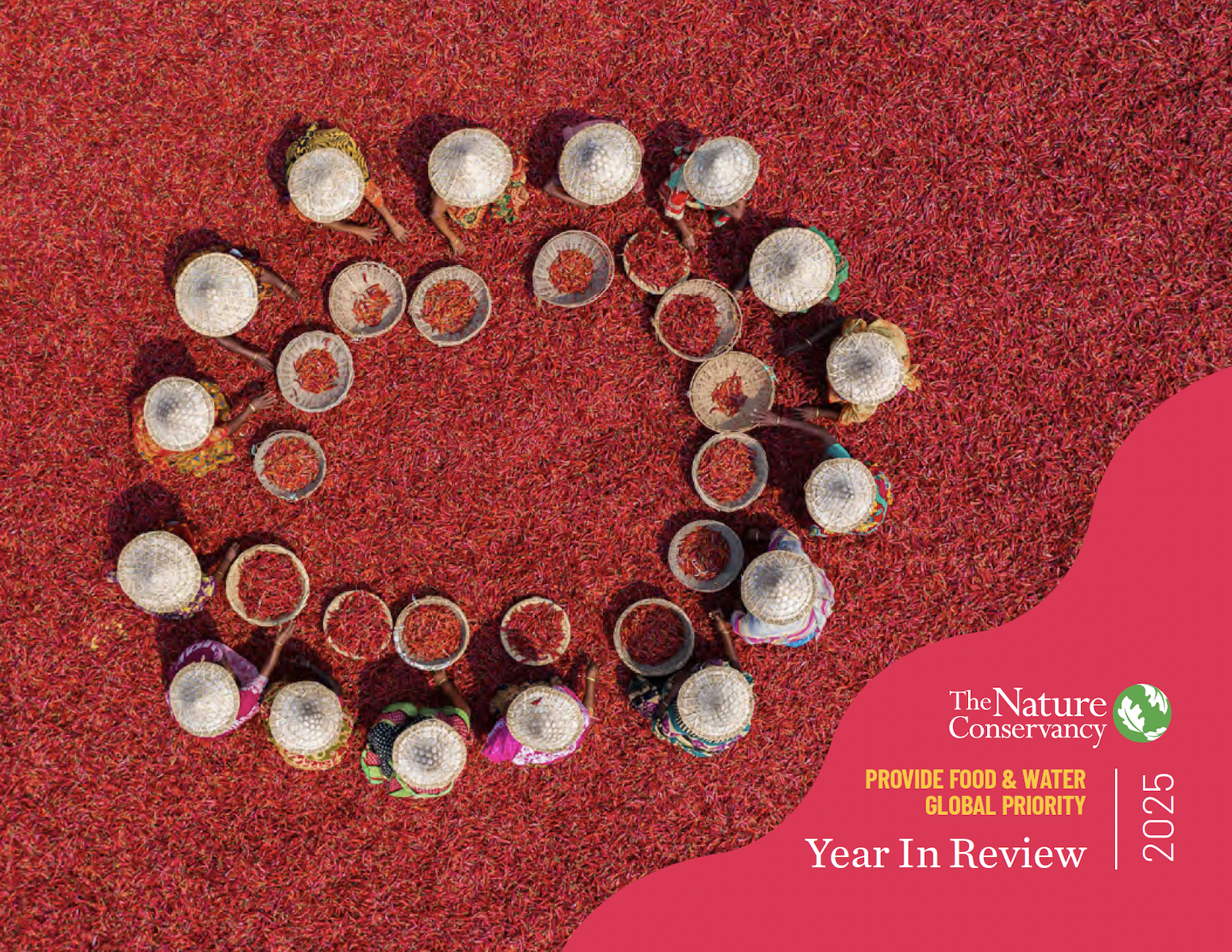
Drying Red Chilies More than 2,000 people work in almost 100 chili farms in Bogura, Bangladesh, to supply local spice companies with chilis. © Md. Al-Amin Partho/TNC Photo Contest 2021
Our mission depends on scaling food and water solutions that protect and restore nature while meeting humanity’s growing needs.
How we produce food and manage water shapes our lives and the planet—but not always in positive ways. Food production is the top threat to nature, accounting for a quarter of greenhouse gas emissions, 70% of freshwater use and 90% of habitat loss. With food demand expected to grow by 50% in the next 25 years and half the planet already living in water-stressed areas, there has never been a more crucial moment to make positive changes across our food and water system.
The good news is that solutions are within reach. The Nature Conservancy is leading efforts to improve food and water security, support communities, and conserve and restore biodiversity. By partnering with farmers, fishers and communities and leveraging science, policy and innovation, TNC aims to turn today’s biggest challenge into our greatest opportunity.
The Challenge
-

70%
of freshwater withdrawals are used for agriculture
-

80%
of habitat loss is driven by agricultural expansion
-

90%
of marine fisheries are at or above sustainable catch levels

Andrea Erickson
A Message From Our Global Managing Director
We are now just a few short years from 2030—close enough to see it on the horizon. The Nature Conservancy’s goals for tackling the intertwined crises of biodiversity loss and climate change remain ambitious. Food and freshwater security aren’t optional extras—and they’re possibly the keys to lasting transformation.
Our need for food and water is our most intimate connection to nature, and yet how we provide food and water today is antithetical to nurturing that connection. The numbers are not new. Agricultural expansion already drives 80% of native habitat loss. Agriculture consumes 70% of all freshwater withdrawals, and 40% of the world’s watersheds are degraded—leaving rivers, lakes and wetlands in a state that could generously be described as “overworked.” Better managed fisheries that support a large web of marine and freshwater biodiversity are possible, but 90% of marine fisheries are at or above sustainable catch levels, with freshwater fisheries virtually unmanaged. And nearly 65% of our seafood is produced through aquaculture, a riveting connection between marine and terrestrial impacts. There is simply no way to conserve the lands and waters upon which all life depends without transforming how food is produced and how water is managed across the globe.
Transforming our relationship to working lands and waters is the challenge that the Provide team confronts on a daily basis. We reveal the value these lands and waters bring to solving conservation challenges, and we honor the people that are stewards of these places. Our special sauce is in unlocking powerful levers for scaling solutions at a global scale—results that you can literally see from space.
Challenging? Absolutely. Some days it feels like trying to solve a Rubik’s Cube while riding a bicycle. Uphill. In the wind. But it’s also essential work, and we already hold so many of the solutions the world urgently needs.
This year brought its share of transitions for our team—most notably the departure of our Global Managing Director, Michael Doane. His absence is felt, and it marks a significant moment of change. But we have momentum, a strong sense of direction, and a team that knows how to keep moving forward with purpose and heart.
This report offers a snapshot of that progress. It reflects the remarkable commitment, talent, and good humor of everyone on the Global Provide team. I am deeply proud of what we’ve accomplished together so far—and genuinely excited for everything we will do next.
Provide's Contributions to TNC's 2030 Goals
We’re racing to hit these targets to help the world reverse climate change and biodiversity loss. Together, we find the paths to make change possible.
View Our Priorities-

630M
Avoid or sequester 630 million metric tons of greenhouse gas emissions annually— the same as 21% of TNC’s total goal.
-

39M
Help 39 million people benefitting from nature to adapt to climate change—that’s 39% of TNC’s total goal.
-

43M
Conserve 43 million hectares—that’s 7% of TNC’s total goal—through improved grasslands management and avoided conversion of at-risk native habitats.
-

3.9B
Conserve 3.9 billion hectares of marine habitat—that’s 98% of TNC’s total goal—through improved management of fisheries and aquaculture.
-

8M
Conserve 261,000 kilometers of rivers plus 8 million hectares of lakes and wetlands—totaling 26% of TNC’s goals for each.
-

10M
Support the place-based opportunities, local leadership or tenure rights of 10 million people from Indigenous and local communities—22% of TNC’s total goal.
Pathways to Impact
Resilient Freshwater
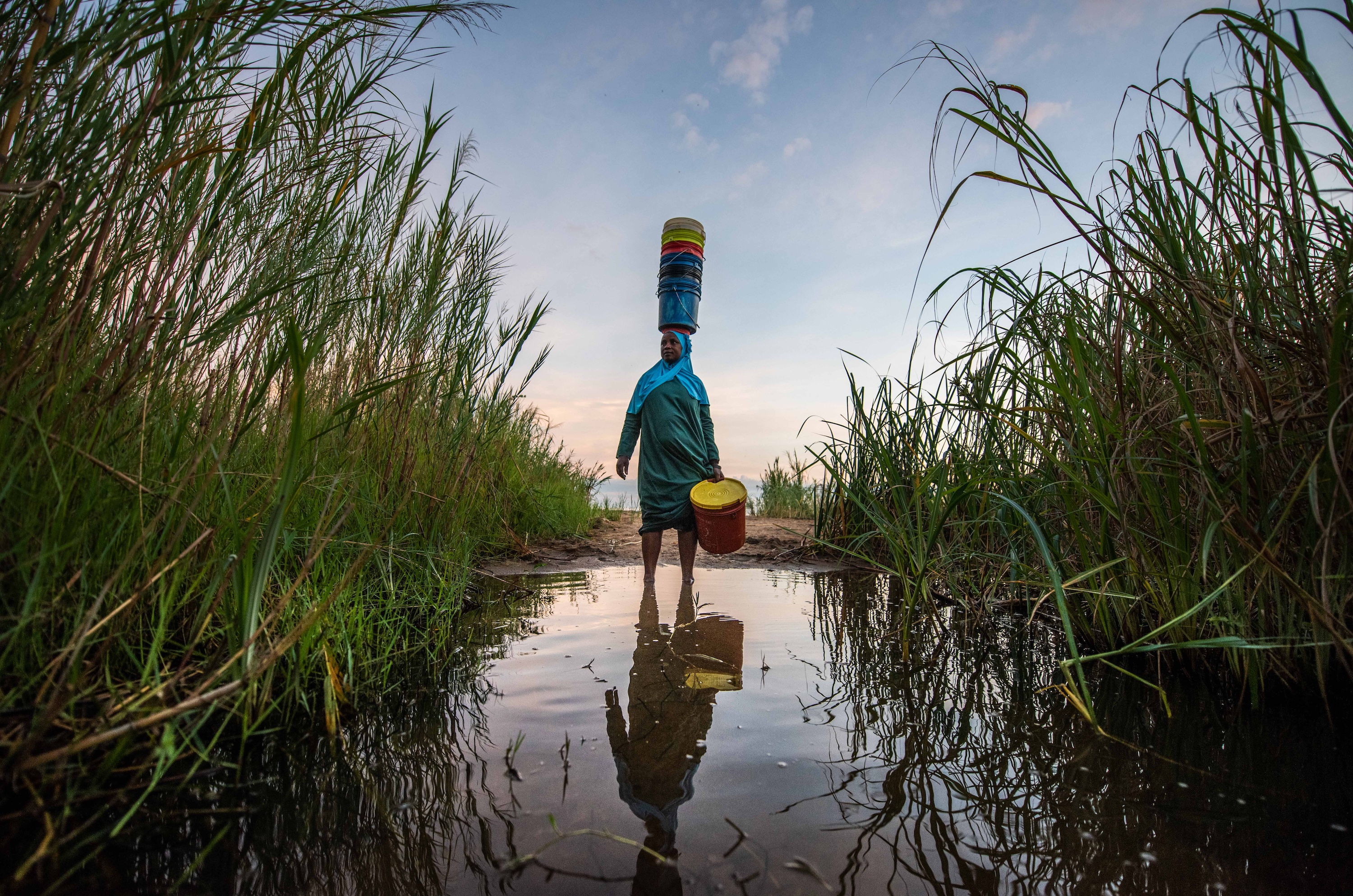
Resilient Watersheds: Nature-based solutions—such as forest protection, regenerative agriculture, wetland restoration and natural vegetation corridors on waterways—restore watershed health. In fact, shifting just 1% of water sector spending to “green” infrastructure would eclipse all philanthropic spending on conservation combined. TNC is working to make watershed health a priority in the water sector and ensure that investments in nature-based solutions are a common practice.
Thriving Fisheries and Aquaculture
Freshwater Fisheries: In many freshwater ecosystems, local and Indigenous communities have secure tenure over freshwater resources and fisheries. In these places, national and regional approaches to freshwater management must be paired with bottom-up conservation driven by the communities themselves. By partnering and supporting Indigenous peoples and local communities, we are aiming to simultaneously achieve freshwater biodiversity and human well-being outcomes.
Coastal Fisheries: The small-scale fisheries sector represents ~40% of all fish catch, much of it coming from developing nations. However, a lack of data, resources and capacity hinders progress toward science-based management, leaving thousands of fisheries and fishers at risk. FishPath offers a tailored approach through which stakeholders can evaluate and select the best options at their disposal for assessing and managing data- and capacity-limited fisheries.
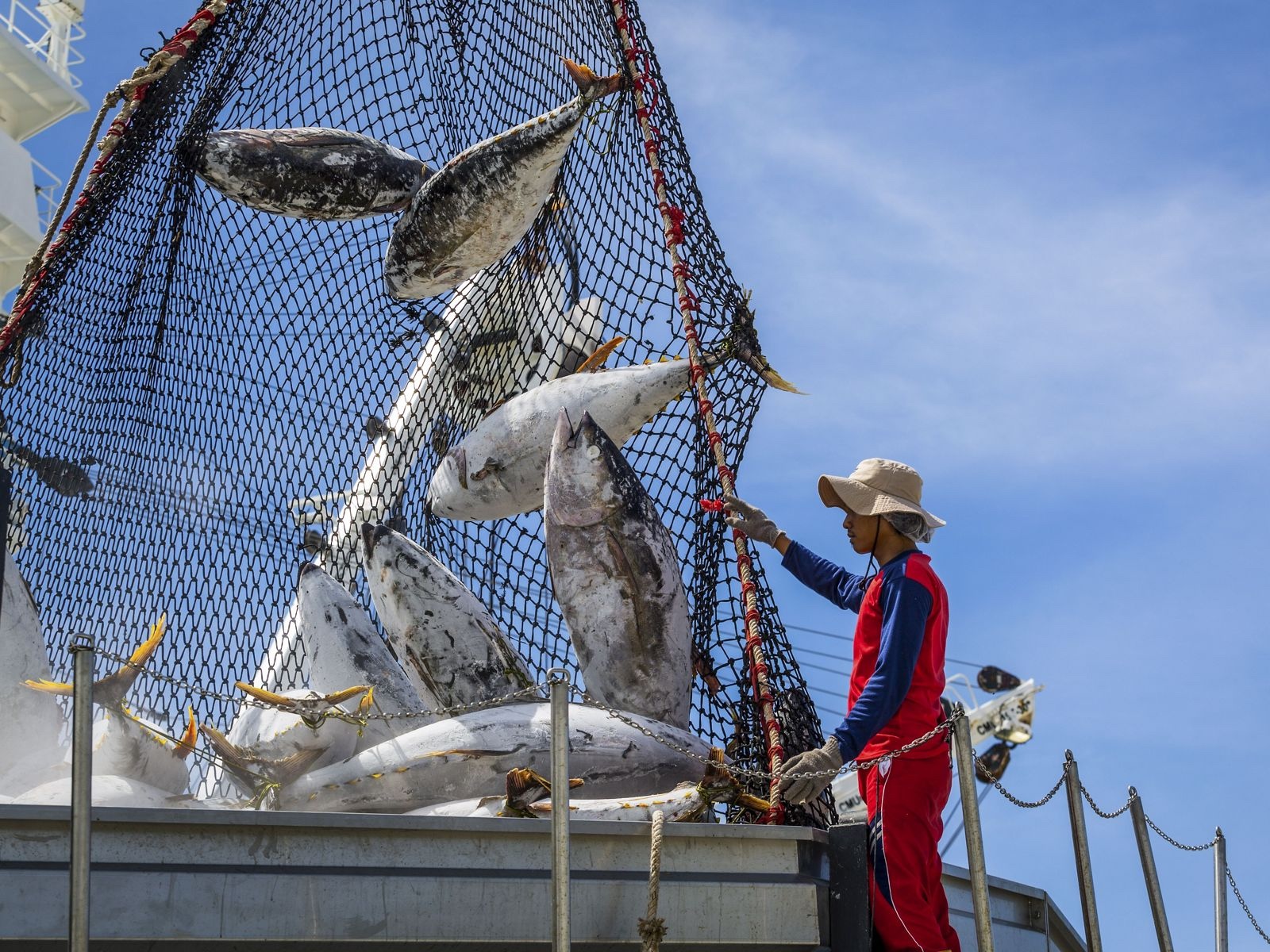
Large Scale Fisheries: While a range of threats—acidification, warming, pollution—threaten the basic functioning of ocean ecosystems, illegal and unsustainable fishing act like threat multipliers. Most illegal and unsustainable fishing is undertaken by legally licensed fishing vessels through prohibited activities. Electronic monitoring (EM)—on-board cameras and associated hardware/software to capture fishing activity—is a proven tool that illuminates dark spots in fisheries and fills critical data gaps that impede transparency, enforcement and science-based fisheries management. TNC’s Large Scale Fisheries strategy is driving EM adoption through market power to pressure suppliers, find tech solutions that address pain points and promote national and regional policy reforms.
Restorative Aquaculture: Today, much of our global food system requires land for production, and almost all the world’s fertile land is already in use. Our ocean, by contrast, covers nearly 3/4 of the planet, yet provides just 2% of our food. Marine aquaculture is an important source of nutrition—and, research indicates, an emerging climate change solution. We are contributing to the industry’s transition to a restorative, low-carbon future while meeting the food demands of a growing global population.
Regenerative Food Systems
Zero Conversion Commodities: Production of beef, soy and other commodities is a leading cause of habitat and biodiversity loss and global climate emissions. By changing agricultural incentives and market models, we can help producers transition to more sustainable practices and ultimately eliminate habitat loss from global commodity production. We are currently focusing on three of the world’s most biodiverse biomes—the Amazon, Cerrado, and Gran Chaco of South America.
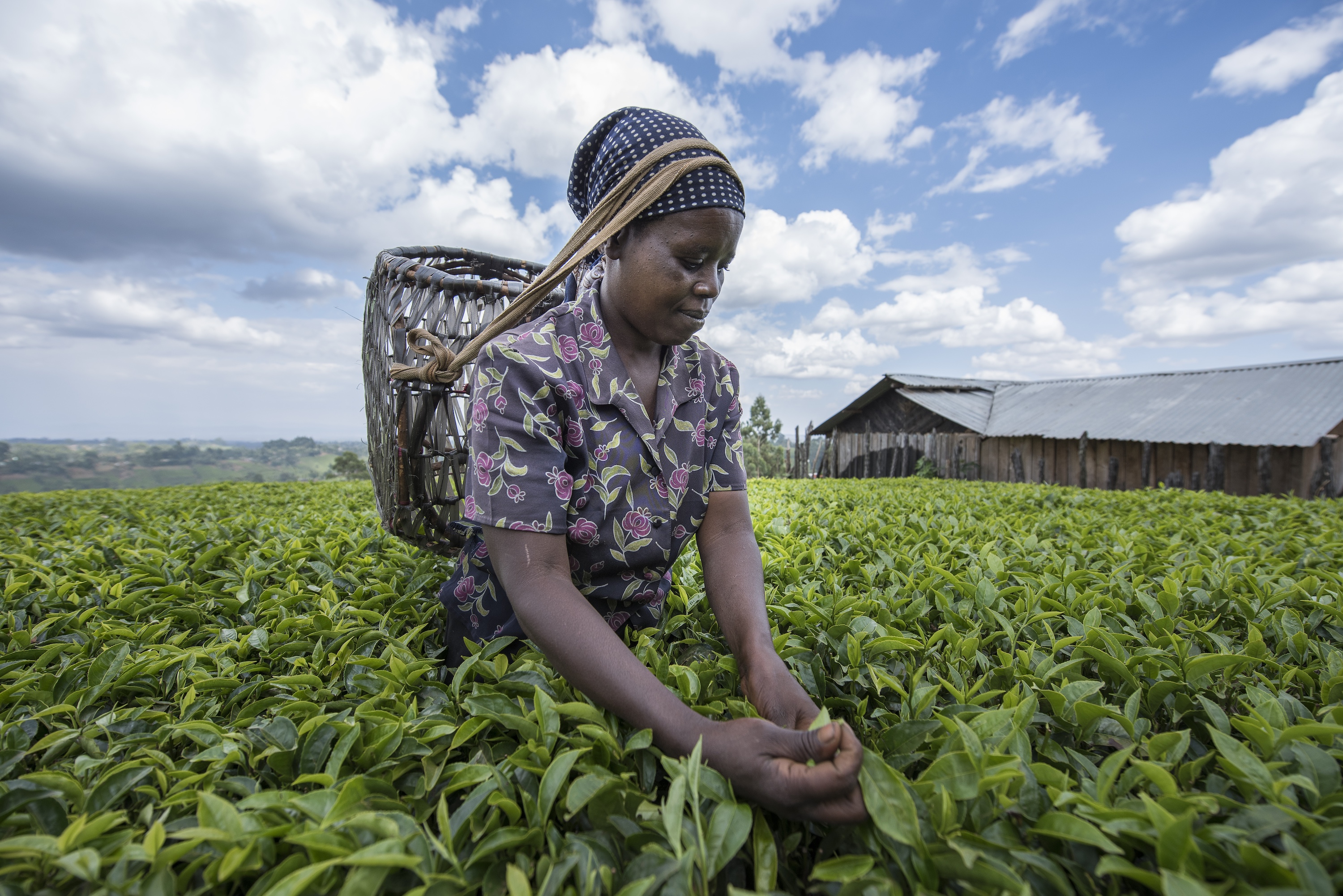
Regenerative Foodscapes: Food production is a major driver of climate change and habitat loss, accounting for nearly 1/3 of greenhouse gas emissions, 90% of land-use change and 70% of water use globally. Food producers, businesses and experts are calling for a shift toward practices that are restorative, climate resilient and more productive. Responding to this call, we are catalyzing a new movement of regenerative practices in the world’s most important foodscapes.
Global Insights.
Check out our latest thinking and real-world solutions to some of the most complex challenges facing people and the planet today.
Provide Objectives
To achieve our mission, we must better manage working lands, waters and oceans to achieve regenerative and resilient food and freshwater systems. Our success hinges on collaboration across food and water sectors—and throughout the value chain.
-

Regenerate Ecosystems
Scale ecosystem restoration within working lands and waters.
-

Conserve Biodiversity
Prevent further habitat degradation and conversion.
-

Increase Resilience
Reduce impacts from climate and geopolitical shocks through innovative solutions.
-

Support Net-Zero
Reduce emissions from the food and water sectors.
-

Enhance Productivity
Meet human health and conservation needs through nature-positive production.
-
Improve Livelihoods
Ensure equitable benefits for producers and communities by investing in nature.
Download
More from Provide

Nature-Based Solutions: Agriculture’s Best Defense Against Water Stress
A new report, Archetypes for Nature-Based Adaptation, offers a framework for addressing escalating water risk in food-producing regions through the strategic deployment of nature-based solutions.

Tag the herd, protect the Amazon
By tracking every cow, the Pará Sustainable Cattle Program shows how cattle traceability in Brazil can play a key role in protecting the Amazon—and encourage sustainable development as well.

An Ocean of Opportunity: Seaweed Farming Offers a Sustainable Path to Coastal Prosperity in Kenya
Requiring few inputs and low startup costs, the seaweed industry is supporting sustainable livelihoods in coastal Kenya.