Perspectives

From Seed to Scale: Five Conservation Solutions That Started as Wild Ideas

The origin stories of five innovations helping global conservation

a dense colony of staghorn coral below the waterline, with cloudy skies above the surface.
Belize Blue Bonds Staghorn corals (Acropora cervicornis) at Laughing Bird Caye Prize Site. The nonprofit organization Fragments of Hope has planted almost 90,000 corals here since 2006. © Jennifer Adler
Adam Bloom Senior Writer

More

Consider the seed. Small as it might be, it’s packed with possibility. Similarly, one seemingly wild or unproven idea has the potential to grow into something transformative.

Green Up Your Inbox.

Get Global Insights Monthly

Sign Up

We should know. The Nature Conservancy itself was born out of the idea, unproven at the time, that bringing passionate people together around a science-based effort could create lasting conservation for nature.

This seed of an idea would sprout into the organization’s first land deal at Mianus Gorge in New York—and continue growing into 75 years of conservation innovation.

The challenges of today are much more dire than those of 1951. The world needs more innovations and stronger partnerships, more solutions that scale. But the seeds for a future with a livable climate, healthy communities and thriving nature are out there—we just need to help them grow.

What might these seeds look like? Here are five global conservation solutions that have grown from seeds to scale.

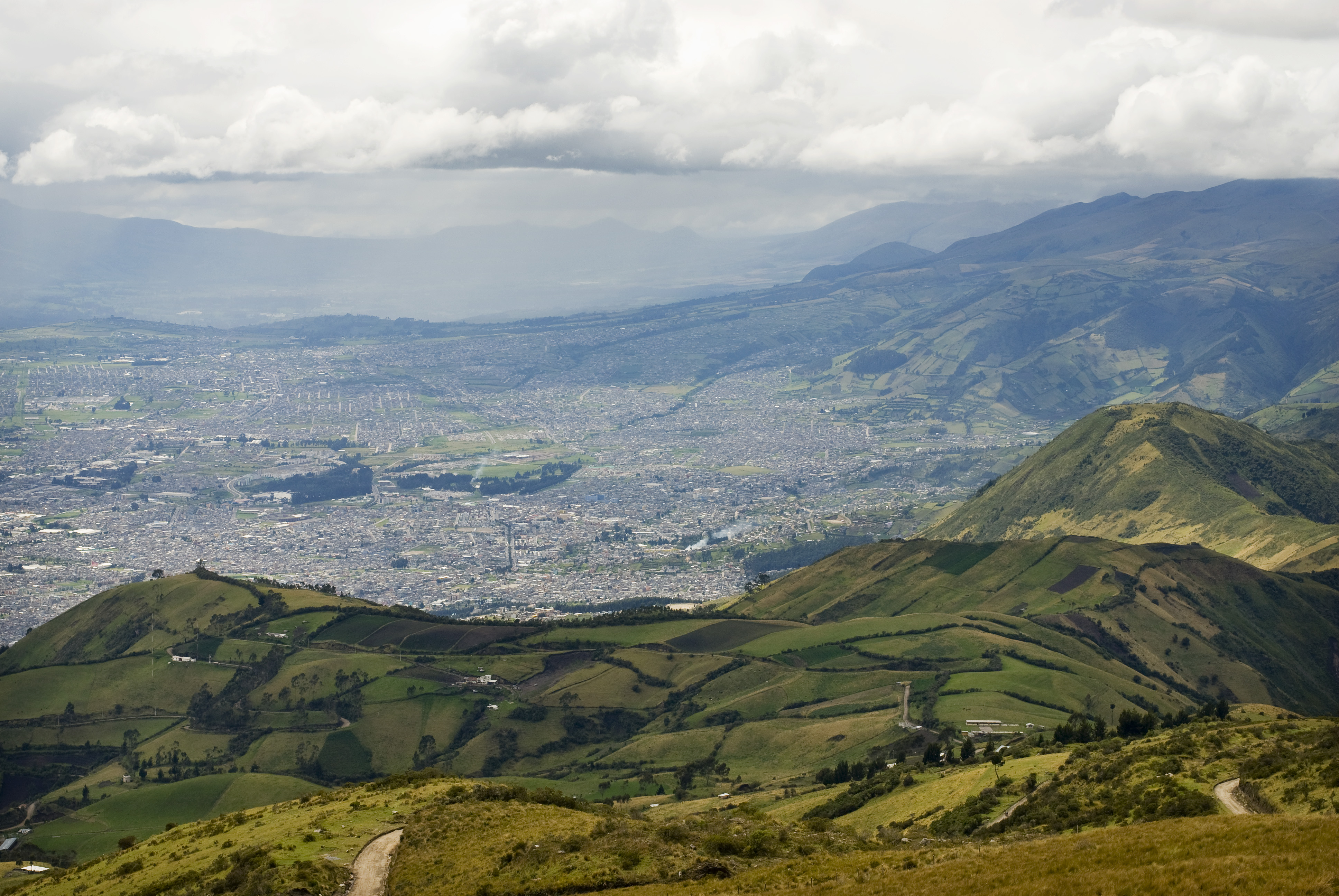
a view of the sprawling city of quito ecuador from a high point. endless city grids in the background, steep hills and rangelands in the foreground.
© Bridget Besaw

1. Water funds

What if...we could secure our drinking water by taking care of the upstream watershed?

Late in the 20th century, Quito, Ecuador, grew into a metropolis of more than 1.3 million people. As it expanded, myriad impacts rippled throughout the region, even lofting up to the mist-shrouded landscape high above the sprawling city.

Above Quito sit the páramos, high-altitude wetlands home to condors, Andean bears and pumas. Healthy páramos, which soak up water and slowly release it into waterways, have long been key to Quito’s water security.

But by the mid 1990s, these natural water factories were becoming degraded. The once-spongy soil, eroded and compacted by ranching and farming, was losing its ability to store and filter water. Quito’s water supply was at risk.

a large bird with striking white and brown feathers, an orange face and a black beak soars through the sky.
Mountain Caracara Antisana, Water Conservation Area, Quito, Ecuador. © Sebastian Di Domenico

At the time, water conservation was primarily a topic for scientists and academics; decision-makers for a city were likely to look to gray (built) infrastructure for answers. But Roberto Troya, then director of TNC in Ecuador, saw nature as a key solution.

Troya and a team of TNC scientists worked alongside the local community and stakeholders to develop the concept of a water fund. The idea was that a region could secure its water supply if its many users came together to invest in the upstream watershed’s ongoing conservation and management.

In January 2000, TNC and Quito’s water utility, with $21,000 in seed money, established the Quito Water Fund, known locally as FONAG. Soon, several major water users joined the fund, and success started trickling in.

How it’s scaling

Twenty-six years later, FONAG is investing $4 million a year in watershed conservation, funding efforts to restore grasslands and protect key ecosystems for the water supply, such as páramos.

Biodiversity is returning to these unique ecosystems. Quito’s water is seeing gains in quality, quantity and availability during the dry season, and the city is saving money; estimates show that every dollar FONAG spends on conservation returns $2.15 in savings.

a conservation worker wearing a hard hat works on the edge of a cliff while harnessed with rope.
Invasives Removal Luzuko Madalambane, high-angle rope technician for the Greater Cape Town Water Fund. © Roshni Lodhia

The pilot in Quito has inspired more than 50 watershed investment programs across 25 countries. In places like São Paulo, Bogotá, Nairobi, New Mexico and Norfolk, England, the basic concept of Quito lives on but is adapted for each watershed’s unique challenges.

To scale this work further, TNC developed tools and programs, like Nature for Water, to help communities and governments launch their own watershed investment programs and learn from each other.

Even the fund that started it all is learning from younger programs. Established 18 years after Quito, South Africa’s Greater Cape Town Water Fund has worked to clear hundreds of square miles of water-guzzling invasive plants. Now Quito is implementing invasive-clearing strategies it learned from Cape Town.

Together, we can scale further.


Explore these resources about watershed investment.

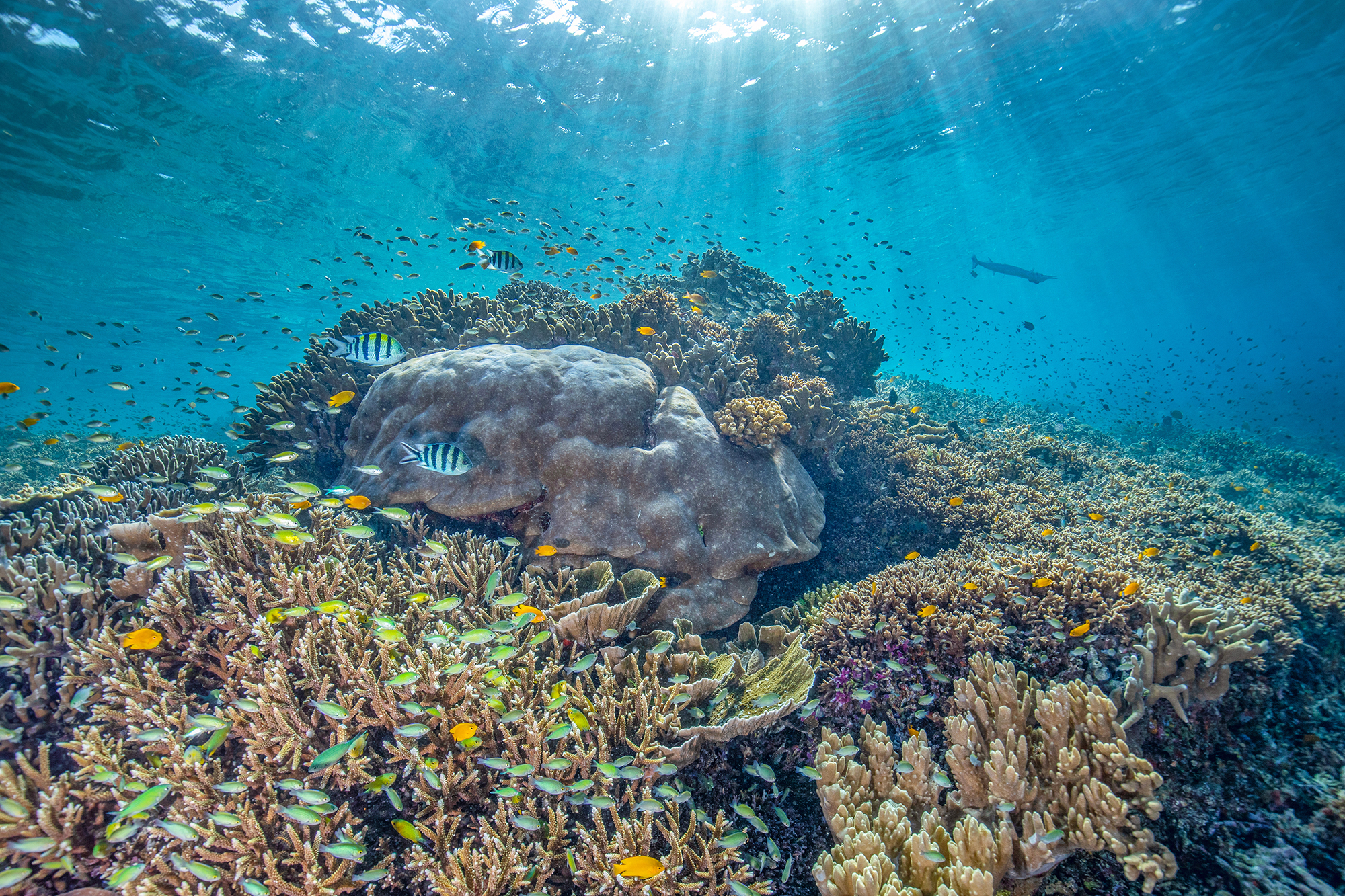
a brilliant network of diverse coral and multi-colored fish dance in water highlighted with sunbeams.
© Kip Evans

2. Coral resilience

What if...we could identify and support the most resilient coral reefs?

In 1999, Rod Salm put on his scuba mask and prepared to see more death.

The strong El Niño of 1997-1998, the most intense on record at the time and a haunting preview of more frequent and severe marine heatwaves driven by climate change, had caused the greatest coral die-off and bleaching event to date.

Salm, then the new director of TNC’s Asia-Pacific Marine Program, was touring TNC marine protected areas across the Pacific to catalog the destruction.

Off the coast of Palau, a strong current swept Salm past dead barrier reefs to some shallow reefs that were, to his surprise, alive.

He hypothesized that the strong current, as well as upwellings, might have aided the coral through the bleaching event. Salm’s observations helped inform the first formal international protocol for identifying resilient reefs.

In 2001, Salm gathered a small group of researchers in Hawai’i. For days, the group brainstormed how to help reefs survive the bleaching events of the future.

TNC’s present day Global Ocean Director, Elizabeth McLeod, was one of the researchers who took part in the exercise. “There were literally pieces of paper all over the floor filled with ideas,” shares McLeod.

Researching Palau's Coral Research into coral bleaching off Palau led to protocol for identifying resilient reefs. © Ian Shive

How it’s scaling

Those papers didn’t stay on the floor. They became the basis for the Reef Resilience Network, a TNC-led program that has advanced coral reef science and trained more than 61,000 marine practitioners around the world to effectively manage reefs and critical marine areas.

Today, breakthrough technologies and radical partnerships are helping TNC and other organizations scale actions that boost coral resilience in a world that keeps warming.

Accelerating Coral Conservation (12:58) Learn how The Nature Conservancy and its innovative partners are achieving an ambitious vision to accelerate the pace and scale of coral conservation and restoration.

As part of a project known as Super Reefs, TNC, Stanford University and the Woods Hole Oceanographic Institution are using 3D hydrodynamic modeling and genetics analysis to better identify and protect heat-resilient corals.

Meanwhile, in Raja Ampat, Indonesia, TNC’s country partner YKAN is integrating thermal testing, spatial planning and wastewater management into a comprehensive portfolio of resilience-based strategies to protect one of the most biodiverse marine ecosystems on the planet.

Across three coral innovation hubs—in the Bahamas, U.S. Virgin Islands and the Dominican Republic—teams are learning how to breed, raise and outplant corals faster, cost-effectively and at greater survival rates.

And in the spirit of Salm and the Reef Resilience Network, every advancement is being shared with speed and glee, so that coral can thrive through the challenging years ahead.

Together, we can scale further.


Invest in the protection and conservation of climate-resilient reefs.

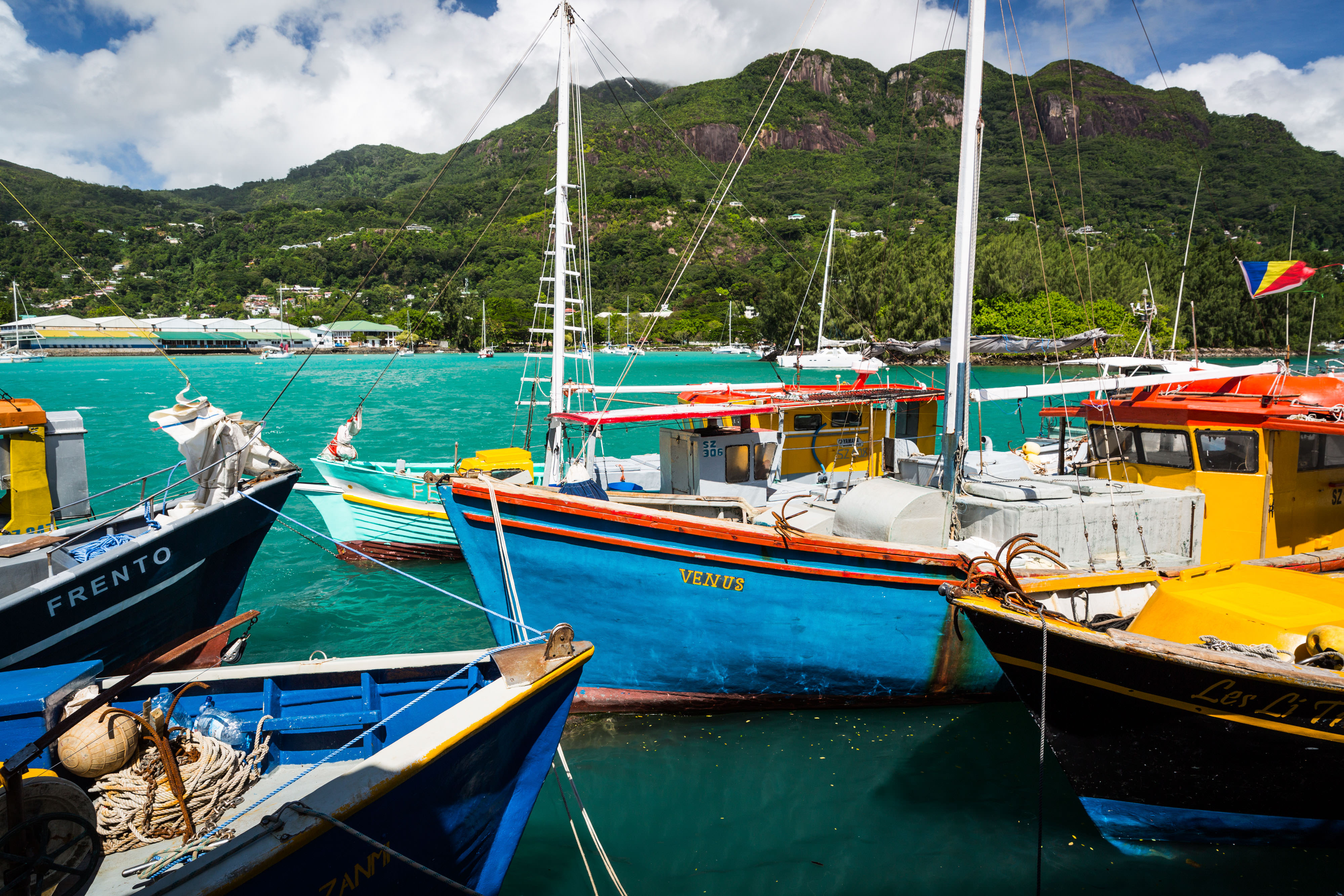
several colorful artisanal fishing boats sit in a port in Seychelles, with aquamarine water and mountains in the distance.
© Jason Houston

3. Debt conversions

What if...we could enable large-scale marine conservation by refinancing a portion of a nation's debt?

By the mid-2000s, the Republic of Seychelles had significant challenges servicing the nation’s foreign exchange debt. The 2008 global financial and banking crisis made the situation dire in terms of Seychelles’ ability to repay that debt.

An archipelago of 115 islands across a total ocean area of 1.35 million sq km in the Western Indian Ocean, Seychelles is home to numerous marine ecosystems, including coral reefs, seamounts, underwater canyons and lagoons that harbor rich biodiversity. These waters underpin the Seychellois way of life and an economy heavily based in fishing and tourism.

Seychelles understood the need to further conserve its marine resources and prepare for a rapidly warming world. In 2012, the government pledged to protect 30% of its marine territory and 50% of terrestrial areas.

a green sea turtle cuts through the water line to breathe air as it swims through a seagrass meadow.
Green Turtle Split Shot A young green turtle pauses from feeding on seagrass to take a breath of air, Bird Island, Seychelles. © Christophe Mason-Parker /TNC Photo Contest 2018

In the nation’s conservation ambition, biodiversity protection goals and financial outlook, TNC and Seychelles saw the ingredients for a potential solution. It would involve combining a debt conversion with marine conservation and climate adaptation goals.

In 2016, the Seychelles government signed an agreement with TNC that refinanced $21.6 million of its debt, becoming the world’s first ocean debt conversion, unlocking long-term funding for marine conservation, climate adaptation and sustainable development of its marine-based economy.

The project established an independent conservation trust fund, Seychelles Conservation and Climate Adaptation Trust (SeyCCAT), to manage the funds from the debt conversion, grow the endowment, and ensure transparency and accountability of both the funding and conservation work.

How it’s scaling

Ten years in, SeyCCAT has funded dozens of locally implemented conservation efforts across Seychelles. And just last year, the nation signed into law its legally enforceable and actionable marine spatial plan, putting its best foot forward for a sustainable and resilient marine future.

Seychelles' historic marine spatial plan (3:49) Facilitated by TNC’s Nature Bonds Program, Seychelles crafted and signed into law a comprehensive marine spatial plan for their ocean. This historic plan is an output of the world’s first debt conversion for nature, designed to expand marine protections and support climate adaptation.

Seychelles’ pioneering effort has inspired some of the world’s largest conservation initiatives, through what is now known as TNC’s Nature Bonds Program. The Nature Bonds model brings together debt refinancing, national conservation commitments, technical support and independent conservation trust funds to see the long-term work through.

Learnings from the initial experience in Seychelles have guided new marine projects in Belize (2021), Barbados (2022), Gabon (2023) and The Bahamas (2025). In 2025, in the Ecuadorian Amazon, the model was applied for the first time for land and freshwater conservation.

Squirrel monkey mother with young clinging to her back.
Ecuadoran squirrel monkeys In 2025 in Ecuadorian Amazon, the debt conversion model was applied for the first time for land and freshwater conservation. © Luis Espin /TNC Photo Contest 2019

Together, these six projects are expected to unlock $1 billion in funding for conservation and climate action, supporting governments to achieve new protection or improved management of approximately 242 million hectares of ocean, land, lakes, and wetlands, as well as 18,000 km of rivers.

With this innovative finance mechanism, conservation is improving for the long-haul: working at the scale of seascapes and landscapes, belonging to and sustained by individual nations, and designed to endure.

This approach is still expanding. What started in Seychelles is seeding a new generation of projects through a unique collaboration, the Debt for Nature Coalition, which TNC founded alongside six fellow NGOs.

Together, we can scale further.


Help Nature Bonds expand through partnership.

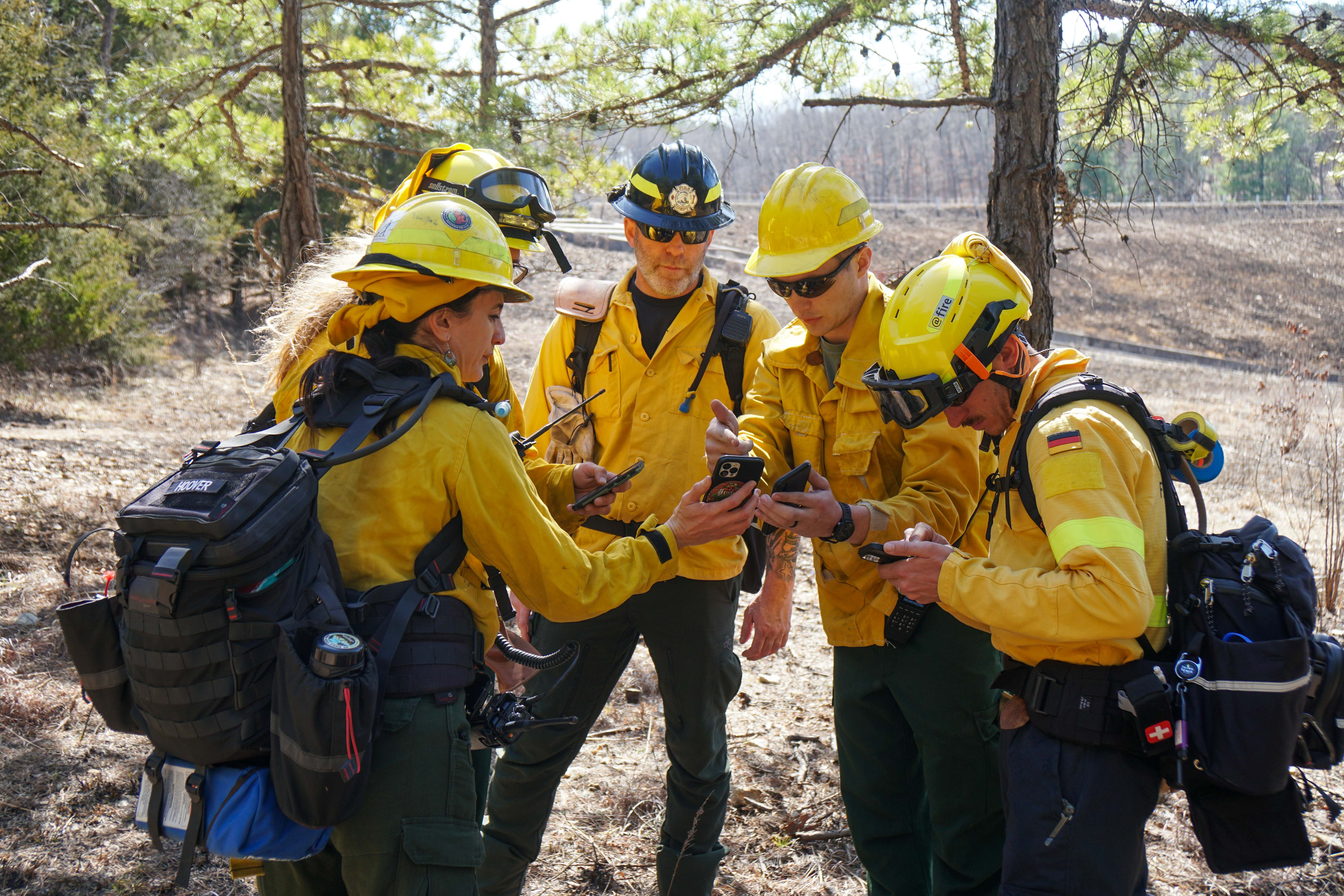
Four wildland fire practitioners discuss an upcoming controlled burn and training event.
© Kristy Stoyer/TNC

4. Burning and learning

What if...we could bring people together to change our relationship with fire?

The time to hesitate was through. It was 1962, and Donald Lawrence, a botanist with the University of Minnesota, was performing a controlled burn to prove that fire could heal the landscape.

He was simultaneously years ahead of much of the conservation world, millennia behind Indigenous stewardship traditions (and five years ahead of The Doors, who wouldn’t release Light My Fire until 1967).

For decades, policies across the U.S. kept fire suppressed—a well-intentioned strategy which deprived fire-adapted landscapes of an essential change agent and made wildfires more destructive for communities and ecosystems alike.

1962 photo of The Nature Conservancy’s first controlled burn at Helen Allison Savanna in Minnesota.
Controlled burn While Indigenous Peoples for millennia have been using fire to manage lands, early institutionalized use of the practice began with TNC's first controlled burn in 1962 at TNC's Helen Allison Savanna Scientific and Natural Area. © The Nature Conservancy

While Indigenous Peoples for millennia have been using fire to manage lands, early institutionalized use of the practice began with TNC's first controlled burn in 1962 at TNC's Helen Allison Savanna Scientific and Natural Area.

Lawrence’s demonstration proved its point: the carefully set fire had benefited the savanna. TNC, with its portfolio of preserves and its commitment to advancing science, could play a unique role in changing the fire culture of the day. Over the decades, more TNC preserves included fire as a stewardship tool, and more staff developed controlled burn expertise.

For the benefits and practices of good fire to spread, it couldn’t just happen on our preserves. In the 1980s and 1990s, TNC grew its partnership with state and federal agencies and assisted in fire management strategies across public lands. In 2002, TNC, the U.S. Department of Agriculture and the Department of the Interior formed a peer learning group called the Fire Learning Network (FLN).

How it’s scaling

Over decades, the network grew and evolved. As more people from different regions and backgrounds joined the network, expanding its footprint to more than 371 million acres today, they brought diverse perspectives that pushed fire practices forward. Soon, the original foundation in ecology expanded to include the human element: cultural values, social openness to proactive fire and community adaptation.

The evolution of the Fire Learning Network (6:49) The FLN is made up of fire practitioners dedicated to finding a better way to live with fire so that beneficial fire can do its work on the landscape and harmful fire is less common and more effectively managed. It connects these thought leaders and provides training, education and funding.

In 2008, TNC launched the Prescribed Fire Training Exchange (TREX) to provide on-the-ground training opportunities. More than 180 TREX events have trained thousands of fire practitioners (including 1,172 in 2025 alone) in the U.S., Canada, Mexico, Colombia, Portugal, Spain, South Africa and Australia.

In 2012, 50 years after Lawrence’s burn, TNC helped another savanna, this time in northern Australia, reintroduce fire. This Indigenous-led restoration now covers more than 92,000 square miles.

Elizabeth Azzuz of the Cultural Fire Management Council opens a fire-training exchange, or TREX, on Yurok lands in 2019.
Yurok Fire In 2015, TNC and partners launched the Indigenous Peoples Burning Network to help revitalize traditional fire cultures. © Kiliii Yuyan

In 2015, TNC and Indigenous leaders launched the Indigenous Peoples Burning Network, which centers on revitalizing traditional fire cultures. In 2025, it brought together practitioners and elders from 23 tribal communities.

Today, TNC still leads hundreds of burns, but the best indicator of success might be in what we are doing less. In the early days of FLN, TNC staff led all collaboratives. But as the network has grown, we’re proud to report that we manage only half of the activities. Local partners are helping light the way.

Together, we can scale further.


Help expand a culture around good fire.

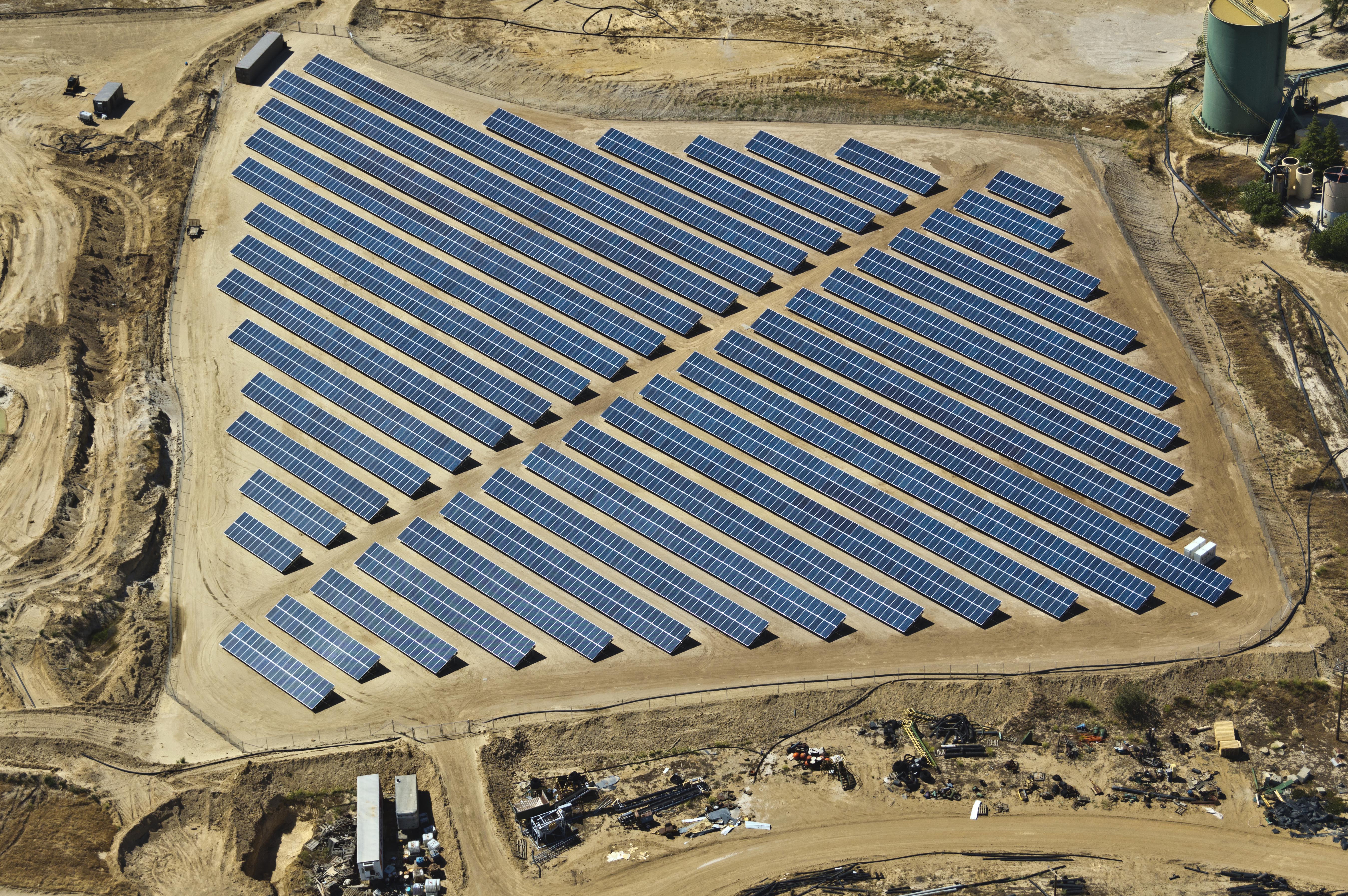
Solar array on a sand mine in Byron, CA.
© Steve Proehl/Getty Images

5. Mining the sun

What if...we could bring clean energy and jobs to reclaimed coal mines?

Don’t let its gentle rises and peaceful fields fool you: this stretch of eastern Kentucky is the site of an almost unbelievably powerful transformation.

Over several decades, mining companies used heavy explosives and machinery to remove the tops from the area’s mountains to access rich coal reserves.

This is the site of Starfire—one of the largest coal mines in southern Appalachia. At its peak, Starfire extracted 3 million tons of coal in a year and employed nearly 300 people. While still operating today at low capacity, most of the mining jobs that once underpinned the local economy are gone.

a flat and sparsely vegetated landscape with gravel roads is surrounded by mountains in the distance.
Starfire Solar Site The reclaimed coal mine in eastern Kentucky is planned for a solar facility that will provide clean, renewable energy. © Dean Hill

With flat topography and proximity to transmission lines and other grid infrastructure, Starfire’s formerly mined sites create the perfect opportunity for another monumental transformation: a transition from mining coal to “mining the sun.”

In 2023, solar developer BrightNight announced plans to build a massive solar energy project across 7,000 acres of Starfire’s repurposed lands. Starfire could eventually have the capacity to generate 800 MW of renewable energy—enough to power half a million homes.

Building on a decade of working across the energy and policy worlds to advance solar energy on degraded sites like mines, TNC helped lay the groundwork for Mining the Sun at Starfire.

TNC partnered with electric vehicle manufacturer Rivian to develop a resource that helps companies bring purpose-driven principles into the energy buying process. This refined process, which strongly considers outcomes that benefit the climate, conservation and local communities, ultimately led to the selection of BrightNight as Starfire’s developer. The project could bring a new energy chapter for a region with a long and proud history of generating power.

aerial of appalachian forest with a rendering of a future solar plant with several clusters of shiny glass solar panels.
Advance Clean Energy TNC and the Cumberland Forest Limited Partnership announced new agreements with Sun Tribe Development and ENGIE to develop 14 solar energy and three battery storage projects. © Sun Tribe

How it’s scaling

The concept of Mining the Sun continues to grow. We are working with our partners on plans for 14 solar and three battery storage projects across 360 acres of former mines in Virginia, Kentucky and Tennessee.

These developments are the latest chapter in the Cumberland Forest Project, a TNC-led project that has prioritized conservation innovation, economic diversification and community engagement over decades.

To continue scaling, the right policies and incentives need to be in place. In 2025, TNC helped pass a state policy in Ohio that zones former mines for faster clean energy development. And in 2026, TNC advocated for a new law in Colorado that steers renewable energy onto former mines, landfills and other previously disturbed lands.

aerial of thousands of solar panels in tight straight rows on flat dry terrain in India.
mining the Sun Constructing the 50-megawatt solar pilot in Tamil Nadu. © Vetiver

The principles of Mining the Sun are being put into practice far beyond the United States, too, like in Neyveli, India. In 2025, TNC partnered with NLC India Ltd. on a 50 MW pilot project on reclaimed mine land.

We’re now scaling the model by working with India’s National Institute for Solar Energy to develop a national roadmap for solar on closed coal mines.

With more legislation around the world (such as in the EU) recognizing Mining the Sun’s potential and with more solar projects in construction on former mines, the future is looking bright.

Together, we can scale further.


Help accelerate the clean energy transition across mining sites and other brownfields.

Adam Bloom is a senior content writer for The Nature Conservancy.