

Six Projects that Transformed the Work of The Nature Conservancy
75th Anniversary Issue
Text by Amy Crawford | Illustrations by Jill De Haan | Issue 3, 2026
Seventy-five years ago, a group of scientists formed The Nature Conservancy to protect threatened natural areas through direct action—often working with local communities to purchase lands outright. These are some of the milestones and pivot points that pushed TNC to grow, develop new strategies and engage with people like never before.
1. Getting Started
Mianus River Gorge
NEW YORK, 1955
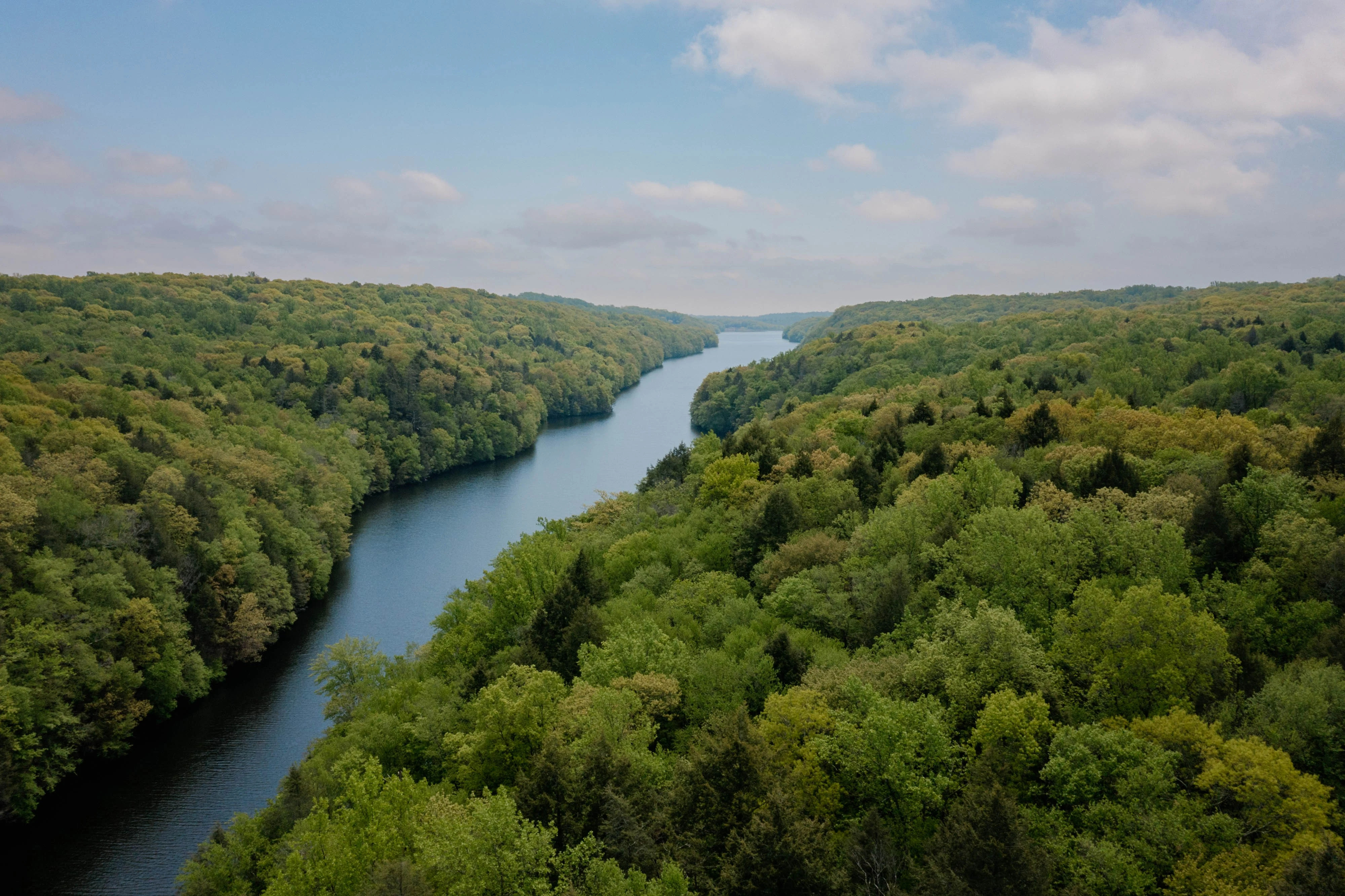
An hour’s drive from the concrete canyons of Manhattan, the Mianus River runs through a deep granite gorge lined with towering 350-year-old hemlocks that shelter flying squirrels, tree frogs and bobcats. Visitors to the 964-acre preserve are often surprised, says Bill Ulfelder, executive director of The Nature Conservancy in New York, that such a rugged place exists at the edge of the biggest, densest metropolitan area in the United States. “It’s not a huge river, but it’s beautiful,” says Ulfelder, who takes a certain pride in the knowledge that his state is the site of The Nature Conservancy’s first completed land deal.
TNC was formed by a faction of the Ecological Society of America that believed in taking direct action to protect threatened lands. Shortly after the organization formally incorporated, a committee of local residents led by scientist Gloria Hollister approached with a proposal: help save Mianus Gorge. Developers had made a bid on a portion of the property, but the owner offered to sell it to the citizen group if they could match the $30,000 asking price. The Nature Conservancy sent a team of scientists to survey Mianus’ natural treasures, and in 1955 it put up the last $7,500 needed to secure a 60-acre parcel that included what locals called the “hemlock cathedral.”
“That amount today doesn’t seem like a lot of money, but that was an unsurmountable obstacle to the local committee,” Ulfelder says. It was a big investment for the new nonprofit, too, so TNC offered the funding in the form of a loan, which the local committee would eventually pay back. This allowed TNC to grow a capital fund to use again and again as it worked to protect other threatened places.
Though the organization has scaled up, Ulfelder notes, this first deal still echoes through TNC projects today: Science is central to TNC’s work, as is partnering with local organizations. And then there’s the focus on “lasting, tangible results,” he says. “You ought to be able to walk around, swim in or breathe the results of The Nature Conservancy’s work. And here we are in the 75th year, and Mianus lives on.”

-
In the early 1950s, three friends bid on a tract of old maritime holly forest on Fire Island—just off Long Island—to save this “Sunken Forest” from development. However, the purchase put them in a financial pinch. Members of the newly formed Nature Conservancy set out to see if they could raise money to purchase the property from them. The forest was eventually transferred to the federal government to become part of Fire Island National Seashore in 1966.
-
In 1956, a group of Maine citizens gathered in Wiscasset to address the loss of wildlife habitat. Marine scientist and author Rachel Carson asked, “What about The Nature Conservancy? It is the only group I know which is doing something practical about actually preserving areas.” Carson became the new Maine chapter’s honorary chair and donated property and book royalties to support conservation. A National Wildlife Refuge and TNC preserve were named to commemorate her legacy.
-
Right away, Nature Conservancy members around the country started creating their own local chapters and identifying new conservation projects. In 1956 alone (the year after Mianus Gorge was purchased), efforts to buy a hemlock forest and a cypress swamp in Maryland were underway, rights to purchase a bog in Pennsylvania had been acquired, and funds were being gathered to protect a prairie in Wisconsin. There would soon be a TNC chapter in every state.
2. GOING INTERNATIONAL
Morne Trois Pitons National Park
DOMINICA, 1975
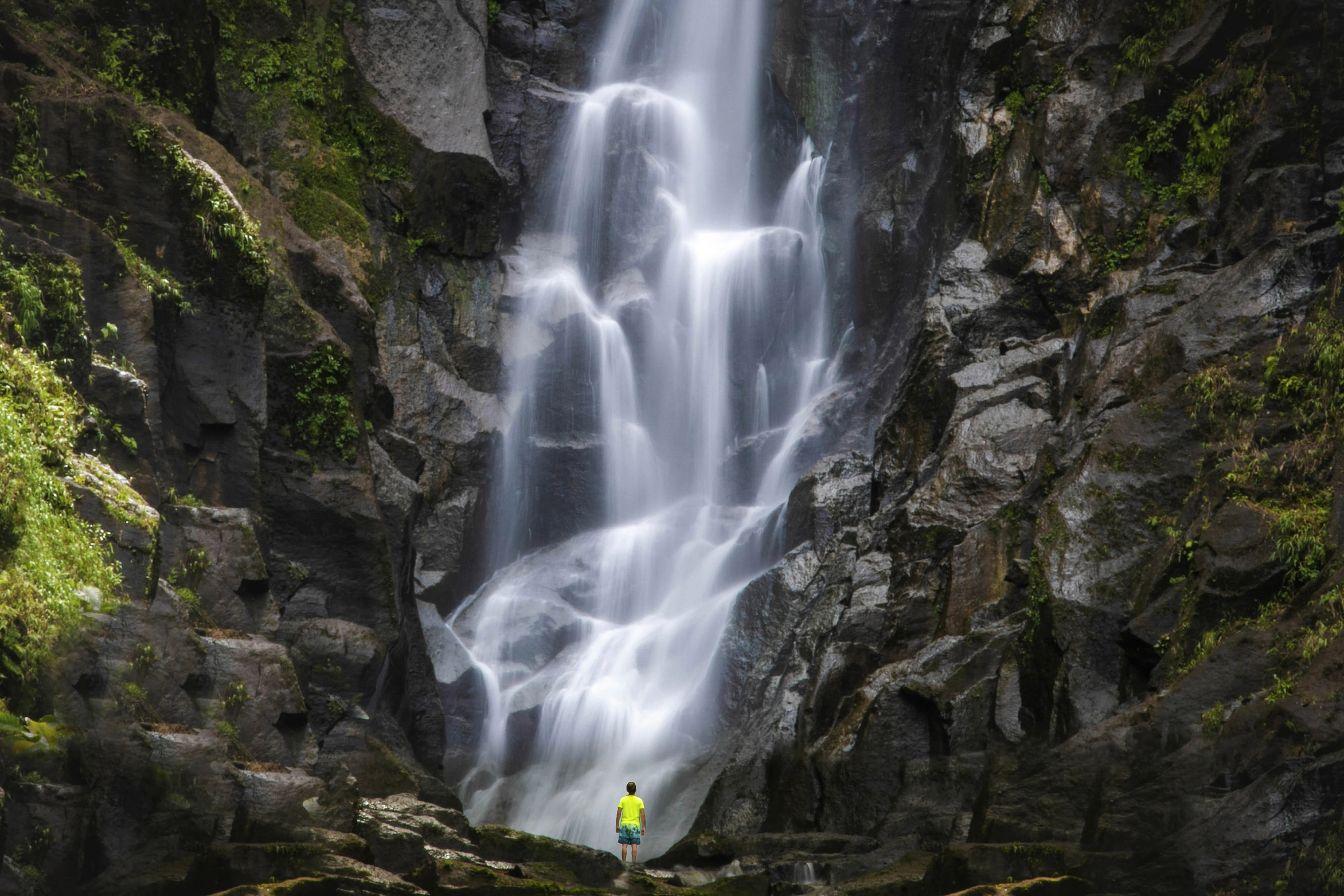
Geologically speaking, Dominica is one of the youngest islands in the Caribbean, and volcanic activity is still shaping its craggy landscape. The process reveals itself in the many hot springs and fumaroles that dot the island’s Morne Trois Pitons National Park, site of The Nature Conservancy’s first international project.
By the mid-1970s, TNC had opened state chapters throughout the United States. But a debate was brewing among staffers and board members. Some believed the organization should save special places wherever they happened to be, anywhere in the world.
“There were a lot of scientists working for The Nature Conservancy, or who were a part of our state chapters and the global board,” says David Banks, TNC’s chief conservation officer. “They recognized that our mission was not bounded by country or state borders.”
One of the most compelling opportunities outside the U.S. was a scenic 950-acre swath in Dominica. It was in an area high in biodiversity and endemic species. In 1975, TNC decided to accept the land as a gift from John Dana Archbold, a philanthropist with an interest in preserving tropical rainforest. The Nature Conservancy transferred the land to Dominica’s government, forming the heart of a new national park that would make up almost 10% of the entire island.
“It was tremendous at the time,” says Felix Gregoire, who served as a forest officer at the park and later led the island nation’s Ministry of Agriculture, Lands, Fisheries and Forestry. While many Dominicans were skeptical, “they saw the benefit right before their eyes,” Gregoire says. “Today, Dominica is the ‘nature island’ of the Caribbean. Tourism is the driving force behind the economy.”
The donation was also TNC’s first step toward becoming a global organization. “In the ’70s, there was a lot of experimentation that probably felt very uncomfortable at the time,” says TNC’s Banks. “But it was the foundation of our tremendous success—we recognize the power of taking risks now.”

-
The Osa Peninsula contains more than a dozen ecosystems and high levels of biodiversity. But in the 1970s, the area was under threat from mining and agriculture. International outcry pressured the government to create the Corcovado National Park with The Nature Conservancy’s involvement. In the late ’80s, TNC arranged the organization’s first-ever debt-for-nature swap, a program that traded paying off $254,000 of national debt for increased conservation for Braulio Carrillo National Park.
-
In 1998, TNC kicked off an audacious venture, helping to launch its first program in China, the Yunnan Great Rivers Project. This protected a rugged, mountainous region about the size of West Virginia, including some of the country’s last primary forests, as well as habitat for snow leopards and snub-nosed monkeys. The project has brought together government and nonprofit partners to protect land upstream of three of the largest rivers in Asia: the Mekong, the Yangtze and the Salween.
-
As hydropower development has expanded across the Western Balkans in recent decades, residents have become concerned that some of Europe’s last free-flowing rivers could be fragmented by new dams. In 2023, The Nature Conservancy launched a major freshwater initiative in Europe, supporting local groups across five Balkan countries to secure lasting protection for the rivers and site renewable-energy alternatives to hydropower. Since then, TNC has also helped communities in England develop new freshwater protections for their rivers.
3. DEVELOPING SCIENCE FOR RESTORATION
Santa Cruz Island
CALIFORNIA, 1978
The largest of California’s Channel Islands, Santa Cruz Island—also known by the Chumash name Limuw—sits 25 miles off the coast, far enough from the mainland to have its own unique ecosystem but close enough to have suffered more than its share of human disruption. In 1978, when The Nature Conservancy purchased most of Santa Cruz from private owners, the island was in trouble.
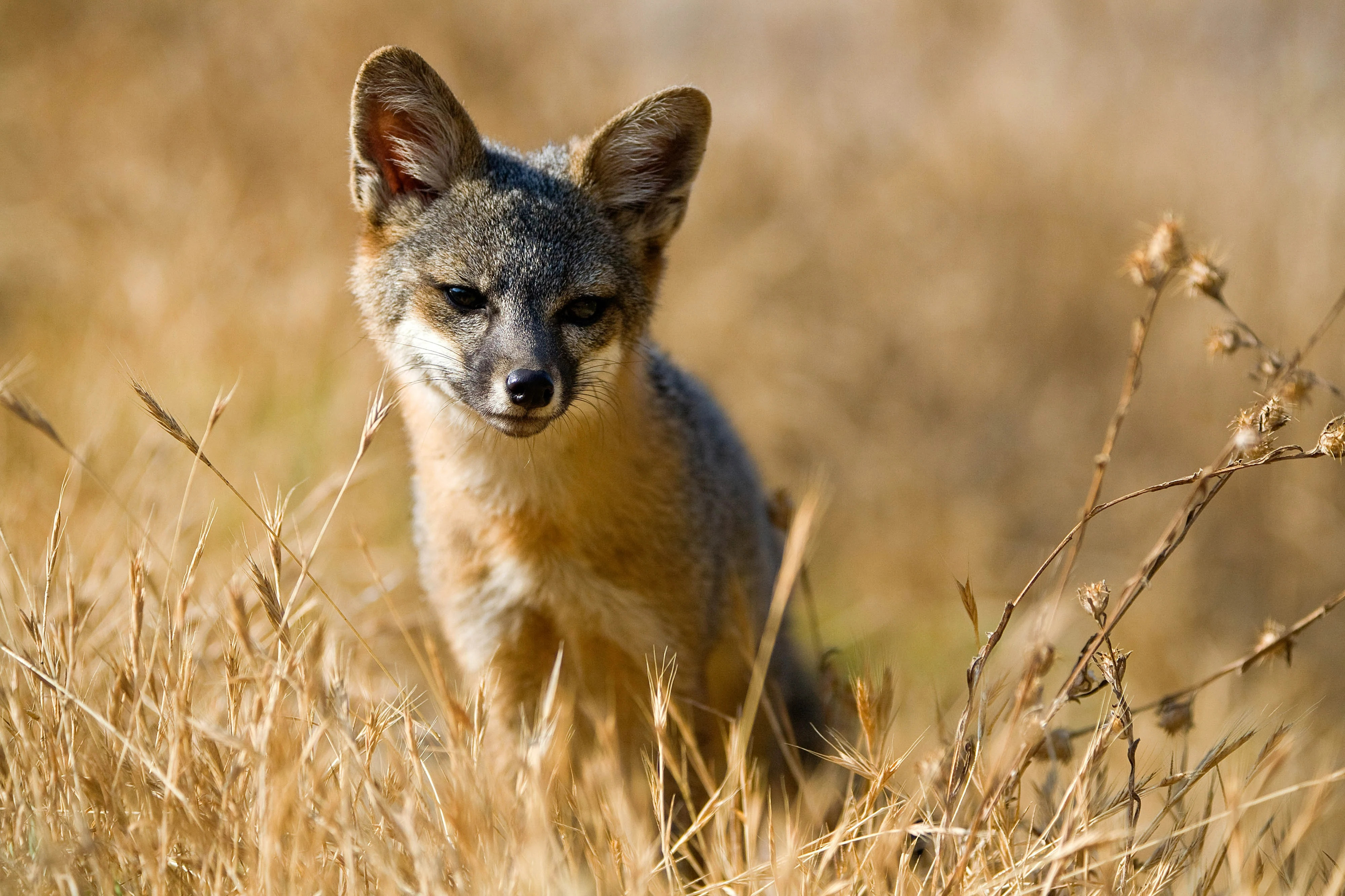
Feral pigs and sheep—the legacy of a century of ranching—were overgrazing the island, threatening several native plant species with extinction. Meanwhile, the then-endangered Santa Cruz Island fox, once an apex predator, was also on the verge of vanishing. The population of this miniature canid, which is about the size of a house cat, had dropped by 95% in less than a decade, to fewer than 100 foxes.
“There was an understanding in the scientific community at the time that if someone could take the invasive ungulates off [the islands], there was potential for species recovery,” says Lara Brenner, senior island scientist for TNC’s Santa Cruz Island Preserve.
Nature Conservancy leaders knew, going in, that the acquisition on Santa Cruz Island would come with new responsibilities. The staff were used to saving land by preventing it from falling into the hands of developers, but the threats here were more complicated than bulldozers or urban sprawl.
“It’s one of the early projects where The Nature Conservancy realized that buying land was a necessary but not sufficient condition to accomplish our conservation goals,” says Philip Tabas, a longtime staffer who is now a senior advisor for TNC. “Conserving Santa Cruz Island would also require a good project team, a good strategic plan, adequate funding [and] community engagement.”
Such elements are now standard in any TNC project, and the payoff on Santa Cruz Island is clear: The feral sheep and pigs have been removed, bald eagles have been reintroduced, native plants have recolonized barren hillsides, and the Santa Cruz Island fox is once again thriving, with a population well over 2,000 animals.

-
In 1962, Donald Lawrence, a University of Minnesota botanist, led a crew that set The Nature Conservancy’s first prescribed burn at Helen Allison Savanna Preserve, an oak savanna near Minneapolis. Drawing on long-standing Indigenous knowledge, the crew’s work helped show how fire-adapted habitats could be restored and managed by setting low-intensity burns under safe conditions. Today, TNC works with fire and supports partners working with fire in North America, Latin America, Australia, Africa and Europe.
-
The Nature Conservancy hired scientist Robert Jenkins in 1970 to create a science-based system for identifying and setting conservation priorities in every state. This biological inventory—the Natural Heritage Network—laid the groundwork for a more strategic series of conservation goals, ultimately focusing conservation work on ecological priorities and building the foundation for future science-driven decision-making at TNC through tools like Ecoregional Planning and Conservation by Design.
-
During the 1970s, TNC acquired 14 barrier islands off the Virginia Coast. The 40,000-acre reserve has become a “living laboratory” for marine restoration. In 1997, TNC and its partners discovered small patches of marine eelgrass, which had disappeared from the area in the 1930s. That inspired a program that reseeded 800 acres of eelgrass (which has spread to almost 12,000 acres) and taught marine managers from around the world how to reestablish these lost habitats.
4. WORKING AT LANDSCAPE SCALE
Great Sand Dunes National Park
COLORADO, 2004
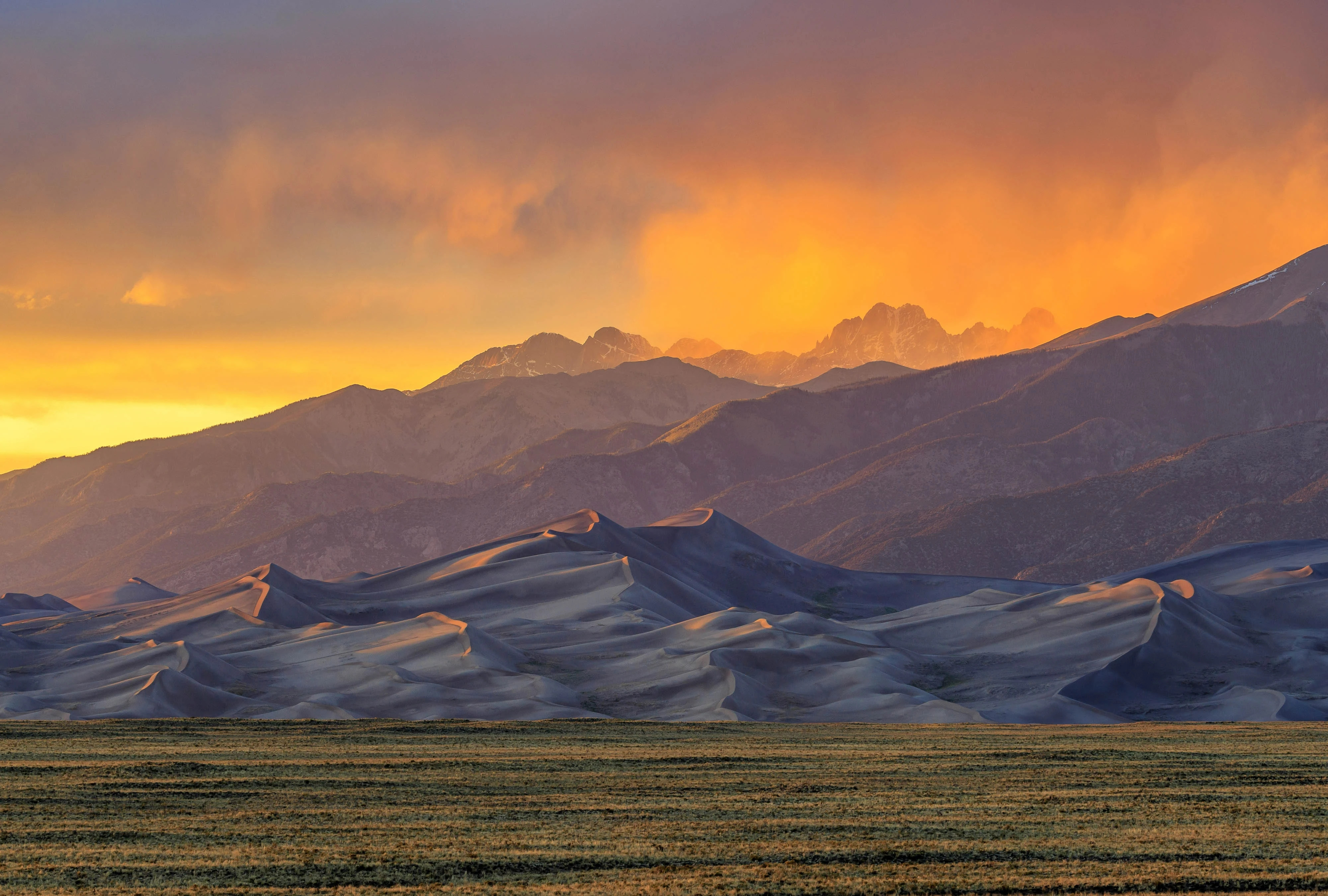
Like many TNC projects, the story of Great Sand Dunes National Park began with a group of concerned citizens—in this case, Coloradans who formed a coalition to prevent local groundwater from being piped to the Denver suburbs. Losing their water would threaten not only local farms but also the nearby Great Sand Dunes National Monument—more than 25,000 acres of towering white sand dunes piled up by prevailing winds at the base of the Sangre de Cristo Mountains. The dunes are replenished each spring by free-flowing creeks that wash the sands back down into the valley—a process that would be halted if the water table was drained.
The decades-long war over water began winding down in 1999 when the local group invited The Nature Conservancy to support their efforts by acquiring the 97,000-acre Baca Ranch, which TNC could add to its recently created preserve, the 100,000-acre Medano-Zapata Ranch. In 2000, Congress passed legislation authorizing the creation of a national park once TNC acquired the ranch. That move ended the plans to sell away the area’s water, and solidified the dunes’ future. With land—and water—safe, TNC then helped negotiate a deal with the government to nearly quadruple the size of the national monument. The land was purchased, and Great Sand Dunes National Park and Preserve was officially designated in 2004.
“It was a coalition of residents … with political leaders from both sides of the aisle,” says Nancy Fishbein, TNC’s director for resilient lands in Colorado. “To be part of that was incredibly eye-opening and powerful: We cannot do it alone.”
In addition to that lesson, says Fishbein, who joined TNC in 1991, the Great Sand Dunes project also revealed the possibility—and the importance—of preserving enormous, interconnected landscapes. Protecting one part of an ecosystem doesn’t always ensure success when other parts of that system are threatened.
“If we are going to conserve the world’s biodiversity, this is the scale we need to be working at,” Fishbein says. “And I know we have the courage to do that.”

-
In 2010, TNC began working in Zambia to help conserve wildlife and biodiversity around the iconic Kafue National Park. Dry season wildfires had become problematic for animals and communities alike, so TNC started training park staff on how to manage controlled burns. Sixteen years later, TNC, residents and government land managers continue collaborating on more than 15,000 square miles of conservation lands under community stewardship around the park.
-
California’s Golden Gate National Recreation Area contains more endangered species than any other national park property in the continental U.S. But in the 1960s, this area almost became a 2,000-acre real estate development. The Nature Conservancy partnered with local residents and other environmentalists to halt the project, buying the coastal property in 1972 and later transferring it to the National Park Service. Today, the recreation area is one of the Park Service’s most-visited locations.
-
In the 1980s, protected parks across Latin America and the Caribbean were being damaged by deforestation, hunting, development and pollution. In many cases, the host nations did not have the resources to manage them. In 1990, TNC and USAID began a program to identify and support the most-imperiled parks. They partnered with local governments and NGOs to develop management plans and engage with communities to develop lasting and sustainable protection.
5. ENGAGING COMMUNITIES FOR CONSERVATION
Great Bear Rainforest and Sea
CANADA, 2016
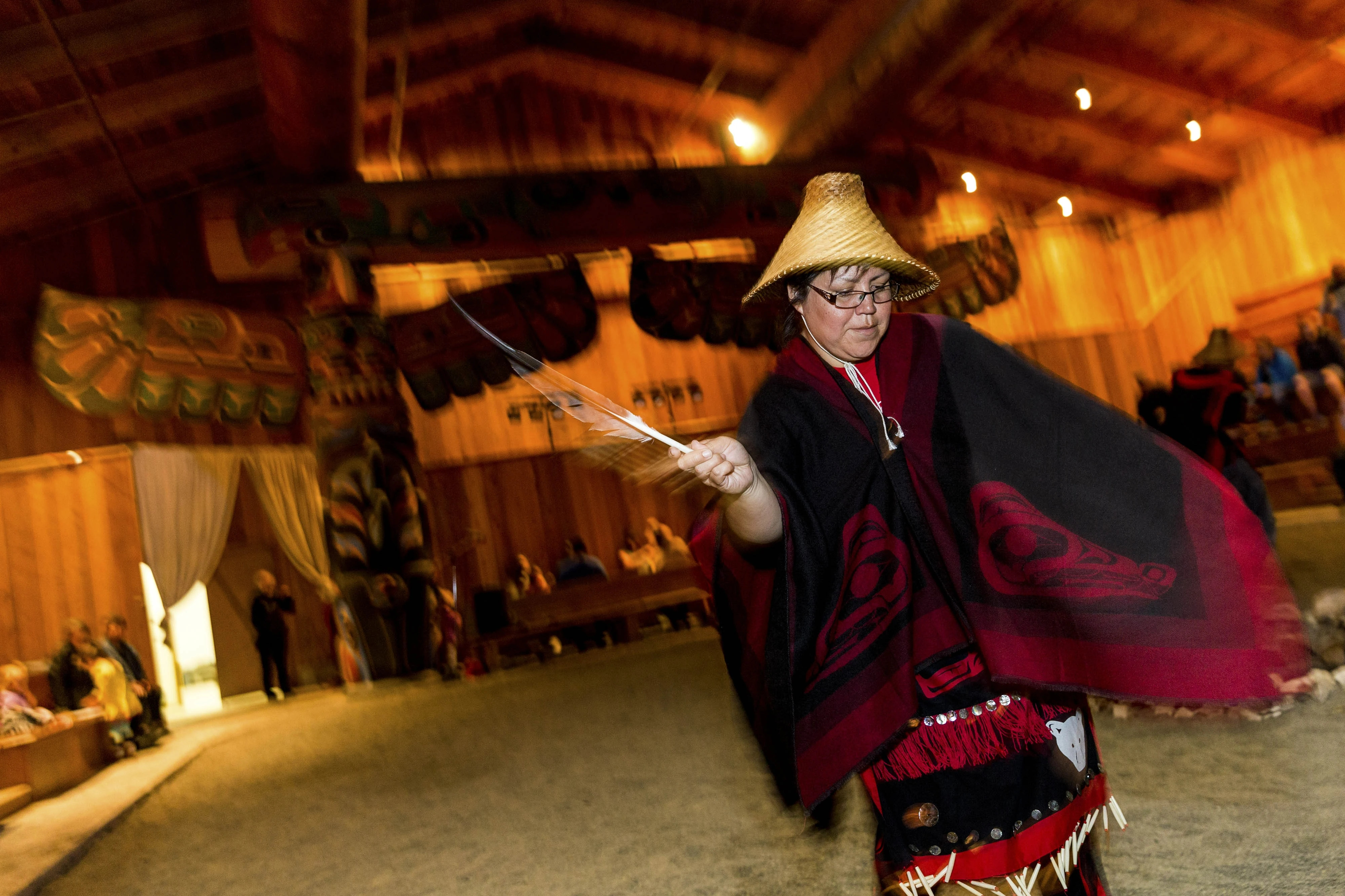
For thousands of years, the people of the Kitasoo Xai’xais Nation have relied on the resources of the coast and islands of modern-day British Columbia—fishing for salmon and harvesting shellfish and crabs in glacier-carved fjords edged with lush temperate rainforest. Home to whales, wolves and bears, the region also includes the unceded traditional territories of two dozen First Nations, peoples who have historically been excluded from decisions about conservation in Canada.
But in the early 2000s, The Nature Conservancy was invited to support Indigenous Nations in their efforts to protect and manage some 15 million acres of what became known as the Great Bear Rainforest, along with 2.6 million acres in the archipelago of Haida Gwaii.
“The idea of supporting something that was entirely led by Indigenous Peoples was relatively novel in the conservation world,” says Jenny Brown, the Canada conservation and emerging strategies advisor at Nature United, which is TNC’s Canadian affiliate. Still, it was an opportunity that the group could not pass up.
The planning and fundraising came to fruition in 2016, when more than 25 First Nations and the government of British Columbia signed the Great Bear Rainforest Agreement. In 2024, the Great Bear Sea Project Finance for Permanence formed an agreement to protect and fund the management of 10 million acres of ocean along Canada’s Pacific coast. The agreements helped to establish a precedent for strengthening Indigenous involvement in decisions about land and resource management.
Protecting so much land and sea is a triumph, but, Brown says, “even bigger for me is, the people of that landscape and their efforts to make sure that place can support their cultures and their lives and their people.”

-
In the 1990s, The Nature Conservancy began engaging with Solomon Islands communities to help them protect endangered sea turtle nesting areas. But these traditional and patriarchal groups rarely allowed women to participate in the decision-making. In 2016, a group named KAWAKI was formed in the Arnavons to help include women in conservation and research management and to create economic opportunities for them. This model has since been replicated in Papua New Guinea.
-
Around the turn of the century, rising deforestation across the Amazon placed increasing pressure on Indigenous territories. Indigenous peoples needed stronger tools and support to protect and manage their lands. Starting in the 2000s, TNC supported the government as it developed stronger, enforceable policies to protect Indigenous lands. The Nature Conservancy helps communities develop plans to sustainably manage their natural resources for economic opportunities like agroforestry.
-
In the 2010s, Kenyan pastoralist communities were living with the effects of overgrazing, unpredictable rainfall, big-game poaching and few economic opportunities. The Nature Conservancy partnered with a local NGO that was developing “community conservancies.” This strategy helped local communities implement sustainable grazing on their land, develop ranger programs to deter poachers and attract tourism. Today, TNC supports community conservancies in five African countries.
6. MAKING CONSERVATION ECONOMICALLY SUSTAINABLE
Seychelles
AFRICA, 2016
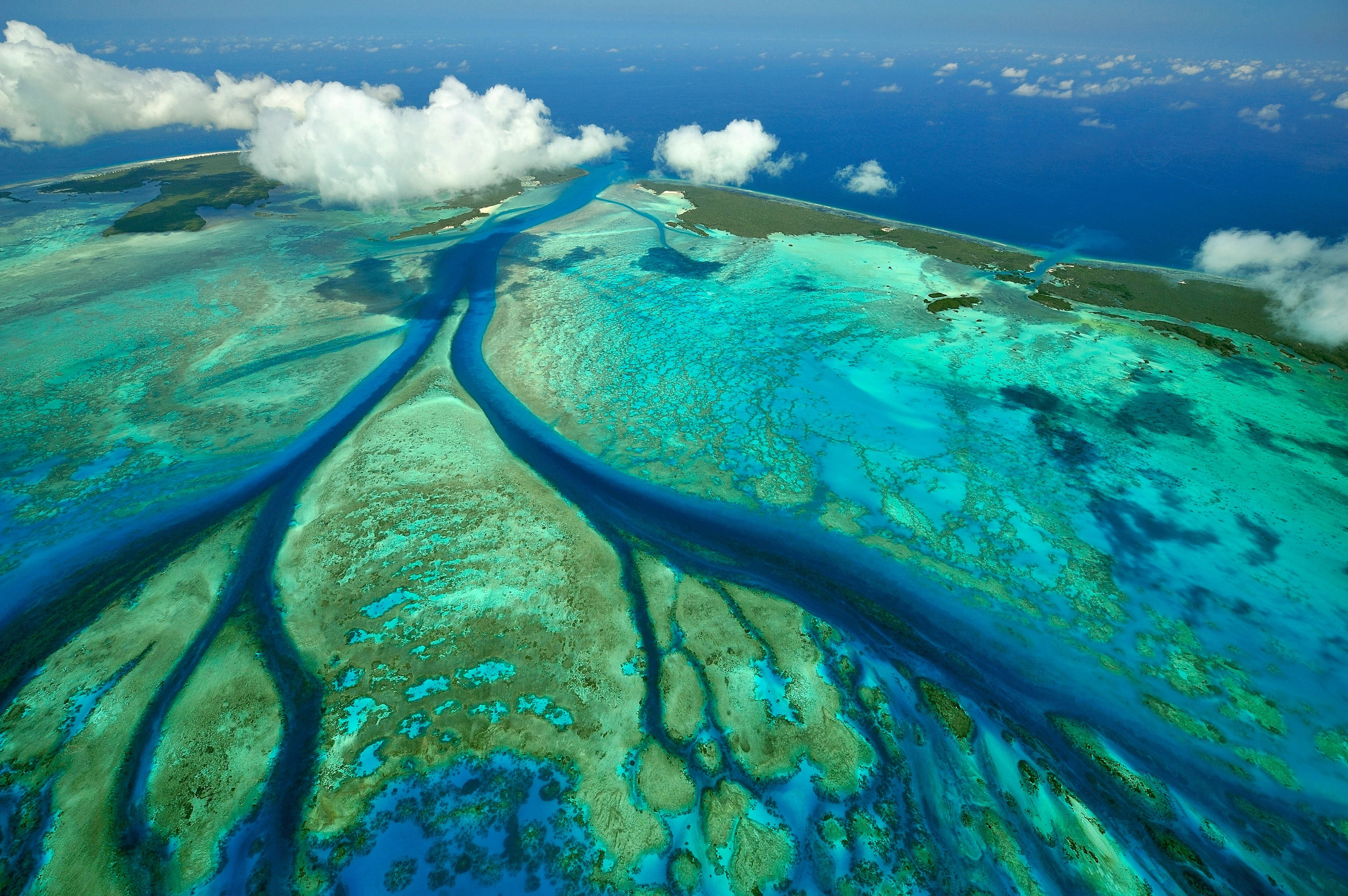
About 1,000 miles off Africa’s east coast sit Seychelles’ 115 islands, ranging from tiny sand cays to Mahé, a bit larger than Manhattan and home to most of the country’s 100,000 people. Though Seychelles is a small nation in land and population, its marine area stretches across 530,000 square miles of the Indian Ocean.
“They’re a small and mighty nation,” says Joanna Smith, The Nature Conservancy’s global director for ocean planning and mapping, “and the ocean is the fabric of life in Seychelles.”
It made sense, then, for Seychelles to partner with TNC to pioneer a new model for the world’s first ocean debt conversion for $21.6 million of its sovereign debt. In 2016, Seychelles pledged to protect more than 30% of its ocean—an area larger than Germany—and develop a marine plan for its whole ocean. The debt conversion funding is managed by a newly established conservation trust fund to support the stewardship of the country’s waters and fisheries.
The sheer size of the project represents immense ecological value, says Smith, who spent time in Seychelles helping local staff and stakeholders map critical pieces of ocean and identify areas to protect in order to meet the country’s 30% goal. Large marine areas keep entire ecosystems intact, providing a home for creatures ranging from the tiniest invertebrates to migratory species like turtles and whales. And for a country that is almost entirely dependent on fishing and tourism, protecting the ocean also made sense from an economic perspective. “There was really high support from stakeholders, civil society, other government departments,” Smith says.
The project served as a pilot for what TNC now calls the Nature Bonds Program, with subsequent projects in Belize, Barbados, Gabon, the Bahamas and Ecuador—each funded through a combination of private foundations and public-sector partners organized by TNC. Together the bonds unlock an expected $1 billion to improve the management of almost 600 million acres of land, oceans and fresh water.

-
By 2000, ranching, farming and forestry had damaged wetlands in the mountains upstream from Quito, Ecuador. Habitat for wildlife began to deteriorate, and the city was losing its water source. The Nature Conservancy and the local government created the world’s first water fund, which collected fees from the local water utility. The program has restored 135,000 acres of habitat while improving Quito’s water supply. The Nature Conservancy has since helped launch more than 50 similar programs worldwide.
-
In 1961, The Nature Conservancy was gifted its first-ever conservation easement: 6 acres of salt marsh along Connecticut’s Mystic River. Under an easement, property owners retain their land but give up specific rights such as the ability to clear forests or subdivide the land for development. In 1976, the U.S. tax code began allowing a tax deduction for the loss of value on these lands. This change sparked interest in easements, which, as of January 2025, protected nearly 38 million acres in the U.S.
-
In 2018, The Nature Conservancy saw an opportunity to acquire 253,000 acres of former Appalachian mining lands and industrial forest as an investment. The Nature Conservancy assembled a private limited partnership to buy parcels of land in Virginia, Tennessee and Kentucky for $130 million. The 10-year project aims to restore lands and waters, manage the forests for carbon and biodiversity, develop solar power on former surface mines and create public recreational access.

Magazine Stories in Your Inbox
Sign up for the Nature News email and receive conservation stories each month.
More from Issue 3, 2026

The Nature Conservancy: Celebrating 75 years of People, Partnership and Place
In 1951 a small group of passionate individuals joined forces to try to protect nature through direct action. Their vision continues to drive the work of The Nature Conservancy today.

Sound Solutions
From a crashing fishery in the 1990s to whales in New York harbor today—what has it taken to clean up tristate waters?

A Wild Legacy: A Photo Essay
For 75 years, The Nature Conservancy has protected iconic landscapes, saved endangered species, supported local communities and led innovative initiatives to protect nature around the world.