
interstitialRedirectModalTitle

interstitialRedirectModalMessage

Places We Protect

The Long Pond Barrens

Pennsylvania

A view of a large meadow filled with tall green and brown grasses, framed by two dense tree lines.
Long Pond Preserve Long Pond is a complex comprised of an estimated 12,000 acres, featuring swamp, bog, and marsh habitats. © Melisa Soysal/TNC

A rare fire-dependent landscape where nature’s resilience takes center stage.

Overview

Description

The Long Pond Barrens, part of The Nature Conservancy (TNC)’s Long Pond Preserve complex, is a rare pitch pine–scrub oak ecosystem on the Pocono Plateau. This landscape is one of Pennsylvania’s most important fire‑adapted habitats, offering sweeping, open‑sky views and supporting plants and wildlife found in few other places in the state. A flat, easy loop trail allows visitors of all ages and abilities to explore the barrens year‑round.

The Long Pond Barrens is one of the largest remaining examples of this globally rare ecosystem. TNC works to protect species that depend on periodic fire, maintain open barrens habitat and safeguard the ecological integrity of the Pocono Plateau.

For much of the 20th century, fire suppression caused many fire‑dependent habitats to become overgrown. To restore this globally significant landscape, TNC and the Pennsylvania Game Commission have partnered to reintroduce prescribed fire. More than 2,000 acres have been restored through carefully planned burns, helping revive native species, improve wildlife habitat and ensure the barrens remain resilient into the future.
Access

OPEN TO THE PUBLIC

Hours

Trails are open 365 days a year dusk-dawn.

Wheelchair Accessible

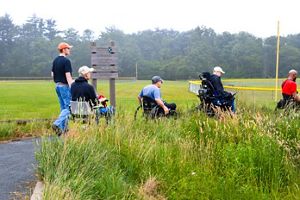
This preserve does not allow the use of OPDMDs. Firebreak trails and portions of the landscape vary in terrain. For accessible outdoor options, visitors are encouraged to explore nearby Cathy’s Trail and the Universal Access Trail at the Hauser Nature Center.

Highlights

Enjoy the self‑guided birding audio trail and explore swamp, bog and marsh habitats, as well as unique birds and rare butterflies and moths.

Size

Long Pond is a landscape complex of approximately 12,000 acres owned and managed by Tunkhannock Township, Monroe County, Pennsylvania Game Commission, Pennsylvania Bureau of Forestry, Pennsylvania State Parks, Wildlands Conservancy and TNC.

Explore our work in Pennsylvania

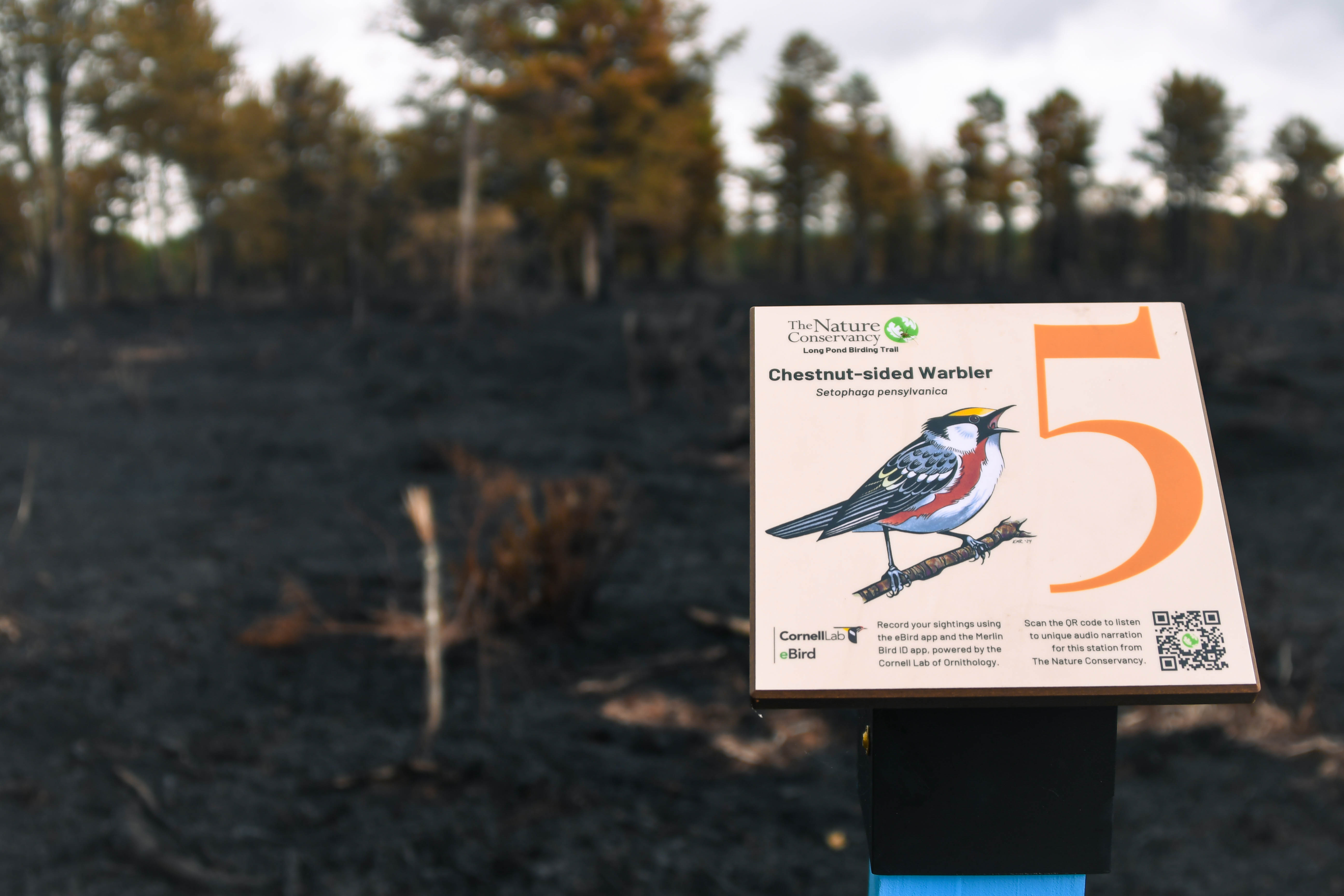
A sign with an illustrated bird and a QR code sits in front of a forest.
Barrens Birding Trail This 5.3-mile trail features 10 interpretive stations, each offering unique audio content and educational insights into the landscape and its avian residents. © Melisa Soysal/TNC

Self Guided Audio Birding Tour

Discover one of Pennsylvania’s most immersive birding experiences. Long Pond Barrens Birding Trail offers a rare glimpse into a fire‑dependent ecosystem teeming with birdlife—from shrubland specialists to species more commonly found in Canada’s northern forests.

This 5.3‑mile interpretive trail features 10 stations, each equipped with a QR code that unlocks an audio clip tailored to your location. As you walk, you’ll learn about:

  • The birds you’re hearing and seeing in real time
  • How prescribed burns and habitat restoration support species that depend on open barrens
  • Why the Long Pond Barrens is considered one of the most ecologically significant landscapes in the state

This self‑guided experience connects you not only to the sights and sounds of the barrens but also to the conservation efforts protecting this remarkable place.

Whether you’re a dedicated birder, a curious hiker or a visitor seeking a peaceful nature walk, the Birding Trail offers something special in every season—from booming woodcocks in spring to migrating warblers in fall.

Tip: Contribute to ongoing conservation research by submitting your sightings to eBird. Your observations help TNC and partners track changes in bird populations over time.

Explore the Birding Trail.

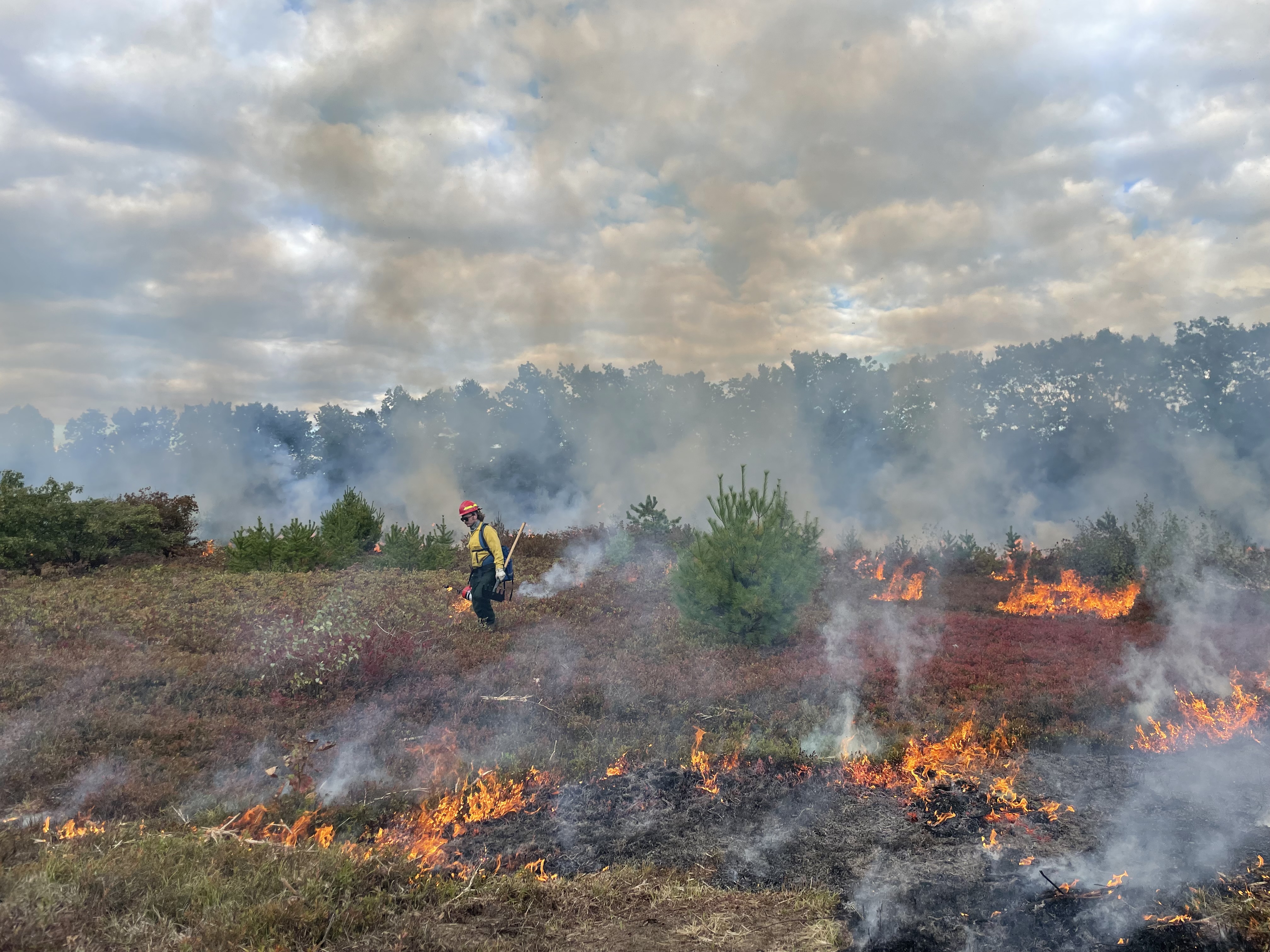
A person in yellow fire gear stands in a charred field with small flames.
Prescribed Fire The Nature Conservancy and the Pennsylvania Game Commission use prescribed fire to safely restore the Long Pond Barrens. © Stephen Ruswick/TNC

Prescribed Fire

Fire is essential to the health of the Long Pond Barrens. Many of the plants and wildlife found here depend on periodic burns to maintain the open, sunny habitat they need to thrive. TNC and the Pennsylvania Game Commission use carefully planned prescribed fire to restore this rare ecosystem and support the species that rely on it.

Learn more about prescribed fire.

Views from the Long Pond Barrens

Explore this rare fire-dependent landscape where nature’s resilience takes center stage.

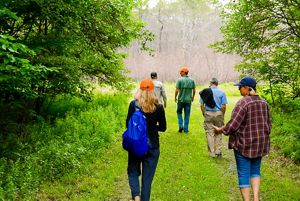
A group of people walk through a cleared flat grassy path through trees.
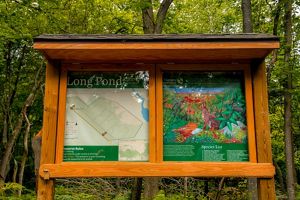
A wooden kiosk featuring maps stands in a forest.
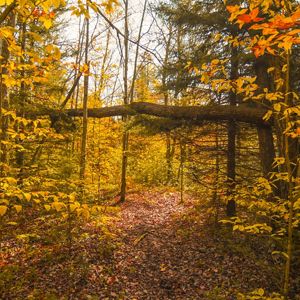
A cleared grassy path cuts through a fall-colored forest.
An eastern towhee sits on a bare branch.
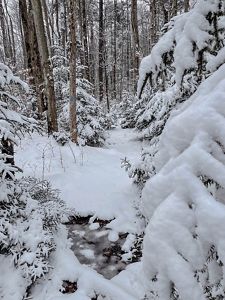
A blanket of fresh snow covers a forest.
A flame goes around two trees in a field.
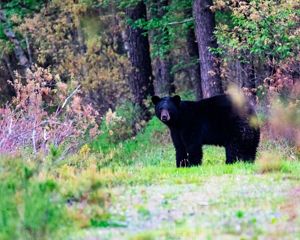
a black bear looks into the camera from a distance while crossing a path through the forest.
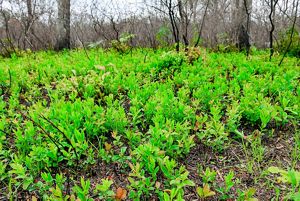
New green growth sprouts around charred soil.
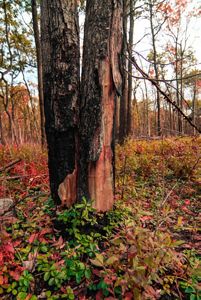
A charred tree stands around fresh green growth.
Several people utilizing mobility devices explore a gravel trail.

Visitor Information

  • Explore the Birding Trail

    Walk the 5.3‑mile Long Pond Barrens Birding Trail and discover 10 interpretive stations, each with a QR code linking to audio clips about nearby birds and ongoing restoration work. This self‑guided experience brings the sounds and science of the barrens to life, with opportunities to spot species that depend on fire‑enhanced habitat.

    Visit Hauser Nature Center

    Just down the road from the barrens, the Hauser Nature Center offers a welcoming stop before or after your hike.

    Drop in to:

    • Meet TNC staff
    • Explore the children’s library and reading nook
    • Learn about our conservation work across the Long Pond Preserve Complex

    Hours: Monday–Friday, 9 a.m.–5 p.m. (Hours may differ in winter months.)

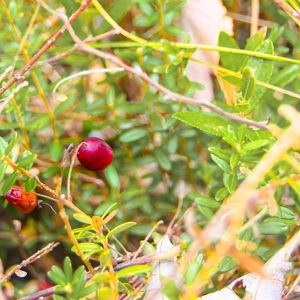
  • Visitors can expect wide‑open barrens, low‑growing shrubs and stands of pitch pine shaped by natural fire. Depending on the season, you may see wild blueberries, migrating songbirds or sweeping views across the flat, sandy landscape.

    Prescribed Burn Sites

    As you explore, you may notice:

    • Charred tree trunks
    • Patches of blackened soil
    • Areas flush with fresh green shoots
    • Zones in various stages of regrowth

    These are the visible results of recent controlled burns, essential tools for restoring habitat, reducing fuel buildup and supporting fire‑adapted plants and wildlife.

    Unique Birds

    Long Pond is one of Audubon Society’s Important Bird Areas of Pennsylvania. The landscape hosts rare butterflies and moths, as well as birds that are common at Long Pond but less common elsewhere in Pennsylvania, including:

    • Osprey
    • Northern harrier
    • Eastern towhee
    • Prairie warbler
    • Whip‑poor‑will
    • Common yellowthroat
    • Chestnut‑sided warbler

    Visitors can enjoy prime bird‑watching from early spring through fall.

    • Spring: Woodcock displays, migrating songbirds, early wildflowers
    • Summer: Butterfly activity, lush shrubland vegetation, active birdlife
    • Fall: Fiery foliage, crisp air, ideal birding conditions
    • Winter: Quiet forests, animal tracks in the snow, expansive views
  • Seasonal hunting is permitted in accordance with Pennsylvania Game Commission regulations. Please note: trapping is never allowed at TNC preserves.

  • We are building a community science database of all kinds of life—from lichens to ants, mushrooms to plants, birds to mammals—across our preserves in Pennsylvania and Delaware.

    TNC’s roots began with local citizens and scientists concerned about special places and species. That legacy continues today through iNaturalist, a digital platform that allows users to share and discuss their findings.

    Of our 14 preserve projects in iNaturalist, nine currently have recorded observations. Help us increase that number—and deepen our understanding of both native and invasive species across TNC lands. Your submissions help guide conservation staff in management and monitoring decisions.

  • We invite you to experience and enjoy The Nature Conservancy’s public preserves. Please be mindful that every visitor has an impact. We ask that you follow our visitation guidelines to protect yourself and nature.

    • Come prepared with sturdy footwear, sun protection, drinking water, rain gear and long sleeves/pants to reduce exposure to ticks and poison ivy.
    • Stay on marked trails and respect your surroundings. Do not trespass on adjacent private property. Do not climb trees, disturb plants, feed wildlife or remove signage.
    • Dogs are allowed and may be off‑leash but must remain under owner control at all times. Clean up and carry out all dog waste.
    • Alcohol, smoking, drug use, firearms (except during hunting seasons, following all PGC regulations), horseplay, sports, camping, cookouts, open flames, loud music, swimming and other disruptive activities are prohibited.
    • ATVs, bicycles and any motor vehicles not used for accessibility are prohibited.
    • Park only in designated spaces near the trailhead. Do not park along roads or on private property.
    • There are no restroom facilities. Pack out all trash and waste, including biodegradable materials.
    • TNC may refuse access to visitors who violate guidelines and may prosecute offenders under applicable regulations. To report violations, contact pa_chapter@tnc.org.

Nature for All

The Nature Conservancy is dedicated to building a world where both people and nature can thrive together. Our mission is to protect lands and waters on which all life depends. We strive to offer opportunities for individuals of all ages, abilities, backgrounds and perspectives to develop a lifelong bond with the natural world. We believe that nature should be accessible to all, and we invite you to enjoy the outdoors safely and fairly at our public preserves. We all share one planet, and everyone is welcome here.

Find More Places We Protect

The Nature Conservancy owns nearly 1,500 preserves covering more than 2.5 million acres across all 50 states. These lands protect wildlife and natural systems, serve as living laboratories for innovative science and connect people to the natural world.

See the Complete Map