


Seasonal Vernal Pools Require Our Attention All Year Long
We’re diving in (but not too deep) to learn about one of nature’s most fascinating ephemeral ecosystems.
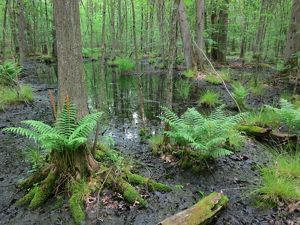
Blink and you’ll miss them. But don’t discount them. Vernal pools are temporary but vital habitats that support a critical point in the life cycle of many fragile creatures inhabiting woodlands throughout the United States.
During parts of the year, vernal pools are not pools at all. Rather, they are dry depressions of forest debris and topsoil laying atop a more fortified layer of clay or bedrock capable of storing water. Sometimes vernal pools even connect with each other, forming larger complexes that serve as a seasonal source of food and water for waterfowl, migrating birds and mammals that depend on healthy woodlands.
_Richard_Bonnett-cc_2504x1565.jpg)
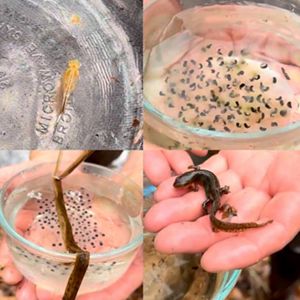
Vernal Pool Inhabitants: Animals requiring vernal pools for part of their life cycles, include fairy shrimp (top left), wood frogs (top right), spotted salamanders (bottom left) and eastern newt. © Chloe Tomasetta/TNC
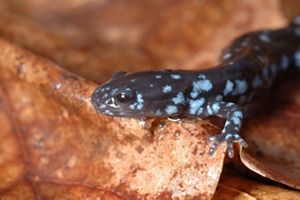
Spotted Salamander: At the first warm spring rains, blue-spotted salamanders emerge from their homes in the leaf litter to find temporary woodland pools where they mate and lay eggs. © James DeBoer/Shutterstock
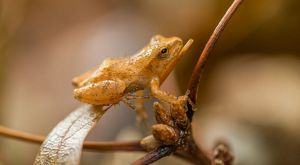
Spring Peeper: In early spring, male spring peepers produce high-pitched "peeping" calls to attract mates. © Jason Whalen/Big Foot Media
Marbled Salamander: Male and female marbled salamanders are late summer breeders, migrating to drying depressions that are usually full of water earlier in the season. © Richard Bonnett/Creative Commons
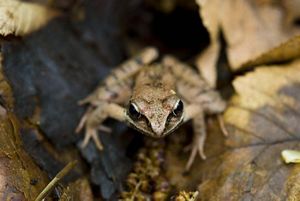
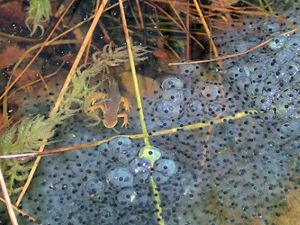
Wood Frog: Wood frogs are one of the first frogs to begin breeding season, usually in early March, when males make quack-like calls day and night to attract a mate. © Jerry and Marcy Monkman
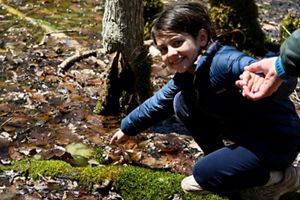
Mashomack Preserve: A child points to salamander eggs in a vernal pool at TNC's Mashomack Preserve in New York. © Rebecca Kusa/TNC
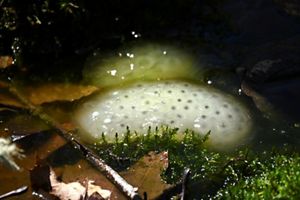
Salamander Eggs: A mass of salamander eggs grows in a vernal pool at TNC's Mashomack Preserve in New York. © Rebecca Kusa/TNC
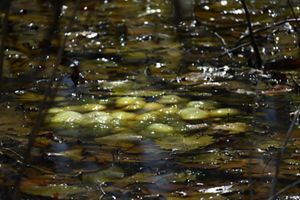
Salamander Egg Masses: Salamander egg masses grow in a vernal pool at TNC's Mashomack Preserve in New York. © Rebecca Kusa/TNC
Newt Eggs: Eastern newts breed in these temporary, fish-free wetlands, where their larvae develop for roughly three months before maturing and leaving the water. © Charles DeCurtis/TNC
Morgan Swamp Preserve: Extensive vernal pools at TNC's Morgan Swamp Preserve in Ohio are the breeding sites for many amphibians. © Terry Seidel/TNC
How do you spot a vernal pool?
The easiest way to identify a vernal pool is by the presence of standing water on a forest floor. Depending on the time of year, you might also see clusters of gelatinous eggs, or see or hear indicator species such as toads, frogs and salamanders. During dry phases, look for a depression in the landscape and water stains on surrounding leaf litter and tree trunks.
The Science Behind Vernal Pools
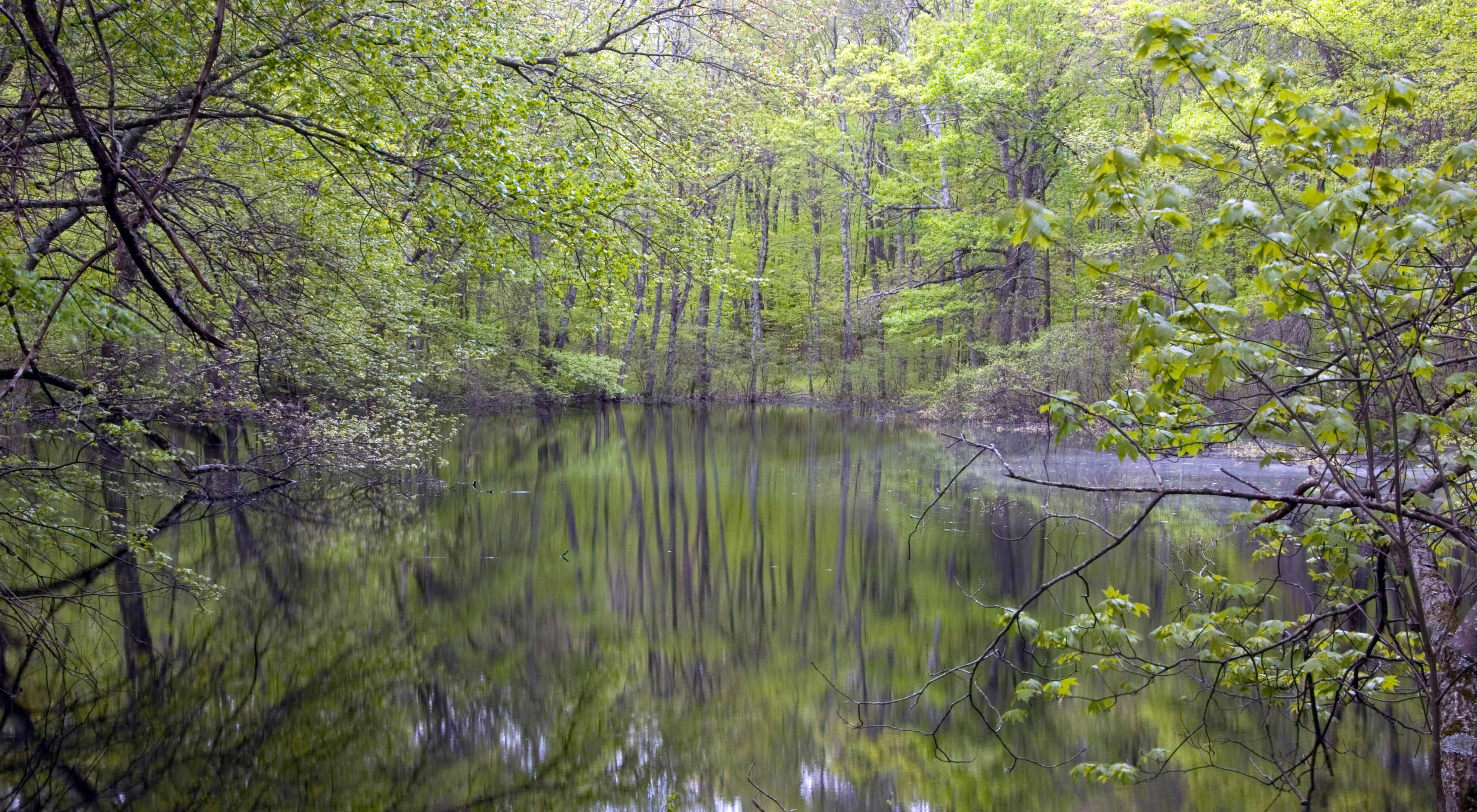
The magic of vernal pools lies not just in the water itself, but in the tightly choreographed timing of the species that rely on them. These seasonal aquatic habitats form during early spring as snowmelt and rain collect in shallow depressions scattered across forests and woodlands. Ideally located within healthy and diverse ecosystems, the formation of vernal pools is perfectly aligned with the breeding cycles of wildlife that depend on these temporary wetlands for their survival. By summer’s end, the pools that were once teeming with life have typically dried up completely—or at least partially—as the landscape warms.
This wet–dry cycle, along with persistently low oxygen levels, prevents fish from establishing breeding populations. For amphibians whose eggs and larvae are heavily preyed upon in permanent waters, this absence of fish dramatically increases the chances of survival. A lack of permanence also keeps certain pathogens and aquatic predators to a minimum, creating a safe, if fleeting, window for reproduction.

Just Add Water: A Breeding Cycle Synced to the Season
Long before we see green leaves on trees, the earliest amphibians begin stirring beneath the forest floor. On the first warm, rainy nights of late winter or early spring, adult salamanders and frogs migrate en masse from their underground burrows to nearby vernal pools. These nights, referred to as "big nights," often draw significant attention from ecologists and wildlife enthusiasts looking to spot a variety of critters as they migrate from overwintering spots to vernal pools to breed.
Some species of wildlife travel only a few yards, while others may cross hundreds of feet of forest—and dangerous roadways—to reach the pool in which they themselves hatched.
- Spotted and Jefferson salamanders may arrive as soon as ice begins to thaw, their movements triggered by temperature, rainfall and day length. Within hours of reaching the water, males deposit spermatophores and females lay dozens to hundreds of eggs attached to submerged twigs and vegetation.
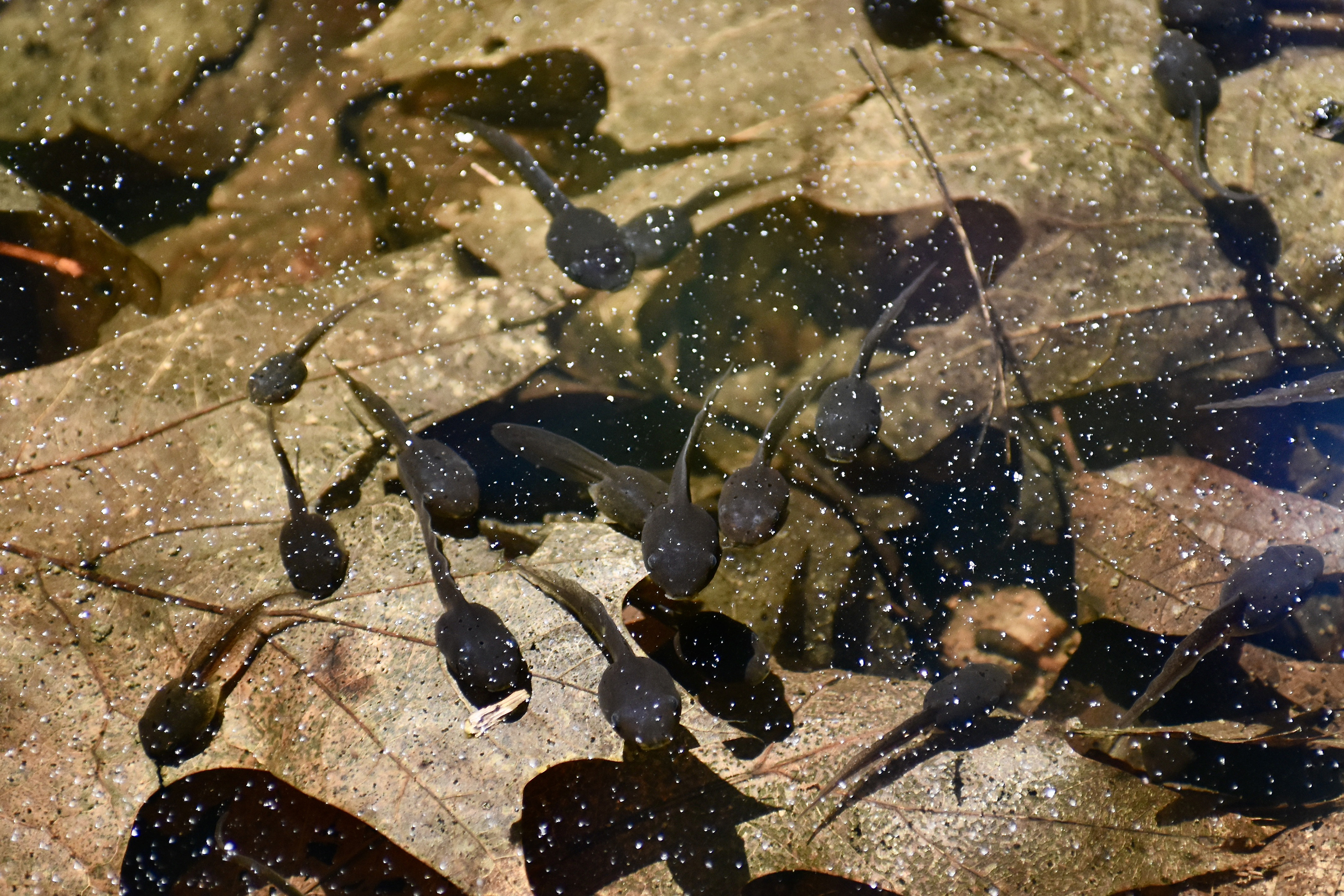
- Wood frogs, among the earliest breeders, gather in large, boisterous choruses. Females deposit globular masses of eggs that often hatch within just a few weeks, timed precisely to ensure tadpoles have enough water to metamorphose before the pool dries.
- Spring peepers and American toads follow soon after, adding their songs to the seasonal symphony. Their eggs, laid in long strings or jelly-coated clusters, develop rapidly to take advantage of every available day of water.
Once the eggs hatch, the race against the sun begins. Larvae feed on algae, detritus and tiny invertebrates, growing as quickly as possible. Over the course of several weeks to several months, they undergo dramatic transformations. Wood frog tadpoles sprout legs, salamander larvae grow feathery external gills and toadlets gradually prepare for life on land.
A Food Web Fueled by the Forest
Rather than functioning like open lakes and ponds that rely on constant sunlight and photosynthesis, vernal pools draw their energy from the forest floor. Leaf litter, fungi and other organic matter accumulate during dry periods. When spring rains fill the depression, these materials rapidly break down, releasing nutrients that fuel the entire food web—from microscopic zooplankton to amphibian larvae to the many species that depend on them for food.
Then, like clockwork, creatures emerge from the surrounding woods—blue- and yellow-spotted salamanders, wood frogs, spring peepers and others—to lay eggs that need these wetlands just long enough to grow lungs, sprout legs and walk (or hop) away. By early summer, juvenile amphibians disperse into the forest, and the pools that nurtured them quietly vanish until the next spring returns to start the cycle again.
Why Vernal Pools Need Us—And Why We Need Them
In addition to supporting a rich diversity of wildlife, vernal pools also enrich the landscapes people depend on. They filter water, reduce downstream flooding and create nutrient pulses that sustain forests. Their amphibian populations—especially frogs and salamanders—help keep insect communities in balance. But because these pools are small and temporary, their disappearance often goes unnoticed until it is too late.
Threats to Vernal Pools
Vernal pools are declining in number due to development and loss of woodlands. Due to their seasonal presence, these emphemeral wetlands remain inconspicuous, making them vulnerable to dredging and draining in support of development. Additionally, when a forest’s tree canopy is compromised, more light reaches the forest floor, resulting in warmer conditions that threaten to dry the pools before they can serve as nurseries for the diversity of wildife that depend on them. Proximity to roads and agriculture further threatens vernal pools, leaving them vulnerable to erosion that compromises their formation and degrades water quality as pesticides and other pollutants harmful to sensitive aquatic life run off into the pools.
That’s why TNC’s work is focused not only on protecting individual pools, but also on preserving and restoring the surrounding habitat they need to function. By safeguarding entire landscapes, TNC ensures these ephemeral waters have space to breathe, change and refill each year.


Scientists are also examining the impacts of a changing climate on vernal pools. While data is still building, conservation scientists operate under the hypothesis that even small shifts in temperature, weather patterns, forest health and local hydrology are sure to have an impact on the formation of these fragile habitats and the species that have evolved to keep pace with them. Because vernal pools are often small, isolated and dry up, regulations related to these fragile habitats usually fall outside the jurisdiction of the federal Clean Water Act and so vary by state.
See Conservation in Action: Explore TNC Nature Preserves Near You
One of the most powerful ways to understand vernal pool conservation is to experience these habitats firsthand. Many TNC preserves are open to the public and include boardwalks, interpretive trails and seasonal tours that highlight vernal pool ecology. Walking the trails, you may hear the chorus of spring peepers, spot egg masses suspended in clear water or even witness the brief appearance of fairy shrimp.
California
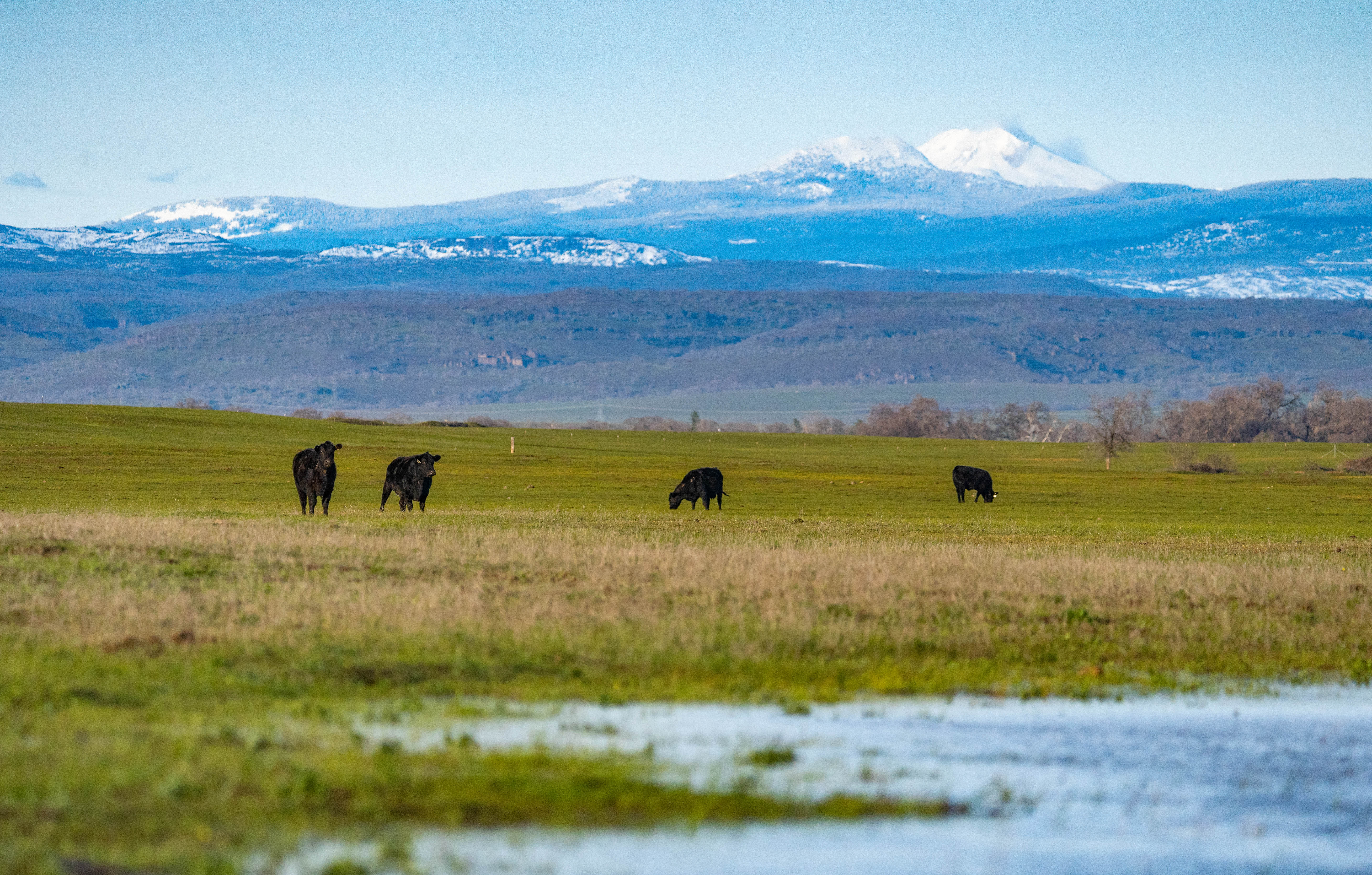
Vernal pools found at TNC’s Vina Plains Preserve are some of the best remaining in California, home to fairy shrimp, songbirds, waterfowl and shorebirds including great blue herons, tundra swans and greater yellowlegs. Although once common in the Central Valley and other parts of the state, vernal pools have been reduced to less than 5% of their original range and are now one of California's most threatened natural communities.
Delaware
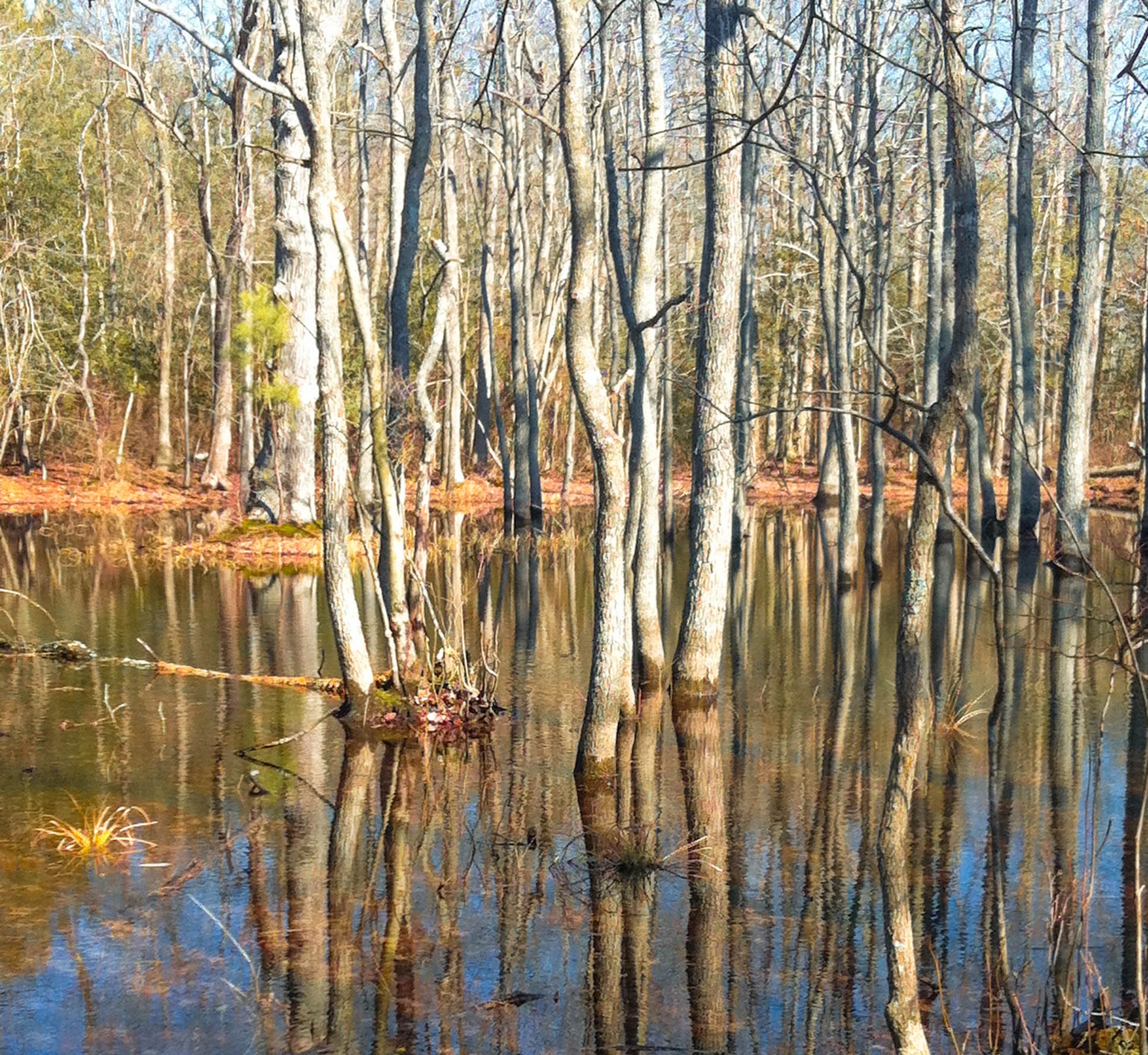
In Delaware, TNC helps protect an active vernal pool at the Ponders Tract, lovingly known as Frog Pond. This seasonal wetland is a vital springtime breeding site for amphibians. To improve the pond’s ecological function, a TNC steward staff recently cut and girdled sweetgum trees in and around the pool. Because sweetgums draw significant amounts of water, their removal increases sunlight and helps extend the pond’s inundation period, an essential window for spring peepers, chorus frogs, wood frogs and other species that depend on this habitat for reproduction. Visit in the springtime, and you can hear the beautiful chorus of frogs calling from the pond.
Louisiana & Mississippi
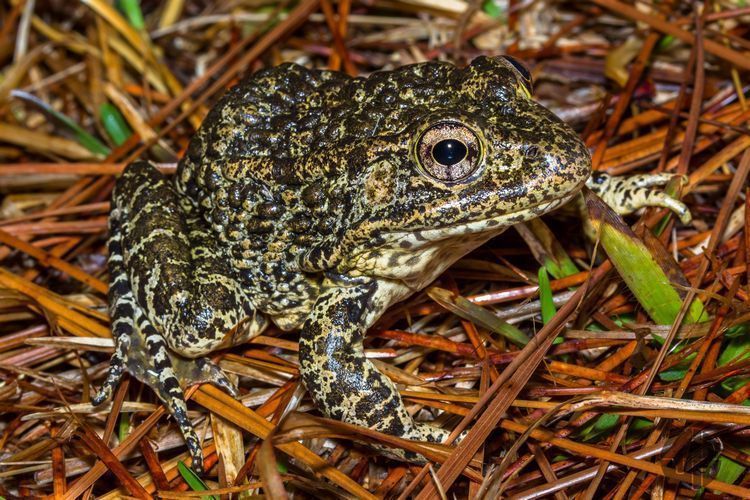
In the East Gulf Coastal Plain, TNC is restoring shallow depressions – called flatwoods ponds – which are embedded in the a wider landscape of fire-maintained longleaf pine. The seasonally dry ponds are needed for the survival of the federally endangered and globally imperiled dusky gopher frog (Lithobates sevosus) at TNC’s Talisheek Pine Wetlands Preserve in Louisiana. Native to parts of Louisiana, Mississippi and Alabama, the dusky gopher frog today only survives at a handful of locations in south Mississippi.
Prior to beginning the restoration work, TNC staff, together with peers from the U.S. Fish and Wildlife Service, the Louisiana Department of Wildlife and Fisheries, and the U.S. Forest Service, gathered to learn about how to prepare a site to support this frog. The meeting took place at the De Soto National Forest in Mississippi, near a site where remaining populations of the frog survive.
Maryland
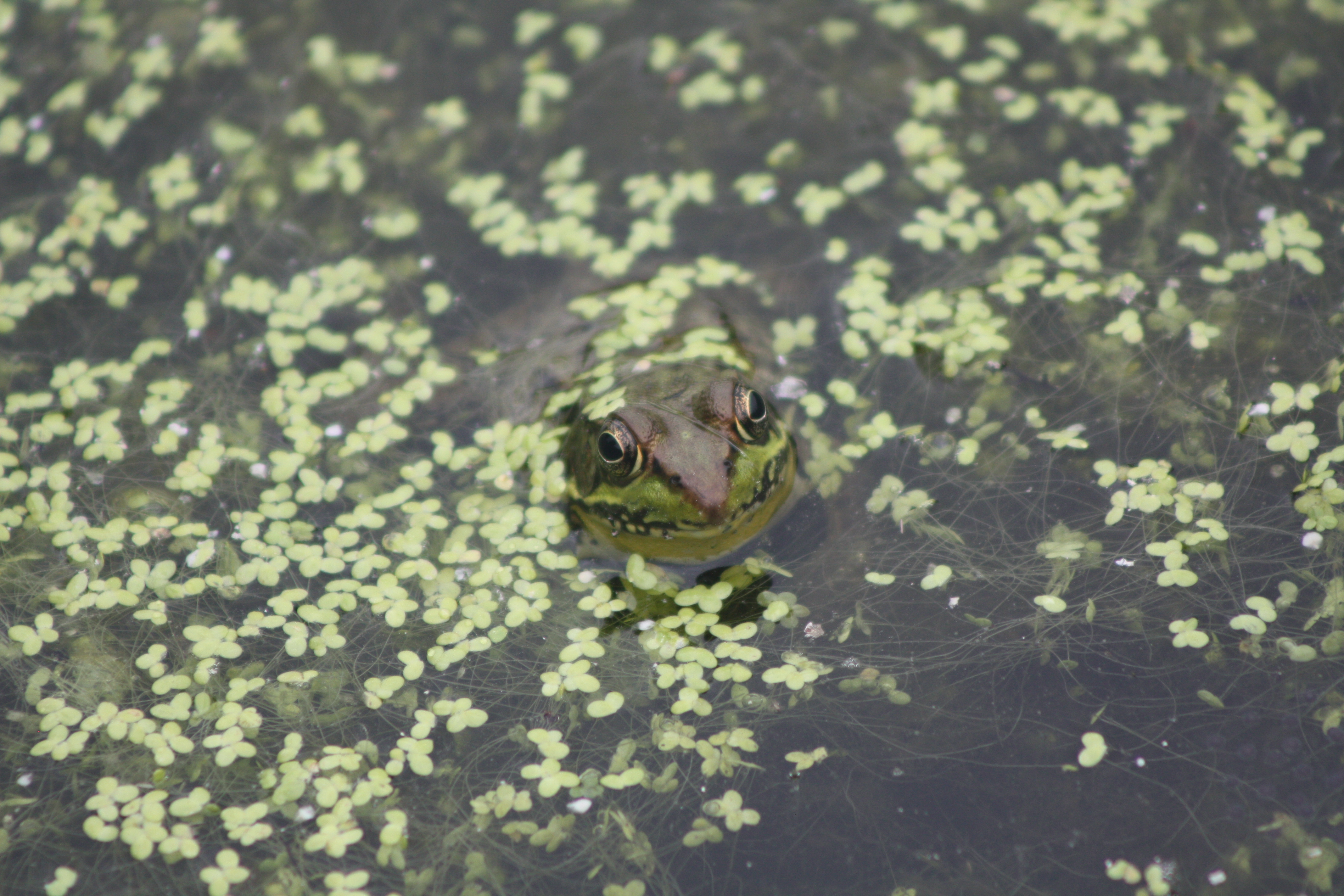
TNC's Bear Island Potomac Gorge Preserve is home to the Billy Goat Trail - Section A, one of the most frequently visited trails in the Maryland/Washington DC metro region. This trail features several vernal pools that can be seen all over the island at different times of the year. As you climb over impressive rock formations, you might even notice small circular pools that were carved out by small grains of rock trapped in eddies, or circular currents of water, that slowly eroded rock in this very unique way over a long period of time. These “potholes” fill up with water after it rains, attracting amphibians in search of safe places for their young away from predatory fish. These potholes also harbor small aquatic plants, like duckweed and water lilies, and other critters like fence lizards or water snakes. TNC has worked in partnership with the National Park Service to help manage and protect ecosystems like these for more than 50 years.
New Hampshire
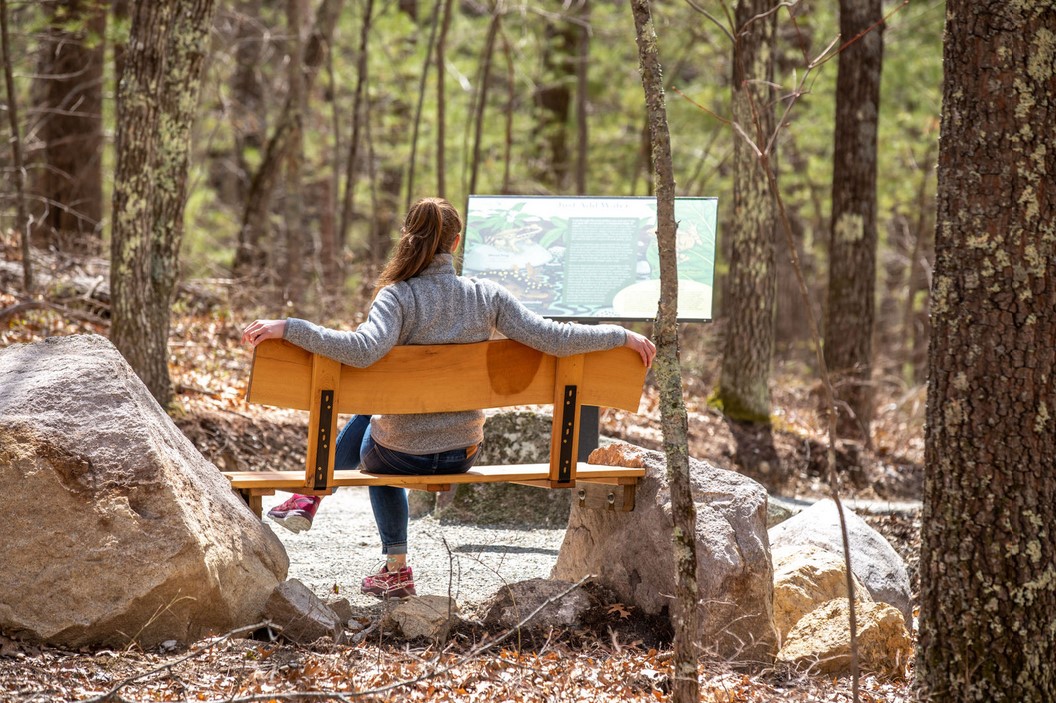
In spring, a large vernal pool at TNC's Manchester Cedar Swamp Preserve in New Hampshire comes alive with the sounds and movement of seasonal wildlife, offering a front-row seat to one of nature’s most dynamic transformations. Easily visible from the universally accessible All Persons Trail, the pool invites visitors to slow down, listen to, and observe amphibians and other creatures that depend on these temporary wetlands. A handcrafted bench provides a perfect place to linger, while a beautifully designed interpretive panel helps visitors understand the vernal pool’s inhabitants and why these fleeting waters are so important. It’s an immersive, up-close nature experience—right in the heart of New Hampshire’s largest city.
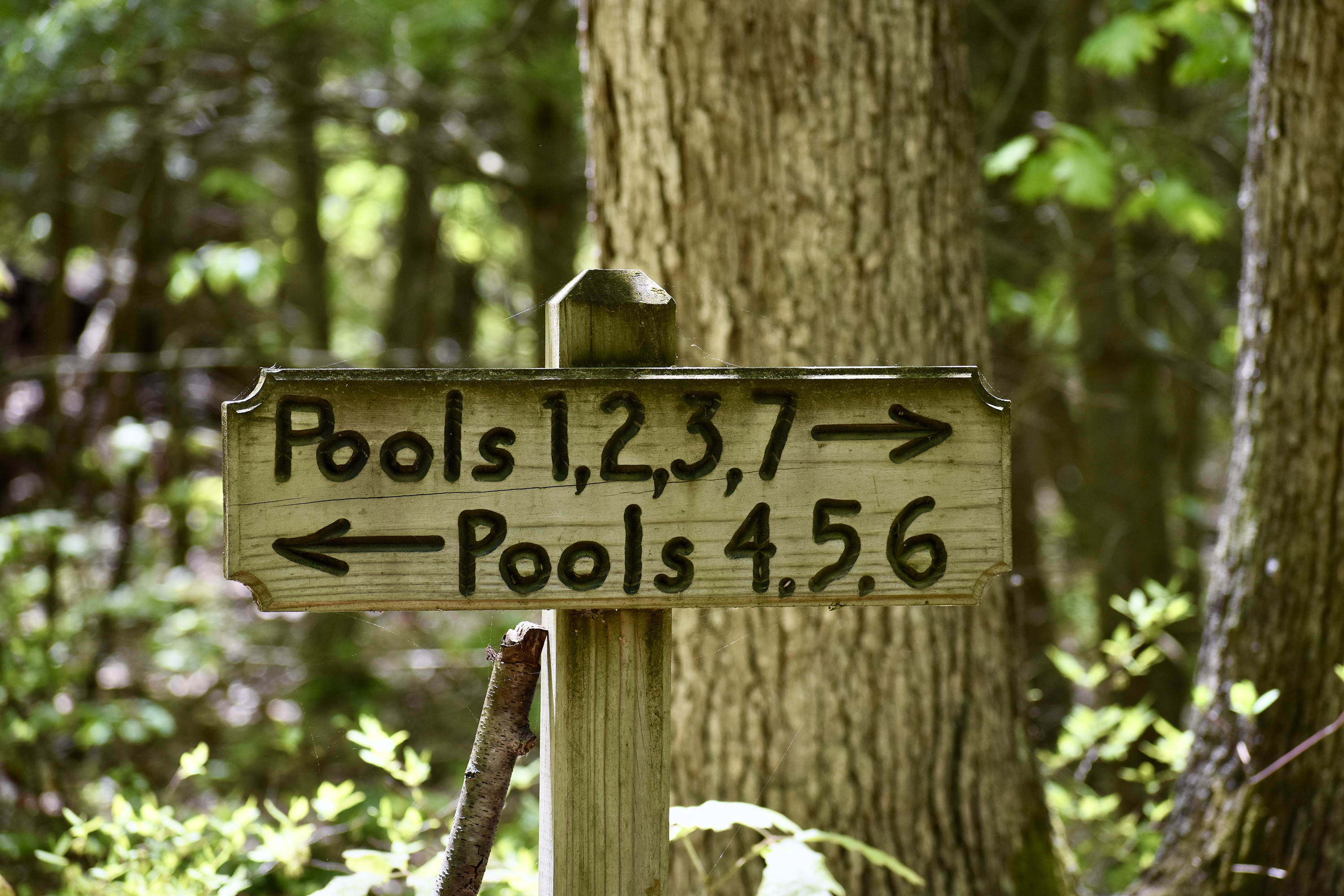
Pennsylvania
This special corner of the South Mountain landscape, now part of Kings Gap State Park, was initially protected by TNC when it acquired the land to safeguard its rare vernal pools, the temporary springtime wetlands essential for salamanders, frogs and other woodland species. Here, TNC completed restoration and re‑engineering work to improve hydrology and habitat suitability for amphibians, strengthening the pools’ resilience in a changing climate. After years of stewardship and collaborative conservation, TNC transferred the property to the Department of Conservation and Natural Resources, ensuring its long-term care while preserving the ecological legacy that began with TNC’s efforts. Today, this preserve continues to serve as a demonstration site for protecting these fleeting habitats, which host and nourish globally rare amphibians before drying up each summer.
Explore More Places Near You
Later this year, TNC marks 75 years of working at the forefront of land conservation, safeguarding and restoring vital landscapes across the globe. From the beginning, our mission has been rooted in protecting the lands and waters on which all life depends. Today, our network of nature preserves represents this legacy—places where wildlife thrives, ecosystems are restored and people can connect with nature in meaningful ways. Use our interactive map to find a preserve near you and plan your visit today!

Stay in the Loop
Sign up for the Nature News email and receive conservation stories each month.
Family Friendly Nature

Birth of a Salamander
Vernal pools are as important to forest ecosystems as they are ephemeral. Go under the surface of these muddy waters and see what lurks below.

Wet and Wild: The Weird, Wondrous and Wicked Cool Creatures in Midwest Wetlands
Wetlands support an incredible diversity of life. Yet they’re in danger: in some states, as much as 90% of wetlands have been destroyed.

The Future Forest: The Appalachians face multiple threats. Scientists are working to boost their adaptability.
The Appalachian landscape is a diverse, steadfast refuge for wildlife, but the world around it is changing. Scientists are researching how to make these woods more adaptable—and resilient—than ever.