
Volunteer with Us

- Phone: +1 608-251-8140
- Email: WIVolunteer@tnc.org
-
Follow


Thank you for your interest in volunteering with The Nature Conservancy and making a difference for Wisconsin’s lands and waters.
We host volunteer events on our nature preserves year-round. Help control invasive species, plant trees and restore forests, maintain trails, and more.
To learn more about our volunteer opportunities, scroll through the sections or select a tab that will take you directly to a specific topic. If you have questions, you can reach us at WIVolunteer@tnc.org!

Volunteer for nature in Wisconsin
Opportunities Across the State
Click through to let us know how you’re interested in volunteering with us.

View Available Volunteer Positions
Select Your Desired Activity
-
Help restore native habitats by removing overgrown vegetation. Volunteers assist by using hand tools to cut and haul brush. Sometimes staff will assist with chainsaws and brush cutters. Work is physical, involves bending and lifting as well as being off trail in even terrain. This activity occurs at all times of year but usually occurs in fall to winter.
-
Assist with observing and collecting data on plants and wildlife to help track the health of ecosystems. Involves being off-trail and requires plant/wildlife identification skills. This activity usually occurs during the growing season from May to October.
-
Support conservation efforts by helping with data entry, scanning, filing, mailings, and other administrative or office-based tasks.
-
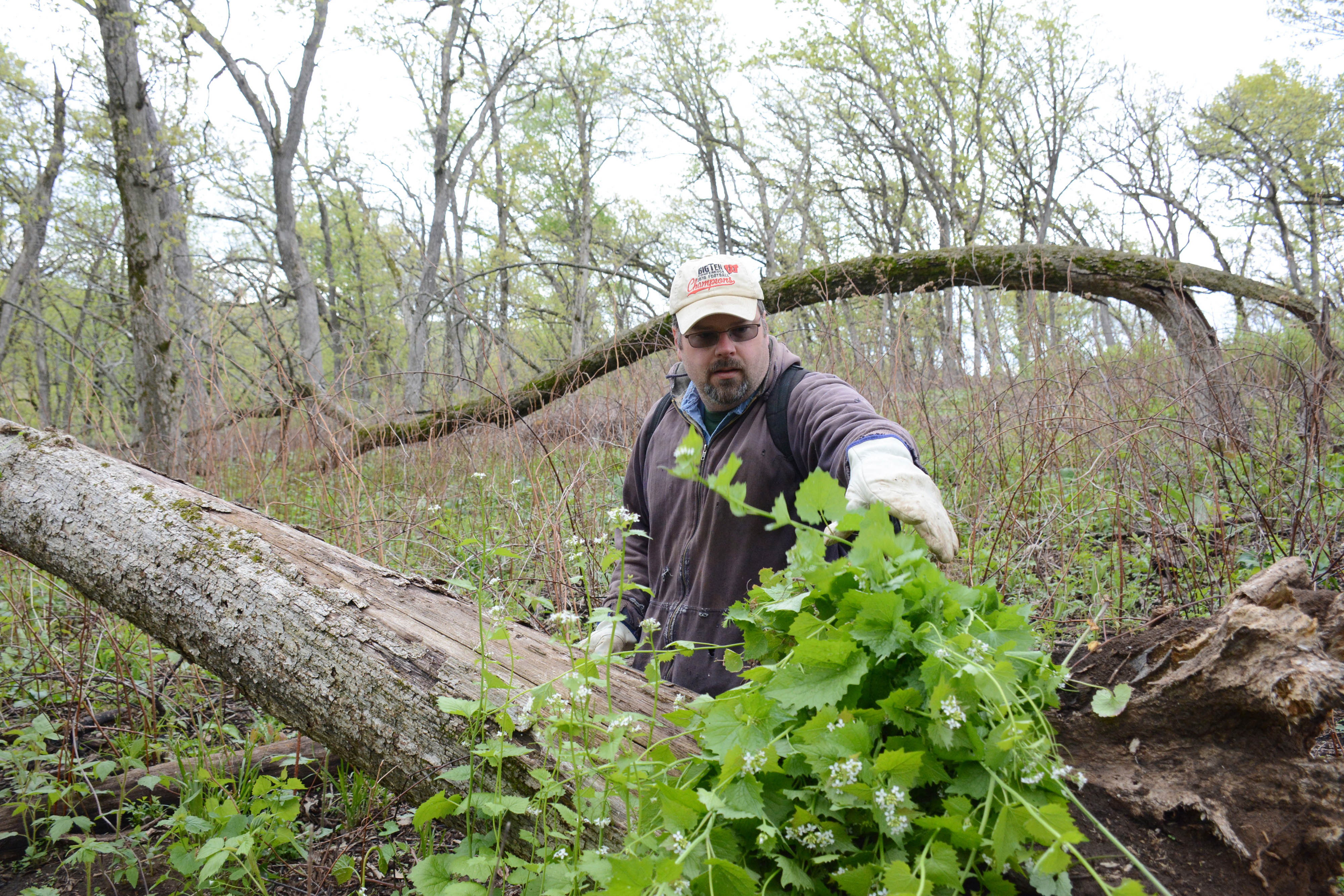
Use a variety of methods to treat and manage invasive species. May include manual pulling, brush cutting, hauling of brush or bags of plants and use of herbicide. Work is done off trail on uneven terrain. No special training is necessary, but plant ID and brush cutter skills are useful. This activity can occur at any time of year, depending on the species.
-
Invasive species disrupt ecosystems and impact water quality. Volunteers assist in removing harmful aquatic plants from rivers, lakes, wetlands and shorelines to protect native ecosystems and restore balance. This requires use of canoes, kayaks, or boats on open water or in wetlands and pulling by hand. This can also require wading depending on water levels. This is a high-risk activity that occurs during summer. Water safety training is required, and individuals must be comfortable in and around water with exposure to wet, muddy, or slippery conditions. No special plant ID or other skills are needed.
-
Help gather seeds from native plants to be replanted in designated natural areas to support habitat restoration and preserve local biodiversity. This activity typically occurs in late summer and fall when seeds are mature and involves walking on uneven terrain. We will provide necessary materials such as paper bags for gathering seeds, pruning shears, or gloves if needed. No special training or plant ID skills are required.
-
Properly processing collected native seeds ensures they’re viable when planted. Volunteers help clean, sort and store collected seeds. This usually occurs indoors, during winter or when conditions are not suitable for outdoor field work. Processing is done by spreading seed on a mesh screen to dry, separating seeds, and placing in containers to store until conditions are good for spreading. No special training required, but plant ID skills are a plus.
-
Burning brush piles in winter helps manage excess brush on preserves. This activity does not require NWCG fire training but is still a high-risk activity. This may involve hauling brush or logs on uneven terrain and working near large fires. Training is only required if using a chainsaw.
-
The Nature Conservancy supports the safe and ecologically appropriate use of fire to restore native habitats and maintain biodiversity. We partner with organizations such as but not limited to; Wisconsin Department of Natural Resources, US Fish and Wildlife, US Forest Service, other land protection non-profits, and local fire departments and highway departments to conduct prescribed fire operations.
Many Wisconsin trees and plants are fire-dependent and need fire every 3 to 25 years to thrive. Learn more about the benefits that fire provides to people and nature.
Volunteers that have completed and remain current in Basic Wildland Firefighter Training are invited to support staff during prescribed fire operations. These activities can include lighting sections of the fire (ignition), helping to contain the fire along control lines (holding), extinguishing remaining hotspots (mop up), and monitoring or patrolling the burn area. On their first burn, volunteers will work under the direction of experienced staff.
To participate as a prescribed fire volunteer, you must complete Basic Wildland Firefighter Training. This takes approximately 40 hours to complete and may require out-of-pocket expenses for courses offered by the Federal Emergency Management Agency (FEMA) and the National Wildfire Coordinating Group (NWCG).
Please see the Prescribed Fire Volunteer Training and FAQs for more information and guidance on how to complete the necessary courses to become qualified.
-
Assist in keeping TNC’s trails beautiful by clearing brush and debris.
-
Help reforest preserves by planting native trees. Volunteers assist by prepping the trees, digging holes, and planting seedlings. Tree plantings typically occur as special events in mid to late April. This activity involves the use of pruning shears, shovels and tree planting bars while being off trail on uneven terrain.
If you’d like to speak up for nature on important state and federal policy and funding issues related to our lands and waters, sign up for our Nature News email newsletter and watch this page for important Action Alerts.
Community Science Opportunities
Volunteer online or from a yard or park near you! Better yet, share your observations taken at one of our preserves in Wisconsin! Here are a few suggested programs for you and your family to get involved with and contribute to community science.
-
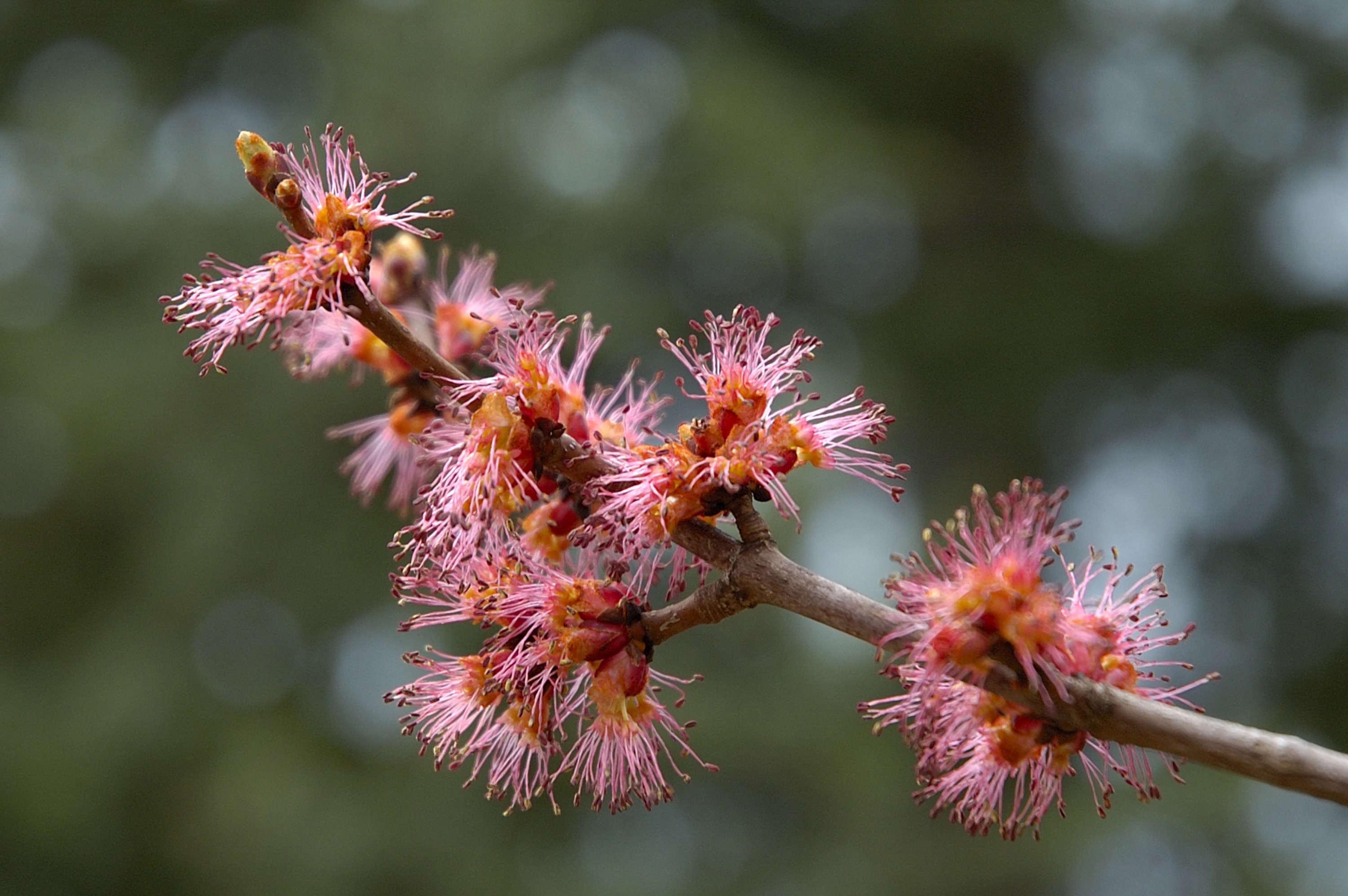
Budburst
You can choose a tree or plant in your yard or neighborhood. Record how it changes and grows through the season and submit your observations. Start observing
-
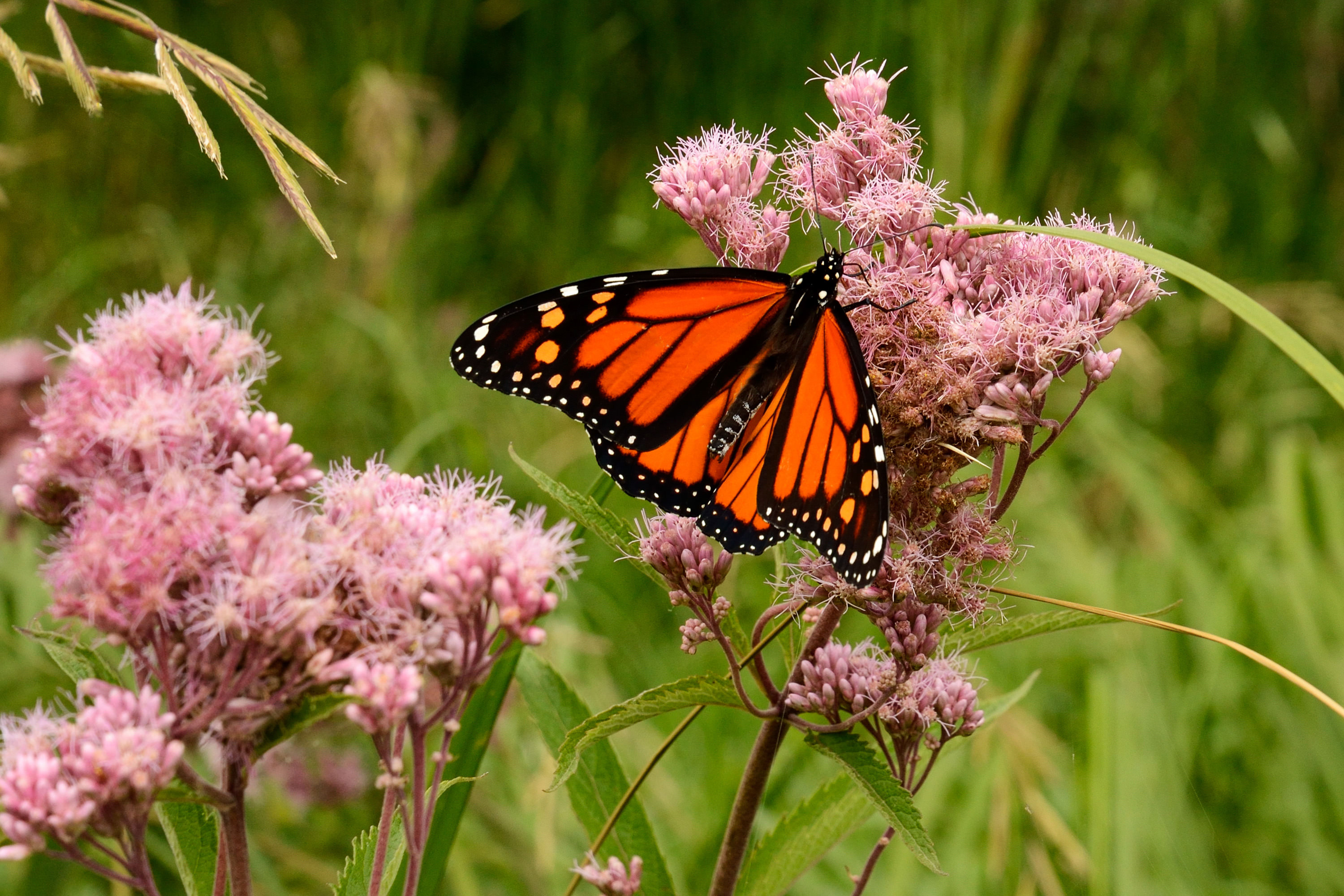
Journey North
Help track the migration of animals like monarch butterflies and robins by recording sightings near you. Check out the amazing maps of animal movements. Get started
-
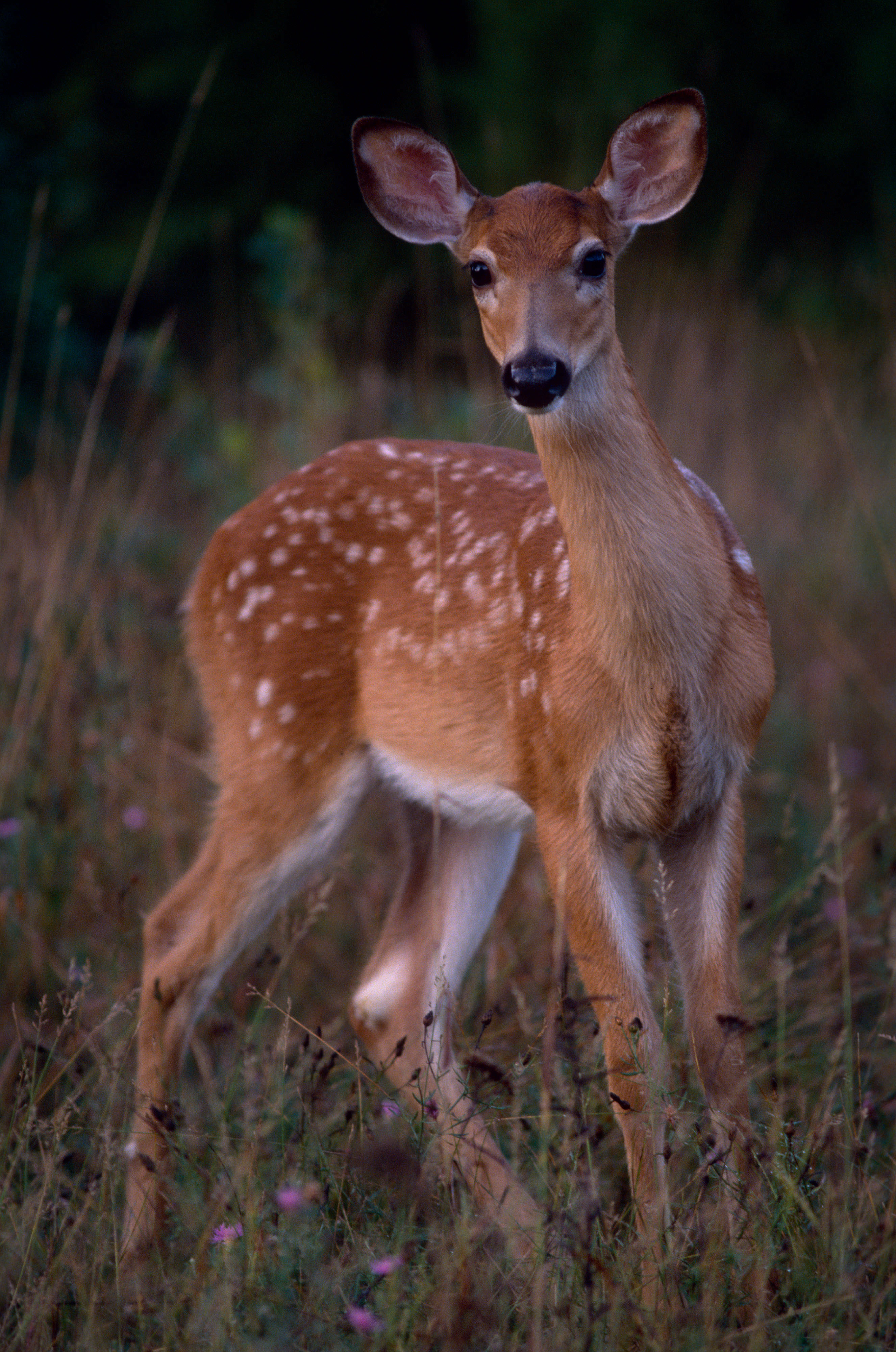
Zooniverse
Contribute to projects from your computer. We especially recommend DNR’s Snapshot Wisconsin project, where you can sort through and help identify trail camera photos of animals. Discover, teach and learn
-
Wisconsin First Detector Network
Learn about invasive species in Wisconsin and help spot and report them in neighborhoods or parks near you. Online training is available. Take action against invasive species
-

SciStarter
Search for more citizen science projects in your location or interest area from a large database. Help advance scientific research
Thank You, Volunteers!


Join Us
Join our Nature News email list for news and Action Alerts on Wisconsin conservation topics. Help speak up for nature in Wisconsin!
Related Articles

Weeds at Their Worst: Combating Invasive Species
Invasive species damage Wisconsin’s lands and waters and make our lives miserable, but we can do something about them.

Restoring Fire to Native Landscapes
The Nature Conservancy uses safe and ecologically appropriate fire to maintain Wisconsin’s diversity of plant and animal life at places like Barneveld Prairie Preserve.

Speak Up for Conservation
Visit our Online Action Center to learn more about and lend your voice to important conservation causes.