

Midwest Migratory Birds
Millions of migratory birds are using TNC sites to rest and refuel as they migrate through the Midwest.

Michigan’s most magnificent birding opportunities rely on spectacular habitat.
The sun is shining, the lake is a deep blue and a light breeze rustles dune grass. A footstep falls on a forest trail. A warbler sings from a hemlock branch. A brook trout swims away into a cold stream after a gentle release. A child shines through an ice cream smile. We all have a vision of the perfect Michigan summer, and outdoor recreation is at the heart of much of what we envision, because it’s at the heart of the experiences we share.
Perhaps money does grow on trees! Discover how protecting nature boosts our economy.
Read moreOutdoor recreation contributes $13.9 billion annually to Michigan’s economy, supporting 118,000 jobs across more than 7,000 outdoor recreation industry companies. However, without conservation of the woods, waters, wetlands and wildlife that support recreational opportunities, that economy would not exist.
In Part 1 of our Field Guide to Michigan Summer, we share some of our favorite places to bird, along with some of the ways that we work to conserve the natural systems which support our feathered friends.
Get monthly stories that connect you to the wildlife, places and conservation wins shaping the Midwest and the world. Nature News keeps you inspired, informed and connected to the wild—no hiking boots required.
Sign Me Up for Nature News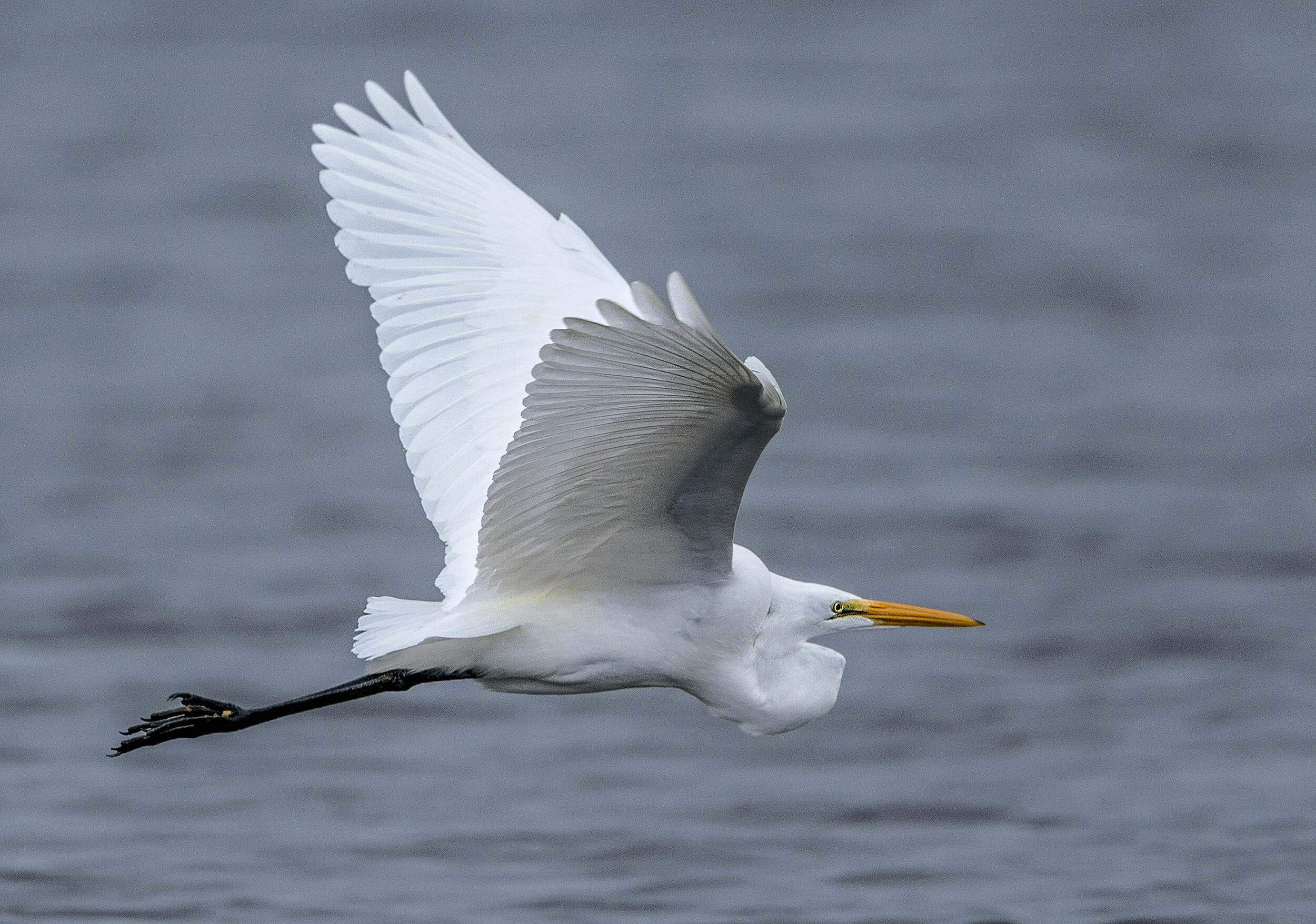

It should be no surprise that some of our best birding locations are in Great Lakes coastal habitats. Two migratory flyways pass through Michigan: the Mississippi and Atlantic. As migratory birds fly along these aerial superhighways, they need to stop, rest and eat, especially just after or just before crossing the Great Lakes.
Similarly, the Keweenaw Peninsula is a last stop for migrating raptors before flying to Canada over Lake Superior on the Mississippi Flyway. When we conserve and restore coastal marshes, dunes, forests and other unique and diverse habitats along the Great Lakes, we conserve the habitat that migrating birds need, along with the other unique and rare flora and fauna that thrives there.
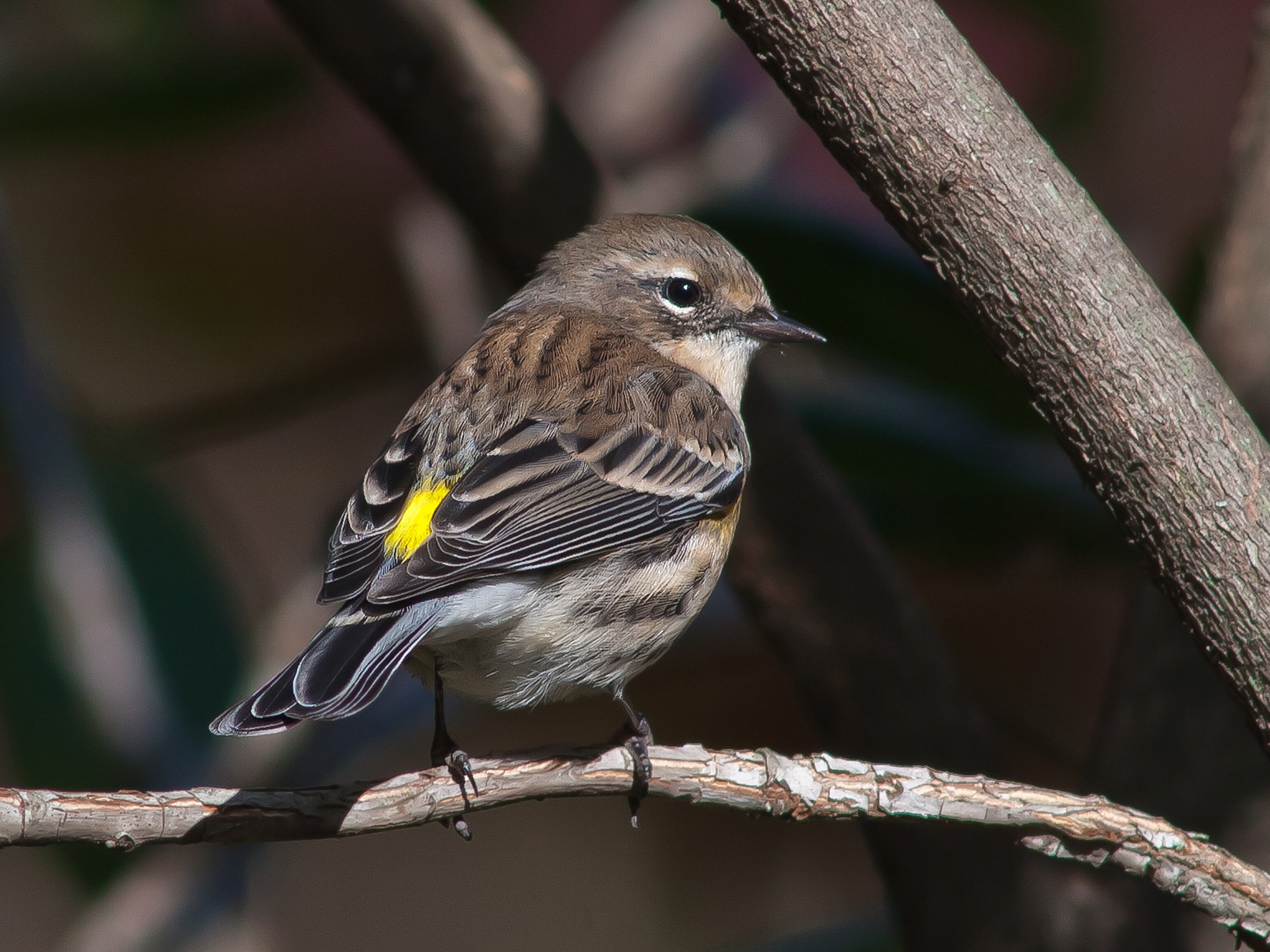
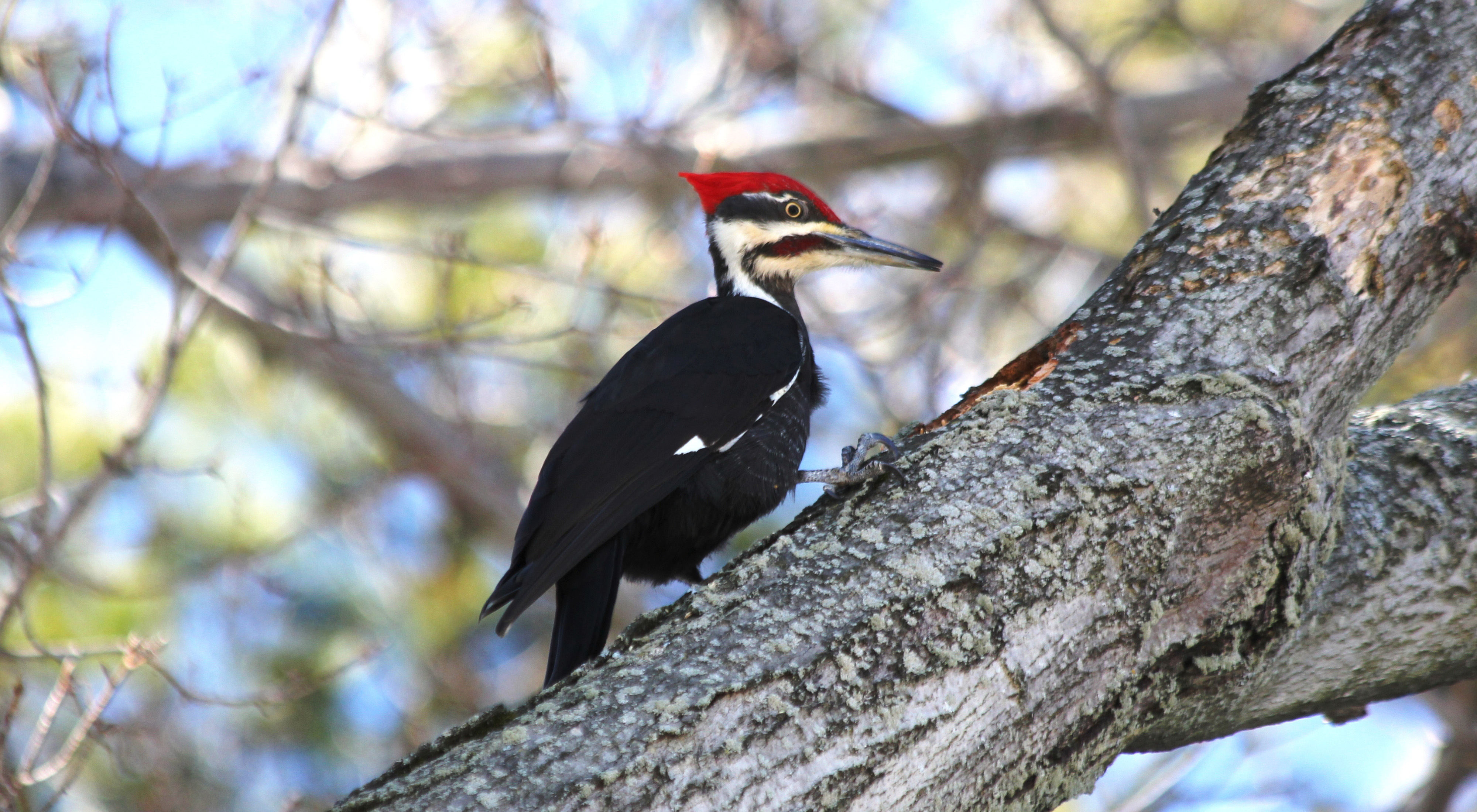
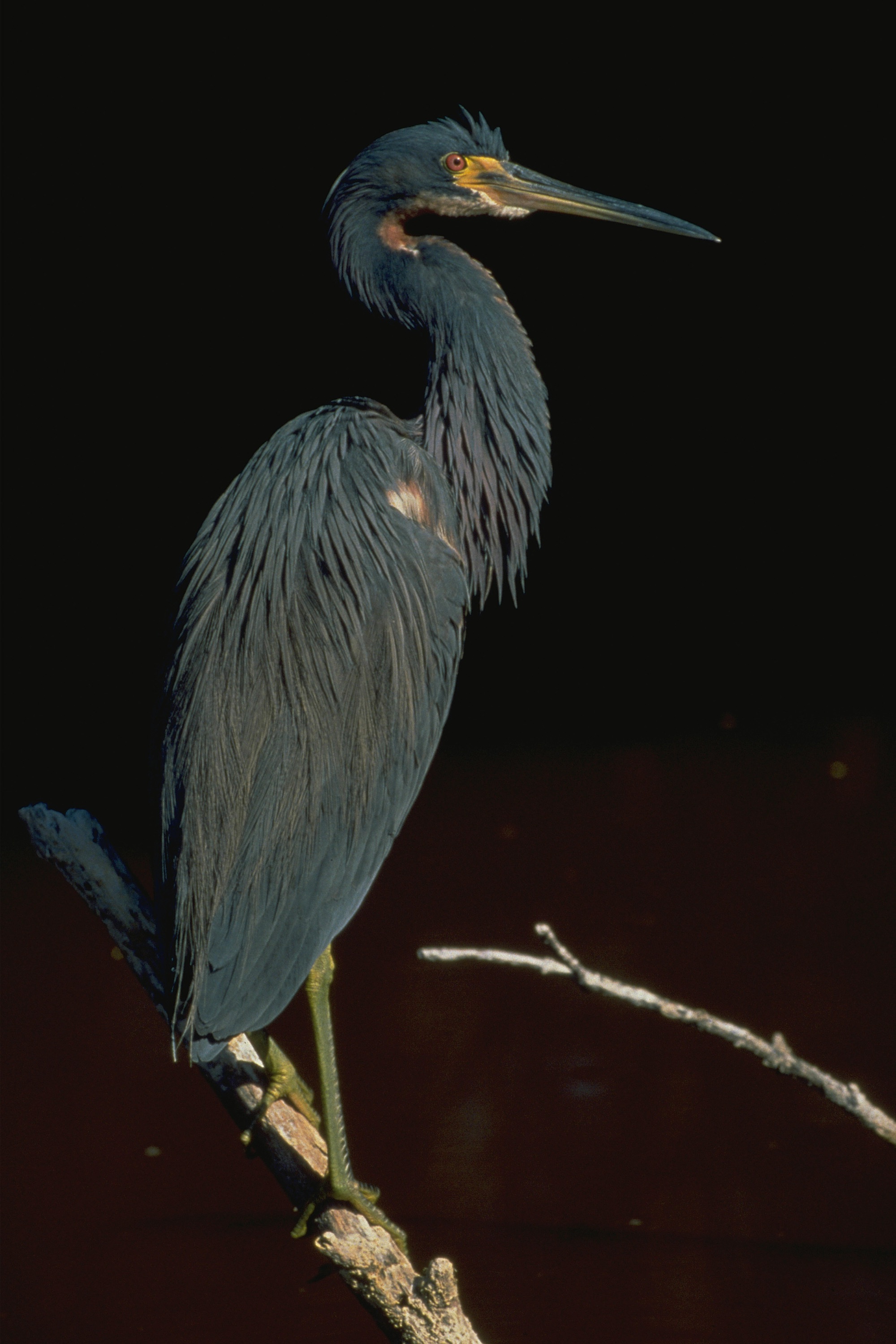

A cathedral canopy of giant Eastern hemlock trees provide much to wildlife, offering a windbreak, warmth and shelter – but hemlock forests face many challenges.
The hemlock wooly adelgid is an invasive insect that has killed hemlock forests in the eastern United States and is now found along Lake Michigan. Hungry deer can prevent young hemlock from regenerating. And low commercial value means there is little incentive for large timber management companies to maintain hemlock stands over more economically valuable species. We monitor our forests for hemlock wooly adelgid, and we’re working toward innovative solutions to help hemlock regenerate and incentivize timber companies to maintain hemlock forests.
No results are shown. To see results, turn on the toggle switches in the legend.

Erie Marsh represents 11% of the remaining marshland in southeastern Michigan and is one of the largest marshes on Lake Erie. Located on North Maumee Bay, it is one of the largest coastal wetlands on Lake Erie, supporting numerous animals and plants that would otherwise be hard-pressed to find suitable habitat.
Image © Ken Salzman

At the tip of Michigan’s Upper Peninsula, stunted shrubs and trees cling to ancient bedrock created by Lake Superior’s fierce winds. Since it was originally established in 1982, the Mary Macdonald Preserve has grown to encompass 1,200 acres, including five miles of Lake Superior shoreline.
Image © TNC

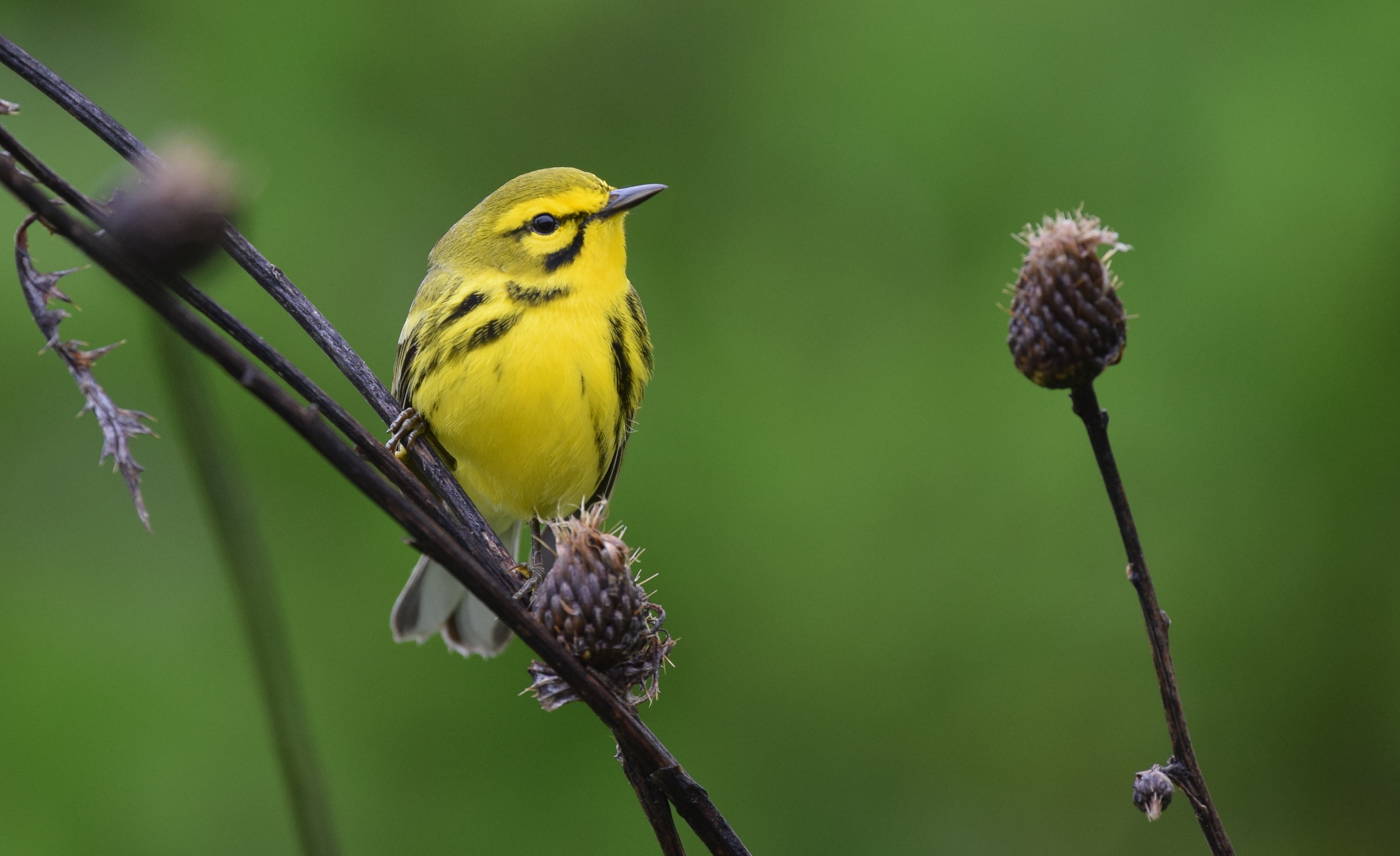
Three species of wildflowers are found nowhere on Earth but along the Great Lakes and they all thrive at Grass Bay—the diminutive dwarf lake iris (blooming in purple or white), Pitcher’s thistle and Houghton’s goldenrod. The songs of such neotropical migrants as the black-throated blue warbler and the prairie warbler can be heard throughout the diverse landscape of shoreline and dunes.
Image © Jason Whalen/Big Foot Media

The Portage Point Woods Preserve lies in Eastern Lake Michigan near the town of Onekama and protects coastal ecological processes, including dynamic foredune and successional backdune systems. The shelter of backdune forests provides habitat for spring wildflowers such as trillium, hepatica, jack-in-the-pulpit, spring beauty, dwarf ginseng and bloodroot.
Image © Mary Louks/TNC

Coastal plain marshes are rare in the Great Lakes region; they are typically found only along the Atlantic and Gulf coasts. Out of all 42 coastal plain marshes in Michigan, this preserve boasts three of the highest quality. As you explore more than five miles of trails, you are likely to encounter reptiles, amphibians, mammals, and one of the 100 bird species known to nest here.
Image © Jason Whalen/Big Foot Media
Explore more work to support birds and other wildlife in the Midwest with these stories.

