

Returning Whitefish to the River
On the banks of the Jordan River, scientists and conservationists work to revive river-spawning lake whitefish, aiming to restore the Great Lakes ecosystem and support local communities.

With four Great Lakes, more than 11,000 inland lakes and more than 51,000 river miles, it's easy to find a place to wet a line.
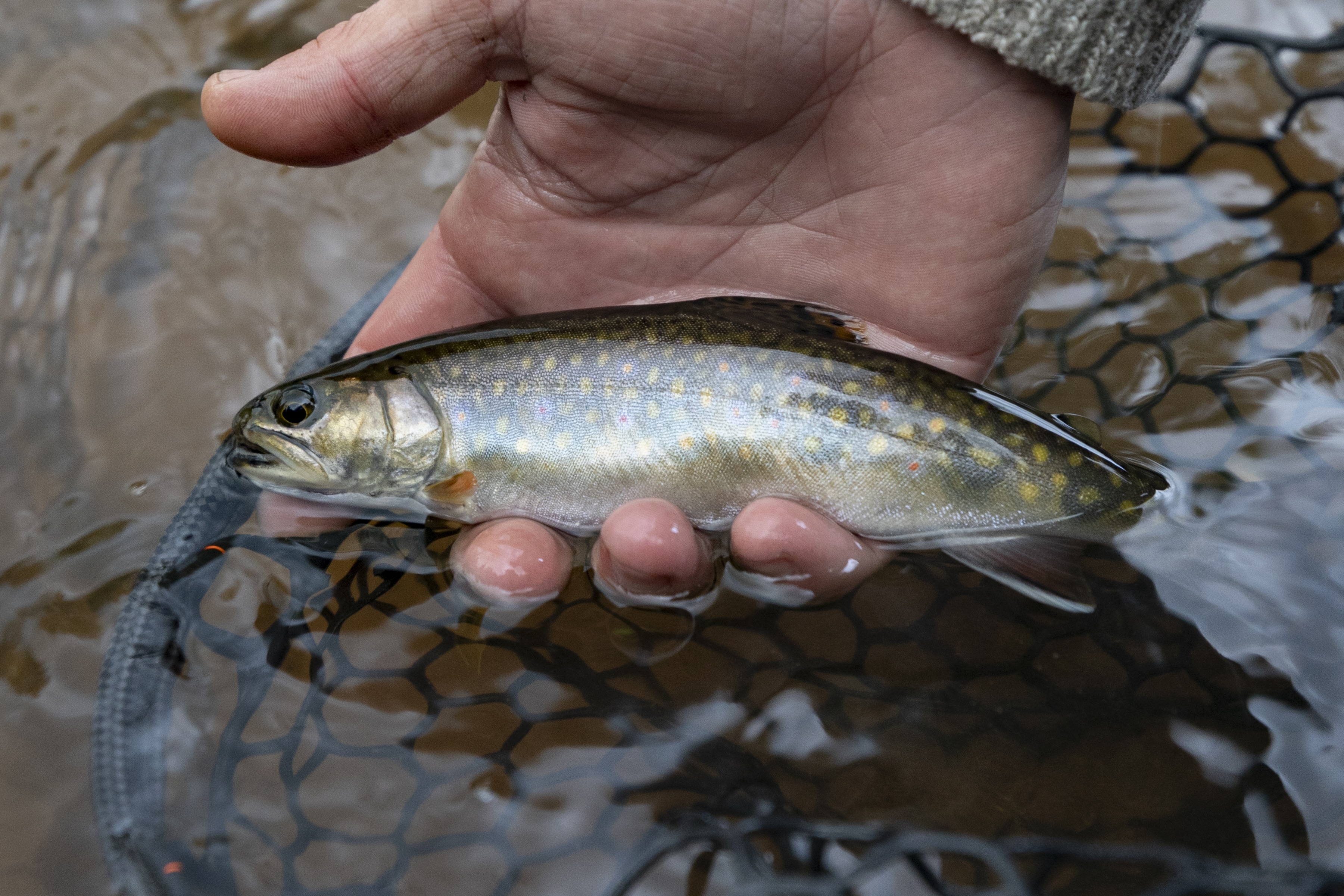
The sun is shining, the lake is a deep blue and a light breeze rustles dune grass. A footstep falls on a forest trail. A warbler sings from a hemlock branch. A brook trout swims away into a cold stream after a gentle release. A child shines through an ice cream smile. We all have a vision of the perfect Michigan summer, and outdoor recreation is at the heart of much of what we envision, because it’s at the heart of the experiences we share.
Perhaps money does grow on trees! Discover how protecting nature boosts our economy.
Read moreOutdoor recreation contributes $13.9 billion annually to Michigan’s economy, supporting 118,000 jobs across more than 7,000 outdoor recreation industry companies. However, without conservation of the woods, waters, wetlands and wildlife that support recreational opportunities, that economy would not exist.
In Part 3 of our Field Guide to Michigan Summer, we share some of our favorite places to fish, along with some of the ways that we work to conserve the natural systems that make fishing in Michigan so abundant and beautiful.
Get monthly stories that connect you to the wildlife, places and conservation wins shaping the Midwest and the world. Nature News keeps you inspired, informed and connected to the wild—no hiking boots required.
Sign Me Up for Nature News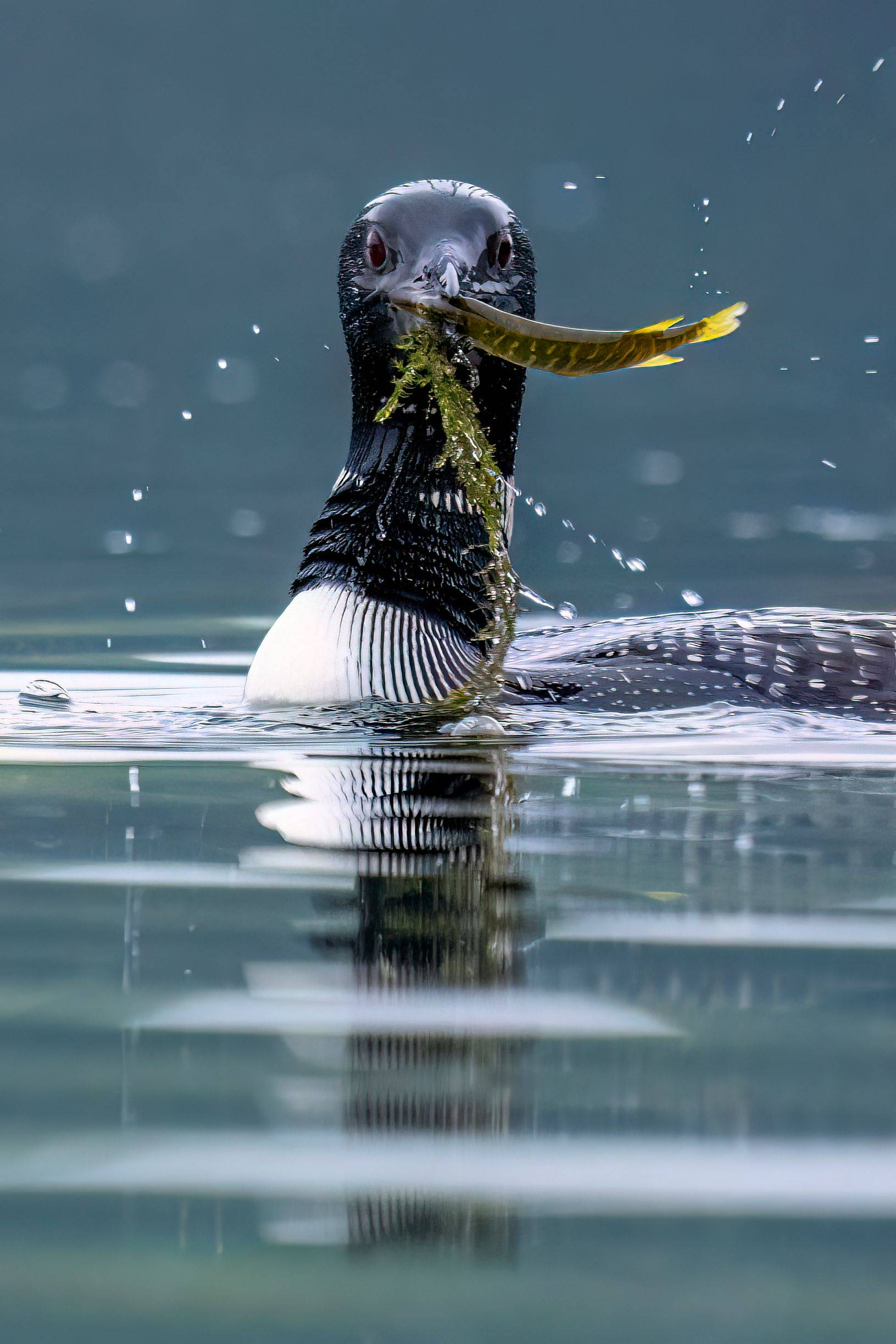
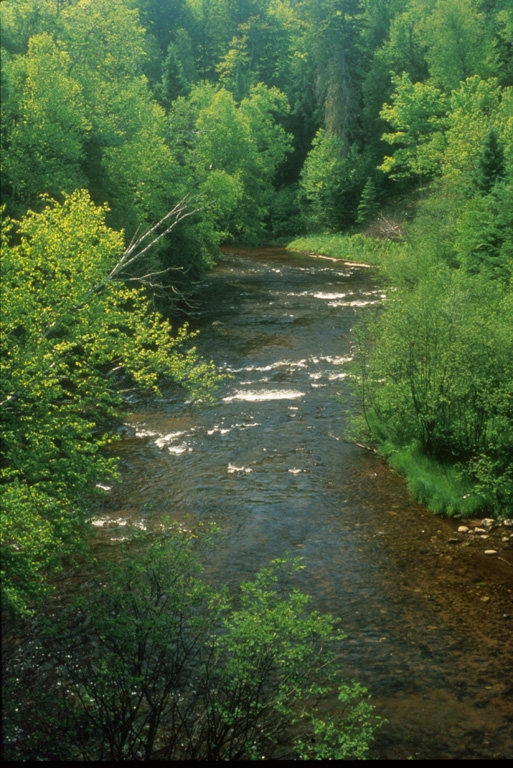

Conservation projects—like the Black River, Big U.P. Deal and others—often require collaboration between multiple organizations and agencies.
Our work with Michigan’s foundation community, the DNR and two governors helped secure the Big U.P. Deal in 2005 to protect 271,338 acres of the Two Hearted River watershed, and our partnership with the U.S. Forest Service has planted hundreds of thousands of trees along trout river corridors in the Ottawa National Forest.
TNC helped a local group secure the Skegemog Lake Wildlife Area in 1972, which was transferred to the care of the Grand Traverse Regional Land Conservancy, maintaining a protected natural lake shoreline important for muskellunge spawning.

Great Lakes waterways are impacted by the lands around them, including the Saginaw Bay walleye fishery. TNC works strategically to improve the Saginaw Basin's waters with farmers and agri-businesses, removing barriers to adopt regenerative agriculture practices that improve soil health and reduce harmful runoff.
One program, Saginaw Bay Watershed Accessing Subsidized Strip-Till Equipment Trial (ASSET), offers reduced-cost equipment rentals, technical assistance and financial incentives to offset transition costs through collaboration with Michigan Sugar Company, Environmental Tillage Systems and Blue Water Conservation District, as a pilot through the Farm Bill’s Regional Conservation Partnership Program. Next time you’re fishing Saginaw Bay, thank the farmers adopting these practices.
Explore more work to preserve Michigan's natural wonders.

