

Our Vision For Louisiana
Our statewide plan promotes landscape-scale conservation that allows people and nature to thrive together.

Louisiana is a place where nature and people are deeply entwined. Thousands of residents work in jobs supported by the state’s diverse ecosystems. And spending time outdoors is a passion that connects our economy, culture and history across generations.
For many years, Louisiana has faced the reality of rapidly intensifying hurricanes, flash floods, storm surges and periods of prolonged drought. The economic impact of these extreme weather events is shared statewide, with skyrocketing insurance premiums and the loss of land and habitats that support fisheries, agriculture and other industries.
Our actions today will determine how much land we lose, what species disappear forever, and whether we have healthy ecosystems to support coastal and fisheries industries.
TNC manages 45,000 acres in Louisiana. Join us in conserving lands and waters that support nature and our way of life. Help us protect:
-

700
native rare, threatened and endangered species
-

$9.4B
in revenues generated by Louisiana's outdoor economy
-

250K+
acres of remaining native longleaf pine habitat
-

<5,000
acres of remaining coastal prairie
The Nature Conservancy’s vision for Louisiana offers innovative and practical solutions to address today’s toughest challenges facing our waters, our lands and our coast. This vision includes:
- restoring natural connectivity between the Kisatchie National Forest and Louisiana’s Gulf Coast
- stewarding our lands to protect critical habitat for native rare and endangered species
- improving Louisiana’s publicly owned lands to improve lives by providing access to nature
- accelerating floodplain restoration to protect communities from flooding and provide critical habitat for fish and wildlife


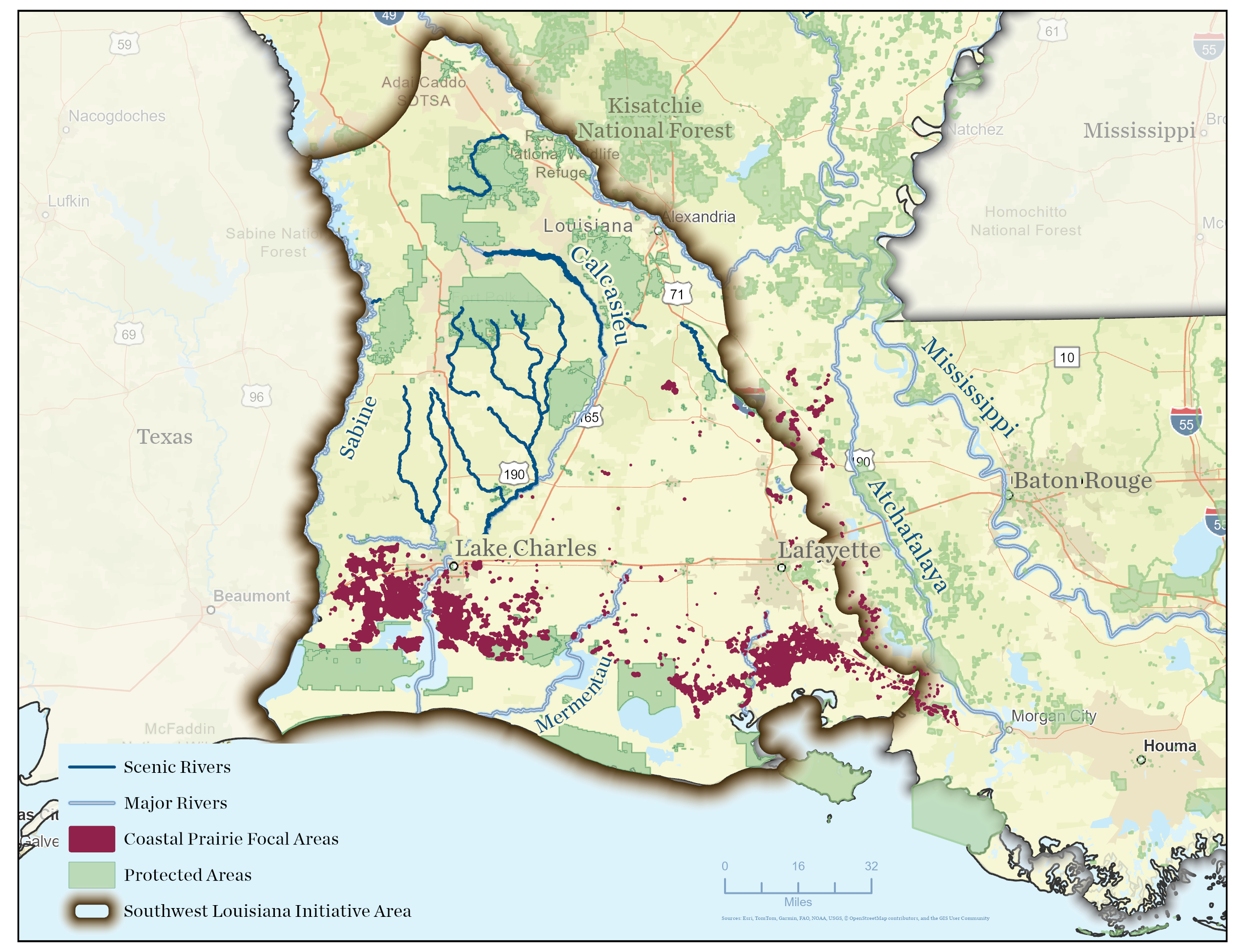
Goal 1: Reconnect Kisatchie to the Coast
TNC’s innovative Kisatchie to the Coast initiative seeks to protect a region that is one of the largest migratory corridors on the planet and a vital landscape that is often overlooked by conservation efforts. The goal is to reestablish natural connectivity from the Kisatchie National Forest to the Gulf Coast.
The three primary targest of this initiative include:
- Restoring the southwestern coastal prairie, an imperiled habitat that is important to Louisiana’s ecology and heritage.
- Expanding the largest and best remaining longleaf pine forests west of the Mississippi River.
- Using nature to support a dynamic coast to ensure coastal habitat and inland communities can endure.
As we set out to advance this initiative, we envision a Southwest Louisiana with a robust network of protected natural lands. These include significant portions of upland longleaf pine woodlands, hardwood floodplain forests, coastal prairies, and estuarine marshes and cheniers.
TNC’s Kisatchie to the Coast Priority Area provides vital habitat for both migratory and resident bird species, including bald eagles. Kisatchie National Forest is home to many resident eagles. You can watch a pair of them, live, that are nesting on Kincaid Lake located in the Calcasieu Ranger District of Kisatchie National Forest (see below).
Goal 2: Steward Lands Across Louisiana
For more than 35 years, TNC has managed and improved almost 45,000 acres of critical habitat across the state for rare and endangered species. Today, that work is more important than ever. TNC is actively building additional partnerships to restore wetlands, prairies and forests while retaining these lands’ economic and recreational value.
For example, this work includes:
- Establish a tri-state prescribed fire program. Fire plays a crucial role in the health of ecosystems, reducing fuel for extreme wildfires and improving the biodiversity of forests. Without it, many plant and animal species would disappear. To maximize these benefits, TNC is building partnerships in Louisiana, Mississippi and Alabama to support a collective prescribed fire program that will restore thousands of acres here in Louisiana.
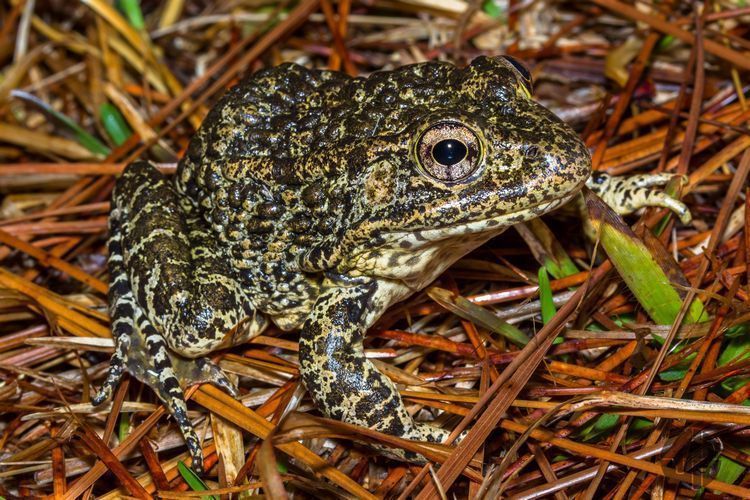
- Reintroduce endangered species into restored habitat. On TNC’s Talisheek Pine Wetlands Preserve in St. Tammany Parish, we are restoring the habitat needed to reintroduce the endangered dusky gopher frog. The frog is native to this region, but now only survives in a few locations in Mississippi. In other areas of Louisiana, TNC is working to restore habitat that would support other rare and endangered species, such as swallow-tailed kites, whooping cranes, Louisiana pine snakes and the eastern spotted skunk.
Goal 3: Improve Our Shared Spaces
Louisiana’s publicly owned lands mitigate floods and storm surge, provide vital habitat to rare species of plants and animals and store carbon. They also improve our lives by connecting us to nature. Of the 3.4 million acres of protected land in Louisiana, nearly 90 percent is publicly owned. Through a diverse network of partnerships, TNC will expand the restoration and preservation of public lands.
For example, this work includes:
- Secure permanent funding for conservation. Louisiana is the only southern state without a dedicated fund for conservation projects. TNC is actively advocating to change that. In 2022, the Louisiana Legislature created the Louisiana Outdoors Forever Program with $10 million in one-time conservation funding. Since then, the program has leveraged that funding with an additional $28 million to support 13 restoration projects that protect drinking water, conserve wildlife habitat and improve recreational opportunities. TNC is working to ensure that work continues by advocating to make state appropriated conservation funding permanent.
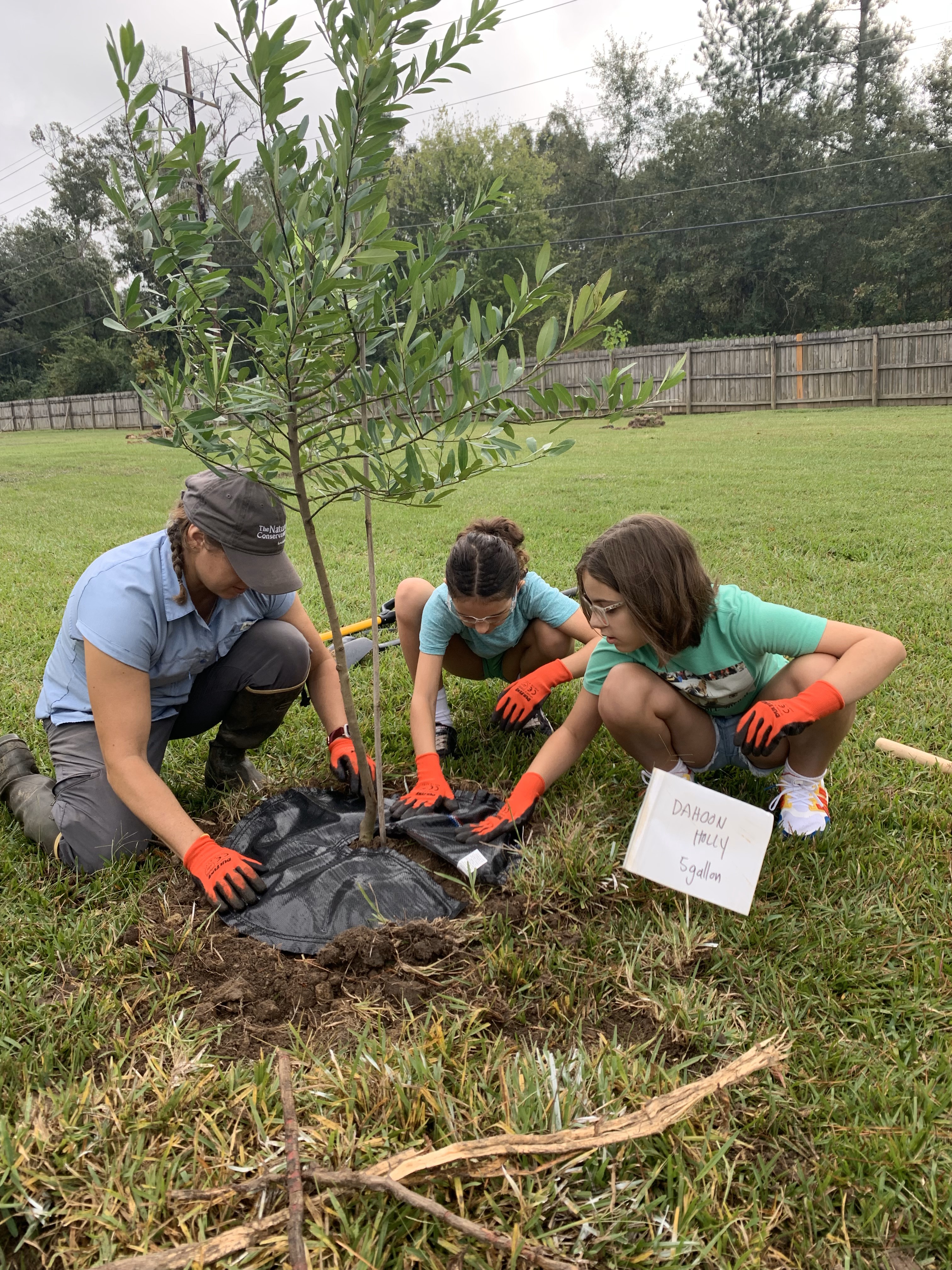
- Use nature to build resilient communities. TNC's Louisiana Treesilience program is building more storm ready communities by planting large native trees in a 22-parish region that was hit hard by hurricanes in 2020 and 2021. Now, the goal is to expand the program statewide. Treesilience’s projects are designed to mitigate the effects of severe weather by removing hazardous trees and strategically planting native species to reduce urban temperatures, buffer storms, improve air quality, manage storm water and increase quality of life in urban areas.
Goal 4: Accelerate Floodplain Restoration
TNC uses cutting edge science to restore floodplain hydrology and improve water quality, protect communities, minimize flooding, and provide habitat for fish and wildlife.
For example, this work includes:
- Floodplain Reforestation Program An innovative solution to the crisis of repetitive flooding in the Lower Mississippi River Basin, TNC’s Floodplain Restoration Program pays farmers to plant native hardwood trees on lands that are no longer sustainable for agriculture and were historically floodplain forests. The farmers receive payment for the use of their land for 30 years while the restored floodplain creates carbon-credit opportunities, provides flood protection, improves water quality and restores habitat for wildlife. The pilot program will restore 3,600 floodplain acres in Louisiana, Arkansas and Mississippi, with the hopes of expanding throughout the Mississippi River Basin.
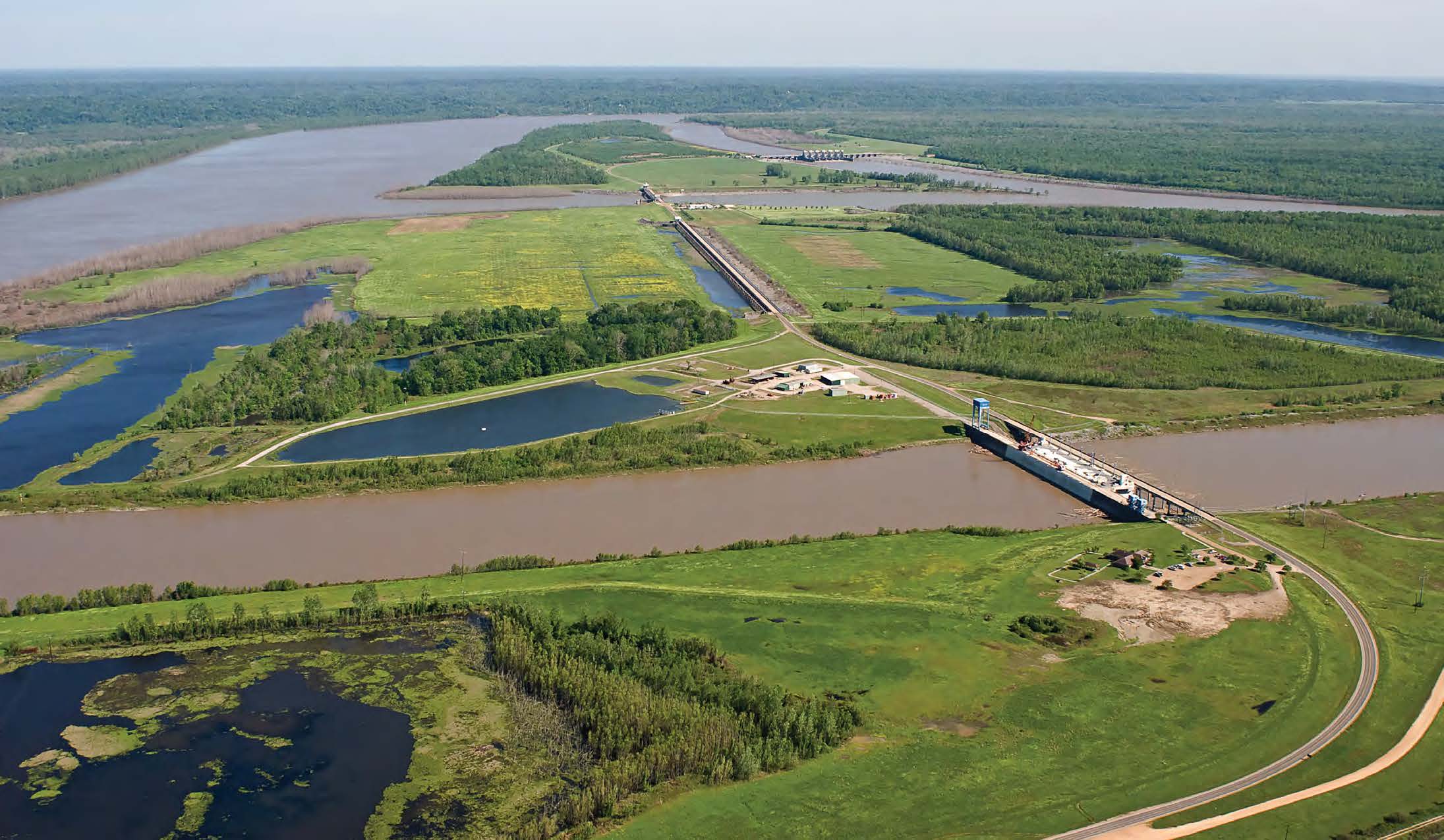
- Sustainable Rivers The Sustainable Rivers Program, a one-of-a-kind partnership between TNC and the U.S. Army Corps of Engineers, finds sustainable ways to manage river infrastructure — dams, water control structures, etc. — to optimize benefits for people and nature. This collaboration has grown nationally from eight rivers in 2002 to 46 rivers in 2024. TNC is modeling flow regimes in the Atchafalaya River Basin to determine how shifts in water management can sustain critical ecological functions and habitats while maintaining floodplain protection for communities. These science-backed flow regimes will be utilized by the Army Corps to improve river management to the benefit of more than 60,000 acres in Louisiana.
Goal 5: Advocate for Wildlife-Friendly Renewable Energy
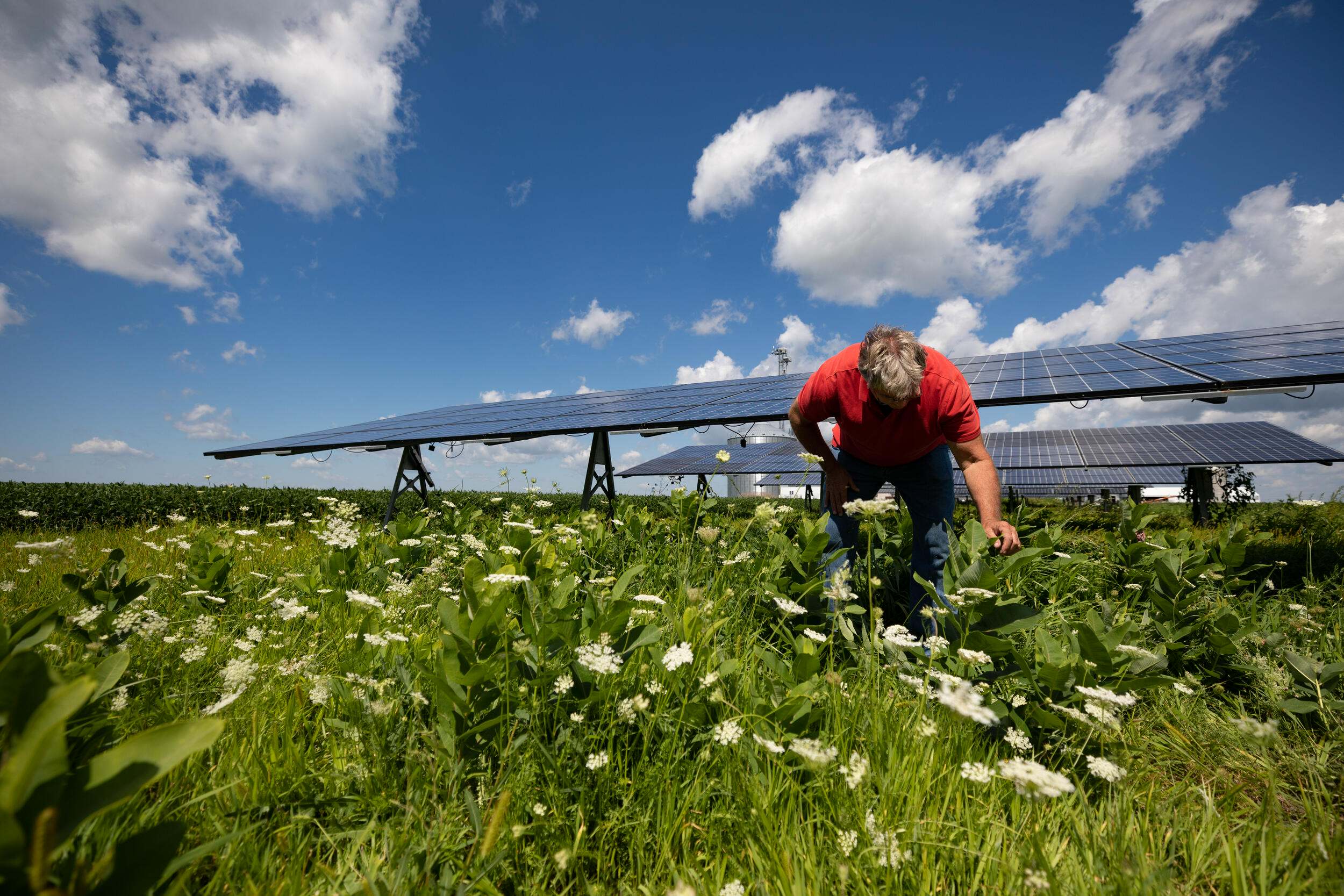
Renewable energy projects are essential to meeting our energy demands, but the location of wind and solar farms must account for habitat alteration and impediment for migratory species. TNC will work with renewable energy developers to limit the infrastructure impacts on migratory species in the air, land and water. TNC is developing a site-renewables mapping platform to maximize benefits from solar and wind energy while reducing environmental stress.
To realize our ambitious goals, TNC is building a diverse coalition across the region who can bring together cutting-edge science, innovative paths to conservation funding, evidence-based restoration practices and nature-forward policies. We invite you to join us in this unprecedented effort to protect valuable lands, waters and wildlife for all Louisianans.
Help us restore and connect lands and waters stretching from the Kisatchie National Forest to the Gulf Coast.
Contact TNC's Louisiana Director of Philanthropy, Celeste Richard (celeste.richard@tnc.org or 225-338-1040), to learn more.
More Louisiana Stories

Louisiana Conservation News
The Nature Conservancy shares recent accomplishments from around the Pelican State.

Louisiana Treesilience
The Nature Conservancy is building tree canopy in Louisiana communities hit hardest by recent hurricanes.

Atchafalaya River Basin
At almost a million acres, Louisiana's Atchafalaya River Basin is North America's largest floodplain swamp.