
Connecticut Annual Report
Thanks to your support, we accomplished so much in 2025.

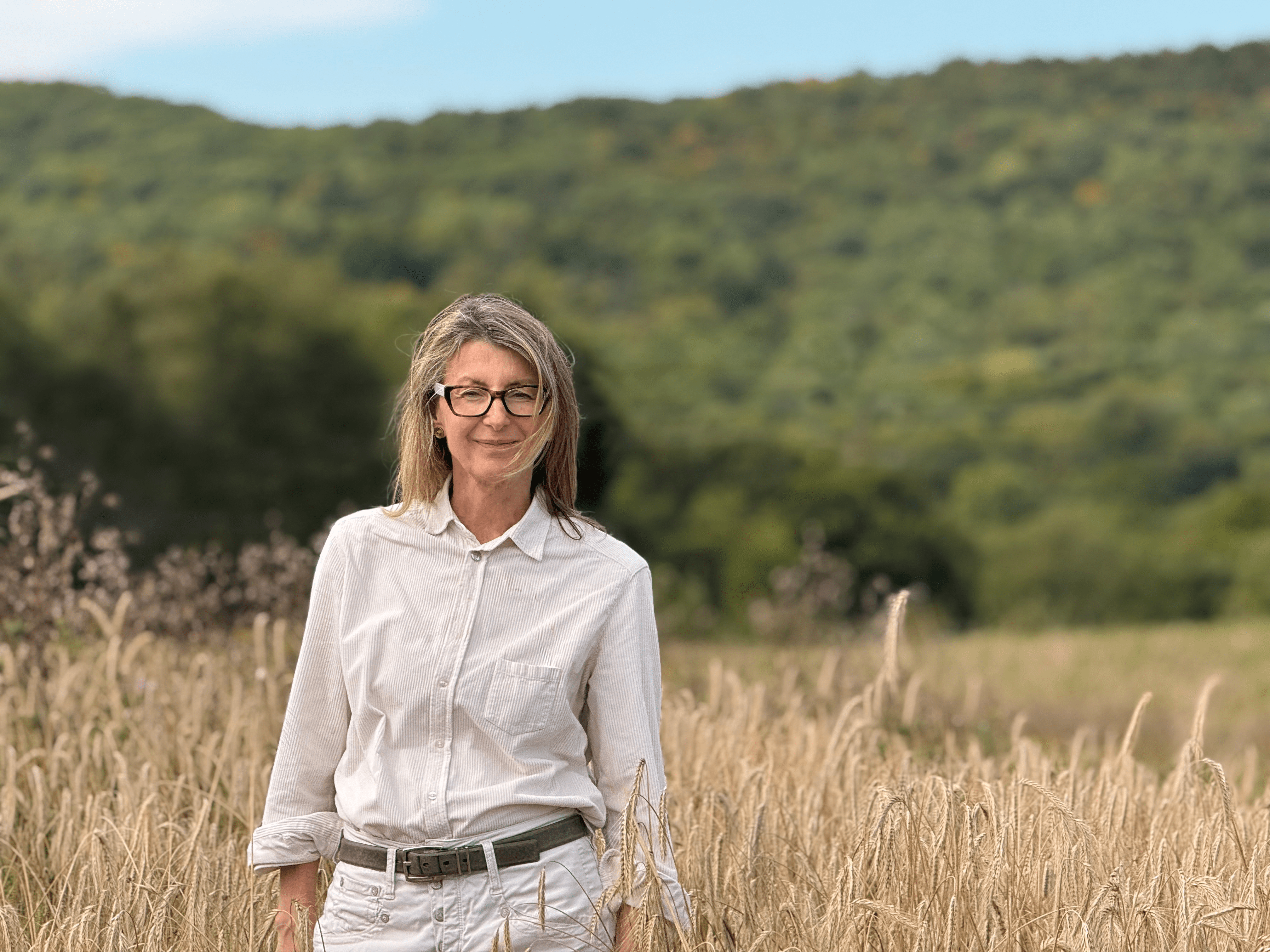
From the Director
This year, one sentiment echoed over and over: Rise to the challenge. Our history, longevity and deep expertise positioned us to lead the way for nature as One Conservancy, and your trust and support in this work made it possible
We are indeed heading to higher elevations as our Connecticut team works in the Appalachians landscape and mountains of Mongolia with leaders like Gala Davaa. We are restoring important habitat at landmarks like Rocky Neck State Park. We are at the Capitol, both in Hartford and in Washington, D.C., as we advocate for nature.
And we will continue forward together because nature needs us. It is not an option or a choice, it is simply what we must do. When you contemplate taking action for nature, take action with TNC—we are here alongside you.
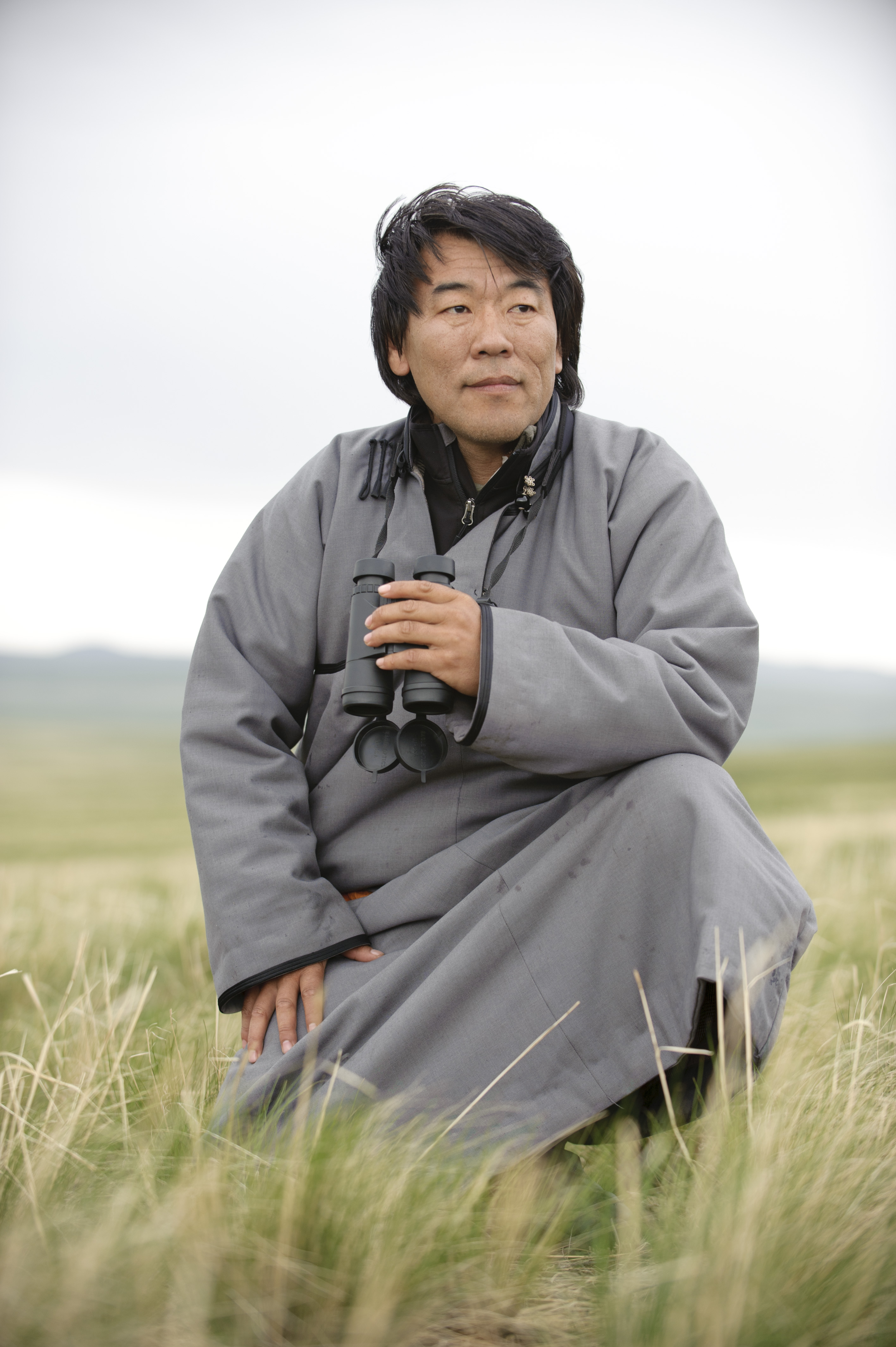
Hello From Mongolia
The Nature Conservancy is dedicated to tackling the dual crises of climate change and nature loss. Our mission compels us to work across countries and cultures to rise to these global challenges. My work doesn’t just stay in Mongolia. And Connecticut’s work goes beyond the Northeast’s boundaries. We collaborate across geographies and generations through cross-learning and sharing experiences.
This created the opportunity to host Erica Anderson (from TNC in CT) in Mongolia. Erica is contributing to our Snow Leopard Conservation Project. Her presence and expertise were invaluable. The exchange underscored the importance of mutual learning and support across the world, strengthening our efforts and conservation goals. We find inspiration in the spirit of this shared mission, and hope you do, too.
Our history, longevity and deep expertise position us to lead the way for nature as One Conservancy, and your trust and support in this work makes it possible.

STEPPING UP AT THE CAPITOL
How do we create a more sustainable future? State climate bill HB5004 has solutions, and TNC in Connecticut backed it since day one—Director of External Affairs Nathan Frohling helped create it. Passed on the 2025 legislative session’s final day after multiple years of advocacy, the bill strengthens Connecticut’s key climate goals, renewable energy like solar canopies, energy efficiency programs and heat pump programs for residents, schools and state buildings. Overall, TNC testified on 30 local bills, including some that help modernize the energy grid across Connecticut and New England.
Policy efforts are even going global: TNC’s Forest Pest and Pathogen program, housed right here in Connecticut, accelerated policy research and implementation on international trade regulations to prevent new insects and diseases from entering North America. This protects trees at all scales— from Connecticut to across the world.

FORGING HAPPIER TRAILS
Across Connecticut, TNC’s land stewards are the quiet force behind 150+ preserves and easements. Their work is deeply hands on—maintaining trails and bridges, targeting invasive plants, monitoring rare plants like the yellow lady’s slipper and spotting wildlife like baby porcupines. They rise to any challenge, from trekking into Rock Spring Preserve with backpacks of tools to marking boundaries for places like Devil’s Den. Some days involve local partners or volunteer crews, all to ensure nature and visitors are supported. With their leadership, our wild places thrive.
The team has also transformed Burnham Brook Preserve into a more open and welcoming place, thanks to a new all-terrain wheelchair and universal access trails that carry it. All visitors now experience grassy meadows, vernal pools and a towering forest canopy, with support from staff and trained volunteers. Nature is for everyone.
Getting out in nature is therapeutic. This allows people to do something they’ve never done before. The chair is a game-changer!
Donor Spotlight
Athletic Brewing Company's co-founders share about providing funding for the all-terrain wheelchair trails at Burnham Brook Preserve.

Bill Shufelt and John Walker
TNC: Athletic supports conservation and TNC because…
We believe our values inside and out of our walls align with TNC’s: integrity, inclusion and community. We feel TNC exhibits this through action with long-lasting results. We love giving back to communities where our teammates live, work and adventure.
The environmental work exciting us the most is…
Protecting nature in any setting for generations to come. With the main ingredient of non-alcoholic (NA) beer being water, giving back to projects like waterway cleanups with a focus on water conservation is extremely important in addition to projects for trails.
Others should become involved because…
We only have one planet. Ensuring the longevity of our environment is paramount to our health and happiness, for us and future generations. Protecting nature alongside The Nature Conservancy is an endeavor we can all be proud of.

MAKING CONNECTIONS
Connecticut’s northwest corner holds a piece of the Appalachian Mountains—one of Earth’s most ecologically important and climate-resilient regions. It’s also part of Southern New England’s most intact forest ecosystem. With further land protection essential to maintaining the ecosystem’s resilience, TNC contributed financial and logistical support to the Salisbury Association Land Trust’s acquisition of 277 acres in 2025. The land’s location within the Appalachians made it a priority parcel as TNC partners with communities around the globe to conserve 1.6 billion acres by 2030.
TNC continues identifying other strategic land protection opportunities and officially completed a final acquisition for Lucius Pond Ordway-Devil’s Den Preserve. The 102-acre Granskog property in Redding had been a long hoped-for addition because it’s adjacent to Devil’s Den. The Granskog acreage will provide additional buffer and protection to the preserve. At 1,800 acres, Devil’s Den is included in a landscape of more than 15,000 acres of contiguous forest with high conservation value.

FLOWING FREE
On their nicest days, they’re calm and inviting. On their stormiest, they show their true power. Our waters are pleading for connection, with us and each other.
TNC is working with our freshwater and coastal ecosystems—as they sustain our way of life, and themselves—so that water is unimpeded and free to flow as TNC works to conserve 620,000+ miles of river systems globally.
Rocky Neck State Park holds one of those ecosystems: the degraded, disrupted Bride Brook tidal estuary and salt marsh. It’s our turn to protect this threatened coastal habitat and its vital role as a water-purifying, carbon-sequestering, storm-buffering biodiversity hotspot. TNC in CT aims to reconnect the marsh and renew flow between Bride Brook and Long Island Sound with local partners, new strategies, and tried-and-true techniques TNC has deployed in the Northeast. Communities are sharing input, and research is taking off on the ground and sky-high with drones.
Small bodies of water are challenged, too. Culverts and bridges disconnect streams and disrupt natural flow of water and species. With over 25,000 known culverts across Connecticut, which should be upgraded first? TNC in CT is leading a new project to inventory and map all culverts in the Long Island Sound Coastal Watershed boundary, train partners in assessing conditions and fish passage, and assess 300 culverts in southeastern Connecticut. Let’s ensure roads, water and wildlife move full stream ahead.
From Connecticut to Mongolia
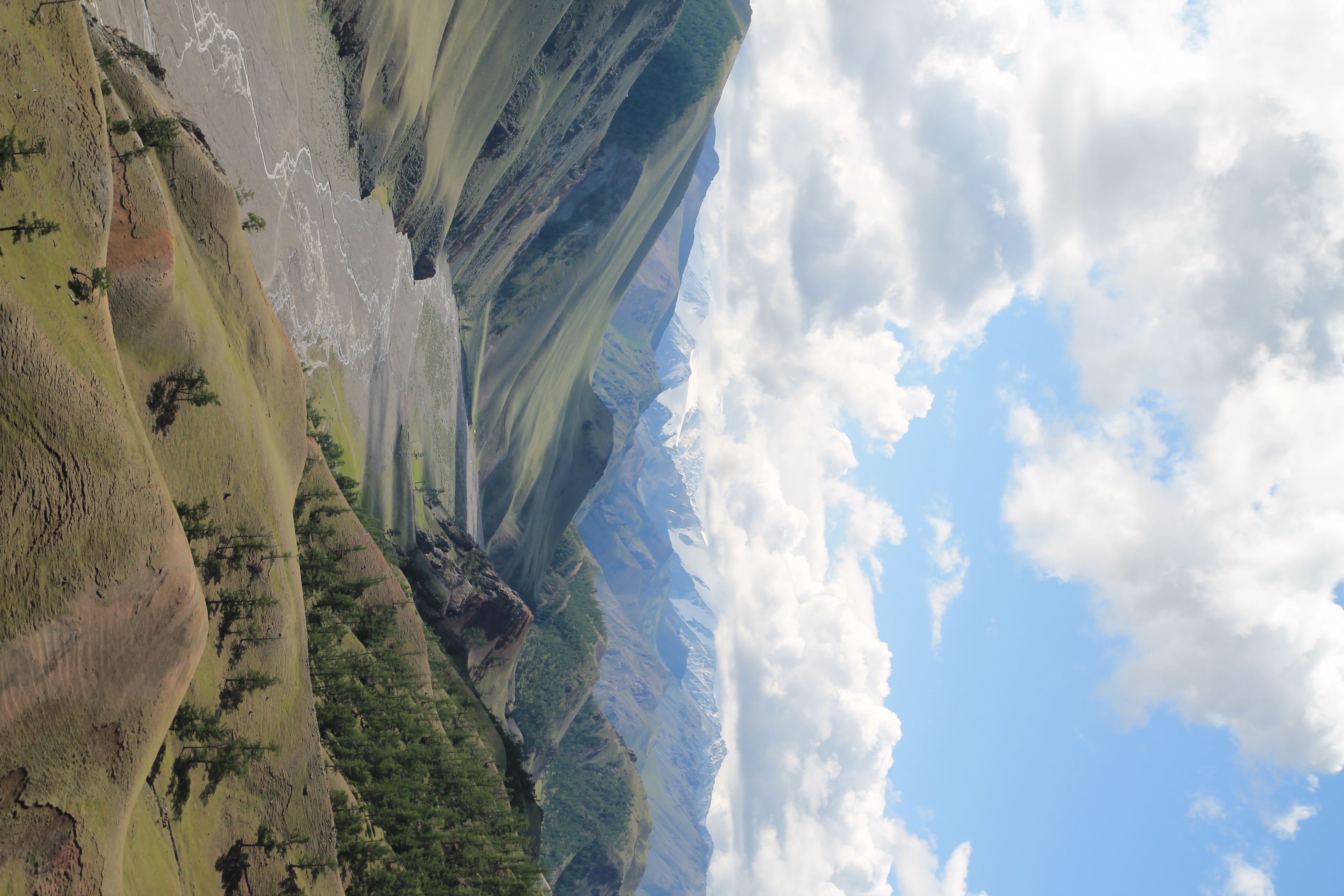
Mongolian Mountains
Erica Anderson understood that expanding her expertise in Geographic Information Systems (GIS) from the Nutmeg State to Mongolia’s formidable mountains would be worth it…for incredible, mysterious snow leopards, ecosystems and herding communities. She visited this summer for research. What paths do snow leopards travel? Can community-led conservation improve habitats? Would that prevent snow leopards from heading toward livestock? Anderson is working to connect wildlife corridors for species on the move—in Connecticut and across the globe.
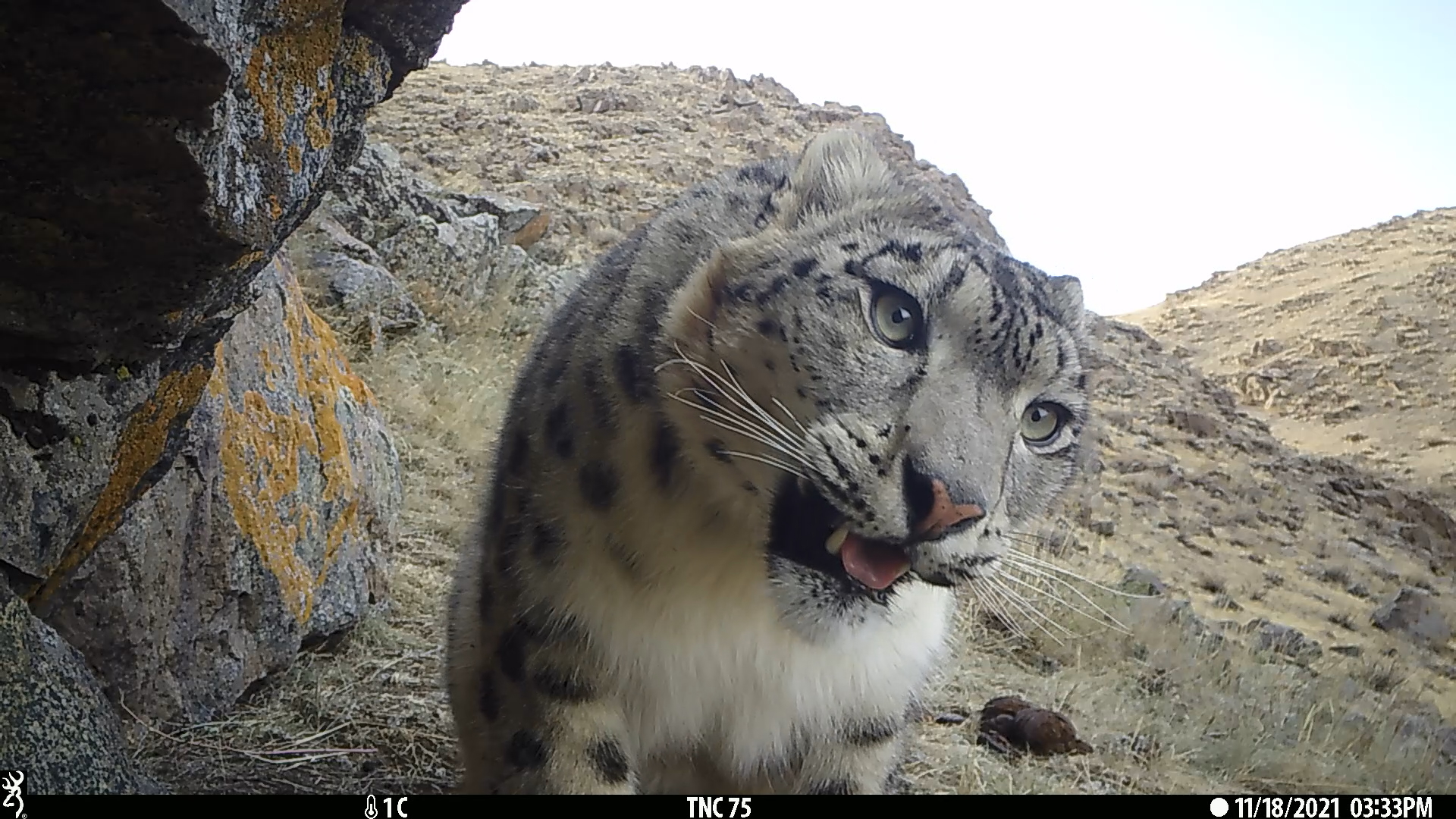
Caught on Camera: Snow Leopard
"I wanted to use my GIS skills to support nature, and I’m fascinated by animal behavior. TNC in Mongolia had data on snow leopards, so I geared the work toward wildlife corridors and overlap with herding communities.”
— Erica Anderson, Conservation Information Manager for The Nature Conservancy in Connecticut

REACHING NEW HEIGHTS
From planting new trees to supporting others in city parks and neighborhoods, TNC continues growing urban conservation across the state. TNC, the City of Groton and volunteers planted 40 native trees this spring and fall to aid in flood reduction as part of the community’s Five Corners Stormwater Assessment. The partnership previously resulted in the Southeastern Connecticut Regional Framework for Coastal Resilience and the city’s Community Resilience Plan, and focuses on nature-based solutions.
Efforts by TNC and partners also got a boost with Yale Conservation Scholars Corey Huebner and Skyler Nix, who conducted door-to-door outreach in New London and a tree inventory in Bridgeport to support local urban forests. “From cooling streets to creating habitat, urban forestry is the kind of integrated conservation work I hope to contribute to,” Nix said.
This is what a new urban forest network (facilitated by TNC) looks like in practice—collaborating with government agencies, nonprofits and residents involved in urban forestry, and connecting them with each other, too. The statewide network, launched last year, aims to inspire greater participation, share knowledge, grow capacity, and steward a more robust tree canopy in Connecticut for the health of people and our environment.
From cooling streets to creating habitat, urban forestry is the kind of integrated conservation work I hope to contribute to.
Finding a Way, Together

Nature Talks
The popular Nature Talks event series brought together more than 170 people for its latest edition, “The Ocean’s Future is our Future.” Held at UConn’s Avery Point campus in Groton, the program featured scientist and writer Dr. Ayana Elizabeth Johnson, Meteorologist Rachael Jay and Sally McGee of TNC’s Global Aquaculture Program. Our relationship with the ocean is deep, and each of us has the power to make radical change for our shared future.
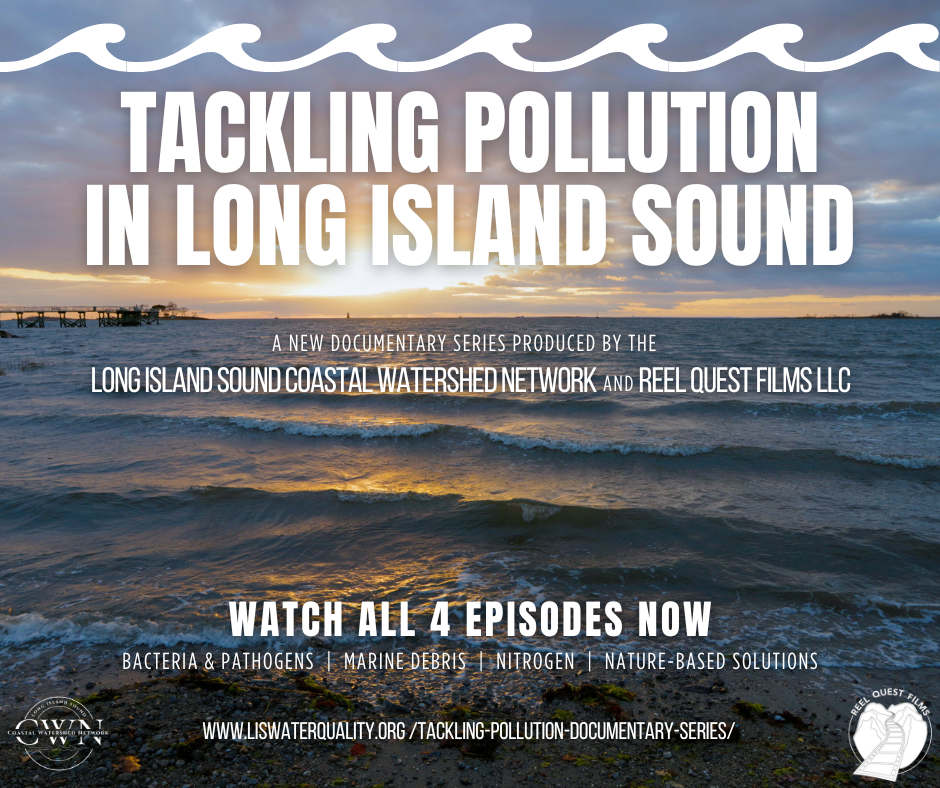
Long Island Sound Series
TNC helped produce a docuseries about collaborative pollution solutions called “Tackling Pollution in Long Island Sound,” with a premiere at the 2025 Long Island Sound Summit at Housatonic Community College. Both initiatives were organized by the Long Island Sound Coastal Watershed Network, which is coordinated by TNC in partnership with Save the Sound and Citizens Campaign for the Environment.


We Can’t Save Nature Without You
Sign up to receive monthly conservation news and updates from Connecticut.


