
Collaborating for Conservation
Across 11 Western U.S. states and Canada, The Nature Conservancy is committed to large-scale conservation impact through deep collaboration, on-the-ground work and policy.
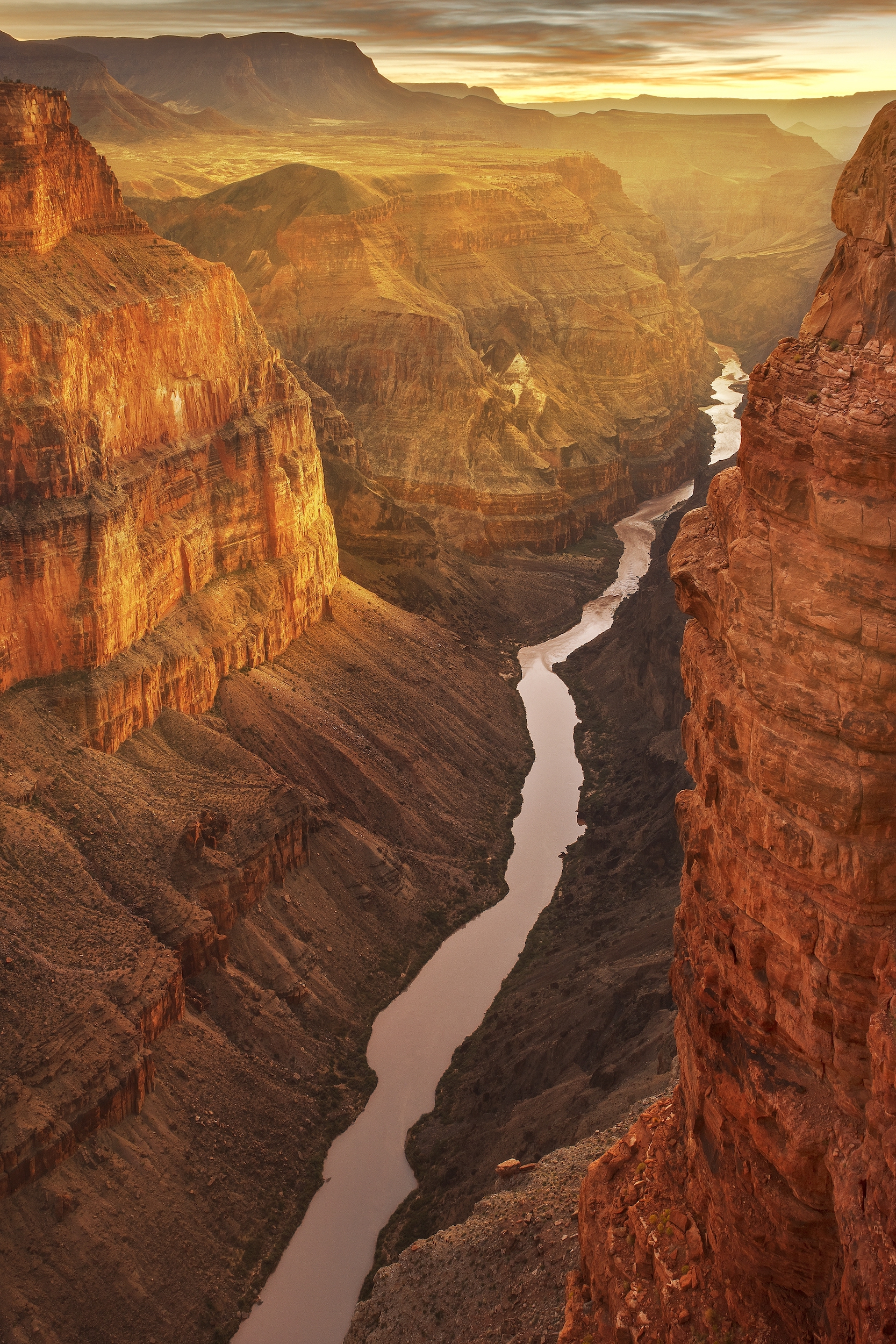
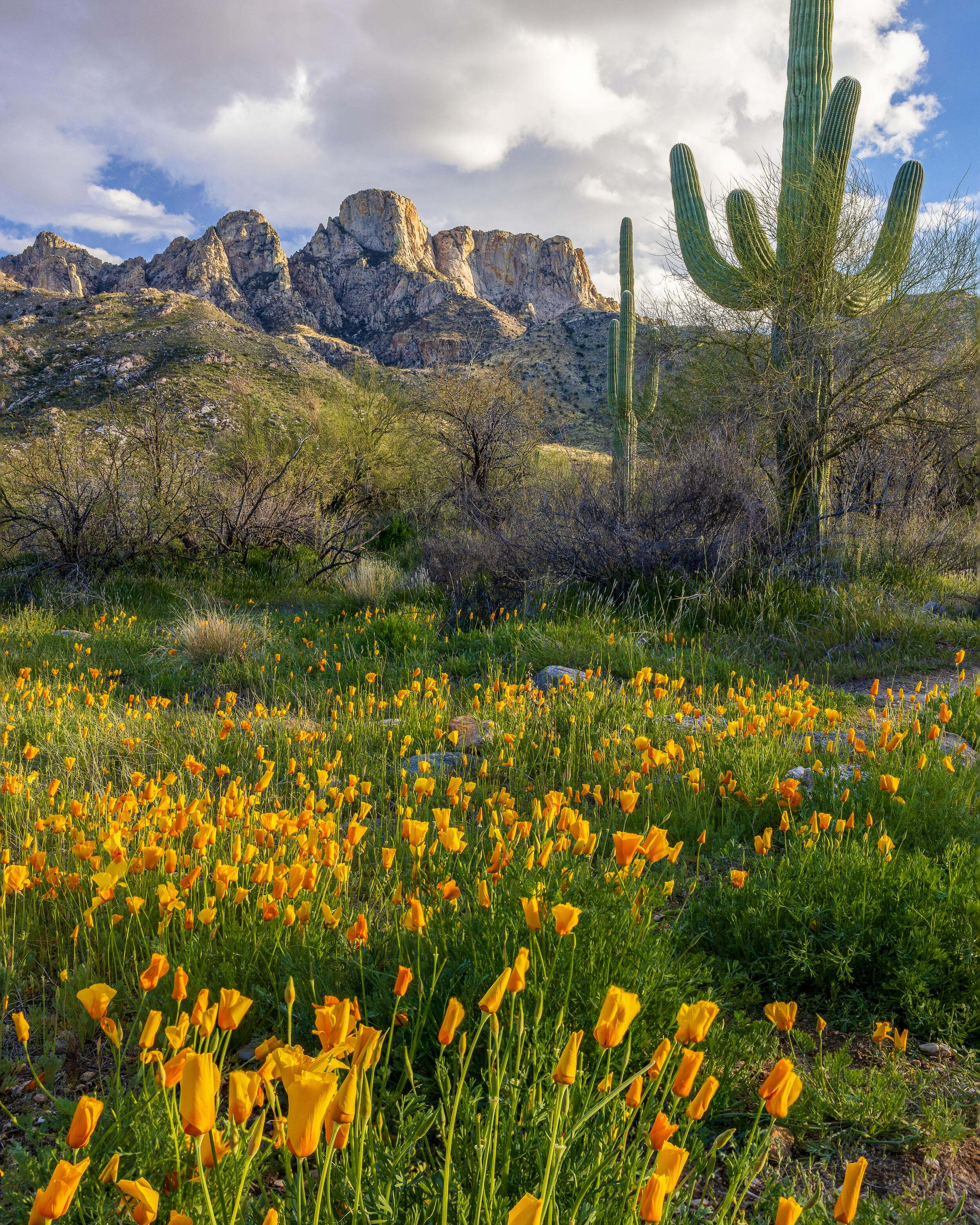
From glimmering coastlines and majestic mountains to vibrant deserts, cool forests and sweeping grasslands, the American West and Canada hold some of the planet’s most iconic places and species—from saguaros to salmon to polar bears.
But the region faces mounting pressures: intensifying wildfires, historic drought, growing development, resource extraction and the accelerating impacts of climate change.
To meet this moment, we work across borders, share science and scale up proven conservation approaches to deliver lasting benefits for people and wildlife—and contribute to global progress. Our work across the region is grounded in how we work:
- Use science to guide decisions
- Collaborate with Indigenous and local communities, ranchers, agencies and NGOs
- Advance policies that remove barriers and increase conservation funding
In Canada, The Nature Conservancy contributes to conservation outcomes through its Canadian affiliate, Nature United. Working across forests, freshwater systems, grasslands and coastal regions, Nature United helps advance solutions that benefit both people and nature while contributing to broader regional goals shared across Western states. Many of the issues we face, from climate change and biodiversity loss to sustainable resource management, transcend borders, making collaboration and shared learning between Canada and the Western U.S. essential to achieving lasting conservation impact.
Our Conservation Priorities Across the West
TNC and partners are collaborating across the West to advance conservation on a transformative scale. Scroll through the map to see where the work touches down, highlighted in yellow.
Noted in yellow
Bristol Bay
Alaska’s Bristol Bay is the world’s most important wild salmon nursery. The watershed feeds wildlife, a historic commercial fishery, local and Indigenous communities and people across the planet. Yet this globally important salmon run is in danger, and we may be facing our last chance to save it.
Noted in yellow
Climate Action & Renewable Energy
Across the Western U.S., we’re leveraging science and policy to accelerate the clean energy transition while also protecting connected landscapes that are essential for sustaining all life.
Noted in yellow
Colorado River Basin
Spanning 1,500 miles of river across seven U.S. states and two countries, we’re working to protect this iconic lifeline of the West.
Noted in yellow
Columbia River Basin
Alongside Tribes and First Nations in the Basin who have been leading salmon recovery efforts for decades, we are advancing habitat restoration, advocating for policy solutions and growing capacity for clean energy development to support Tribes, communities and local economies.
Noted in yellow
Emerald Edge
In the world’s largest temperate rainforest, we’re pursuing community, conservation and climate action.
Noted in yellow
Grasslands
Globally, grasslands are the least protected and most threatened terrestrial habitat. In the Northern Great Plains and Southern High Plains, we’re partnering with landowners, ranchers, Tribal communities, policymakers and other conservation organizations to ensure tangible, lasting outcomes for vulnerable grassland species and their habitat.
Noted in yellow
Sagebrush Sea
Across 13 U.S. states, the Sagebrush Sea hosts a complex web of native plants—sagebrush, bunchgrasses, wildflowers—that support more than 350 species of conservation concern.
Noted in yellow
Western Dry Forests
Building on more than 60 years of expertise in prescribed fire and forest management, we’re leading and convening efforts to restore dry forest resiliency and reduce wildfire severity throughout the West.
POLICY PRIORITY
Protecting Public Lands
The Western U.S. contains approximately 90% of our national public lands—places that keep our air and water clean, provide critical habitat for plants and animals and drive local economies and the $1 trillion outdoor recreation industry. Increasingly, these lands are facing numerous threats from decreased funding to wide-scale sell-offs.
Learn how The Nature Conservancy is committed to keeping public lands in public hands.
Support Our Work in the West
By donating to The Nature Conservancy, you'll make a direct impact in catalyzing our conservation work across the Western U.S. and Canada.
Local stories
Get Involved with The Nature Conservancy
Click on an image below to learn how you can help nature thrive in the West.
Volunteer or Attend an Event
There are many different ways you can give back to nature and the planet. Whether it’s planting trees and removing invasive species at a nature preserve or virtual volunteering using your professional skills—discover volunteer opportunities near you.
View all volunteer opportunities
Join us at an upcoming event! Connect with fellow nature lovers and learn more about our work from TNC scientists and other experts at events like webinars, film screenings, workshops and more.
View all upcoming events
Take an Action Pledge
Make your voice heard on the urgent conservation issues facing our world. Our Action Center helps you easily contact your elected officials.
Visit a Preserve
For more than 70 years, The Nature Conservancy has been at the forefront of land conservation, safeguarding and restoring vital landscapes across the globe. From the beginning, our mission has been rooted in protecting the lands and waters on which all life depends. Today, our network of nature preserves represents this legacy—places where wildlife thrives, ecosystems are restored and people can connect with nature in meaningful ways.
Explore Career Opportunities
Guided by science, The Nature Conservancy creates innovative, on-the-ground solutions to our world’s toughest challenges so that people and nature can thrive together.
Whether it’s stewardship, science, marketing, finance—the list goes on—there’s a place for everyone at TNC.