


Accelerating Renewable Energy in North America
Learn how TNC is driving a clean, green and equitable energy transition where people and nature thrive.
Across the Western U.S. and Canada Division, we are advancing policy and accelerating the clean energy transition.

While accelerating the clean energy transition, we must also protect these connected landscapes that are essential for sustaining plants and animals, as well as ensure people benefit from new developments.
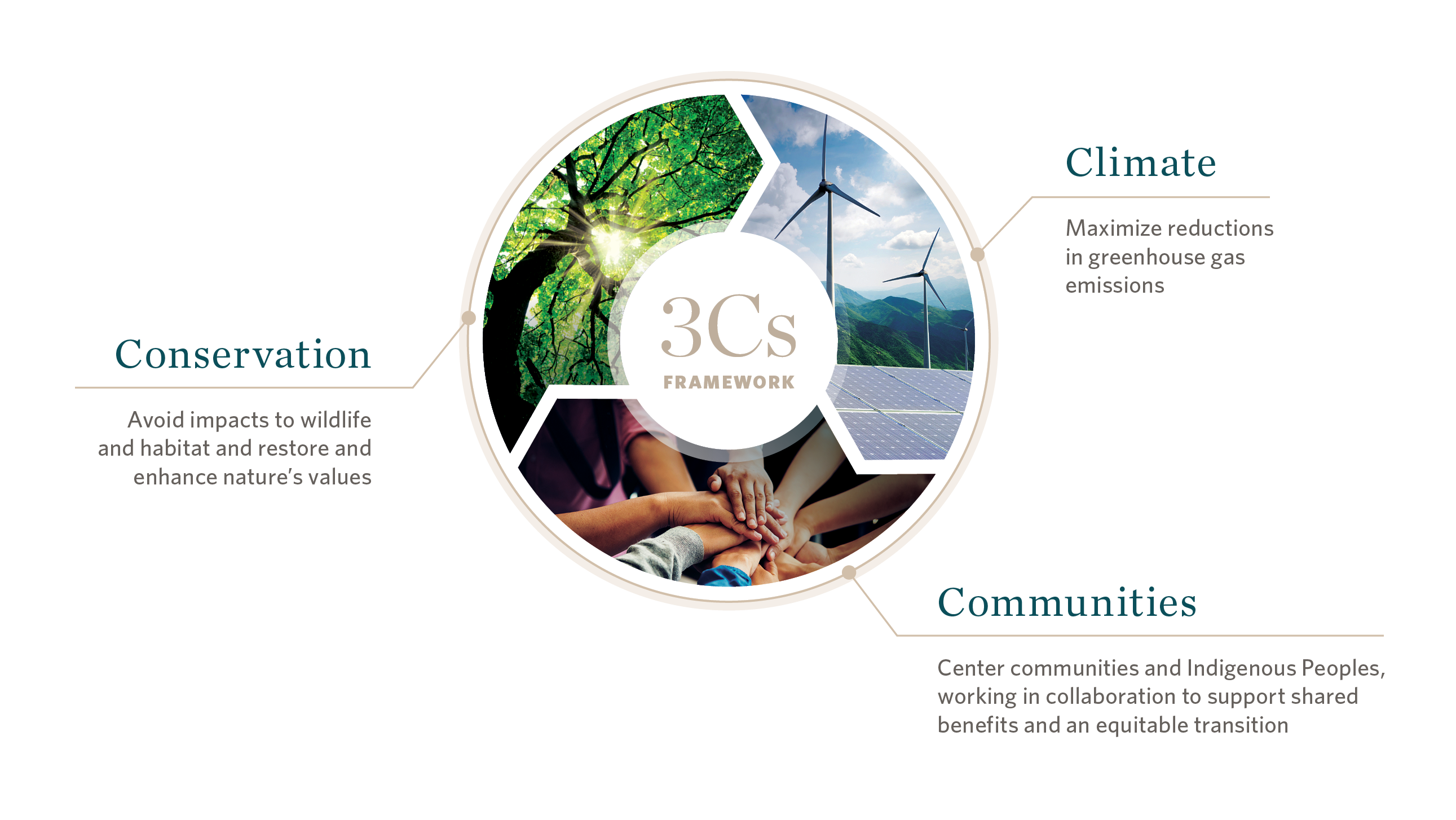
TNC is leveraging science and policy to accelerate the clean energy transition. Our work is guided by what we call our “3C” approach—advancing cleaner energy sources like solar and wind, centering communities and Tribes and working to conserve and restore intact landscapes. Through advocacy, research and building partnerships with communities and the private sector, we are finding solutions that ensure everyone benefits from a clean energy future.
Our 3Cs approach ensures that the renewable energy buildout not only addresses climate change but also protects nature and benefits people. By integrating the 3Cs into our planning, siting and policy work, we are making it faster, easier and more cost-effective to deploy renewable energy at the scale needed to meet our climate goals.
At the speed and scale needed to meet our climate goals, the renewable energy buildout may have impacts on current land uses on the ground and in oceans—especially with large-scale wind and solar installations. With careful planning, renewable energy projects can avoid impacts to wildlife and habitat and even restore and enhance nature.
More than two-thirds of global greenhouse gas emissions come from energy use. To meet our Paris Agreement climate goals and achieve net-zero emissions by 2050, the world must triple renewable energy capacity by 2030. Renewable energy solutions should maximize reductions in greenhouse gas emissions.
Public concerns about the clean energy transition include environmental impacts, effects on land and property values, and ensuring a fair transition to clean energy given historical inequities. Bringing communities into decision-making early can reduce opposition and accelerate the renewable energy transition.

 RETURN
A 3C approach to the clean energy transition is about reducing the emissions that cause climate change while ensuring people and nature continue to thrive.

Climate change, and the severe weather events it triggers, touch all parts of our lives and the planet. Tackling climate change requires immediate action through climate policy and the transition to clean, renewable energy sources. Policy makes climate action possible, providing the funding, guardrails and initiatives for clean energy and other solutions that reduce greenhouse gas emissions. Expanding renewable energy sources benefits the climate and provides affordable, reliable electricity to meet growing demand.
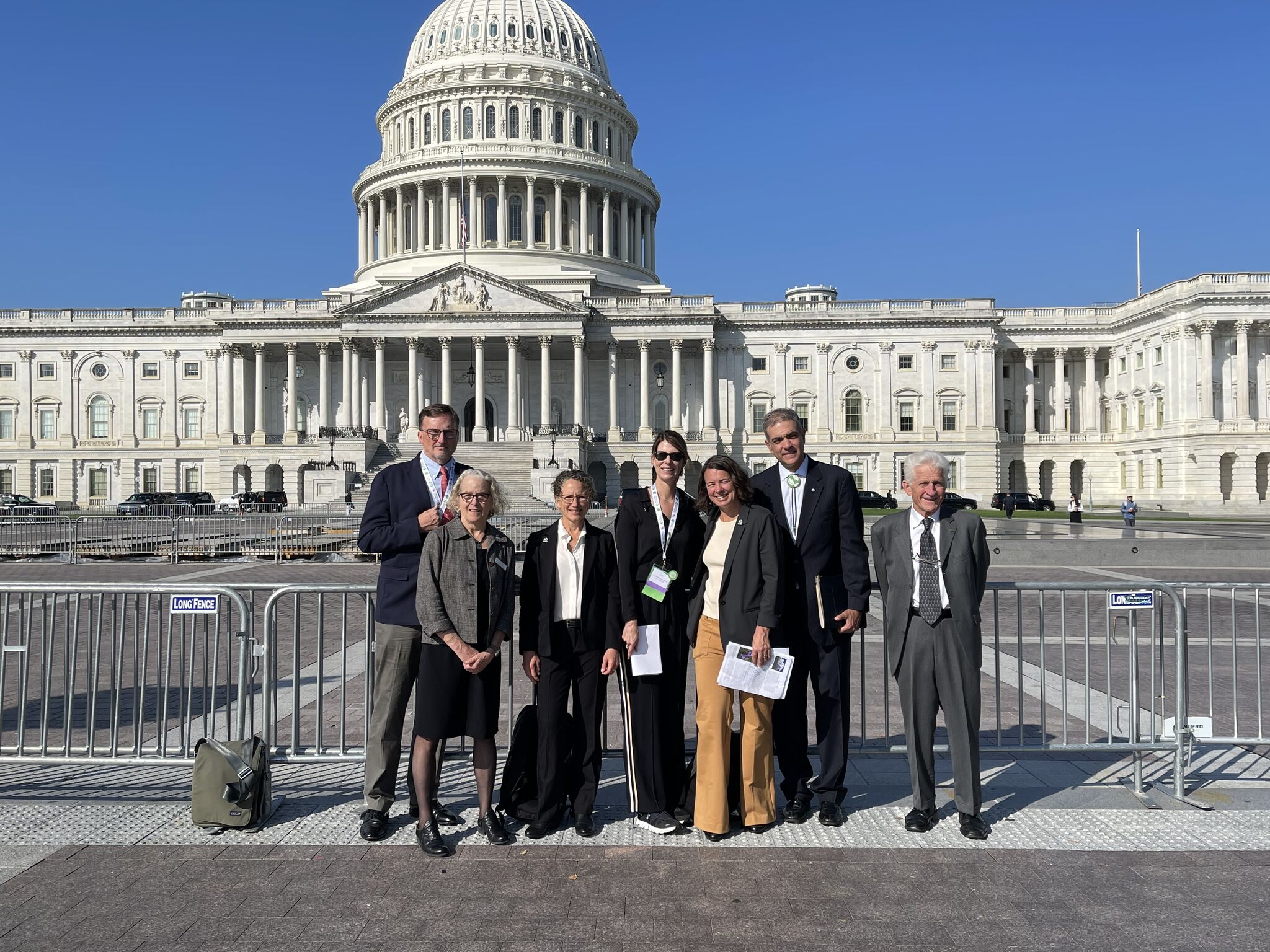
TNC is a voice for science-based policies that accelerate climate action while protecting conservation values and delivering lasting benefits to communities and Indigenous Peoples. We partner with our North American Policy and Government Relations team to influence the creation and implementation of federal policies, such as the Inflation Reduction Act, which provide essential funding and programming for clean energy and other climate benefits. When necessary, we also step in to defend these policies. We have policy experts in every state helping to create, support and defend state climate policy.
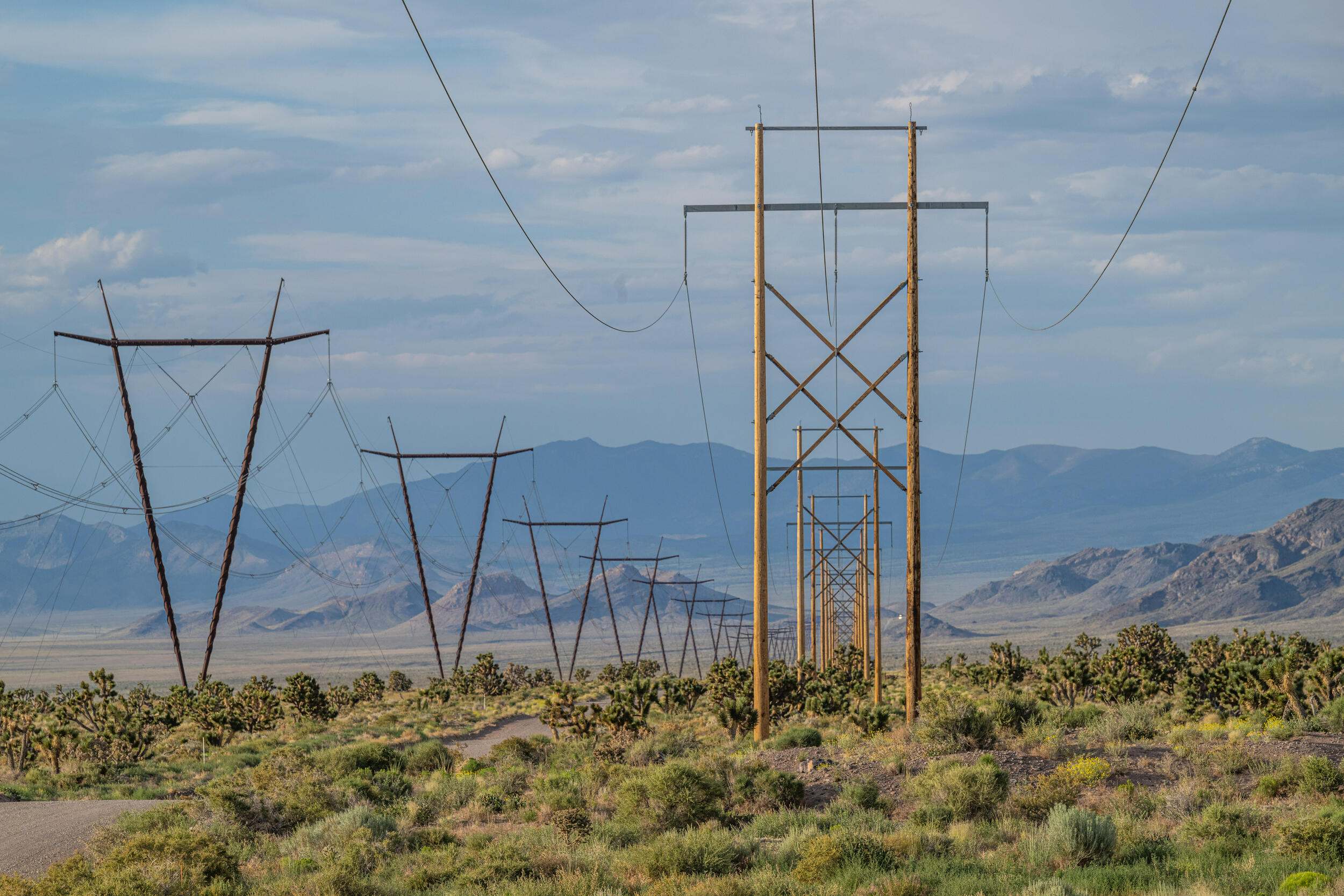
A modern, reliable and resilient electrical transmission grid is an essential part of the clean energy transition. Expanding transmission capacity with minimal impacts on people and nature is possible through land-saving approaches like co-locating new lines near existing powerlines and roads, replacing old wires with more efficient ones and using modern software systems to enhance grid performance. TNC is advocating for policy, planning and permitting solutions that enable these grid modernization projects to proceed faster and with greater support from communities and Tribes.
Balancing the clean energy transition with the needs of nature and people requires proactive planning and updated permitting measures for siting new energy generation facilities, transmission infrastructure and critical mineral mines in areas of least conflict. Prioritizing areas for new development that have the fewest environmental and social conflicts is good for nature and can accelerate project development. We are partnering with communities, Tribes and organizations to help find win-win outcomes for the climate, conservation and communities.
View the stories of the people—community leaders, policy experts, energy planners and others—who are forging pathways for a future powered by clean energy below or on our ArcGIS Story Map.
No results are shown. To see results, turn on the toggle switches in the legend.

Wyoming's energy economy helps drive America’s economic prosperity. Yet, even in the heart of coal country, changes are underway as demand for clean energy increases. A new wave of investment in the buildout of renewable and abundant energy can help communities thrive.

Smart policies accelerate renewable energy development and protect nature, while bringing economic benefits to communities. Since 2022, our experts in Colorado have influenced policy that advances wind, solar, storage and transmission, with people and nature at the forefront. Their work generates solutions to meet rising energy demands, while tackling climate change and keeping prices affordable

In Nevada, Esmeralda County’s vast open spaces and rich lithium, solar and geothermal energy potential have made it a top prospect for renewable energy development . With limited staff and big projects looming, local leaders are partnering with TNC to craft new rules that give the county a voice in development while protecting land, water and community identity.

Idaho | Oregon | Washington— The Nature Conservancy’s partnership with the Affiliated Tribes of Northwest Indians (ATNI), advances an energy transition rooted in Tribal sovereignty and rights. Learn how Indigenous leaders across the West are providing collaboration at concept and revitalizing community connections.

Idaho | Wyoming | Nevada | Utah | Arizona | New Mexico— As communities across the West seek to understand the potential for extracting critical minerals to supply the renewable energy transition, TNC know-how brings powerful data together to create clear and informative maps to guide conversation about what’s possible—along with what’s at risk.
Looking to explore this work further? Check out these resources!


