
Sagebrush Sea
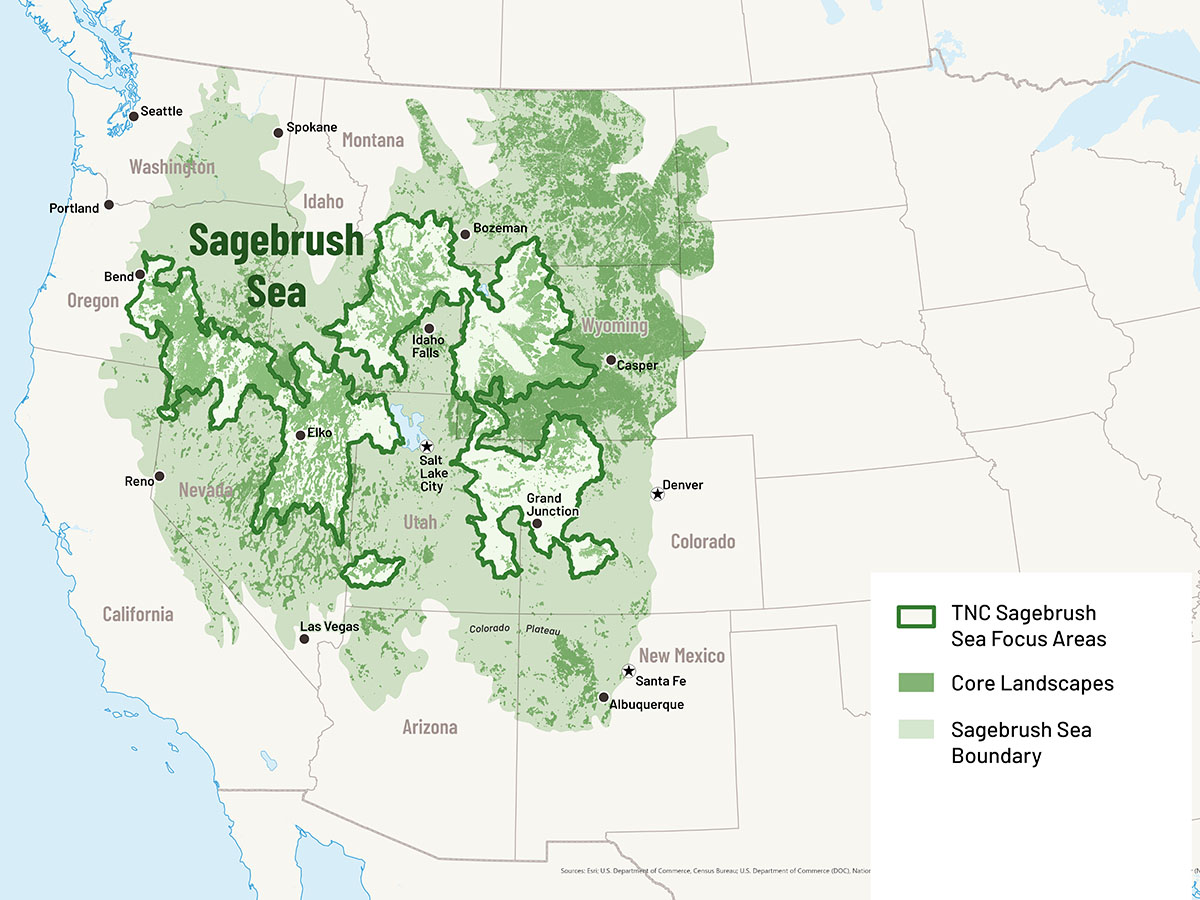
The Nature Conservancy is working across Colorado, Utah, Wyoming, Montana, Idaho, Nevada and Oregon to protect this iconic western landscape.

Sometimes a landscape can trick you. What looks barren can teem with life. What feels endless can face real limits. What seems plain can be magical.
The Sagebrush Sea is a vast and essential part of the American West, playing a vital role in the region’s ecology, economy and cultural identity.
Program Overview
The Sagebrush Sea
Improving Sagebrush Sea Habitat
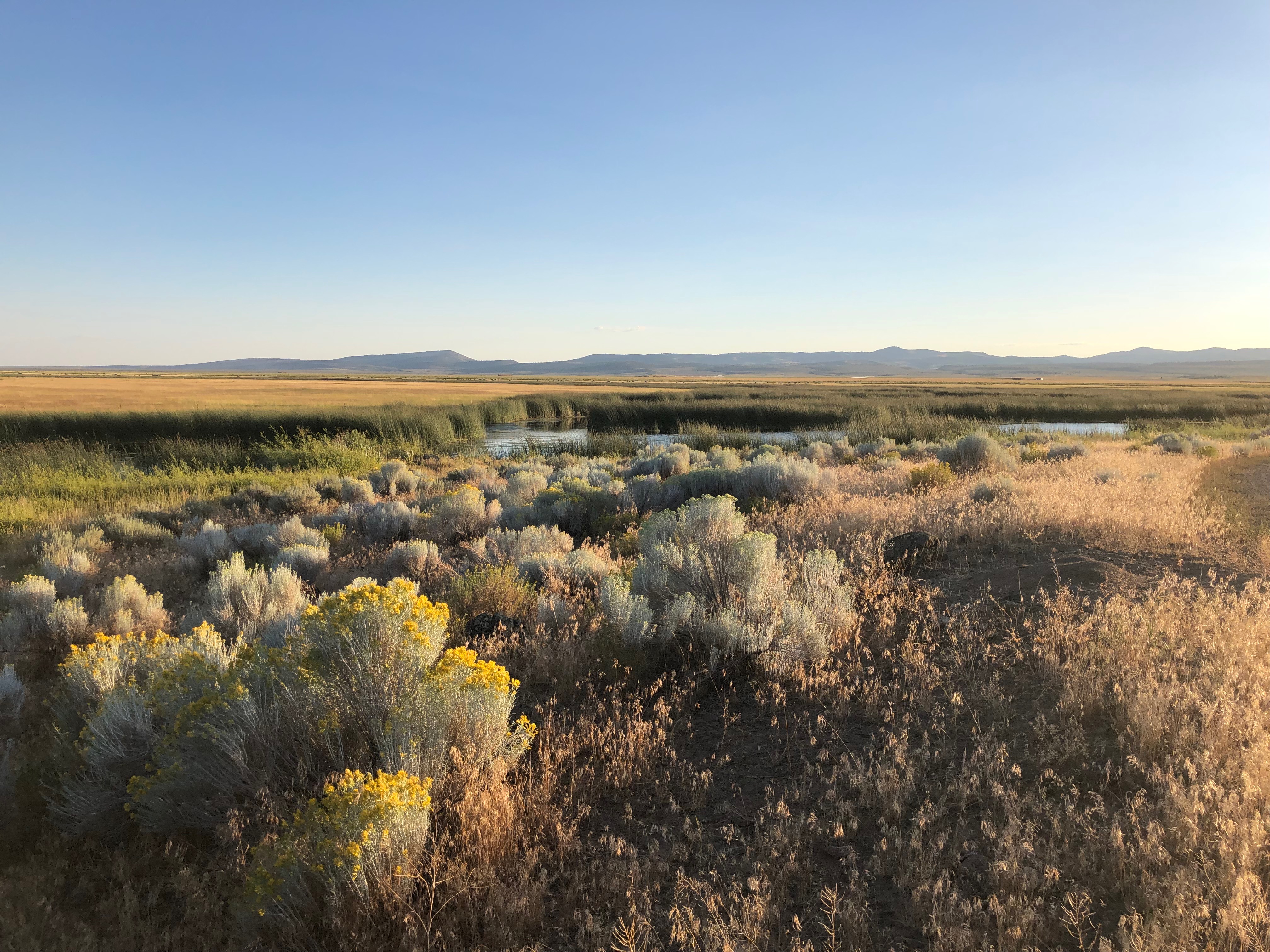
TNC is working with partners and communities, improving sagebrush habitat in 11 states across the West. Seven chapters are engaged in the Sagebrush Sea Program—Idaho, Nevada, Oregon, Montana, Utah, Colorado and Wyoming. Connecting partners, leveraging projects and sharing solutions across borders will accelerate the work.
Utah
TNC and The Bureau of Land Management used Landscape Conservation Forecasting ™, an ecological planning tool, to model cost-effective restoration on 900,000 acres including treating invasive plants and seeding perennial grasses, forbs and shrubs.
Idaho
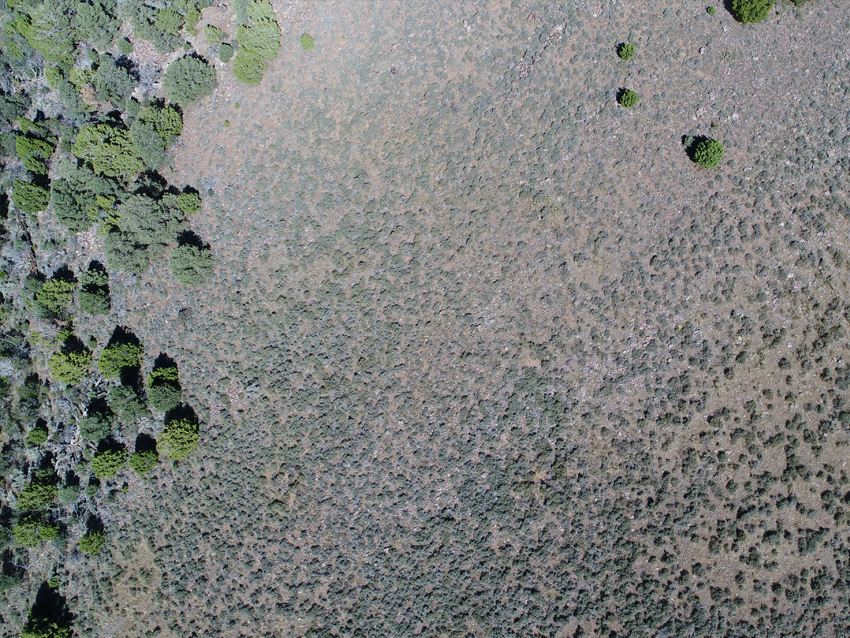
Rinker Rock Creek Ranch is a living laboratory where TNC and partners are learning how to best manage rangeland for the benefit of people and nature, like showing how livestock grazing can be compatible with sage-grouse conservation.
Montana
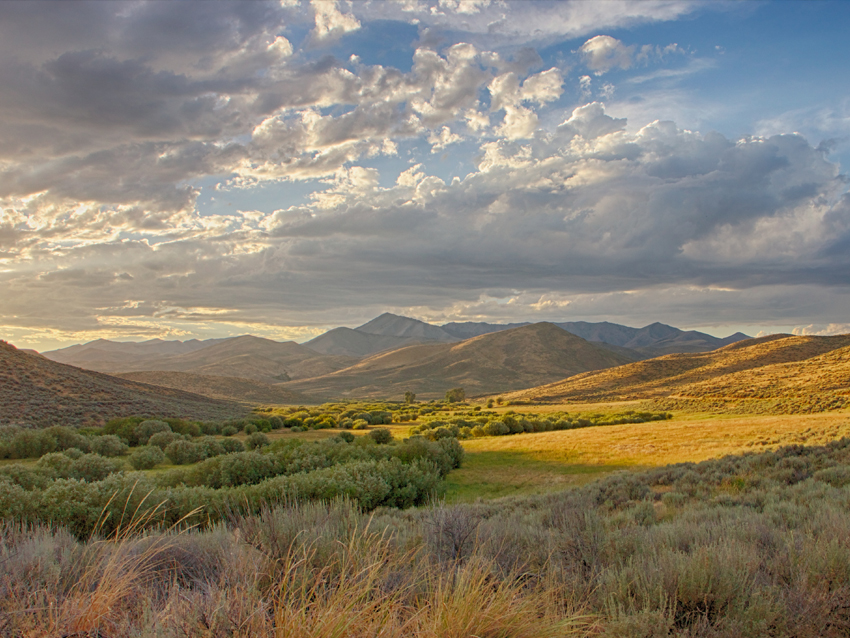
TNC draws together partners to improve sagebrush habitat by removing encroaching trees, restoring wet meadows and removing fences. The partnership is a force for conservation, communication and collaboration in Montana’s High Divide Headwaters.
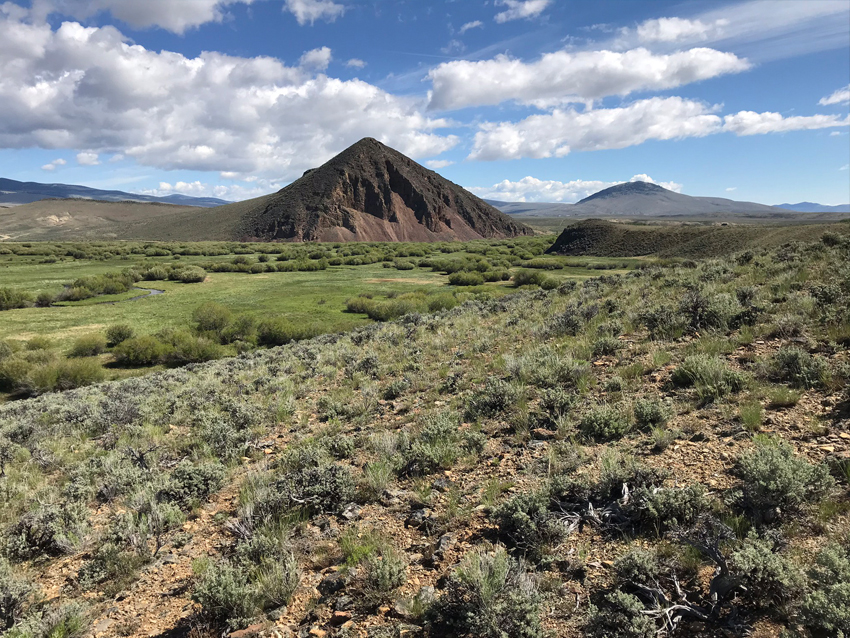
Nevada
TNC helps the largest gold mining company in the world mitigate its impacts using a planning tool called Landscape Conservation Forecasting™, designing thousands of acres of restoration to protect sagebrush habitat from wildfire.
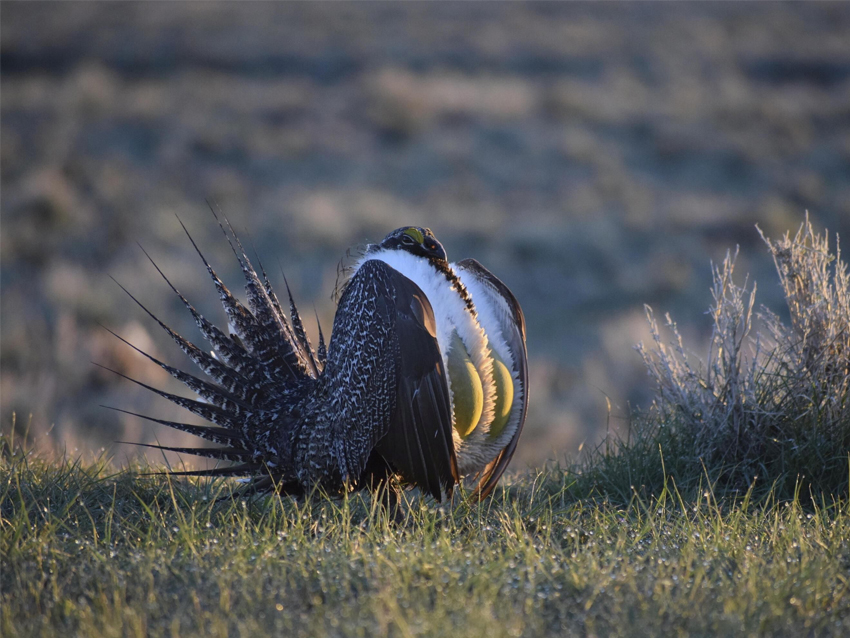
Oregon
TNC is working in partnership with the Oregon Desert Land Trust at Trout Creek Ranch to demonstrate emerging conservation techniques for stream and spring restoration and sustainable grazing to safeguard the sagebrush and rangeland landscapes we all depend on.
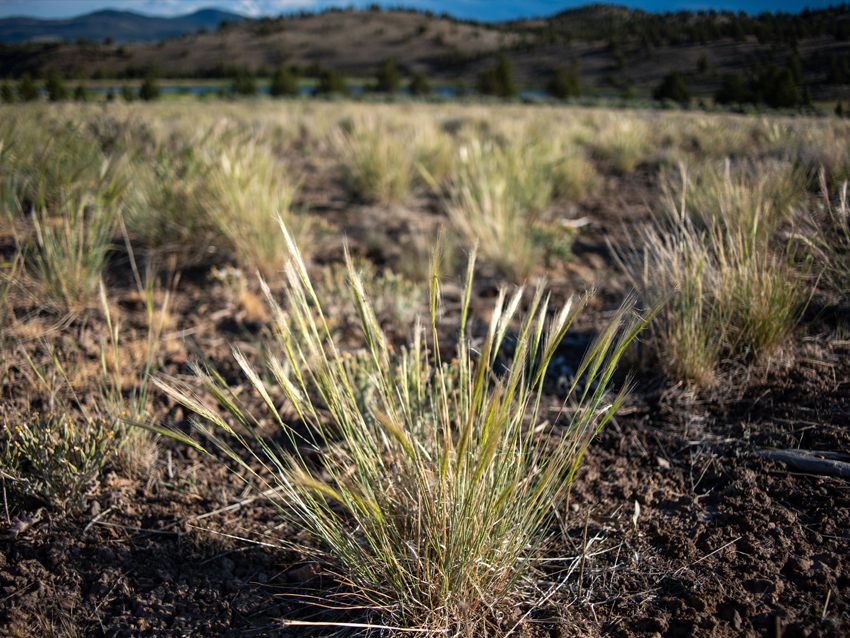
Wyoming
TNC is experimenting with wildflowers to improve performance in restoration seedings, an essential step to restore plant communities. Learn more about how Wyoming is reclaiming the sage.
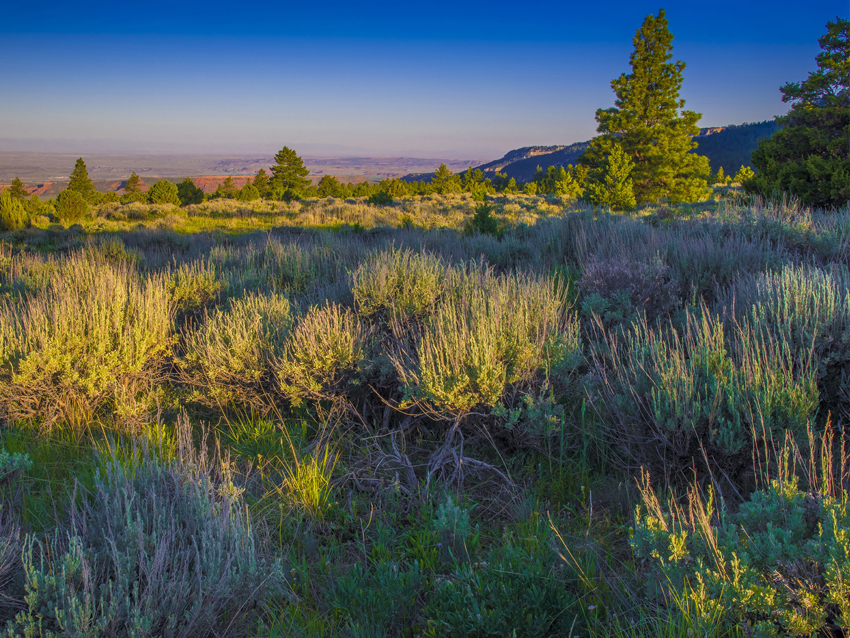
Colorado
In the Yampa and White River basins, TNC and the Bureau of Land Management are using low-tech, process-based restoration like beaver dam analogs to slow water, restore rivers and revitalize sagebrush habitat that supports wildlife, communities and working lands.


 RETURN

The Sagebrush Sea Is Vanishing
Learn what The Nature Conservancy and stakeholders are doing to preserve one of the largest natural systems in North America.

Holding the Line on Cheatgrass
An example of our work in Wyoming.

After the Fire
New research shows why controlling invasive grasses after fire is critical for sagebrush habitat and wildlife.

New Tools for Grazing Management
This short video shows how virtual fencing is helping ranchers in southwest Montana manage cattle in ways that may strengthen sagebrush habitat while supporting working lands.

Sagebrush Conservation Gateway
Explore peer-reviewed articles published in Rangeland Ecology & Management that dive into the science behind the Sagebrush Conservation Design, highlighting how, where and why we’re working to conserve the sagebrush biome.


