


Grasslands The Bluebell Ranch is a privately-owned and managed property in Deuel County within the Prairie Coteau landscape, South Dakota. The Prairie Coteau is one of the nation’s largest and best remaining grasslands located in southern North Dakota, eastern South Dakota and western Minnesota. All of Bluebell Ranch’s approximately 7,000 acres are under U.S. Fish and Wildlife Service grassland and wetland easements, which ensures the grassland will remain available for grazing and wildlife. Part of Bluebell Ranch was conserved under the Prairies without Borders project, which was created by the Conservancy and partners to purchase additional U.S. Fish and Wildlife Service grassland and wetland easements in order to conserve large contiguous tracts of native grassland in the Prairie Coteau. Bluebell Ranch is located in Deuel County, South Dakota, within the Prairie Coteau landscape. © Richard Hamilton Smith
Powerful Partnerships
TNC is working to conserve grasslands on a global scale—from the prairies of the Great Plains to African savannas. But no one organization can do this alone. In the Great Plains, TNC partners with Tribal communities, landowners, conservation organizations, public agencies and policymakers to guarantee long-term impact.
How Grasslands Contribute to Global 2030 Goals
Globally, conserving grasslands is a critical strategy for achieving TNC's ambitious 2030 goals:
-

1.6B
Conserve 1.6 billion acres of land through restoration and improved management.
-

3B
Avoid or sequester 3 billion metric tons of greenhouse gas emissions annually.
-

45M
Support the leadership of 45 million people from local and Indigenous communities.
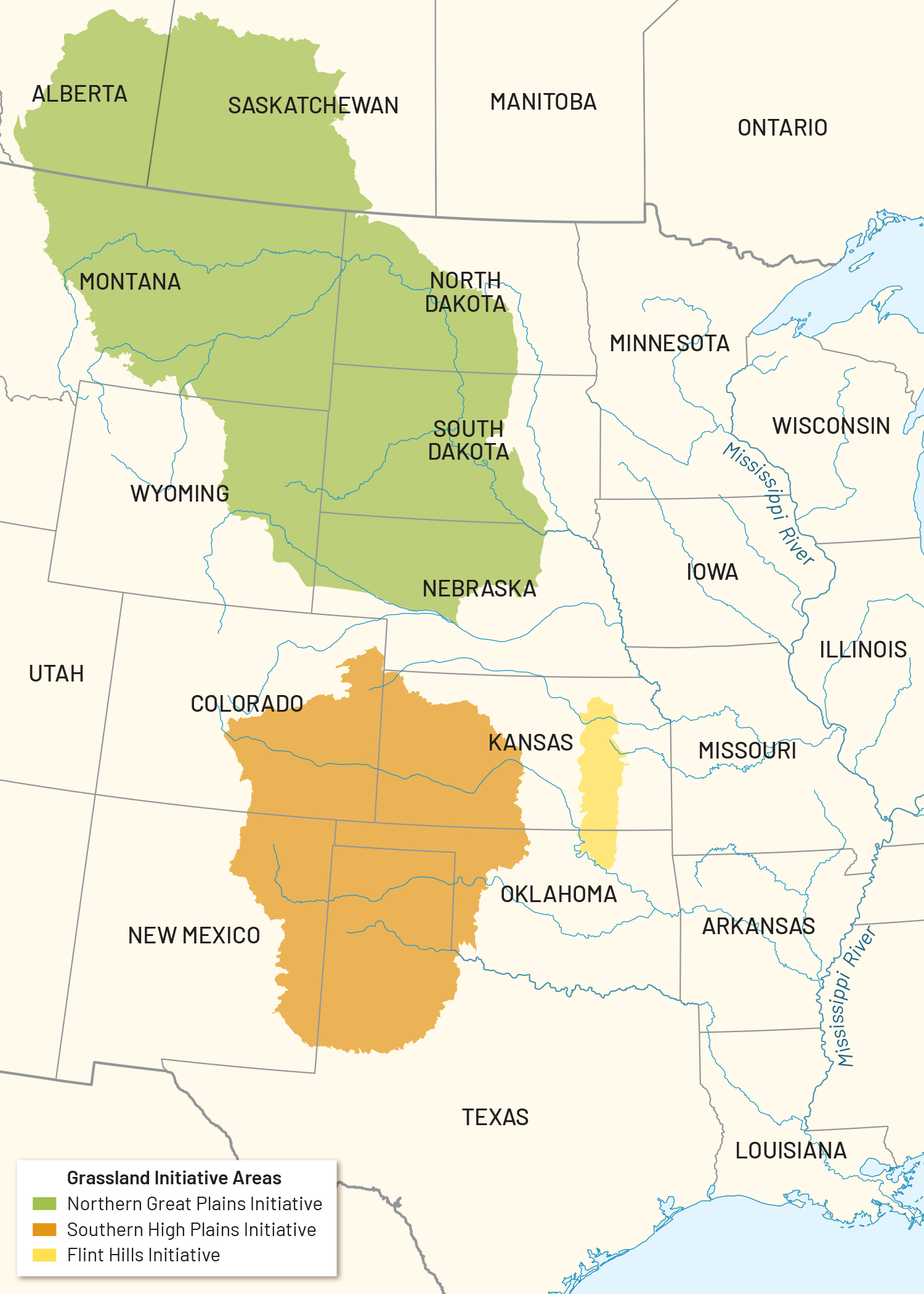
Great Plains Grassland Initiative Areas
The Nature Conservancy is focusing its efforts on three grassland initiative areas within the Great Plains. Tap or click the circles to learn more about our work in the Southern High Plains, Flint Hills and Northern Great Plains.
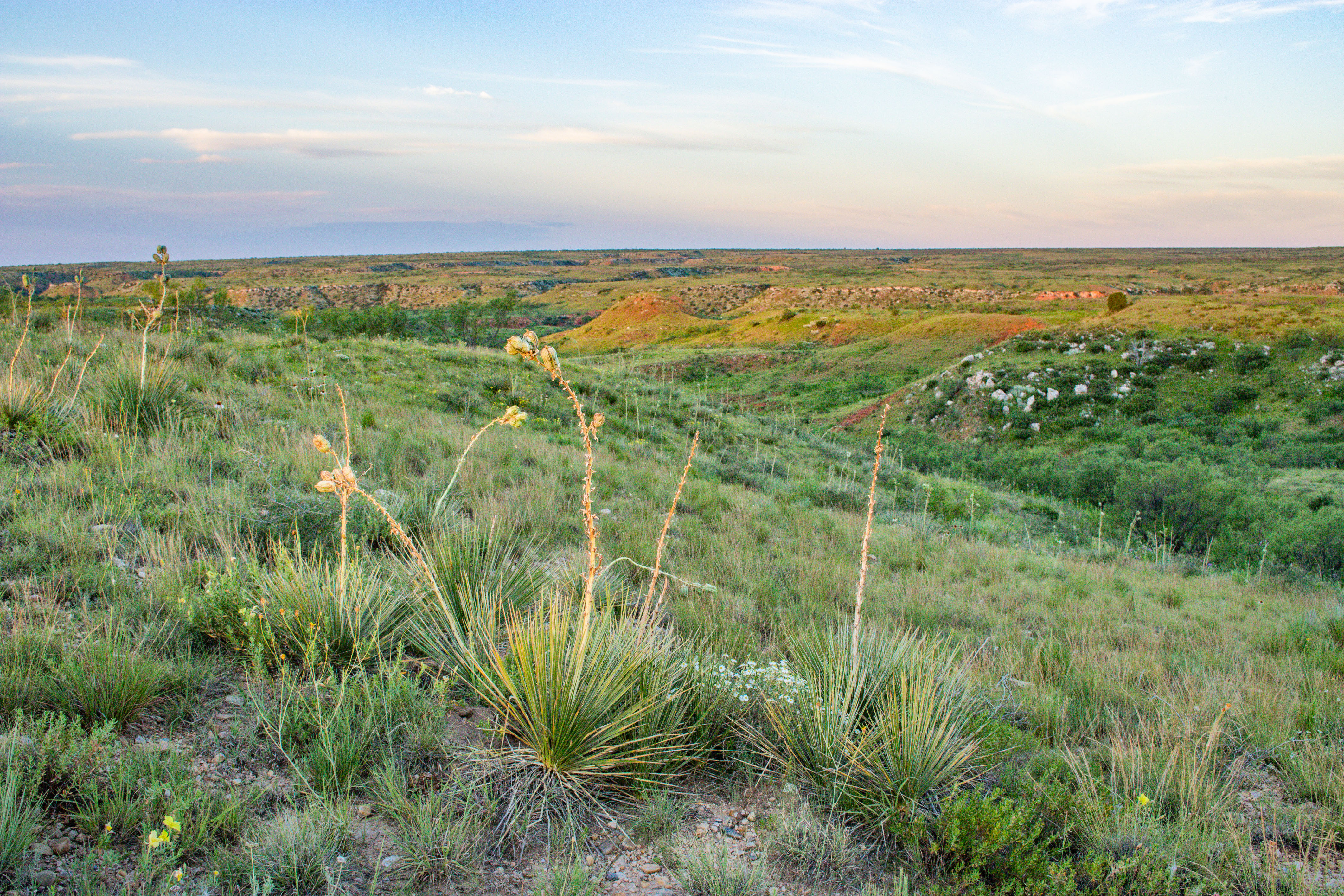
Southern High Plains
At the intersection of five western states—Colorado, Kansas, New Mexico, Oklahoma and Texas—are about 45 million acres of grasslands that represent one of the largest opportunities for prairie conservation in the country. Here, TNC is using innovative financing to protect grasslands at record pace and scale. Learn more about the Southern High Plains.
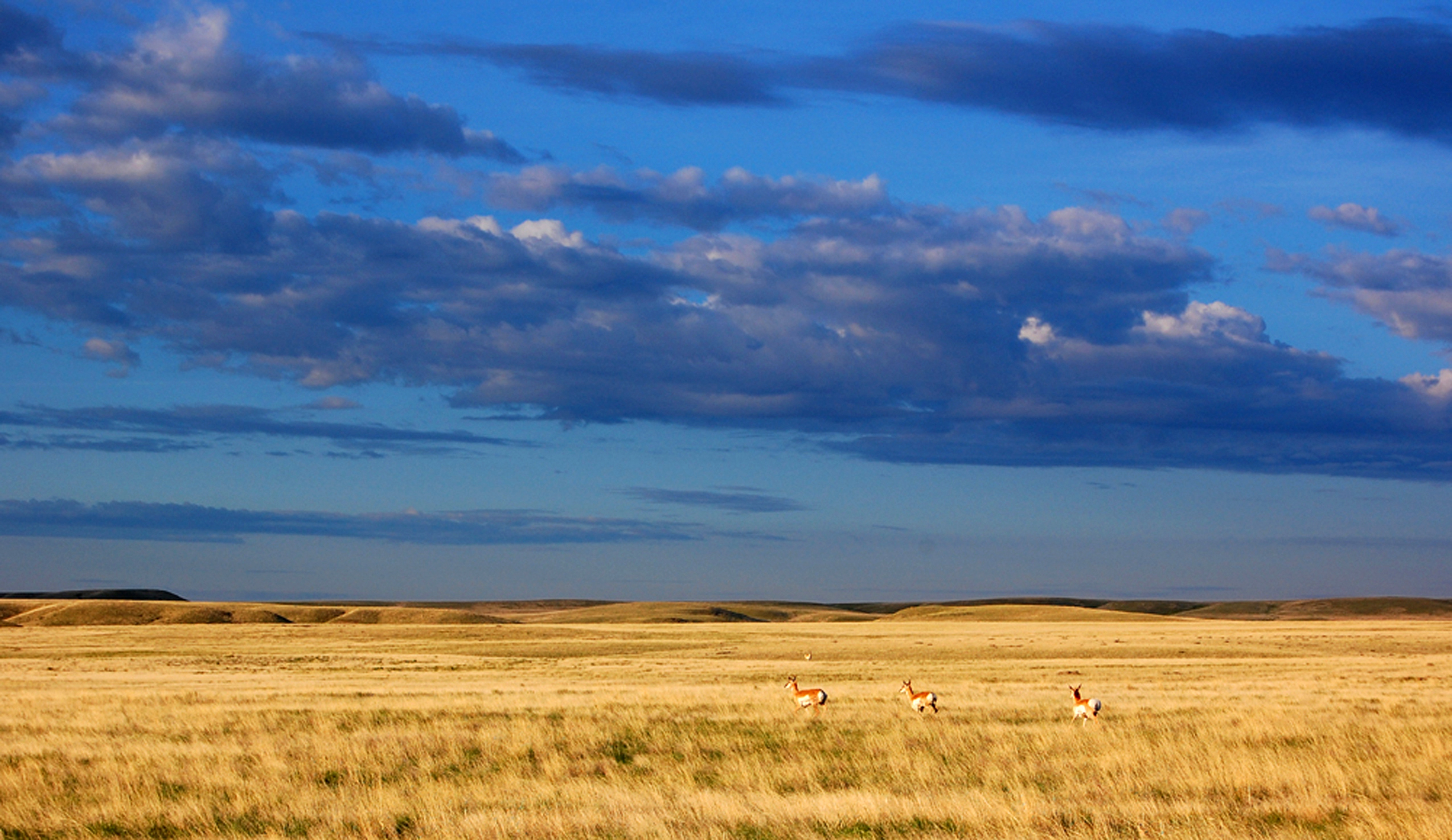
Northern Great Plains
Spanning five U.S. states (Nebraska, North Dakota, South Dakota, Montana and Wyoming) and two Canadian provinces (Alberta and Saskatchewan), our work in the Northern Great Plains helps ensure our region’s most important grasslands remain protected, resilient and connected. Learn more about the Northern Great Plains.
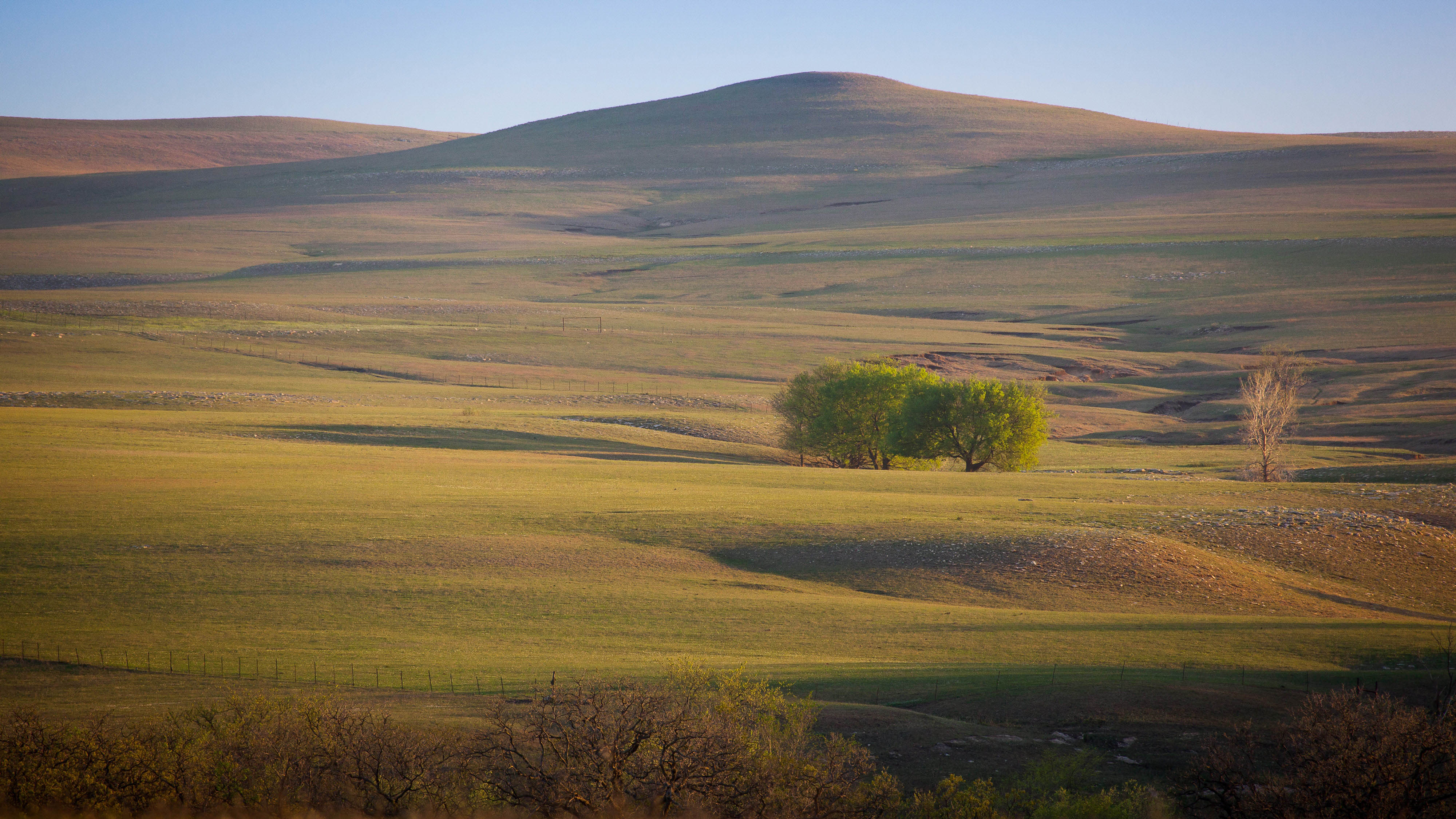
Flint Hills
Less than 5% of North America’s tallgrass prairie remains. Most is found in the Flint Hills of Kansas and Oklahoma. For nearly 25 years, TNC has practiced community-based conservation to help conserve this last tallgrass prairie habitat. Learn more about the Flint Hills.

 Return

Latest News

Plant Diversity Is a Win for Ranchers and Nature
We know more biodiversity is better for grasslands. But how much is enough? A new study aims to answer that question.

Introducing Sand Creek Ranch
The Nature Conservancy in Oklahoma has acquired Sand Creek Ranch, a 5,000-acre property located in the Red Hills of Harper County.

American Buffalo Return Home to Tribal Lands
Through our partnership with the InterTribal Bison Council (ITBC), we've transferred 3,000 buffalo to Native Nations to restore their ancestral grazing lands.

Baptism by Fire
A new generation is picking up the drip torch to give Iowa prairies the phoenix treatment.
Contact Us
-
Great Plains Grasslands Strategy Director
Brian Obermeyer
View Biography
We Can’t Save Nature Without You
Sign up to receive regular updates from The Nature Conservancy.
