
Northern Great Plains
The Nature Conservancy is working with partners to preserve some of the largest and most significant grasslands in the U.S.

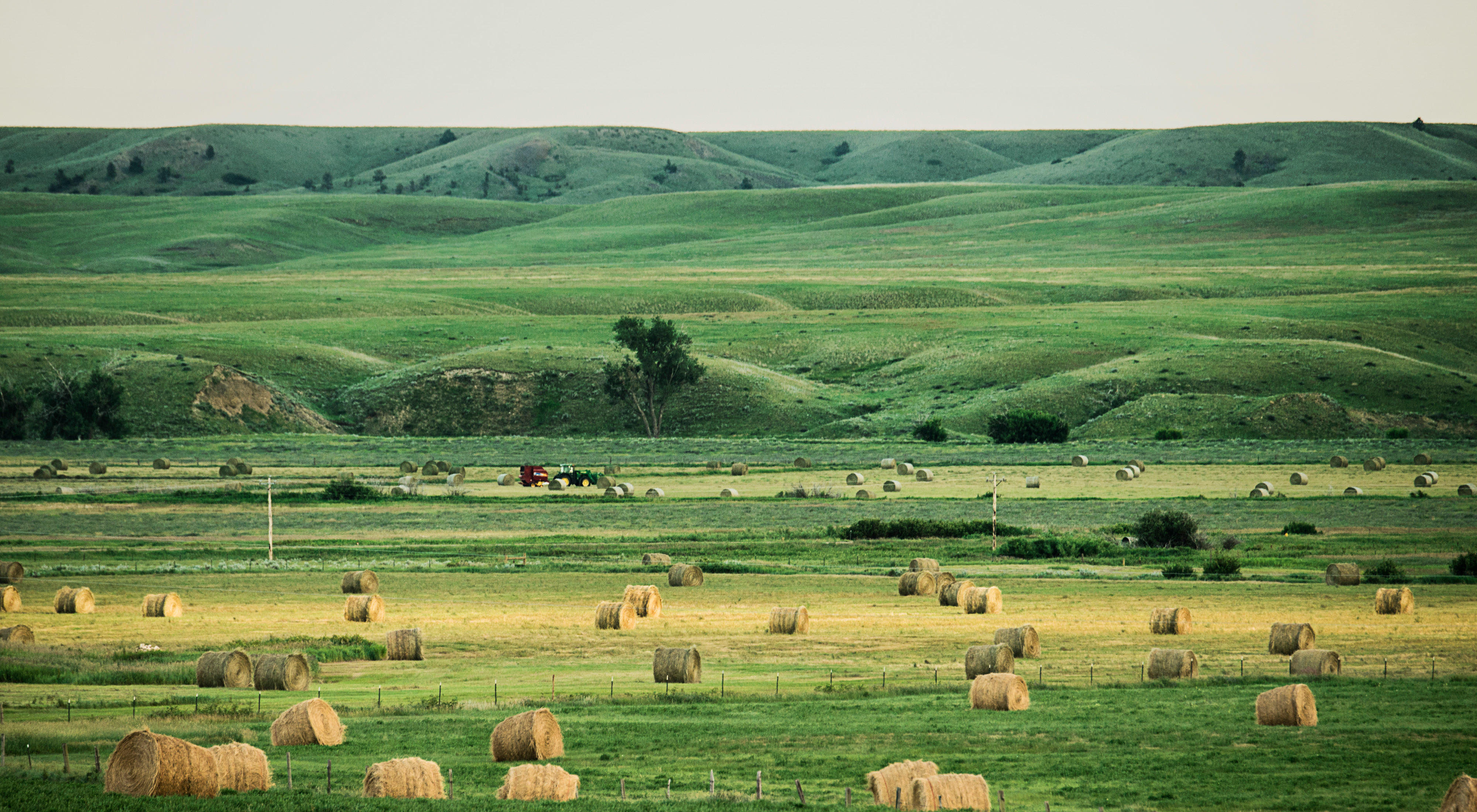
Stretching across five states (Montana, Nebraska, North Dakota, South Dakota and Wyoming) and two Canadian provinces (Alberta and Saskatchewan), the Northern Great Plains encompasses 76 million acres of native grassland habitat—the largest collection of intact and connected grasslands in North America.

Wildlife of the Northern Great Plains
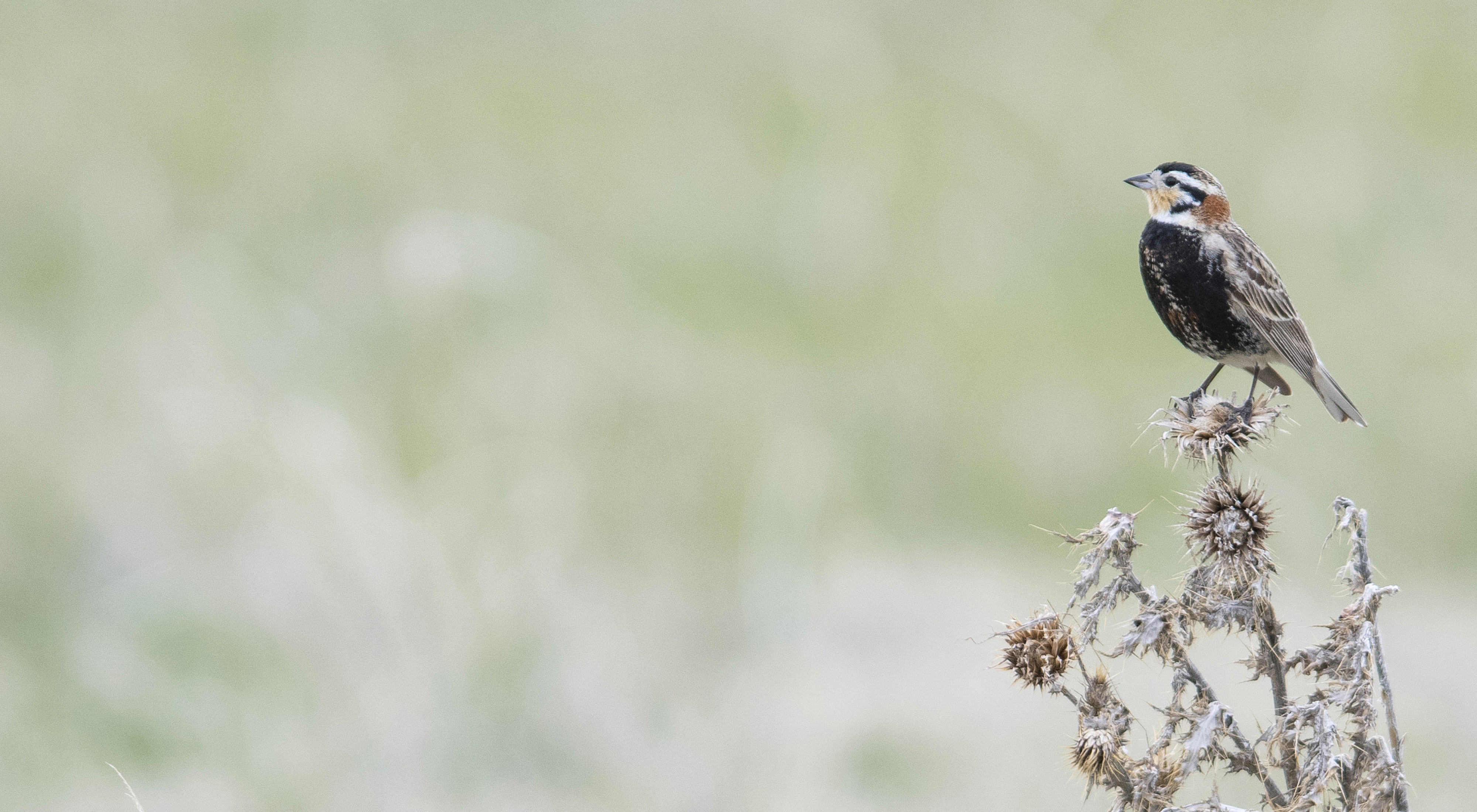
Grassland bird numbers have declined by more than 50% since the 1970s, but species such as mountain plovers, burrowing owls, chestnut-collared longspurs and Sprague’s pipits make their home in the Northern Great Plains. The region also supports deer, elk and rare species such as black-tailed prairie dogs, swift foxes and black-footed ferrets.
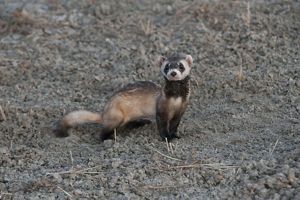
Black-Footed Ferret: Endangered black-footed ferret released back to the prairie shows hair dye painted on its throat by the wildlife biologist who examined it, Buffalo Gap National Grassland, South Dakota. © Bill Allen
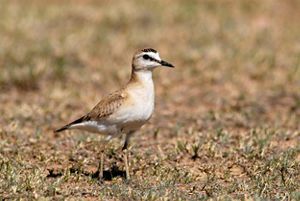
Mountain Plover: Despite the name, the mountain plover is a shortgrass prairie native, preferring barren ground for nesting. © Dave Showalter
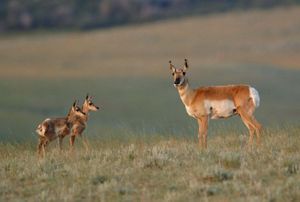
Pronghorn and Fawns: During their migration, some pronghorn travel more than 500 miles round-trip. Their journey represents the longest land mammal migration in the lower 48 states. © Scott Copeland
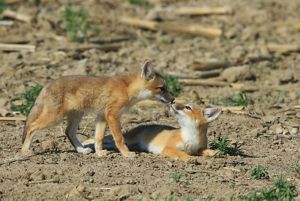
Swift Fox Pups: Although historically common in the Great Plains, swift foxes are now estimated to occupy less than half of their historic range in the United States. © Bob Gress
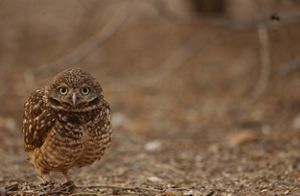
Burrowing Owl: Burrowing owls are one of the many species that call the Northern Great Plains home. © Mark Skalny
Migrating pronghorn depend on Northern Great Plains grasslands, too. Some start their journey in Saskatchewan and Alberta, traveling more than 500 miles round-trip on their seasonal migrations. Their journey represents the longest land mammal migration in the lower 48 states.
The region is also home to hardy ranching families and Tribal Nations who have stewarded the land through the generations and are vital partners in its conservation.
Threats in the Northern Great Plains
The most significant threat facing grasslands in the Northern Great Plains is conversion to cropland. As grasslands are plowed and developed for row crop agriculture, prairie habitat continues to shrink. In addition to cropland conversion, several other factors place increasing pressure on these landscapes:
_4000x2200.jpg)
Oil and Gas Production
Growing demand for domestic energy has accelerated oil and gas development across the Northern Great Plains. Roads, pipelines and other infrastructure fragment large, continuous areas of grassland, disrupting wildlife movement and degrading habitat quality.

Economic Pressures
As volatile, unprofitable beef markets undermine ranching’s viability, selling land for development or cultivation may appear to be the only route to financial stability for ranching families, further diminishing prairie habitat.
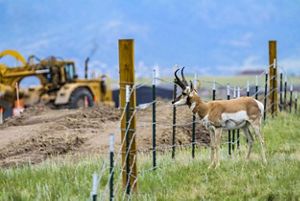
Fencing
Hundreds of miles of fencing crisscross prairie landscapes, much of it outdated or no longer necessary. These barriers hinder the movement of migratory species and create hazards for wildlife such as deer, elk, pronghorn and a range of bird species.
Invasive Plants and Diseases
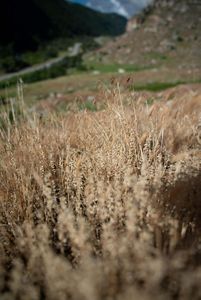
Grassland ecosystems are also threatened by the spread of invasive weeds and diseases. Invasive plants can outcompete native vegetation, while diseases such as sylvatic plague and West Nile virus pose serious risks to wildlife.
Our Work
For more information, contact:
John Carlson
Northern Great Plains Initiative Director
You May Also Like

North America Regenerative Grazing Lands
TNC is committed to conserving native grazing lands and safeguarding the cultural and economic well-being of those who rely on them.

Ranchers Unite Behind Nature-Based Solutions for Unpredictable Rainfall
Discover how a South Dakota rancher has slowed down water on his land, hoping to reduce erosion and improve water quality.

Montana Fence Study
A new study discovers the best modification to make fences easier for pronghorn to cross.

How North Dakota Hunters Benefit Conservation
Hunting is a critical conservation tool in North Dakota.
We Can’t Save Nature Without You
Sign up to receive updates about our work in the Northern Great Plains & beyond.
