

Latin America

- Email: larsocialmedia@tnc.org
-
Follow


The world’s most biodiverse region is at a turning point.
With 40% of the world’s species, more than a quarter of the Earth’s forests and the second largest reef on the planet, Latin America is a beacon of hope for a planet facing a changing climate and growing demands for food, water and energy.
2025 Impact Report
Latin America: Conservation that Lasts
What happens here shapes outcomes for the entire planet.

Iconic Places
Eight Iconic Places
Selected through rigorous scientific and strategic analysis, these places represent the critical intersections of biodiversity, climate, food systems, and human livelihoods—where targeted interventions can shift trajectories at regional and global scales.


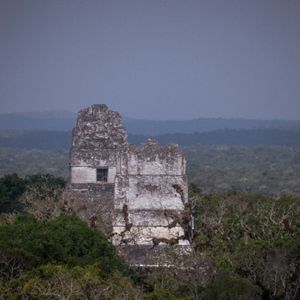
Spanning Mexico, Guatemala, and Belize, where nature competes with expanding agriculture, ranching, fishing, urban growth, and tourism.

The Colombian Orinoquia spans 35 million hectares—larger than New Mexico—and covers 35% of the Orinoco River basin, forming a critical ecological bridge between the Andes and the Amazon.

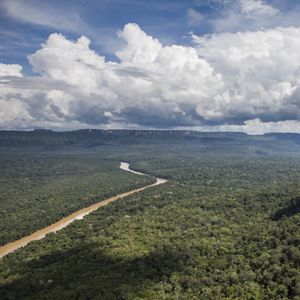
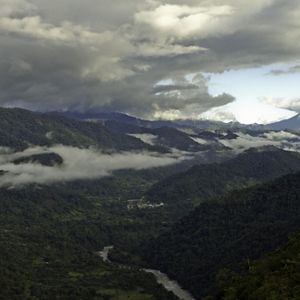
From the Andean headwaters to Brazil’s lowland rainforests, the Amazon functions as a single interconnected system. What happens upstream determines what is possible downstream.

This current, flowing along the coasts of Chile, Peru, and Ecuador, generates roughly 15% of the world’s seafood, making it one of the planet’s most productive marine systems.

The most biodiverse savanna on Earth and one of Brazil’s most strategically important biomes. This hydrological engine sustains ecosystems, agriculture, and energy production nationwide.

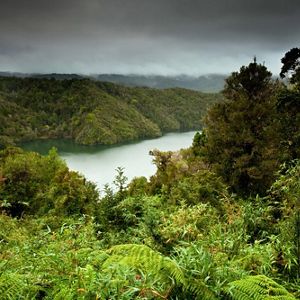
This forest covered 1.3 million km2 (almost 2.5 time the size of France) along Brazil’s coast, but centuries of farming, urbanization, and ranching have reduced it to only 12% of its original extent.

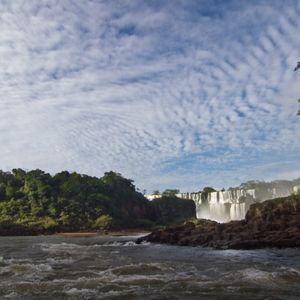
Stretching across Argentina, Paraguay, Bolivia, and Brazil, this is one of the planet’s last great living laboratories where food production, biodiversity, and climate stability still collide at scale.

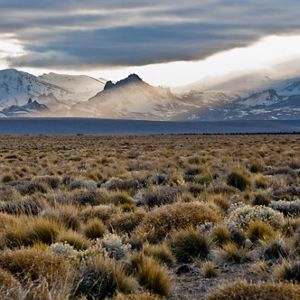
One of earth's last large pristine wild environments. However, decades of unsustainable grazing—especially sheep—have led to vegetation loss, soil erosion, and advancing desertification.
In the Spotlight

Amazon in Peril: Shifting weather patterns are disrupting life across Amazonia.
With a perspective by Silvia Benitez, freshwater director of the Latin American Region for The Nature Conservancy.

Tag the herd, protect the planet
Cattle traceability can serve as an innovative and scalable solution from Latin America to protect the planet: lessons from Pará.

Heart of Cochamó in Chilean Patagonia to Be Protected After Historic Purchase
After a period of local and international fundraising, Conserva Puchegüín announces next steps in creating a 328,000-plus-acre protected area in Chile.

Birdwatching in Paradise: Latin America
Every year, hundreds of birds embark on an epic journey from the north to the south of the American continent, seeking shelter and food.
Reports
Download and view our latest research and real-world solutions to some of the planet’s most pressing issues today.
The Power of Policy
Creating the conditions to scale nature-based solutions for water security
Regenerative Ranching & Agriculture
2025: A Year in Review in Latin America
The Playbook for Climate Finance
Investing in a Thriving Planet
Ecuador's Corredor BioAmazónico
Case Study
Explore more:
TNC's latest researches on Tackle Climate Change, Provide Food and Water, Protect Ocean, Land and Freshwater.
From the Heart of Climate Action
Voices of the Amazon—Local Roots, Global Climate Solutions



TNC in the Press

The Brazil cattle farmers regenerating hope for the Amazon
In the Brazilian state of Para, deep in the Amazon, mile upon mile of deforested land flanks the dusty road. Pastureland dotted with an occasiona

‘I can’t think of a place more pristine’: 133,000 hectares of Chilean Patagonia
Ancient forests and turquoise rivers of the Cochamó Valley protected from logging, damming and development

ADERASA, The Nature Conservancy, and Forest Trends Announce New Partnership to Advance Nature-based Solutions for Water
Nature plays a critical role in ensuring the resilience and sustainability of our drinking water and sanitation systems.
Your Chance to Give Back
From Mexico’s Baja California in the north to Argentina’s Patagonia in the southern tip, The Nature Conservancy has been working in Latin America for more than 45 years to protect its lands, waters and oceans.