

Covering more than 40% of Earth’s surface, grasslands provide us with food, clean water, fresh air and climate stability. They sustain some of Earth’s most iconic and threatened species, as well as epic long-distance wildlife migrations. Together with partners and local communities, The Nature Conservancy is working around the world to protect and restore grasslands and rangelands, helping people and nature thrive.
Globally, TNC is committed to conserving grasslands and working rangelands, supporting the long-term viability of ranching and pastoralist livelihoods through regenerative grazing, and addressing the continuing threats of climate change through our science, tools and partnerships.
Our Work in Grasslands and Rangelands
Since its founding in 1951, TNC has worked to conserve grasslands as part of its mission to protect the lands and waters on which all life depends. Early efforts focused on acquiring and safeguarding high-value natural areas, including prairies and rangelands, guided by ecological science. Over time, TNC expanded its approach to address grasslands at an ecosystem scale, recognizing them as working lands vital to biodiversity, climate resilience and rural livelihoods.
Today, TNC works globally—across North America, Africa, Asia and Latin America—partnering with communities to protect, restore and sustainably manage grasslands that are among the world’s most threatened ecosystems. We complement our place-based work with public and private sector engagement so that governance, policy, supply chains and finance align to support conservation of these critical systems.
Challenges
-

Invasive Species
Invasive species spread quickly and crowd out native grasses.
-

Land Conversion
Conversion to cropland or tree planting, which destroys native grasslands and releases large amounts of stored soil carbon.
-

Climate Change
Climate change is causing more frequent droughts, heat stress and unreliable rainfall.
-

Policy
Grasslands being overlooked in global conservation policies, leaving them vulnerable to loss and degradation.
-

Overgrazing
Overgrazing, which weakens grass roots, degrades soil and reduces plant and wildlife diversity.

Where We Work
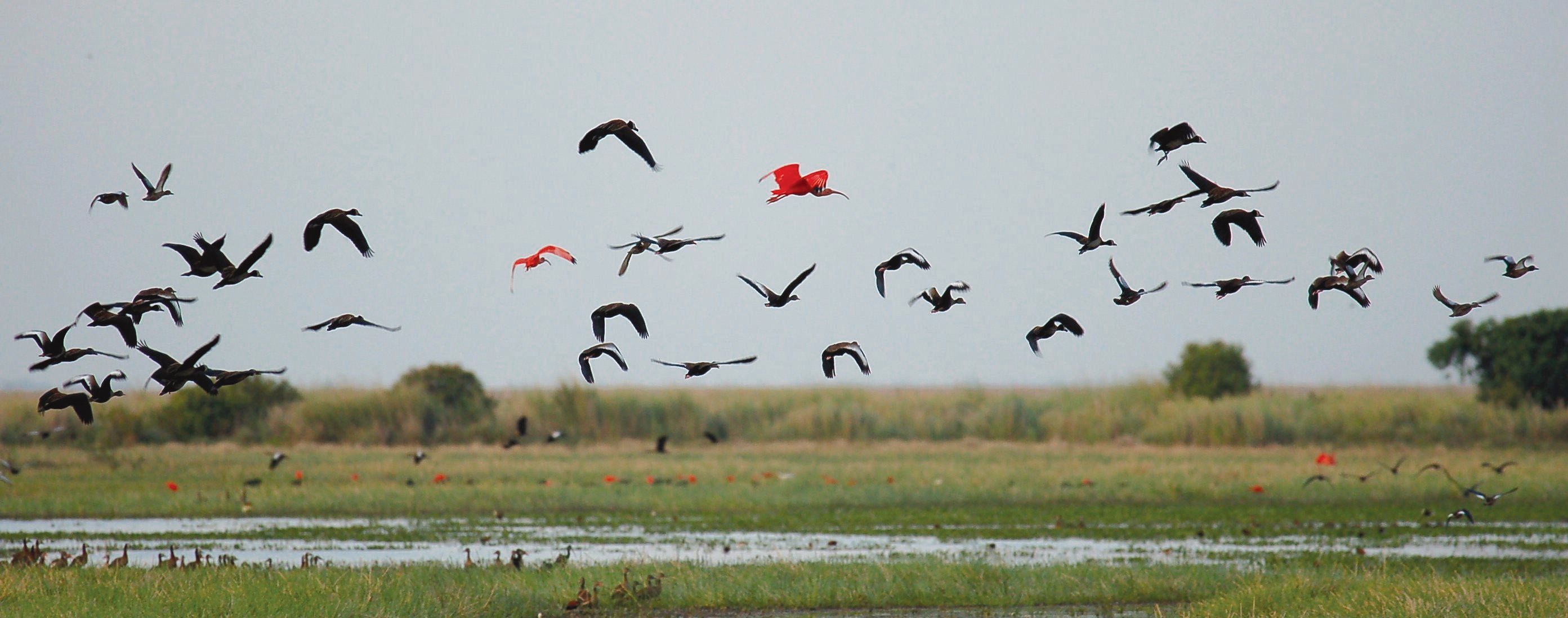
National Natural Park Serranía de Manacacías, Colombia
Spanning 168,476 acres (68,180 hectares), an area nearly four times the size of Washington, D.C., the newly established National Natural Park Serranía de Manacacías safeguards an essential wildlife corridor that connects the Orinoquia, the second largest tropical savanna in the continent, and the Amazon, the largest river basin and rainforest on Earth.
Since 2018, TNC has been working with landowners neighboring the new park to establish private reserves and promote sustainable ranching practices. In 2023, TNC partnered with the Colombian National Parks Agency and a group of nongovernmental organizations, research institutes and government agencies to support the formal protection of this vital wildlife corridor. TNC’s vision is a landscape where the protected area is linked to private reserves and foodscapes that improve ecological connectivity, climate resilience and food production, creating a sustainable future for the Orinoco grasslands and the unique culture they support.
Where We Work
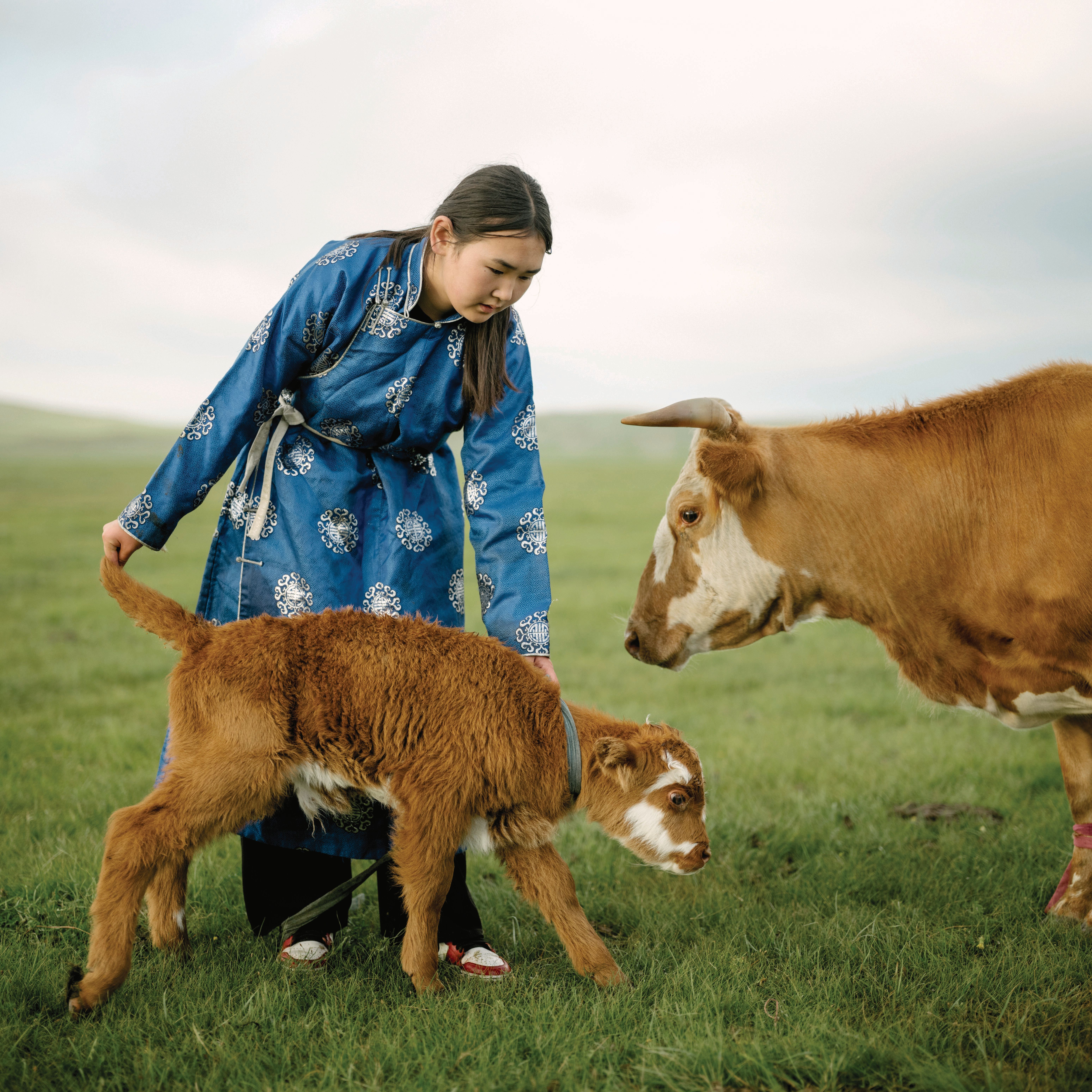
Eternal Mongolia
In April 2024, Mongolia announced a nearly $200 million effort that aims to protect the country’s extraordinary grassland ecosystems while honoring generations of traditional pastoralist knowledge and supporting sustainable livelihoods and futures.
It will take at least 15 years to complete—through a major partnership of government officials, nongovernmental organizations, herders and others—but will amount to one of the most ambitious land conservation efforts in the modern era. The agreement was negotiated by the Government of Mongolia, The Nature Conservancy and the Mongolian Nature’s Legacy Foundation within the Project Finance for Permanence model championed by global conservation partnership Enduring Earth. Through the Eternal Mongolia PFP, the nation will expand its protected-areas network by 35 million acres, securing protections for 30% of its lands and fresh water.
Eternal Mongolia will provide durable funding to strengthen management of the country’s existing protected-area system over the next decade. And it will expand work with Mongolia’s roughly 200,000 herding families to shift to more sustainable grazing practices across another 84 million acres of land outside of the national protected areas.
Mongolia’s landmark initiative safeguards vast grasslands while supporting herders and securing a long-term conservation legacy.
Where We Work
Victoria, Australia
Supporting key species
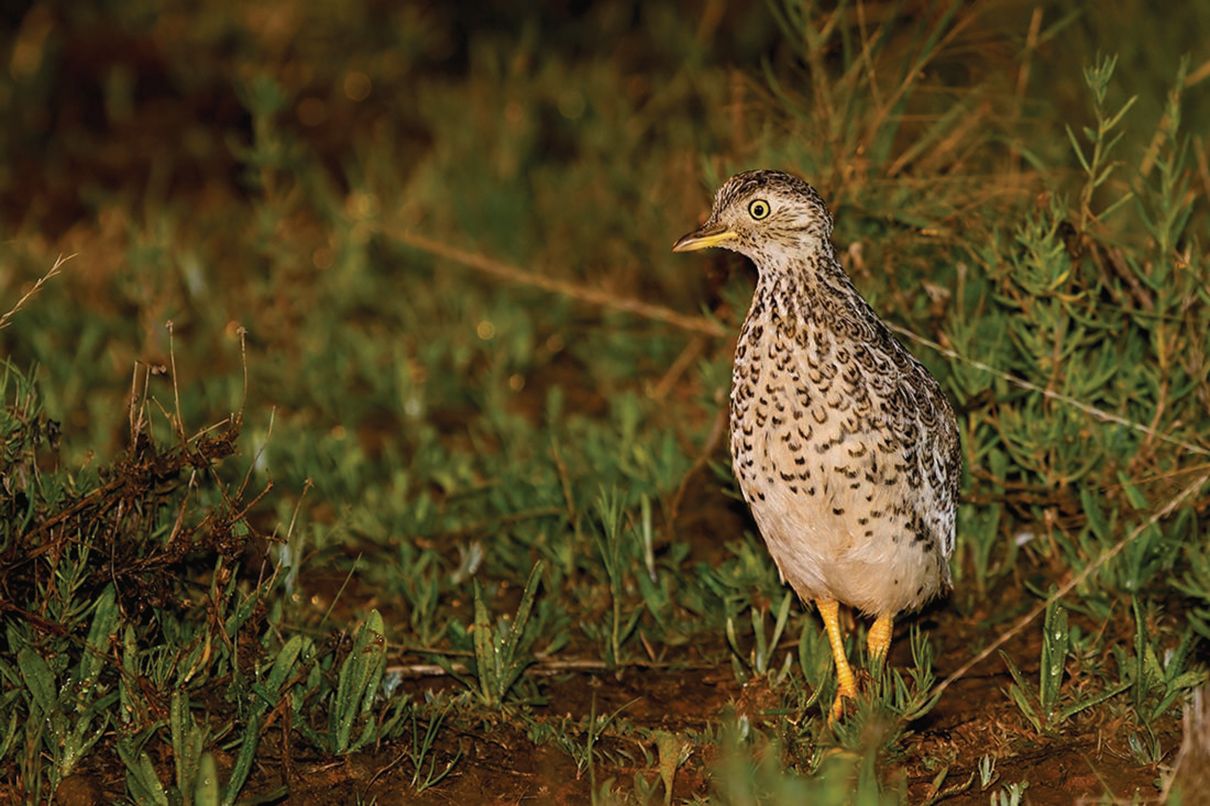
With less than 10% remaining, the fragmented lowland grasslands of southeastern Australia are among the world’s most threatened and poorly conserved ecosystems. The critically endangered plains wanderer bird (Pedionomus torquatus) relies on these grasslands as their primary habitat.
In partnership with The Trust for Nature, Victoria and local landowners, TNC supported the protection of 422 hectares through a reverse auction process, which enabled landowners to permanently protect this critical grassland habitat while retaining their livelihoods. The project has increased the extent and connectivity of protected grasslands in southeastern Australia and habitat for the plains wanderer—securing their future existence. In the process, the project also established a new framework for partnerships within the local community and beyond, to create enduring connections between people and nature.
Where We Work
ESTEPPA Program, Argentina
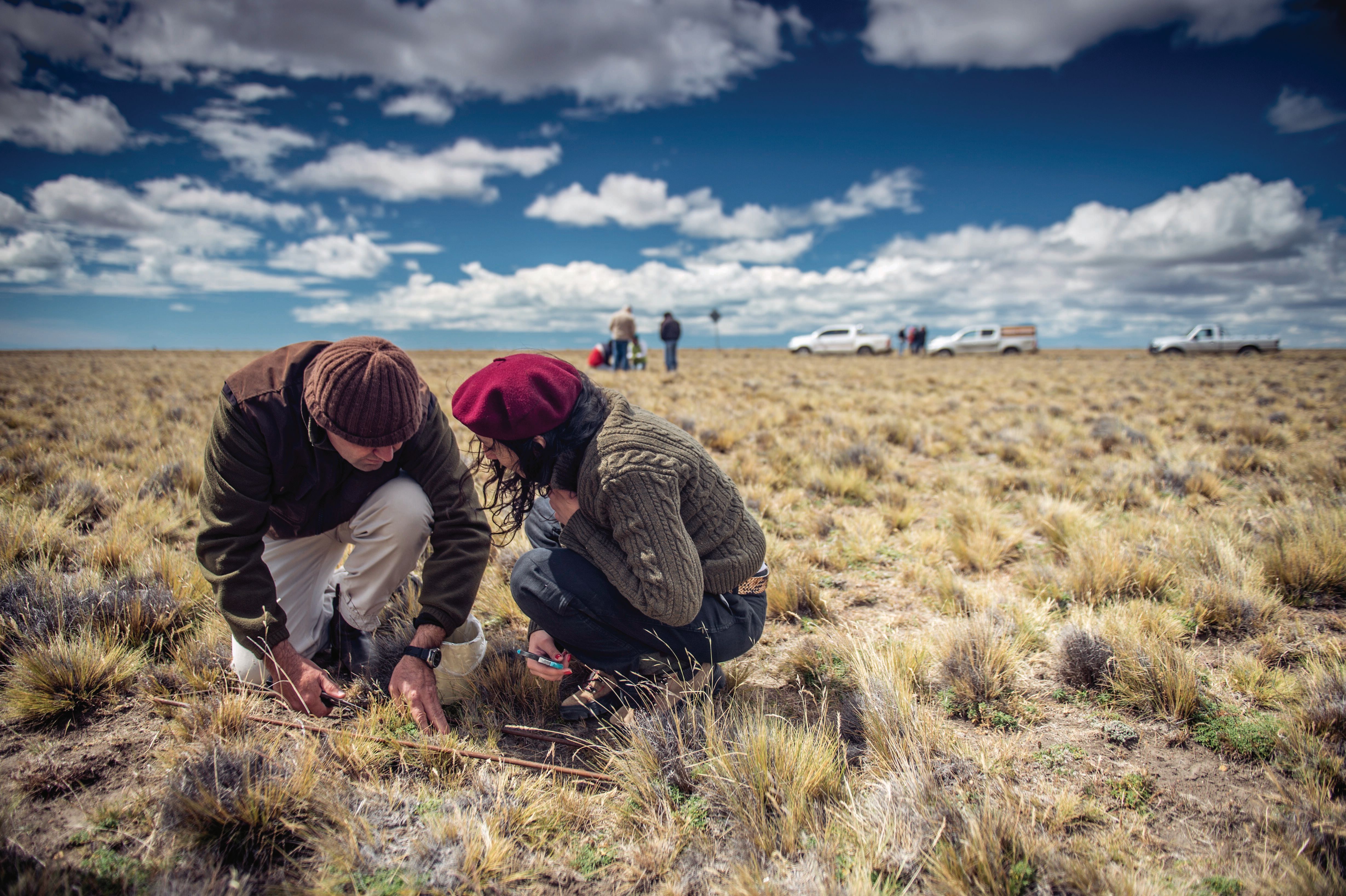
ESTEPPA Program, Argentina In Patagonia, a working ranch demonstrates how regenerative grazing can restore landscapes, strengthen livelihoods and markets and build a more sustainable future for people and nature.
A 5,000-hectare ranch in the province of Neuquén, Fortín Chacabuco is a demonstration hub for the ESTEPPA Program (Strategies for Production and Grazing in the Patagonian Steppe), which provides ranchers with resources, science and tools to implement regenerative grazing practices.
Its main objectives include promoting sustainable livestock systems across economic, social and environmental dimensions; developing a carbon credit project based on regenerative grazing to enhance biodiversity and community well-being; generating and sharing practical knowledge on topics such as wetland management, fire prevention and wildlife conservation; and strengthening the wool and meat markets.
Where We Work
Kenya and Tanzania
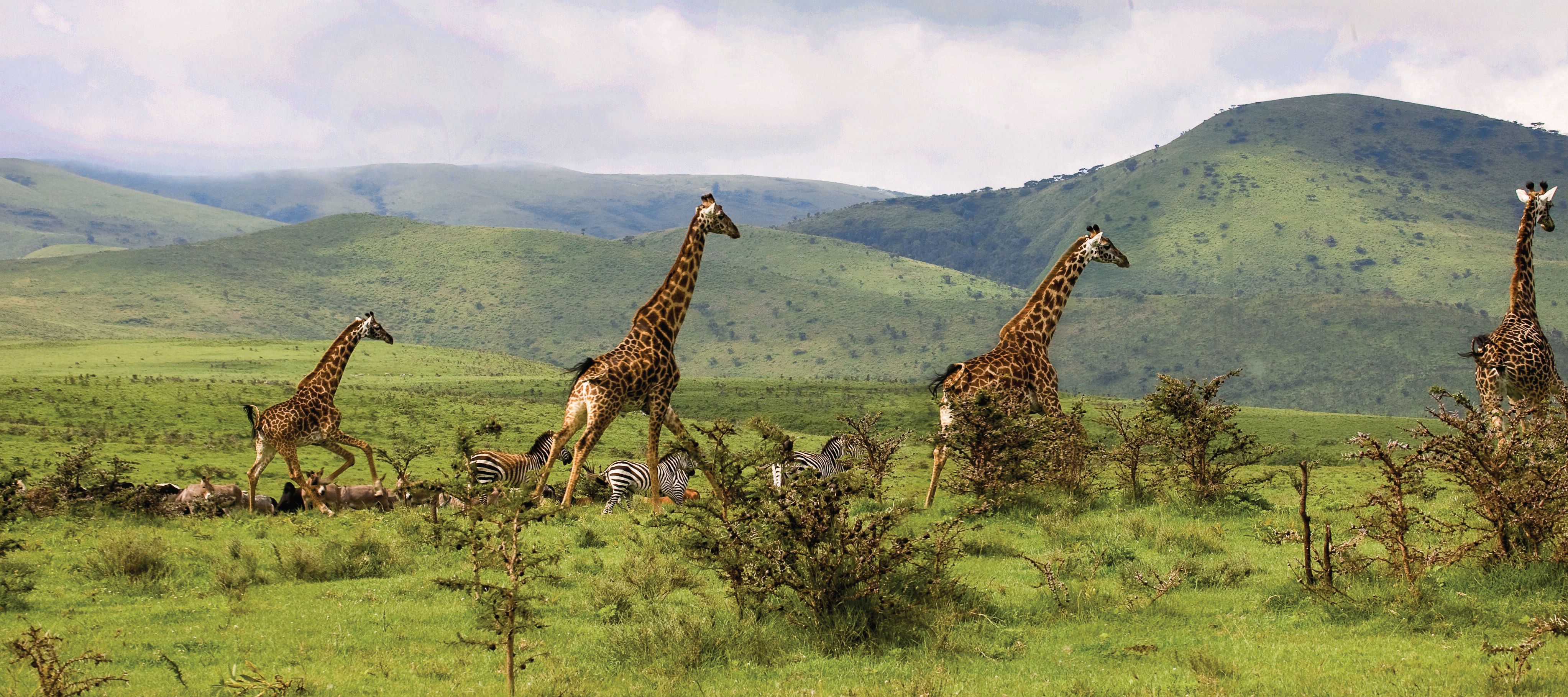
Community leadership is restoring grasslands in East Africa, reviving traditional practices and creating new opportunities for livelihoods, wildlife conservation and climate resilience.
Across northern Kenya and northern Tanzania, TNC is advancing community-led grassland restoration that supports livelihoods, wildlife and climate resilience. In northern Kenya, TNC works within community conservancies such as Westgate Conservancy, where decades of intensive grazing and increasingly severe drought degraded rangelands that pastoral communities depend on.
Local women and elders now lead restoration by temporarily resting land from grazing, reseeding native grasses, and using water harvesting techniques like half-moon planting basins. These efforts have restored forage for livestock, helped improve habitat for endangered wildlife such as Grevy’s zebra, and created new income through grass seed sales and emerging soil carbon markets that fund education and healthcare.
In northern Tanzania, TNC partners with Maasai communities to revive traditional, rotational grazing practices that once sustained healthy grasslands across shared wildlife corridors. Since 2018, TNC has helped expand planned grazing systems from a handful of villages to more than 30, while also training local leaders to manually remove invasive plant species that crowd out native grasses. By improving grassland health, this work supports cattle production, iconic wildlife such as elephants and wildebeest, and tourism-based community revenue. Together, these projects show how locally led stewardship can restore grasslands while strengthening culture, food security and rural economies.
Where We Work
Southern High Plains Initiative, USA
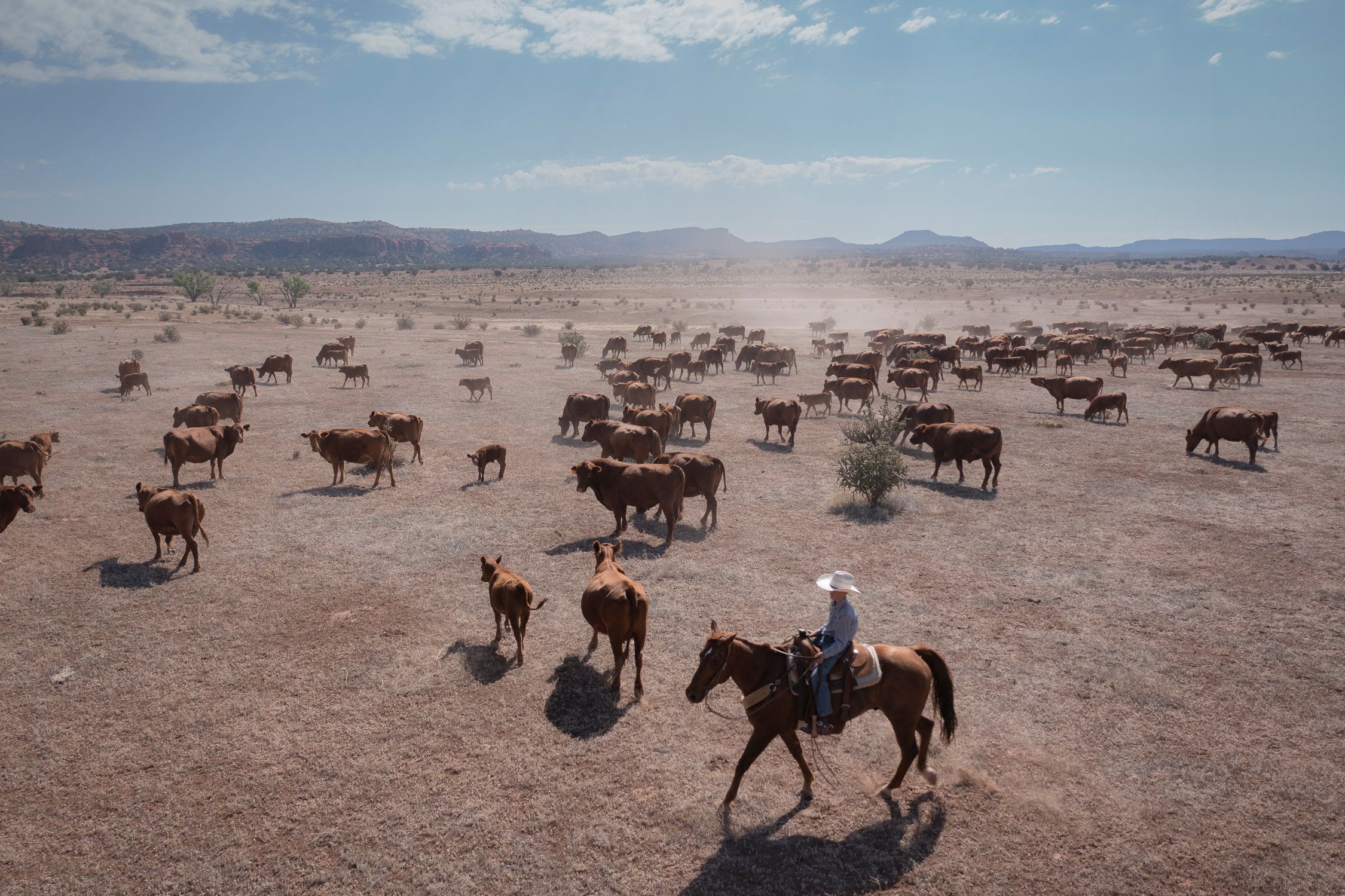
Across five states, a bold effort is conserving prairie while sustaining wildlife and ranching communities.
TNC’s Southern High Plains work focuses on protecting one of the largest, least conserved short-grass and mixed grass prairie ecosystems in the United States, spanning Colorado, Kansas, New Mexico, Oklahoma and Texas. This 71-million-acre landscape represents one of the greatest remaining opportunities for large-scale grassland conservation in North America—yet less than 11% of the region’s most important grasslands are currently protected.
The initiative aims to conserve and manage a combined 4 million acres of native grasslands by safeguarding large, connected landscapes that support wildlife movement, water resources and climate resilience while sustaining ranching communities. The region provides critical habitat for species such as the lesser prairie chicken (more than half of the global population depends on these grasslands) and overlies the Ogallala Aquifer, a vital water source for communities and agriculture.
TNC partners with landowners, ranchers, Tribal Nations, agencies and policymakers to advance conservation easements, sustainable grazing practices and habitat restoration. Since 2020, the initiative has introduced innovative financial tools that reward stewardship, help keep lands intact and productive, and serve as a national model for conservation on working grasslands.
Where We Work
Kansas, USA
The Importance of Research
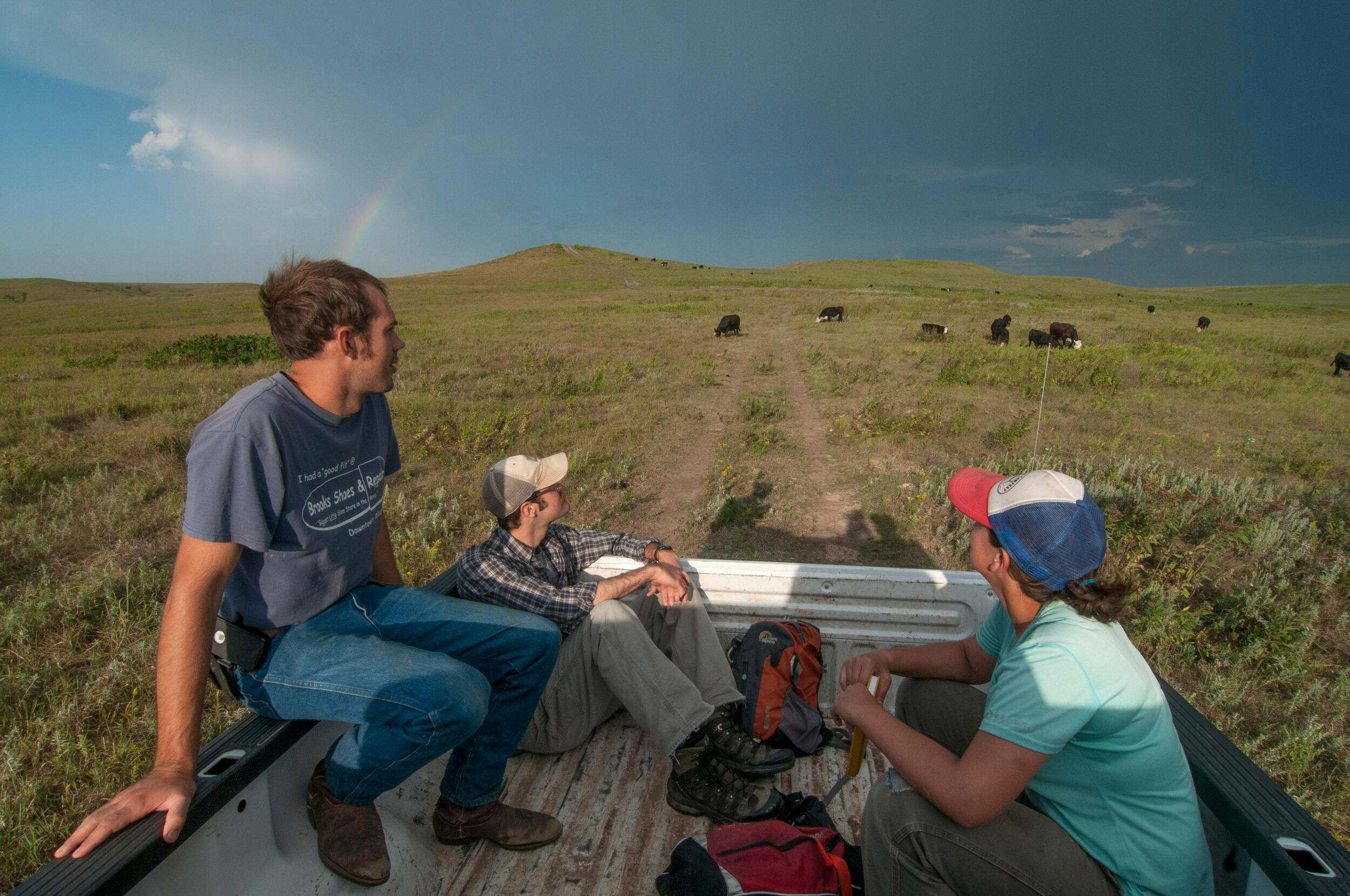
One example of TNC’s science-led approach to grassland conservation is Konza Biological Research Station, located in the Flint Hills tallgrass prairie in the United States. It is primarily owned by The Nature Conservancy and operated as a field research station by Kansas State University.
Since 1971, research at Konza has resulted in over 2,000 scientific papers. Konza is dedicated to long-term ecological research on grassland dynamics, education and prairie conservation.
This research provides insights into how conservation needs to adapt to sustain grasslands in a changing world, specifically related to climate and hydrologic change and woody invasion. It contributes to the global understanding of grassland ecosystems worldwide—and has provided key insights and tools in keeping grasslands healthy and thriving.
Our Vision for Grasslands and Rangelands
-

No net loss of grasslands
-
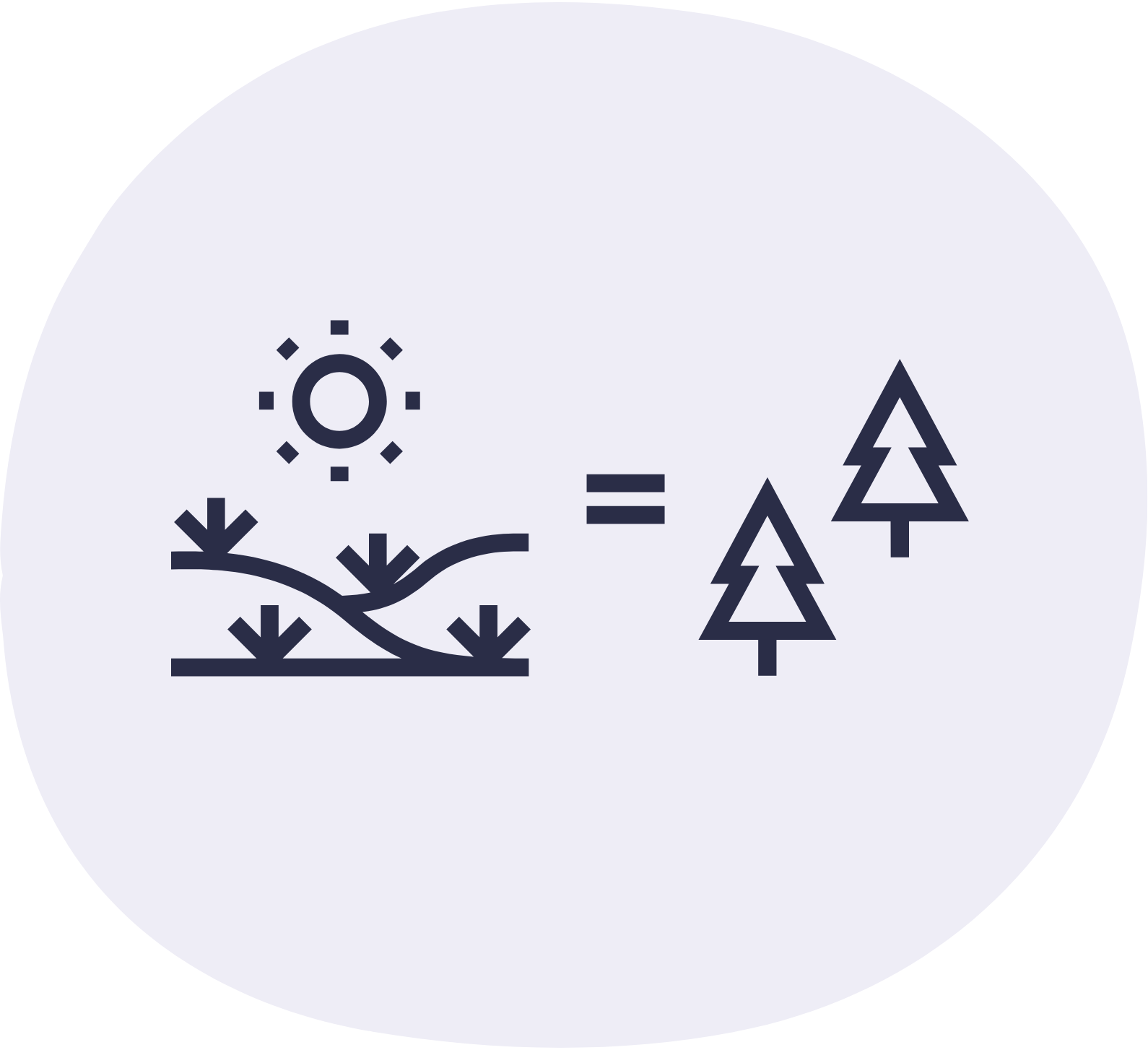
Enhanced protection of grasslands
-

Restoration of degraded grasslands.
-

Sustainable management of grasslands.
Grasslands and rangelands are essential to achieving The Nature Conservancy’s 2030 goals—and they need champions.
As the most imperiled ecosystems on earth, they underpin global food systems, sustain livelihoods for marginalized communities, support iconic wildlife and offer one of our greatest opportunities to address climate change.
Now is the time to elevate this work and inspire investment in a future where people and nature thrive together.
Want more information?
Related Articles

Half of Americans Have Little to No Knowledge of Grasslands, the Country’s Largest Natural Habitat
A new survey finds that, after learning more, 68% of respondents now consider grasslands a critical ecosystem.

Grasses are Everything
Warda Kanagwa, TNC’s livestock and grazing officer in northern Tanzania, helps the Maasai people protect grasslands that are foundational to their livelihood and to the region’s spectacular wildlife.

How Fire Revitalizes Native Grasslands
Our grasslands evolved with fire. We’re helping to bring fire back, safely and intentionally.