
interstitialRedirectModalTitle

interstitialRedirectModalMessage

Places We Protect

Otter Brook

New Hampshire

A man stands on the edge of a wooded river.
Otter Brook Exploring the Otter Brook Preserve in Sullivan, New Hampshire. © Eric Aldrich/The Nature Conservancy

Wander quiet forest trails, discover hidden ponds, and immerse yourself in the wild beauty of this preserve in the heart of the Andorra Forest.

Overview

Description

Otter Brook Preserve offers more than 1,300 acres of forests, wetlands, and quiet ponds in the hills of southwestern New Hampshire. Its network of trails winds through hardwood stands and along clear streams, making it a great spot for hiking, wildlife watching, and enjoying the outdoors. The preserve also safeguards significant portions of the Otter Brook headwaters, helping to keep water clean for communities downstream and supporting healthy aquatic habitats.

This landscape holds pieces of the past as well. Along the trails, you’ll find cellar holes from 18th-century farmsteads and remnants of old mill sites—signs of the people who once lived and worked here. Today, Otter Brook is a place to explore, reflect, and experience the beauty and history of New Hampshire’s backcountry.

Access

OPEN TO THE PUBLIC

Hours

Dawn to dusk, daily.

Highlights

Historic mill sites, an old foundation and signs of wildlife can be observed from the trails on this preserve. Many love to fish in Otter Brook.

Size

1,303 acres

Explore our work in New Hampshire

Photos from Otter Brook Preserve

Otter Brook offers wildlife, scenery, hiking and history in a peaceful Monadnock setting.

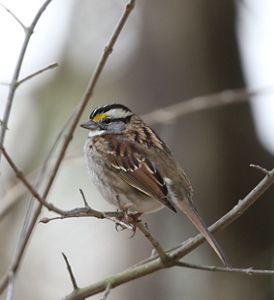
A white-throated sparrow sitting on a bare branch.
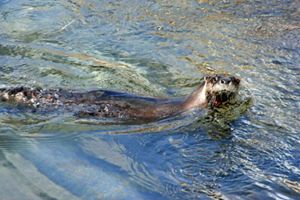
An otter swimming in a stream.
A beaver lodge on a stream in the woods.
An white rabbit in the snowy woods.
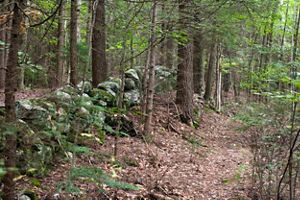
A rock wall in the woods.

Visit

    • Quiet Forests and Wetlands: Explore a mix of hardwood and conifer forests, open wetlands and clear streams that support diverse wildlife.
    • Scenic Ponds: Pause at Bolster Pond and Ellis Reservoir for peaceful views and birdwatching opportunities.
    • Wildlife: Keep an eye out for moose tracks, beavers, and songbirds along the trails.
    • Historic Sites: Discover cellar holes from 18th-century farmsteads and remnants of old mill operations.
    • Wilder Hill Trail (2.4 miles): Leads to the Wilder family cellar hole, dating back to the late 1700s.
    • Clarence Jewett Trail (1.3 miles): Passes a rocky stream and Jewett’s “bathtub” pool.
    • Ellis Reservoir Trail (1.5 miles): Follows an old woods road past remnants of an 1818 mill and crib dam.
    • Kendall Lane Trail (2.8 miles): Former woods road through young forest, great for a longer hike.
    • Parking: Small gravel lot on Bowlder Road accommodates 4–6 cars.
    • Cell Service: Spotty; Verizon works best.
    • Dogs: While we love pets, they are not permitted at this preserve.
    • Seasonal Conditions: Trails can be muddy in spring and icy in winter—wear appropriate footwear.
    • Emergency Access: Wilder Hill trailhead (Bowlder Road) is the designated access point.
  • To minimize disturbance of the wildlife and habitat of this nature preserve and to support the enjoyment of all visitors, please follow these guidelines:

    • Leave No Trace—please keep the preserve clean by carrying out your trash.
    • Respect the natural world around you! Do not remove or destroy plants, wildlife, minerals, rocks or cultural items.
    • No camping or open fires allowed.
    • Hunting is allowed in parts of the preserve. Please obey all posted signs and contact the New Hampshire Fish & Game Department for dates and regulations.
    • Pets are not permitted; help us protect wildlife on the preserve and be respectful of other hikers by leaving your pets at home.
    • The use of Other Power-Driven Mobility Devices is limited to: Non-combustible engine, no wider than 36", weighing less than 500 lbs and doesn’t exceed walking speed. Restricted to Kendal Lane Woods Roads.
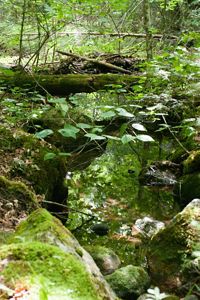
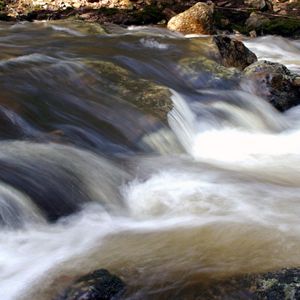
A rushing stream in the woods.
Otter Brook Otter Brook rushes through the preserve that bears its name. © Daryl Burtnett/TNC

History

From Ancestral Homelands to Hidden Cellar Holes

Otter Brook Preserve is more than a natural landscape—it’s a window into New Hampshire’s past. Long before roads and farmsteads, this land was part of N’dakinna, the ancestral homeland of the Abenaki people. For thousands of years, rivers and wetlands like those at Otter Brook supported seasonal hunting, fishing, and gathering. These waterways were vital travel routes and remain central to Abenaki cultural traditions today.

By the late 1700s, European settlers began to clear the hills for farms and mills. The Wilder Hill Trail leads to the cellar hole of Luther Wilder’s homestead, built around 1789. His son Allen likely tapped maple trees and cut lumber before selling the property in 1847.

Other trails tell their own stories. The Clarence Jewett Trail honors a local naturalist who spent summers foraging for blueberries and exploring these woods. Near Ellis Reservoir, visitors can find remnants of an 1818 mill and crib dam, reminders of the small-scale industry that once powered rural communities. Today, these traces of history add depth to every hike, connecting the preserve’s quiet forests to the lives and work of those who came before.


Nearby Preserves

Need more nature? Visit The Nature Conservancy's other preserves.

Find More Places We Protect

The Nature Conservancy owns nearly 1,500 preserves covering more than 2.5 million acres across all 50 states. These lands protect wildlife and natural systems, serve as living laboratories for innovative science and connect people to the natural world.

See the Complete Map

Support Our Work

Your contributions help us continue our conservation work in New Hampshire.