


Description
Twice a year, The Nature Conservancy invites the public to visit the Hollister Chenier Preserve in coastal Cameron Parish for a front row seat to seasonal bird migration. Derived from the Cajun French word, chêne, meaning "oak," a chenier is a sandy or shelly, oak-covered ridge interspersed with marshy deposits, found along coastlines like we have in Louisiana.
In contrast to other units within TNC's private system of Louisiana nature preserves, this property is managed as a servitude, which also is known in the conservation community as an easement. Under a servitude, a private landowner enters into a legally binding agreement with TNC to place certain restrictions on a piece of land to protect its natural features in exchange for maintaining ownership.
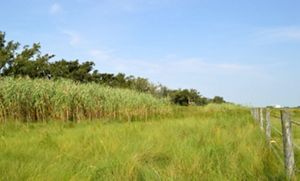
In the case of the Hollister Chenier Preserve, the landowners allow TNC to manage wildlife habitat and maintain trails. When the servitude agreement was executed in 2004, the 29-acre property boasted two high ground cheniers that included healthy, mature coastal live oak-hackberry forest divided by an open, non-native pasture. After damage from several hurricanes and efforts to replant the site with native hardwoods, the preserve now represents a young, developing forest.
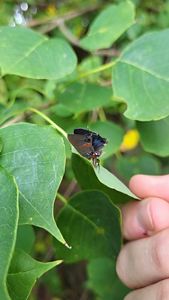
Due to its location, elevation and migratory bird patterns, the Hollister Chenier Preserve represents a place that rivals Grand Isle as a stopover habitat of significance for neotropical migratory birds crossing the Gulf on journeys between North and South America along the Mississippi Flyway. To ensure there is healthy habitat for the birds and other wildlife, TNC is working to restore and maintain cheniers at this property. Over the years, many cheniers in this region have been converted to pasture or into mowed grassy areas for duck camps, housing and other types of development.
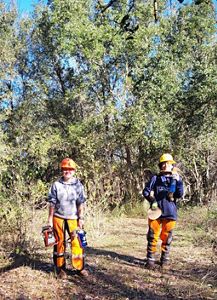
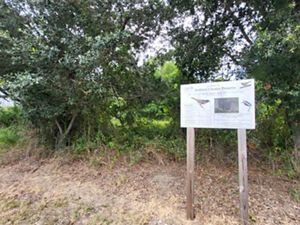
Seasonally opening the property to public visitation, with the landowners’ permission, provides an opportunity to raise awareness about protecting this rare ecosystem. Between seasonal migration, TNC’s staff teams up with Louisiana GulfCorps members and others to remove invasive weeds and plant native trees that will add resilience to this uniquely Louisianan landscape.