

Find Your Connection in Nature Stories
Wildlife Watching at The Nature Conservancy’s Preserves
Bare trees and quiet landscapes make winter the perfect season for spotting wildlife.

Winter feels cold, quiet and still. But nature is alive with activity!
The chilly season might lack the summertime chorus of frogs and insects, the songs of migrating birds and the chatter of hikers on trails. But look closely and listen intently and you are likely to discover a quieter world of animal activity all around. You might spot animal tracks in the snow, happen upon playful otters sliding along an ice-covered creek or spot birds resting in leafless trees. If you’re lucky, you’ll hear the flutter of feathers as you hike nearby, the crunching of leaves or snow under hooves and paws or even some mysterious snorts and whistles.
Winter is a special time to explore the great outdoors and witness unique—even abundant—nature. Prepare your senses. (And make sure you are wearing the right gear!)
Working For Winter Wildlife
Some animals migrate to warmer locations during winter months. Others hibernate. But there are many who tough out the cold and even thrive during the snowy season. (We see you, bison!) Regardless of which category a species falls into, we know one thing’s for sure—when it comes to winter in much of the United States, the work we do at The Nature Conservancy all year pays dividends when during cooler months when there is a little less activity on the landscape.
Winter Critters to Spot at TNC Preserves
Discover the wildlife that thrives when the temperature drops at TNC preserves across the country.


Get Out and Explore
Around the country, many of TNC’s preserves provide safe, scenic spaces to experience winter wildlife. Whether you are a seasoned birder, cross country ski enthusiast or feel curious about what you might see in quieter, cooler landscapes, we invite you to learn more about what’s going on at our nature preserves this time of year.
Find a Preserve Near YouA Journey Into the Quiet Season
Across the country, TNC preserves offer exceptional opportunities to experience the stillness of the winter season. From coastal marshes alive with migratory birds to forested ridges where tracks tell the story of unseen animals, each place offers its own version of the cold-season spectacle.
Below, you’ll find a list of states where you can explore some of the best winter wildlife watching TNC has to offer. Whether you’re a seasoned birder or a first-time explorer, winter is the perfect time to discover how much life thrives in the quiet months.
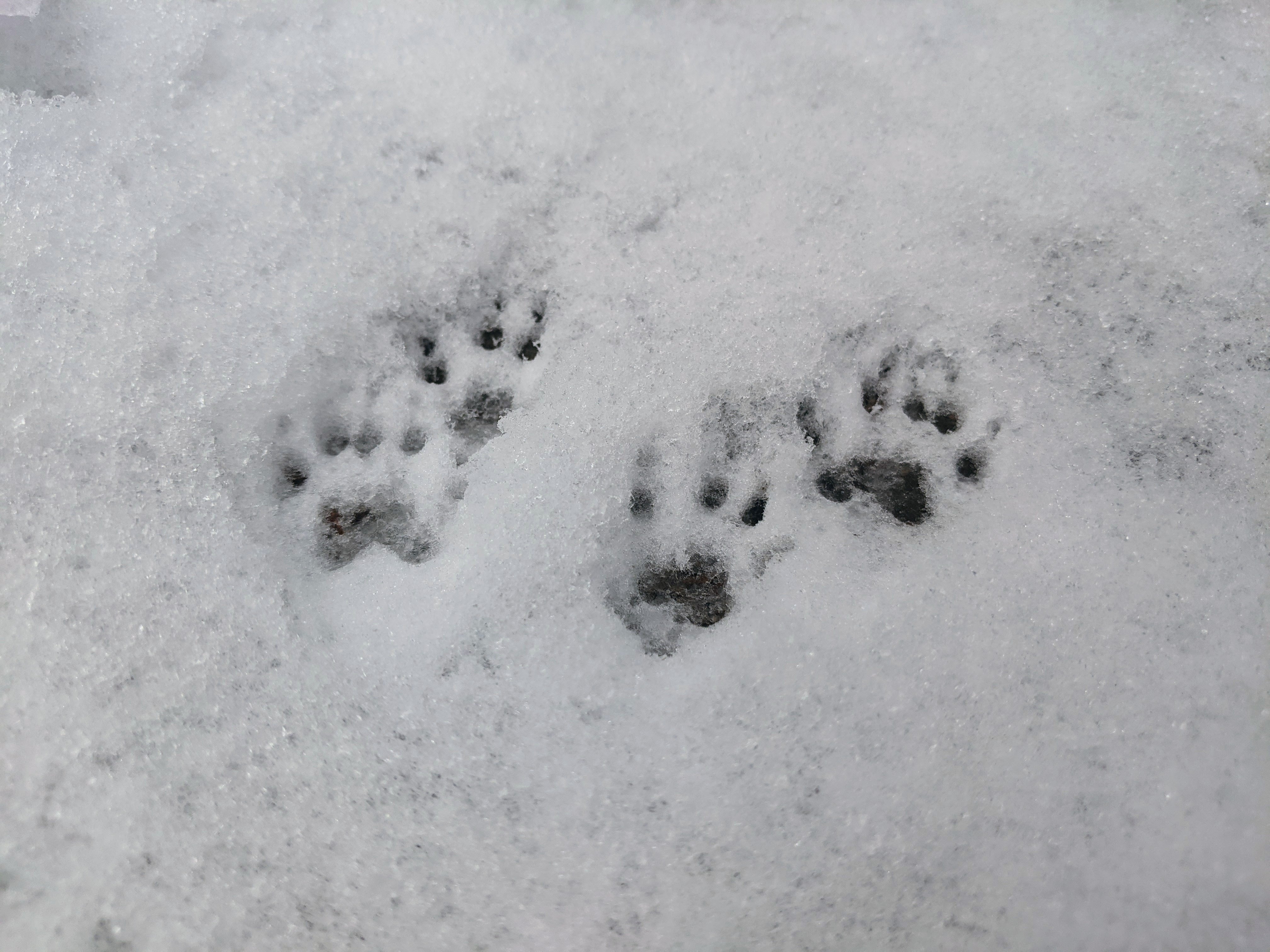
Animal Tracks in New Hampshire
Described as a “living museum of biodiversity,” TNC’s Sheldrick Forest Preserve is part of a larger 2,800‑acre mosaic of conservation lands. Its rolling, glacially sculpted terrain, complete with winding eskers, ravines, seeps and streams, creates a uniquely textured winter landscape that feels both serene and adventurous at the same time. More than three miles of trails lead visitors through mixed hardwoods and impressive stands of old‑growth trees, including towering white pines, hemlocks, red oaks, beech and black birch that have stood undisturbed for nearly two centuries. With a fresh layer of snow, the preserve becomes an ideal place to spot animal tracks. Look for signs of white‑tailed deer, red fox, bobcat, black bear and fisher as you explore this quiet winter forest. And keep your ears open for the “who cooks for you” call of the barred owl.
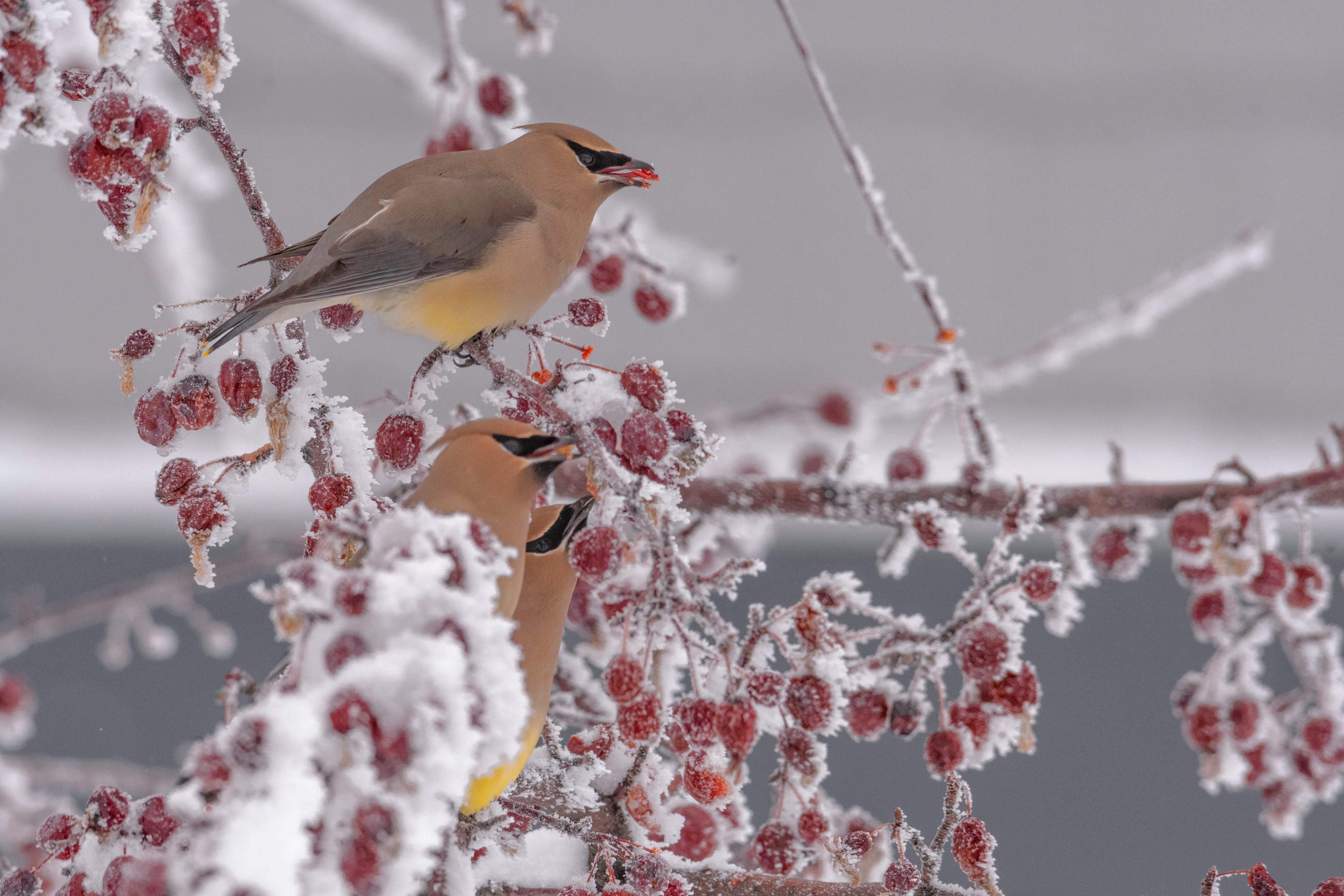
Bird Abundance in Pennsylvania
Situated along the southeastern edge of the Pocono Mountains plateau, TNC’s Long Pond Preserve Complex boasts a nod from the Audubon Society as an Important Bird Area of Pennsylvania thanks to its bogs, swamps, barrens, oak forest, boreal forest and northern hardwood forest. During winter, visitors have a good chance of spying northern flickers foraging on the ground for ants and insects unlike most woodpeckers spotted working hard up in the treetops. Bird enthusiasts might also see American robins, black-capped chickadees, golden crowned kinglets and colorful cedar waxwings — with their subtle hues of browns, grays and yellows, and black mask — feasting on dried berries and fruits this time of year. Make sure to leave time to check out the preserve’s nature center after exploring the surrounding trails.
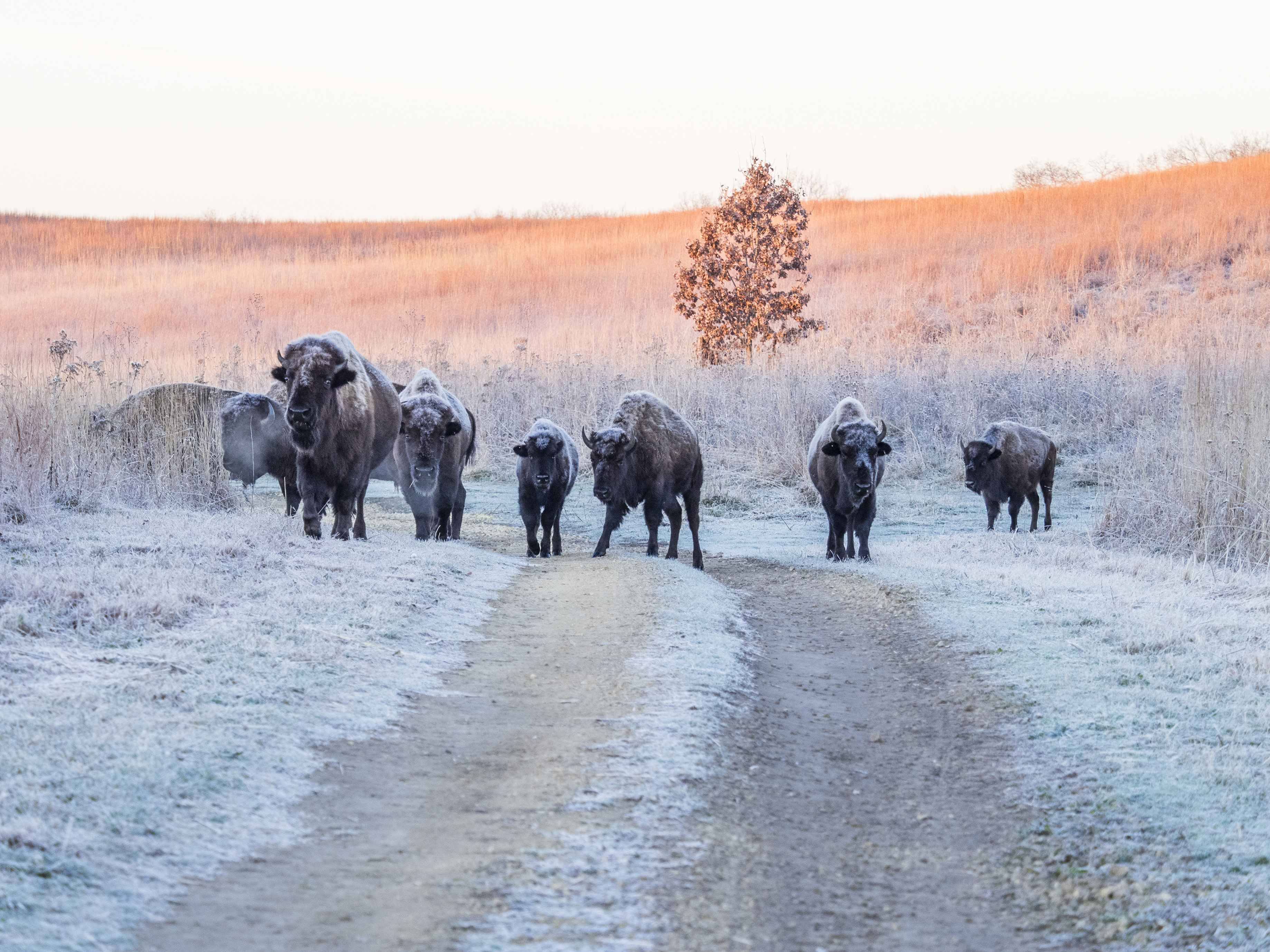
Bison in Illinois
With their thick winter coats, bison seem unbothered by any kind of weather. So why not try to catch a glimpse of TNC’s Nachusa Grasslands Preserve herd during winter? Before you go, note that snow is common this time of year in Illinois and TNC does not clear it off of the preserve’s trails. However, while never guaranteed, the bison can also be viewed from the road. Visitors who decide to explore this vast landscape’s trails will likely be treated to sightings, or signs of, the preserve’s other winter residents, including white-tailed deer, coyotes, dark-eyed juncos, brown creepers and red-headed woodpeckers. While the preserve’s prairie, wetlands and woods are open to the public every day, deep snow can make them hard to navigate and so proceed with caution. Make sure to stop by the Visitor Center to learn more.
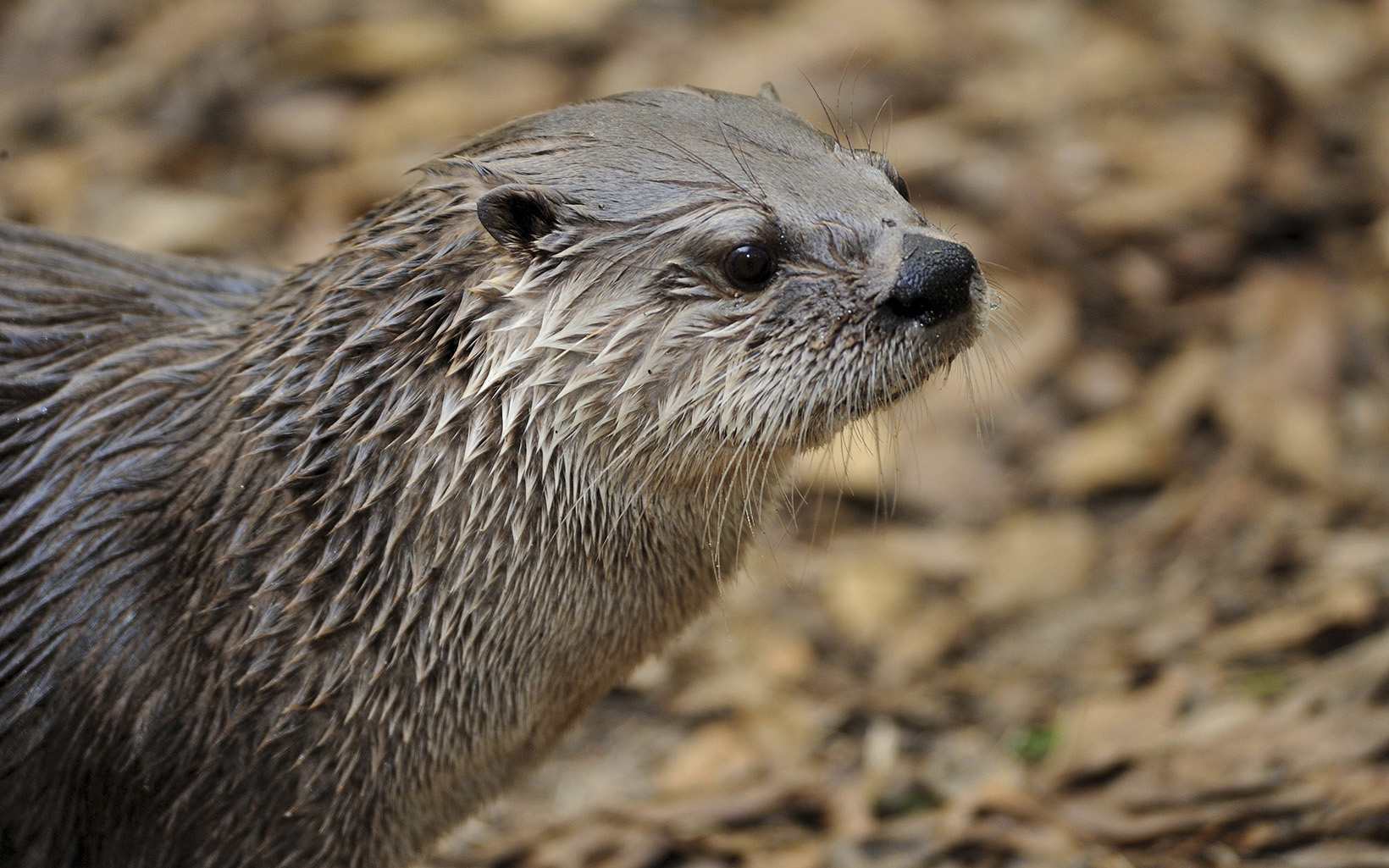
Caught on Camera in Maryland
Nassawango Creek is one of the last pieces of true wilderness left on the East Coast. Dominated by bald cypress and black gum, the massive trees of this primeval forest envelop visitors with ample shade and security. At nearly 10,000 acres, this landscape encompasses one of the northernmost remaining examples of a bald cypress swamp. Visitors to TNC’s Nassawango Creek Preserve can explore quiet trails and paddle along tannin‑rich waters year‑round. In winter, the preserve comes alive with wildlife. River otters slip through icy creeks, red foxes scurry around as their mating season begins and wild turkeys forage beneath frosted trees. Birdwatchers can look for dark-eyed juncos, Carolina wrens, bald eagles and more, making Nassawango a peaceful haven for nature lovers even in the coldest months.
Nassawango Creek Wildlife Camera


Eagles in Illinois
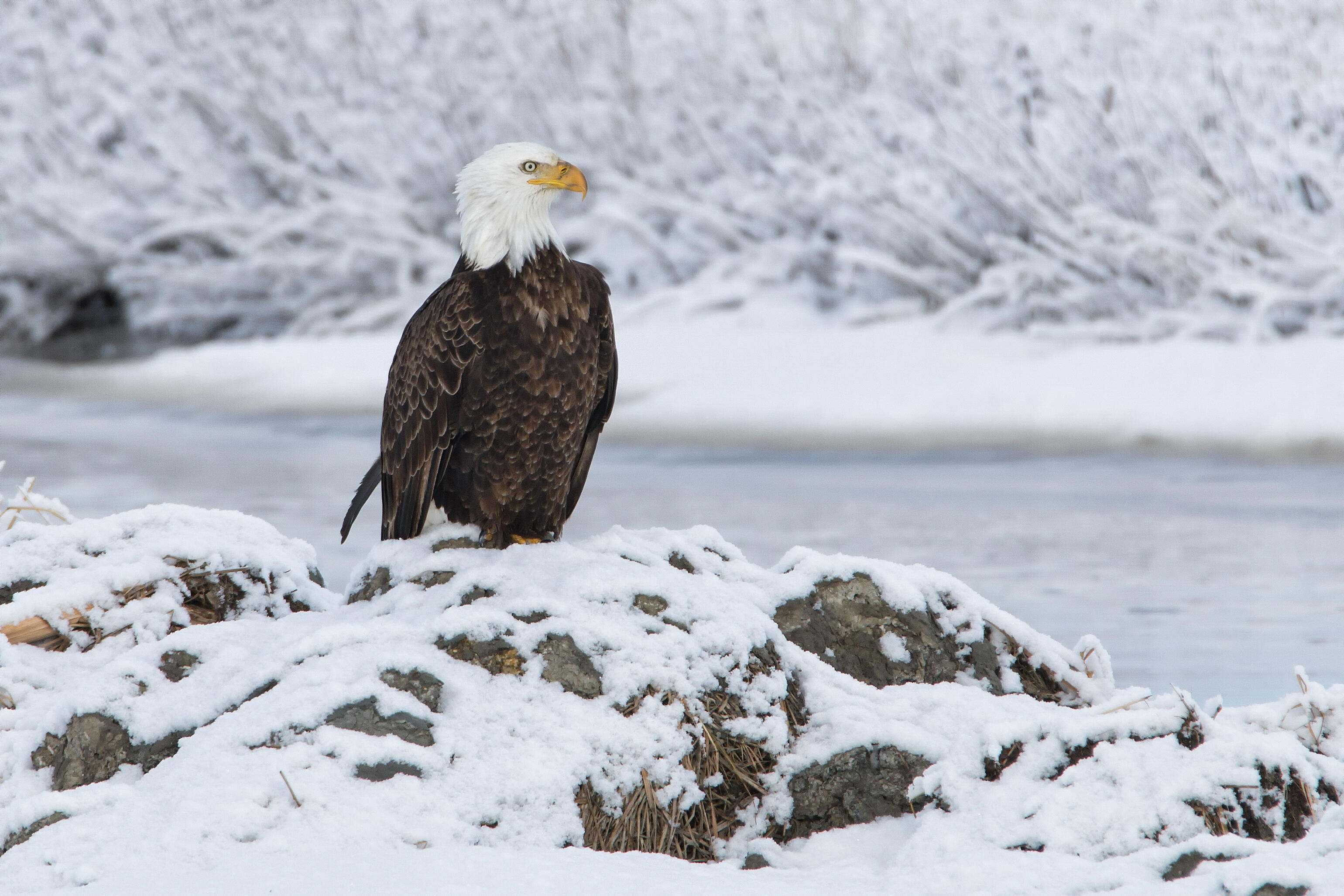
America turns 250 years old this year, the perfect time to head outdoors in search of bald eagles. In the Midwest, the best time to spot eagles is in the branches of leafless trees during winter, when thousands of these majestic raptors descend upon places like TNC’s Emiquon Preserve to hunt for fish along the Mississippi River. In fact, there are so many eagles in Illinois this time of year that TNC, along with Dickson Mounds Museum and other partners, co-hosts the annual Fulton-Mason Eagle Day, which is always free and open to the public. Not fond of cold weather? There are options! Visitors deterred by an outdoor festival can also tune in to the Emiquon Bird Livestream. Whether you visit in person or check in online, it is evident that nature doesn’t slow down in the Prairie State this time of year.
Owls in Indiana
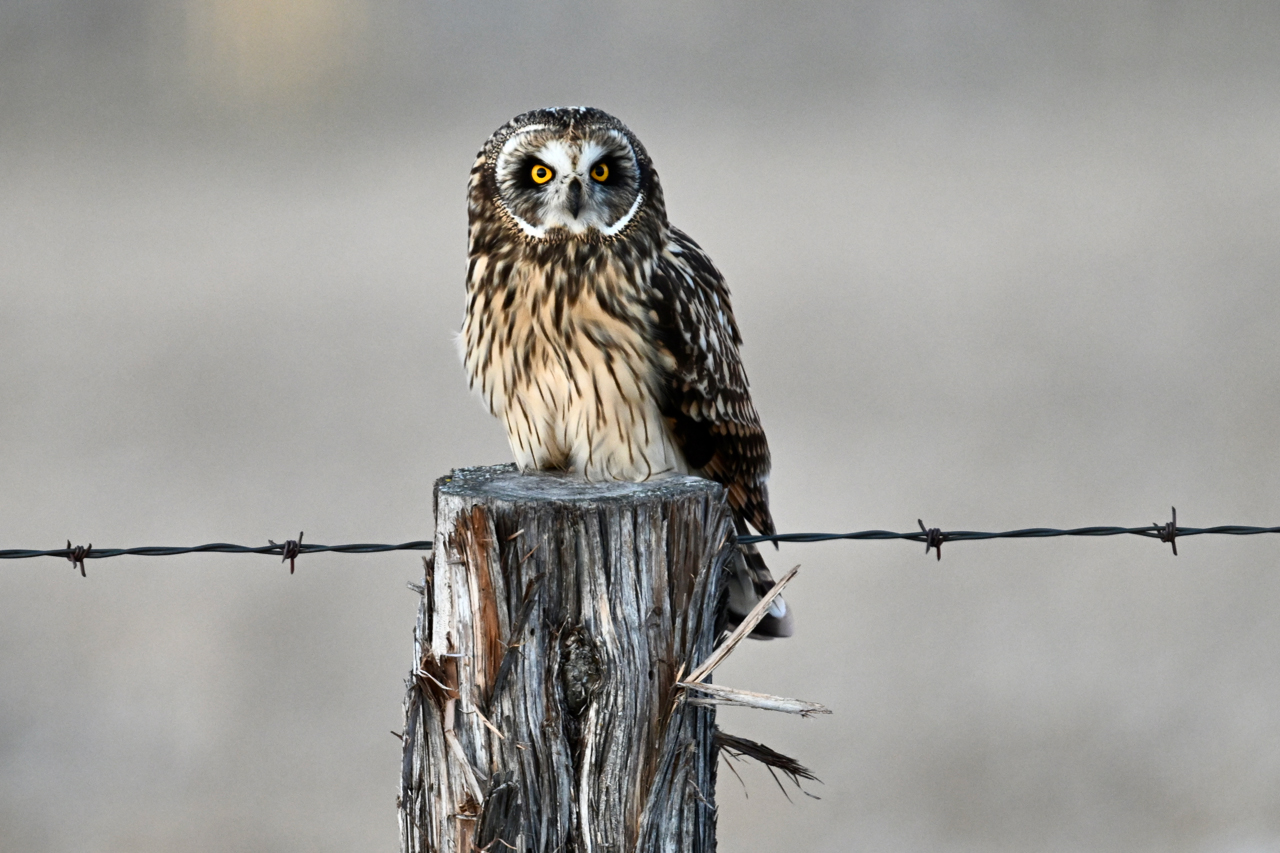
A winter walk on the Kankakee Sands Preserve prairie can be an enchanting experience during winter. This is the time of year when the state endangered short-eared owls arrive from northern locales to hunt in the preserve’s open fields, grasslands and marshes. They are in good company, with snowy owls, rough-legged hawks, red-tailed hawks and other raptors also prowling the prairies. And if it is bison you’re wanting to see, TNC made significant visitor improvements to the preserve in 2024 to improve accessibility and wildlife viewing, including in the bison viewing area.
Cool Green Science: Check out this Field Guide to Finding Winter Owls.
Waterfowl in New York
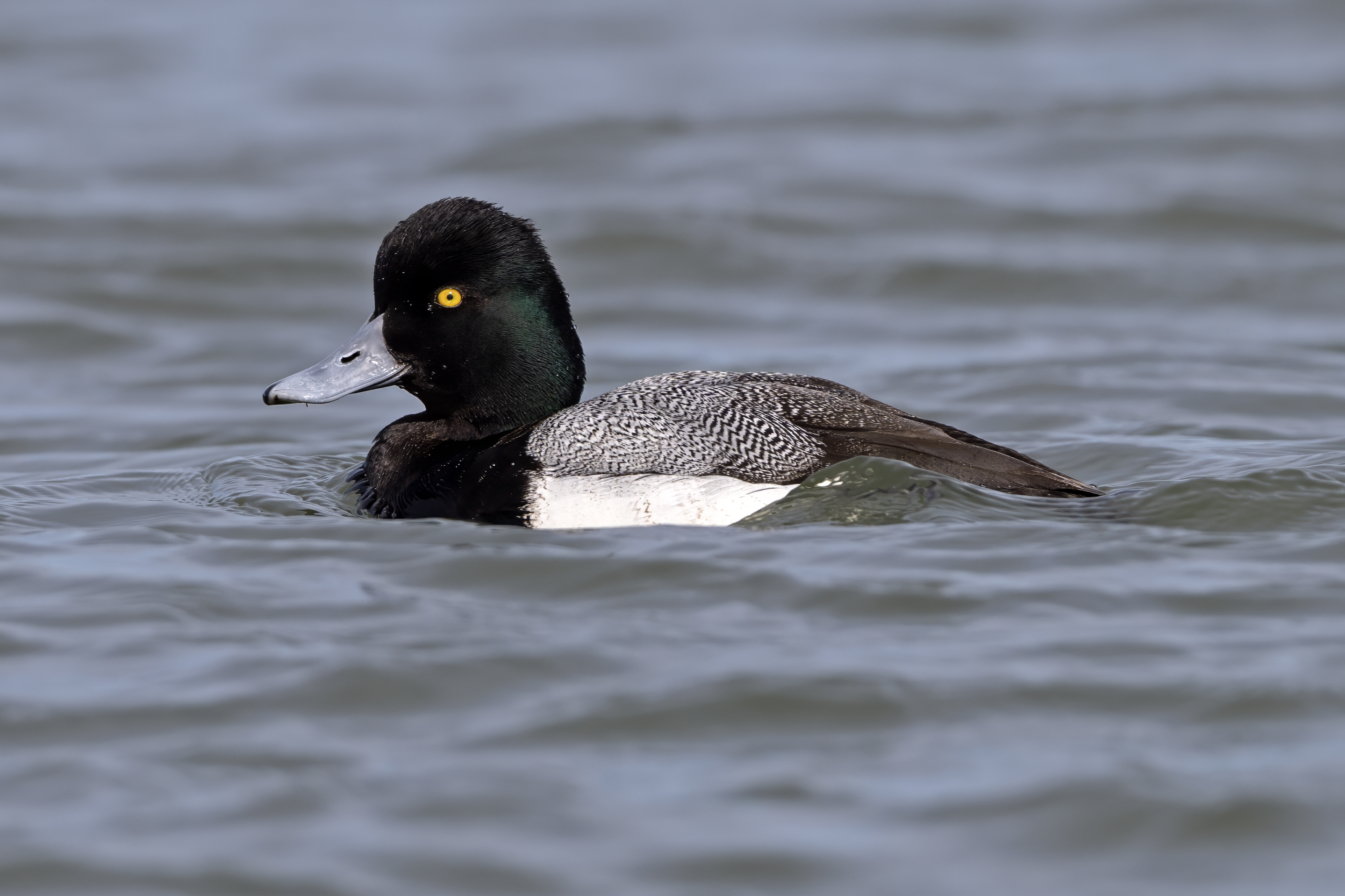
New York’s Adirondack Mountains are a wonderland any time of year, and especially during winter. At the 120-acre Boquet River Preserve in the Town of Willsboro, TNC has partnered with private landowners to protect nearly two miles of this vital tributary as it flows toward Lake Champlain. Conserving the surrounding floodplain and upland forests helps safeguard water quality and enhance outdoor recreation. Over the years, this stretch of river has also become a reliable spot for viewing diverse waterfowl, including goldeneye, scaup and geese. And for winter visitors, TNC ensures keeps the preserve’s parking areas plowed so the trail system remains accessible.
White Wings in Washington
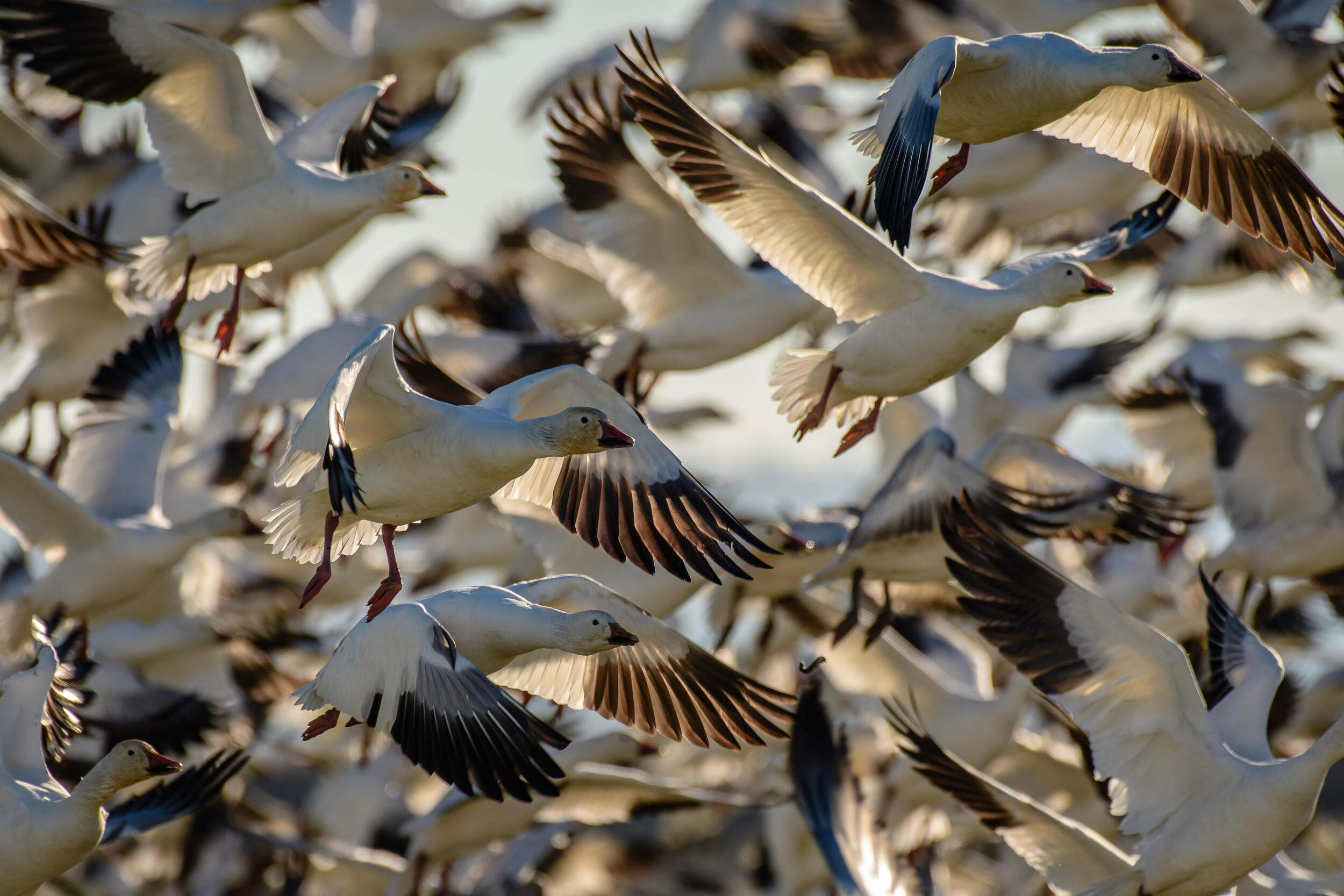
In Washington, winter is the perfect time to catch a glimpse of birds not typically seen at backyard bird feeders, any time of year. Arriving from 3,000 miles away in Wrangel Island in Russia, thousands of snow geese descend upon the Skagit Delta, making their presence known with their noisy honking and sudden en masse take offs into the sky. Less common in Washington, some years snowy owls also show up in this part of the state, arriving from arctic breeding grounds in surprising numbers as part of a cyclical event known as an “irruption.” An irruption year occurs when an overabundance of food in northern breeding regions results in a surge in bird populations. When winter arrives, these birds must migrate farther south to find sufficient food and habitat to survive.
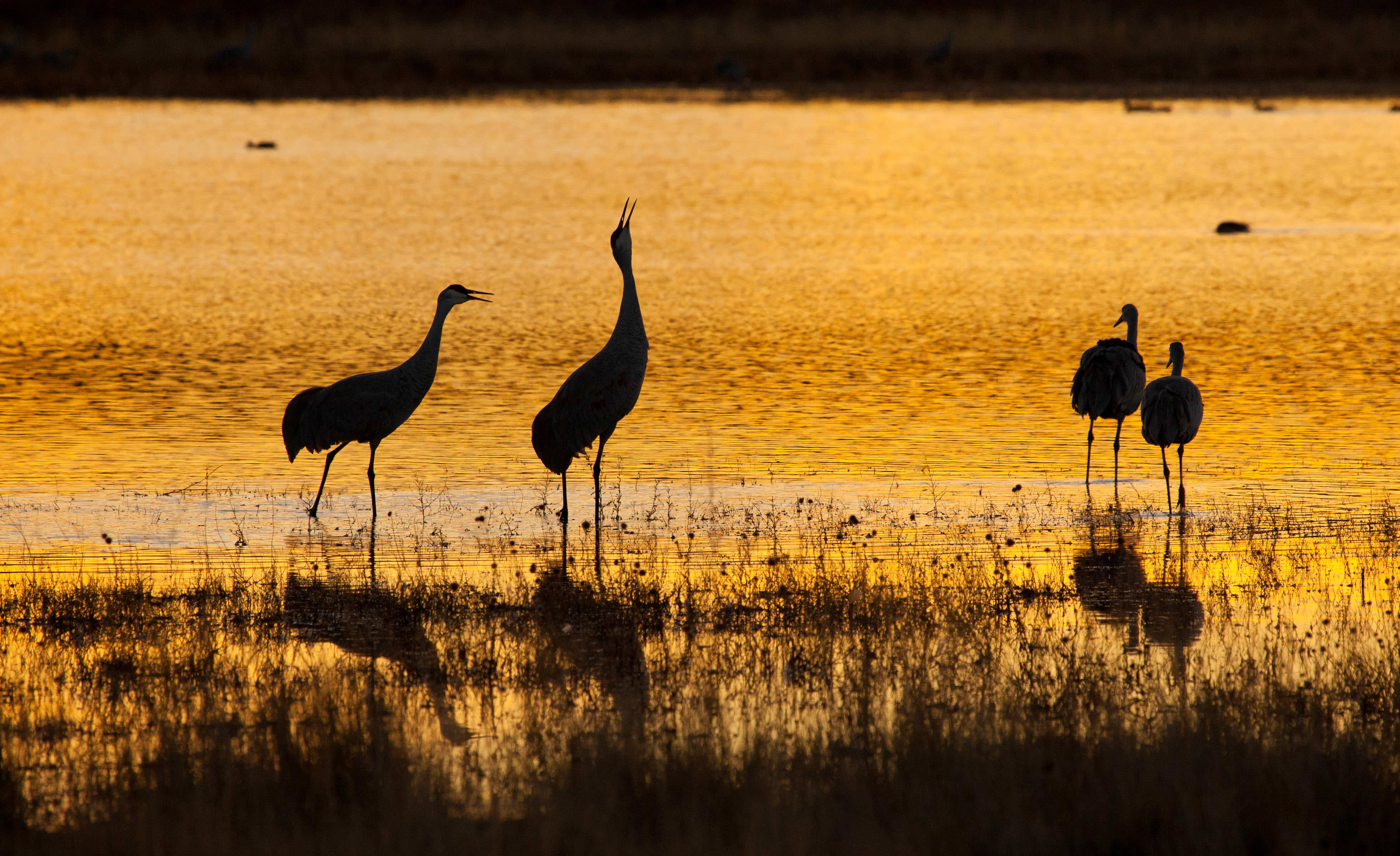
Winter Wetland Wonderland in California
Nestled in the heart of the Sacramento–San Joaquin River Delta, TNC’s Cosumnes River Preserve comes alive each winter as seasonal flooding transforms the landscape into thriving wetlands. These rich habitats welcome tens of thousands of migratory birds — sandhill cranes, geese, ducks and more. On a single winter’s day, observers have counted over 58,000 birds soaring, feeding and resting across the preserve. Whether hiking scenic trails, paddling along the river or pausing to take in the view, visitors to the preserve are treated to bald eagles, great blue herons and countless other species that are especially active during the cooler months. This flourishing wildlife is no accident. It’s the result of decades of land protection and innovative programs like BirdReturns, which utilizes crowd-sourced birdwatching data and scientific data from NASA satellite imagery and other sources to inform TNC and Sacramento Valley farmers of precisely when to flood agricultural fields to benefit migratory birds.
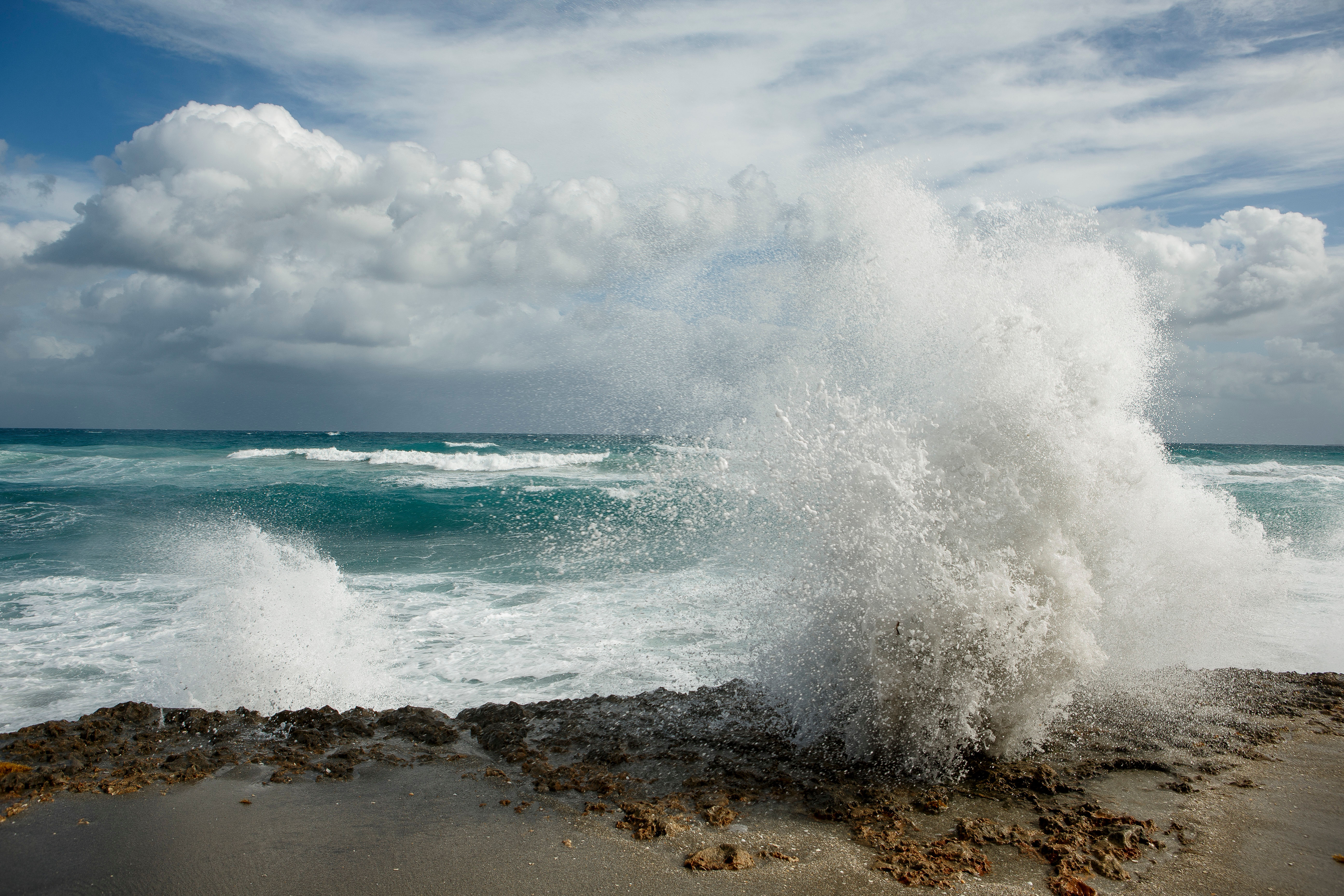
Blowing Rocks in Florida
Of course, experiencing nature at TNC preserves isn’t only about spotting wildlife. Sometimes, the land and sea put on a show of their own. Winter is the most spectacular time of year to experience the “blowing rocks” phenomenon at Blowing Rocks Preserve in Jupiter, Florida. When seasonal cold fronts stir up rougher seas, waves forcefully push seawater through the holes and fissures in the Anastasia limestone, creating dramatic geyser‑like plumes that can soar up to 50 feet into the air. This awe‑inspiring natural display is most common during the cooler season when winter conditions bring the landscape fully to life. Visitors may also find dazzling tide pools, turquoise waters and ever‑changing sculptural rock formations shaped by the season’s energetic surf.
As one of The Nature Conservancy’s most visited preserves, Blowing Rocks offers a uniquely Floridian winter spectacle—wild, powerful and unforgettable—making the colder months the perfect time to visit this world‑class natural wonder.
Stay in the Loop
Sign up for the Nature News email and receive conservation stories each month.

Family Friendly Nature

Exploring Nature: Winter Sunsets
Welcome to Exploring Nature, an illustrated blog series that (re)discovers the natural world through art, science and observation. Today's topic: winter sunsets.

The Beauty of Winter
Images from our photo contest showcase the unique beauty of nature in the winter, where long shadows, delicate ice and blankets of snow transform the landscape.

Cool Green Science
Are you a bird enthusiast who doesn’t mind the cold? Here’s your guide to enjoying winter birds.