
Best Water Trails for Kayaking, Canoeing and Paddling
Continue
Preserves Perfect for Paddling Explore all that nature has to offer—by water! © Alan Eckert Photography
Nature isn't just something to experience from land. At select Nature Conservancy preserves, you can swap hiking boots and trekking poles for water shoes and oars. From the seat of a canoe, kayak or paddleboard, rivers, streams and lakes offer a unique way to connect with nature, see wildlife and experience the outdoors—and conservation—from a new perspective.
Find a Spot To Paddle
Check out the TNC preserves below for your next paddling adventure!
Plan Your Visit!
No results are shown. To see results, turn on the toggle switches in the legend.
- Black River Preserve
-

Black River Preserve
Water trail
Since 1986, TNC and partners have conserved 47,000 acres along this river, where paddlers are likely to encounter wild turkeys, wood ducks, yellow-bellied sliders and the occasional American alligator. Bird enthusiasts seek out prothonotary warblers, pileated woodpeckers and the state-endangered swallow-tailed kite. This trail also includes a glimpse of thousand-year-old bald cypress trees.
- Cosumnes River Preserve
-

Cosumnes River Preserve
Water trail
Home to the last free-flowing river linking the Sierra Nevada to California’s Central Valley, the Cosumnes River Preserve offers paddlers access to scenic sloughs and river channels winding through wetlands, riparian forests and oak woodlands rich with migratory birds and other wildlife.
- Debsconeag Lakes Wilderness Area
-

Debsconeag Lakes Wilderness Area
Water trail
Native people named this area Debsconeag, meaning a lake with a rock barrier at the entrance or a carrying place named for portage sites where canoes were carried around rapids and waterfalls. The DLWA boasts the highest concentration of pristine, remote ponds in New England. TNC's 46,271-acre preserve has three carry-in boat launches for use by visitors to this vast and unique part of the region.
- Edward H. McCabe Preserve
-

Edward H. McCabe Preserve
Water trail
Paddle two miles from downtown Milton to McCabe Preserve’s floating dock by canoe, kayak or paddleboard. Along the Broadkill River, discover freshwater tidal marshes, vibrant wetlands and wildlife including great blue herons, ospreys and the globally rare seaside alder. Once ashore, explore three miles of trails, including the new universal access trail.
Image © Deborah Dalley Phillips
- Elkhorn Slough Preserve
-

Elkhorn Slough Preserve
Water trail
Explore Monterey Bay’s remarkable Elkhorn Slough by kayak or paddleboard, gliding through tidal creeks and salt marshes that support sea otters, hundreds of bird species and abundant marine life in one of California’s largest remaining estuarine wetlands.
- Emiquon Preserve
-

Emiquon Preserve
Water trail
Exploring TNC’s Emiquon Preserve from the water is a great way to view the abundant waterfowl and migratory birds that visit the 6,000-acre property each year. There is a launch for canoes and boats, which requires a Lake Access Permit that can be acquired digitally or in person at the Dickson Mounds Museum during business hours.
- Independence Lake Preserve
-

Independence Lake Preserve
Water trail
Surrounded by the beautiful Sierra Nevada mountains, Independence Lake is one of the most pristine alpine lakes west of the Rockies, evolving as a refuge for some of the world’s rarest fish. As a result, TNC offers visitors to the preserve a first-come, first-served fleet of watercraft strictly dedicated for use on Independence Lake to prevent the introduction of aquatic invasive species.
- Mink River Preserve
-

Mink River Preserve
Water trail
In this part of Wisconsin, waters from the Mink River combine with Lake Michigan to form one of the few high-quality freshwater estuaries remaining in North America, making it a popular destination for paddling enthusiasts. Interested adventurers can also rent a kayak, canoe or paddleboard in surrounding Door County. Learn more and take a virtual kayak trip down the Mink with TNC staff!
- Nassawango Creek Preserve
-

Nassawango Creek Preserve
Water trail
Dominated by bald cypress, black gum and other elements of an ancient primeval forest, this preserve represents one of the last pieces of true wilderness left on the East Coast. The best way to explore it is from Nassawango Creek, which is fine for canoeists and kayakers of all skill levels. TNC maintains a boat launch at the preserve and a self-guided audio tour to enhance the visitor experience.
- Ranch North Woods Preserve
-

Ranch North Woods Preserve
Water trail
Located minutes from Little Rock along the Little Maumelle River, this preserve offers scenic views of cypress wetlands and Pinnacle Mountain. Visitors can explore trails on foot or by bike, fish from the pier, and paddle the river with a personal watercraft or a free TNC kayak or canoe. They can also spend the night at a floating campsite operated by a conservation partner.

Nature in Your Inbox
Sign up to receive monthly Nature News in your inbox.

How to Travel Local Waterways
One of the best ways to explore a water trail is from the seat of a kayak, canoe or paddleboard. Lacking motors and often maneuvered along local waterways tucked away from the hustle and bustle of more populated areas, these water vessels provide a unique way to feel like you are part of the local ecology rather than just an observer. (Keen eyes might even catch a glimpse of fish and other critters living beneath the surface!)
Fueled with muscle, paddling can get the heart pumping but don't forget to take some time to take a breath, dip your toes into cool waters and let the current guide you through the sights and sounds of nature.
Just like traveling by highway, you will also need to follow some “rules of the road,” or river. Make sure to always obey posted signs and do your research before showing up.
Check out some suggested etiquette guidelines below before you put in!
Water Trail Ethics
Practice polite paddling while enjoying nature on the water.
Diving Deeper: Aquatic Invasive Species
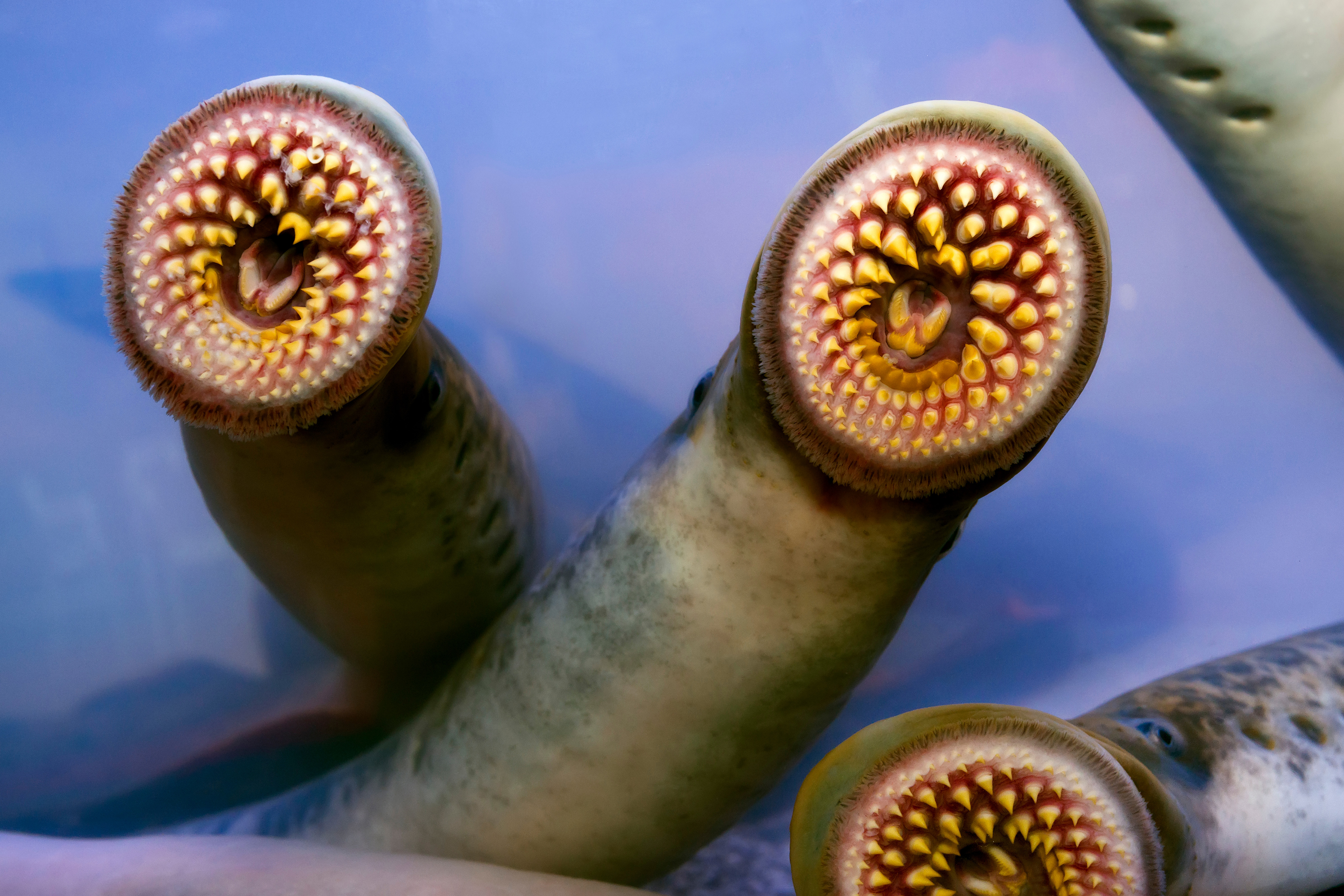
Aquatic invasive species can spread rapidly, introducing diseases, outcompeting native species and altering habitats and food webs. They can also impact recreation, damage equipment and create costly challenges for local communities and economies.
When it comes to exploring waterways, make sure to:
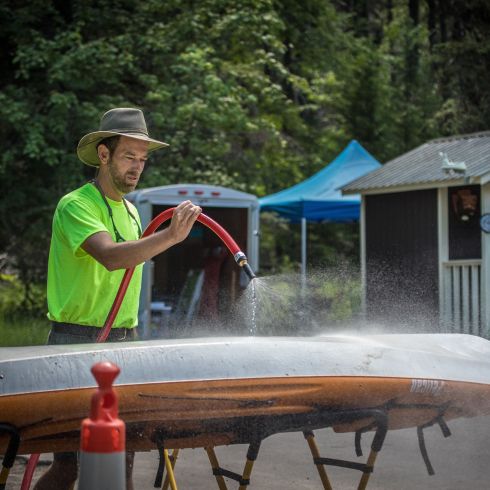
- Clean: Remove all mud, plants and aquatic hitchhikers from your boat, trailer and gear before leaving the water.
- Drain: Empty all water from your boat and equipment. Leave drain plugs out during transport when required.
- Dry: Let your boat, trailer and gear dry completely before entering another waterbody.
These steps can prevent the spread of aquatic invasive species that pose a threat a local ecosystem. Too often, plants, fish and mussels can be accidentally transported to water bodies where they are not naturally meant to be.
Conservation You Can Paddle Through
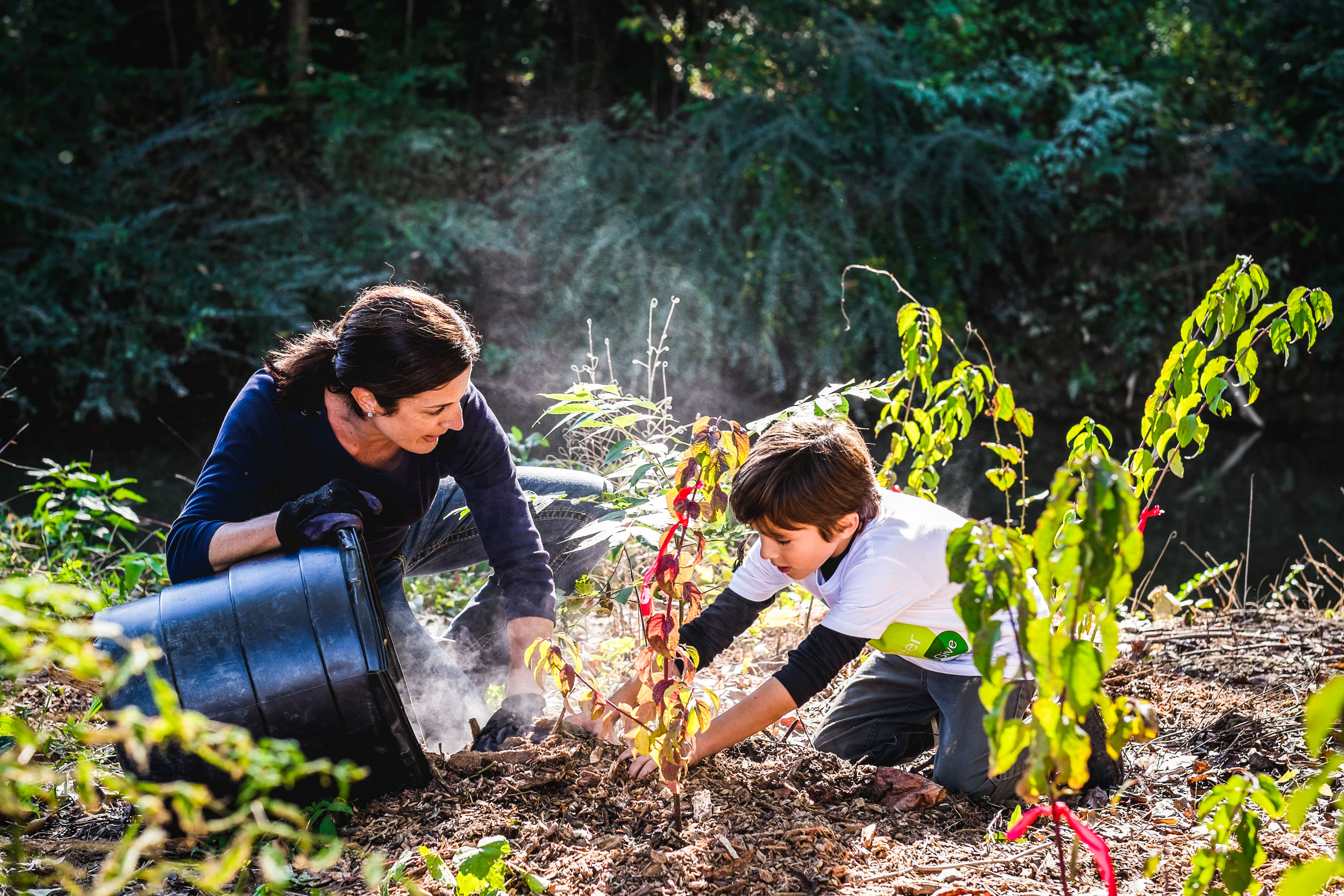
Exploring a TNC preserve by canoe, kayak or paddleboard offers a unique perspective on the conservation work happening all around you. From restoring streams and rivers to protecting forests, grasslands, wetlands and other natural habitats, TNC works to conserve the lands and waters that help keep waterways healthy.
These connected ecosystems help filter water, reduce erosion and sediment, provide habitat for fish and wildlife and support more resilient watersheds. As you paddle, you're experiencing the benefits of that work firsthand: cleaner water, thriving wildlife and the chance to connect with nature from an entirely different vantage point.
Learn More
Nature Needs You
The places we love need champions. Your support helps The Nature Conservancy protect critical habitat, improve resilience and care for treasured natural areas for people and wildlife.

More To Explore

The Imperative for Durable Freshwater Protection
Freshwater ecosystems are some of the most threatened on Earth—here’s how we change that.

River Renewal: Seven Stories Inspiring Hope
From the Mississippi to the Okavango, these rivers bring hope to the word’s waterways. With partners and your support, The Nature Conservancy is taking river conservation to a new level.

How We Protect Watersheds
The freshwater conservation interactive feature lets you explore the different threats that have an impact on watersheds around the world.