

Donor Update
Stories of Your Impact here in Washington


To Friends and Supporters of The Nature Conservancy in Washington
As we pass this decade’s halfway mark, I am inspired by the progress we’ve made together, and know there is much more work to do before we reach 2030: the year that experts say we must slow planetary warming to 1.5 degrees Celsius to avoid the worst impacts of climate change. The challenges ahead loom large, and I feel hope when I remember that communities everywhere are rising to meet this moment.
Here in Washington state, our efforts remain grounded in relationships with local communities and places—a commitment that holds true across all places where TNC works. While our precise challenges and contexts differ, we share a global call to action to address the interconnected crises of climate change and biodiversity loss. To this end, TNC is focused on three priorities that underpin all we do: tackling climate change, protecting ocean, land and freshwater, and providing food and water sustainably. Together, these priorities guide our work forward, creating a global impact built from local action.
In this report, we share how these priorities are touching down in Washington state and contributing to collective action as a global community. I hope you come away inspired and reminded of the opportunities we have to make a positive difference. From all of us at TNC, thank you for being part of this community and continuing on this journey with us.
With gratitude,
Melinda Milner, Interim Director, Washington State


Providing Food and Water in Washington
Exploring Agriculture and Energy Resilience in Washington
To meet Washington’s clean energy goals, we would need to cover an area the size of Mount Rainier National Park in solar panels. Agricultural lands are a prime location for solar energy siting, but the conflicting demands for new uses on agricultural lands can lead to tension and stalled efforts at a critical time for rising energy costs and the climate.
One potential solution is agrivoltaics: a practice through which agricultural land remains in production beneath and between rows of solar panels. This practice provides shading and water benefits to agriculture while producing solar energy and sparing land conversion. To explore agrivoltaic feasibility in the Pacific Northwest, TNC’s science team and partners conducted a study that encompassed mapping, modeling and surveying farmers to understand opportunities and barriers to agrivoltaics.
The team’s findings show enormous opportunity to expand agrivoltaics implementation across the state and meaningfully contribute to our clean energy goals. This study provides the best available science on this form of win-win solar siting that supports communities, economies and nature—and which can be scaled for broader impacts.


Sign up to receive Conservation News and Updates
Sign Up TodayTackling Climate Change
Defending and Celebrating the Climate Commitment Act
In 2021, TNC supported a milestone victory for climate action with the passage of the Climate Commitment Act (CCA). This landmark legislation represents Washington state’s most concerted effort and deepest investment toward meeting our state’s pollution reduction goals, addressing local air quality concerns and investing in equitable climate solutions.
An example of these impactful investments includes an allocation of $25 million to support the Quinault Indian Nation in acquiring over 11,000 forested acres of their ancestral homelands—an acquisition which, at the invitation of the Nation, TNC has supported throughout the legislative process and continues to support through additional fundraising to help complete the purchase.
This progress, including the Quinault funding, was threatened last year by a ballot measure (Initiative 2117) aimed at repealing the CCA and preventing any future, similar legislation from being passed in Washington. With critical climate investments at stake, TNC and partners joined the No on 2117 campaign to advocate against the initiative, dispel misinformation and provide financial support to a voter education program—led by community-based organizations working in 18 languages—to spread awareness about the CCA’s benefits and to get out the vote.
When the election arrived last November, Washington voters defeated I-2117 with 62% in favor of upholding the CCA. At a time when existing climate legislation is being threatened, this campaign demonstrates the importance of policy defense work and underscores Washingtonians’ commitment to climate action. With the CCA resecured, we can continue taking meaningful steps toward its implementation and toward a healthier, more sustainable future for our state.


Protecting Lands and Waters
Transferring Beezley Hills Preserve for Long-term, Holistic Stewardship
Land protection and stewardship are foundational to TNC’s mission and success. Part of responsible land management is recognizing when other entities are better positioned to steward a landscape than we are and evaluating whether TNC’s resources would be more impactful in other places—and completing land transfers that ensure high standards for cultural and ecological protection carry forward.
In August 2025, TNC completed the transfer of our 9,000-acre Beezley Hills Preserve in North Central Washington to the Washington Department of Fish and Wildlife (WDFW)—a milestone that strengthens long-term conservation of one of the state’s most imperiled ecosystems. Beezley Hills is part of the largest remaining intact shrub-steppe landscape in the state, supporting a rich diversity of species and serving as a critical stronghold for the endangered Columbia Basin pygmy rabbit.
By consolidating management under one entity, we’re helping ensure that this habitat is protected holistically. While TNC has proudly stewarded Beezley Hills for decades, WDFW is able to provide even better care of this preserve. WDFW already manages nearby lands and has the infrastructure, expertise and funding to care for this landscape at scale. The agency also manages the state’s pygmy rabbit recovery program—including captive breeding, genetic research and reintroduction—allowing recovery efforts to thrive. We celebrate this transition knowing that the Beezley Hills landscape will remain in good care, long into the future.
Quote: James Schroeder
This transfer is a strategic step forward in our commitment to landscape-scale conservation. It’s a win for biodiversity, stewardship and for the future of the pygmy rabbit.
The Work Continues
Thank you for all you’ve done to support The Nature Conservancy in our mission to conserve the lands and waters on which all life depends. Now is a pivotal time, for nature and for people. We are asking for your support as we continue to face the challenges ahead. Please consider how you might increase your impact.
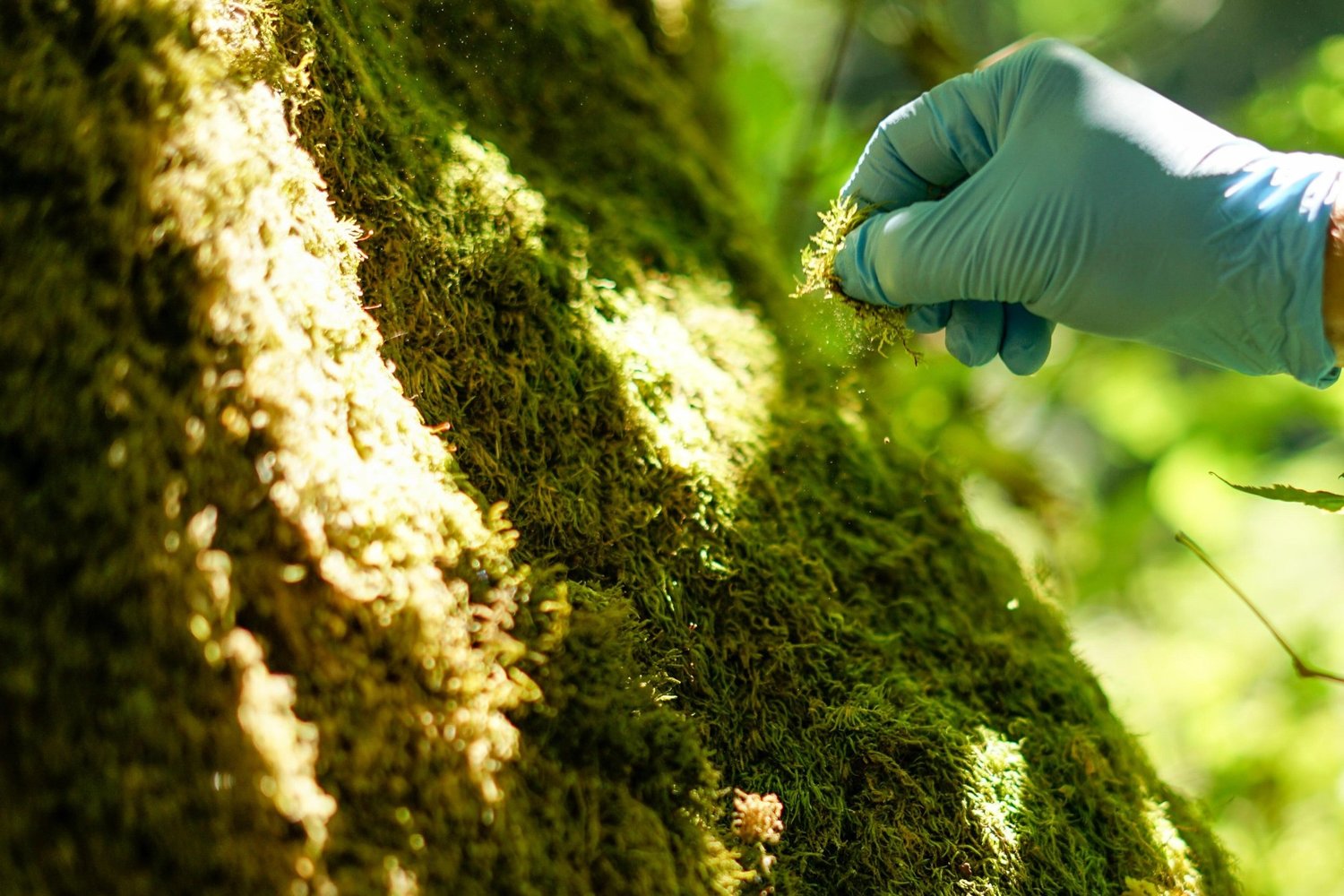
Support Our Work
Washington’s lands and waters need you. From our mountains, forests and agricultural lands to our iconic islands and shoreline, The Nature Conservancy is working to conserve nature’s unique places in Washington and around the world.
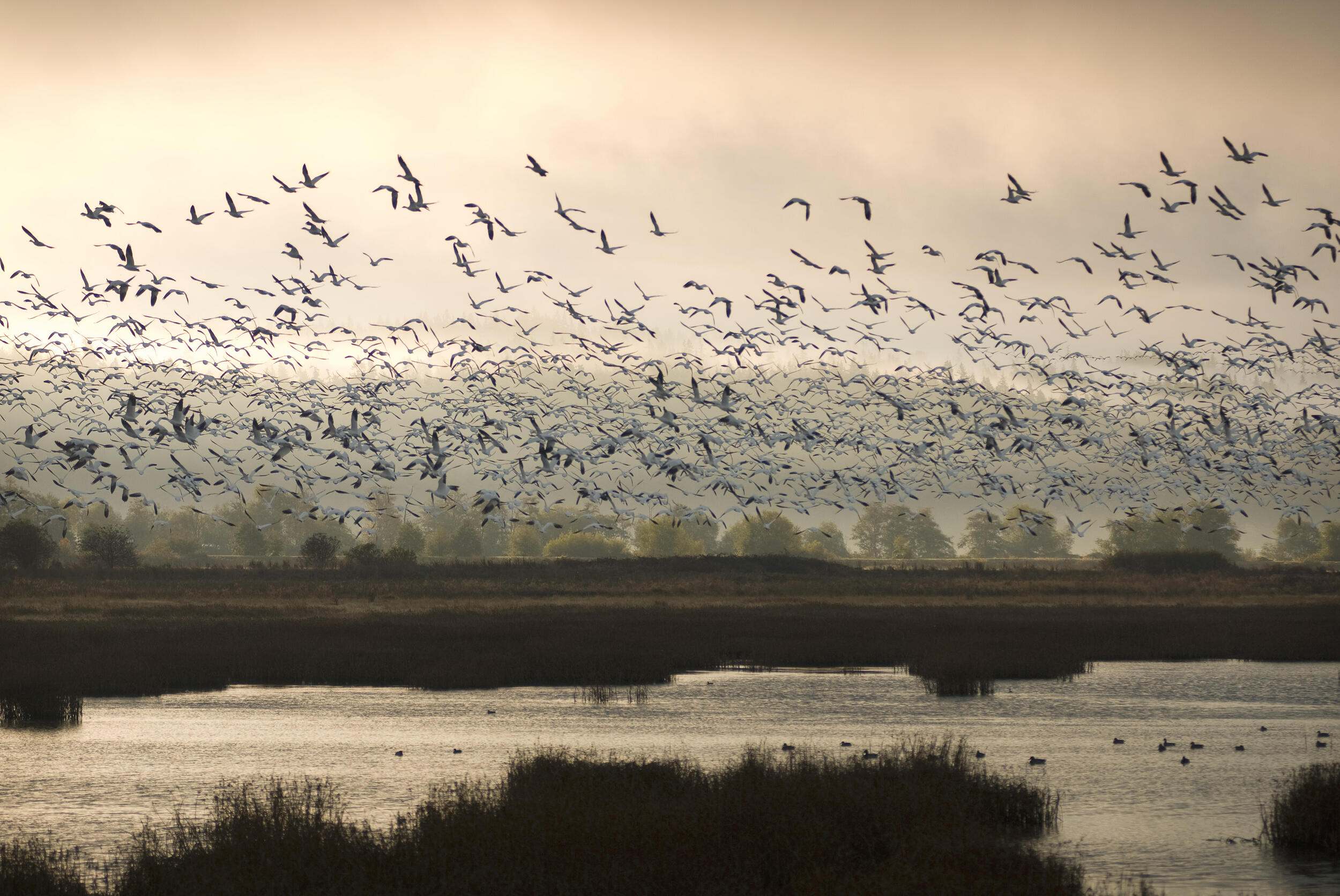
Leave a Legacy
One of the simplest and most profound ways to support The Nature Conservancy is through your will or revocable living trust. As a Legacy Club member, you can make a lasting commitment to protect the lands and waters you love for generations to come.
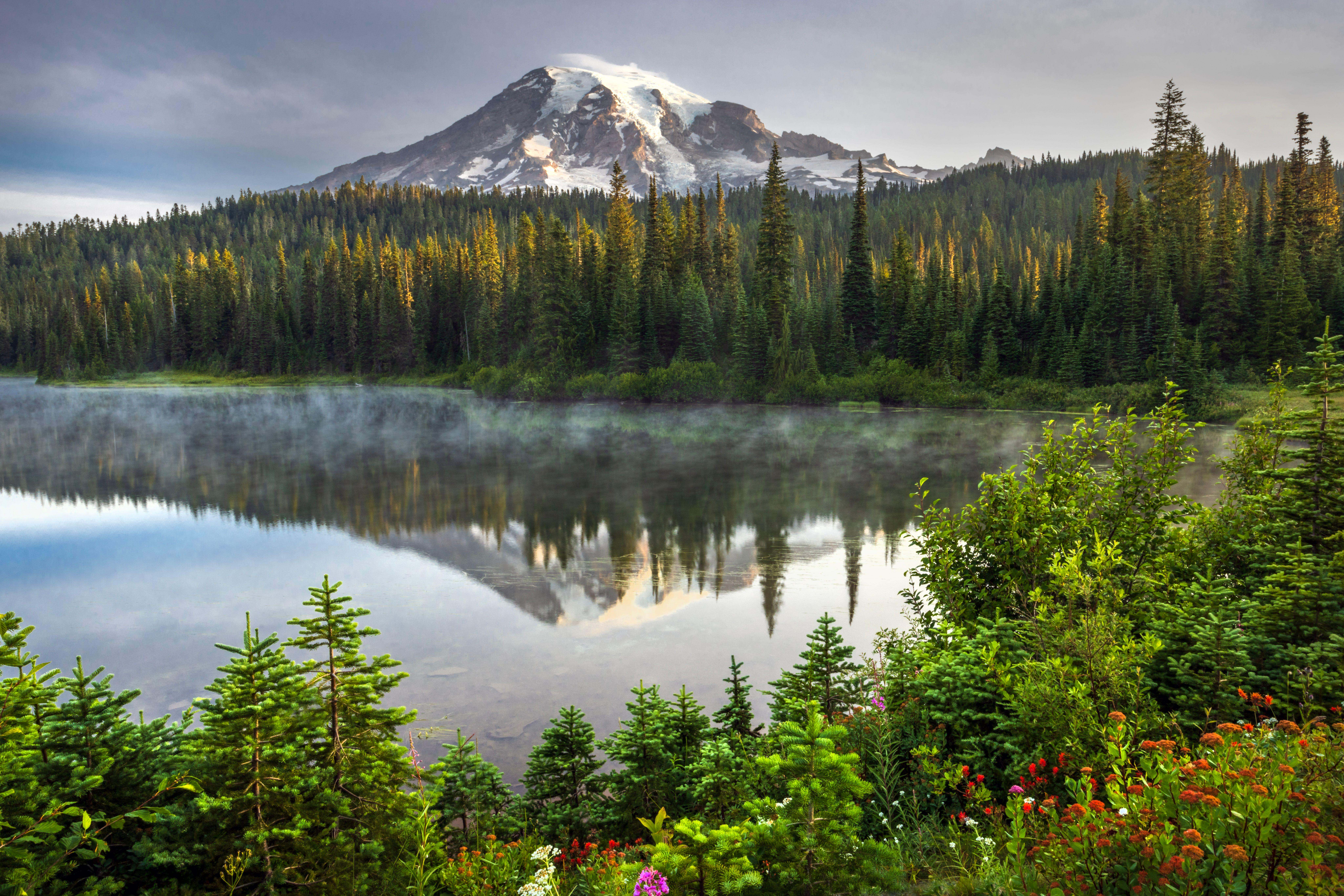
Increase your Impact
We work with our donors and their professional advisers to facilitate the contribution of current and deferred assets. Gifts of non-cash assets may provide significant savings on capital-gains taxes and a charitable income-tax deduction.


