

The Texas Gulf Coast stretches more than 350 miles, supporting nearly 6.5 million people from Port Arthur to Brownsville. Each year, our coastal economy employs more than 3 million people, equating to a total value of $493 billion annually. But that’s not all the coast does.
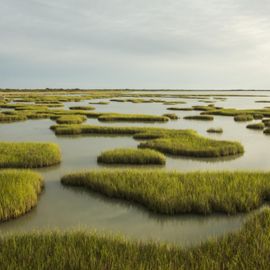
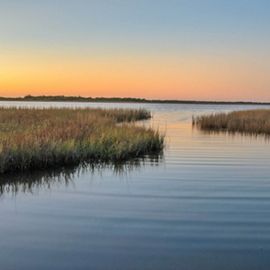
Healthy coastal habitats play a big part in supporting both people and wildlife. Shallow coastal waters serve as nurseries for fish, shrimp and other marine species that fuel our fisheries and natural areas. Coastal dunes help buffer waves and reduce erosion, protecting shorelines and infrastructure. Wetlands and seagrasses store significant amounts of carbon, helping to reduce the impacts of our changing climate, while coastal prairies absorb water, reduce flooding and capture additional carbon. Oyster reefs quietly filter pollutants and improve water quality in our bays and estuaries. These interconnected habitats all form a natural shield, offering protection and strength in the face of growing environmental challenges.
Videos
Texas Gulf Coast
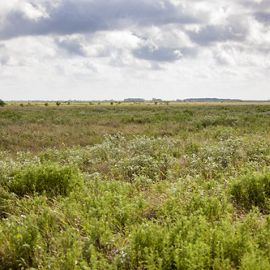
Conserving Texas' Coastal Grasslands (2:17) Within Texas’ Refugio-Goliad Prairie, many heritage ranching operations are helping the region remain one of the most productive grasslands in North America. Watch how we’re collaborating with landowners, ranchers and other partners in this region to conserve coastal prairie for people and nature.
2:16
Science underscores the benefits of restoring healthy coastal habitats as a cost-effective solution to protecting coastal communities from the impacts of storms, like Hurricane Harvey. A recent study in Florida found that mangroves prevent about $67 million in storm surge damage every year in Collier County alone. Most of this protection—around 75%—comes during more frequent, moderate storms (those expected to occur less often than once every 50 years), rather than rare, extreme storm events. In fact, across the state, mangroves reduced surge losses from Hurricane Irma by $725 million (14%) and Hurricane Ian by $4 billion (30%).
Yet, as our climate continues to change, our coastal landscapes are under increasing pressure. Rising sea levels, warming waters and more frequent and intense storms—like Hurricane Harvey—are reshaping the coast and threatening the communities, businesses and species that call it home.

Though our dynamic Gulf Coast shows a remarkable ability to adapt to change, it needs our help to restore its natural functionality and ensure it can continue to protect and sustain life. Investing in coastal resilience—the ability of communities and habitats to recover quickly from major impacts—is essential to meeting these challenges. The Nature Conservancy is working across the Texas coastline to restore oyster reefs and wetlands, protect critical habitats and collaborate with partners and communities to advance science-based solutions. Together, we can ensure that nature continues to thrive and provide the benefits we all depend on.





Places We Protect
Coastal Land Protection
Safeguarding the Gulf Coast
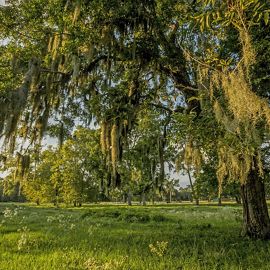
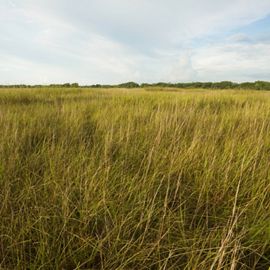
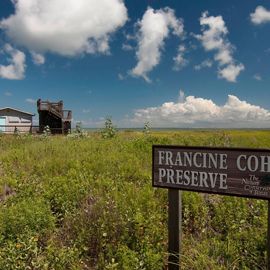
TNC protects land through acquisitions, conservation easements and strategic assists. These efforts help safeguard critical coastal areas from development, preserve habitat for species and protect against climate impacts. With the help of partners and funders, we’re purchasing important tracts of land and ensuring the long-term protection of places that benefit both nature and communities.
Our Work
Coastal Projects and Programs


Dowload the Reports
We Can’t Save Nature Without You
Sign up to receive monthly conservation news and updates from Texas. Get a preview of Texas' Nature News email.

More from Texas

Shamrock Island Bird Rookery
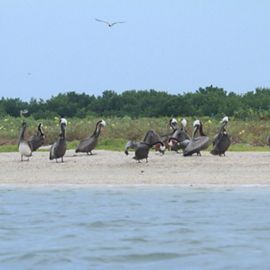
One of the most important bird breeding sites in the Gulf—frequented by pelicans, ducks, reddish egrets, white-faced ibises and more—is threatened by erosion.

Where Legacy Meets Land: A Prairie Protected for Generations
TNC and partners secured the largest conservation easement ever preserved through RESTORE funding, protecting 6,409 acres of the historic T.M. O’Connor Ranch in the Refugio-Goliad Prairie.

In the Balance: Shaping Texas’ Water Future
TNC is collaborating with farmers and ranchers to find solutions to our water challenges, providing incentives in exchange for access to water rights and management decisions during times of drought.