


Follow the Otterway: Safer Roads, Wilder Rivers
A right-sized culvert on US Route 3 turns a barrier into a bridge by restoring stream flow and giving wildlife a safe, dry path under the road.
Meet the Otterway: A Culvert with a Cause
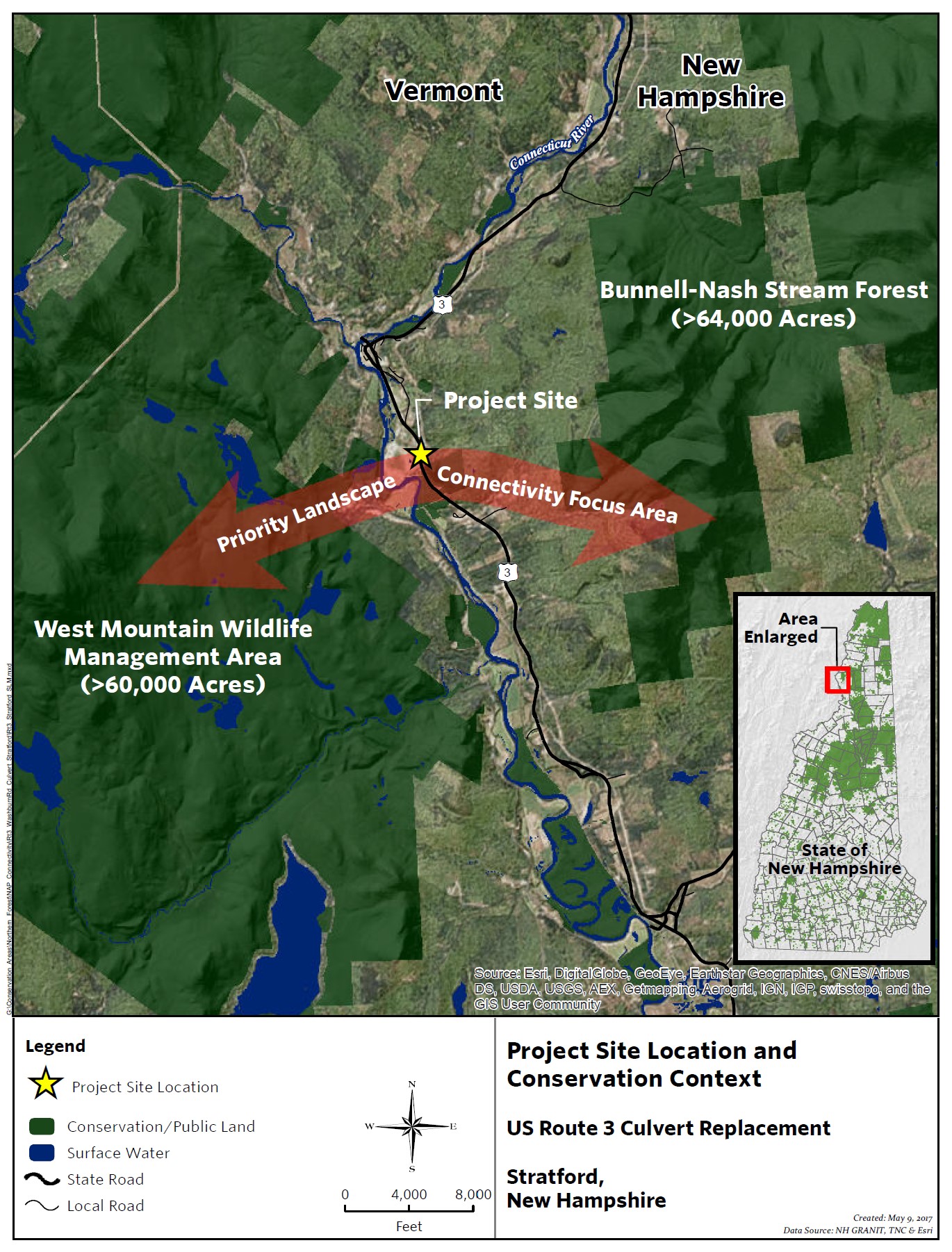
When a road crosses a stream, it can create more than a scenic view; it can create a barrier. That was the case for decades on US Route 3 in Stratford, where an aging culvert blocked fish from reaching upstream habitat and forced wildlife to risk crossing a busy highway. The Nature Conservancy partnered with the New Hampshire Department of Transportation and New Hampshire Fish & Game to change that.
The result is a right-sized culvert that restores natural stream flow and adds a dry shelf for animals to move safely beneath the road. This upgrade reconnects 1.6 miles of headwater habitat, improves flood resilience, and reduces the risk of wildlife/vehicle collisions, making roads safer for people and critters alike.


Five Big Wins Behind the Otterway
This project is about more than one crossing. Together, TNC and partners set out to:
From Planning to Progress
How We Keep Nature Connected
Making the Otterway Happen
We're scientists, but not structural engineers. TNC secured the funding for this project and provided it to NH DOT to complete the design and construction. TNC also brought science and collaboration to every step, identifying priority crossings, designing for both aquatic and terrestrial passage, and using camera traps to monitor wildlife movement.
Connecting More Than Roads: Linking Landscapes Across the North
In addition to its local benefits, this project also supports the Staying Connected Initiative, a regional partnership to keep forests, rivers, and wildlife corridors intact across the Northern Appalachians. By upgrading crossings like this one, TNC helps maintain a connected landscape where animals can move, adapt, and thrive even as climate and land use change.
From Rocks to River: Nature’s Finishing Touches
If you look at the culvert today, the streambed may seem rocky, but that is by design. Sediment is already settling in, and vegetation is growing back. Over time, as sediment continues to accumulate, the water level will rise and flow will become increasingly natural, creating ideal conditions for fish passage and a healthy stream ecosystem.





Bobcat: A bobcat makes its way through a culvert under Route 3 in Stratford, New Hampshire. © Peter Steckler
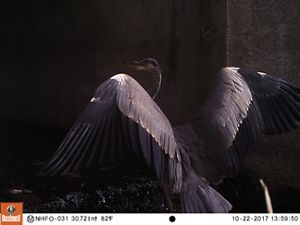
Great Blue Heron: A great blue heron makes its way through a culvert under Route 3 in Stratford, New Hampshire. © Peter Steckler
River Otter: A river otter makes its way through a culvert under Route 3 in Stratford, New Hampshire. © Peter Steckler
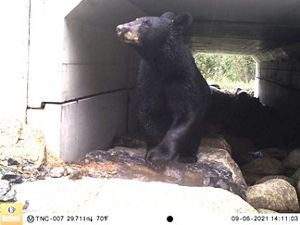
Black Bear: A black bear makes his way through a culvert under Route 3 in Stratford, New Hampshire. © Peter Steckler
Raccoons: A family of raccoons makea its way through a culvert under Route 3 in Stratford, New Hampshire. © Peter Steckler
Hello There: Groundhogs are just one of the species happy to have an upgraded culvert in Stratford, New Hampshire that allows them to pass safely under Route 3. © Peter Steckler
Prince of the Otterway: The critter that gives the Otterway it's name! © Peter Steckler
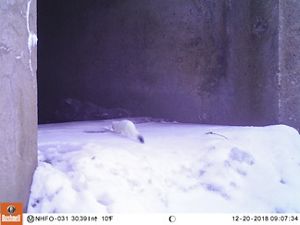
Ermine: An ermine makes its way through a culvert under Route 3 in Stratford, New Hampshire. © Peter Steckler
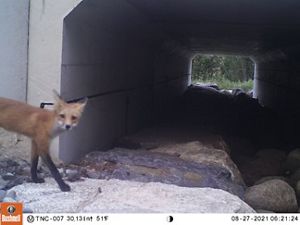
Red Fox: A red fox makes its way through a culvert under Route 3 in Stratford, New Hampshire. © Peter Steckler
Groundhog: A groundhog makes its way through a culvert under Route 3 in Stratford, New Hampshire. © Peter Steckler
Got questions? We've got answers!
-
Wildlife crossings give animals a safe route under roads instead of across them. This reduces the chance of collisions, which can be dangerous for both wildlife and drivers. In New Hampshire, there are about 1,500 reported wildlife/vehicle collisions each year, so every safe passage helps protect people and animals.
-
River otters are a perfect symbol for connectivity. They move between waterways and land, so they benefit from culverts that provide dry shelves and natural streambeds. Otters were documented using this crossing, proving that the design works for species that need both water and land to thrive.
-
This project is part of a larger effort to upgrade road–stream crossings across New Hampshire. TNC and partners are evaluating other sites, prioritizing those that reconnect habitat and reduce flood risk. We've already worked together to right-size culverts at Philbrick Pond in Rye, along Bay Road in Newmarket and Topaz Drive in Barrington.
-
The old culvert had a perched outlet more than three feet above the stream, which blocked fish from moving upstream. The new design restores natural flow and reconnects about 1.6 miles of headwater habitat, giving species like Eastern brook trout access to spawning and feeding areas.
-
The streambed may look rocky now, but that is intentional. Sediment is already settling in, and vegetation is growing back. Over time, the water level will rise and flow will become more natural, creating ideal conditions for fish passage and a healthy stream ecosystem.
We Can't Save Nature Without You!
Sign up to receive monthly news, updates and local events from New Hampshire.

Stories in New Hampshire

Four Ways to Conserve New Hampshire’s Waters for People and Nature
Our Freshwater Program is reconnecting waterways, restoring floodplains, improving river flows and helping ensure clean water for all.

The Freedom of Flow
One tiny creature spurs big change in reconnecting our rivers to the sea (and making travel safer for people too!)

Connect The Coast
A new effort to ensure wildlife the room to roam across New Hampshire’s Coastal Watershed.