


The beauty and natural wealth of the Crown make it a global treasure.

Overview
In every way, the Crown of the Continent earns its name. It is simply majestic. These are 10 million acres of some of the most intact and remote wildlands on the continent. The Crown is an essential home range for wildlife and plant species that have become rare or extinct in other places—animals such as grizzly bears, Canada lynx, gray wolves and bull trout. It is also a key intersection connecting vital habitat in Glacier National Park and the Bob Marshall and Salmon-Selway wilderness areas.
Crown of the Continent Wildlife


The Crown has a diversity of plants and wildlife that has changed little over the millennia—a testament to the stewardship that Blackfeet, Salish, Kootenai, Pend d'Oreille and other native peoples have shown this area for thousands of years and continue to today. The Crown is a sacred homeland to these Tribes and we are investing in their ongoing efforts to take care of this place.
Through the centuries, the Crown has thrived even in the face of natural and human pressures. Yet today, more land is in peril. The push for subdivision and development poses a growing threat, particularly in the stream and river valleys. Houses and roads can interrupt seasonal wildlife migrations and fragment crucial habitat. Natural wildfires, which typically rejuvenate the land, must be suppressed in more areas to protect the growing number of homes and businesses. All of these pressures are amplified by the impacts of a changing climate—making our conservation efforts even more imperative.
Conservation Actions
The Nature Conservancy’s guiding principles in the Crown revolve around partnership and community-based work. If our conservation successes are going to endure, people who live and work on the Crown must feel like they have a voice in planning and that our actions respect their needs.
Goals and Opportunities
Developing community-based partnerships to respond to intensifying development pressures.
Providing landowners with stewardship and conservation tools like conservation easements.
Implementing landscape-scale protection and restoration that improves habitat and benefits local communities.


Together with partners, we have conserved nearly a million acres on the Crown. This includes the purchase of more than 500,000 acres from the Plum Creek Timber Company, which was intermingled with public land. This helped eliminate the patchwork of ownership that could fracture habitat. We have now transferred many of those to public ownership.
On the North Fork of the Flathead River, we helped stop the gold and coal mines that threatened the headwaters of the extraordinary river system that helps define the Crown.
TNC is partnering with the Salish, Kootenai and Pend d'Oreille Tribes of the Flathead Reservation to restore western Montana forests through thinning and prescribed burns. The Tribes are sharing the knowledge they have used to manage forests for generations.
In the Blackfoot Valley, decades of pioneering community-based conservation and restoration have preserved a vital low-elevation valley and wetlands for both wildlife and people.
On the Rocky Mountain Front, healthy prairies and wetlands support a vast treasury of wildlife. Our partnerships with local ranchers have preserved this land for both wildlife and family agriculture.
On Blackfeet Nation reservation lands, TNC is providing financial and logistical support toward the Nation’s vision for land protection and stewardship. This includes a new forest carbon credit program and grants for other Tribal programs.
More Program Highlights
Explore more of the work happening in the Crown of the Continent by clicking the tiles below.
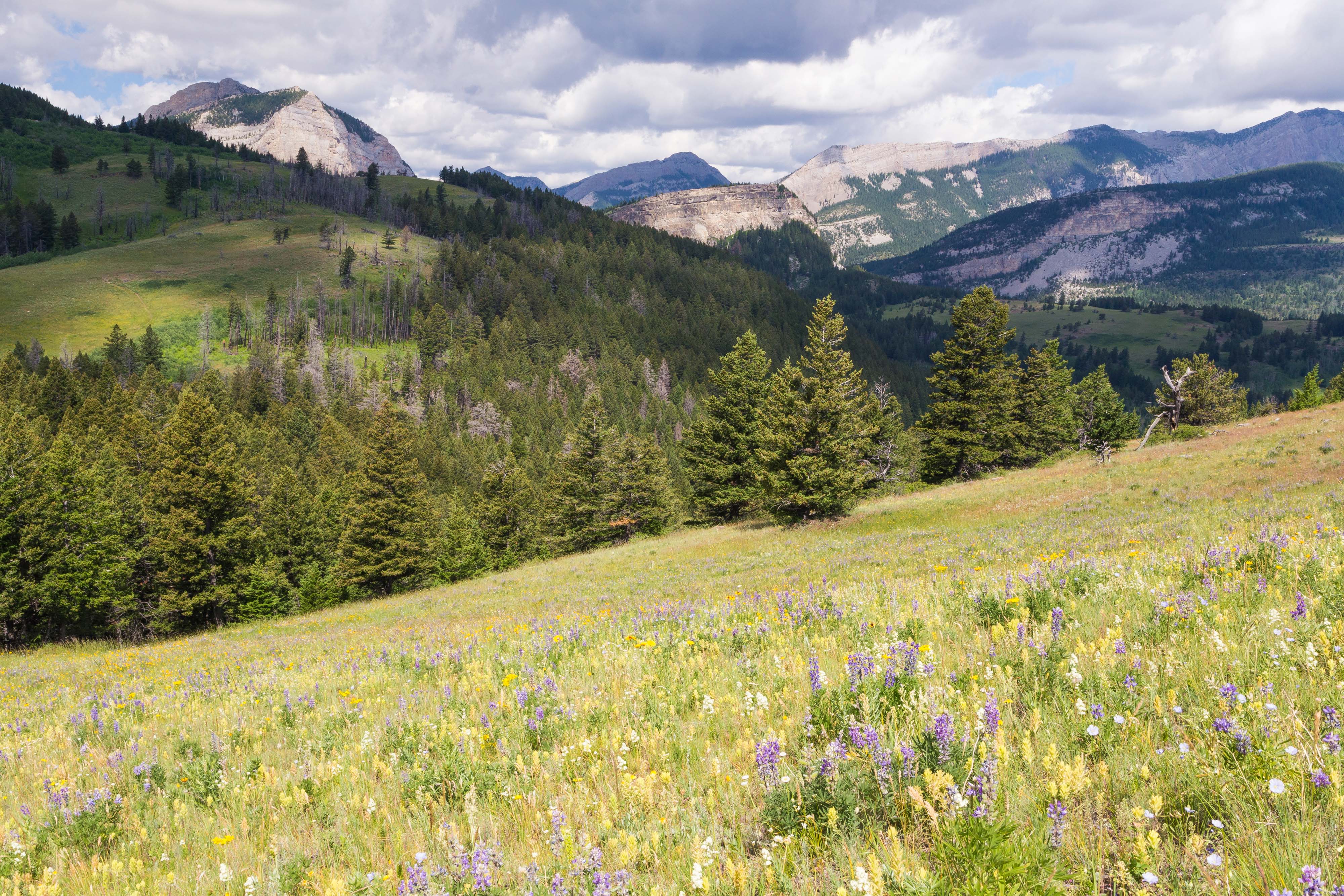
Rocky Mountain Front
On Montana’s Rocky Mountain Front, the mountains meet the prairies in a dramatic convergence of rocky cliffs and the vast grasslands of the High Plains.
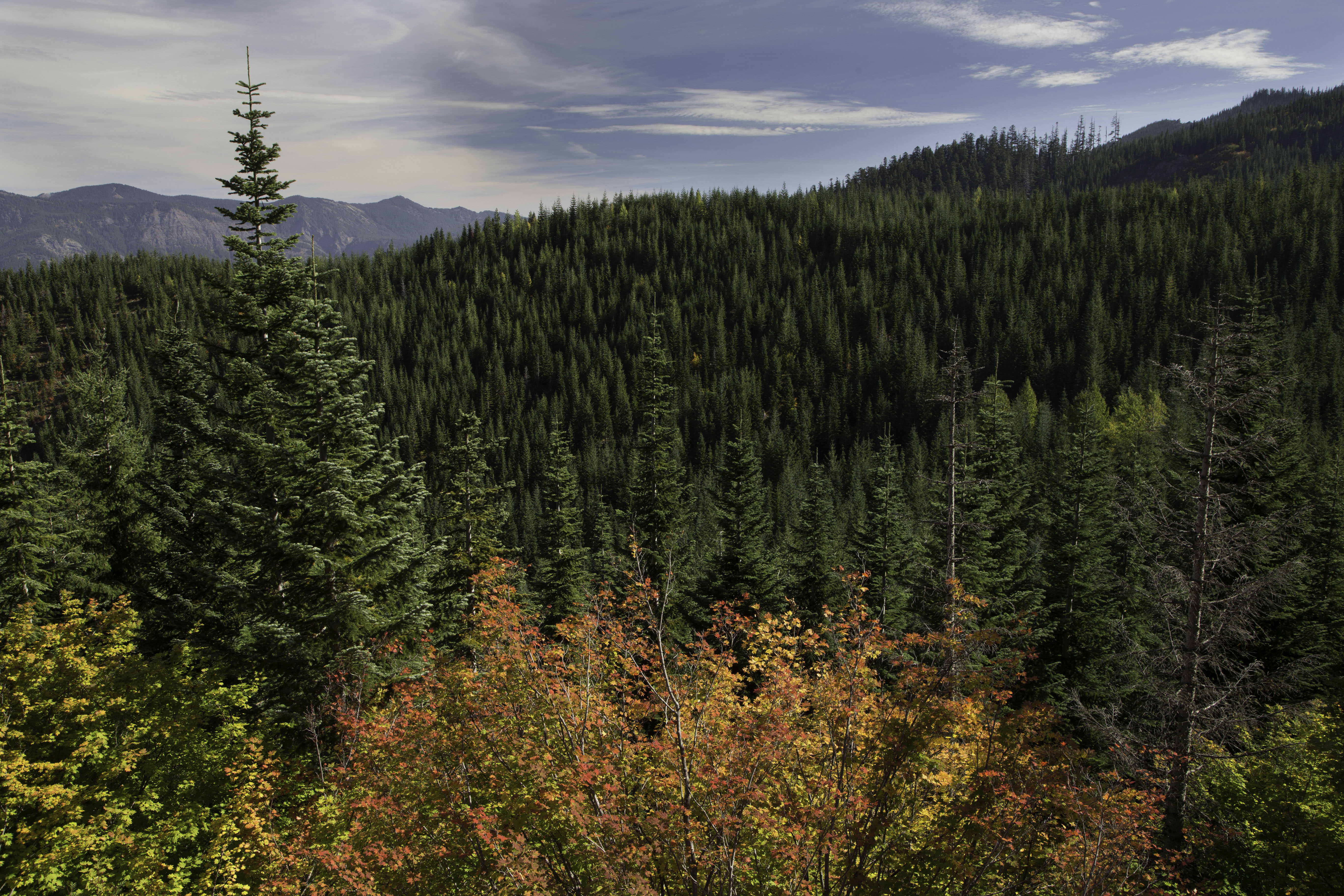
Forest Restoration
With restoration and collaborative community engagement, we are ensuring our forests thrive even in the face of growing threats.
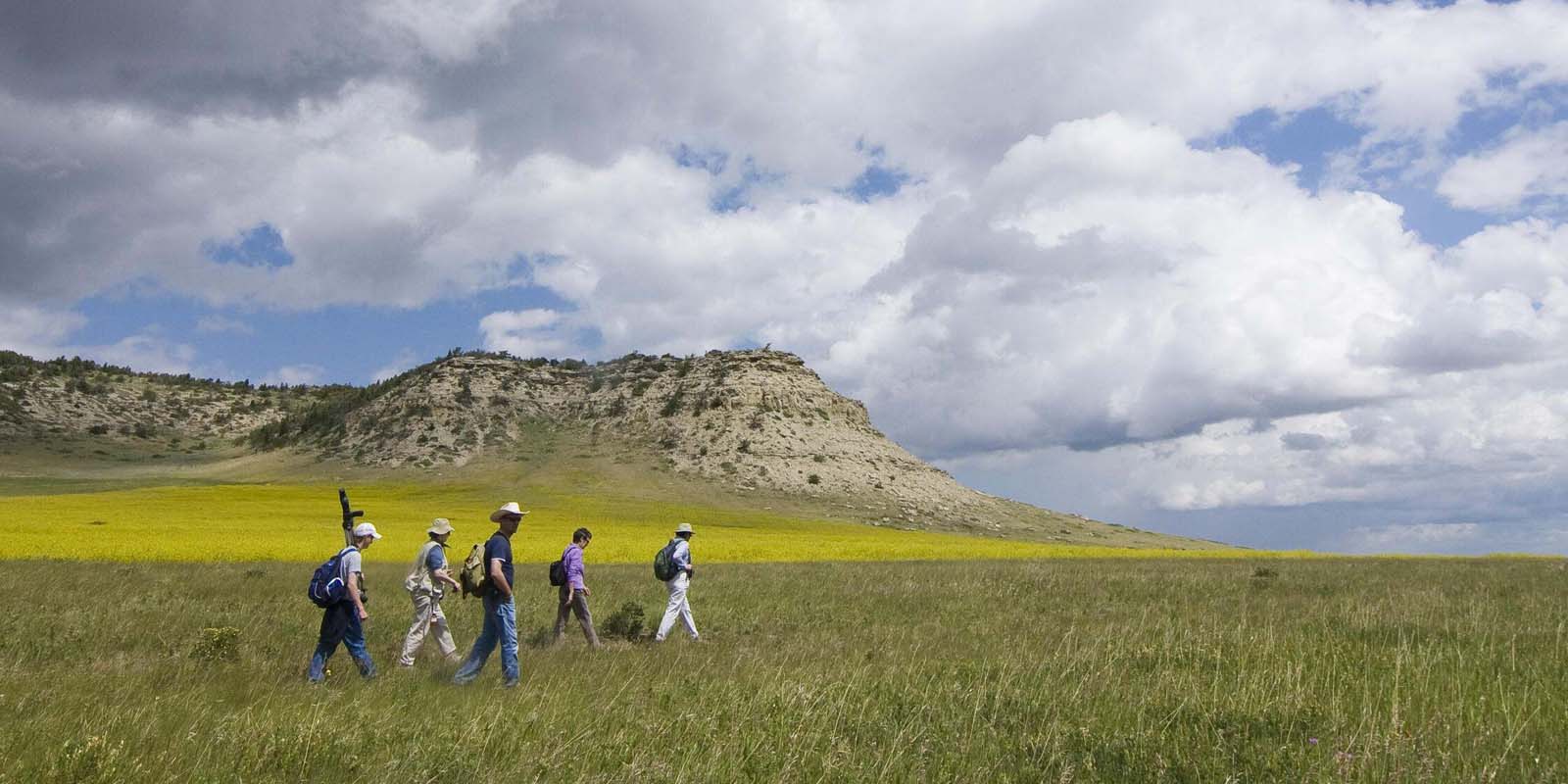
Pine Butte Preserve
Montana's Pine Butte Preserve is home to the largest wetland complex along the Rocky Mountain Front and is an important stronghold for grizzly bears.
The Crown of the Continent needs you.
Support nature and people in Montana by making a gift to protect vital systems like the Crown of the Continent

You Might Also Like

High Divide Headwaters
A working wilderness of multi-generational ranches and public lands where wildlife and people thrive.

Holding the Line: Protecting the Sagebrush Sea
Forests are encroaching into sagebrush landscapes, threatening wildlife that depend on sagebrush habitat. TNC and partners are working to address this issue.

Conservation Creates Rural Jobs
Trees from TNC conservation projects yield building materials, firewood and employment opportunities for rural communities.