

How We’re Working in Regenerative Agriculture
Agricultural practices can focus on conservation and benefit farmers’ bottom line.

More than half the land in Minnesota is used for agriculture. That means we can’t achieve our conservation goals without addressing how crops are grown.
Globally, food production contributes about one-third of greenhouse gas emissions. And as more acres are turned into cropland, plants and animals are losing habitat. Plus, fertilizer can wash into rivers and lakes, polluting drinking water and harming wildlife habitat, local economies and recreation.

Farmers also face big challenges, including more severe weather events, rising costs, fewer workers, unstable markets and rising debt. Many common practices like tilling and growing monocultures can degrade soil health, putting our waters at risk and making farms less productive over time.
The Nature Conservancy is working to improve soil health on 15 million acres of farmland by 2030. We’re collaborating across the food and agriculture industries to scale the adoption of regenerative agriculture practices that keep soil healthy.
Regenerative agriculture includes practices like planting cover crops to protect soil, using fertilizer more efficiently, rotating diverse crops, and planting buffers zones between fields and sensitive areas. These practices can make farms more profitable while protecting clean water, storing carbon and supporting wildlife.
Together, we can grow food while restoring nature.
How We Work on Regenerative Agriculture
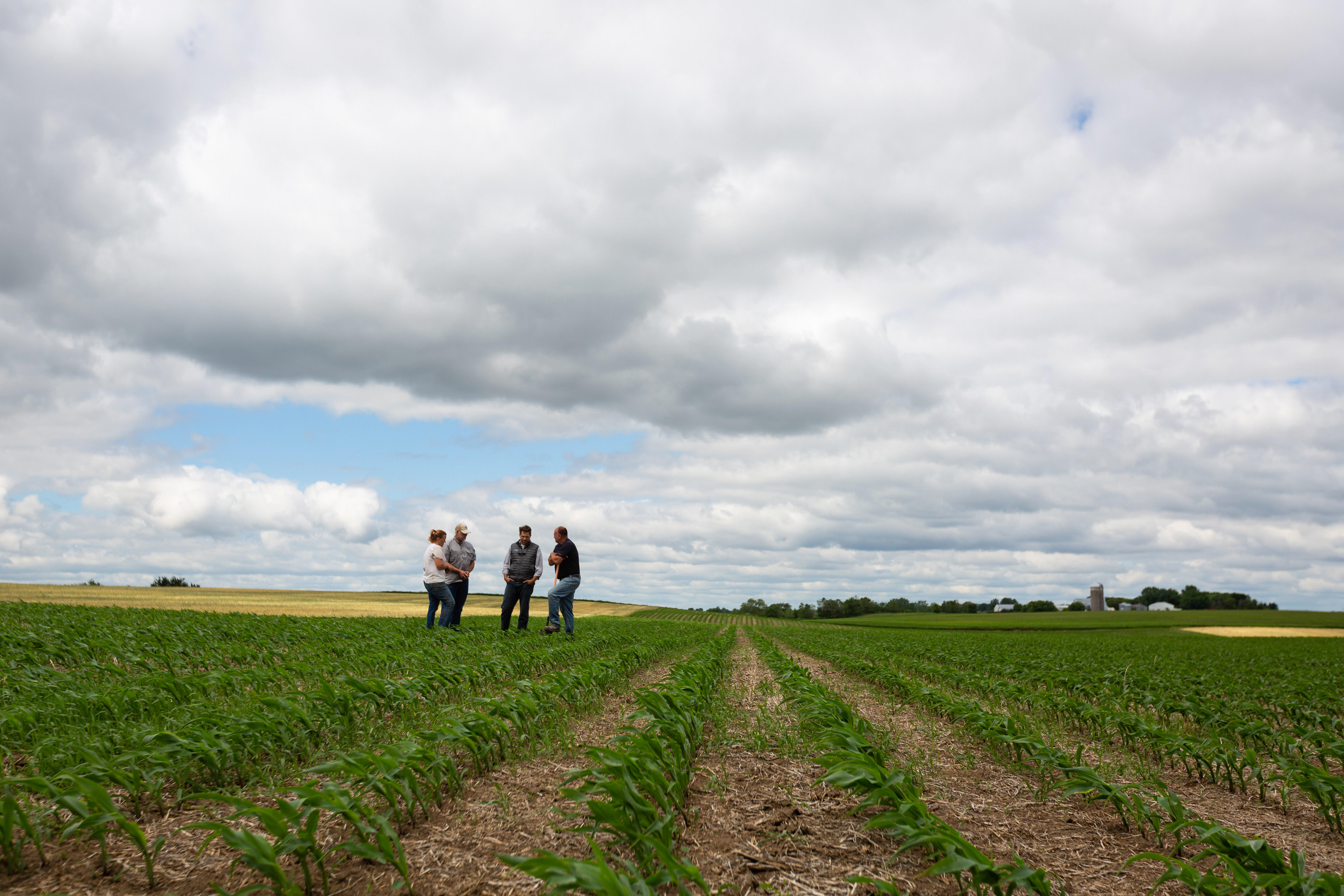
We Need to Grow the Supply Chain to Build Soil Health
Cover crops are good for the environment and farmers. Why aren’t they in more fields?
Explore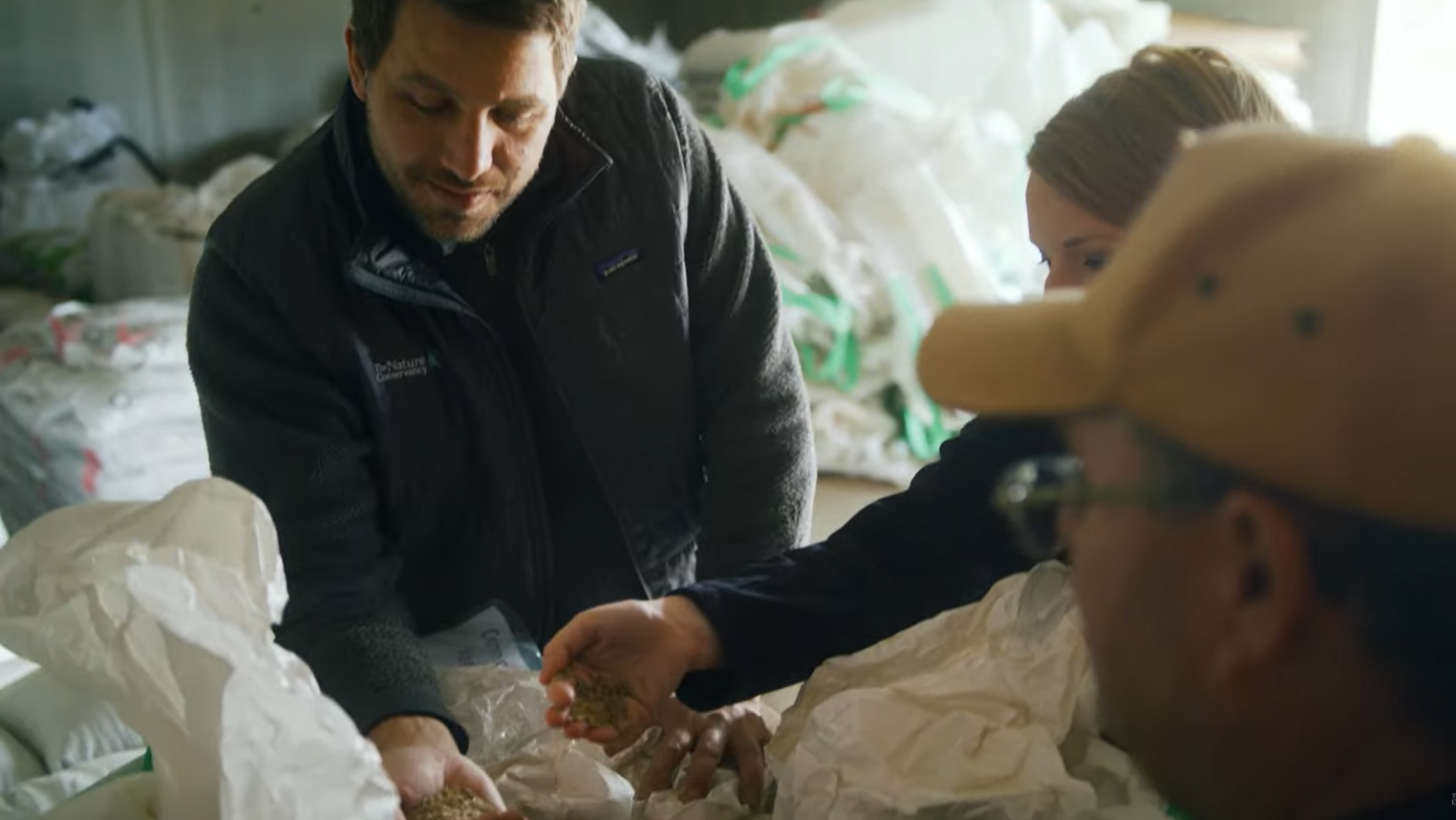
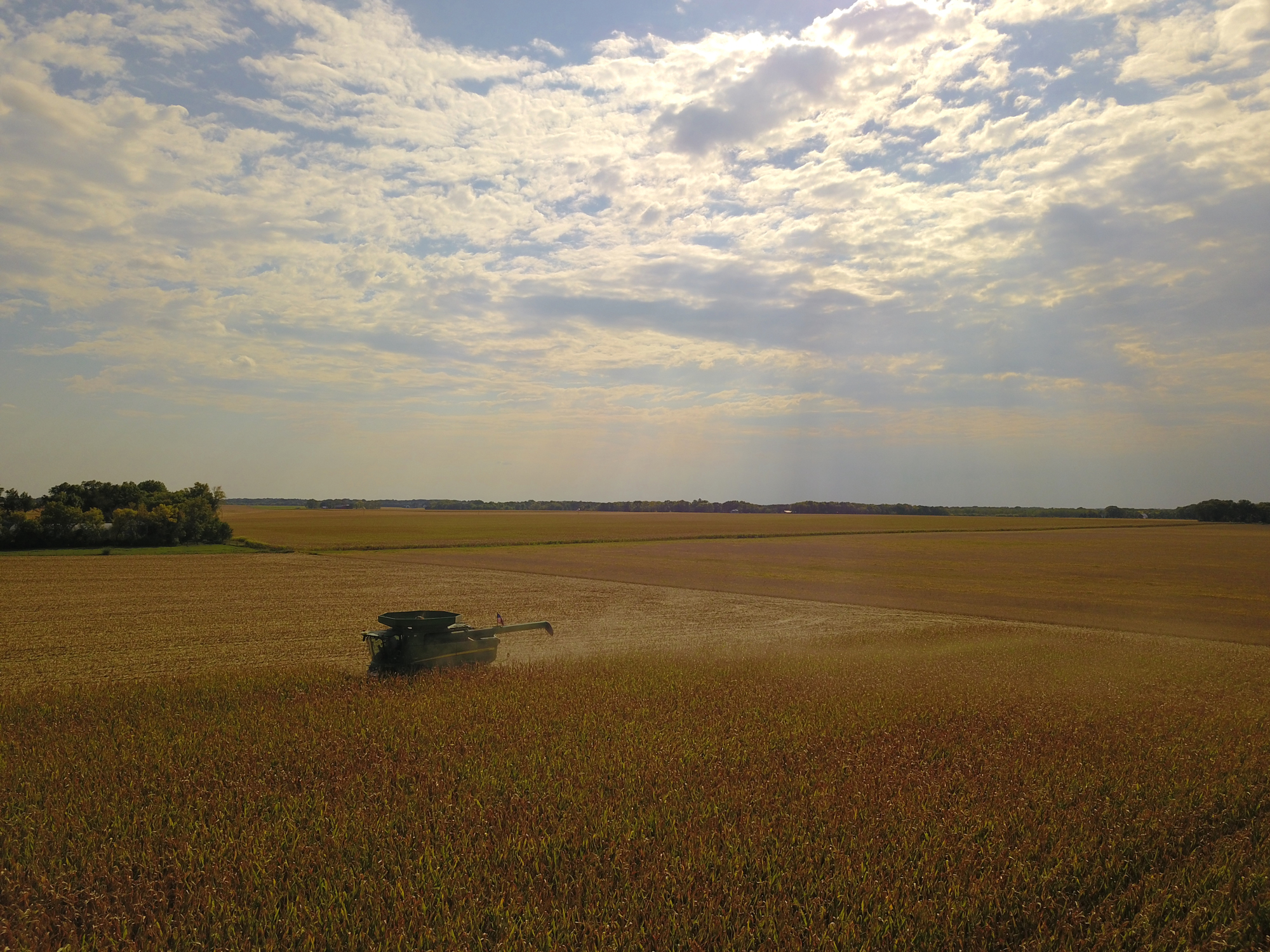
The Future Is in Our Farms
Regenerative agriculture can help farmers meet growing food demand while protecting the environment. Improving agricultural practices across the U.S. could reduce 389 million tons of carbon dioxide per year—the equivalent of taking almost 85 million vehicles off the road.
Adopting soil health practices on just half of our cropland could also reduce nitrogen and phosphorus pollution in the Mississippi River system by as much as 20%. This would improve the quality of drinking water for 20 million people and critical habitat for countless species. It’s essential that farmers are partners in our work to protect the lands and waters on which all life depends.
Our Experts


Dig In Deeper

North America Agriculture
Find out how The Nature Conservancy is working to promote healthy agriculture practices with two science-driven strategies: sustainable grazing and nutrient reduction.

We Need to Grow the Supply Chain to Build Soil Health
Cover crops are good for the environment and farmers. Why aren’t they in more fields?

Beef and Bison Can Help in Fight Against Climate Change
Native grasslands are not only incredibly diverse, but they are also enormously important in tackling climate change. Grazers like cows and bison play a role in keeping grasslands healthy.