

Restoring Reefs to Build Resilience
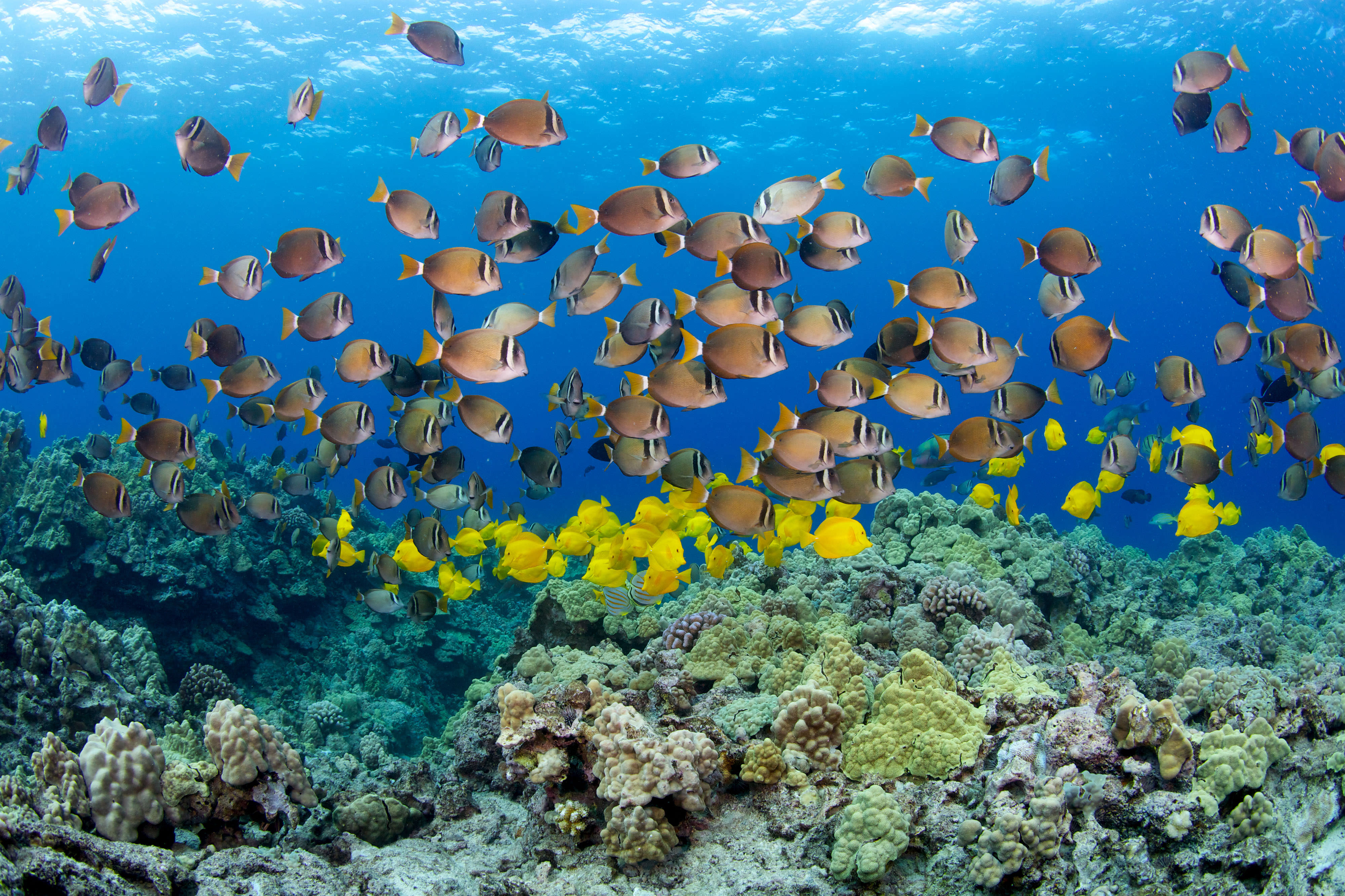
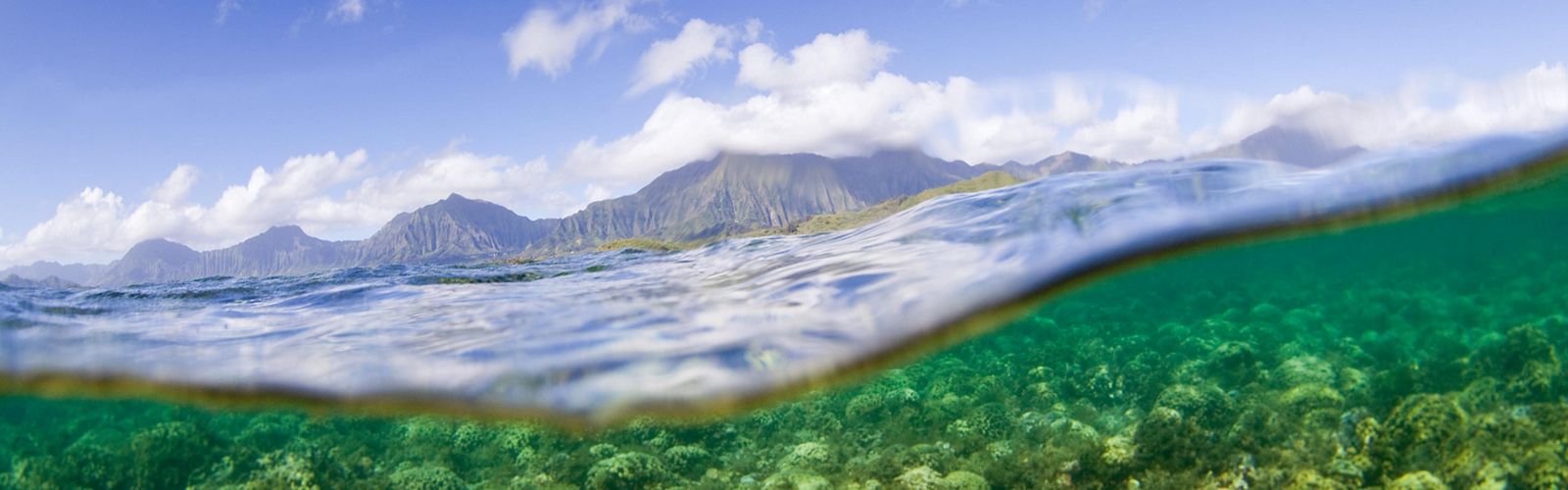
These vibrant ecosystems shelter and sustain about 25% of all marine species—and provide food, livelihoods & coastal protection for Hawaiʻi’s people.

Reefs in Hawai‘i
Hawai‘i's Reef Inhabitants


These massive living structures are vital to Hawai‘i’s people, culture, lifestyle and economy, providing more than $2 billion each year in flood protection and reef-related tourism alone. Healthy reefs mean healthy communities—now and for generations to come.
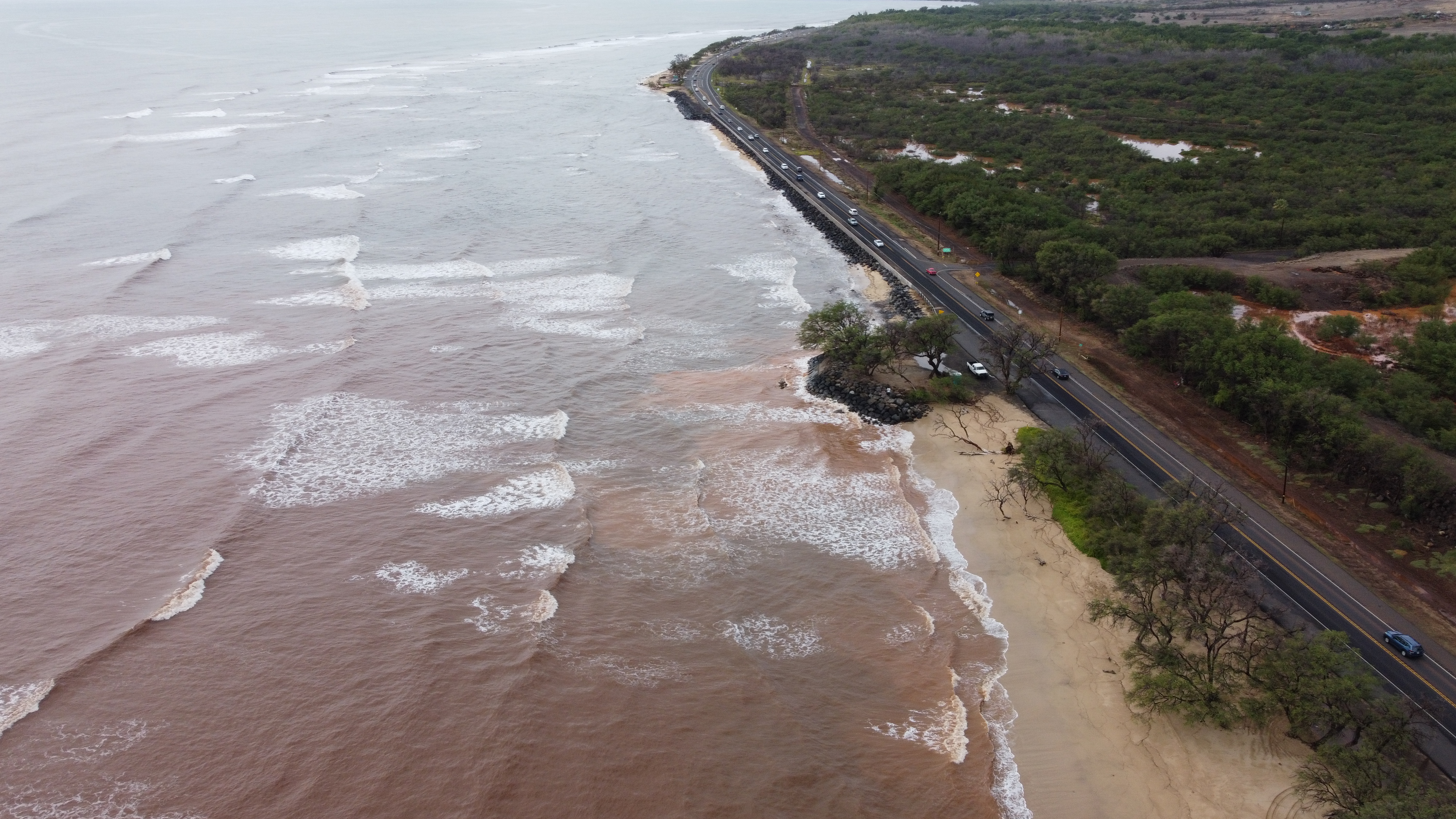
But reefs face mounting threats—from sediments and land-based pollution to overfishing and the accelerating impacts of climate change, including rising sea levels and water temperatures.

In recent decades, live coral cover in some areas of Hawai‘i has declined by 60%. Without urgent action, these vital ecosystems—and the benefits they provide—are at grave risk.
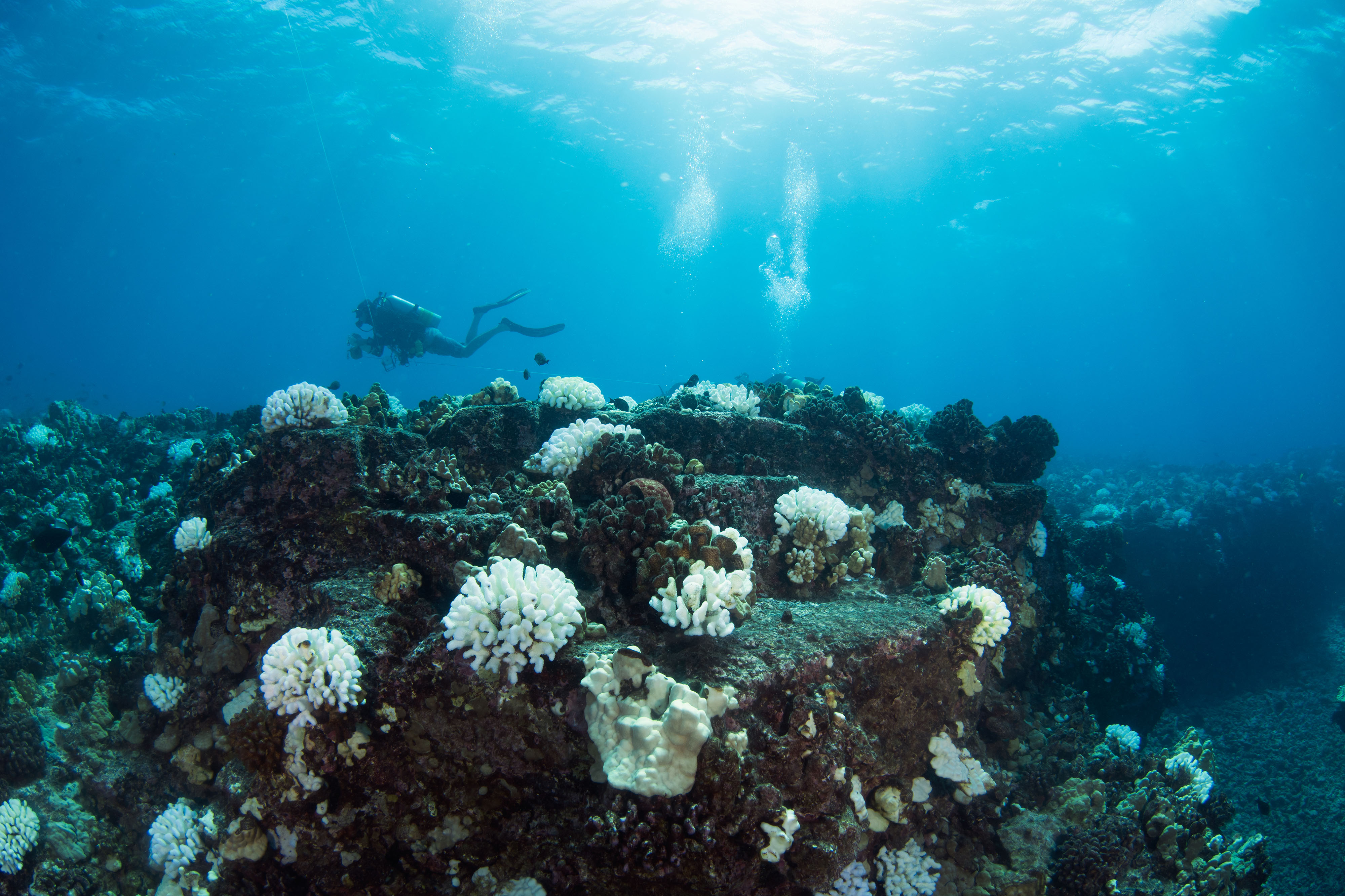
Around the world, reef restoration has emerged as an important component of coral reef recovery. In Hawaiʻi, recent bleaching events have caused a 30% loss of live coral cover, making it essential to understand the potential of restoration to help sustain Hawaiʻi’s spectacular coral reef ecosystems and the communities that depend on them.
Read about how coral bleaching impacts reefs.
Reef Restoration
Reef restoration involves actively rebuilding coral reefs that have been damaged or degraded. Using techniques like coral stabilization and coral gardening, restoration aims to increase coral cover, boost biodiversity and/or enhance the resilience of the reef ecosystems.
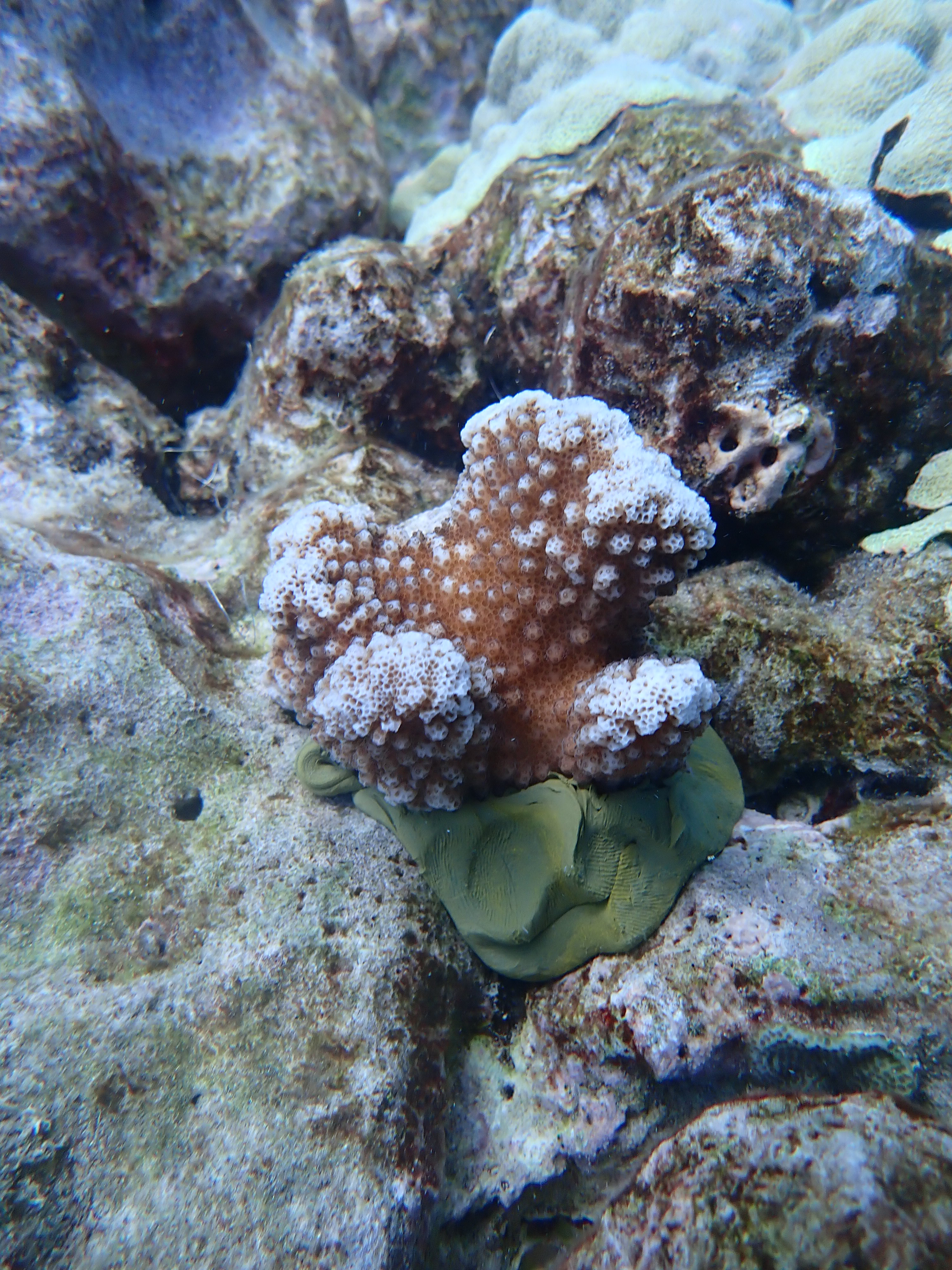
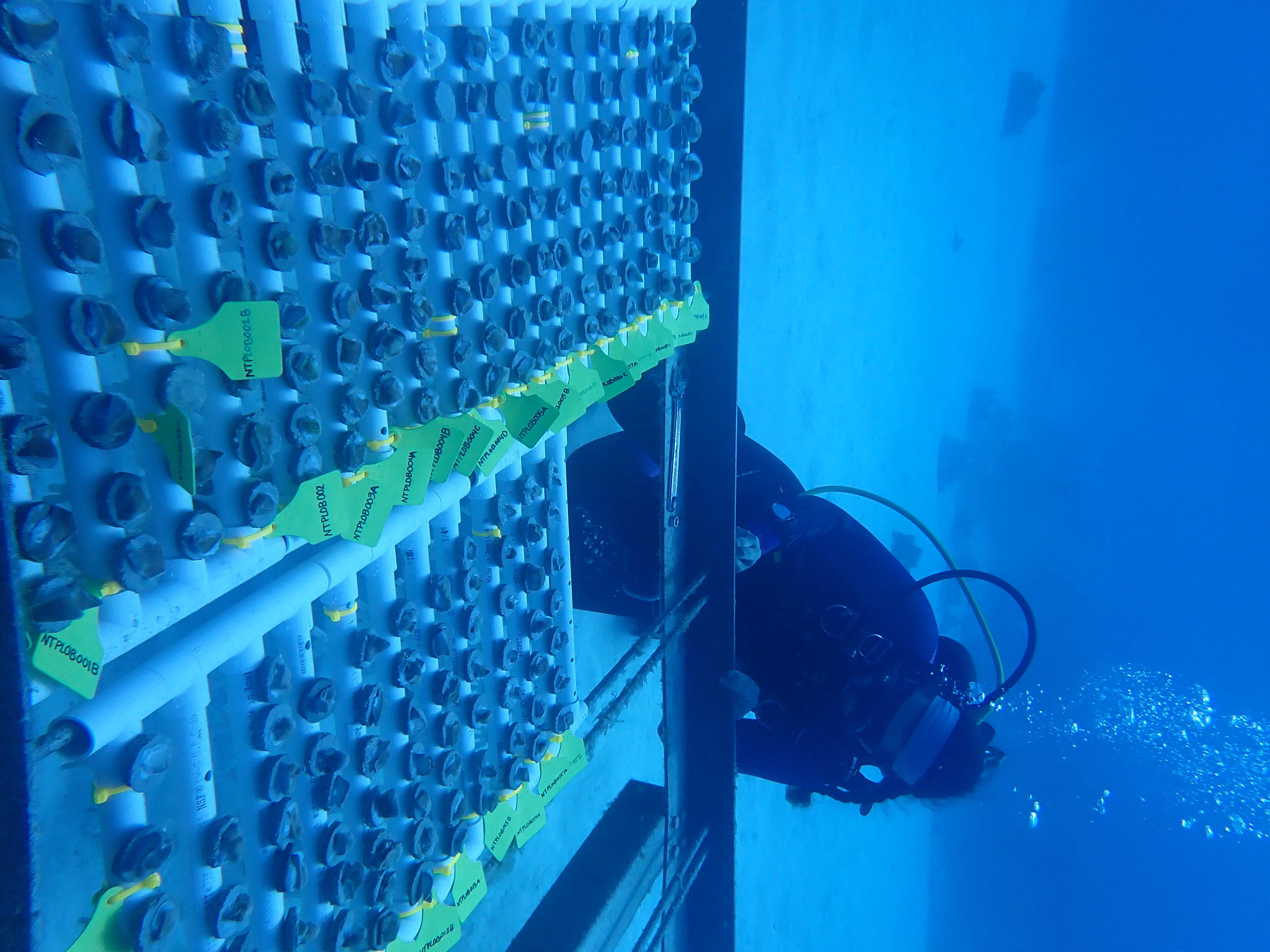
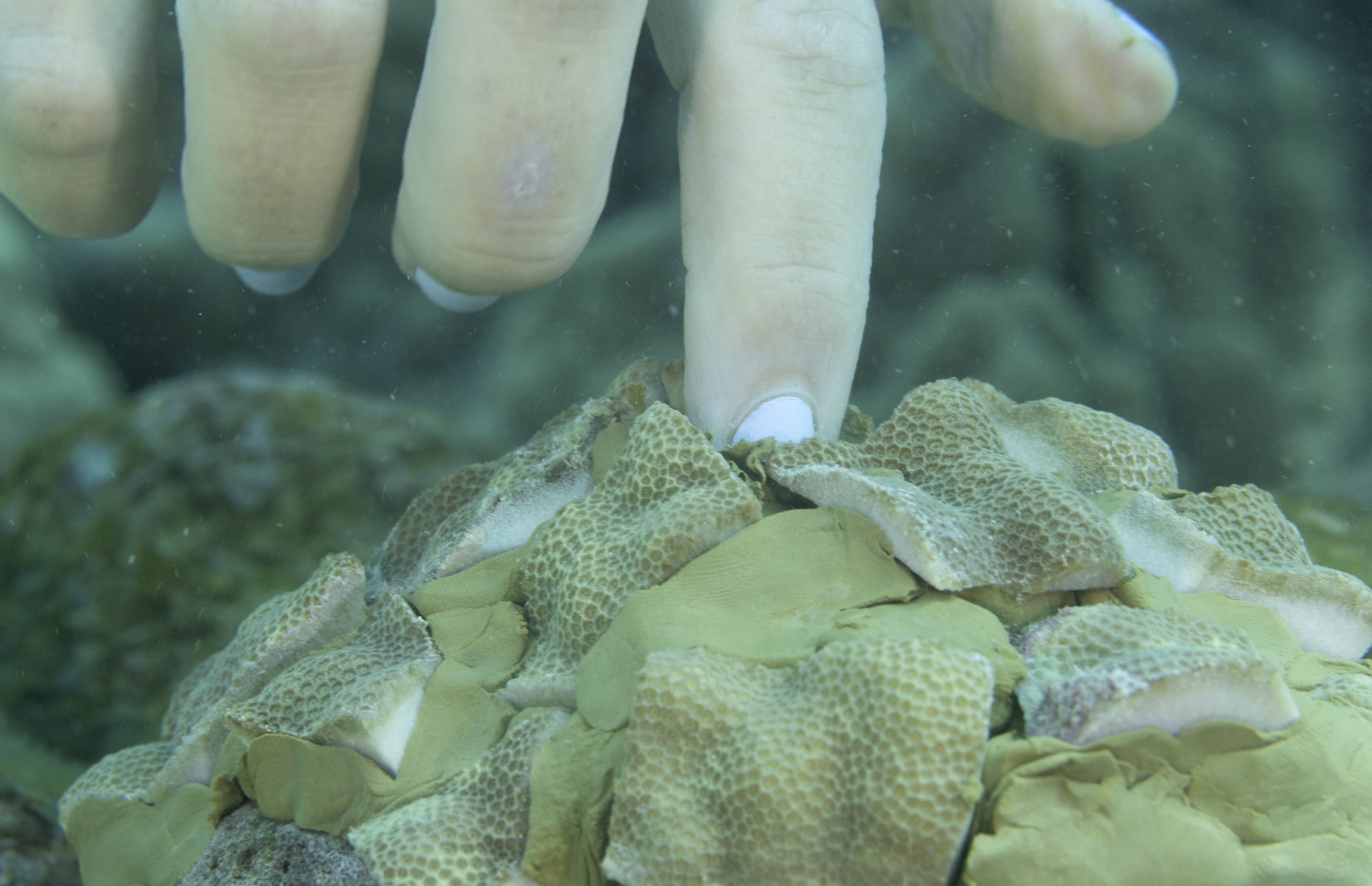
Before reef restoration begins, it is essential to address the threats causing reef decline. By improving water quality and promoting responsible resource use, we give restored corals the best chance to survive and thrive.
Reef Restoration in Hawai'i

In Hawaiʻi, reef restoration is a team effort. TNC’s marine scientists work closely with federal, state and community partners to develop restoration approaches that are science-based, adaptive and centered on local communities. Together, we are piloting reef restoration at sites where corals have been lost but where the reefs have shown resilience—places where partners are working to reduce threats and improve reef health.
We work closely with community partners, who select pilot locations, coral species and restoration techniques in consultation with restoration scientists.

We only use corals that have been broken during recent storms or high swells and would otherwise die. To prevent the spread of disease or invasive species, our teams only replant corals near where they were found.
Target species for Reef Restoration


“He pūko‘a kani ‘āina”
“A coral reef that grows into an island”
ʻŌlelo Noʻeau (Hawaiian proverb)
Emergency Repair
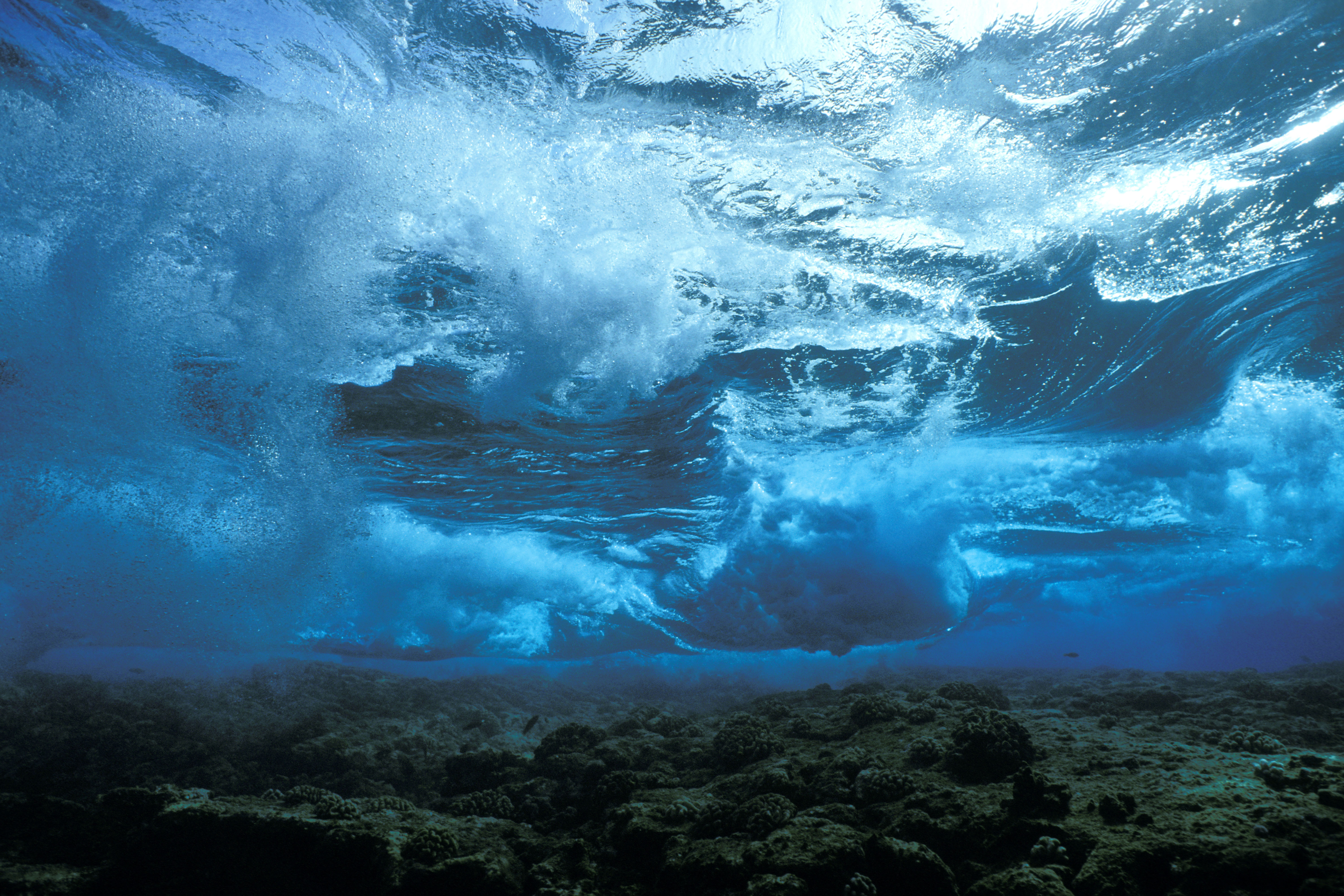
Reefs protect our shorelines by breaking down wave energy.
Hurricanes and large swell events can devastate huge swaths of reef in a matter of hours. After severe hurricanes, coral cover can drop by 50% or more—and losing just one meter of reef height can double the cost of storm damage to coastal properties and infrastructure, including roads and sewage systems.

Rapid, well‑coordinated reef repair helps reefs recover—stabilizing damaged corals boosts survival, reducing storm and swell impacts on reefs and coastal communities.
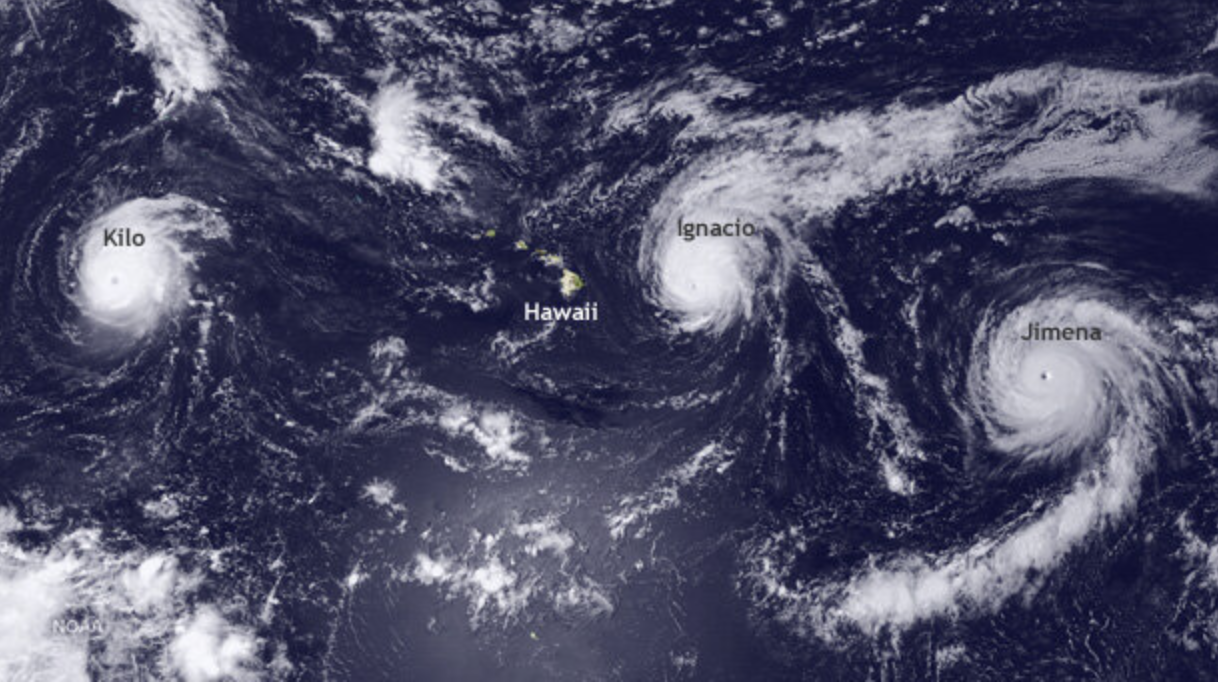
To fund rapid response after damaging storms, TNC purchased an insurance policy covering reefs across the Main Hawaiian Islands. When wind speed thresholds are met, the policy issues a pre-determined payout within days, funding trained response teams to assess damage, clear debris and reattach corals to help them survive.
Building on global restoration expertise and lessons learned from post-storm repair on the Mesoamerican reef, the Hawaiʻi Emergency Reef Restoration (HERR) Network was developed to coordinate rapid damage response across the islands.
Working with state, federal and community partners—such as Hawaiʻi’s Division of Aquatic Resources, universities, and local aquariums and nonprofits—HERR Network crews have already rescued and reattached hundreds of corals, including colonies broken off during large swells and salvaged from decommissioned aquaculture nets.
This rapid, coordinated response helps Hawaiʻi’s reefs resist and recover from damage—safeguarding our reefs and the benefits they provide to us all.
Restoration Sites
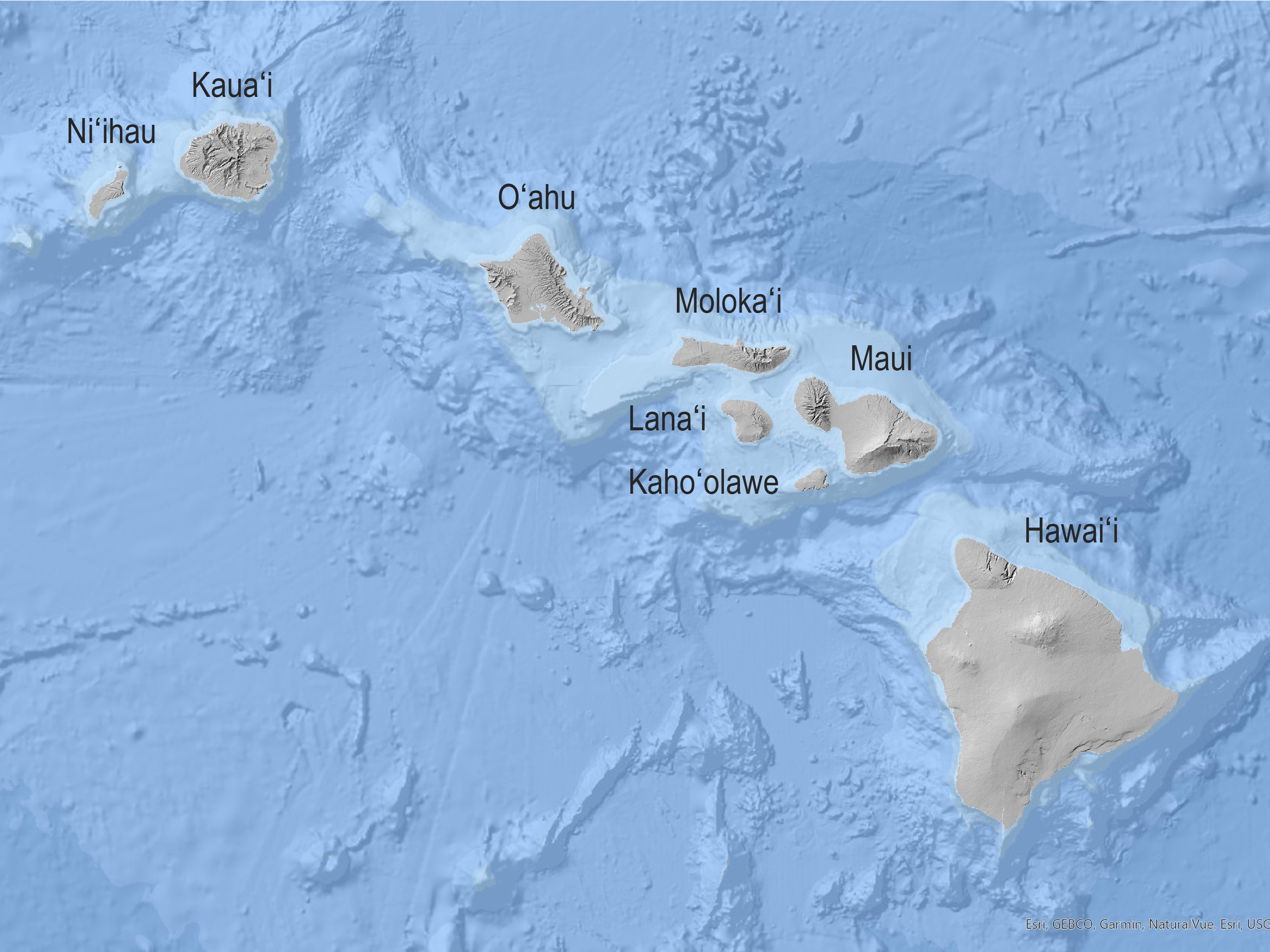
After working with the National Oceanic and Atmospheric Administration, Hawai‘i Division of Aquatic Resources and University of Hawai‘i Institute of Marine Biology to develop a Coral Restoration Action Plan for the state, we began collaborating with community groups and other partners to plan coral restoration projects, assess the effectiveness of restoration techniques and conduct emergency repair on reefs identified in the plan as high priority. Explore the map to see how we and our partners are accelerating reef recovery along island coasts.
Restoration Sites
Project Areas
No results are shown. To see results, turn on the toggle switches in the legend.
- Ka‘ūpūlehu, Hawai'i Island
-
Ka‘ūpūlehu, Hawai'i Island
Pilot restoration and emergency repair site
The 2015 coral bleaching event took a devastating toll on the area’s reefs. To accelerate recovery, we launched the Kanu Ko‘a coral restoration pilot project in collaboration with Hui Kahuwai (formerly Ka‘ūpūlehu Marine Life Advisory Committee) in 2023. In 2025, HERR Network partners, Hui Kahuwai and community members rescued and reattached 313 corals that were dislodged by large winter swells.
Image © John De Mello
- Kealakekua, Hawai'i Island
-
Kealakekua, Hawai'i Island
Pilot restoration and emergency repair site
The 2015 coral bleaching event took a devastating toll on Kealakekua Bay’s reefs. To accelerate recovery, we launched the Kanu Ko‘a coral restoration pilot project in collaboration with Hoʻāla Kealakekua Nui & Hawai‘i’s Division of Aquatic Resources in 2024. In 2024, HERR Network partners rescued & reattached large coral coloni in another part of the bay after they were dislodged by a large swell.
Image © iStock/redtea
- Olowalu, Maui
-
Olowalu, Maui
Planning site
At West Maui’s Olowalu Reef, a “mother” reef or source of coral larvae for other reefs in West Maui, Moloka‘i and Lāna‘I, we work with scientists from Stanford University and Woods Hole Oceanographic Institute and local partners to assess the thermal tolerance of coral and the hydrodynamics of the area to determine optimal reef sites and coral species for reef restoration.
Image © Lyle Krannichfeld
- Makako Bay, Hawai'i Island
-
Makako Bay, Hawai'i Island
Emergency repair site
In 2024, TNC and HERR Network partners from the Division of Aquatic Resources and Arizona State University salvaged and attached hundreds of corals from a decommissioned aquaculture net that would otherwise have been discarded. Teams of divers carefully removed coral colonies that had been growing for up to 11 years at the fish farm in Kona, then prepared them for reattachment.
Image © Jessica Glazner/Liquid Cosmos Photo
- Kewalo Basin, O'ahu
-
Kewalo Basin, O'ahu
Emergency repair site
In 2024, HERR Network partners from Kuleana Coral Restoration and Hawai‘i’s Division of Aquatic Resources rescued and reattached 200 corals, possibly dislodged from anchor damage. By rescuing the corals quickly, the teams prevented further damage from occurring during a subsequent south shore swell when loose corals would likely have caused additional breakage.
Image © DLNR


Kanu Ko‘a Pilot Restoration Project Findings
The Kanu Koʻa (planting coral) projects assessed four restoration techniques across two environmentally distinct sites in West Hawaiʻi—Kahuwai Bay and Kealakekua Bay—revealing valuable insights for coral restoration in Hawaiʻi, including significant differences in effectiveness and cost between techniques.
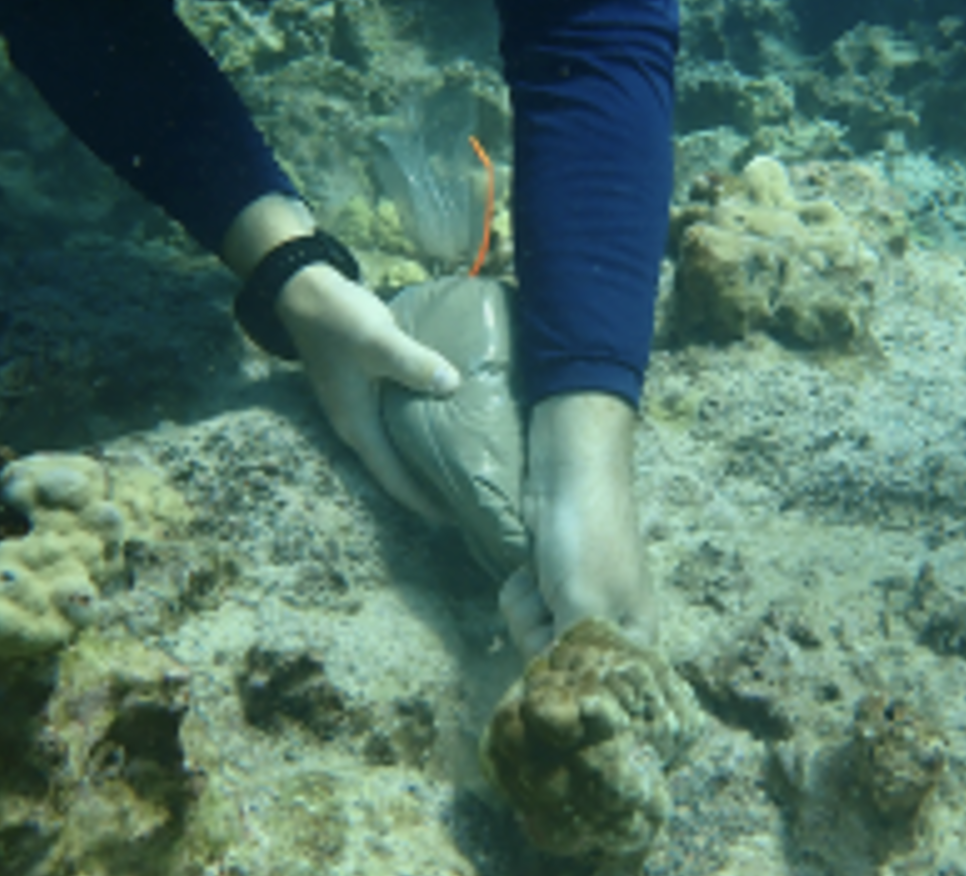
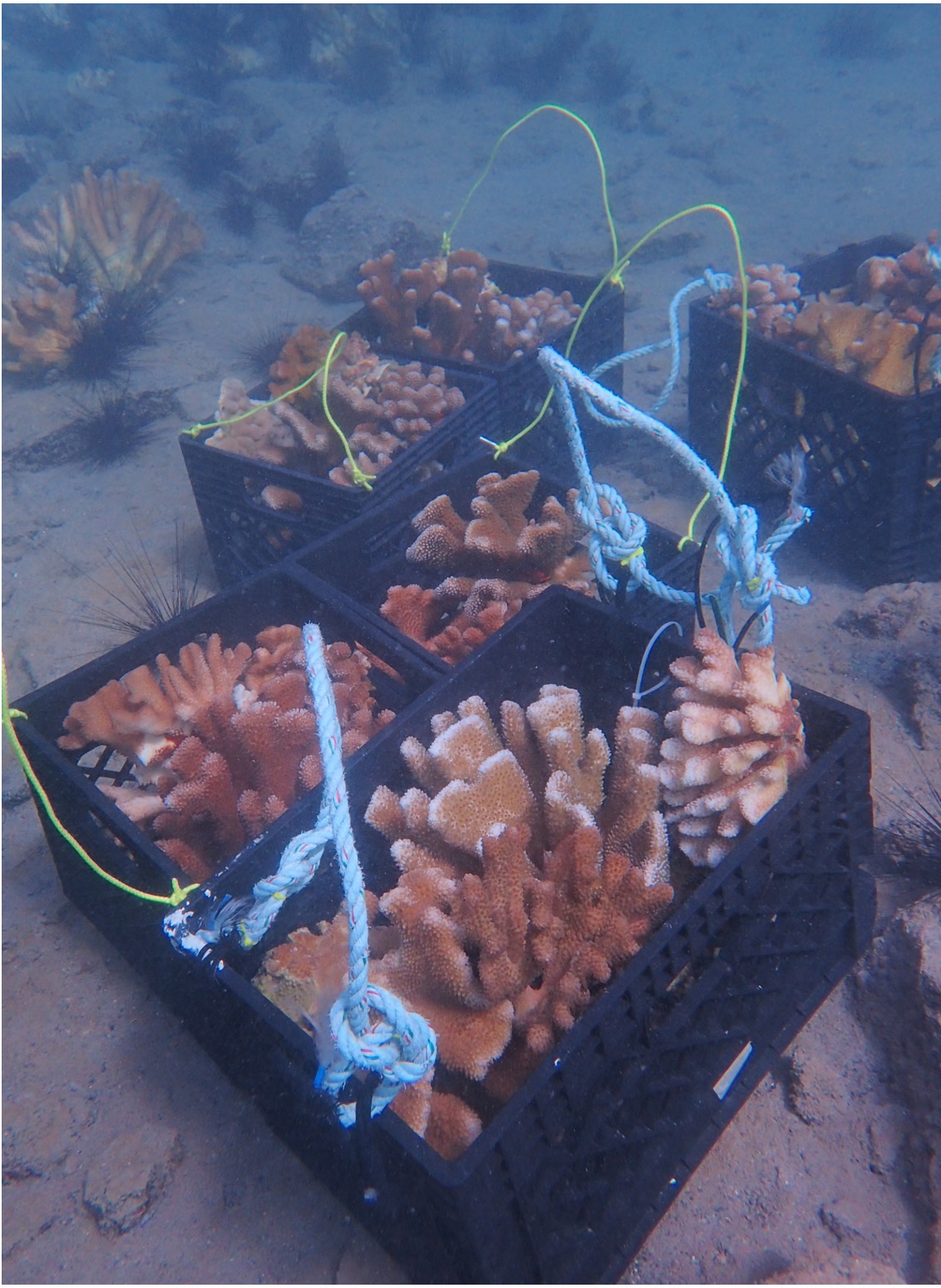
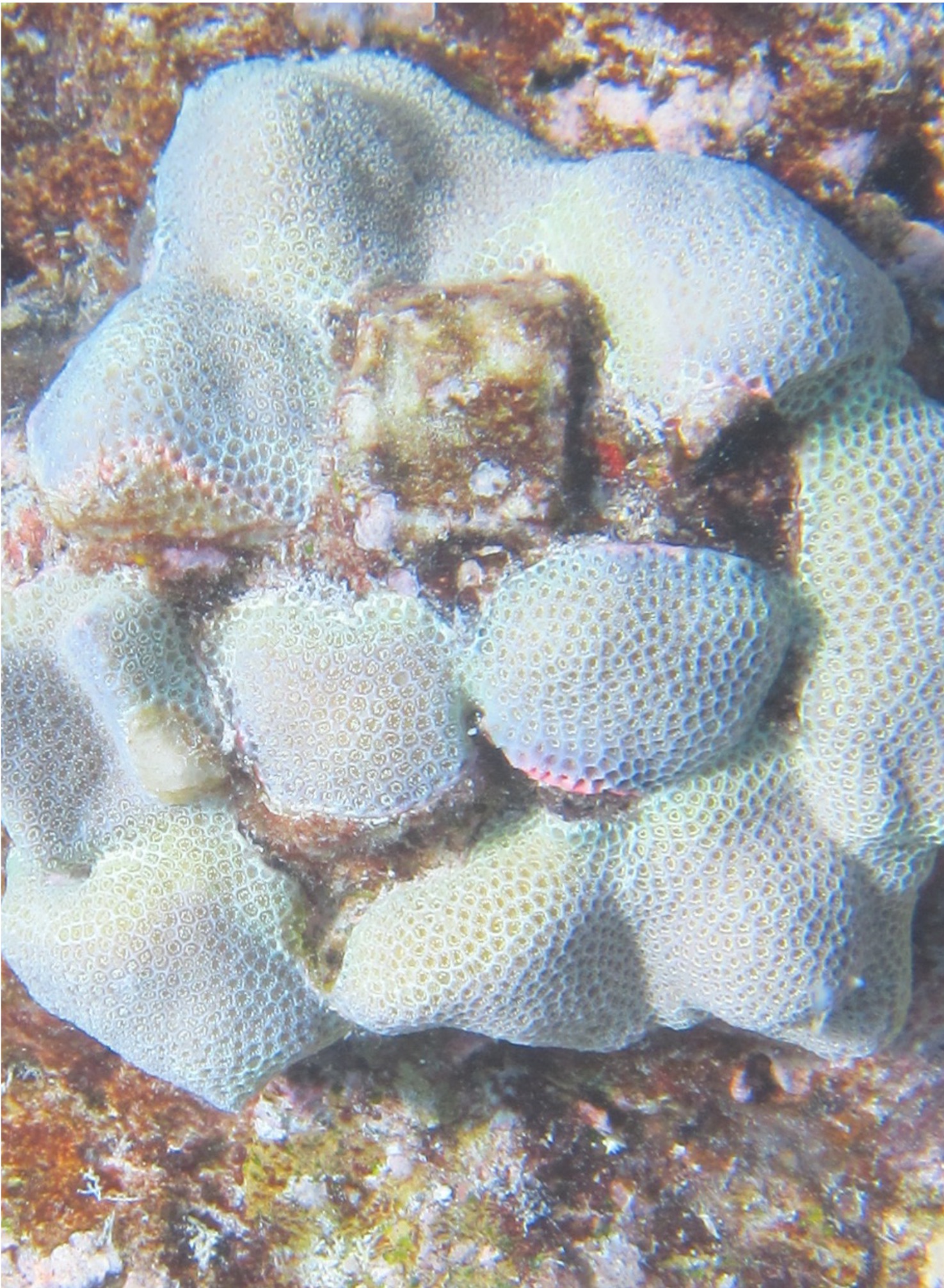
Find out what else we learned by downloading the full report.
Monitoring for Success
These protocols can now be consistently applied across Hawaiʻi and adapted for use across the Pacific, creating a network of comparable data that accelerates learning and improves restoration effectiveness regionwide.
TNC’s reef recovery work complements broader efforts that reduce local pressures—so reefs, fisheries and communities thrive long in the future. Learn more about what we do.
Make a Difference in Hawai‘i
The Nature Conservancy works with people like you to protect Hawai'i’s spectacular diversity of life. Together, we can protect the plants and animals that share our world and support our well-being. We invite you to join the effort.
We Can’t Save Nature Without You
Sign up to receive monthly conservation news and updates from Hawai’i & Palmyra. Get a preview of Hawai’i & Palmyra’s Nature News email.
Related articles

Olowalu
In 2017, the Olowalu reef was declared a Mission Blue Hope Spot—a place that is critical to the health of our oceans.

Restoring Hawaiʻi’s Reefs
See how we’re working to restore health and abundance to Hawaiʻi’s coral reefs and fisheries.

Kīholo Preserve
Kīholo is part of a coastal area once coveted by Hawaiian chiefs for its fisheries, fishponds and anchialine pools.