
Stand Up to Plastic
Plastic pollution is a massive problem—but this means our solutions can have massive impacts as well.

We’re launching the Microfiber Action Alliance to reduce microfiber pollution in the textile sector!
TNC is proud to announce the Microfiber Action Alliance, a new multi-stakeholder initiative to combat microfiber pollution by accelerating the adoption and scaling of effective, evidence-based solutions. Convened by TNC, the founding cohort includes Nike, Patagonia, Under Armour, lululemon, Cotopaxi, REI Co-op and EILEEN FISHER, Inc., among other leading brands.
Learn more!The Plastic Problem
Plastic pollution is now found in every crevice of the planet, from mountaintops to city streets, farmlands to the deepest ocean trenches—threatening wildlife, ecosystems and human health. Research shows plastics have toxic effects at every level of nature, from individual cells to entire food webs.
Plastic Pollution by the Numbers
-
50%
of plastic produced today is "single use."
-
11
Million tons of plastic enters the ocean every year.
-
4.85
Million lbs of plastic microfibers contaminate CA every year
-
850
Million tons of greenhouse gases emitted yearly.
Yet this challenge is not insurmountable. At The Nature Conservancy (TNC), we are confronting the plastic crisis head-on. In California and around the world, we are advancing cutting-edge science, advocating for ambitious policy change and implementing scalable solutions to reduce plastic pollution and protect the ecosystems and people most at risk.
Our efforts are focused in three high-leverage sectors where we see a tremendous opportunity for change: single-use plastics and packaging, agriculture and the textile industry. While all of these efforts touch down directly in California, many of them result in benefits far beyond our state.

Our Vision for a Healthier World
We envision a future where California leads the world in addressing plastic pollution by developing scalable, science-based solutions that advance a more sustainable economy. As the largest generator of landfilled plastic waste in the United States, California presents both a significant challenge and a unique opportunity. By demonstrating what is possible here, we will create a replicable blueprint for impact around the world.
Our approach is comprehensive and strategic:
- We engage across the entire plastics life cycle from reducing production and improving product design to capturing and removing plastic pollution at strategic points.
- We accelerate high-impact innovations and business models to reduce plastic use, track plastic flows through the economy and identify industry-aligned solutions.
- We strengthen systems for plastic monitoring, capture and disposal, preventing pollution from reaching our oceans, waterways and food systems.
Plastic pollution is a massive problem—but this means our solutions can have massive impacts as well.
Tackling Single-use Plastics & Packaging
Single-use plastics and packaging make up a whopping 40% of plastic waste in California. To address these ubiquitous and unnecessary plastics, TNC played a pivotal role in the passage of SB 54, California’s landmark plastics legislation. This first-in-the-nation law establishes a producer responsibility framework to reduce single-use plastics 25% by 2032, requires all single-use items to be either recyclable or compostable and supports cleanup efforts. It is now serving as a model in other geographies and at global negotiations for the UN Plastics Treaty.
Stand Up to Plastic Pollution
Sign the pledge today and stand with The Nature Conservancy as we call on world leaders to come together and Stand Up to Plastic Pollution.

We’re also advancing timely, high-impact science to support policy initiatives, such as a groundbreaking state-level effort to quantify plastic consumption, waste generation and end-of-life management across all major sectors in California. This foundational research identifies the most effective policy interventions, supports ongoing monitoring and informs scalable, evidence-based solutions that lay the groundwork for lasting system-wide change.
Addressing Agriculture
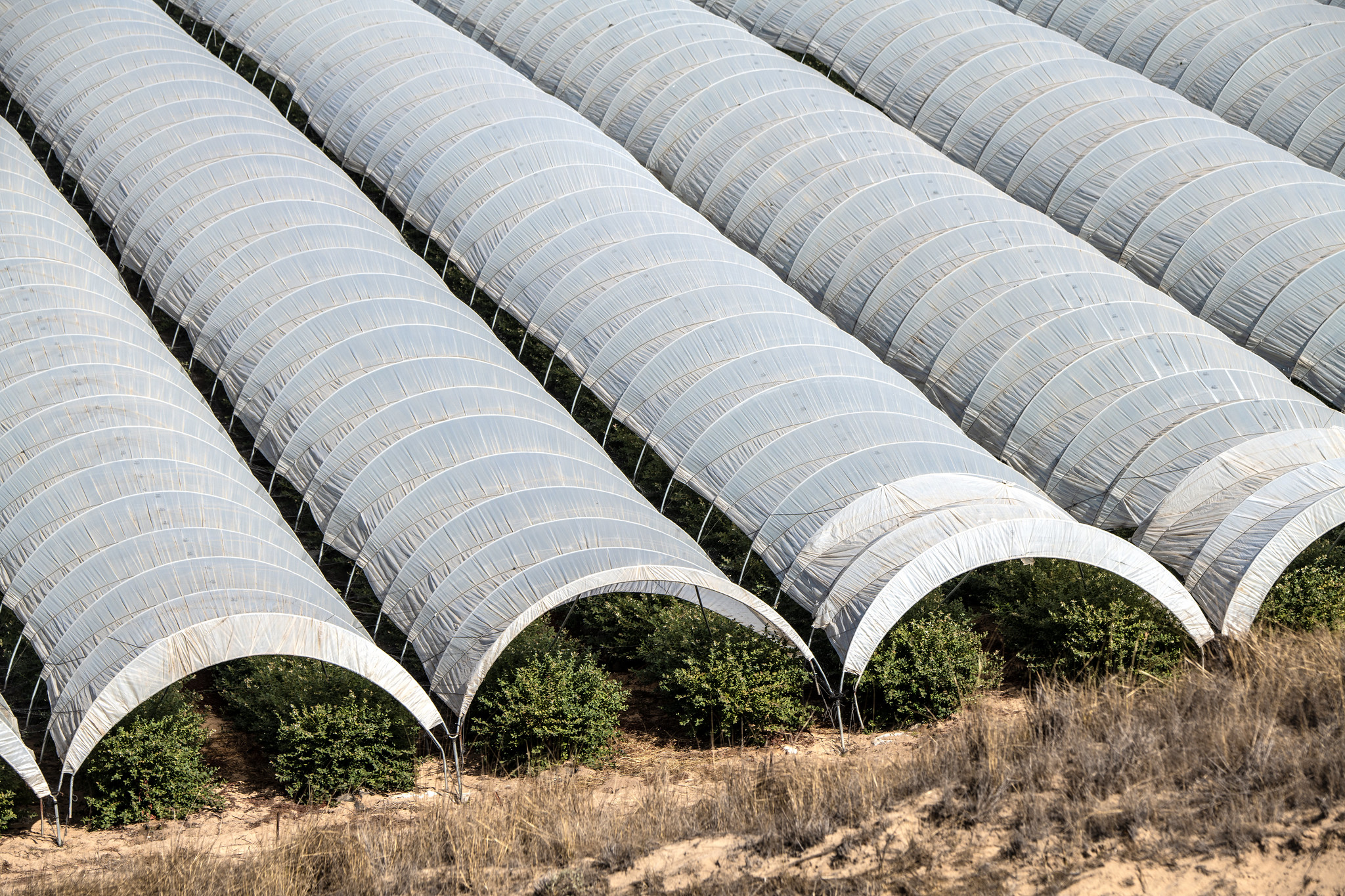
From plastic-coated fertilizers to plastic films that cover our fields, plastics have become integral to how we grow our food. The waste from these materials can accumulate in the soil, leach into waterways and end up in the food we eat. Both in California and globally, plastic use in agriculture is expected to increase as agriculture expands to meet growing food demands, which will result in greater impacts to land, water and people. Despite their widespread use, agricultural plastics are largely unmonitored and unmanaged. TNC is changing that by leveraging remote sensing to fill critical knowledge gaps around where and when plastics are used across farming landscapes and where their use requires additional management attention. Through building diverse coalitions with farmers, industry, government and non-government partners, we are developing business models and pursuing incentive-aligned policy opportunities to reduce the harm from agricultural plastics while supporting resilient, sustainable and productive agricultural systems.
Reducing Microfiber Pollution
Addressing microfiber pollution is a complicated problem that requires collaboration across the textile sector. We believe the Microfiber Action Alliance can help accelerate the adoption of solutions that benefit freshwater ecosystems, oceans, wildlife and communities worldwide.
What Are Microfibers?
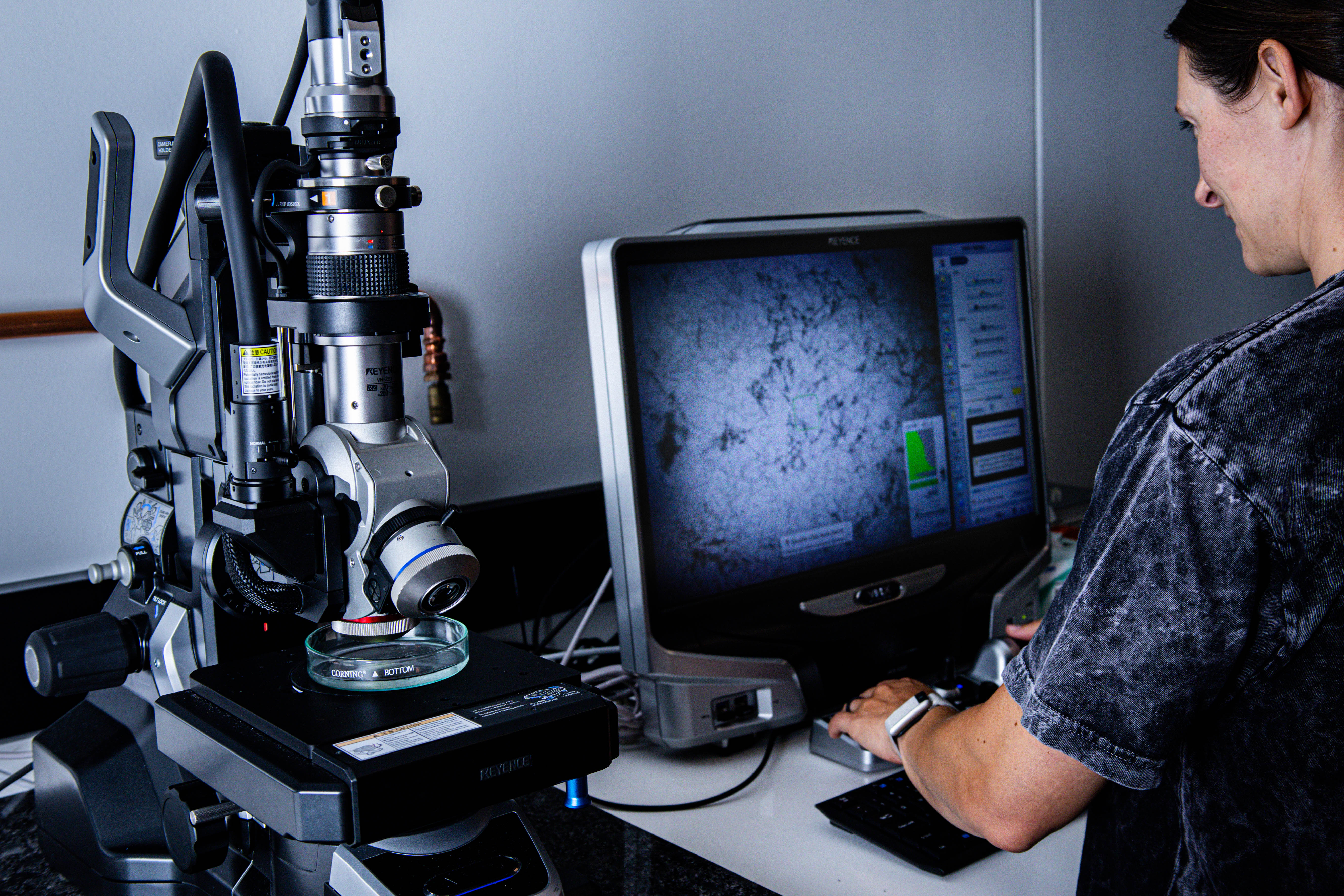
Microfibers are small particles that shed from both synthetic and natural textiles. Alongside use and wear, the production of clothing and textiles is a significant contributor to microfiber pollution globally, with some estimates indicating that microfibers account for over 30% of ocean microplastics. While synthetic microfibers are among the most common forms of microplastic pollution found in nature, even natural fibers, such as cotton and wool, contribute to microfiber pollution if they have been treated with dye, softeners or finishes. Once in the environment, microfibers are extremely difficult to remove because they are so small and easily dispersed, underscoring the importance of prevention.
The Microfiber Action Alliance
That’s why TNC launched the Microfiber Action Alliance, a new multi-stakeholder initiative to combat microfiber pollution by accelerating the adoption and scaling of effective, evidence-based solutions. Convened by TNC, the founding cohort includes Nike, Patagonia, Under Armour, lululemon, Cotopaxi, REI Co-op and EILEEN FISHER, Inc., among other leading brands.
Complementing the work of The Microfibre Consortium, which convenes across the textile industry to develop the science, data and tools needed to reduce fiber fragmentation, TNC will work with participating companies to better understand, refine and advance solutions that can meaningfully reduce microfiber pollution. Through actions taken within each participating company’s supply chains, the Alliance will generate practical insights on what works and share those lessons with the broader industry to help drive wider adoption.
With the initial participation of these companies—and opportunities for additional companies to join—the Microfiber Action Alliance is creating a credible, scalable roadmap for industry-wide progress over time.
You may also like

Staff Stories
Explore with our staff and scientists and get a firsthand look at what it takes to get conservation done on a day-to-day basis.

California: Land of Promise
TNC has turned the business of protecting land into the business of building a future for California.

Conservation Technology
Tapping California’s Most Abundant Resource: Innovation
Make a Difference in California
Together, we can achieve transformative change on a scale that’s attainable—for California, and for the world.