


Request for Proposal
This RFP process concluded on March 6, 2026.

We request that potential grazing contractors contact Sasha Gennet at sgennet@tnc.org in order to register your interest and be notified of any updates to the RFP process. Your contact information will not be used for any other purpose.
This is an open, competitive process that provides equal opportunity for all applicants.
A separate, long-term targeted cattle grazing plan will be developed in 2026. TNC will develop this plan and others in partnership with NPS and their development will include receiving and incorporating public input through at least two public meetings and collaboration with other local partners. A separate RFP will be released late in 2026 for this longer-term grazing program. Additional and complementary natural resources management plans will be co-created with the National Park Service (NPS) and local organizations, and shared for public review starting in mid to late 2026.
Additional Information for Potential Applicants
Prepared by The Nature Conservancy, in coordination with the National Park Service, in response to questions from grazing operators.
Download the Q&AThe Nature Conservancy has a long history of partnering with ranchers to support conservation. In California, TNC partners with ranchers to steward over 400,000 acres of grazed conservation lands, including more than 70 properties where livestock grazing is a key management tool, building on over 50 years of conservation grazing experience across the state.
At Point Reyes National Seashore, TNC entered into a Cooperative Agreement to manage a portion of the Seashore. The protection and management of the National Seashore is of vital importance to TNC, NPS and the public.
For more information about TNC’s support at Point Reyes National Seashore, visit this page.
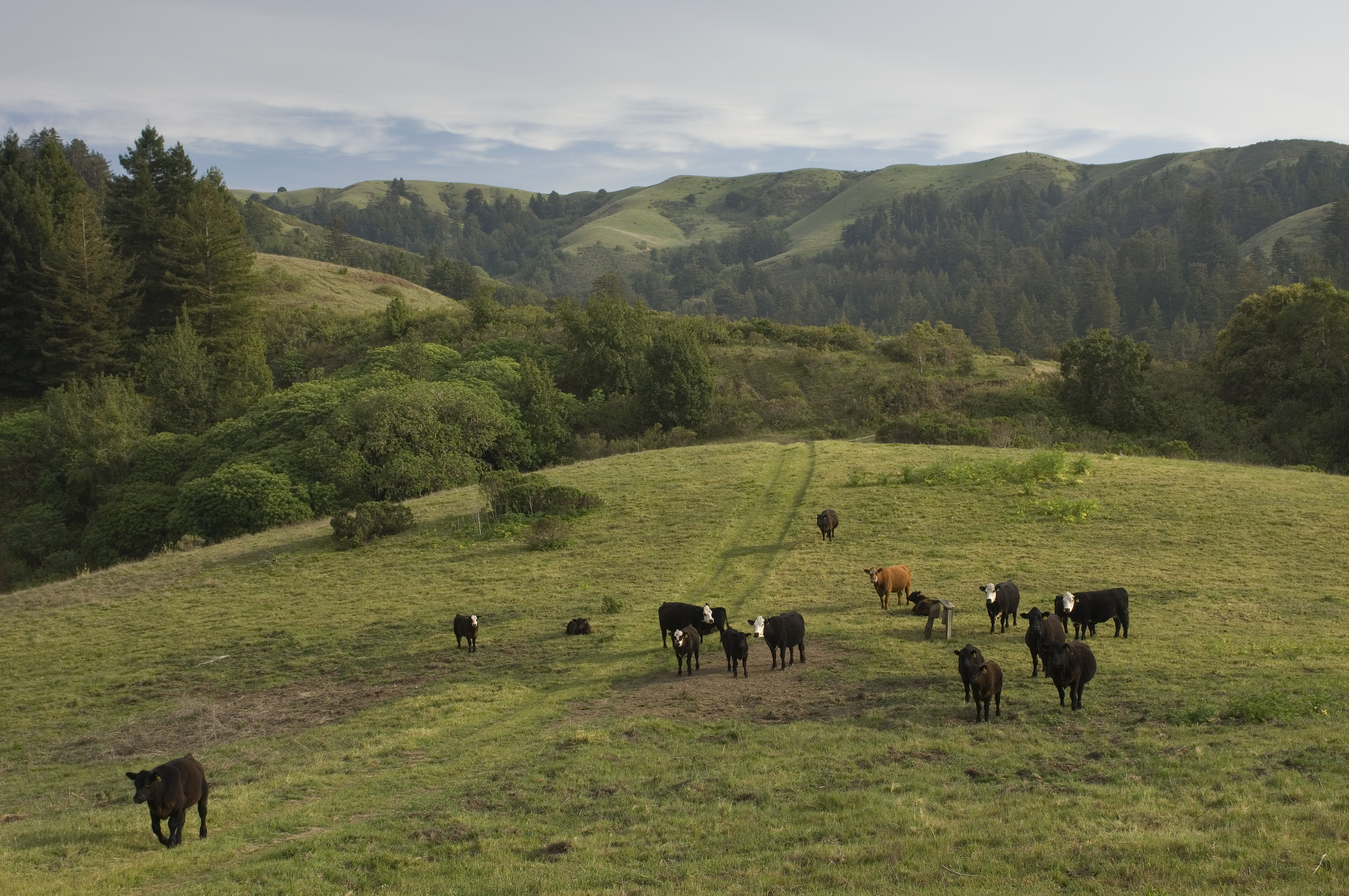
Why Does Targeted Grazing Matter on Grasslands?
Grasslands are one of the least protected biomes on Earth. They are threatened by land conversion, degradation and climate change. Most grasslands and rangelands evolved in the presence of, and therefore depend on, occasional disturbance from grazing and fire. In the absence of large-scale and regular burning and/or grazing by herds of wildlife, these ecosystems often convert to lower-diversity shrublands or forest.
Many rare and unique species evolved and persist across Point Reyes National Seashore, including 68 plant species that exist nowhere else in the county and several that are found only in the park. A certain amount of targeted cattle grazing can support the ecological health of these grassland areas (Hayes and Holl 2003; Gennet, Spotswood et al 2017). In addition to providing critical disturbance, cattle grazing is a tool for managing invasive plant species that outcompete native grasses and forbs, causing declines in sensitive species populations and possibly creating other hazards such as wildfires. Through targeted grazing, the cattle can reduce fuels and fire risk, reduce invasive species, increase biodiversity and can even help with preparing sites for restoration.
Quote: Sasha Gennet Ph.D
The natural diversity at Point Reyes, from plants and insects to birds and mammals, is extraordinary even by California standards. And it evolved with grazing.
Frequently asked questions
-
Yes. Please describe your operation and interest in this grazing contract.
-
Coastal grassland ecosystems evolved alongside fires started by lightning and indigenous people, and grazing and browsing by abundant wildlife. In the absence of these disturbances, livestock are currently the most practical option for emulating these historic dynamics, at scale. Future grazing will focus exclusively on ecological health. Through targeted grazing, smaller numbers of cattle will be moved to specific places for defined periods of time to address invasive plants, reduce wildfire risk, limit brush encroachment and protect water resources. While prescribed fire can also be a useful ecological tool, its use is increasingly challenging in today’s landscapes due to air quality and other risks. It may be considered where appropriate, and additional questions about fire are addressed below.
-
TNC worked closely with the NPS natural resources team to estimate the amount of forage likely to be available in the priority grazing areas and converted that volume to determine the number of cattle (Animal Units) that the forage will sustain. This included following standard protocols for converting average plant productivity levels in fields into a science-based estimate of available forage. With ecological goals in mind, this RFP is designed so that livestock are removed once forage utilization (grazing) levels are met, rather than setting a specific number of livestock and duration. This contract is designed not to exceed 7.5 months and to meet established terms in the Seashore’s General Management Plan Amendment.
-
Prescribed fires require substantial planning, coordination and risk management and will not be an option for next spring and summer. Wildlife, including elk, will graze as they move through the area identified in this short-term RFP, however, their population size is currently well below the carrying capacity of this landscape and they will also have access to well over 20,000 acres of open space on the peninsula.
-
The operations bidding on this contract can elect what they are willing to pay, and this will be one of many considerations that TNC takes into account when selecting a contractor. It is standard for ranching operations to pay for access to rangelands and the available forage for their livestock. Over the course of a typical contract for beef operations, for example, the cattle gain weight if there’s sufficient forage (with adequate nutrition), and there is a monetary value that a rancher would pay for that. Based on the conditions of the grasslands featured in this contract, we expect this to be the outcome.
-
TNC is working with NPS and local partner organizations to co-create longer-term natural resource stewardship plans for this portion of the Seashore. This process will unfold over the coming year and will include opportunities for public review and feedback. Grazing in spring and summer of 2026 will inform future management efforts.
-
When drafts of the plans are completed, they will be shared for public review and feedback. While the specific dates have not been determined, the target is spring to fall of 2026.
Learn More
- Cattle Grazing Across The Nature Conservancy in California’s Conservation Estate - Science for Conservation
- How People and Livestock Can Coexist to Support Nature
- North America Regenerative Grazing Lands
- Mongolia’s New Horizon
- Valuing Grasslands: Critical Ecosystems for Nature, Climate and People (.pdf)
- Kenyan Communities Lead the Way in Conservation that Works for People and Nature
- Hayes, G. F., & Holl, K. D. (2003). Cattle Grazing Impacts on Annual Forbs and Vegetation Composition of Mesic Grasslands in California. Conservation Biology, 17(6), 1694-1702.
- Gennet, S., Spotswood, E. N., Hammond, M., & Bartolome, J. W. (2017). Livestock grazing supports native plants and songbirds in a California annual grassland. PLOS ONE, 12.
You May Also Like

California: Land of Promise
TNC has turned the business of protecting land into the business of building a future for California.

Q&A: Protecting Grasslands, Supporting Ranchers
Learn about grazing practices that benefit nature and people in this Q&A with Nancy Labbe, co-director of TNC’s North America Regenerative Grazing Strategy.

Point Reyes National Seashore Transition Support Plan
As part of the agreement to settle a longstanding land-use conflict at Point Reyes National Seashore, West Marin Community Services will provide transition support for impacted residents.