
Report: Discovering Nature’s Secrets on TNC Preserves in Arizona
Protecting nature starts with science.

“They’re either tiny aliens in spaceships, or they’re fireflies!”
That’s what wildlife biologist Cheryl Mollohan said a few years ago when she got a peek at grainy photos from cameras mounted among the brush at Arizona’s Muleshoe Ranch Cooperative Management Area, 56,000 acres of public and private land managed by The Nature Conservancy, the Bureau of Land Management and Coronado National Forest.
The bright spots in the images were, in fact, fireflies. Mollohan and colleagues have since gone on to make several important discoveries about the insects—the kind of transformative science cataloged in a five-year report released in 2026, Powered by Partners: Ecological Research on Nature Conservancy Preserves in Arizona.
Download
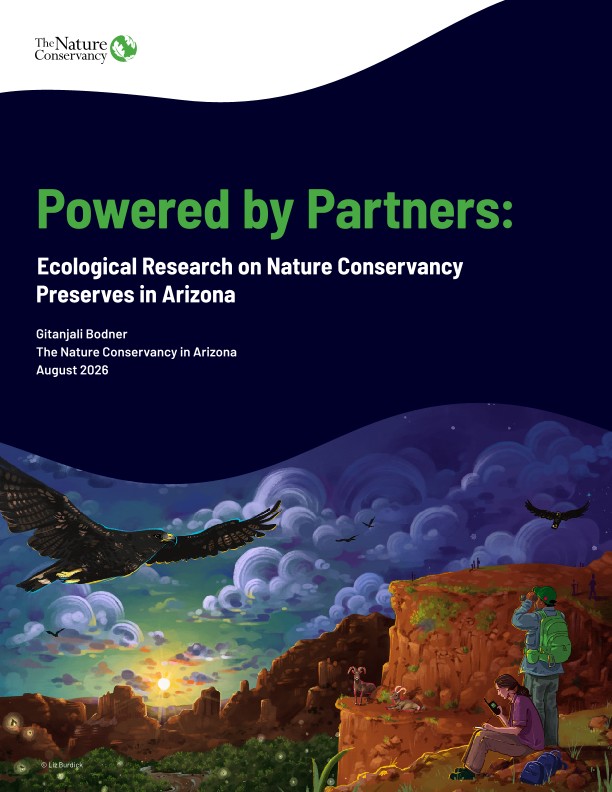
Read the full report, Powered by Partners: Ecological Research on Nature Conservancy Preserves in Arizona
Download
TNC preserves are living laboratories for scientists to test theories, conduct pilot projects and learn from effects of management actions. “There are so few places that are largely protected from development and other forms of disturbance,” says Mollohan.
Gita Bodner, a conservation ecologist with TNC Arizona since 2005 and the new report’s author, says, “Healthy preserves and science create a positive feedback loop. The discoveries from science conducted on our preserves helps us better care for them.”
Bodner explains that TNC preserves are often the most biologically rich locations within a region. They come with the assurance that their natural state will be protected in perpetuity, which is essential for long-term research projects. Research is often focused on questions that can help guide land management and restoration.
Science in Action
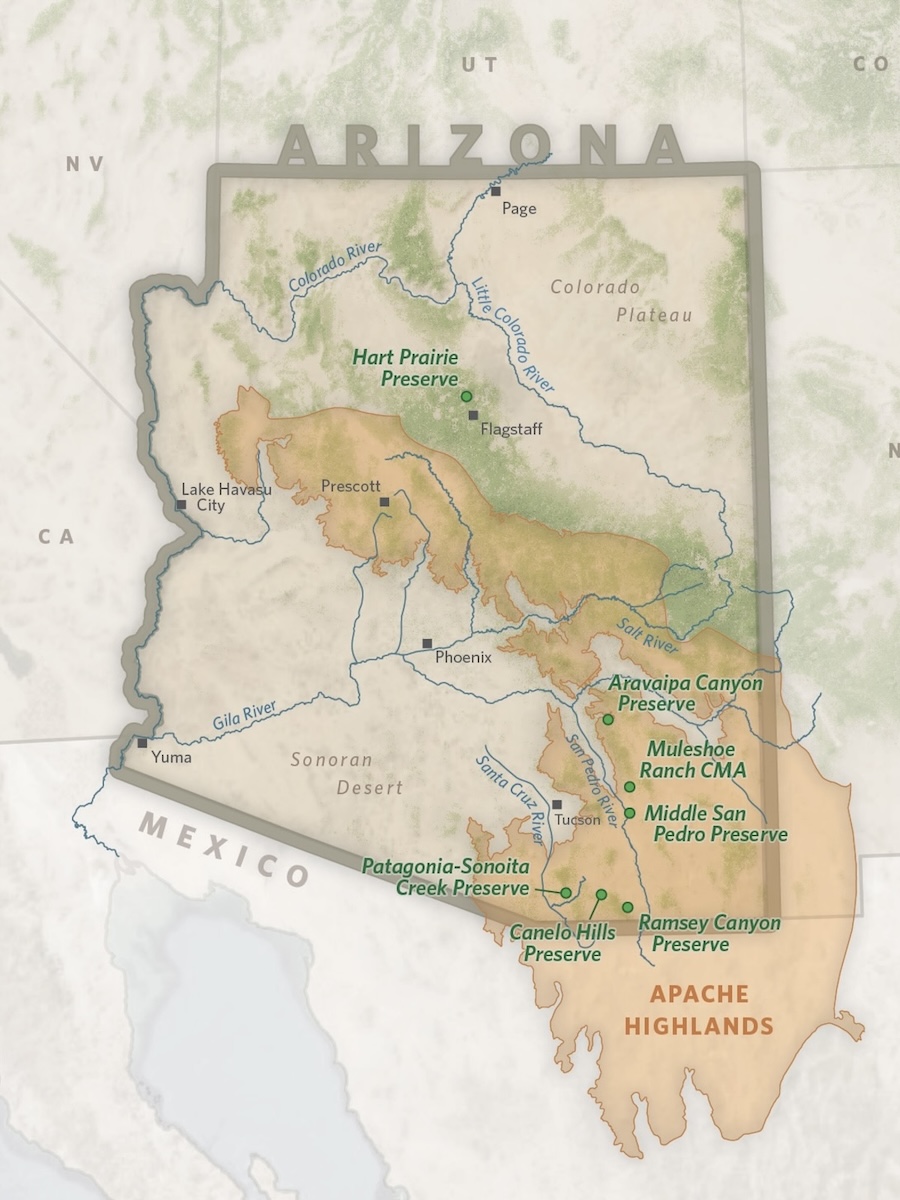
Click on the points on the map to discover research projects happening on TNC preserves around the state.
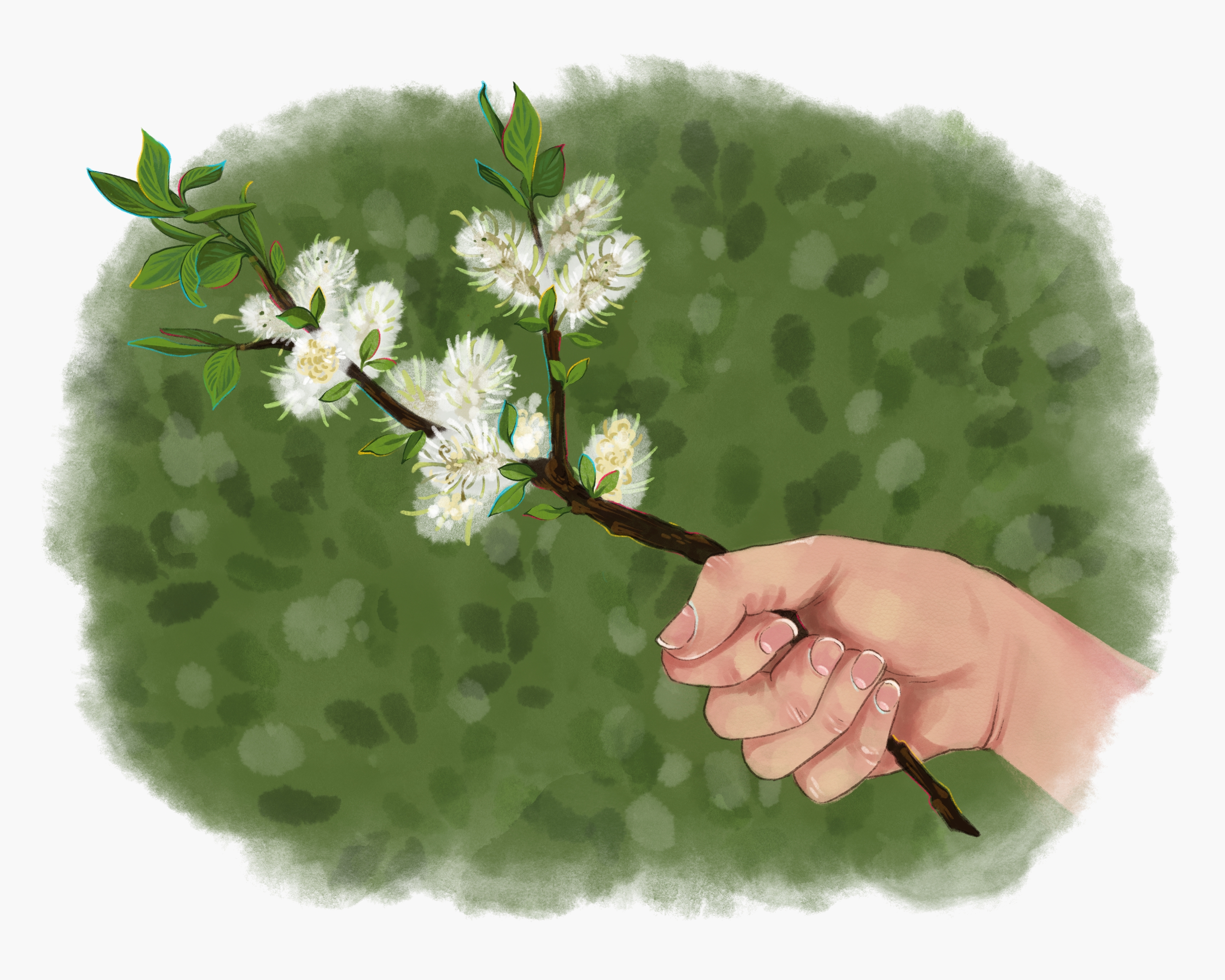
Hart Prairie Preserve
Wet meadow rivulets in Hart Prairie are the focus of research on the ecology and conservation of Bebb willows. Although common in the northern U.S., this southernmost population has struggled to reproduce. Scientists are working to help the willows survive climate changes here and farther north.
Aravaipa Canyon Preserve
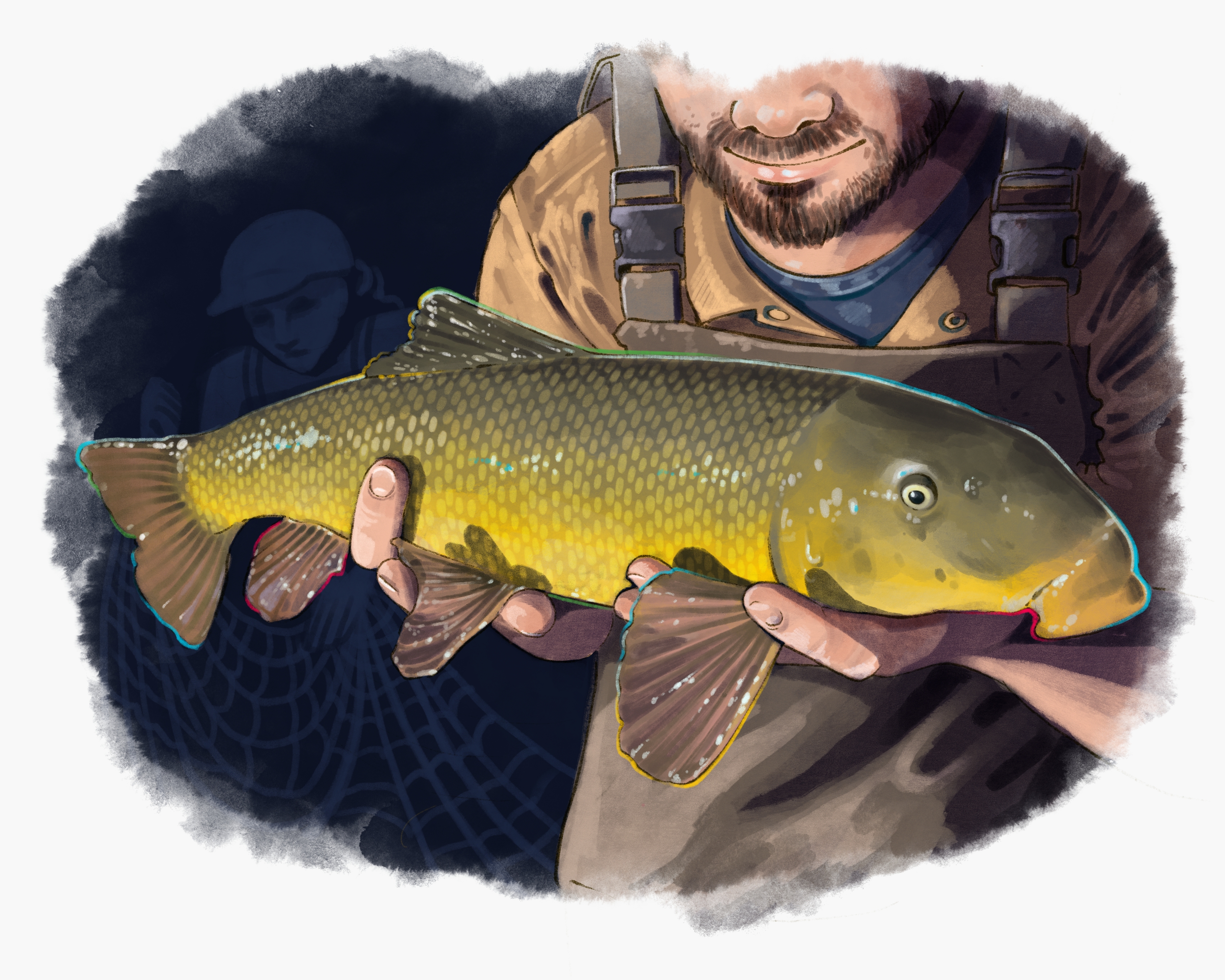
Aravaipa Canyon harbors a quarter of Arizona’s native fish species including the bottom-feeding Sonora sucker; 350+ biologists-in-training have gotten a taste of back-country fish research here since TNC acquired the property in 1970.
Muleshoe Ranch CMA
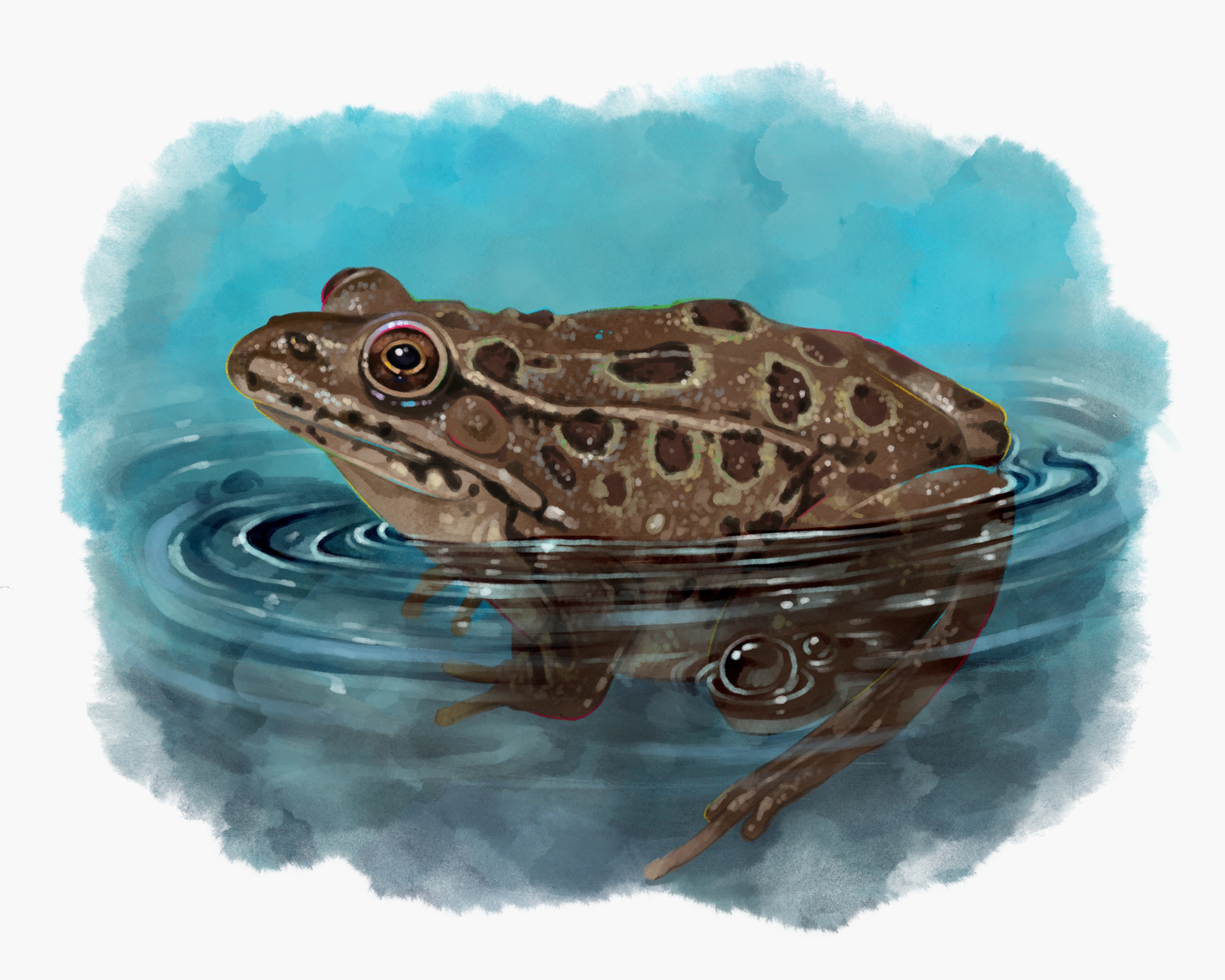
Chytrid disease is decimating global frog populations. Researchers discovered that when lowland leopard frogs take a dip in Muleshoe’s natural hot springs, they can survive the infection, the kind of observation that can help fight what is widely accepted to be the worst biodiversity loss attributable to a single disease.
Middle San Pedro Preserve
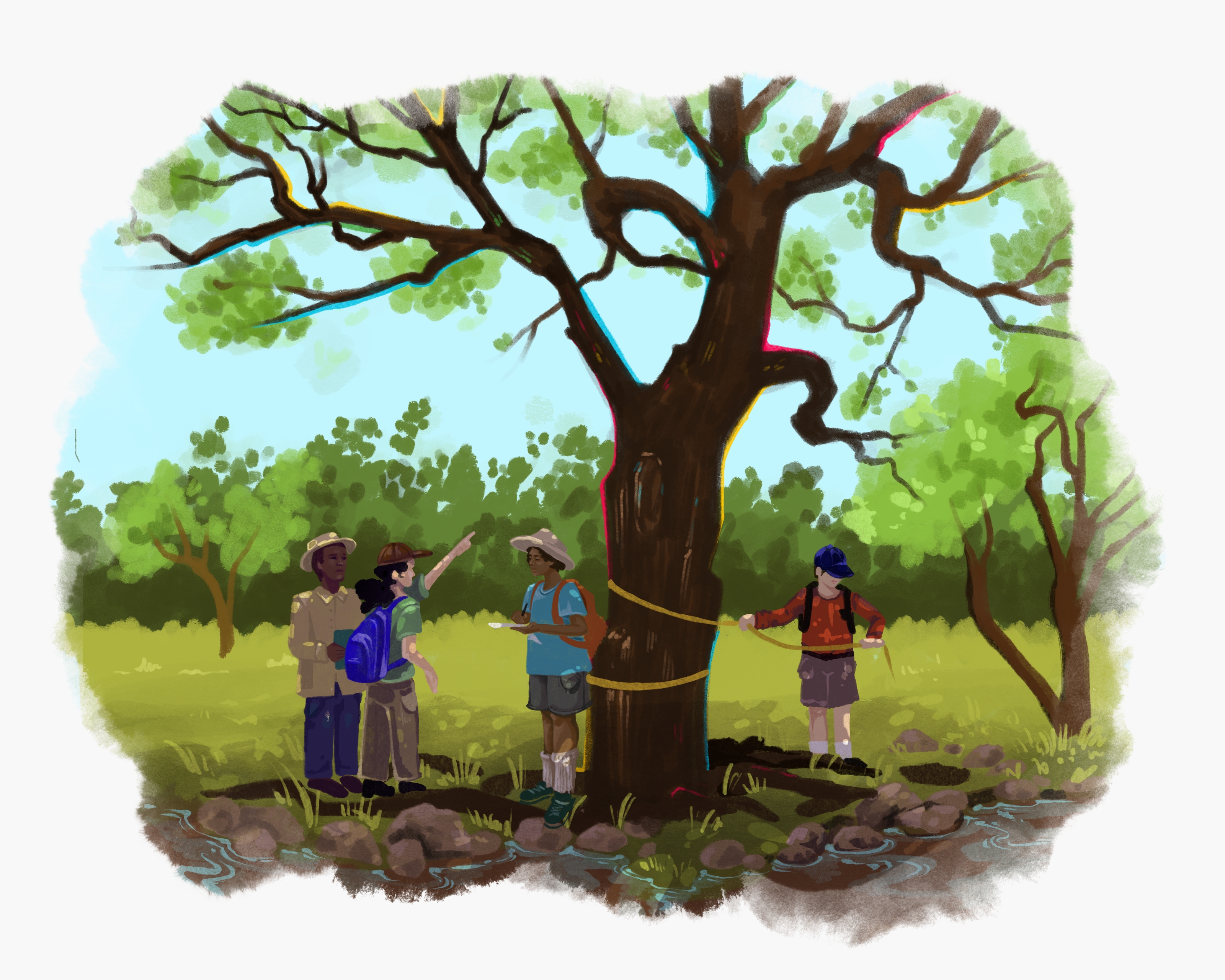
Researchers have found that young thorny mesquite trees growing on areas of the preserve that were formerly farmed are becoming functional bosque habitat in just 20 years—far sooner than expected. Mesquite bosque habitat is defined by its proximity to water and the presence of a unique mix of species.
Patagonia-Sonoita Creek Preserve
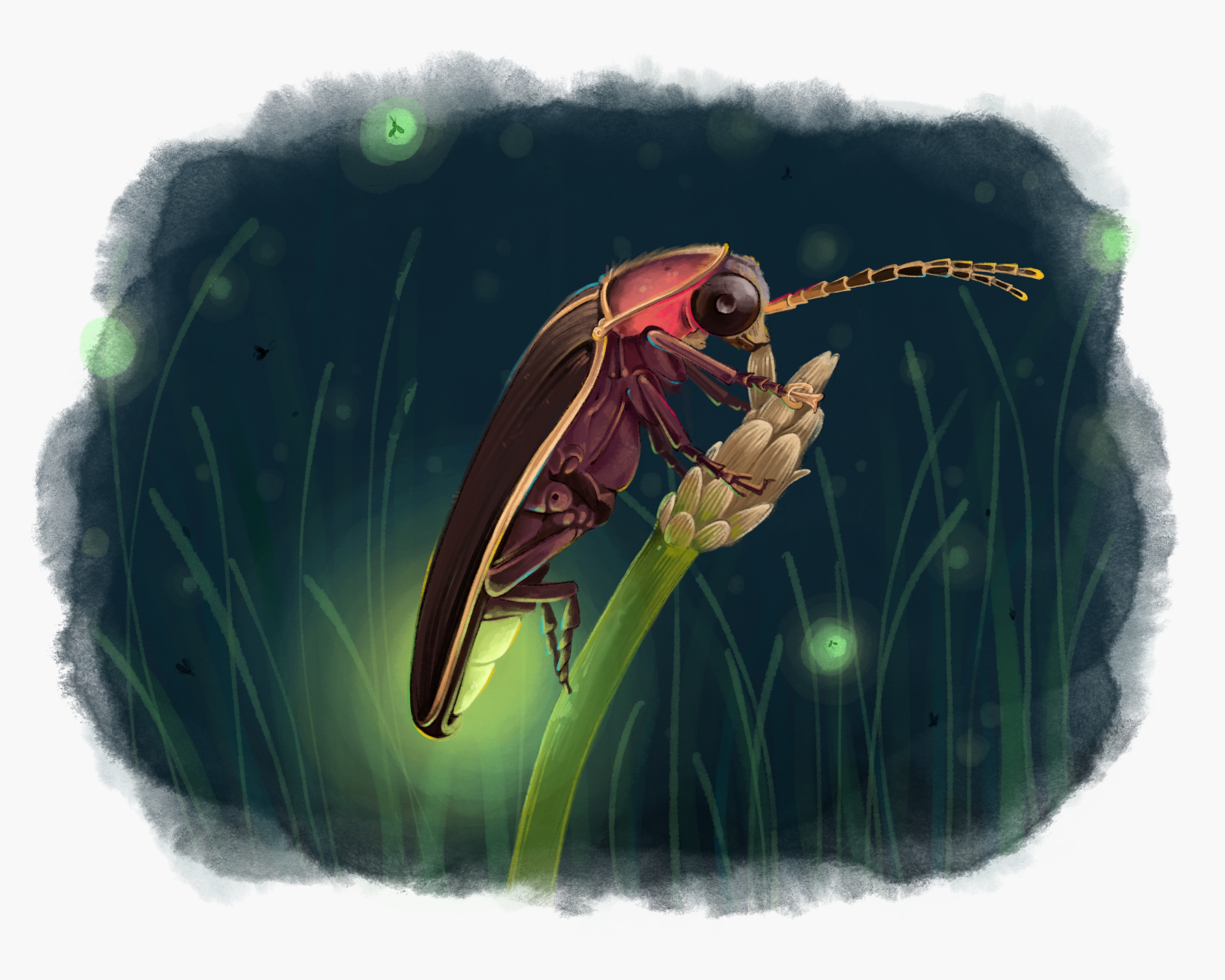
Scientists have recently discovered two species of rare fireflies and one related glow worm along Sonoita Creek. These delicate insects rely on the presence of seasonal water flow, humid monsoon air, and undisturbed soil to live out their flashy little lives in safety.
Ramsey Canyon Preserve
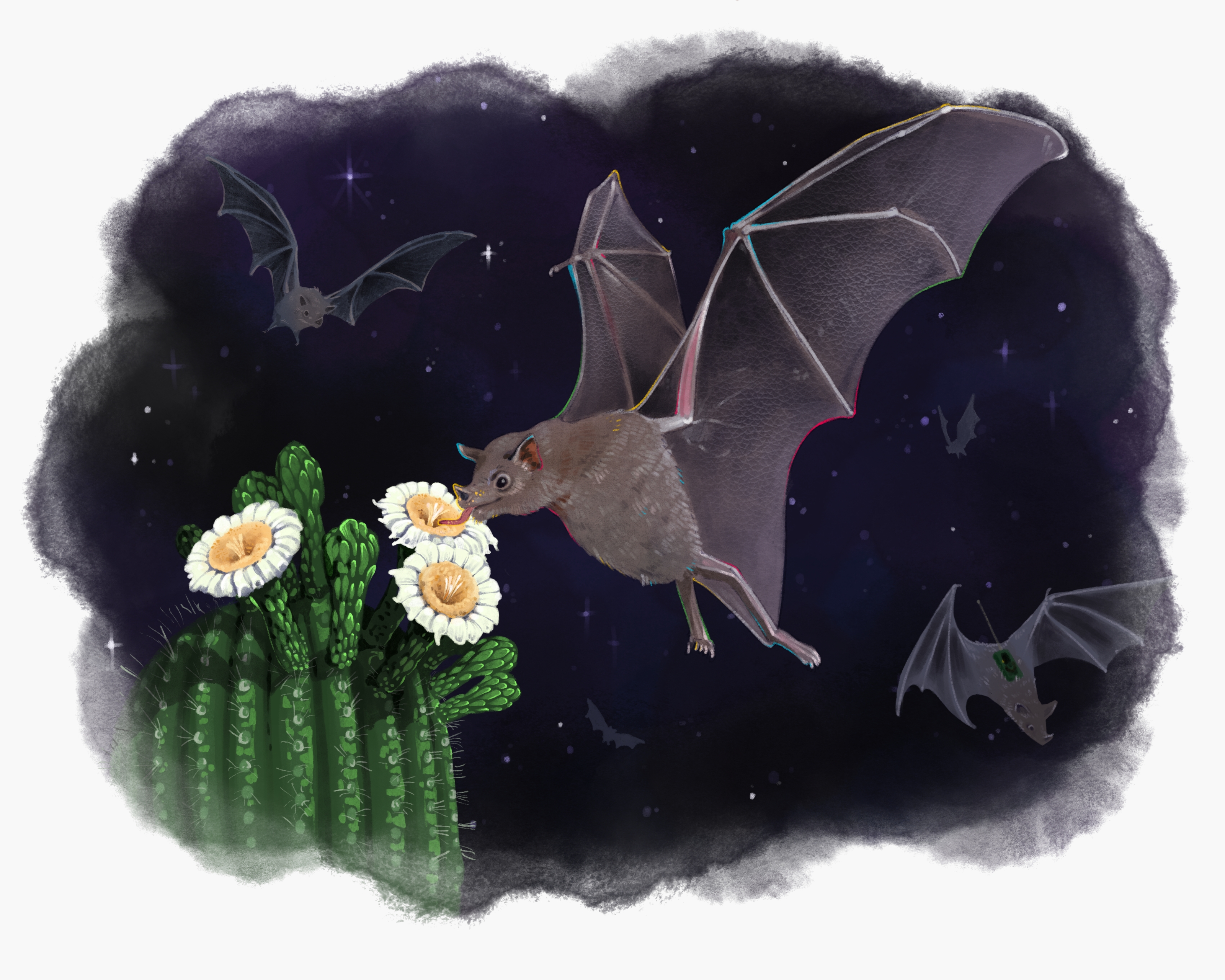
Scientists and preserve staff meet late at night to catch rare nectar-feeding bats drinking from hummingbird feeders in Ramsey Canyon. Marking them with tags, like those used to help find lost pets, has allowed an international network of scientists to discover where these bats roost to birth their summer babies, where they migrate to in winter, and how far one bat can travel in a single night.
Canelo Hills Preserve
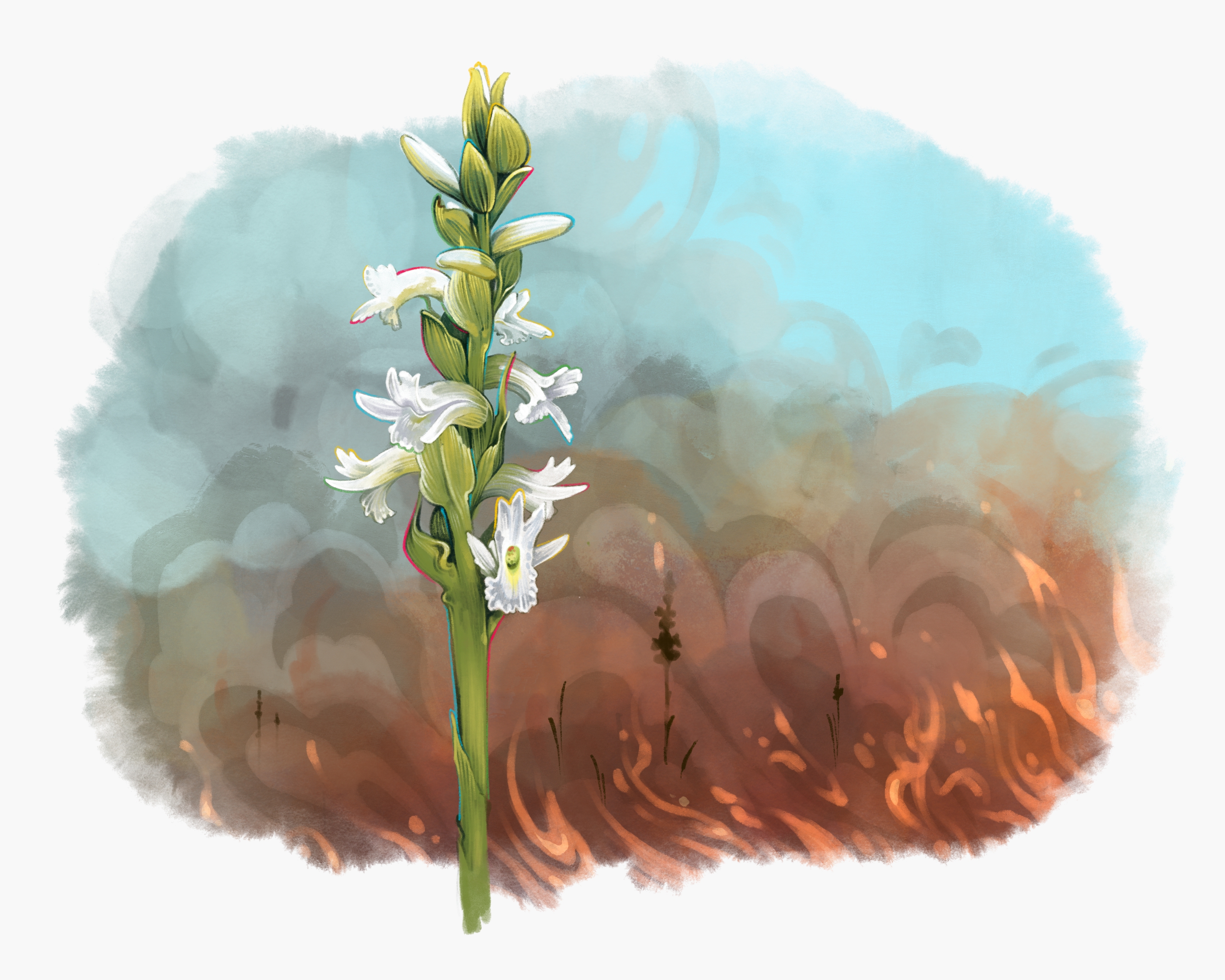
A 300-acre prescribed fire at the preserve cleared the way for experimental re-planting of one of North America’s rarest orchids—the Canelo Hills ladies' tresses. These delicate flowers seem to have disappeared from the site in recent decades, but scientists discovered the tiny fungus partner that these plants depend on still exists in the soil. With some help, the plants might make a comeback.

 RETURN
Blinking Beacons of Success
Mollohan, an alum of Arizona State University, lives in Ohio, and her research typically focuses on “charismatic megafauna”—beloved, big creatures like bears. Then a friendship with an entomologist sparked her interest in fireflies. “They are charismatic micro-fauna,” says Mollohan. “It is otherworldly that something in your own yard lights up!”
Around that same time Mollohan came to Arizona to study bobcats, but she didn’t leave her new-found fascination with blinking bugs behind. “There was just so little known about fireflies, so whenever I was with a group of natural resources professionals, I would ask, ‘has anybody seen fireflies in Arizona?’ The response was always, ‘I didn’t even know we have fireflies here!’”

Did You Know?
There are at least 2,200 known species of fireflies (family Lampyridae) in the world; at least 20 have been documented in Arizona.
That was until she met Muleshoe Ranch’s preserve manager at an event. “I asked my question with little hope of a different answer,” says Mollohan, “but he said, ‘I have fireflies in my front yard at the preserve!’” He collected a bug to prove it, and they conducted population surveys the next summer. Mollohan says, “Any time we were near water, we found them everywhere!” Efforts to restore Muleshoe Ranch have resulted in miles of healthy habitat along streams—prime habitat for fireflies.
Researchers are working to fill knowledge gaps about fireflies in Arizona. Rachel Laura, currently deputy executive director for Friends of the Verde River and a doctoral student at the University of Arizona, began studying the southwest spring firefly to help inform an Endangered Species Act listing decision. Like Mollohan, Laura’s firefly research is included in the new report, Powered by Partners: Ecological Research on Nature Conservancy Preserves in Arizona.

“I’m trying to figure out some basic things, like what time of day they are active and what kind of environmental conditions like precipitation and temperature affect where certain species can be found in Arizona,” says Laura, whose most detailed studies focused on TNC’s Patagonia-Sonoita Creek Preserve. “One way I do that is to choose a random location on the preserve and document the characteristics of the place and information like soil moisture and humidity. Then I spend five minutes with a range finder, which is basically a laser that measures the distances to every firefly I see.”
Mollohan and Laura are increasing the body of knowledge about these little-studied insects. In addition to better understanding fireflies, this kind of research helps TNC and partners continue to improve habitat; their work confirmed that fireflies in Arizona are dependent on functioning riparian forests and flowing streams.
Want to Know More?
Click here and learn about fireflies from the Xerces Society, which collects data from around the country in its Firefly Atlas.
The Big Picture
Bodner works with preserve staff to review research proposals and guide scientists to the best places for their research. Together, she and other TNC staff have mentored and advised scores of researchers. Just as the ecological benefits of research are important, so, too are the interactions between researchers, preserve managers and the land itself. “Field science engages people who advocate for nature, invest time and money into its well-being and share their enthusiasm for how we all benefit from special places.”

Wild Fact!
The leopard frogs found on some TNC preserves can "cure" themselves of a deadly fungal infection by taking a soak in hot springs. Scientists are optimistic that the species can evolve resistance to the disease over time.
According to Bodner, “This report is important because it documents what we’ve learned about many species and habitat types, but also because it helps us identify opportunities to combine data and apply scientific methodologies in novel ways and to encourage the adoption of new conservation approaches in a variety of settings.”
For example, data about seasonal water flow collected by TNC volunteers has helped predict where else fireflies might be found at Muleshoe Ranch. The cameras deployed by Mollohan were modified to take photographs at specific intervals–a successful approach that also created a challenge: hundreds of thousands of photos to review. “A lot of grad students spent a lot of time looking at dark photos,” laughs Mollohan. Now, she is working with colleagues to use machine learning to review and catalogue the images, an approach that is also helping TNC scientists map surface flows in the San Pedro River basin.
For Bodner, the true reward of this work is the power of science to transform curiosity into discovery. “Working in beautiful settings and having windows into the intimate lives of creatures and ecosystems and then sharing what we learn helps us provide a unique source of interest and inspiration to the next generation of scientists, our partners, preserve visitors, volunteers and supporters.”
Be a Catalyst for Science & Conservation
More Stories from Arizona

Arizona Science Homepage
Learn how our team brings together leading experts to collect evidence and develop novel solutions for conservation.

Report: Mesquite Bosque Habitat Can Be Effectively Restored
In 2025, TNC released Becoming Bosque: Testing the benefits of mesquite restoration, a report that details learnings from restoration efforts at TNC’s Middle San Pedro River Preserve.

Finding Wonder in the World of Insects
Many people shy away from flies, ants and other insects. Not Dr. Gary Alpert. He’s here to give you a close-up look at Hart Prairie Preserve—and maybe even get you excited about bugs.