

The Emerald Edge Travel Guide
Discover the largest coastal temperate rainforest in the world.
What is the Emerald Edge?
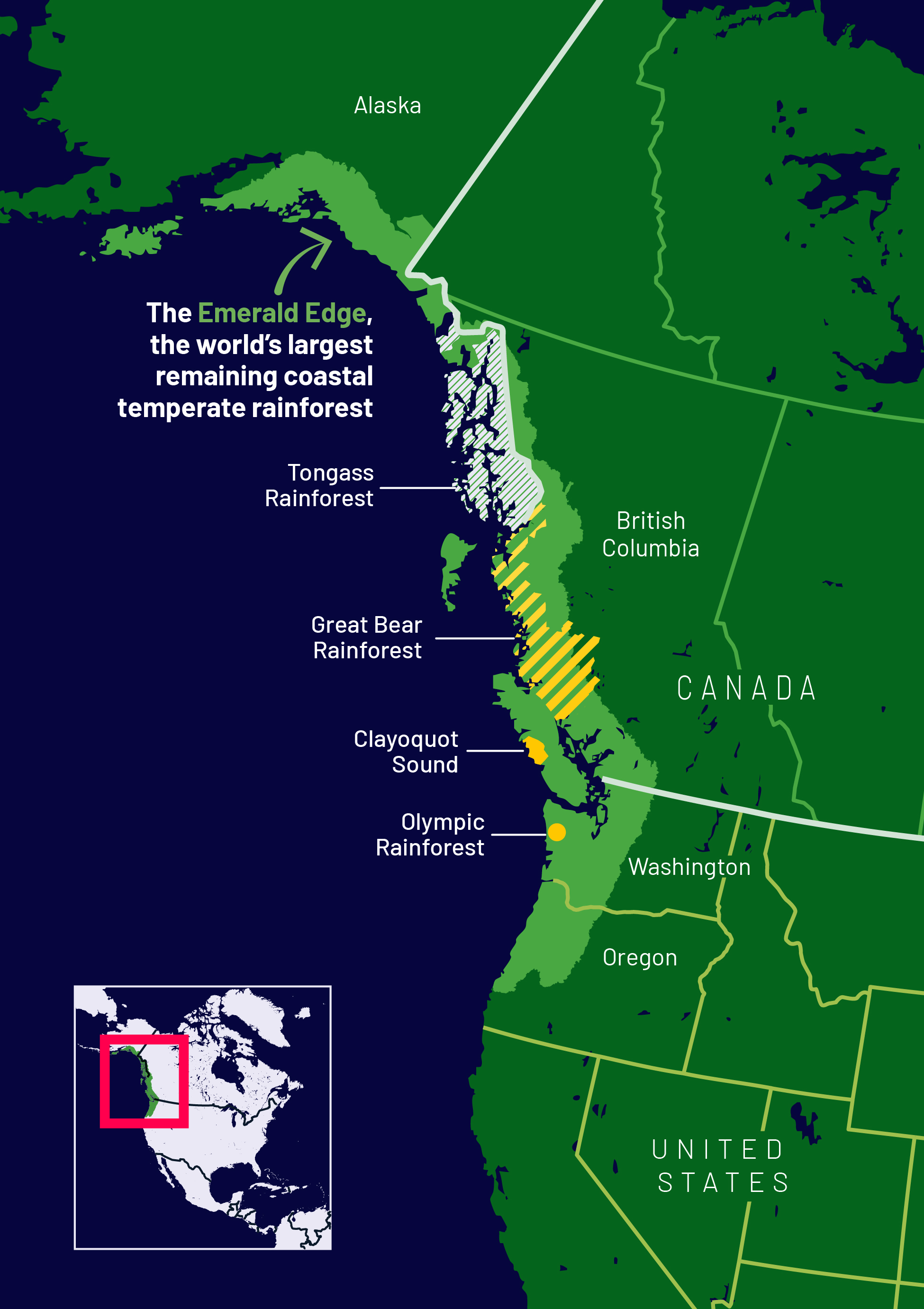
Mossy forests that end at cliffs overlooking the Pacific Ocean. Wetlands busy with flickering songbirds. Whales surfacing offshore, and rivers welcoming salmon runs. What The Nature Conservancy calls the Emerald Edge refers to the lush rainforest that traces the Pacific Coast of Oregon, Washington, British Columbia and southeast Alaska, making it the largest coastal temperate rainforest in the world. It encompasses more than 100 million acres, 40,000 islands and 35,000 miles of coastline that are the traditional homeland of many Tribal Nations. It has the potential to store 300 million metric tons of carbon from the atmosphere annually, offsetting the amount of carbon released by the energy use of 58 million homes.
From whales and elk to rare wildflowers and old-growth forests, the Emerald Edge contains critical habitat for thousands of land and marine animals and plant species. Its rivers are critical for salmon populations, and its towering spruce, cedar and fir tree canopies support many species of birds. For millennia, Tribal Nations have called this region home and stewarded its lands and waters with care, playing a critical part in its health and protection.
In addition to the Emerald Edge’s ecological and cultural importance, visitors revel in the region’s outdoor recreation opportunities that include hiking, wildlife watching, camping, fishing and just being present in its dramatic beauty.
Here’s a guide to some of our favorite places to visit and learn about the Emerald Edge.

Family-Friendly Road Trip Stops in the PNW
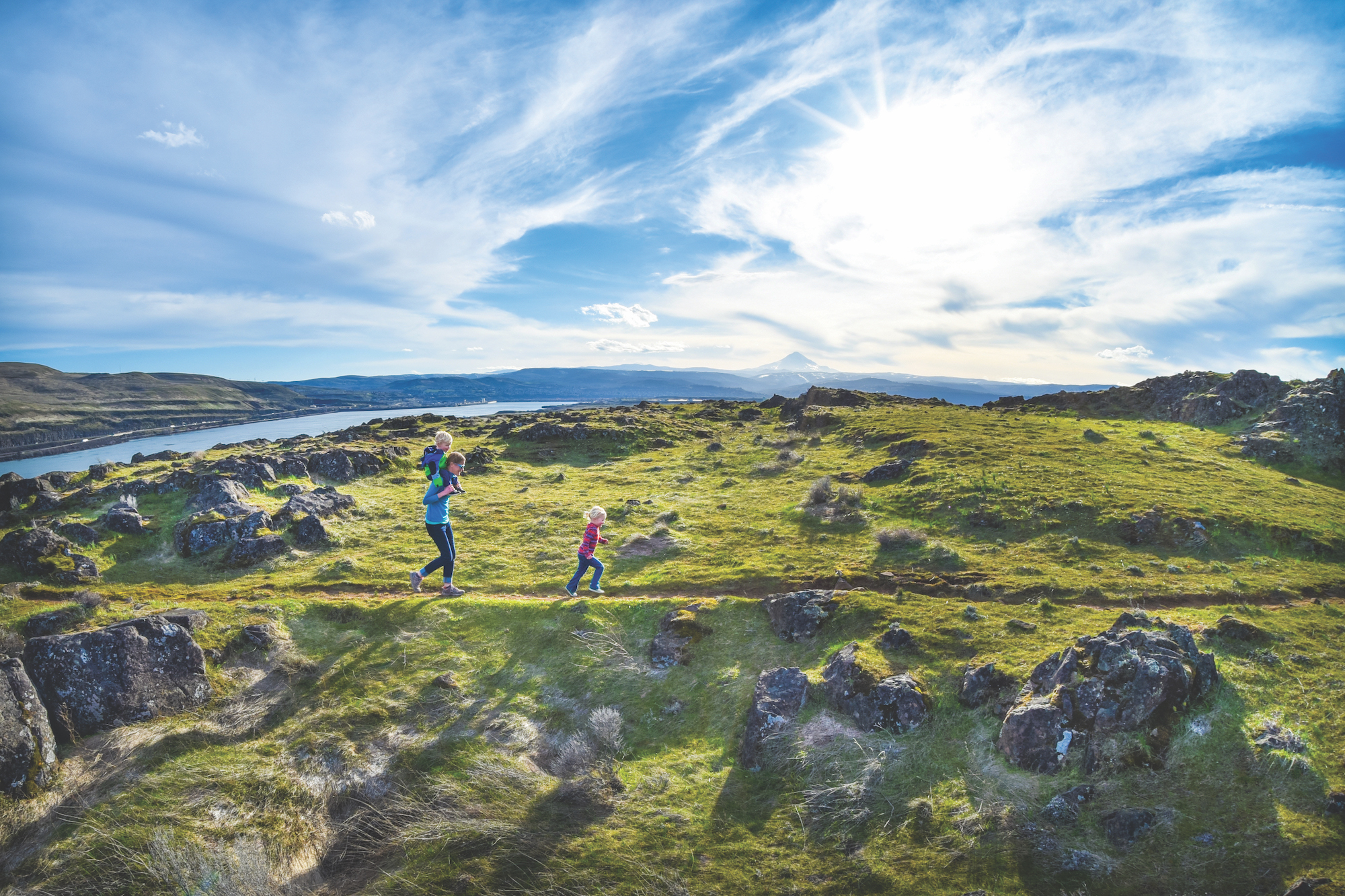
Located between Depoe Bay and Newport, Otter Crest State Scenic Viewpoint looks out over the Pacific Ocean from a 500-foot-high basalt cliff. From the easily accessible and paved viewpoints, visitors enjoy panoramic views of Otter Crest and Cape Foulweather that provide perfect vantage points for viewing surfacing whales in the spring. The historic Cape Foulweather Gift Shop dates to 1937 and was listed on the National Register of Historic Places in 2014. In 2022, TNC supported the purchase of a 27-acre section of Cape Foulweather, in partnership with the McKenzie River Trust. These ancestral lands were returned to the Confederated Tribes of Siletz Indians in 2024.
At more than 14 square miles of ocean and 19 square miles of shore and land, Cape Perpetua Marine Reserve is Oregon’s largest marine reserve. Towering 800 feet over the Pacific Ocean, Cape Perpetua Scenic Area has a 26-mile trail system beginning from the visitor center that passes through old-growth forest, Native American shell middens and tidal pools, an area the Alsea people call Halaqaik. The Cape Perpetua Visitor Center has spectacular views and a wheelchair-accessible observation deck.
Sign up for our monthly Nature News updates!


Redfish Rocks Marine Protected Area is five square miles of kelp forests, reefs and rock formations that create pristine marine habitats supporting abundant life. Species of rockfish, wolf eels, giant plumose anemones, nudibranchs and sea stars, as well as mammals such as seals, sea lions and gray whales that frequently pass the area are commonly seen. Kayaking tours and other activities including cycling the nearby section of the Wild Rivers Coast Scenic Bikeway are available.
Located on the tip of the Kitsap Peninsula 35 miles north of Seattle via Highways 305 and 307, TNC’s Foulweather Bluff Preserve makes a great family outing with its 3,800 feet of protected beach, towering groves of Western red cedar and alders, and marshes that create a 101-acre home for a variety of animals. The preserve was donated in 1967 by the Rawson family to protect its old-growth forests and is open to the public (dogs are not permitted in order to best protect this fragile intertidal habitat).


TNC’s Robert Y. Pratt Preserve at Ebey’s Landing on Whidbey Island features soaring bluffs carpeted with wildflowers overlooking Puget Sound. From its 5.6-mile coastal trail, sweeping views of Mount Rainier can be taken in looking south on a clear day.
Located just south of Olympic National Park, TNC manages the 7,000-acre Hoh Forest Reserve. The Hoh River is an undammed river that is critical wild salmon habitat, and the mouth of the river is the location of the Hoh Tribe Nation, who are important partners in conservation efforts on the Olympic Peninsula. Moss-draped Sitka spruce and many other species of old-growth trees thrive in this temperate rainforest that can be explored via the Hall of Mosses, Spruce and Hoh River trails.

The Hibulb Cultural Center and Natural History Preserve on the Tulalip Reservation shares the culture and histories of the Tulalip People. The Hibulb Cultural Center presents 23,000 square feet of exhibits that include a longhouse and a 50-acre natural history preserve.
One thing to do in Seattle
Daybreak Star Indian Cultural Center is a 20-acre facility and grounds in Discovery Park that serves as a collective urban community center for Tribal members in the Seattle area. The Daybreak Star Sacred Circle Gallery is open to visitors and features permanent and rotating exhibits featuring Native artists from across the United States. Public events, including the annual Seafair Powwow, take place throughout the year, and the Sacred Circle Gift Shop offers the work of Native artists.
_4000x2200.jpg)
Mendenhall Glacier, 12 miles northwest of Juneau, is a 13-mile-long flow of ancient ice that ends in Mendenhall Lake in the Tongass National Forest. Begin your adventure at the Mendenhall Glacier Visitor Center and take in the panoramic view of the glacier and lake. Next, hike along any one of several trails that travel through the lush rainforest, with its towering trees, blue icebergs and rushing waterfalls. Keep an eye out for spawning salmon and the many animal species that call this area home, including black bears, porcupines and bald eagles.


TNC’s Gustavus Forelands Preserve is 2,600 acres of wetland habitat surrounded by Glacier Bay National Park and Preserve. Known for its whale watching, it has one of the largest populations of moose in Alaska, and birders delight in viewing chestnut-backed chickadees, pine siskins, horned grebes and many other bird species. The nearby Xunaa Shuká Hít Huna Tlingit clan house shares traditional Huna Tlingit culture through workshops and events.
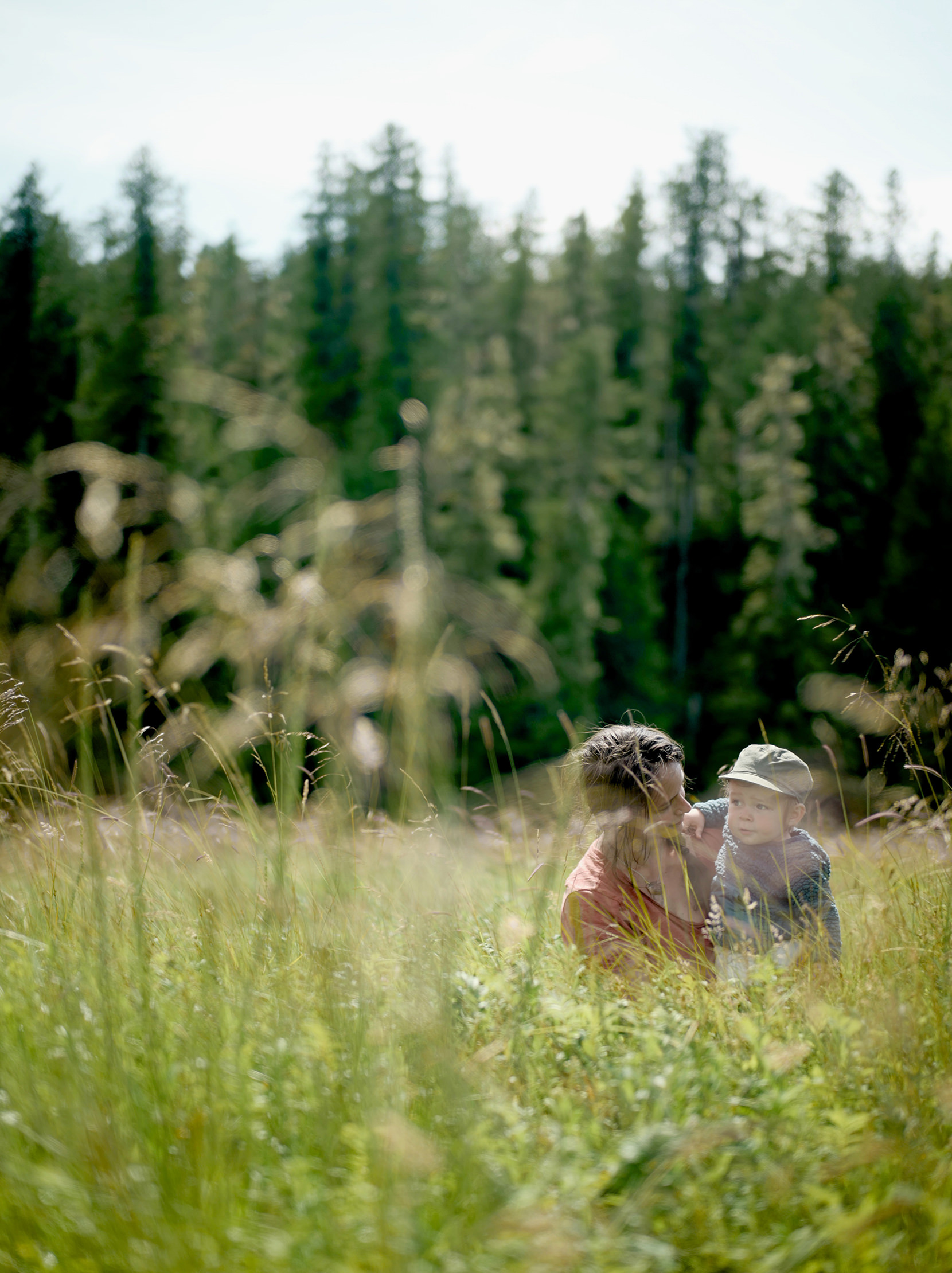
Nymph Falls Nature Park protects 151 acres of second-growth Douglas fir, hemlock and red cedar forest along the north bank of the Puntledge River. The river drops over a series of bedrock ledges, making this area a favorite of white-water enthusiasts and swimmers who enjoy the cool water in the summer. Fish ladders help salmon swim up the falls during spawning season.
Established in 1911, Strathcona Park is British Columbia’s oldest park. Located at the center of Vancouver Island, this mountain wilderness is nearly 1,000 square miles of pristine lakes, snow-capped mountain peaks, alpine backpacking and primitive camping. Lake View and Forbidden Plateau offer day-use facilities, wheelchair-accessible trails, swimming and shorter loop hikes, but otherwise the vast park is experienced via backcountry camping.
A Hiker’s Guide to the PNW
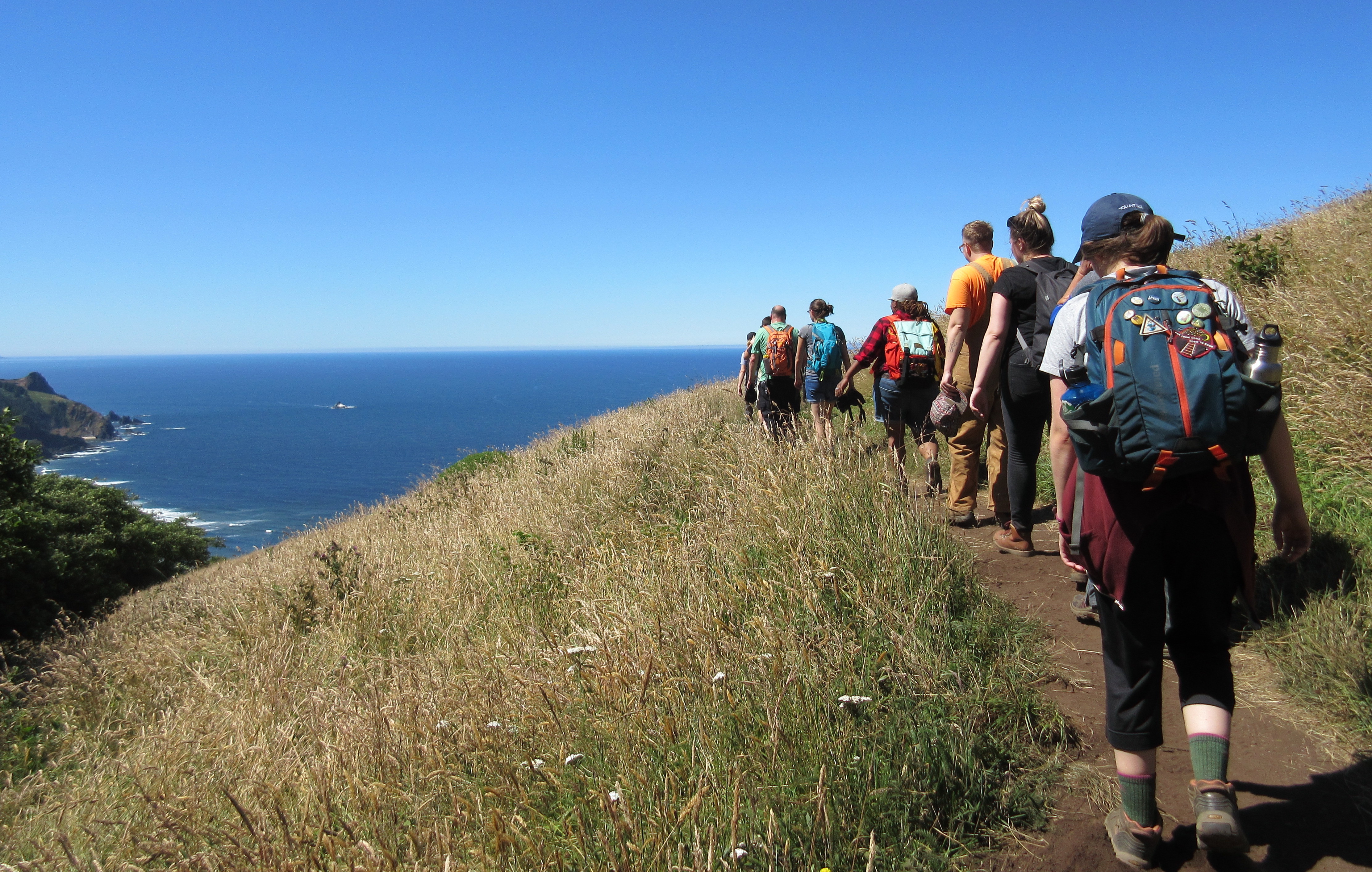


Along the shore of Nehalem Bay, Sitka Wetlands offers a flat, elevated path through forested tidal wetlands. This increasingly rare landscape provides critical habitat for salmon and other wildlife as it also locks away carbon. TNC recently partnered with Lower Nehalem Community Trust to add 25 acres to this property that has been protected and cared for by community members for more than a decade.
Rockaway Big Tree Trail is a boardwalk through a 46-acre old-growth cedar preserve—leading to one tree in particular. At 154 feet tall, the Rockaway Big Tree is estimated to be at least 1,200 years old. An accessible trail of just over a mile leads to an optional, more rugged trail that loops through the forest. TNC helped to protect this inviting site, which is now managed by the city of Rockaway.

Staying on the trail is an important way you can help nature stay healthy and thrive.
A haven for birds and other wildlife, Nestucca Bay National Wildlife Refuge features an accessible trail that leads to a stunning ocean view, as well as several loop trails through prairie, meadows and coastal forest. TNC has partnered with the U.S. Fish and Wildlife Service over several decades to expand the refuge and restore habitat.
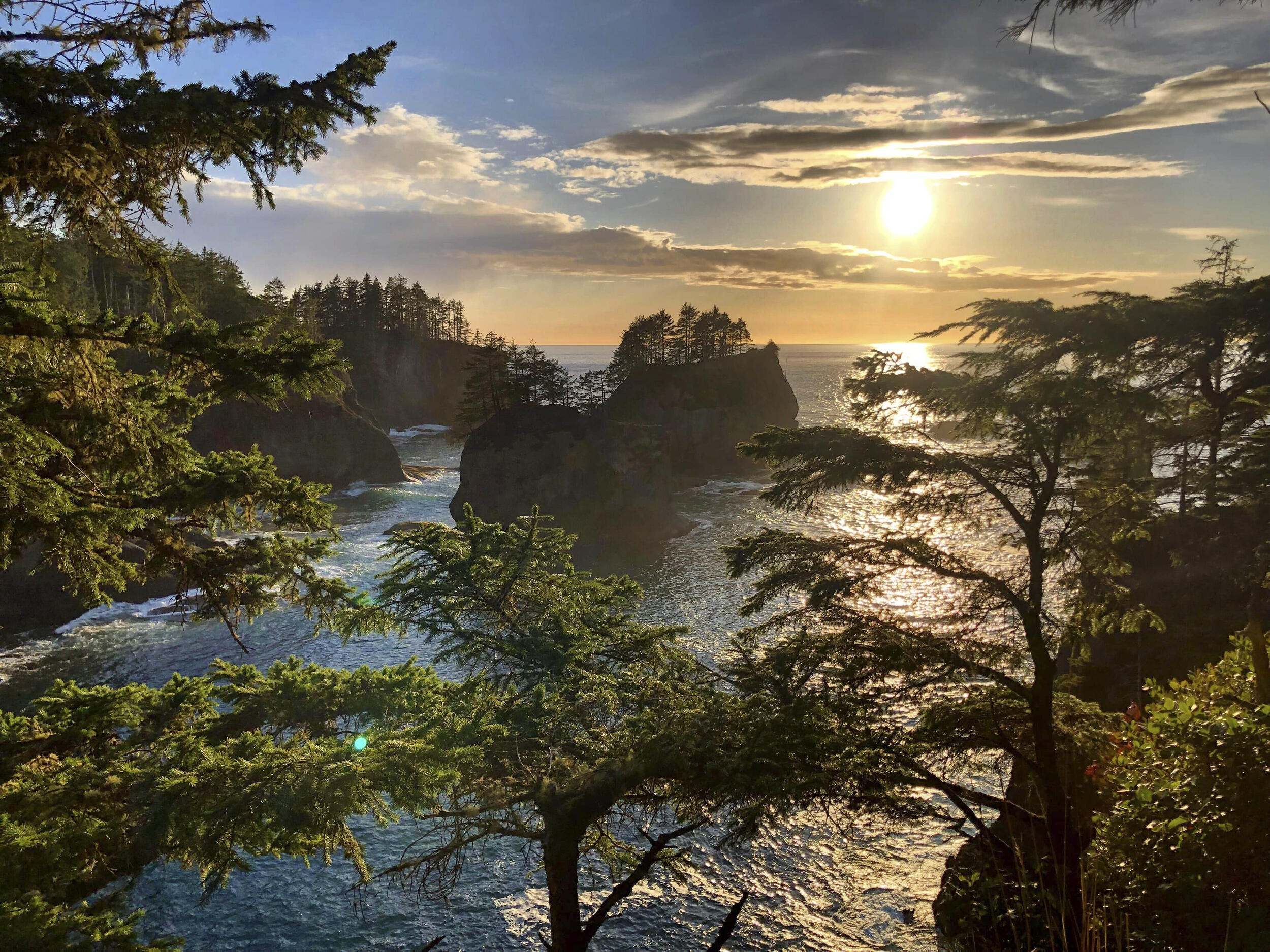
Ellsworth Creek is a living laboratory where TNC is transforming a heavily logged watershed into a mature, resilient old-growth forest. Visit the protected areas surrounding this active site, including the Willapa National Wildlife Refuge and Cape Disappointment State Park, for miles of trails through this iconic area of the Lower Columbia River and Willapa Bay.


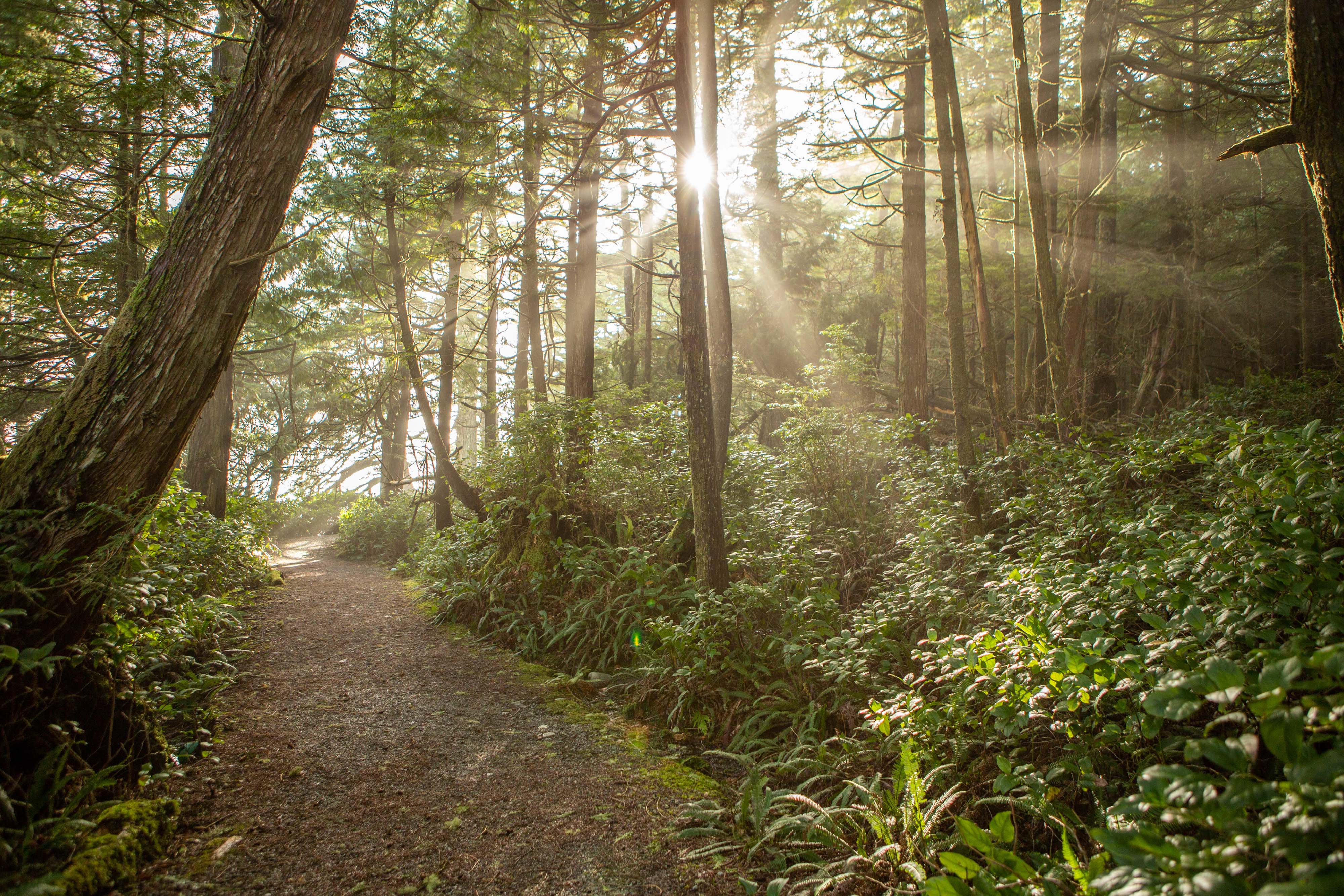

On Vancouver Island, the Ancient Cedars Loop Trail offers a short walk through old-growth rainforest and an up-close look at two massive western red cedars. This well-maintained path features as a Yuułuʔiłʔatḥ interpretive tour before joining the Pacific Rim Trail, which continues south toward the ocean. Join an Indigenous-led tour of the area with Tla-o-qui-aht Tribal Parks or Ahous Adventures to explore with local experts.
Strathcona Park is the oldest provincial park in British Columbia. This rugged mountain wilderness in the center of Vancouver Island encompasses more than 250,000 hectares (617,763 acres), with a wide variety of trails past lakes and waterfalls and along rugged alpine routes.
One thing to do in Vancouver
Stanley Park Seawall traces the edge of Vancouver’s iconic urban forest, offering continuous, accessible beaches, rocky headlands and forest. Enjoy views of mountains, the Vancouver skyline and open sea. Join an Indigenous-led walking tour to explore the region’s history through Native stories and connection.
A Birder’s Guide to the Emerald Edge
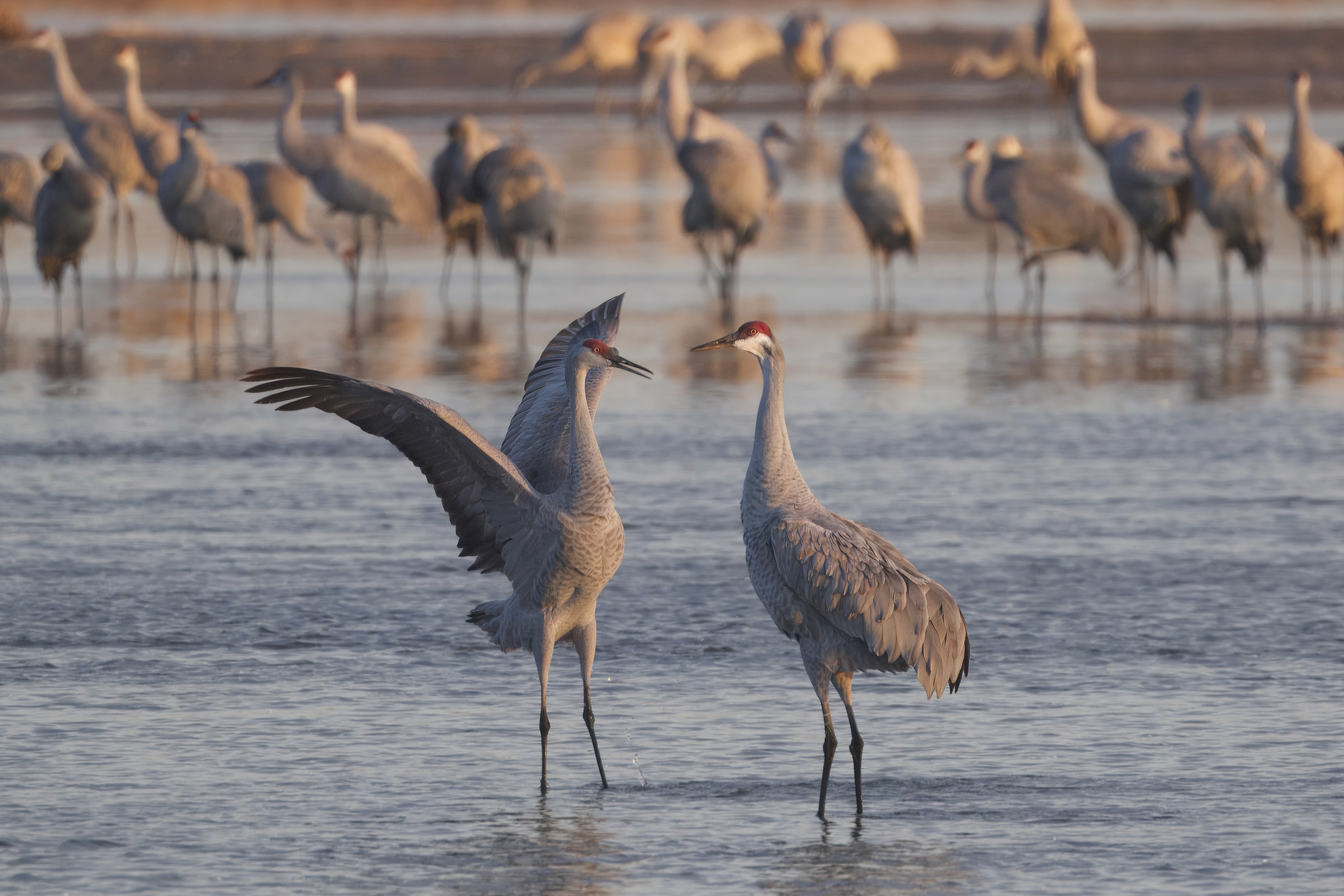
Managed by Oregon Department of Fish and Wildlife, the Coquille Valley Wildlife Area provides crucial habitat for migrating waterfowl and native fish. TNC joined partners to protect and restore this landscape, an effort that included installing a new, state-of-the-art tide gate system and creating some 40,000 feet of winding channels. Look for sandhill cranes, bald eagles, Townsend’s warblers, wood ducks and many other species.
One thing to do in Portland
When in Portland, make your way to 5,200-acre Forest Park. Its 80 miles of trails wind through this lush canopy of Douglas firs near the heart of the city, where birders encounter golden-crowned kinglets and a variety of warblers.
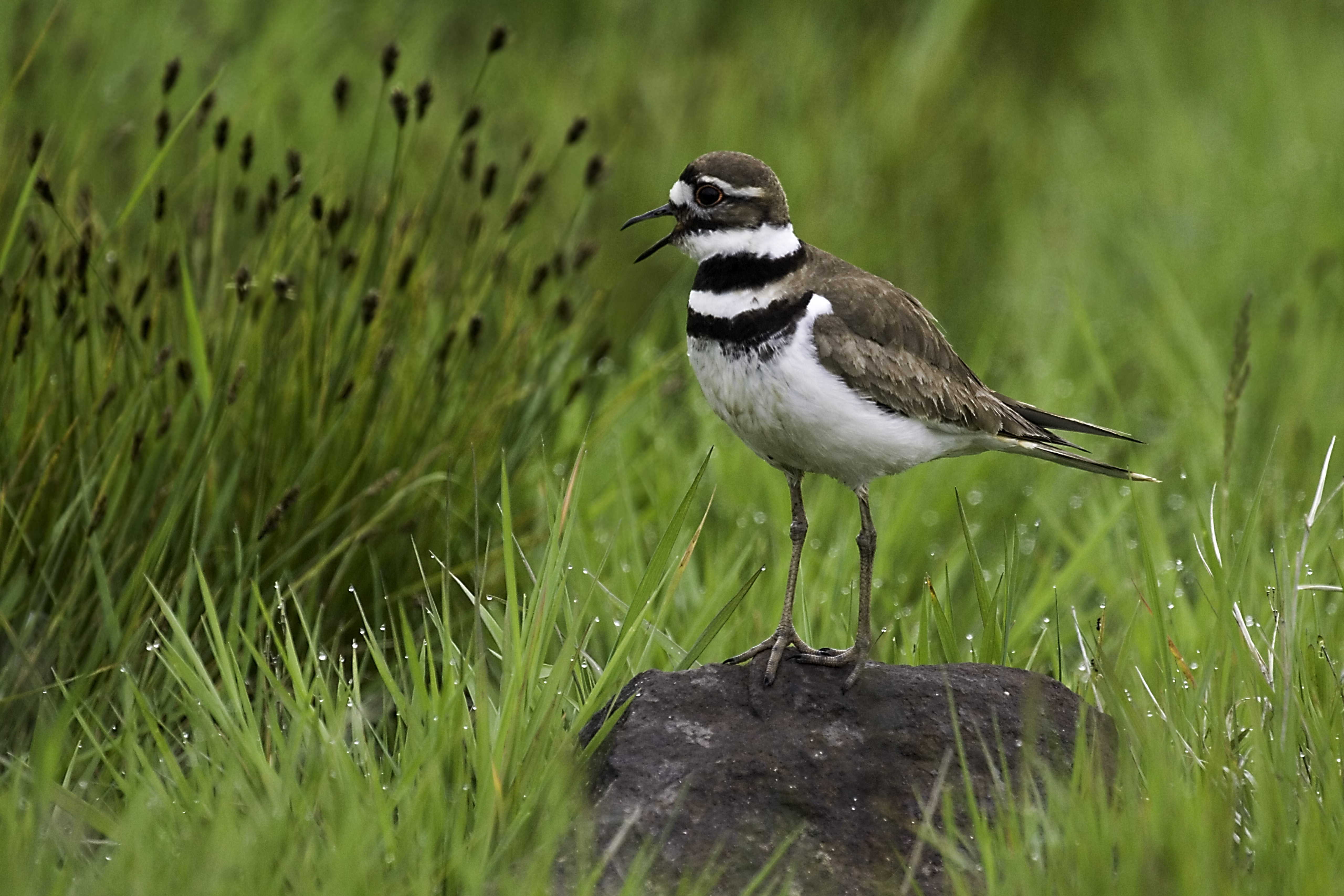
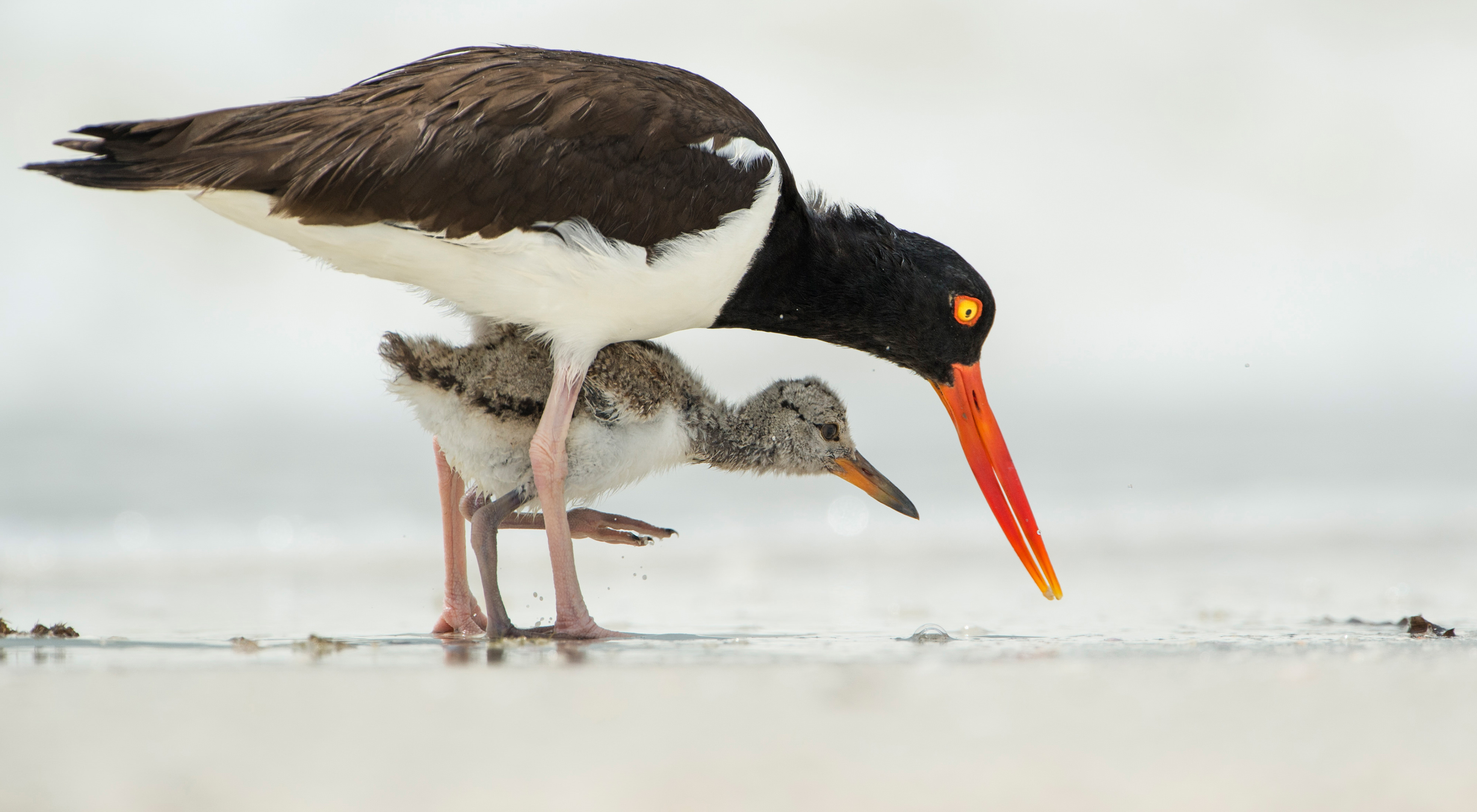
Willapa National Wildlife Refuge on the Washington coast is a place of seemingly endless beaches. From points along the edge of the cedar forest, see if you can look out at the ocean and spot seabirds including the marbled murrelet, a threatened seabird that nests on large branches in old-growth forests. This 21,000-acre refuge is also where birders can look for everything from waterfowl to wintering shorebirds to forest songbirds. TNC’s 7,600-acre Ellsworth Creek Preserve links with the Willapa National Wildlife Refuge along more than five miles of Willapa Bay shoreline. Combined, these two ownerships provide more than 15,000 acres of forested habitat that benefits the marbled murrelet.


Wintering snow geese gather by the thousands at Leque Island Wildlife Area Unit, managed by the Washington Department of Fish and Wildlife. This 471-acre preserve on Puget Sound can also be a hotspot for swooping raptors such as short-eared owls and northern harriers, along with migrating shorebirds and waterfowl.
The Robert Pratt Preserve at Ebey’s Landing is a windswept headland of forest, wetlands and prairie on Whidbey Island, with views of the Strait of Juan de Fuca. Look out for the three-mile-long bluff trail loop hike, and watch for waterfowl and seabirds in the waters below. Gaze overhead for bald eagles and red-tailed hawks soaring on windy updrafts.

At Port Susan Bay Preserve, TNC has worked to restore 150 acres of marsh in one of Puget Sound’s finest tidal landscapes. Additionally, the Stillaguamish Tribe has restored 230 acres of tidal wetlands adjoining the Port Susan Bay Preserve. These revived wetlands now support juvenile Chinook salmon, vast flocks of birds and a bay better able to adapt to sea-level rise. The Stillaguamish Tribe is conducting further restoration efforts in the Delta, which will connect more than 1,000 acres of tidal estuary.
Come to Vancouver Island’s East Sooke Regional Park at the edge of the Strait of Juan de Fuca to watch migrating raptors in the fall. Plan your visit for a warm, sunny day, as onshore winds create updrafts that bring soaring red-tailed hawks and turkey vultures on their southward journeys.
Look out into the blue waters surrounding the lush forests of Discovery Island to watch for seabirds like pigeon guillemots and rhinoceros auklets. Make a day of it and sign up for a day-long marine tour—you’re likely to add standouts like humpback and orca whales among rafts of even more seabirds.
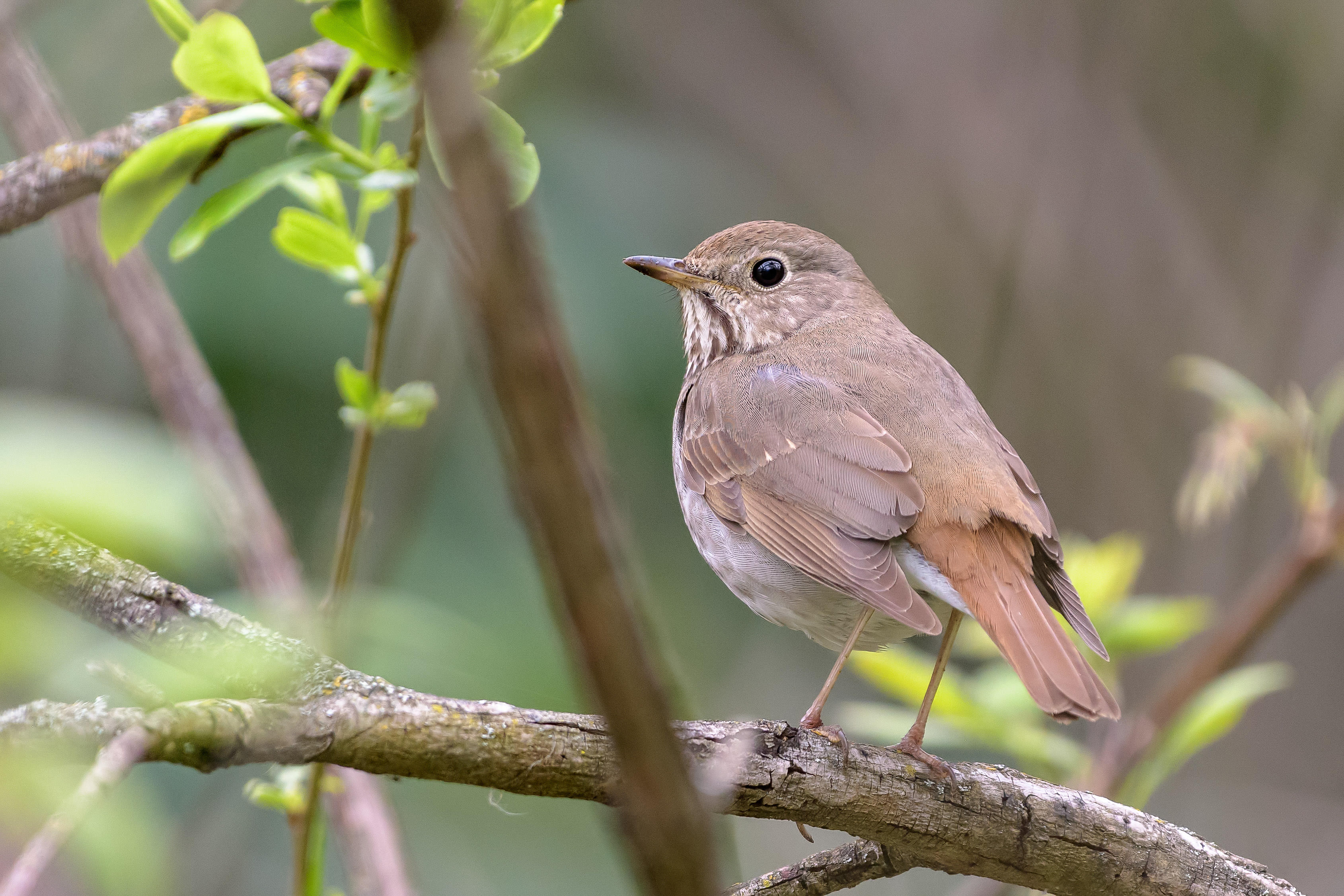
Along the shore at Yakutat, look to the sky for terns. This is home to one of the state’s largest nesting colonies of Aleutian terns, and the community celebrates the Yakutat Tern Festival in May. Join in on festival outings to Hubbard Glacier and Harlequin Lake and, if the opportunity arises, be sure to see a performance of the Mount St. Elias Dancers, Yakutat’s esteemed Tlingit dance group.
If you time your visit to late fall and early winter, you’re unlikely to ever forget the Chilkat Bald Eagle Preserve. This 48,000-acre preserve is mostly known for a remarkable coming-together of bald eagles—they can number as many as 3,000 or more. Look into the swift waters of the Chilkat River, and it’s not hard to understand why: a late-season wild salmon run offers an Alaska-sized feast.

Emerald Edge Stories

Clayoquot Sound Agreement caps major Emerald Edge milestones supported by the Bezos Earth Fund
The Ahousaht and Tla-o-qui-aht First Nations made history with an agreement with the government of British Columbia (B.C.) to protect 76,000 hectares (188,000 acres) in Clayoquot Sound.

Economic Development in the Emerald Edge
Learn why The Nature Conservancy is developing conservation strategies rooted in economic development for the Emerald Edge.

About the Emerald Edge Network
The Emerald Edge Network seeks to realize Indigenous-led and ally-supported land and water stewardship.